Light: The Essential Element that Enables Vision
 By
By
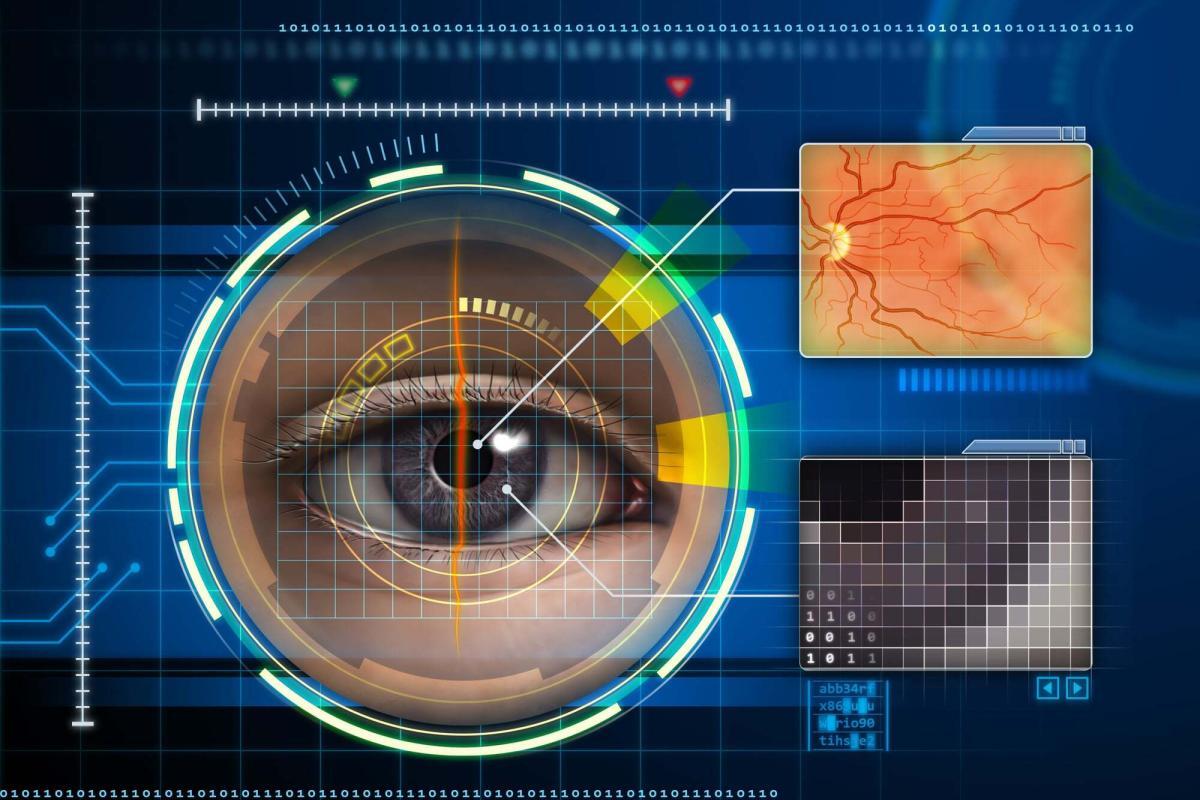
The interaction between light and the human eye is fundamental, enabling us to see and interpret our surroundings vividly.
By
The interaction between light and the human eye is fundamental, enabling us to see and interpret our surroundings vividly.
 By
By
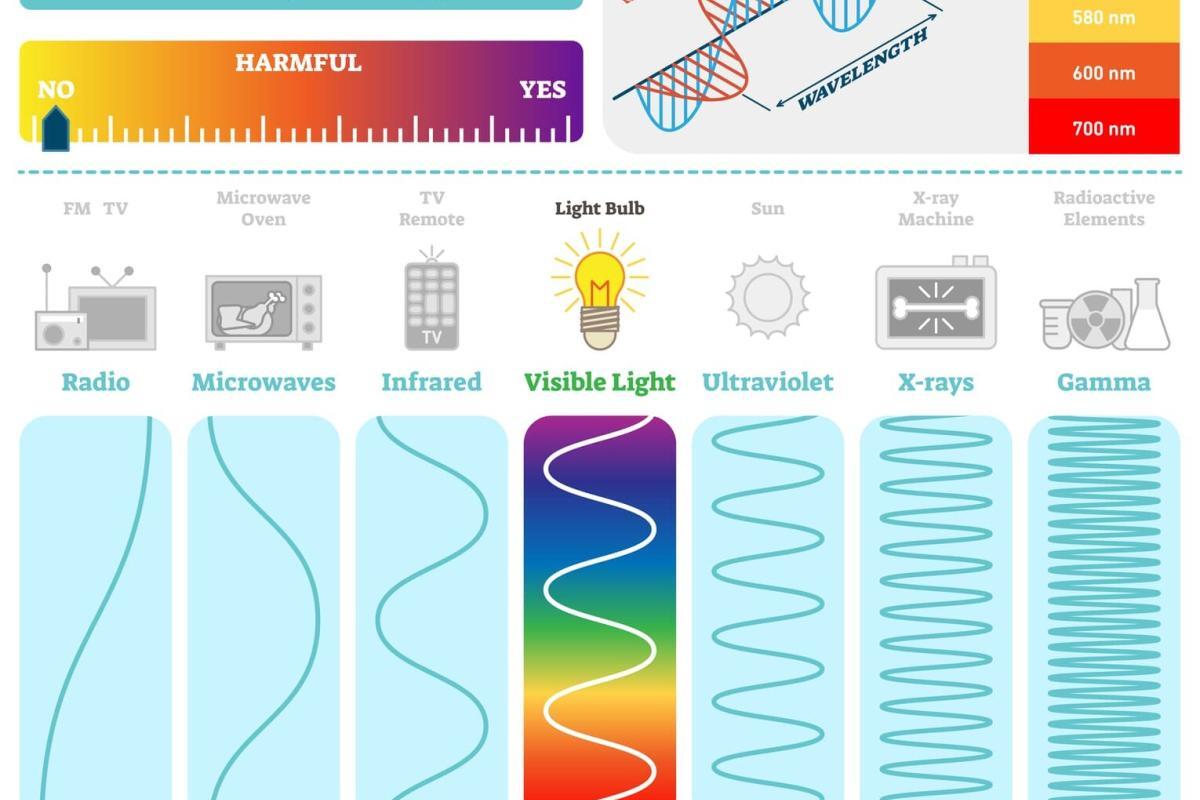
Each region of the electromagnetic spectrum serves unique purposes, from communication and medical imaging to scientific exploration and research.
 By
By
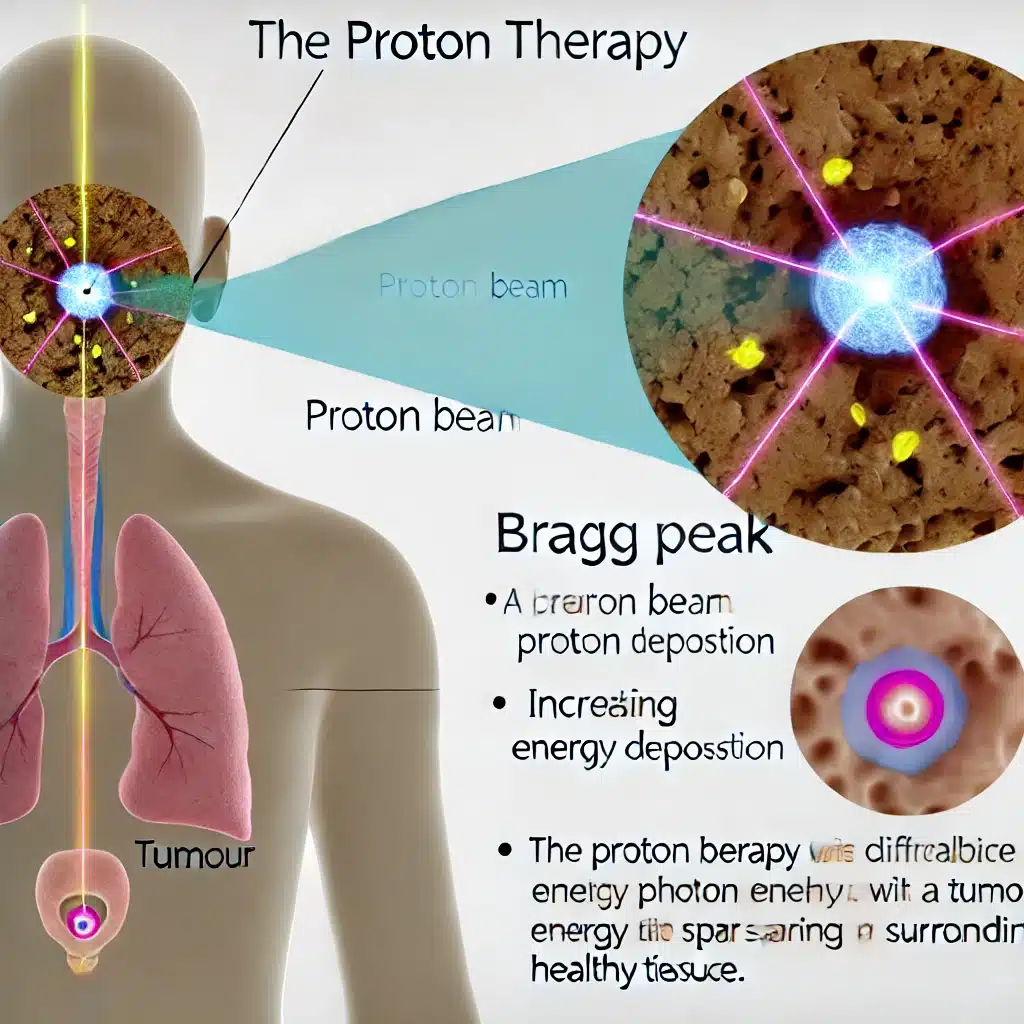
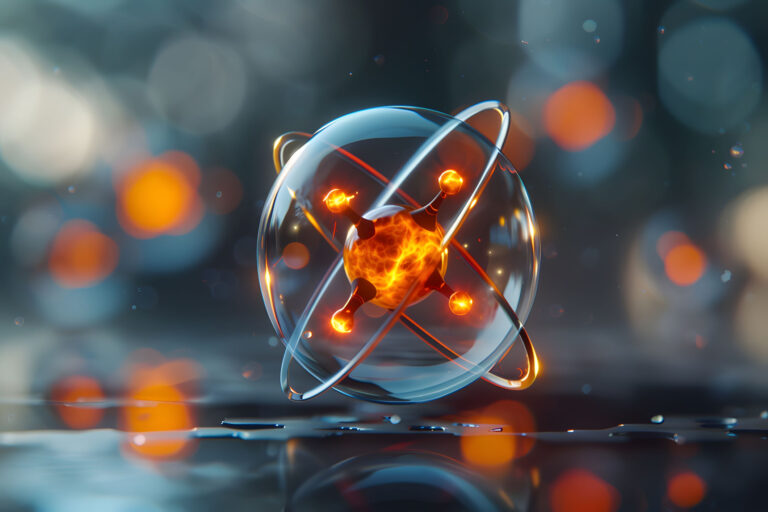
Bragg Peak in proton therapy enables precise tumour targeting, minimising damage to surrounding healthy tissue, enhancing cancer treatment outcomes.
 By
By
Electron capture transforms a proton into a neutron by absorbing an inner electron, significantly altering the atomic nucleus.
 By
By
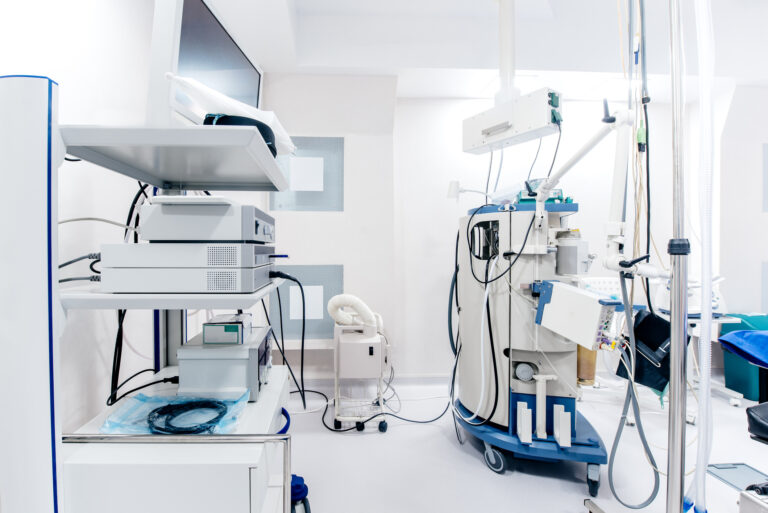
Types of medical devices include diagnostic tools, therapeutic equipment, monitoring instruments, and surgical implements.
 By
By
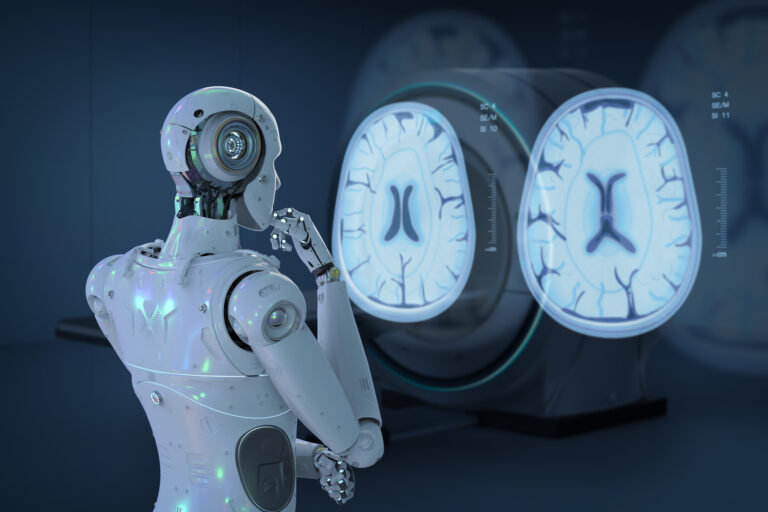
AI in radiology significantly enhances diagnostic accuracy, streamlines workflows, and personalises patient care in healthcare.
 By
By
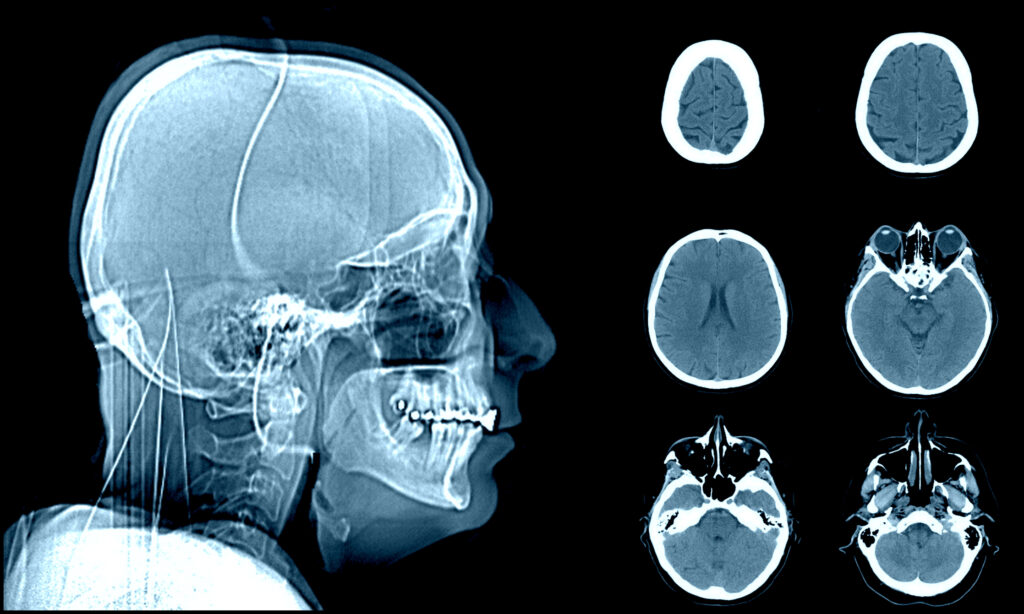
Computed Tomography (CT) scans have revolutionised medical imaging, enabling rapid, non-invasive diagnostics through advancements in resolution, speed, and reduced radiation exposure.
 By
By
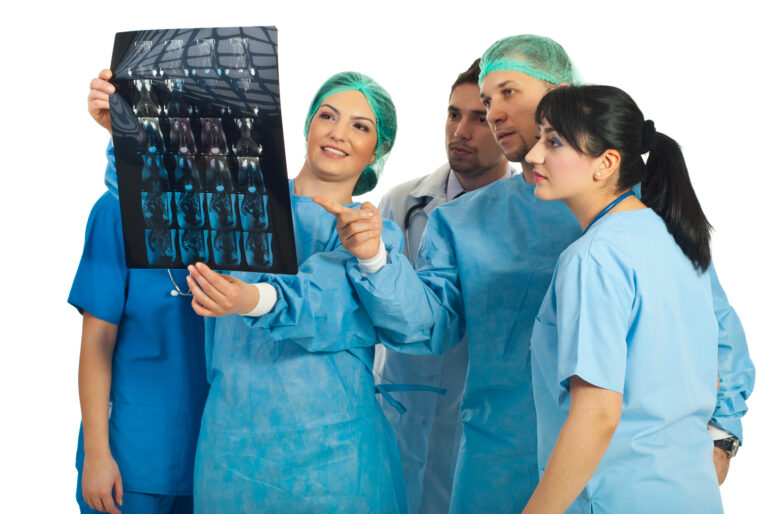
Radiology nurses prepare and monitor patients during imaging procedures, ensuring safety, comfort, and accurate diagnosis through collaboration. Image for illustration only. People depicted are models.
 By
By
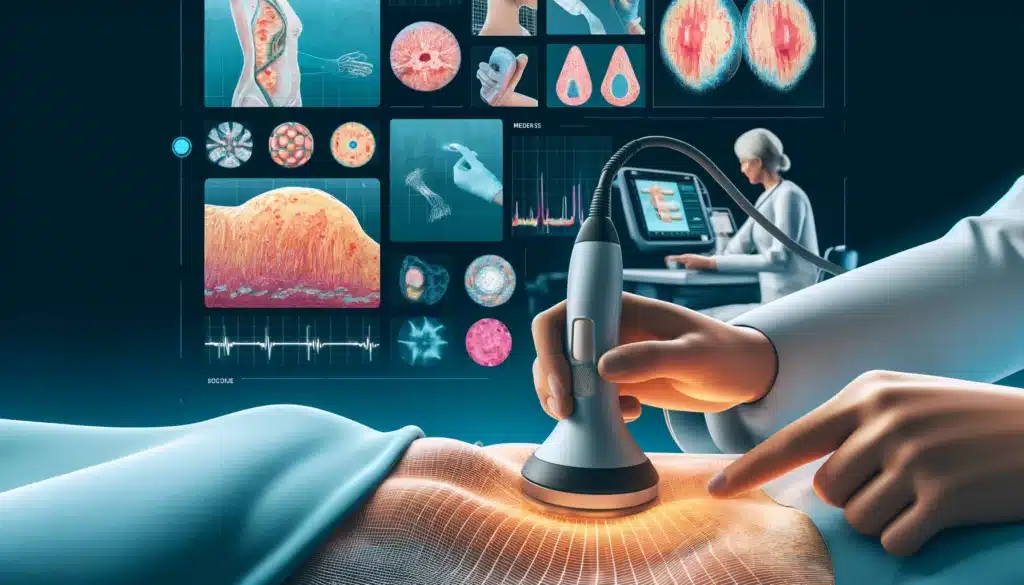
Tactile imaging transforms diagnostics by converting tactile sensations into visual data, enabling precise, non-invasive detection of tissue abnormalities and conditions.
 By
By
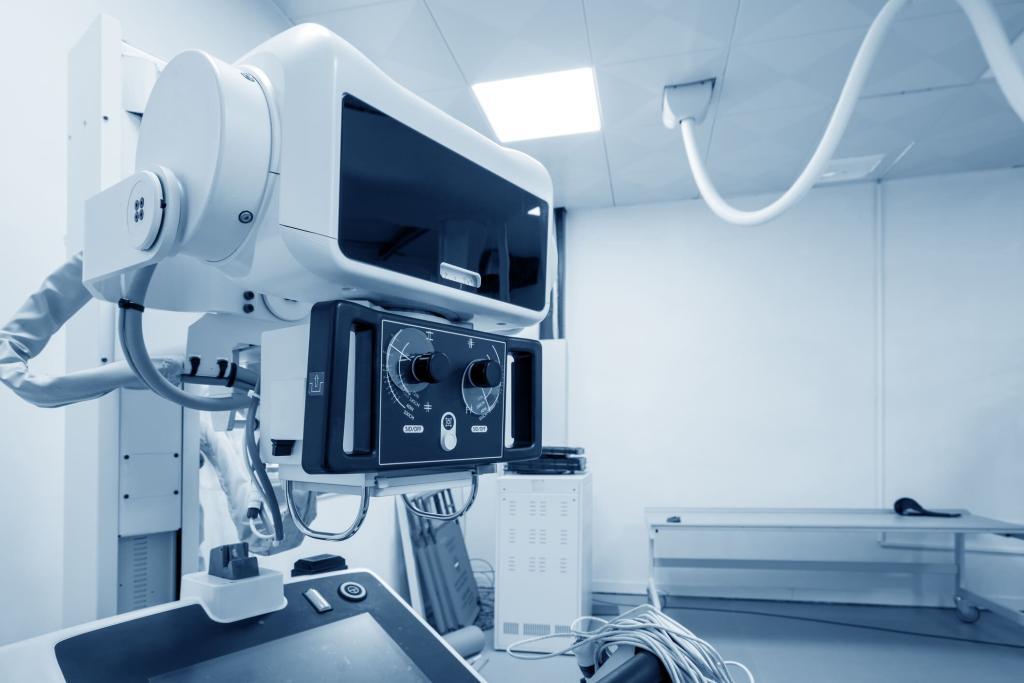
Fluoroscopy revolutionises modern medicine by enabling real-time X-ray imaging, improving diagnostics, enhancing precision in interventions, and advancing minimally invasive procedures.
 By
By
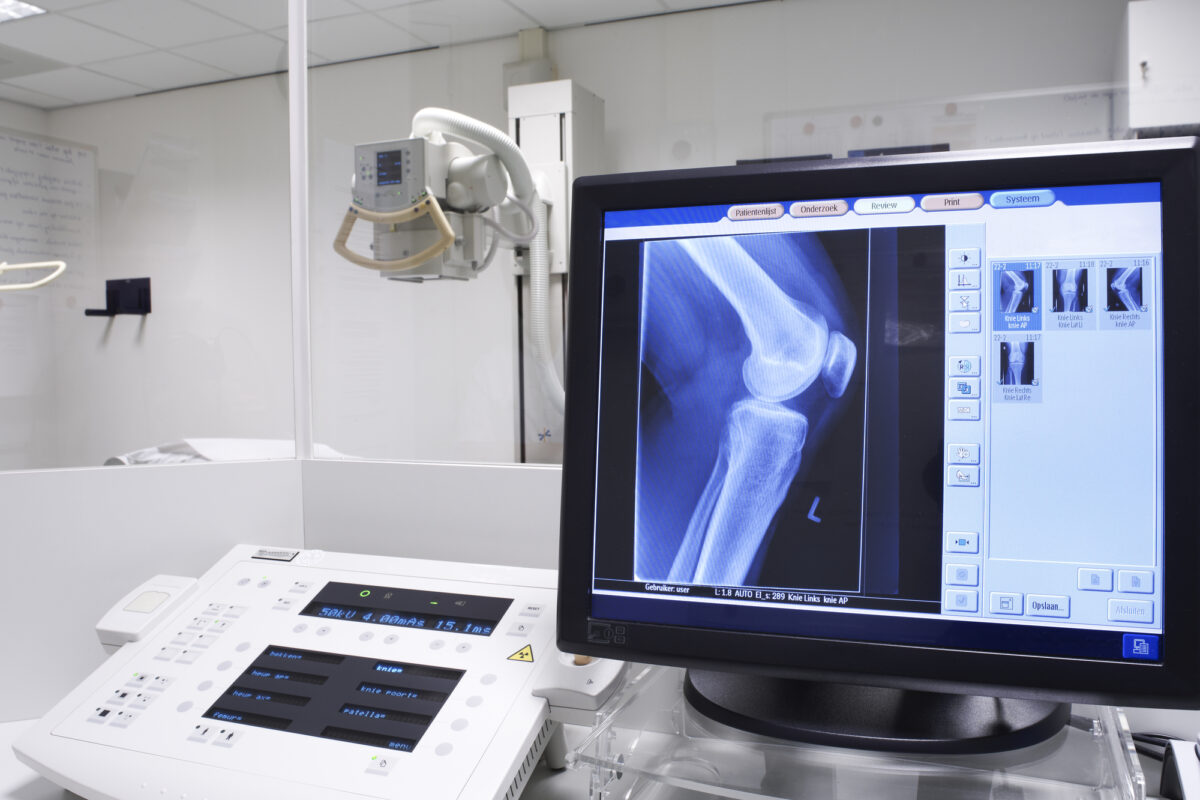
X-rays, discovered in 1895 by Wilhelm Roentgen, revolutionised medical diagnostics and profoundly influenced science and technology.
 By
By
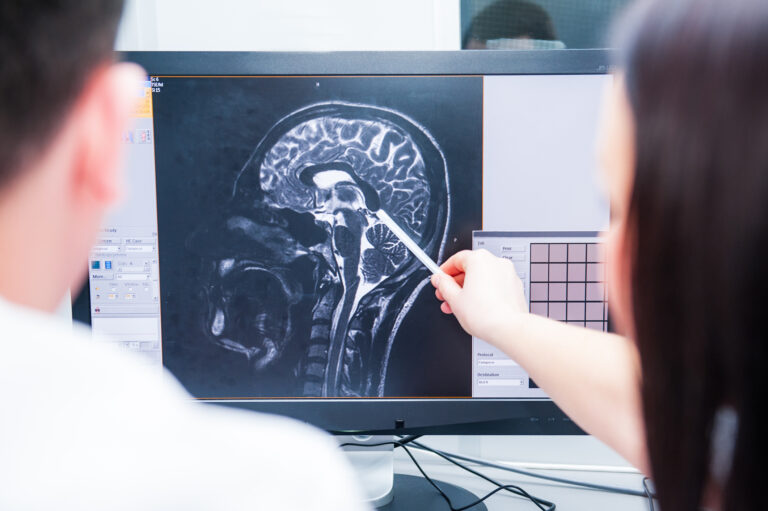
To excel in medical imaging, specialized postgraduate studies beyond basic nursing or medicine degrees are essential for careers like radiologist. Image for illustration only. People depicted are models.
 By
By
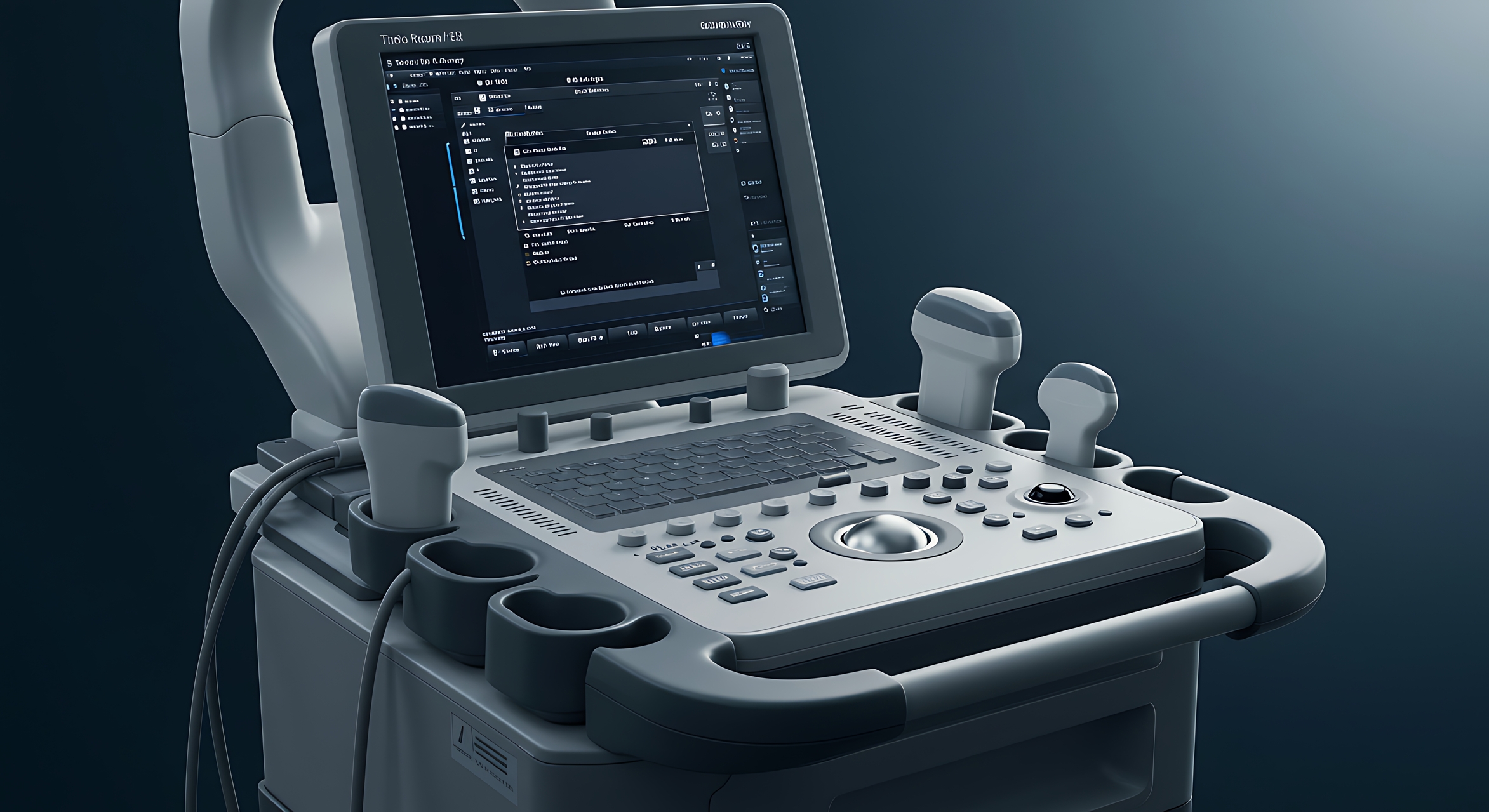
To excel in medical imaging, one must pursue postgraduate education beyond basic nursing or medicine. Image for illustration only. People depicted are models.
 By
By
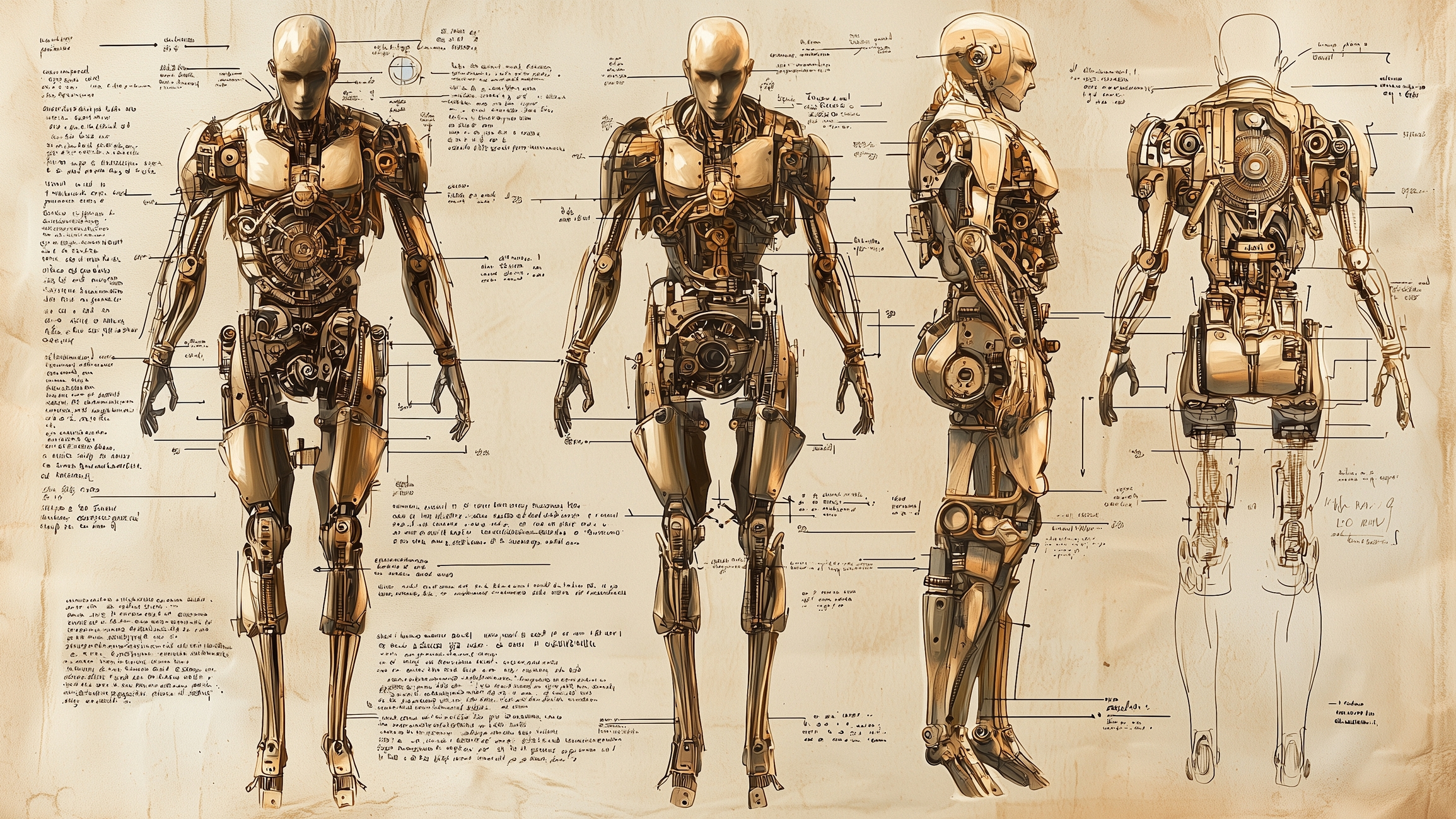
Point of Care imaging’s evolution, marked by miniaturisation, has revolutionised bedside diagnostics and patient care delivery.
 By
By
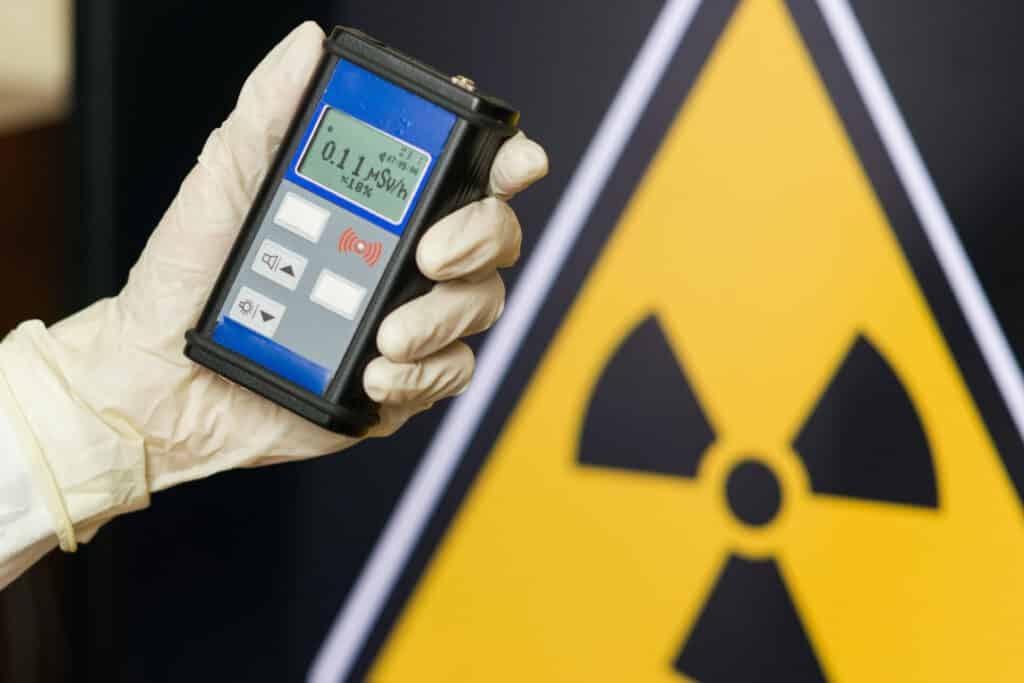
Da Vinci technology transform medical imaging with robotics, AI, and advanced equipment, significantly enhancing diagnosis and treatment across specialties.
 By
By
Dosimetry measures radiation dose, ensuring safety in radiological protection, nuclear medicine, and occupational environments through calculations.
 By
By
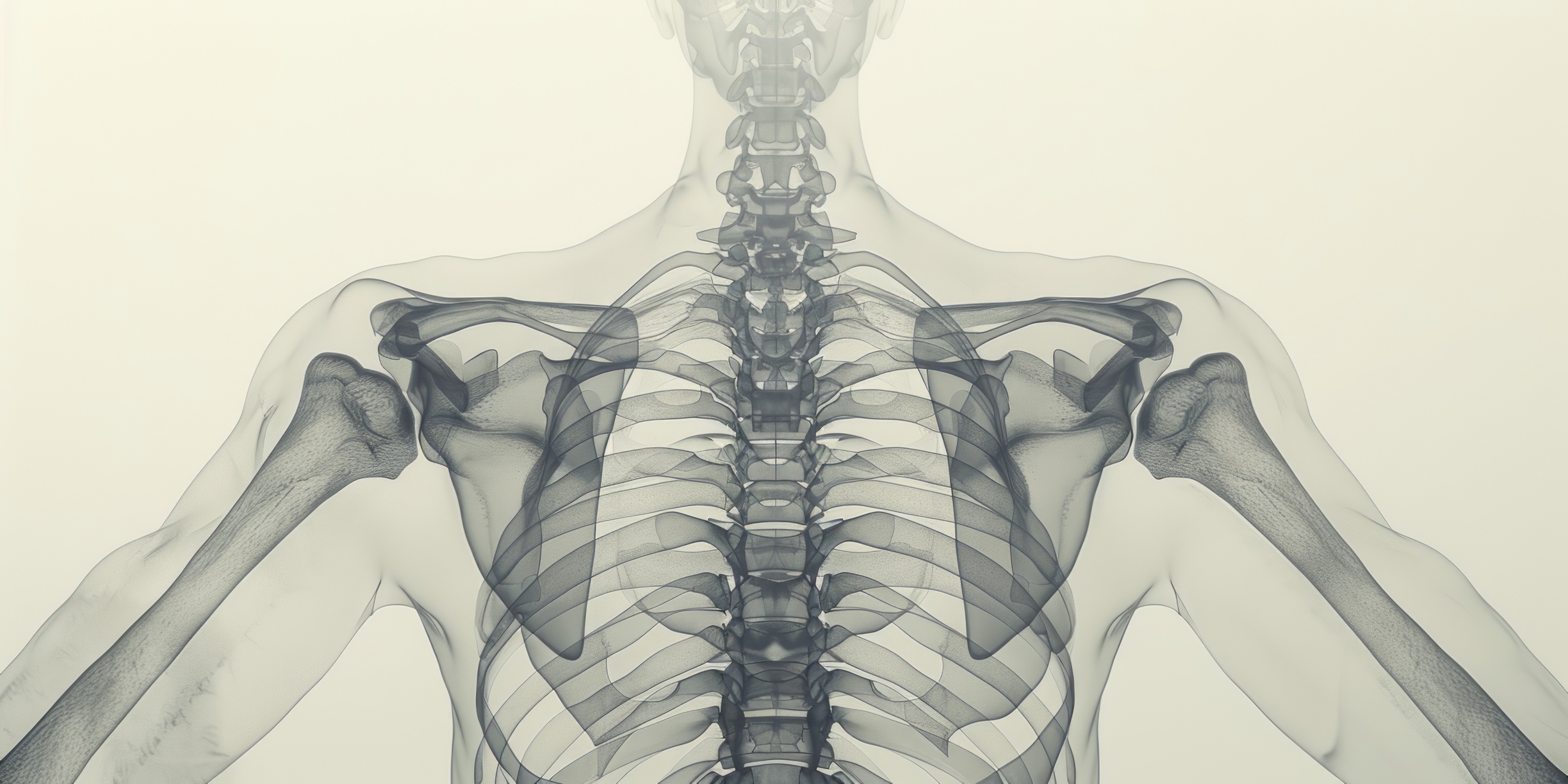
Medical imaging of the human skeleton enables accurate diagnosis, treatment, and monitoring of diverse bone and joint conditions.
 By
By
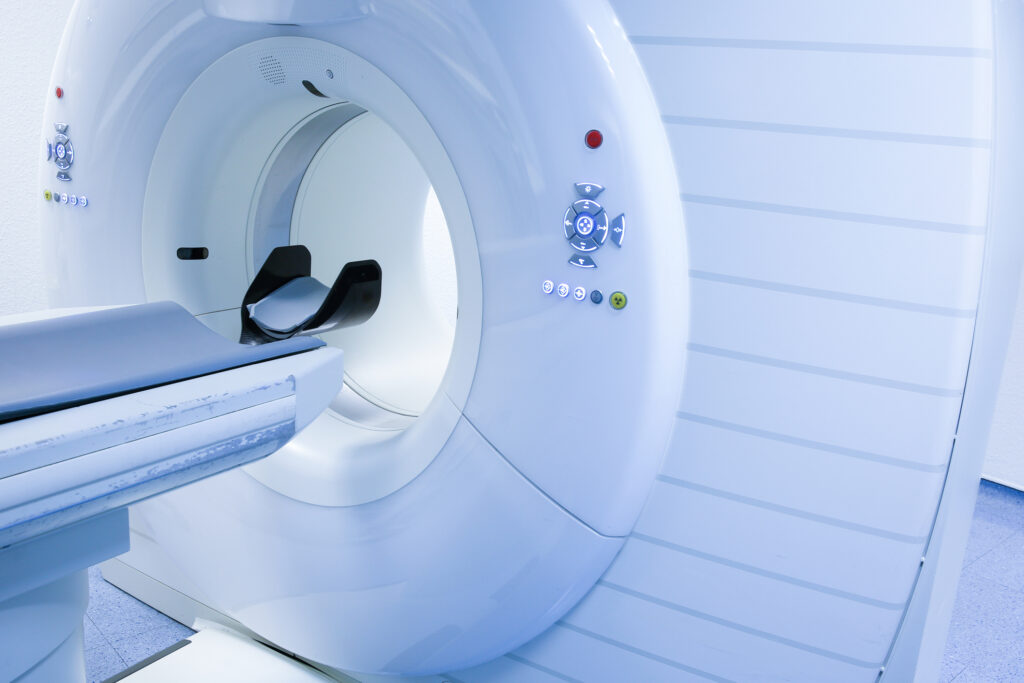
Photon Counting Computed Tomography enhances image quality, tissue differentiation, radiation reduction, and material decomposition via precise photon detection.
 By
By
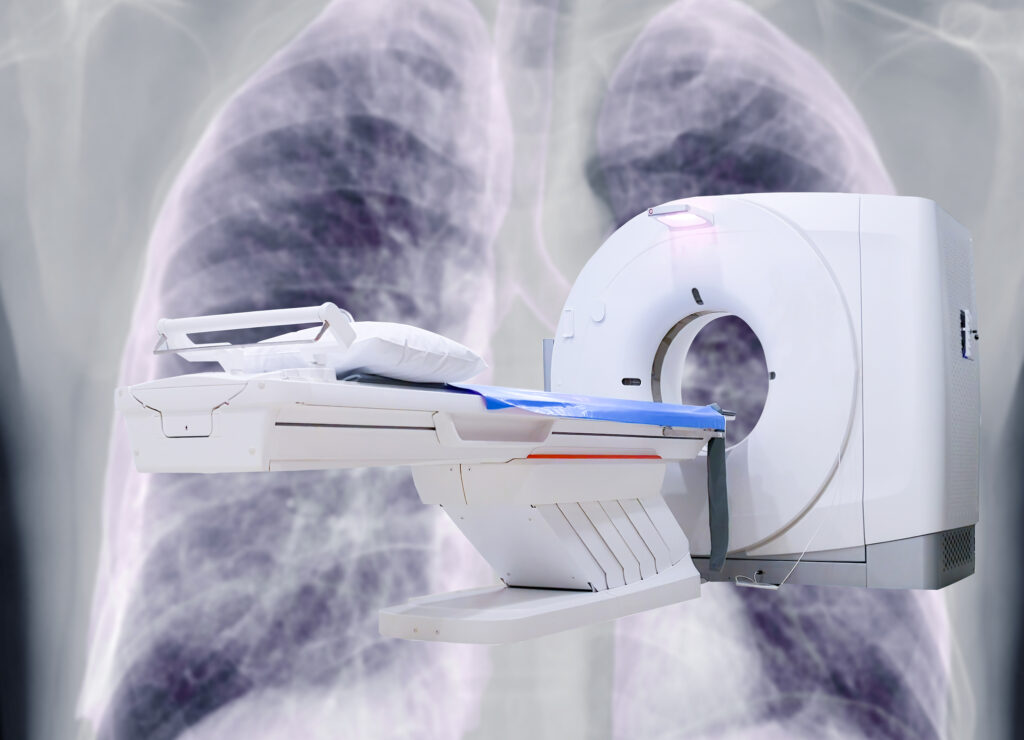
Dark Field Computed Tomography enhances medical imaging by utilising X-ray scattering for improved contrast and resolution in soft tissues.
 By
By
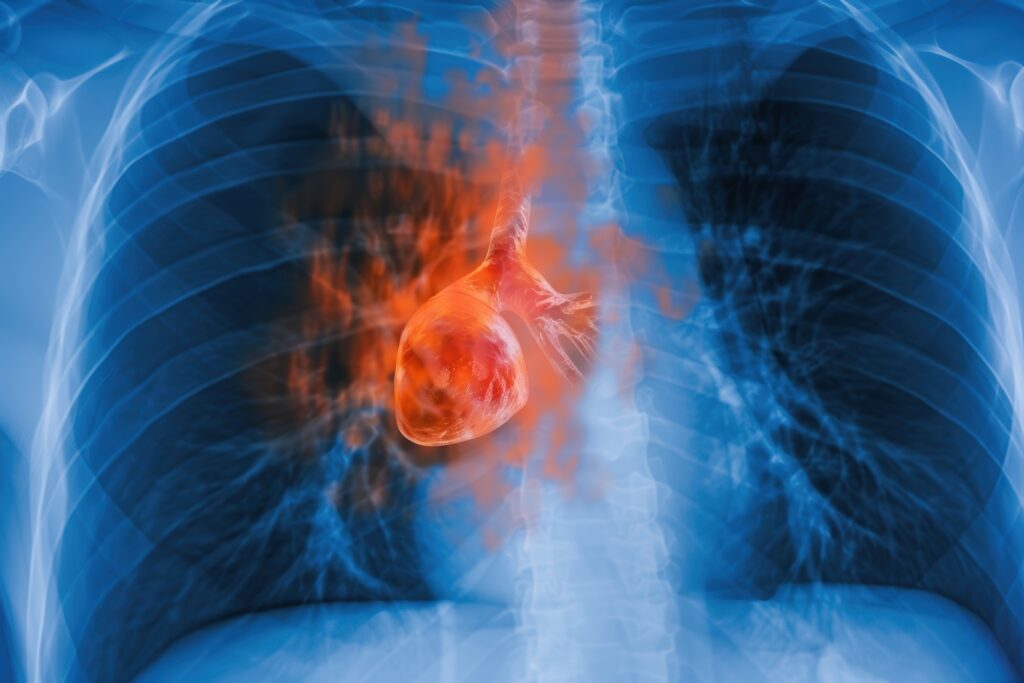
X-ray phase-contrast imaging offers enhanced soft tissue visualisation, improved contrast, and resolution over conventional X-ray techniques.
 By
By
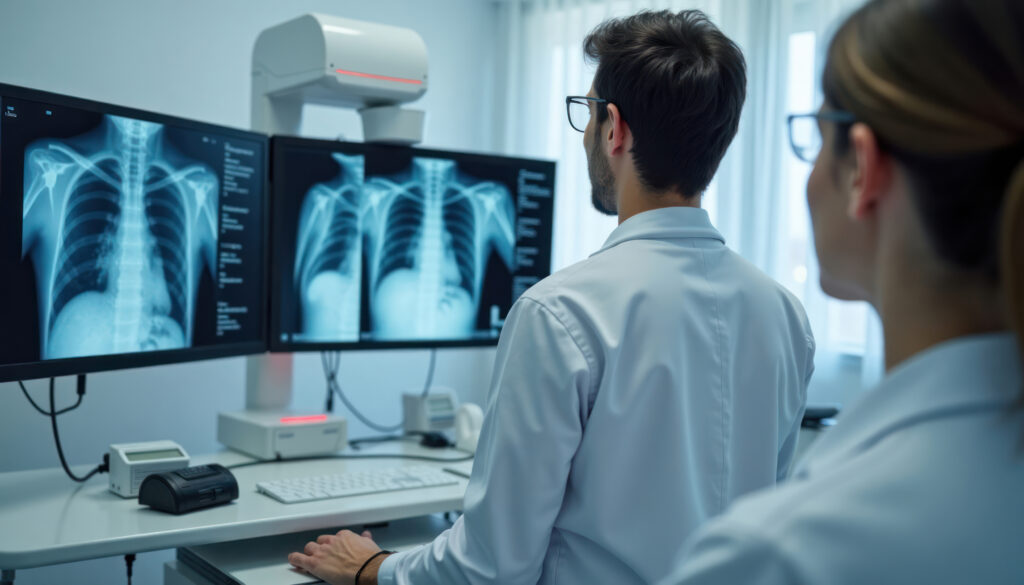
Dark-field radiography excels in early-stage lung disease detection, breast cancer diagnosis, microfracture visualisation, and soft tissue imaging. Image for illustration only. People depicted are models.