

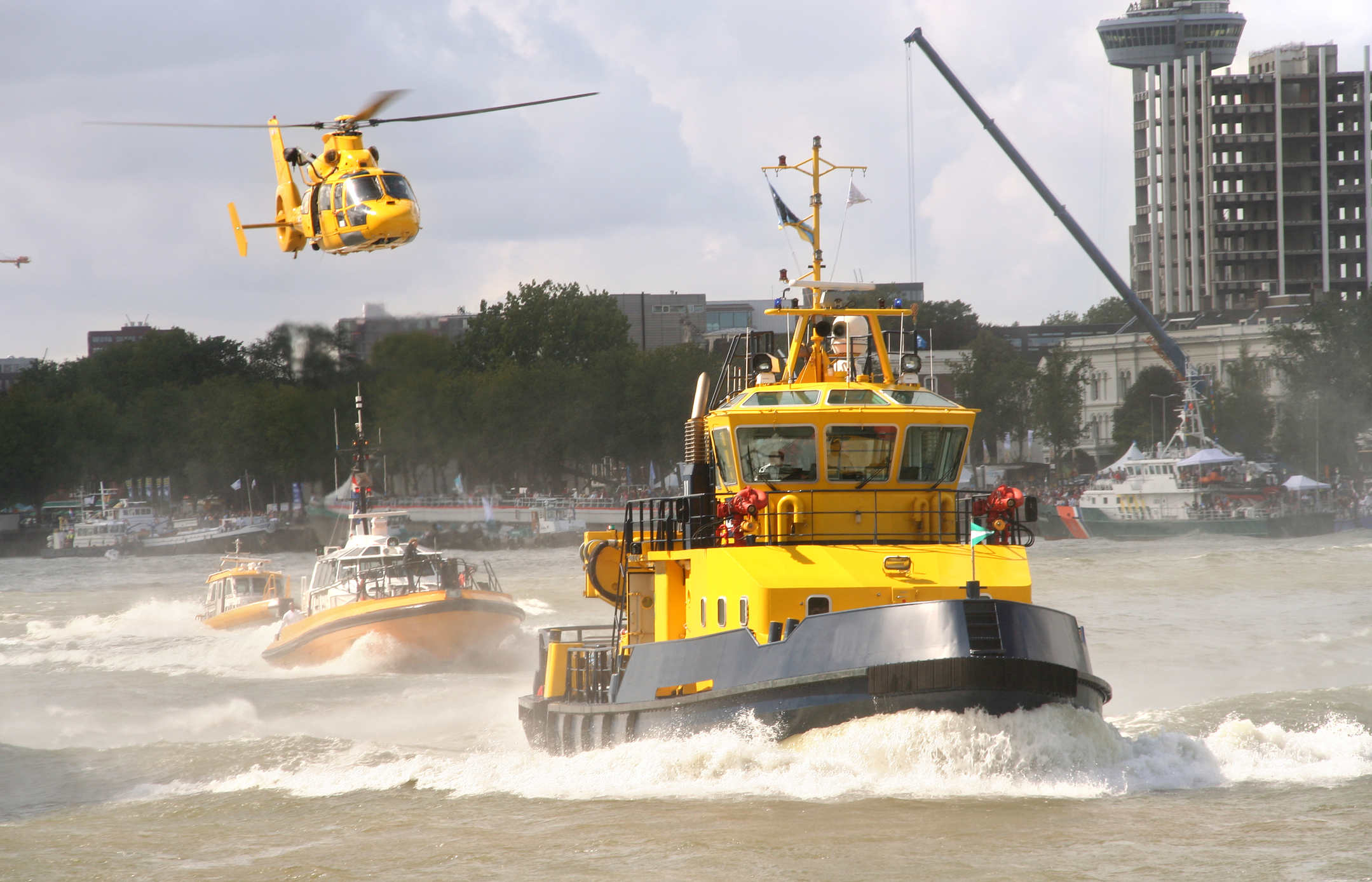
Few voices discuss the psychological toll associated with lives saved at sea.
There has been a lot of talk about the equipment, the boats, training exercises… But what about the people operating water rescue equipment? They’re often left traumatized long after the call is over. As drowning calls increase each year, more rescuers are bringing home some things they can’t unpack.
Here’s the truth nobody wants to admit:
- Water rescues hit harder than other calls
- The mental toll lasts for years
- Most responders never get proper support
In this guide:
- Why Water Rescues Are Different
- The Mental Health Statistics Nobody Talks About
- Common Trauma Responses After Water Calls
- How Departments Can Better Support Their Teams
- Building A Long-Term Mental Health Plan
Why Water Rescues Are Different
Water rescue operations sit in a category of their own.
Water calls are different from a building fire or car crash. You fear for whoever is in there. It could be kids. Recoveries can take days. And the water rescue equipment used – sonar systems, throw bags, swiftwater gear – it’s a reminder just how fine the line between rescue and recovery really is.
For those wondering, “What is swiftwater rescue?” — this guide breaks down why these calls are so physically and mentally demanding on responders.
Here’s the kicker:
Water calls that begin as rescues often turn into recoveries. That second… when hope is lost… crushes something inside even the toughest rescue swimmer.
Responding to a car accident, you know exactly what you are walking into. Within minutes there will be a definite outcome. A water rescue? You may be searching for hours, days. Parents standing on the river bank mourning their loss while the search continues. That burden goes home with you after loading up the truck.
The Mental Health Statistics Nobody Talks About
The numbers paint a brutal picture.
A recent report stated that 30% of first responders experience some type of behavioural health illness such as depression and PTSD. Only 20% of the general population does. That’s a significant difference, and water rescue teams fall on the higher side of that percentage.
It only gets worse when you focus on PTSD specifically. According to the National Center for PTSD, rates of PTSD prevalence among rescue workers ranges from 0% to 34%. They report depression rates as high as 53%, depending on disaster type.
Why are water rescue teams hit so hard?
- Long, drawn-out search operations
- High percentage of child victims
- Direct contact with grieving families
- The shift from rescue to recovery
Oh, and this is what most people overlook… The trauma affects not only the rescuers in the water. It affects dispatch, it affects the command staff, it affects the people who have to make that call to suspend the search.
Everyone on that mission carries something home.
Common Trauma Responses After Water Calls
Not all trauma looks the same.
Some people respond and symptoms occur within days. Some suppress it and symptoms don’t occur for years. Being aware is 50% of the solution.
Acute Stress Reactions
These show up in the first few days after a call. Common signs include:
- Trouble sleeping
- Replaying the incident on a loop
- Avoiding water-related conversations
- Feeling numb or disconnected
Symptoms usually disappear for most responders within weeks. However, if they persist, could it be signalling something more sinister?
Long-Term PTSD
PTSD is probably the most recognized trauma syndrome out there. However, it is also the most misunderstood. PTSD can manifest itself months or even years after the traumatic call.
Signs to watch for:
- Persistent flashbacks
- Severe anxiety around water
- Withdrawal from family and friends
- Substance use to cope
The problem is first responders are taught to power through. They’re not taught to slow down and ask for assistance.
How Departments Can Better Support Their Teams
Most departments are doing the bare minimum.
They dispatch their forces, they do the work, and everyone goes home like nothing ever happened. We don’t have time for that anymore.
Here’s what the best departments are doing differently:
Mandatory Debriefs After Tough Calls
An adequate debriefing is not a hurried conversation in the parking lot. It is a guided discussion that allows each responder the opportunity to vent.
The best debriefs include:
- A trained mental health professional
- Time to talk through the incident
- Resources for follow-up support
- Zero pressure to “move on” too quickly
Peer Support Programs
Talking with someone who understands can be incredibly healing. Peer support programs equip trained responders to debrief their fellow responders following tough calls.
A good peer support program includes:
- Confidential one-on-one conversations
- Group support sessions
- 24/7 availability for crisis situations
- Clear pathways to professional help
Access To Specialised Therapy
Generic approaches to therapy often fall flat with first responders. They need a therapist who knows their culture, speaks their language, and understands their unique trauma.
SAMHSA reports that about 1 in 3 first responders will experience PTSD in their lifetime. So accessing specialized care isn’t a luxury… It’s a necessity.
Building A Long-Term Mental Health Plan
Mental health support can’t be a one-time thing.
It must be ingrained in every department culture, from Day 1 with the rookie to the last shift of the veteran. Approach mental fitness as you would physical fitness… Something that you maintain daily, instead of waiting for something to fail.
A solid long-term plan includes:
- Annual mental health screenings
- Ongoing training on trauma awareness
- Family support resources
- Clear protocols for high-trauma calls
The water rescue equipment a department buys invests in saving the body… Mental health programs invest in saving the mind. Both are important.
Departments should also be equipped with technology that lessens trauma load. Tools that allow for quicker recovery and improved sonar cut down on time spent in operations and time suffering through gut-wrenching scenarios.
Final Thoughts
Water rescue is one of the toughest jobs in emergency services.
The physical toll is tremendous. The mental anguish is even worse. With PTSD affecting first responders at rates three times that of the general population, the current system is clearly falling short.
To recap what really matters:
- Water rescues carry unique mental health risks
- PTSD, depression, and acute stress are common
- Debriefs and peer support save careers (and lives)
- Long-term mental health plans need to be built into every department
If you are a first responder reading this… Asking for help doesn’t make you weak… It makes you strong. If you run a department, now is the time to act.
The operators of water rescue equipment deserve better than a thank you. They deserve coverage as passionate as they are about the safety of the public.
Disclaimer: This article, “The Mental Health Toll on First Responders After Water Rescue Operations,” published by Open MedScience, is intended for informational and educational purposes only. It does not constitute medical, psychological, or professional advice. Readers experiencing symptoms of stress, trauma, or other mental health concerns should seek guidance from a qualified healthcare professional or mental health specialist.
While every effort has been made to ensure the accuracy of the information presented, Open MedScience makes no guarantees regarding completeness or applicability to individual circumstances. The views expressed in this article are those of the author and do not necessarily reflect the official policy or position of Open MedScience.
home » blog » health and wellbeing »