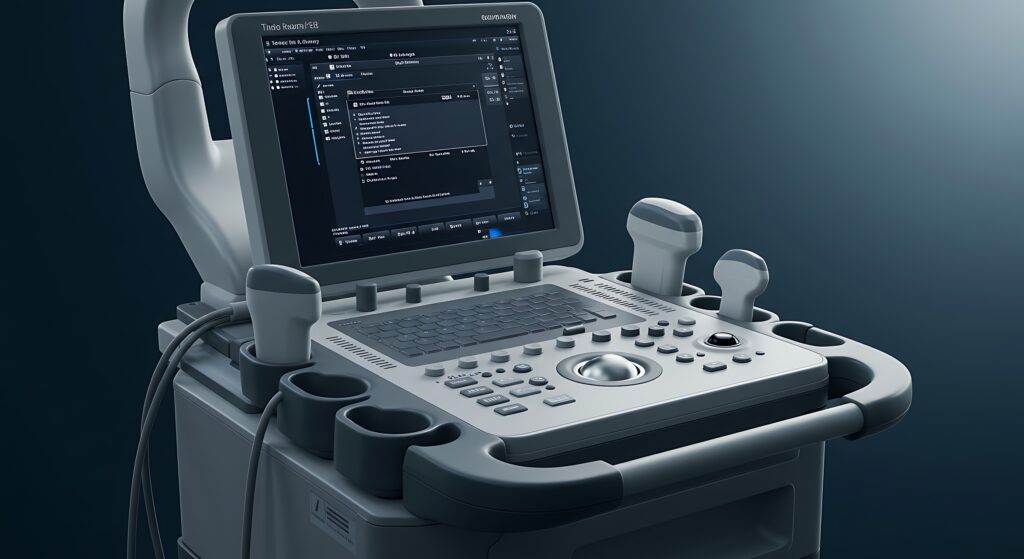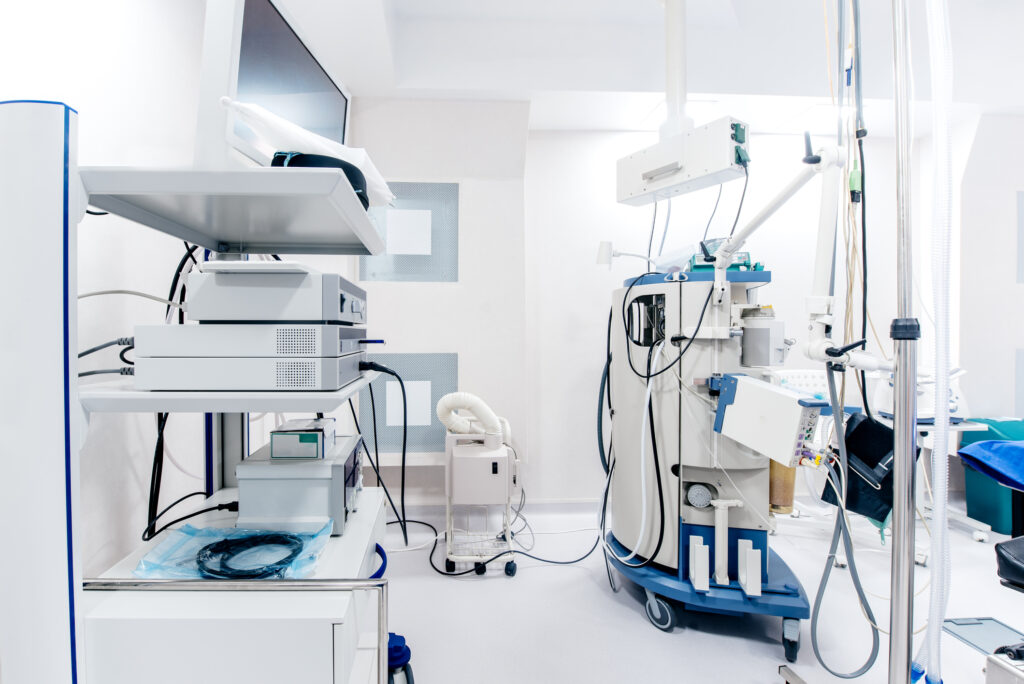


Unplanned medical device failures can disrupt clinical workflows, delay care delivery, and increase operational costs. In high-dependency environments such as hospitals and intensive care units, the reliability of equipment like MRI scanners, ventilators, and infusion pumps is critical. As healthcare systems become more technologically complex, there is growing interest in predictive maintenance approaches that aim to identify potential failures before they occur.
Predictive maintenance software uses data-driven methods, including machine learning and real-time monitoring, to assess the condition of medical devices. Instead of relying solely on reactive repairs or fixed maintenance schedules, these systems analyze patterns in device performance to estimate when intervention may be required.
Why Predictive Maintenance Is Gaining Attention
Healthcare organizations often manage large inventories of biomedical equipment. Traditional maintenance strategies, either reactive (repair after failure) or preventive (scheduled servicing), may not fully account for variations in device usage, environmental conditions, or wear patterns.
Unplanned equipment downtime can lead to financial strain and operational inefficiencies. It may also affect patient throughput and delay critical procedures. Predictive maintenance aims to reduce such disruptions by enabling earlier detection of anomalies. By identifying deviations in parameters such as temperature, vibration, or power consumption, maintenance teams can intervene before a failure impacts clinical operations.
Technical Foundations of Predictive Maintenance
At a technical level, predictive maintenance systems typically involve the following components:
- Data Acquisition: Sensors embedded in devices or retrofitted onto legacy systems collect operational data, including runtime, load conditions, and environmental variables.
- Data Processing and Analysis: Machine learning models analyze historical and real-time data to detect anomalies or degradation patterns.
- Failure Prediction: Algorithms estimate the remaining useful life (RUL) of components and generate maintenance recommendations.
- Alerting and Workflow Integration: Notifications are delivered through dashboards or maintenance systems, allowing technicians to schedule interventions.
Integration with existing hospital IT infrastructure is often necessary to ensure that maintenance insights are actionable. This may include interoperability with electronic health record (EHR) systems or computerized maintenance management systems (CMMS).
Interoperability and System Integration
In many healthcare environments, clinical and operational data reside in separate systems. Bridging these systems can enhance situational awareness. For example, linking device status with clinical workflows may help coordinate equipment availability with patient scheduling.
Standards such as HL7 and FHIR are commonly used to facilitate data exchange between systems. In hospitals that rely on enterprise EHR platforms, integration layers often implemented through Epic integration services can enable seamless data flow between maintenance systems and clinical records, ensuring that device insights are accessible within existing workflows. However, implementation typically requires careful configuration, validation, and adherence to data governance policies.
Key Functional Capabilities
Predictive maintenance platforms vary in their capabilities, but commonly reported features include:
- Continuous monitoring of device performance
- Data-driven anomaly detection
- Maintenance scheduling based on condition rather than fixed intervals
- Reporting tools for regulatory compliance and audits
- Scalability across multiple facilities or device types
The effectiveness of these features depends on data quality, model accuracy, and the degree of integration with operational workflows.
Reported Benefits and Evidence
Early implementations of predictive maintenance suggest potential benefits such as reduced downtime, extended equipment lifespan, and improved maintenance efficiency. In broader industrial settings, predictive approaches have been associated with lower maintenance costs and reduced equipment disruptions, with growing applicability in healthcare environments.
Proper maintenance of medical equipment is widely recognized as essential for ensuring patient safety and supporting reliable healthcare delivery. However, outcomes may vary depending on factors such as device type, infrastructure maturity, and staff training. More healthcare-specific studies are needed to establish standardized benchmarks and quantify long-term impact.
Implementation Considerations
Despite its potential, predictive maintenance presents several challenges:
- Data Silos: Fragmented systems can limit access to comprehensive device data.
- Legacy Equipment: Older devices may lack built-in sensors, requiring retrofitting.
- Workforce Training: Clinical engineering teams may need training to interpret predictive insights.
- Cybersecurity: Connected medical devices increase the attack surface, necessitating robust security measures.
A phased implementation approach—starting with high-risk or high-value equipment—may help organizations evaluate feasibility and refine processes before broader deployment.
Future Directions
Advances in artificial intelligence, edge computing, and connectivity are expected to shape the future of predictive maintenance in healthcare. Edge processing may enable faster, on-device analysis, while improved connectivity could support real-time monitoring across distributed systems.
There is also ongoing exploration of secure data-sharing mechanisms to enhance transparency and compliance in maintenance records. As interoperability standards evolve, closer alignment between clinical and operational systems may further support proactive healthcare delivery models.
Conclusion
Predictive maintenance represents a shift toward more proactive management of medical devices. By leveraging data and advanced analytics, healthcare organizations may be able to reduce equipment downtime and improve operational efficiency. While the approach shows promise, its effectiveness depends on careful implementation, reliable data, and continued evaluation through evidence-based research.
Disclaimer: This article is for general informational purposes only and does not constitute clinical, technical, regulatory, or legal advice. Predictive maintenance software should be assessed, validated, and implemented by qualified professionals in line with relevant regulations, manufacturer guidance, and patient safety requirements. Open MedScience accepts no liability for decisions made based on this content.
home » blog » medical devices »