
Many people want to know if mouth health affects the whole body. Studies now show that germs in your mouth can raise inflammation and impact diseases like heart problems.
Understanding the Oral Microbiome
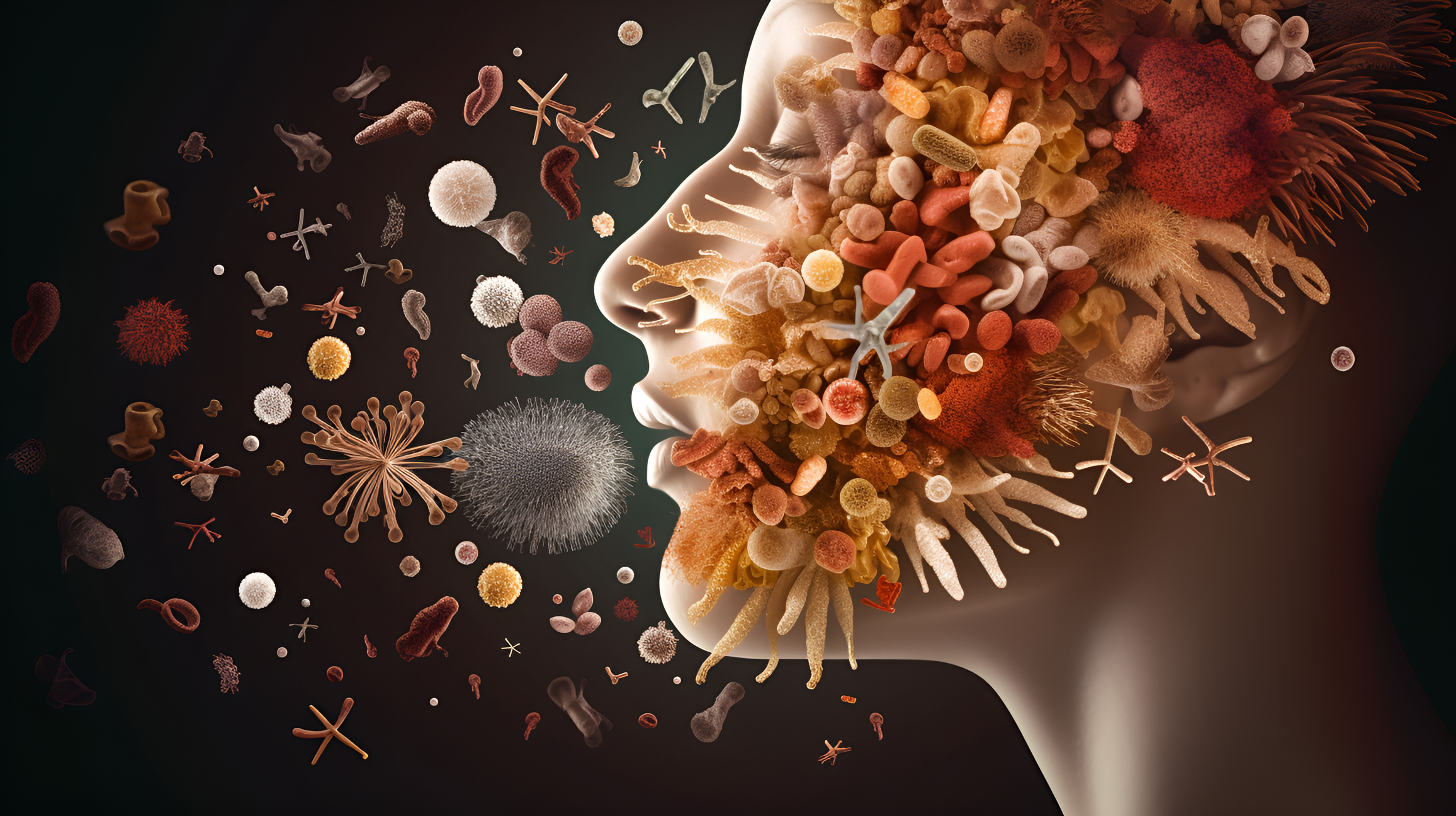
The oral microbiome is a community of tiny organisms in the mouth. These microorganisms play essential roles in maintaining our teeth and gums healthy, as well as influencing our overall health.
Composition and key functions
Hundreds of different bacteria, fungi, viruses, and protozoa make up the oral microbiome. Streptococcus, Actinomyces, Fusobacterium, and Porphyromonas are key bacterial genera present in dental plaque and mucosal surfaces.
These organisms live as a complex community that interacts with each other and the host. Oral commensal microorganisms help control pathogens by competing for space and nutrients.
Healthy microbial composition supports oral health through immune modulation and epithelial turnover. They form biofilms that protect teeth from decay and gums from infection. Host-microbial interactions in the mouth impact conditions like dental caries and also systemic health.
Clinical research links changes in oral microbiota to endothelial dysfunction and chronic inflammation in diseases such as atherosclerosis. Since 2022, studies have shown that oral pathogens can invade arteries.
Understanding these roles is essential for seeing how shifts or dysbiosis link local imbalances to wider effects on both oral hygiene habits and systemic diseases.
Role in maintaining oral and systemic health
Commensal microorganisms in the oral cavity control local diseases like dental caries. These microbes protect against harmful bacteria by balancing microbial composition. Good oral health supports epithelial turnover and acts as a barrier to infection.
Proper oral hygiene reduces dysbiosis and lowers inflammation, which helps prevent periodontal disease.
The oral microbiota influences overall health by shaping immune responses and promoting inflammation. Studies associate persistent oral inflammation with a higher likelihood of lung cancer. Harmful oral bacteria can enter arterial tissue, initiate infection, and contribute to endothelial dysfunction within atherosclerotic plaques.
Emerging studies since 2022 highlight how the oralome affects conditions such as metabolic syndrome, diabetes, and cardiovascular diseases.
Emerging evidence highlights the importance of the oral microbiome–systemic inflammation axis in shaping future approaches to chronic disease prevention. Clinical commentary from Lux Smiles NYC has similarly addressed the broader systemic implications of oral health.
The impact of these microbes reaches beyond the mouth into gut health, linking to disorders throughout the body. This shows why dentists should view good oral hygiene as important for both local and total health.
Oral Microbiome Dysbiosis and Systemic Inflammation
Oral microbiome dysbiosis leads to an imbalance of bacteria in the mouth. This imbalance can trigger systemic inflammation, which may contribute to various chronic diseases.
Causes of dysbiosis
Poor oral hygiene can shift microbial composition and trigger dysbiosis. High sugar diets feed pathogenic bacteria, causing dental caries and chronic inflammation. Smoking changes the balance of commensal microorganisms and weakens immune modulation in the mouth.
Overuse of antibiotics disrupts normal microbiota, leading to loss of key protective species. Chronic diseases such as diabetes also affect epithelial turnover and create a favourable environment for pathogens.
Long-term stress increases inflammatory markers, altering immune responses in the oral cavity.
Ageing impacts host-microbial interactions by reducing saliva production and changing local immunity. These factors together raise systemic inflammation risk, contribute to endothelial dysfunction, and may influence chronic disease progression through altered gut microbiome connections.
Link to chronic inflammation
Oral pathogens can invade arteries. This invasion triggers infection and inflammation in atherosclerotic lesions. Chronic oral inflammation and microbial dysbiosis raise the risk of lung cancer.
The human oral microbiome is crucial for systemic health. It connects local diseases, such as dental caries, to larger health issues.
Recent research highlights how oral microbiota affects systemic inflammation. Oral hygiene plays an essential role in maintaining this balance. Proper care can help prevent chronic diseases caused by dysbiosis and inflammation.
Understanding these connections helps dentists develop better prevention strategies for their patients’ overall health.
The Oral–Gut Axis and Its Impact on Health
The Oral-Gut Axis connects oral health to gut health. Changes in the oral microbiome can influence the gut and overall wellness.
Microbial translocation and immune responses
Microbial translocation occurs when oral pathogens enter the bloodstream. These harmful bacteria can reach distant tissues and organs. This process can lead to infection and trigger inflammation in areas like arteries, contributing to conditions such as atherosclerosis.
Oral pathogens may also affect the immune response, leading to systemic health issues.
Chronic oral inflammation and microbial dysbiosis increase risks for various diseases. Emerging studies link these factors to heart disease and higher chances of lung cancer. Understanding how these microbes impact immune responses could help develop better treatments for chronic diseases.
We will explore the influence of the oral-gut axis on health.
Influence on gastrointestinal disorders
Microbial translocation can lead to inflammation in the gut. Oral bacteria may enter the bloodstream, affecting organs like the intestines. This invasion is linked to various gastrointestinal disorders.
Chronic oral inflammation and dysbiosis raise the risk of diseases such as inflammatory bowel disease (IBD).
The human oral microbiome plays a crucial role in maintaining gut health. It impacts epithelial turnover, which helps keep the lining of our intestines strong. Healthy oral hygiene can prevent microbial imbalance, reducing systemic health issues.
Recognising these connections is essential for dentists aiming to improve patient care and overall well-being.
Links Between the Oral Microbiome and Chronic Diseases
The oral microbiome affects several chronic diseases. Poor oral health can lead to conditions like heart disease and diabetes.
Cardiovascular diseases
Cardiovascular diseases can be influenced by the oral microbiome. Oral pathogens may invade arteries, causing infection and inflammation in atherosclerotic lesions. Chronic oral inflammation and microbial dysbiosis are connected to an increased risk of systemic diseases like lung cancer.
Research shows that disruptions in the oral microbiome can lead to endothelial dysfunction, affecting blood vessel health. This dysfunction raises the likelihood of heart disease. Dentists play a key role in managing patients’ oral health, which is essential for overall systemic health.
Regular check-ups and good oral hygiene practices help maintain a balanced microbial composition in the mouth.
Endocrine and metabolic disorders
Oral health affects endocrine and metabolic disorders. Research shows that chronic oral inflammation and microbial dysbiosis increase the risk of these conditions. Oral pathogens can enter the bloodstream, leading to systemic effects like endothelial dysfunction.
This dysfunction may contribute to atherosclerosis, making heart disease more likely.
The link between oral microbiota and metabolic syndrome is clear. Disruption in the oral microbiome alters immune responses, affecting overall health. Poor oral hygiene can lead to issues beyond dental problems, including diabetes and obesity-related diseases.
Recognising this connection helps dentists play a crucial role in preventing chronic diseases linked to the oral cavity.
Neurological conditions
Neurological conditions are increasingly linked to the oral microbiome. Chronic oral inflammation and microbial dysbiosis raise the risk of serious diseases, including lung cancer.
Oral pathogens can invade arteries and trigger infection and inflammation in atherosclerotic lesions. The shifting balance of oral bacteria affects how our immune system works. This impacts systemic health.
Research shows that oral health plays a key role in brain function and disease. Imbalances in gut microbiota can influence neurological health as well. Understanding these connections helps dentists manage patient care better.
Focusing on maintaining good oral hygiene may enhance long-term outcomes for those with neurological issues.
Conclusion
The oral microbiome plays a vital role in our health. Its balance is key to preventing chronic diseases. Poor oral hygiene can lead to dysbiosis, which may cause inflammation in the body.
This connection between oral health and systemic conditions needs more attention from healthcare providers. Understanding this relationship offers new paths for treatment and prevention of serious illnesses.
Disclaimer
The information presented in “The Oral Microbiome and Systemic Inflammation: Emerging Implications for Chronic Disease” is provided for educational and informational purposes only. It is not intended to serve as medical, dental, or professional healthcare advice, nor should it be relied upon as a substitute for consultation with a qualified clinician.
While the content discusses emerging scientific research on the links among oral health, systemic inflammation, and chronic disease, the evidence in this field continues to evolve. Associations described in this article do not necessarily establish direct causation. Individual health circumstances vary, and readers should seek personalised advice from a dentist, general practitioner, or other appropriately qualified healthcare professional before making decisions related to diagnosis, treatment, or changes to oral hygiene practices.
Open MedScience makes reasonable efforts to ensure accuracy at the time of publication; however, no guarantees are made regarding completeness, reliability, or ongoing applicability of the information. References to external organisations, clinical teams, or research findings are provided for context and do not constitute endorsement.
Open MedScience accepts no responsibility for any loss, damage, or adverse outcomes resulting from the use or interpretation of the information contained within this publication.
home » blog » dentistry »