

Your legs feel heavy. Tired. Aching by evening, though you haven’t done anything strenuous. You attribute it to standing at work. Walking around. Normal activity. Nothing serious. You notice swelling sometimes. Ankles are puffing up a bit. Your shoes fit more tightly by the afternoon. You loosen them. Continue on. Swelling comes and goes. You ignore it. Itching appears on your shins. Mild itching. Not bothersome enough to mention. Not painful. Just there. Persistent. You scratch sometimes. Forget about it at other times.
Skin changes develop gradually. Darkening around the ankles. Slight discolouration. Maybe eczema, you think. Just dry skin. You apply lotion. The discolouration remains. These symptoms seem inconsequential individually. Together, they signal something. Chronic venous insufficiency develops silently. Progressing quietly. Advancing while you ignore the signals your body sends.
Chronic venous insufficiency is serious. Not emergent. Not immediately life-threatening. But serious. Progressive. Capable of creating significant problems if ignored long enough. Most people don’t recognise the symptoms. Don’t understand what they mean. Continue functioning while the condition worsens.
What Chronic Venous Insufficiency Actually Is
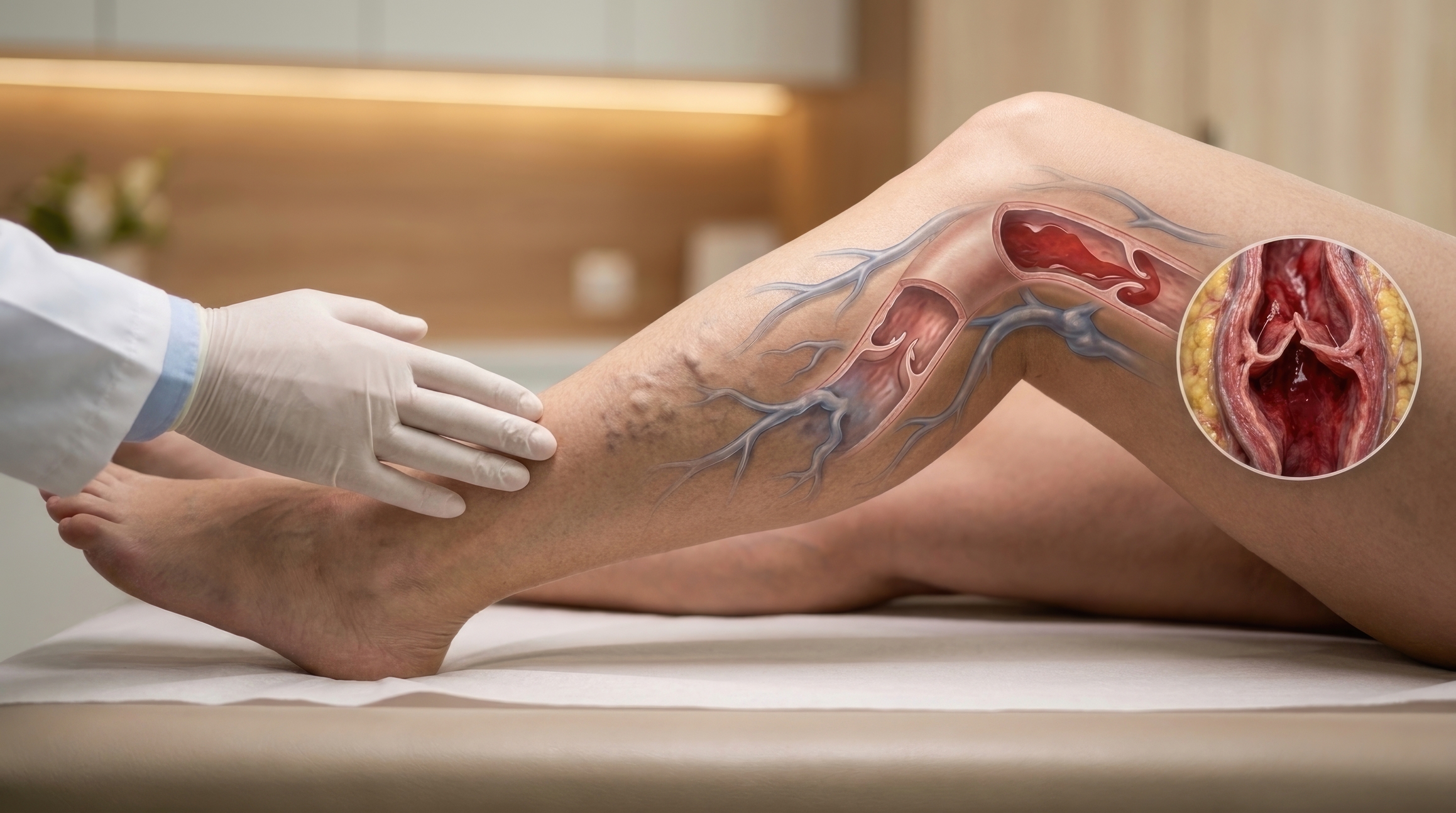
Chronic venous insufficiency sounds complicated. It’s not really. Your veins contain valves. One-way valves. Blood flows upward against gravity. The valves prevent backflow. Ensure blood moves efficiently toward the heart. The system works flawlessly when functioning properly.
But valves weaken. Fail. The vein walls lose elasticity. Blood pools. Backs up. Pressure builds. The veins struggle against gravity. Lose their fight. Blood circulates inefficiently. Chronic venous insufficiency occurs when this system fails chronically. The word chronic means ongoing. Long-term. Persistent. Not temporary. Not acute. Ongoing.
The condition develops gradually over the years—sometimes decades. Damage accumulates slowly, almost imperceptibly, until chronic venous insufficiency symptoms appear. Then they persist stubbornly. Most people ignore them initially and don’t recognise what they mean. Learn about the symptoms of chronic venous insufficiency to identify the early warning signs before the condition progresses. Risk factors accumulate in certain people. Family history matters. If your parents had venous problems, you probably will too. Age contributes. Gravity wins eventually. Pregnancy changes everything. Multiple pregnancies compound the problem. Previous blood clots damage valves permanently. Prolonged standing at work.
The Quiet Symptoms Nobody Recognises
Chronic venous insufficiency announces itself quietly. Subtly. People miss the signals.
Heaviness in the legs dominates the symptom list. That tired, achy feeling. Worse at the end of the day. Better in the morning after rest. The heaviness worsens with activity. Standing increases it. Walking amplifies it. Sitting with legs hanging down exacerbates it. Elevation helps temporarily. But the sensation returns. People dismiss this as normal. Work exhaustion. Tiredness from daily activity. They attribute it to age. Getting older means legs get tired, right? Nothing unusual. Nothing requires attention.
Swelling manifests as puffiness. Ankles swell first, typically. Then the feet. The lower leg becomes involved. Socks leave marks on ankles. Shoes fit differently throughout the day. The tightness worsens as the day progresses. Again, people dismiss it. Salty lunch, probably. Hormonal fluctuations, maybe. Water retention seems reasonable. They drink more water. Reduce salt. Assume the swelling will resolve. It doesn’t.
Aching and cramping develop. Mild cramping sometimes. Leg cramps that wake people at night occasionally. Aching that intensifies by evening. People stretch, thinking it’s muscle tightness. Use topical creams. Assume muscle fatigue caused it. The aching persists mysteriously.
Restlessness appears at night. That urge to move legs. That sensation that sitting still drives you crazy. You stand up. Walk around. The sensation subsides temporarily. You return to sitting. The restlessness returns. Sleep suffers. You never connect this symptom to your veins.
Itching becomes noticeable. Around the ankles. On the shins. Sometimes intensely itchy. Sometimes mild. The skin feels irritated. You assume dry skin. Apply lotion religiously. The itching continues anyway. You scratch sometimes. Avoid scratching at other times because it seems to worsen things.
Varicose veins often accompany chronic venous insufficiency. Bulging veins. Visible veins. Twisted veins appear on the surface. Many people develop these and ignore them, thinking they’re cosmetic. They’re not. They indicate that the venous system struggles.
Symptoms worsening gradually signal progression. The heaviness increases. The swelling gets worse. The aching intensifies. The skin changes advance. The changes happen so gradually that people don’t recognise progression. They adapt. They change how they function. They accept the limitations.
Symptoms that demand recognition include:
- Persistent leg heaviness and achiness
- Swelling that worsens throughout the day
- Itching on the lower legs and ankles
- Skin darkening or discolouration appearing
- Restlessness in the legs, especially at night
- Visible varicose or spider veins developing
- Thickened or leather-like skin texture
- Open sores or ulcers forming on the legs
Why People Ignore These Symptoms
Ignoring symptoms comes naturally. The symptoms don’t hurt acutely. Nothing feels broken or dangerous. The symptoms seem mild individually. They develop gradually, so changes feel normal. People attribute symptoms to normal ageing. Legs get tired. Feet swell sometimes. Everyone experiences these things, right? Nothing unusual. Nothing requires medical attention. The symptoms don’t prevent people from functioning. You can still work. Still walk. Still manage daily life. The limitations feel minor. The condition doesn’t scream for attention, so people don’t give it attention.
Social pressure influences dismissal, too. You don’t mention leg symptoms to friends. Nobody talks about leg problems socially. It doesn’t seem serious enough to mention. Others probably experience the same thing. You assume everyone deals with this.
Embarrassment plays a role. Visible veins look bad. Skin discolouration looks odd. Swollen ankles seem unprofessional. You hide them. Don’t draw attention to them. Don’t seek treatment because that means acknowledging the problem exists.
Why Ignoring Chronic Venous Insufficiency Becomes Dangerous
Ignoring symptoms allows the condition to progress. Untreated chronic venous insufficiency worsens. It doesn’t plateau. It doesn’t stabilise. It advances.
The swelling increases substantially over time. The skin damage worsens. Discolouration darkens. Skin thickens more dramatically. Eventually, the skin breaks down. Ulcers develop. Painful sores that don’t heal easily.
The heaviness and aching can become debilitating. People who ignored symptoms for years find themselves unable to stand for extended periods. Walking becomes difficult. Quality of life diminishes noticeably. The risk of blood clots increases with chronic venous insufficiency. Pooled blood can clot. A deep vein thrombosis develops. This becomes medically serious. Dangerous even. Treatment becomes more difficult when the condition advances. Early treatment is simpler. Less invasive. More effective. Advanced cases require more aggressive intervention.
Why Recognition Matters
Recognising these quiet symptoms early matters enormously. Early recognition allows early treatment. Early treatment prevents progression. Prevents complications. Prevents the serious problems that develop later.
Treatment options exist. Proven treatments. Effective treatments. But people can’t access treatment if they don’t recognise they have a problem.
Managing chronic venous insufficiency requires multiple approaches working together:
- Compression stockings worn daily to improve circulation
- Leg elevation whenever possible to fight gravity
- Regular exercise improves overall vascular health
- Weight management reduces pressure on veins
- Avoiding prolonged standing or sitting, staying active
- Medications managing swelling and inflammation
- Procedures addressing damaged veins directly
- Lifestyle modifications preventing progression entirely
Compression therapy helps substantially. Elevating legs helps. Exercise helps. Lifestyle modifications help. Medications help sometimes. Procedures help when conservative approaches prove insufficient. The bottom line is simple. Pay attention to your legs. Notice changes. Report them to physicians. Don’t dismiss symptoms as normal ageing. Don’t assume everyone experiences these things. Take the quiet signals seriously.
Frequently Asked Questions(FAQs)
What’s the difference between spider veins and chronic venous insufficiency?
Spider veins are small, visible veins that are mostly cosmetic concerns. Chronic venous insufficiency is a functional problem where blood doesn’t flow properly. Spider veins sometimes accompany chronic venous insufficiency, but don’t necessarily indicate the condition. Chronic venous insufficiency indicates actual valve damage.
Can chronic venous insufficiency go away on its own?
No. The condition doesn’t resolve without treatment. It either stabilises with lifestyle modifications or progresses. Treatment can manage symptoms. Prevent progression. But the condition itself persists.
Can I treat chronic venous insufficiency at home?
Compression stockings help substantially. Elevation helps. Exercise helps. Weight management helps. These conservative approaches manage mild symptoms effectively. But moderate to severe cases require medical treatment.
What happens if chronic venous insufficiency goes untreated?
The condition progresses. Swelling worsens. Skin damage advances. Ulcers can develop. These ulcers become difficult to treat. Pain increases. Quality of life declines. Complications develop.
Should I see a specialist for chronic venous insufficiency?
Yes. A vein specialist or phlebologist understands the condition thoroughly. Can diagnose accurately. Recommend appropriate treatment. Manage the condition effectively. Your primary care doctor can refer you.
Disclaimer: The information provided in this article is for general educational and informational purposes only and is not intended to replace professional medical advice, diagnosis, or treatment. Symptoms associated with chronic venous insufficiency may also occur with other medical conditions. Always seek advice from a qualified healthcare professional if you have persistent leg swelling, pain, skin changes, ulcers, or concerns about your vascular health. Seek urgent medical attention for sudden leg swelling, severe pain, chest pain, or difficulty breathing.
home » blog » health and wellbeing »