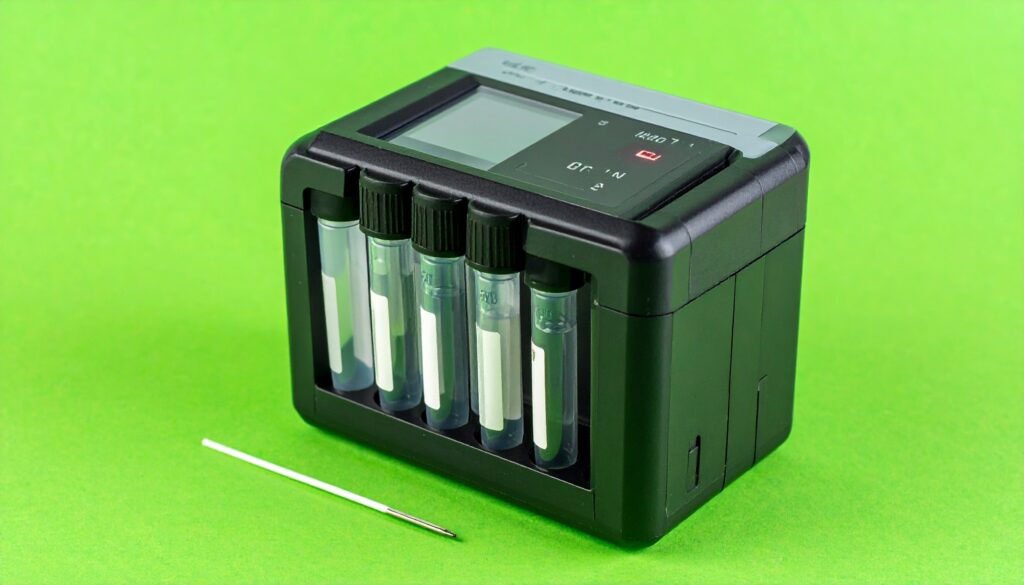


Laboratory testing involves more than identifying substances. Accuracy begins with confirming that a sample is valid. Three core markers support this process: creatinine, pH, and specific gravity. These indicators allow laboratories to assess sample integrity and reduce the risk of contamination or error.
A clear understanding of these markers helps readers interpret results with confidence. It also explains why labs depend on multiple checks instead of relying on a single measurement.
Why Sample Validation Matters
Every test starts with validation. Laboratories first confirm that a sample meets basic biological standards. This step protects the reliability of results and ensures that findings reflect real conditions.
Samples that fall outside normal ranges often require further review or may be rejected. This process supports fairness and accuracy. Even advanced testing methods lose value without proper validation.
Creatinine, pH, and specific gravity form the backbone of this system. Each marker provides insight into a different aspect of the sample, creating a complete and reliable picture.
Creatinine: A Marker of Biological Origin
Creatinine comes from muscle metabolism and enters urine at a steady rate. This consistency makes it a dependable indicator of human origin.
Normal urine creatinine levels usually fall between 20 and 300 mg/dL. Lower values may suggest dilution or an invalid sample. Extremely low readings often raise concerns during analysis.
Labs trust creatinine because it reflects natural biological activity. It is not easy to replicate accurately without matching real physiological processes. This makes it a strong first checkpoint in validation.
Low levels do not always signal tampering. High fluid intake can reduce concentration. Labs consider this factor along with other markers before making a final judgment.
pH: Measuring Chemical Balance
pH shows how acidic or alkaline a sample is. Human urine typically falls between 4.5 and 8.0. Values outside this range may indicate contamination or chemical interference.
This marker helps detect substances that could affect test outcomes. Certain compounds can shift pH in noticeable ways. Even small changes can lead to additional checks.
pH also reflects diet and health conditions. Foods, hydration levels, and medications can influence acidity. Labs account for these variables when reviewing results.
Maintaining a natural pH range remains essential. Extreme readings rarely occur without a clear reason, which is why this marker plays a key role in validation.
Specific Gravity: Detecting Dilution
Specific gravity measures how concentrated a liquid is. In urine testing, it reveals how diluted or concentrated a sample appears.
Normal values range from about 1.003 to 1.030. Lower numbers suggest dilution, while higher values point to concentration. Both extremes can raise questions during analysis.
This marker helps labs identify samples that may not reflect normal conditions. Excessive dilution can hide important details, while high concentration may indicate dehydration.
Specific gravity works closely with creatinine. Together, they provide a clearer view of hydration levels and sample authenticity. A combination of low creatinine and low specific gravity often signals dilution.
How These Markers Work Together
No single marker can confirm validity on its own. Laboratories rely on all three to reach accurate conclusions. Each one adds context to the others.
A sample with normal pH but low creatinine and low specific gravity may still raise concerns. In contrast, small changes in one marker may not matter if the others remain within normal limits.
This layered approach improves reliability. It reduces the chance of incorrect conclusions and ensures that results reflect real biological conditions.
Discussions around products like Quick Fix Plus often appear in conversations about sample preparation. These discussions highlight the importance of understanding how labs evaluate samples. Without knowledge of validation markers, it is easy to misinterpret how testing actually works.
Advances in Laboratory Testing
Modern laboratories use advanced systems to measure these markers with high precision. Automated analysers can detect small variations that might go unnoticed with older methods.
Ongoing research continues to improve these systems. New techniques aim to increase sensitivity while reducing processing time. Some labs now combine multiple validation checks into a single phase, which improves efficiency.
Recent data shows that using multiple markers together lowers the rate of invalid samples. This benefits both laboratories and individuals by supporting accurate and fair results.
Common Misunderstandings
Many people assume that testing focuses only on detecting substances. In reality, validation comes first. Without it, the entire process loses reliability.
Hydration is another area of confusion. Drinking large amounts of water can lower creatinine and specific gravity. This may lead to flags for dilution instead of improving results.
Understanding these patterns helps reduce confusion. Labs do not rely on one factor alone. They look at the full picture before making decisions.
Practical Insights for Better Understanding
Awareness of these markers can make lab results easier to understand. It also reduces unnecessary stress during testing.
Balanced hydration supports normal ranges for creatinine and specific gravity. Extreme habits can create unusual readings that draw attention.
Following lab instructions is equally important. Clear guidance helps ensure accurate results and avoids complications.
Diet and medications can influence pH, but most changes remain within acceptable limits. Staying informed helps individuals interpret results more accurately.
Final Thoughts
Creatinine, pH, and specific gravity remain central to sample analysis. They allow laboratories to confirm that a sample reflects real biological conditions before deeper testing begins.
Each marker serves a clear purpose. Creatinine confirms origin, pH measures chemical balance, and specific gravity reveals concentration. Together, they create a dependable validation system.
Testing technology continues to improve, yet these core principles remain unchanged. Strong foundations lead to reliable results.
A better understanding of these markers builds trust in the testing process. Clear knowledge replaces uncertainty and helps people approach lab analysis with confidence.
Author Bio: John Llanasas is a research-focused writer with a strong interest in laboratory science, toxicology, and analytical testing methods. With experience studying how biological markers are used in real-world lab settings, John specialises in translating technical concepts into clear, practical insights. Their work centres on accuracy, evidence-based information, and helping readers better understand how modern testing processes work.
Disclaimer: This article is for general informational and educational purposes only and is not intended as medical, legal, or laboratory advice. Testing procedures, reference ranges, and validation standards may vary between laboratories and jurisdictions. Open MedScience does not endorse sample tampering, adulteration, or any attempt to interfere with testing outcomes. Readers should consult a qualified healthcare professional or an accredited laboratory for advice regarding specific test results or procedures.
home » blog » research methods and reproducibility »