

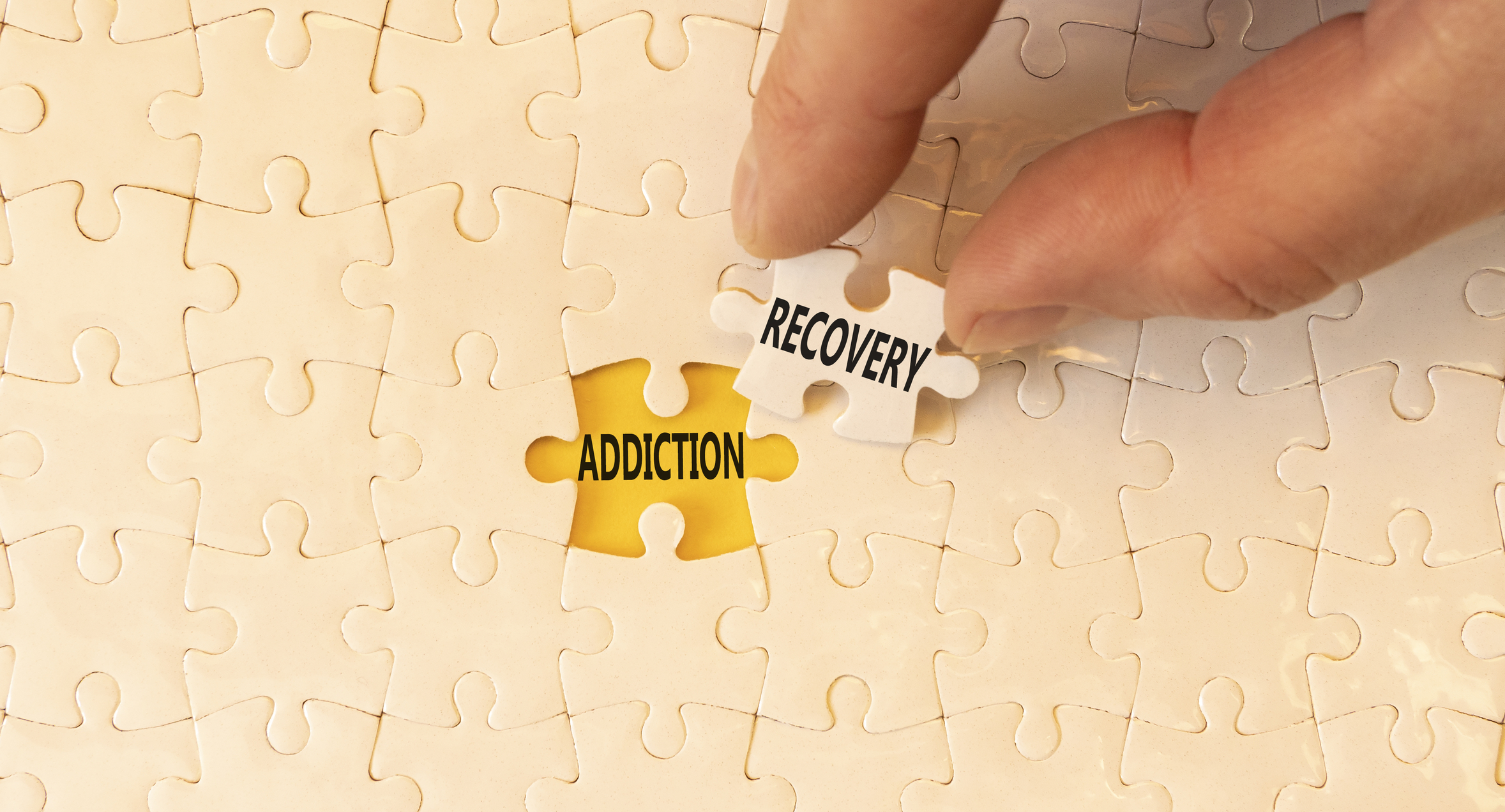
For many people, gambling and drug or alcohol use seem like separate issues: one about money and risk, the other about chemicals and the body. But clinicians who work in addiction medicine have long observed something that researchers are now confirming in study after study: these two struggles are deeply intertwined, sharing the same neurological roots, the same emotional triggers, and often, the same person.
If you or someone you care about is caught in a cycle involving both gambling and substance use, understanding this connection is not just interesting; it is essential to finding real, lasting recovery.
Why the Brain Treats Gambling Like a Drug
At the center of both gambling disorder and substance use disorder is the brain’s reward system, specifically a pathway involving dopamine, the neurotransmitter associated with pleasure, motivation, and reinforcement. When someone places a bet and wins — or even nearly wins, the brain releases a surge of dopamine remarkably similar to what occurs after using alcohol, cocaine, or opioids.
This is not a coincidence or a metaphor. The American Psychiatric Association formally reclassified gambling disorder in 2013, moving it into the same diagnostic category as substance use disorders. That shift reflected a growing body of evidence showing that behavioral addictions like gambling activate the same neural circuits as drugs of abuse.
The Role of Tolerance and Craving
Just as someone using alcohol over time needs more drinks to feel the same effect, a person with a gambling problem often needs to bet larger amounts to feel the same rush. Craving, preoccupation, and withdrawal-like irritability when not gambling are also hallmarks of the disorder. These parallel features are not incidental; they reflect how the addicted brain learns to prioritize the behavior above almost everything else.
How Often Do These Two Problems Occur Together?
The overlap is striking. Research consistently shows that people with a gambling disorder are significantly more likely to have a co-occurring substance use disorder than the general population. Studies have found that somewhere between 28 and 73 percent of people seeking treatment for gambling problems also meet diagnostic criteria for alcohol use disorder. Rates of other substance use disorders, including stimulants and opioids, are also meaningfully elevated in this population.
The reverse is equally true. People in treatment for substance use disorders report higher rates of problem gambling than the broader public. In some treatment settings, problem gambling rates among patients are estimated to be three to five times higher than in the general population.
Which Comes First?
This is one of the most common questions clinicians and families ask. In many cases, substance use begins first, often in adolescence or early adulthood, and gambling problems develop later, sometimes accelerating during periods of active substance use. In other cases, gambling escalates first, and substances become a way to cope with financial stress, shame, and emotional exhaustion. In still others, both emerge simultaneously, often during a particularly stressful or traumatic period of life.
The honest answer is that there is no single pattern. What matters more than the sequence is recognizing that both are present and that treating only one without addressing the other leaves the person at substantial risk of relapse.
Shared Risk Factors: What Makes Someone Vulnerable
Several risk factors increase the likelihood of developing both a gambling problem and a substance use disorder. Understanding these can help clinicians, families, and individuals recognize warning signs early.
Genetics plays a meaningful role. Research suggests that both disorders run in families and share overlapping genetic vulnerabilities, particularly those affecting impulse control and the brain’s sensitivity to reward. Someone with a parent who struggled with alcohol dependence may be at elevated risk for both alcohol problems and problem gambling.
Trauma and adverse childhood experiences are also strongly associated with both conditions. People who experienced abuse, neglect, or household instability in childhood are statistically more likely to develop addiction-related problems in adulthood. Both gambling and substance use can serve as forms of emotional numbing or escape for people carrying unresolved trauma.
Mental health conditions, particularly depression, anxiety, attention-deficit/hyperactivity disorder (ADHD), and bipolar disorder, frequently co-occur with both gambling disorder and substance use disorder. When a mood or attention disorder goes untreated, individuals may turn to gambling or substances as a form of self-medication.
The Environment Also Matters
Beyond biology and personal history, environment shapes risk in important ways. Living in an area with easy access to casinos, sports betting apps, or alcohol can increase the likelihood of problematic use, particularly for those with existing vulnerabilities. In cities like Las Vegas, where gambling is woven into the cultural fabric, a Las Vegas rehab for gambling and substance abuse becomes not just a clinical resource but a genuine necessity for residents and visitors alike who find both behaviors spiraling out of control in proximity to each other.
Why Treating One Without the Other Often Fails
One of the most important clinical insights in the addiction field over the past two decades is that co-occurring disorders require integrated treatment. When someone enters a program for alcohol use disorder, but their gambling problem goes unaddressed, the emotional distress driving the gambling does not disappear. It often intensifies during early sobriety, because the person now has more time, more clarity, and sometimes more money — while also lacking the coping tools to manage the underlying urges.
The reverse is equally problematic. Someone who stops gambling but continues drinking may use alcohol to soothe the frustration, boredom, and anxiety that often accompany gambling abstinence. In both scenarios, the untreated disorder becomes a backdoor to relapse.
Integrated treatment programs that address both disorders simultaneously, through a combination of cognitive-behavioral therapy, motivational interviewing, peer support, and appropriate medication where indicated, have shown meaningfully better outcomes than sequential or single-focus approaches meaningfully.
What Effective Treatment Looks Like
Effective treatment for co-occurring gambling and substance use disorders typically includes a thorough assessment of both conditions at intake, individual therapy that addresses the cognitive distortions common to both (such as the gambler’s fallacy or minimizing the consequences of use), group therapy with peers who share similar experiences, and family involvement when appropriate.
Medications used in substance use disorder treatment, such as naltrexone, have also shown some promising results in reducing gambling urges, likely because of their effects on the opioid and dopamine systems. This is an active area of research, and medication decisions should always be made in collaboration with a qualified prescriber.
Talking to Someone Who Is Struggling
If someone you care about appears to be dealing with both gambling and substance use, the conversation can feel daunting. A few principles tend to help. Lead with concern rather than accusation. Use specific observations rather than generalizations. And be prepared for denial — it is a feature of both disorders, not a sign that the person cannot recover.
Encouragement to seek a professional evaluation, rather than a demand to stop a specific behavior, is often more effective as a starting point. Many people with co-occurring disorders have had prior treatment experiences that did not address the full picture of what they were dealing with. Meeting them with patience and accurate information can be genuinely life-changing.
Taking The Path Forward to Recovery
The connection between gambling and substance abuse is no longer a clinical curiosity. It is a well-documented reality that shapes how both disorders develop, persist, and respond to treatment.
For anyone navigating this intersection, whether personally or on behalf of someone they love, the most important thing to understand is that help exists, and that the most effective help addresses both challenges at once.
Recovery from co-occurring disorders is not only possible. For many people, it becomes the foundation of a life that is more honest, more stable, and more fulfilling than anything they experienced before the disorders took hold.
References
Grant JE, Potenza MN, Weinstein A, Gorelick DA. Introduction to behavioral addictions. Am J Drug Alcohol Abuse. 2010 Sep;36(5):233-41. doi: 10.3109/00952990.2010.491884. PMID: 20560821; PMCID: PMC3164585.
Hodgins DC, Stea JN, Grant JE. Gambling disorders. Lancet. 2011 Nov 26;378(9806):1874-84. doi: 10.1016/S0140-6736(10)62185-X. Epub 2011 May 18. PMID: 21600645.
Lorains FK, Cowlishaw S, Thomas SA. Prevalence of comorbid disorders in problem and pathological gambling: systematic review and meta-analysis of population surveys. Addiction. 2011 Mar;106(3):490-8. doi: 10.1111/j.1360-0443.2010.03300.x. PMID: 21210880.
Petry NM, Stinson FS, Grant BF. Comorbidity of DSM-IV pathological gambling and other psychiatric disorders: results from the National Epidemiologic Survey on Alcohol and Related Conditions. J Clin Psychiatry. 2005 May;66(5):564-74. doi: 10.4088/jcp.v66n0504. PMID: 15889941.
Disclaimer: This article is intended for general informational and educational purposes only. It does not constitute medical, psychological, legal, financial, or professional advice, and should not be used as a substitute for assessment, diagnosis, or treatment from a qualified healthcare professional.
Gambling disorder, substance use disorder, and related mental health conditions can be serious and may require specialist support. Anyone concerned about their own gambling, alcohol use, drug use, or the wellbeing of someone else should seek advice from a GP, addiction specialist, mental health professional, or appropriate support service.
Open MedScience does not endorse any specific treatment centre, rehabilitation provider, medication, therapy, or commercial service mentioned in this article. References to treatment options or locations are provided for context only. Treatment decisions should always be made in consultation with appropriately qualified professionals.
home » blog » health and wellbeing »