

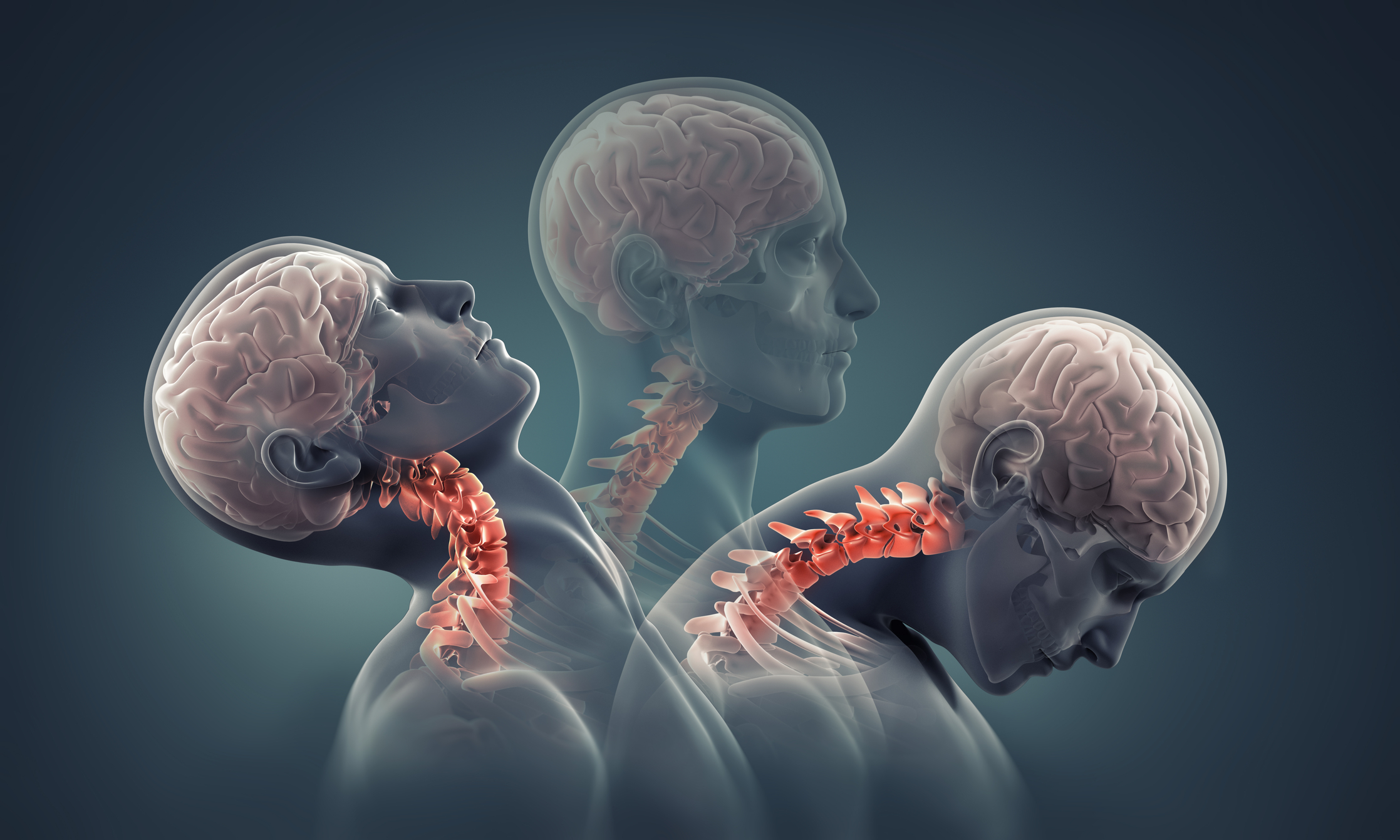
A serious injury changes everything in about two seconds.
One minute you’re going about your life. The next you’re in an ambulance wearing a hospital gown listening to words you don’t want to hear from your doctor. All the hubbub, but underneath it all, something else is quietly taking place. Your body has kicked into gear.
And no one really knows what the first six weeks look like behind closed doors.
That’s an issue. The biological processes occurring during the first six weeks can influence pain, recovery and rehabilitation over the following months.
Injuries are also much more common than most people think. According to the National Safety Council, 54.5 million people sought medical attention for an injury in 2024 — about one in five people in the country.
Here’s the part nobody explains at the hospital…
Establishing liability after an accident is on the same timeline as recovery. Insurance companies review the medical record and look for gaps in treatment, delayed reports, missing scans. Medical records and other evidence may play an important role in assessing an injury and its effects when a claim is made. Everyone who seeks help with an injury claim hears the same message on day one: Medical records created during the early stages of recovery may later provide important evidence about the injury, treatment and progression of symptoms.
So the healing and the evidence happen side by side.
What’s covered below:
- The First 72 Hours: Full Emergency Mode
- Week One To Two: When The Pain Changes Shape
- Week Three To Four: The Repair Crew Shows Up
- Week Five To Six: Strength Comes Back (Slowly)
- Why The Timeline Matters For Liability
The First 72 Hours: Full Emergency Mode
The body doesn’t wait for a diagnosis. It reacts instantly.
Blood vessels burst around the wound, and within hours a clot forms. That clot is crude, but it forms the foundation on which everything else is built. Immune cells rush to the site to clean up dead tissue and debris.
Then comes the swelling.
Swelling, heat, bruising and severe pain are at their worst in the first day or three. Symptoms can sometimes become more noticeable during the early inflammatory response, although significant or worsening symptoms should be medically assessed. This inflammatory response is part of the body’s early healing process, helping to protect the injured area and initiate tissue repair.
Here’s what most people don’t realise:
- The immediate stress response can temporarily reduce the perception of pain
- Some soft tissue injuries may feel worse during the days following the initial injury
- Some concussion symptoms may not be immediately apparent after an impact
- Internal bleeding may not always produce immediately obvious symptoms and requires urgent medical assessment when suspected
There lies a serious problem. A person may walk away from an accident thinking they’re OK, only to experience more significant symptoms over the following days.
Week One To Two: When The Pain Changes Shape
By the end of the first week, acute pain may begin to subside or change in character, although this varies considerably between injuries.
Swelling starts to subside. Bruises shift colours. Within a broken bone, that clot is transforming into a squishy bridge of cartilage and collagen. Think of it like a soft callus. And it’s developing around weeks two to three. It’s also very weak.
Soft tissue is much the same. Ripped muscle and ligament fibres are repaired with early scar tissue that is weaker and less elastic than normal.
This is also when a lot of people make their biggest mistake.
They start feeling better so they miss appointments. They stop going to physiotherapy. They return to work too soon because bills keep piling up. The National Safety Council puts the cost per medically consulted injury at approximately $48,000 in 2024. Financial stress is very real.
Gaps in treatment may make it more difficult to establish a clear record of symptoms, treatment and recovery.
Week Three To Four: The Repair Crew Shows Up
Weeks three and four are where things get interesting.
Sharp pain often becomes a dull ache. Minerals such as calcium begin to harden that soft callus into woven bone. Now, when the doctor takes your follow-up X-ray, he can actually see the gap beginning to fill in.
Movement usually gets cleared around now — carefully, and under supervision.
And this is where secondary problems appear:
- Muscle wasting. An immobilised limb can lose noticeable strength in weeks.
- Stiffness. Joints that don’t move lay down scar tissue in the wrong places.
- Sleep problems. Pain wrecks sleep, and poor sleep slows tissue repair.
- Mental health strain. Anxiety, low mood and flashbacks are common and often untreated.
That last one is more important than you may realise. Emotional trauma is real, it’s recordable, and it’s often omitted from medical records because no one inquires about it.
Week Five To Six: Strength Comes Back (Slowly)
By around six weeks, some uncomplicated fractures may show substantial callus formation on imaging, although healing rates vary. Depending on the fracture and its progress, weight-bearing may be introduced under appropriate clinical guidance.
That does not mean healed.
Remodelling – where the body remodels the rough new bone into correct mature bone – begins around week 6 and continues for months, sometimes years. Healing times vary considerably depending on the type and severity of the injury, the tissue involved, treatment and individual patient factors.
Soft tissue is the same story. Scar tissue keeps reorganising for months.
Remember week six is a checkpoint, not a finish line. Many of you are still struggling with:
- Reduced range of motion
- Weakness on the injured side
- Nerve pain, tingling or numbness
- Pain that flares up with weather or activity
- Ongoing headaches after a head impact
Why The Timeline Matters For Liability
Insurance companies may examine the timeline of symptoms, treatment and recovery when assessing an injury claim.
When an injury claim is made, medical records can help establish the nature of the injury, its relationship to the accident and how symptoms and treatment progressed over time. Look for:
- Delay. A long gap between the accident and the first medical visit.
- Inconsistency. Symptoms reported in week five that were never mentioned in week one.
- Missing treatment. Prescribed physio that was never attended.
- Vague notes. “Patient reports soreness” instead of measured range of motion.
None of these factors necessarily means that an injury did not occur, but gaps or inconsistencies in medical records may complicate the assessment of a subsequent claim.
Following a potentially serious injury, medical assessment may be appropriate even when symptoms initially appear mild, particularly if concerning symptoms subsequently develop. Go to all appointments. Report symptoms precisely rather than brushing them off as fine. Maintain a brief daily log of pain, work missed and activities that were hard to do. Take pictures of visible injuries as they improve week by week.
Six weeks of five-minute notes can be worth more than any argument made later.
Bringing It All Together
The body follows a fairly predictable schedule after a serious injury:
- Days 1–3: inflammation, swelling and peak pain
- Weeks 1–2: swelling drops, soft repair tissue forms
- Weeks 3–4: hardening begins, secondary problems appear
- Weeks 5–6: stability returns, remodelling starts
Realising this helps with two things. It prevents people from freaking out when day three is worse than day one. It also explains why the medical record accrued over those weeks means so much later on.
Heal properly. Document everything. The two aren’t separate jobs.
Disclaimer: This article is provided for general informational and educational purposes only. It is not intended to provide medical, legal or insurance advice and should not be used as a substitute for advice from a qualified healthcare professional or legal practitioner. Injury symptoms, healing times and recovery patterns vary considerably depending on the nature and severity of the injury, treatment received and individual circumstances. Anyone who has experienced a serious injury, worsening symptoms or symptoms that may require urgent attention should seek appropriate medical care. Information concerning injury claims, liability, insurance assessments and medical documentation is general in nature; legal requirements and claims procedures vary by jurisdiction and individual circumstances. No outcome regarding treatment, recovery, liability, compensation or an insurance claim is guaranteed or implied. External links are provided for additional information and do not constitute an endorsement of any particular healthcare provider, legal service or organisation.
home » blog » health and wellbeing »