
Introduction
Oculoplastic surgery treats the eyelids, the tear drainage system, the eye socket, and nearby facial tissue. Some operations restore sight or protect the cornea. Others address contour changes that affect expression and facial balance. Typical concerns include droopy upper lids, puffiness, eyelid malposition, tearing, orbital disease, and changes associated with thyroid disorders. Careful assessment matters because these structures support blinking, lubrication, vision, and appearance simultaneously.
What Does the Specialty Cover?
The field of oculoplastic surgery integrates ophthalmic training with the surgical treatment of tissues around the eye. It covers blepharoplasty, ptosis repair, tear duct procedures, orbital decompression, lesion removal, and post-injury reconstruction. Each treatment plan must respect eyelid mechanics, corneal protection, and facial proportion. Small changes in millimetres can alter comfort and function.
Functional and Cosmetic Goals
Many patients first seek help because the lids feel heavy, the eyes water, or one side sits lower than the other. Others notice puffiness, hollowness, or tension around the orbit due to ageing, illness, or weight changes. A consultation with a surgeon regarded as one of the best oculoplastic surgeons in Los Angeles can help clarify whether the main issue is visual obstruction, tissue support, cosmetic balance, or a combination of these factors.
Common Concerns That Lead to Surgery
Upper eyelid skin can fold over the lash line, narrowing the visual field. Lower lid laxity may expose the eye surface, leading to irritation. Some people develop chronic tearing from drainage blockage. Others present with bulging eyes, asymmetry, sunken contours, or scars after trauma. These findings often affect comfort before appearance becomes the main concern.
Who Is Oculoplastic Surgery for?
A strong candidate usually has stable general health, clear goals, and symptoms that match an anatomic problem. Good eyelid tone, controlled medical conditions, and realistic expectations all matter. Surgeons also review smoking status, blood thinners, dry eye history, and prior procedures. Surgery can improve function and shape, but it cannot promise perfect symmetry or stop future ageing.
Signs That Point to Functional Need
Formal testing may reveal reduced upper field vision due to excess skin or lid droop. Some patients compensate for drooping eyelids by repeatedly raising their brows, which may contribute to forehead fatigue or discomfort. Further, weak closure may leave the cornea exposed during sleep. Poor blink function can also reduce tear spread, causing dryness, burning, reflex tearing, or repeated surface irritation.
Cosmetic Candidates Need a Careful Review
Cosmetic goals still require a medical exam. Thin skin, brow descent, loss of cheek support, facial asymmetry, and old scars can change the plan. A natural result depends on lid position, globe prominence, and tissue elasticity, not skin removal alone. The best candidates want measured improvement that preserves identity and normal eye function.
Thyroid Eye Disease Changes the Picture
Thyroid eye disease can push the eye forward, tighten the lids, and alter the baseline resting position of the face. Active inflammation may limit surgical timing. Elective rehabilitative surgery is generally considered once thyroid eye disease has become inactive and the eye findings are stable. When several procedures are required, orbital decompression is commonly performed before eye-muscle or eyelid surgery because treatment of the deeper orbital structures may change eyelid position. Some patients need medical treatment first, while others benefit from staged correction later.
What Steps Does Evaluation Usually Include?
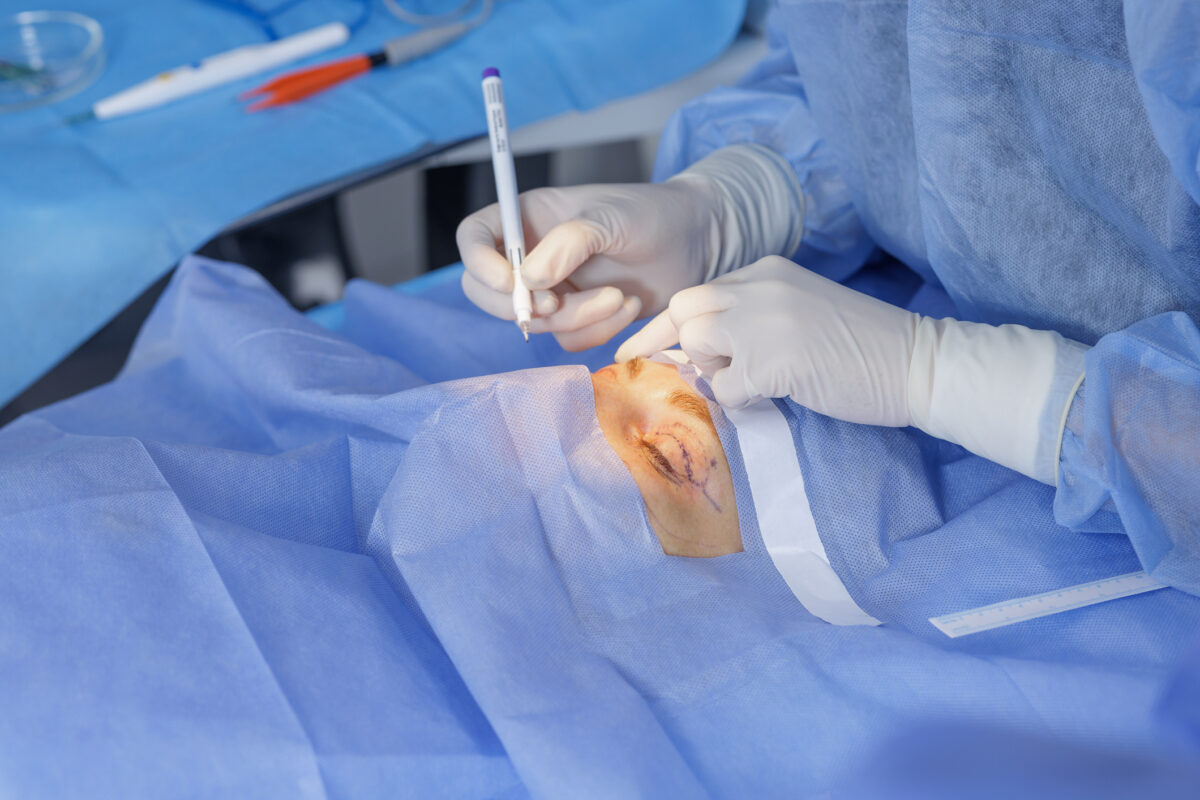
Assessment usually begins with a symptom history, an eye examination, and external measurements. Surgeons check lid height, blink strength, tear function, muscle movement, and skin quality. Photographs document asymmetry and help with planning. In selected cases, visual field testing or imaging adds detail. This process separates cosmetic concern from functional disease, or shows where both overlap.
Questions Patients Should Ask
Patients should ask what problem the operation is meant to fix first. Recovery time, scar placement, expected swelling, and risk of eye dryness also deserve plain answers. Another useful question involves tradeoffs, such as preserving fullness versus creating a sharper contour. Revision rates and symmetry limits should be discussed before scheduling surgery.
Recovery and Expected Results
Swelling, bruising, and temporary tightness are common during early healing. Some patients can resume desk-based work within one to two weeks, although recovery varies considerably according to the procedure, the extent of surgery and the individual’s healing response. Visual improvement may appear soon after ptosis repair or skin removal. The final contour takes longer because scar softening and tissue settling continue for months. Follow-up visits help protect the eye surface and confirm stable healing.
Conclusion
Oculoplastic surgery is most appropriate for patients with eyelid or orbital problems that affect vision, eye protection, tearing, or facial harmony in the eye area. Age alone does not define candidacy. Anatomy, symptoms, medical history, and recovery goals carry more weight. A careful consultation helps determine whether treatment is functional, cosmetic, or both. With sound planning, surgery can support clearer sight, healthier surface protection, and a more rested appearance.
Disclaimer: This article is provided for general educational purposes only and does not constitute medical advice, diagnosis or a recommendation for surgery. Suitability for oculoplastic surgery can only be determined through an individual assessment by a suitably qualified healthcare professional. Anyone experiencing sudden vision loss, severe eye pain, rapidly increasing swelling or other urgent eye symptoms should seek prompt medical attention.
Disclaimer: This article is intended for general educational and informational purposes only and should not be regarded as medical advice, diagnosis or treatment recommendations. The information provided does not replace an individual assessment by a qualified ophthalmologist, oculoplastic surgeon or other appropriate healthcare professional. Decisions regarding oculoplastic surgery should always be based on a comprehensive clinical examination, medical history and discussion of the potential benefits, risks and alternative treatment options. If you experience sudden vision loss, severe eye pain, rapidly worsening swelling, double vision following injury, or any other acute eye symptoms, seek urgent medical attention immediately. Open MedScience does not endorse any individual surgeon, clinic or healthcare provider mentioned within this article.