
In bioprocessing facilities, the difference between a successful batch and a costly failure often comes down to the tubing that transfers fluids between critical systems.
High-purity tubing plays an essential role in maintaining product integrity, preventing contamination and ensuring regulatory compliance throughout the manufacturing process.
The Critical Role of Fluid Transfer in Biomanufacturing
High-purity tubing systems in bioprocessing are assemblies designed to handle sensitive fluids. They are made of materials that are easy to maintain, achieving high levels of cleanliness to keep biomaterials safe from common contaminants, such as chemicals or bacterial growth. These tubes are essential to biomanufacturing because they preserve the quality and safety of highly regulated and vulnerable products.
Product yield determines profitability in biopharmaceutical production. When facilities process high-value biological products, even small losses during fluid transfer can dramatically affect the bottom line. Maximizing product yield during membrane processes directly influences the overall cost of goods for these specialized medications.
The financial stakes extend far beyond yield optimization. Contamination events can devastate production schedules and drain resources at an alarming rate. The cost to fix complex failures involving microbial contamination ranges from hundreds of thousands to billions of dollars when factoring in batch losses, facility shutdowns and regulatory responses.
These realities make fluid transfer systems a critical control point. The tubing that connects filtration units, bioreactors and storage vessels must maintain sterility while preserving product quality through every stage of manufacturing.
Companies like Sentinel Process Systems recommend tubing peripherals, including flow sensors and single-use pinch valves. These should be as customizable as possible to enable scalable options. They must also adhere to compliance frameworks, such as ISO Class 7 clean room guidelines, to create the highest-quality assembly.
Common Risks in Traditional Processing Systems
Traditional stainless steel systems present ongoing challenges for bioprocessing operations. Cleaning and sterilization protocols require extensive validation, consume significant resources and introduce opportunities for human error. Each connection point and surface area must undergo rigorous treatment between production runs.
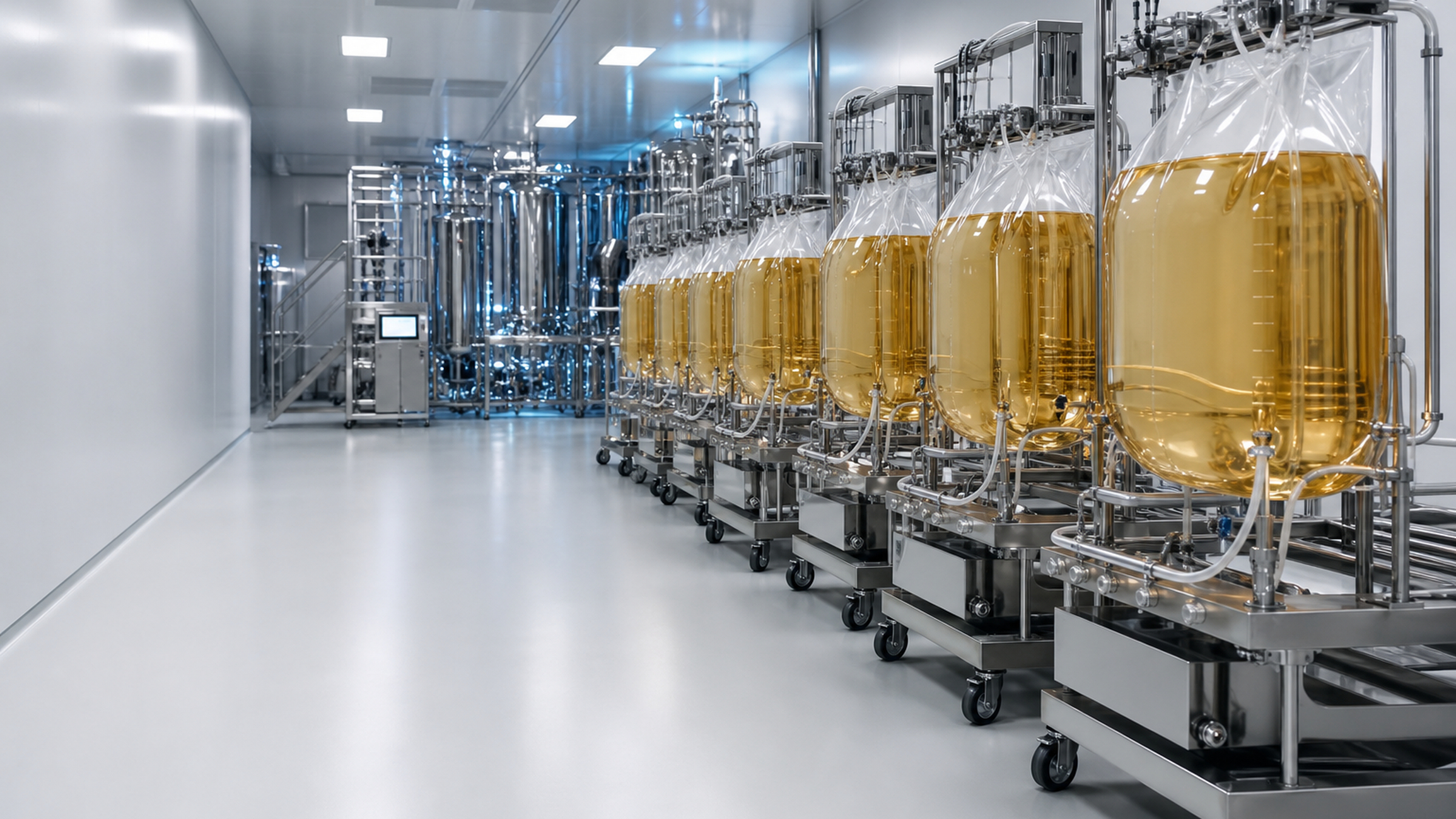
The industry has responded by shifting toward flexible solutions. Single-use technologies, including specialized tubing, connectors and filtration units, enable contamination-resistant biologics manufacturing while reducing the validation burden. These systems arrive presterilized and ready to integrate, eliminating the need for complex cleaning protocols.
This transition addresses a fundamental problem in biomanufacturing. When traditional systems require hours of cleaning between batches, production capacity suffers, and contamination risks persist throughout the entire cleaning cycle.
Navigating Material Selection and Regulatory Standards
Procurement specialists face critical decisions when selecting tubing materials for bioprocessing applications. The polymers used in fluid transfer systems must meet stringent performance criteria while maintaining compatibility with sensitive biological products.
Extractables and leachables represent a primary concern. These compounds can migrate from tubing materials into the product stream, potentially compromising product quality or patient safety. Strict regulatory requirements governing extractables mandate thorough evaluation of leachables profiles to protect patients and maintain product integrity throughout the manufacturing process.
Material selection extends beyond chemical compatibility. The tubing must withstand process conditions, maintain flexibility during installation and resist degradation over its intended use period. These requirements demand careful evaluation of material specifications against specific application needs.
Mitigating Contamination With Presterilized Solutions
Presterilized, fully integrated tubing assemblies offer a practical solution to the contamination challenges facing bioprocessing operations. These systems arrive ready to install, eliminating the risks associated with in-house assembly and reducing the potential for contamination during setup.
According to Sentinel Process Systems, facilities should prioritize several key factors when evaluating high-purity tubing options. Material compatibility with the specific biological products being processed helps prevent unwanted interactions. Sterility and cleanliness standards must align with facility protocols, while regulatory compliance with United States Pharmacopeia (USP) and Food and Drug Administration (FDA) requirements remains nonnegotiable.
Experts emphasize that understanding a tubing system’s extractables and leachables profile proves essential for maintaining product integrity. This characterization data allows procurement teams to make informed decisions based on documented performance rather than assumptions about material behavior.
Frequently Asked Questions About Bioprocessing
The following questions address common concerns about high-purity tubing in bioprocessing environments.
What causes product yield loss during fluid transfer?
Protein adsorption and membrane fouling during filtration processes represent the primary mechanisms of yield loss. Proteins can bind to tubing surfaces or accumulate on filter membranes, removing valuable product from the production stream and reducing overall batch yields.
The extent of adsorption depends on the tubing material’s surface properties and the specific proteins being processed.
Why are extractables and leachables a major concern?
These compounds migrate from tubing materials into the product, potentially degrading product integrity or introducing substances that pose risks to patient safety. High-purity materials with well-characterized extractables profiles help facilities maintain product quality and meet regulatory standards.
Testing protocols identify potential leachables before materials enter production environments, allowing procurement teams to select appropriate options for specific applications.
How do single-use systems improve biomanufacturing safety?
Single-use systems eliminate the need for cleaning and sterilization protocols between production runs. Sentinel Process Systems’ experts recommend compliant single-use systems to give clean rooms greater flexibility, lower manufacturing costs and fewer cleansing requirements. These single-use designs remove a major source of contamination risk while reducing the potential for cross-contamination between different product batches.
The presterilized nature of these systems also eliminates validation requirements associated with traditional cleaning processes.
Ensuring Long-Term Integrity in Medical Science
The future of bioprocessing depends on reliable fluid transfer systems that protect product quality from development through commercial production. Selecting appropriate tubing materials and partnering with experienced suppliers helps facilities maintain the sterility and product integrity that patients depend on.
As regulatory requirements continue to evolve, the expertise and support provided by specialized manufacturers become increasingly valuable for operations seeking to balance efficiency with uncompromising safety standards.
Disclaimer: This article is provided for general informational and educational purposes only. It does not constitute regulatory, engineering, manufacturing, quality assurance, safety or professional advice. References to particular products, suppliers, technologies or regulatory standards should not be interpreted as endorsements or as confirmation that a product or process is suitable for a specific bioprocessing application. Bioprocessing requirements vary according to the product, process, facility, jurisdiction and applicable regulatory framework. Manufacturers and other professionals should conduct their own technical assessments, validation, risk analysis and regulatory review before selecting or implementing tubing, single-use assemblies or other fluid-transfer components. Any references to regulatory bodies, standards or guidance, including the FDA, USP and ISO, are provided for general context and should be checked against the latest official requirements. Open MedScience accepts no responsibility for decisions made solely on the basis of the information presented in this article.
home » blog » medical technologies »