
Sudden hearing loss in one ear, often referred to as sudden sensorineural hearing loss (SSNHL), is a serious condition that requires immediate medical attention. It can occur due to infections, trauma, or other underlying health issues. Early intervention significantly improves the chances of recovery. Understanding the symptoms, seeking a timely diagnosis, and exploring treatment options are crucial steps to address this alarming yet manageable condition effectively.
Imagine waking up one morning and realising you can’t hear out of one ear. For many, this scenario isn’t just alarming – it’s life-altering. Sudden hearing loss in one ear, medically termed sudden sensorineural hearing loss (SSNHL), affects thousands annually. While it may seem daunting, understanding its causes, recognising symptoms early, and seeking professional guidance can make all the difference.
Whether you’re dealing with single ear hearing loss or other auditory concerns, expert care is essential. Clinics like Owl Hearing Clinic in Eglinton provide access to experienced audiologists who can help identify the root cause and offer tailored solutions. By prioritising timely action, you can take control of your hearing health and improve your quality of life.
What Is Sudden Sensorineural Hearing Loss (SSNHL)?
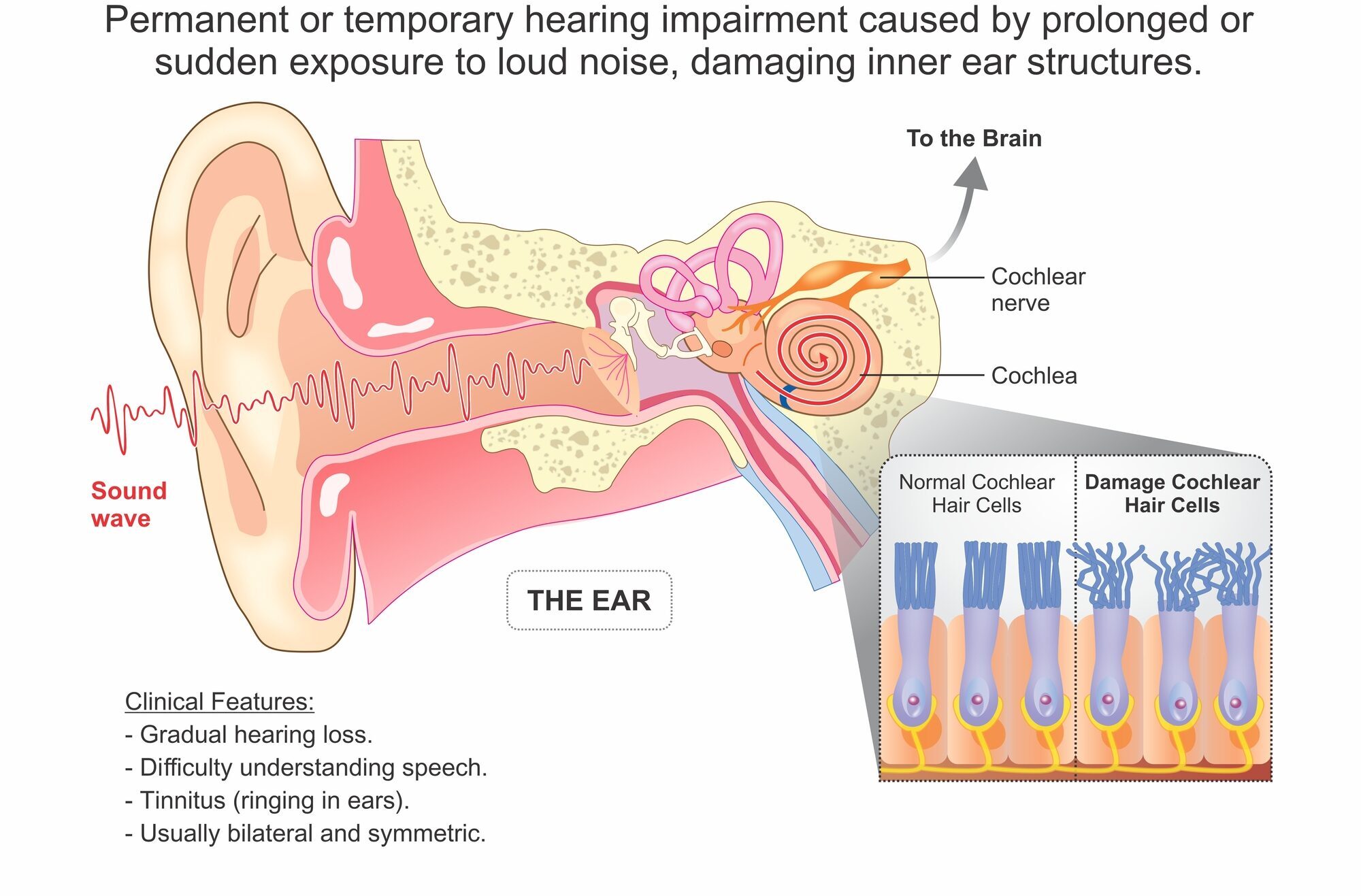
Sudden sensorineural hearing loss (SSNHL), often referred to as sudden deafness, is a condition characterised by an abrupt decline in hearing ability, typically affecting one ear. Unlike conductive hearing loss, which involves blockages or damage in the outer or middle ear, SSNHL originates in the inner ear or auditory nerve. This disruption can interfere with how sound signals are transmitted to the brain, leading to significant communication challenges.
Key Characteristics of SSNHL:
- Onset occurs within 72 hours or less.
- Often unilateral, meaning it affects only one ear.
- May be accompanied by symptoms like tinnitus (ringing in the ears) or dizziness.
While the exact cause of SSNHL remains unknown in about 90% of cases, research suggests that factors such as viral infections, autoimmune disorders, or circulatory issues may play a role. Understanding this condition is the first step toward addressing its impact and seeking timely care.
Common Causes of Sudden Hearing Loss in One Ear
There is a variety of factors that cause sudden hearing loss, many of which are linked to disruptions in the inner ear or auditory pathways. Understanding the causes of sudden hearing loss is crucial for identifying potential triggers and seeking appropriate care. Below are some of the most common culprits:
- Viral Infections: Viruses such as mumps, measles, or herpes simplex can inflame the inner ear or auditory nerve, leading to sudden hearing impairment.
- Circulatory Issues: Reduced blood flow to the inner ear can starve delicate hair cells of oxygen, impairing their function. Conditions like high blood pressure or blood clots may contribute to this.
- Autoimmune Disorders: In rare cases, the immune system mistakenly attacks the inner ear, causing inflammation and damage.
- Trauma or Injury: A blow to the head or exposure to extremely loud noises can harm the auditory system, resulting in single-ear hearing loss.
- Ototoxic Medications: Certain drugs, including chemotherapy agents or high doses of antibiotics, can damage the inner ear and lead to hearing loss.
Recognising the Symptoms: When Should You Act?
Sudden hearing loss in one ear can be alarming, but recognising the symptoms early is key to effective intervention. If you experience any of the following signs, it’s crucial to act promptly:
- Difficulty Understanding Conversations: Frequently asking others to repeat themselves or feeling like people are mumbling can indicate a problem.
- Muffled Sounds: Perceiving sounds as distant or unclear, even in quiet environments.
- Tinnitus: A ringing, buzzing, or hissing noise in the affected ear is a common symptom of sudden hearing loss.
- Dizziness or Vertigo: Feeling off-balance or lightheaded may accompany auditory issues, signalling a deeper problem.
- Trouble Hearing in Background Noise: Struggling to follow conversations in noisy settings, such as restaurants or social gatherings.
Diagnosis and Treatment Options
Diagnosing sudden hearing loss in one ear requires a combination of audiological assessments and medical evaluations. Understanding the available diagnostic tools and treatment options can help you navigate this condition effectively.
Audiological Assessments
The first step in diagnosing sudden hearing loss is a thorough audiological evaluation. This typically includes:
- Pure-Tone Audiometry: Measures your ability to hear different pitches and volumes, identifying the extent of hearing loss.
- Speech Discrimination Tests: Evaluate how well you understand spoken words at varying volumes.
- Tympanometry: Checks the function of the middle ear to rule out conductive causes of hearing loss.
These tests help determine whether the issue is sensorineural (inner ear or nerve-related) or conductive (outer or middle ear-related).
Medical Interventions
Once diagnosed, treatment often focuses on addressing the underlying cause of the hearing loss. Common interventions include:
- Corticosteroids: Administered orally or via injection into the ear, these reduce inflammation and swelling in the inner ear.
- Antiviral Medications: If a viral infection is suspected, antivirals may be prescribed to combat the infection.
- Blood Thinners: For cases linked to circulatory issues, medications that improve blood flow to the inner ear may be recommended.
In rare cases, surgical procedures might be necessary to address structural damage or obstructions.
Assistive Devices and Support
For individuals who do not fully regain their hearing, assistive devices like hearing aids can significantly improve the quality of life. Modern hearing aids offer advanced features such as:
- Wireless Connectivity: Stream audio directly from smartphones or TVs.
- Rechargeable Batteries: Eliminate the need for frequent battery changes.
- Adaptive Technology: Automatically adjusts to different listening environments.
Prevention and Proactive Hearing Health
While not all cases of sudden hearing loss can be prevented, adopting proactive measures can significantly reduce the risk of developing auditory issues. Protecting your hearing health is an investment in your overall well-being, as untreated hearing loss has been linked to cognitive decline, social isolation, and even conditions like dementia. Here’s how you can safeguard your ears:
- Protect Your Ears from Noise: Prolonged exposure to loud sounds can damage the delicate structures of the inner ear. Use custom earplugs or noise-cancelling headphones in noisy environments, such as concerts or construction sites.
- Manage Underlying Health Conditions: Conditions like diabetes, high blood pressure, and autoimmune disorders can increase the risk of sudden deafness. Regular check-ups with your healthcare provider can help manage these risks effectively.
- Stay Physically Active: Good cardiovascular health promotes proper blood flow to the inner ear, which is essential for maintaining auditory function. Incorporate activities like walking, swimming, or yoga into your routine.
- Schedule Regular Hearing Tests: Early detection of hearing changes allows for timely intervention. Adults over 50 or those with a family history of hearing loss should prioritise annual audiological assessments.
Conclusion: Taking the First Step Toward Better Hearing
One of the conditions that requires urgent care, but at the same time, provides you with a chance to become a master of your auditory well-being, is sudden hearing loss in one ear. Be it loss of hearing in one ear or trying to find out all possible ways to keep your hearing intact, knowledge will help you make knowledgeable decisions in cases of hearing loss. Early intervention not only boosts the recovery rates but also minimises the dangers of long-term effects of foreclosure, which could be cognitive disorders or social isolation.
Through a combination of attending regular hearing exams, taking preventive steps and visiting licensed professionals who can provide you with care, the ability to rely on the delivery of the intended assistance at addressing the surrounding issues, enabling you to maintain communication with the important people in your life and tapping into the life experiences as much as possible. Keep in mind, solving your hearing issues does not only involve increasing the clarity of sound, but also improves the quality of life in general. We can all begin by booking an appointment with an audiologist you trust today and, in the process, rediscover the joy that comes with hearing sounds distinctly and comfortably.
Disclaimer: This article is provided for general informational and educational purposes only and does not constitute medical advice, diagnosis, or treatment. Sudden hearing loss, particularly in one ear, can be a medical emergency and should be assessed promptly by a qualified GP, audiologist, or ear, nose and throat specialist. Readers should not rely on this content as a substitute for professional medical guidance. If you experience a sudden change in hearing, tinnitus, dizziness, ear pain, or any other concerning symptoms, seek urgent medical attention immediately. Any mention of clinics, professionals, or services is for informational purposes only and does not represent a medical endorsement or replace independent clinical assessment.
home » blog » human anatomy »