
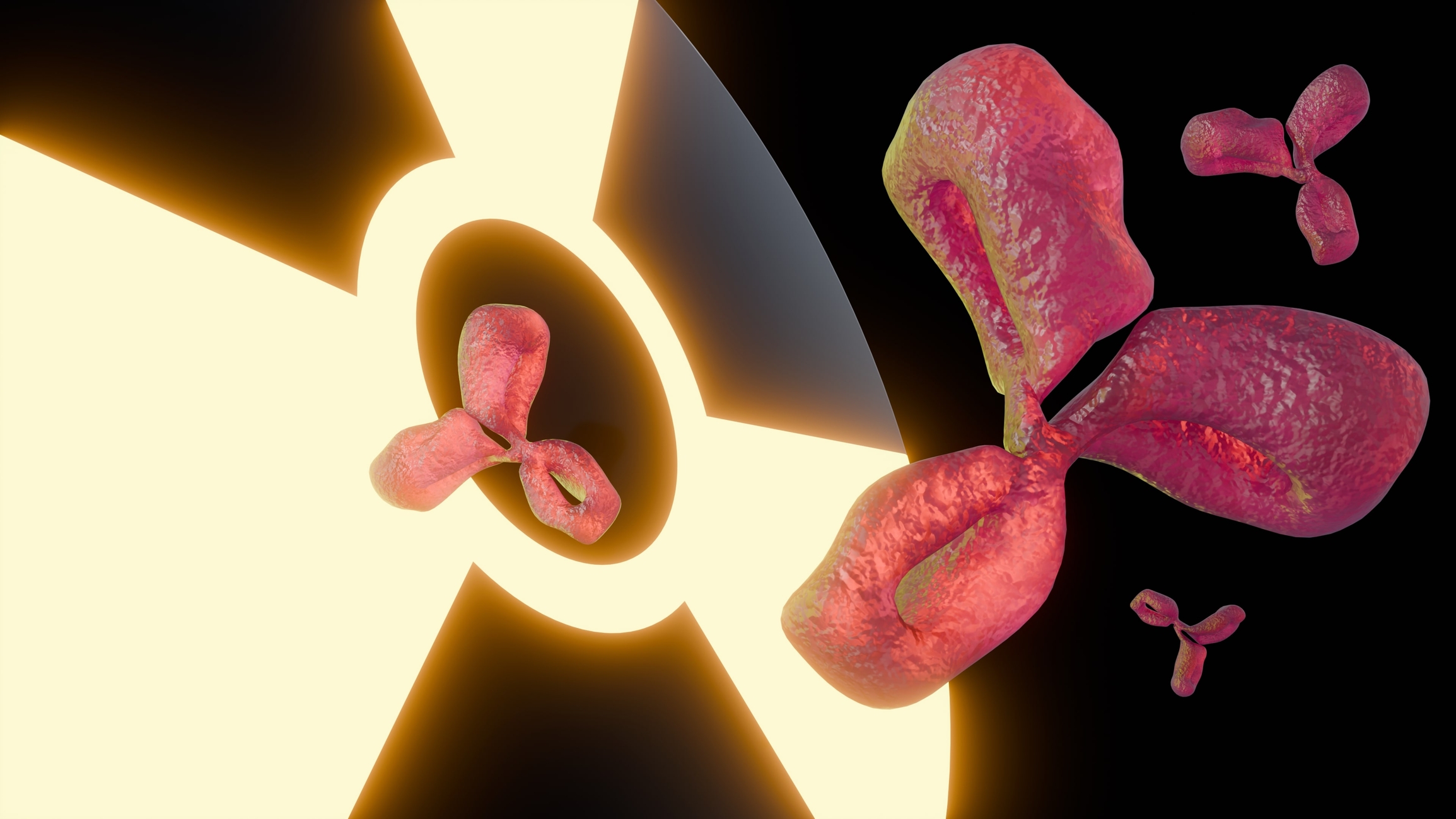
A Defining Moment in Precision Medicine
Today, 31 March 2026, marks World Theranostics Day. This date celebrates one of the most important ideas in modern medicine: using a targeted diagnostic test to identify disease, then pairing it with a matched therapy targeting the same biological target. The observance falls on 31 March because it commemorates the first therapeutic use of radioiodine in 1941, a medical breakthrough that helped shape the field now known as theranostics.
World Theranostics Day is more than a symbolic anniversary. It is a reminder that precision medicine did not appear overnight. It emerged through decades of scientific work, clinical courage and collaboration across disciplines. At the centre of that story is Dr Saul Hertz, whose name deserves to be included whenever the history of theranostics is discussed.
The Legacy of Dr Saul Hertz
Dr Saul Hertz (1905–1950), a physician at Massachusetts General Hospital, played a central role in bringing radioactive iodine into clinical medicine. His work, carried out with physicist Arthur Roberts and linked to developments at MIT, led to the first successful therapeutic use of radioiodine in a patient with thyroid disease on 31 March 1941. That moment is widely recognised as a foundation stone in the history of radionuclide therapy and in the development of theranostics itself.
Including Dr Hertz in an article about World Theranostics Day adds a human and historical anchor to the occasion. He was not simply part of an interesting scientific episode. He helped establish a new medical principle: that a radioactive substance could be used to reveal biological activity and to treat disease in a targeted way. That principle remains central to theranostics today.
What Theranostics Means Today
The term theranostics combines therapy and diagnostics, but its meaning is far more important than the word itself. In modern clinical practice, theranostics refers to an approach in which imaging is used to identify a molecular target in disease, and a matched therapeutic agent is then used to deliver treatment to that same target. It is a model of care built around precision, patient selection and measurable response.
This approach has reshaped the role of imaging. Imaging is no longer only a tool for confirming the presence of disease or measuring anatomical change. In theranostics, it becomes a guide to treatment choice. It helps clinicians decide whether a patient is suitable for a targeted therapy and provides a way to monitor outcomes after treatment. Diagnosis and treatment are no longer separate stages. They become part of a single connected pathway.
From Thyroid Disease to a Broader Clinical Impact
The origins of theranostics lie in thyroid disease, but the field has grown far beyond those early applications. What began with radioiodine has developed into a major area within nuclear medicine, molecular imaging, radiopharmacy and oncology. Today, theranostic strategies are used or explored in a growing range of diseases, with particular attention on neuroendocrine tumours and prostate cancer.
This expansion matters because it shows how one clinical insight can transform medical thinking across generations. The same idea that guided the first radioiodine treatment in 1941 now underpins much of the excitement around radioligand therapy and precision oncology. Clinicians are increasingly interested not only in where a tumour is located, but in whether it carries the right biological target for a matched therapeutic agent.
Why the Field Matters for Patients
For patients, the attraction of theranostics is easy to understand. It offers the possibility of a more personal, more informed, and more closely matched treatment. Rather than moving straight to a general treatment pathway, clinicians can first determine whether a patient is likely to benefit from a specific targeted radiopharmaceutical.
That can make care more precise and, in some settings, more effective. It can also reduce uncertainty. A patient is not treated merely because a disease has been detected. They are treated because imaging has shown that their disease targets the one the therapy is designed to reach. This is one of the clearest expressions of personalised medicine currently in practice.
The Pressure on Healthcare Systems
Yet the growth of theranostics also brings practical challenges. Expanding access is not as simple as adding another medicine to a formulary. A functioning theranostics service requires specialist imaging, radiopharmaceutical preparation and handling, trained staff, radiation safety systems, clinical governance, dosimetry expertise and strong multidisciplinary working.
This is why access remains uneven. Some centres have mature theranostics programmes and established referral pathways, while others are still building the foundations. The gap between scientific progress and patient access is now one of the most important issues facing the field. World Theranostics Day, therefore, serves not only as a celebration of achievement but also as a prompt to think seriously about capacity, training, and equitable access.
Building the Workforce Behind Theranostics
Theranostics depends on people as much as on technology. Nuclear medicine physicians, oncologists, radiologists, physicists, radiopharmacists, technologists and specialist nurses all contribute to successful delivery. Building a service means building a team capable of identifying suitable patients, preparing therapies safely, interpreting imaging correctly and managing follow-up over time.
That requirement for close collaboration is one of the field’s most striking features. Theranostics brings disciplines together around a common clinical aim. It connects diagnosis and therapy, but it also connects professionals who may previously have worked in more separate ways. As services expand, education and workforce development will be just as important as advances in tracers and treatment platforms.
Why World Theranostics Day Matters
Awareness days can sometimes feel ceremonial, but World Theranostics Day has real meaning. It provides an opportunity to explain the field to wider audiences, recognise the people who helped create it, and draw attention to the work still needed to make its benefits more widely available. The date itself is not arbitrary. It points directly back to 31 March 1941 and to Dr Saul Hertz’s pioneering use of radioiodine, an event that continues to shape modern nuclear medicine.
It is also a useful moment to remind people that theranostics is not a futuristic concept waiting on the horizon. It is already part of real-world care. The field is active, growing and increasingly influential in oncology and molecular medicine. What remains is the challenge of scale: how to ensure more patients, hospitals and health systems can benefit from what the science now makes possible.
Looking to the Future
The future of theranostics is likely to be marked by broader clinical applications, new molecular targets and deeper integration into routine care. Research continues to open new possibilities, but scientific progress alone will not be enough. Healthcare systems will need to invest in infrastructure, workforce training and reliable supply pathways if the field is to fulfil its promise.
On World Theranostics Day 2026, the message is both celebratory and forward-looking. This is a day to honour the breakthrough that began with Dr Saul Hertz and the first therapeutic use of radioiodine in 1941, and also to support the clinicians, scientists and patients shaping the next chapter.
Theranostics has already changed how medicine thinks about diagnosis and treatment. The next step is to ensure the change reaches further. That would be the most fitting tribute to the legacy of Dr Saul Hertz and to the enduring idea at the heart of theranostics: the right test, the right target and the right treatment for the right patient.
Disclaimer: This article is for general informational and educational purposes only and does not constitute medical advice, diagnosis, or treatment. The content reflects editorial commentary on World Theranostics Day 2026 and should not be used as a substitute for professional clinical guidance. Access to theranostic services, therapies, and regulatory approvals may vary by country, institution, and patient circumstance. Readers should consult qualified healthcare professionals for advice related to any medical condition or treatment.
home » blog » radiotheranostics »