
One hundred and thirty years ago on this day, 1 March 1896, Henri Becquerel made a discovery that transformed science. In a quiet Paris laboratory, he developed photographic plates that had been stored in darkness with uranium salts. He expected little to appear. Instead, the plates revealed strong, sharply defined images.
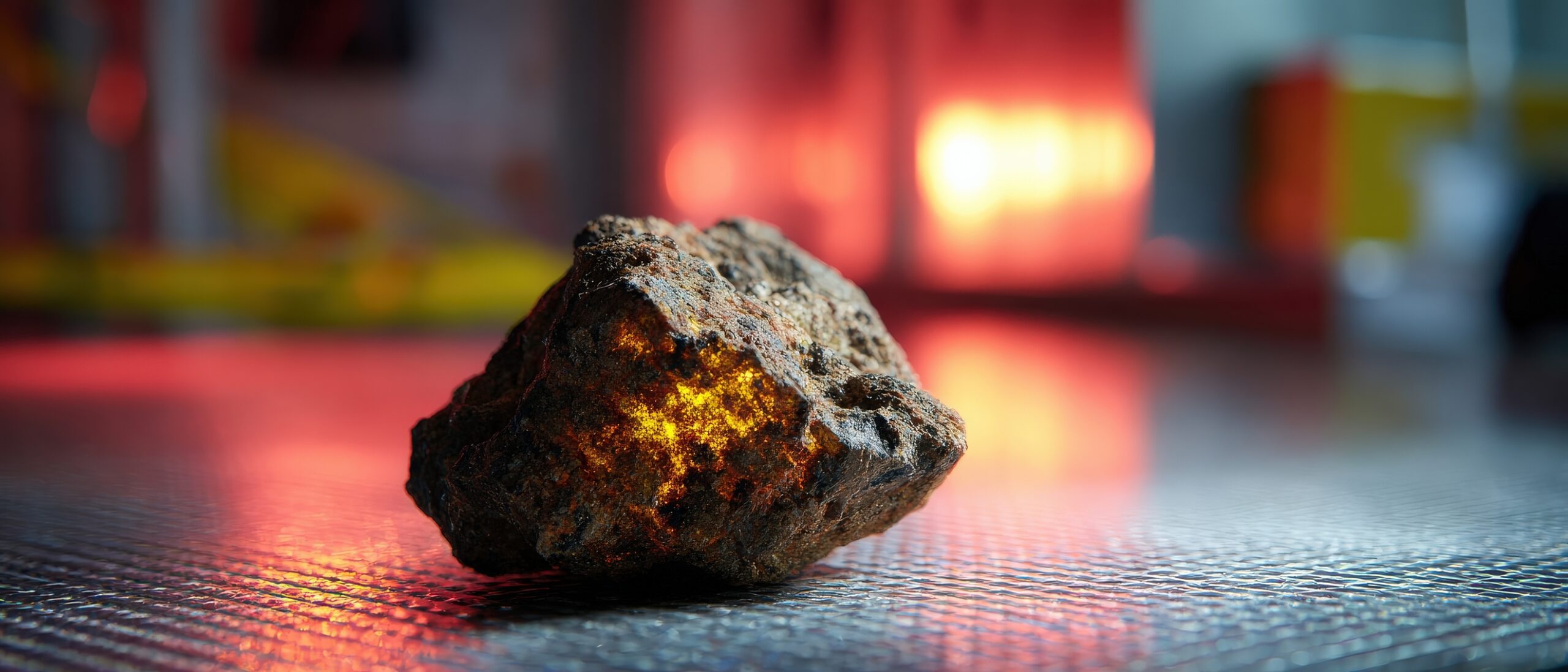
The uranium had emitted radiation on its own.
That simple yet astonishing observation marked the beginning of our understanding of radioactivity. What seemed at first to be an experimental curiosity became one of the great turning points in modern physics. Its influence continues to shape the world today — including the technologies driving artificial intelligence.
The Experiment That Led to the Breakthrough
Becquerel had been investigating whether phosphorescent uranium salts might absorb sunlight and re-emit it as a penetrating radiation similar to recently discovered X-rays. He wrapped photographic plates in black paper to block visible light and placed uranium crystals on top. After exposure to sunlight, the plates darkened, suggesting that invisible rays had passed through the covering.
Then the weather in Paris turned overcast. Assuming that sunlight was necessary for the effect, he set the prepared plates aside in a drawer. On 1 March 1896, he developed them anyway, expecting faint or negligible results.
Instead, the images were strong and unmistakable.
The radiation did not depend on sunlight. It originated within the uranium itself. Matter, it seemed, possessed an internal energy capable of spontaneous release.
A Radical Shift in Scientific Thought
At the close of the nineteenth century, atoms were widely believed to be stable and indivisible. Becquerel’s discovery challenged that assumption. If uranium could emit energy continuously without external stimulation, something within the atom must be changing.
Further investigations soon confirmed that radioactive elements transform over time, releasing different forms of radiation. The atom was no longer a solid, unchanging unit but a dynamic structure with hidden processes.
This insight laid the foundations for nuclear physics and quantum theory. It reshaped chemistry, physics and our understanding of the material world.
From Atomic Science to Modern Electronics
The path from radioactivity to artificial intelligence runs through the heart of twentieth-century physics.
Research into atomic structure led to quantum mechanics, which explained how electrons behave within atoms and solids. That understanding made it possible to develop semiconductors — materials whose electrical properties can be precisely controlled.
Semiconductors enabled the invention of transistors. Transistors became the building blocks of microprocessors. Microprocessors power computers. And modern computing hardware makes artificial intelligence possible.
Without the scientific revolution that followed discoveries such as Becquerel’s, there would be no silicon chips, no data centres and no advanced machine learning systems.
Medical Imaging and AI
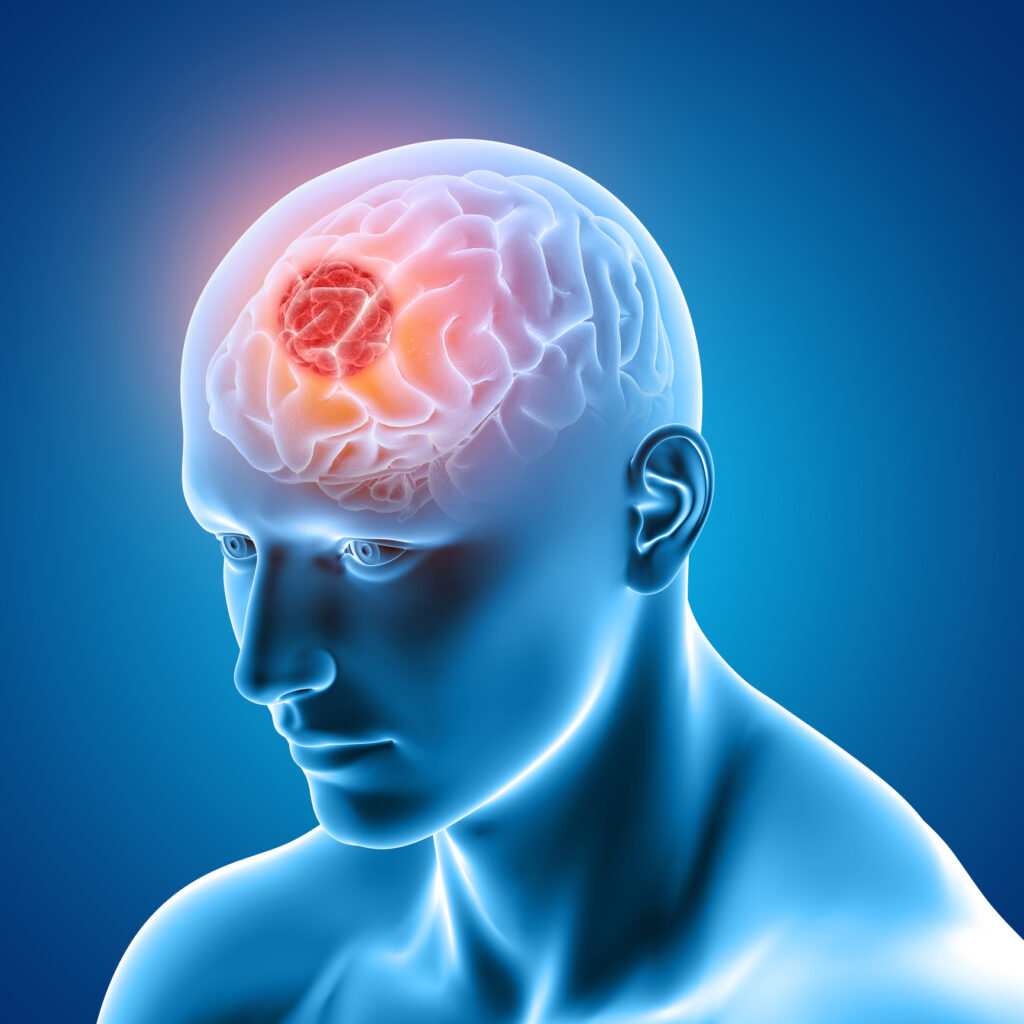
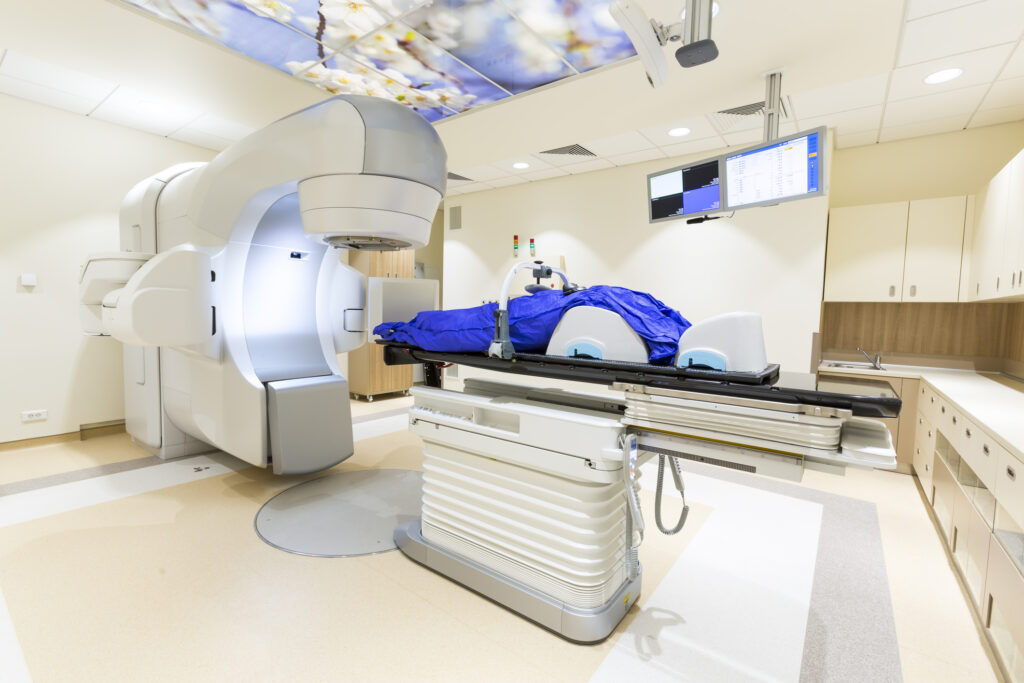
Radioactivity also revolutionised medicine. The ability to detect radioactive emissions led to imaging techniques that allow clinicians to see inside the human body. Radioactive tracers became essential tools for diagnosing disease.
Today, artificial intelligence assists in analysing medical images. Algorithms identify subtle patterns in scans, support clinical decisions and improve early detection of illness. These AI systems rely on imaging technologies rooted in the understanding of radioactive decay.
Thus, the discovery made 130 years ago contributes directly to AI-supported healthcare.
Energy, Infrastructure and Computation
The study of radioactivity eventually led to nuclear energy. Nuclear power stations generate significant amounts of electricity in many countries. Modern AI systems require vast computational resources, and those resources demand substantial energy.
Large data centres operate continuously, consuming enormous power. In some regions, nuclear energy forms part of the infrastructure that sustains digital technologies. The scientific knowledge that began with uranium salts now underpins elements of the energy systems supporting advanced computation.
Learning from the Unexpected
Becquerel was not seeking to overturn atomic theory. He was testing a hypothesis about sunlight and phosphorescence. The breakthrough occurred because he paid attention to an unexpected result.
Rather than dismissing the strong image on his photographic plate as an error, he investigated it further. He repeated the experiment and adjusted his understanding. Progress emerged from curiosity and careful observation.
Artificial intelligence research often follows a similar pattern. Models behave in ways that surprise their creators. Unexpected outputs lead to new insights. Innovation frequently begins with recognising that something does not fit existing assumptions.
Power and Responsibility
Radioactivity brought both remarkable benefits and profound risks. It enabled life-saving medical treatments and scientific breakthroughs. It also led to destructive technologies.
Artificial intelligence presents comparable dual possibilities. It offers advances in healthcare, research and efficiency, while raising concerns about misuse, bias and control.
Looking back at the events of 1 March 1896 encourages thoughtful reflection on how transformative knowledge is applied. Scientific discovery carries responsibility alongside opportunity.
A Discovery That Still Shapes Our World
One hundred and thirty years ago on this day, Henri Becquerel opened a drawer and revealed a hidden property of matter. He could not have imagined quantum theory, microprocessors or artificial intelligence. Yet his recognition that atoms emit energy spontaneously became one of the stepping stones toward those developments.
Every AI system in operation today rests on layers of understanding built over generations of scientific inquiry. At the base of that structure lies the realisation that matter is dynamic and measurable, governed by principles that can be uncovered through careful experimentation.
The marks on those photographic plates in 1896 were more than shadows. They were the first visible signs of a new era — an era that continues to unfold in the intelligent technologies shaping our present and future.
Key Takeaways
- On 1 March 1896, Henri Becquerel discovered that uranium could emit radiation in the absence of sunlight, marking the beginning of radioactivity.
- This finding challenged the belief that atoms were stable, leading to the development of nuclear physics and quantum theory.
- Becquerel’s work laid the groundwork for modern electronics, enabling the creation of semiconductors and microprocessors that power AI today.
- Radioactivity also revolutionised medicine, with AI now assisting in analysing medical images rooted in former nuclear research.
- The scientific journey from Becquerel’s discovery to contemporary AI technologies exemplifies the dual nature of scientific advancements: great potential and significant responsibility.
Disclaimer
This article is published for educational and historical interest only. While every effort has been made to ensure accuracy, it provides a general overview of scientific developments and should not be interpreted as technical, medical, legal or professional advice. References to radiation therapy, nuclear science and artificial intelligence are intended for informational purposes and do not constitute guidance for clinical practice, policy decisions or investment. Readers should consult appropriately qualified professionals for specific advice relating to healthcare, scientific research or technology implementation.
home » blog » radiation therapy »