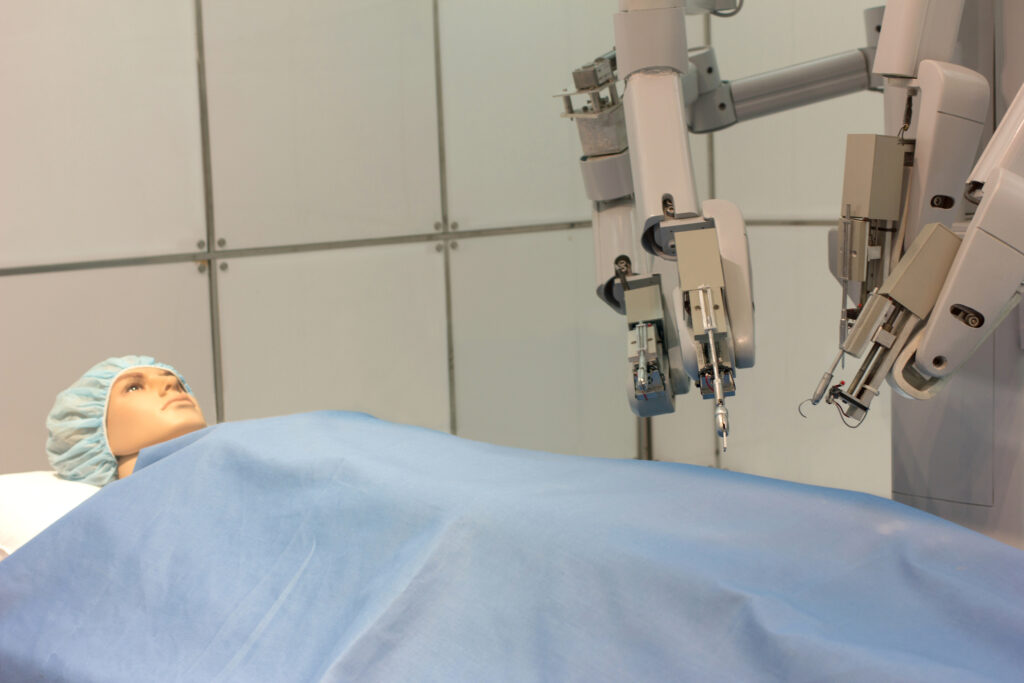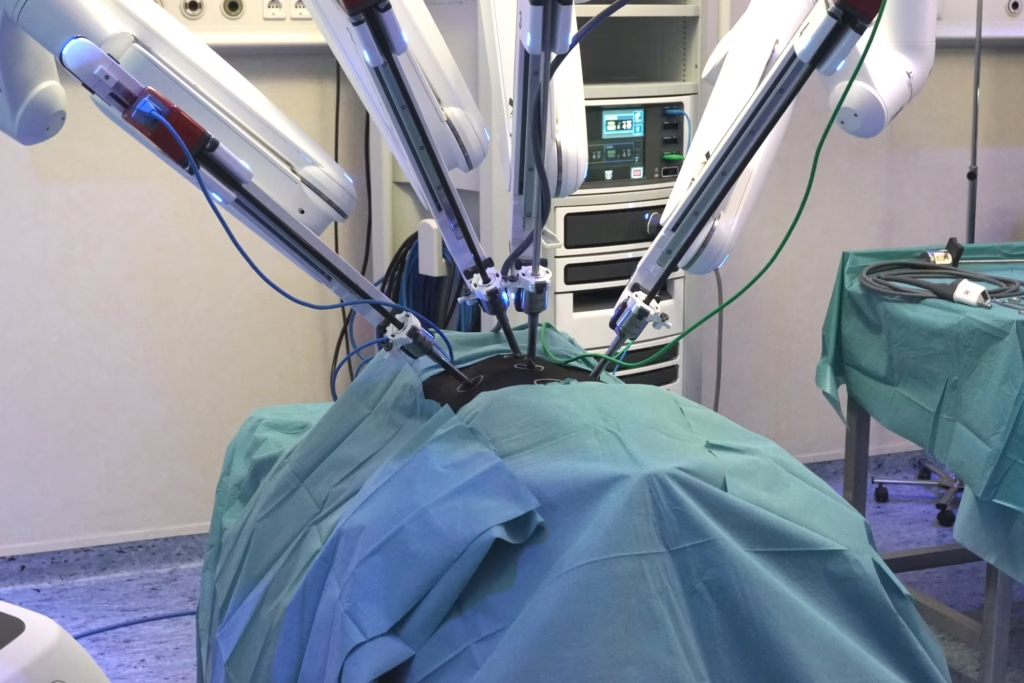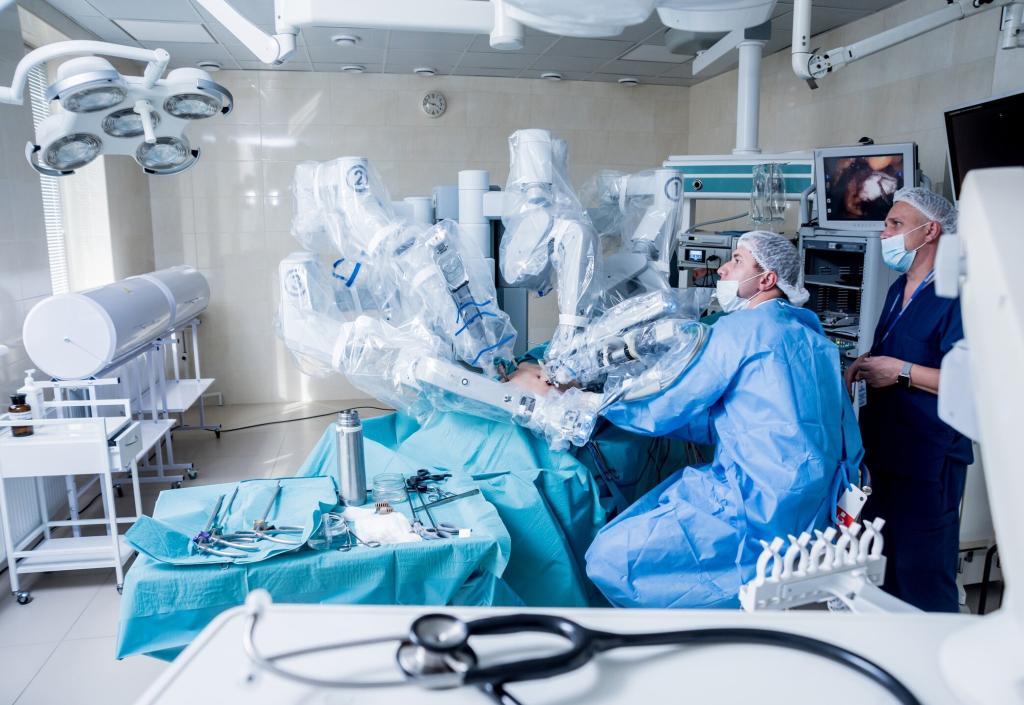
Robotic surgery is transforming medicine. Scientists are developing innovative materials to improve robotic performance and increase their surgical capabilities, making surgeries safer and even less invasive. These materials can enhance precision, durability and patient outcomes.
Material Advancements in Surgical Robotics and Their Benefits
Several materials offer viable alternatives to metal, which is often too rigid for contact with skin and vital organs during surgery. Below are several innovative replacements for robotic materials.
Textiles
Scientists are beginning to use textiles on surgical instruments, including robotic arms. Textiles are a promising alternative to metal as they are thinner, enabling easier movement and greater flexibility. This allows robotic hands to mimic human motion and grip, supporting precise surgeries. Some high-performance fibers are stronger than metal and less expensive, making them attractive to cost-conscious hospitals.
Scientists at the University at Buffalo have created an E-textile that mimics human skin to limit the drawbacks of robots’ touch. This textile is incredibly sensitive and can even detect pressure in a similar way to a human. The hope is that this material can transform robotic surgery and other medical applications, such as prosthetic manufacturing.
Corrosion-Resistant Materials
Corrosion-resistant materials are another substitute for metal in surgical robots. Materials such as nickel and specialty stainless steels are less susceptible to chemical corrosion and other possible degradation, making them more durable in surgical settings. Because many chemicals and other materials in the human body can deteriorate weaker substances, corrosion-resistant materials are a more sustainable option.
Due to their longevity, corrosion-resistant materials are a more cost-effective choice, as they require fewer frequent upgrades.
Biocompatible Materials
Biocompatible materials integrate better with human tissue than metal. They mimic skin and organ texture because of their biological qualities, and do not trigger immune responses in the body. These materials are also resistant to degradation and maintain their initial structure over time.
They improve efficiency because doctors are not concerned with degradation or bodily reactions that could hinder surgery. The materials help robots mimic human touch, enabling them to achieve the precision and accuracy of a human doctor.
Smaller Materials
Materials can also be condensed to a smaller size, creating microrobots. When robots are smaller, they can enter the body through a simpler incision rather than a large one. They can also perform tasks without disrupting too many vital organs. This aids drug delivery and tissue repair while also giving doctors a clearer view during exploratory surgeries.
The benefits of using smaller materials for microrobots include reduced scarring on patients and lower pain due to the miniature incision. It also facilitates faster recoveries, as the wound requires less healing.
Sensory-Inducing Materials
Surgeons can use robotic equipment, covered with the proper materials, to remotely “feel” the texture of bodily tissue. This allows them to envision a more accurate picture of the surgical site, improving their outlook and process to assist the patient.
A major benefit of this machinery is that it gives doctors more control through touch. It also aids their precision, as they can feel exactly where they need to operate. The robots help surgeons deliver safer and more accurate surgeries. Additionally, it takes them less time to discover the issue since they can feel the actual distressed area.
Ethical Considerations
Doctors should consider several ethical implications when using robotic materials and technology in surgery. A common concern among patients is the quality of their care when doctors give some duties to robots. Health organizations and the government create regulations to ensure patient care is a top priority for hospitals implementing surgical robots.
The design, manufacturing materials, certifications and training are all monitored. These rules help limit this risk and create accountability for robotic companies.
Other Advancements in Surgical Robotics
Beyond materials for robots, scientists are also making strides in other applications of surgical robotics.
As with every industry, AI and machine learning are transforming robots’ participation in surgeries. AI can analyze patient data and help doctors create a comprehensive surgical plan. It can also assist in some surgeries, although it still requires human assistance. Predictive analytics can determine potential issues with the surgery and provide helpful solutions to protect the patient.
Remote surgery is another significant advancement, utilizing 5G technology to perform surgery from a remote location. This helps surgeons deliver lifesaving care to people in faraway areas without access to the nearest hospital or medical center. It also assists new doctors during surgery, as they can have a mentor provide suggestions without being physically present.
Material Advancements in Robot Surgery
Robotic surgery is evolving rapidly. New textile, corrosion-resistant and biocompatible materials are driving greater effectiveness and expanding surgical possibilities. As these innovations continue to advance, newer technologies will enable increased performance and a heightened capacity for life-saving capabilities.
Lou Farrell
Lou, the senior editor of science and technology for Revolutionized Magazine, has spent the past 4 years writing about the latest technological advancements in the fields of medical science and manufacturing. He strives to follow his passion for writing in sharing what he knows with others.
Disclaimer
The information presented in this article is intended for general educational and informational purposes only. It does not constitute medical advice, clinical guidance, professional engineering advice, or a substitute for consultation with qualified healthcare professionals, surgeons, medical device manufacturers, or regulatory authorities.
While reasonable efforts have been made to ensure the accuracy of the content at the time of publication, Open MedScience makes no representations or warranties regarding the completeness, reliability, or suitability of the information for any specific clinical, research, or commercial application. Advances in surgical robotics, materials science, and regulatory standards continue to evolve, and readers should verify current practices and requirements independently.
Any references to technologies, materials, institutions, or research are for informational context only and do not imply endorsement or recommendation. Clinical decisions, device selection, and surgical practices should always be based on professional judgement, regulatory approval, and individual patient needs.
Open MedScience accepts no liability for any loss, injury, or damage arising from the use of, or reliance on, the information contained within this article.
You are here: home » diagnostic medical imaging blog »