
Atrial fibrillation and atrial flutter – the most common types of heart arrhythmia – impact around 52.55 million people worldwide. Both conditions involve abnormal heart rhythms that can affect the heart’s ability to pump blood efficiently.
Essentially, the heart has four chambers. Two of them, the atria, are located at the top. The other two chambers, the ventricles, are located in the lower part of the heart.
When the heart is working as it should, the atria contract and push blood into the ventricles. This coordinated contraction forms part of the normal cardiac cycle. Atrial fibrillation and atrial flutter can both cause an abnormally rapid heart rate. However, they differ in nature.
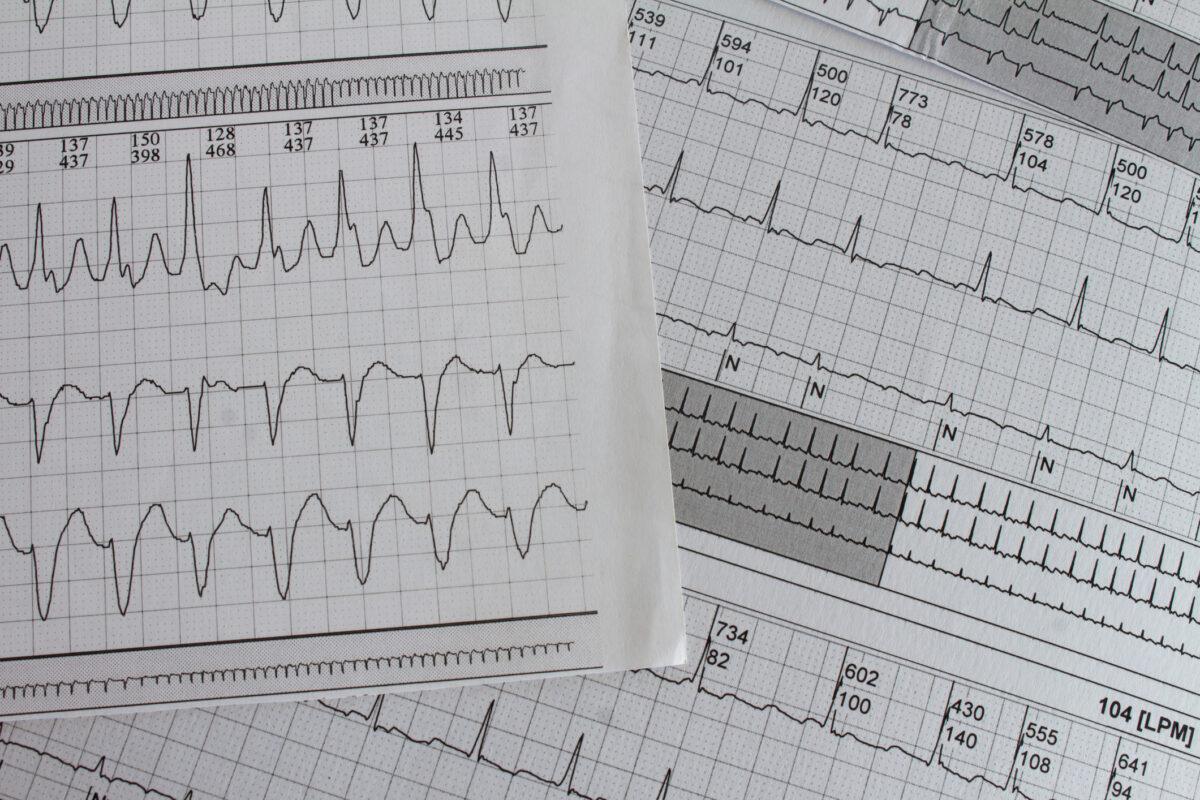
In atrial fibrillation, disorganised electrical activity causes the atria to beat rapidly and irregularly. Atrial flutter also causes rapid atrial activity, but the electrical rhythm is typically more organised and regular than in atrial fibrillation.
In atrial flutter, the atria may beat at approximately 300 beats per minute. The atrioventricular (AV) node limits the number of electrical impulses transmitted to the ventricles, meaning that not every atrial impulse produces a ventricular contraction.
In both conditions, people have palpitations, feel short of breath, and experience chest tightness—to name just a few symptoms. The good news is that effective, safe, and quick treatments of these conditions exist.
Electrical Cardioversion
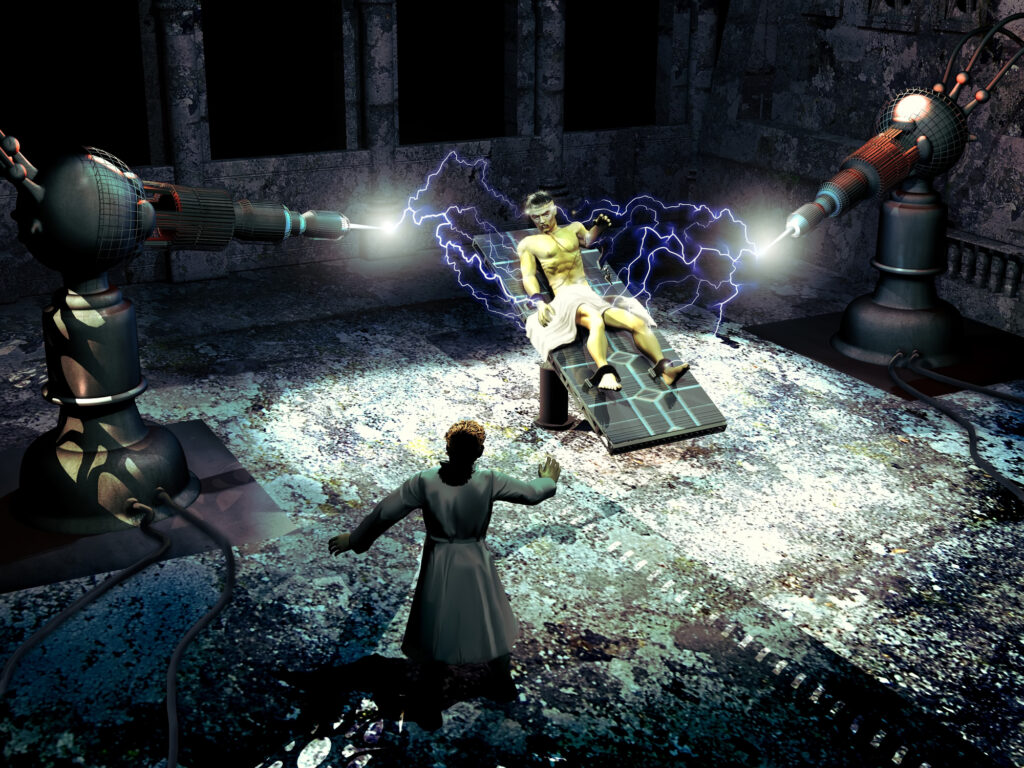
Cardioversion is the long-established treatment of atrial fibrillation and atrial flutter. It’s all about delivering controlled, low-energy shocks to the chest to restore normal rhythm using a machine and electrodes.
When electrical cardioversion is successful, restoration of sinus rhythm usually occurs immediately, although the arrhythmia may subsequently recur. Recent studies have shown how effective the treatment is depends on optimal pre-procedural preparation.
Electrical shocks must be synchronised with the cardiac cycle to reduce the risk of inducing dangerous ventricular arrhythmias. Appropriate anticoagulation may be required before and after cardioversion to reduce the risk of thromboembolic complications, including stroke. Further, modern equipment (capable of delivering biphasic shocks) with sufficient energy must be employed.
Improvements in modern cardioversion practice include biphasic shock delivery, anticoagulation protocols, and patient selection, which are highly significant.
The likelihood of maintaining sinus rhythm after cardioversion is influenced by factors including arrhythmia duration, atrial size and underlying structural heart disease.
Pulsed Field Ablation
Pulsed field ablation uses non-thermal electrical impulses and is considered a suitable alternative to traditional thermal ablation, with comparable efficacy and potentially enhanced safety. The essential difference between electrical cardioversion and pulsed field ablation lies in their goals.
Pulsed field ablation is suitable for long-term rhythm control, as it targets the tissue that triggers the arrhythmia. Cardioversion, on the other hand, is used to restore a normal rhythm immediately.
The Benefits of Pulsed Field Ablation
Pulsed field ablation differs from traditional ablation techniques, including radiofrequency and cryoablation, in that the latter use thermal (heat or cold) energy to destroy tissue, whereas pulsed field ablation uses electrical pulses.
Although thermal ablation is effective, the energy it emits can potentially damage the esophagus and the nerves to the lungs and stomach.
It can also cause a dangerous narrowing of the pulmonary veins. Pulsed-field ablation offers the benefits of thermal ablation while limiting the risk of injury to organs surrounding the heart.
AI-Guided Mapping During Ablation
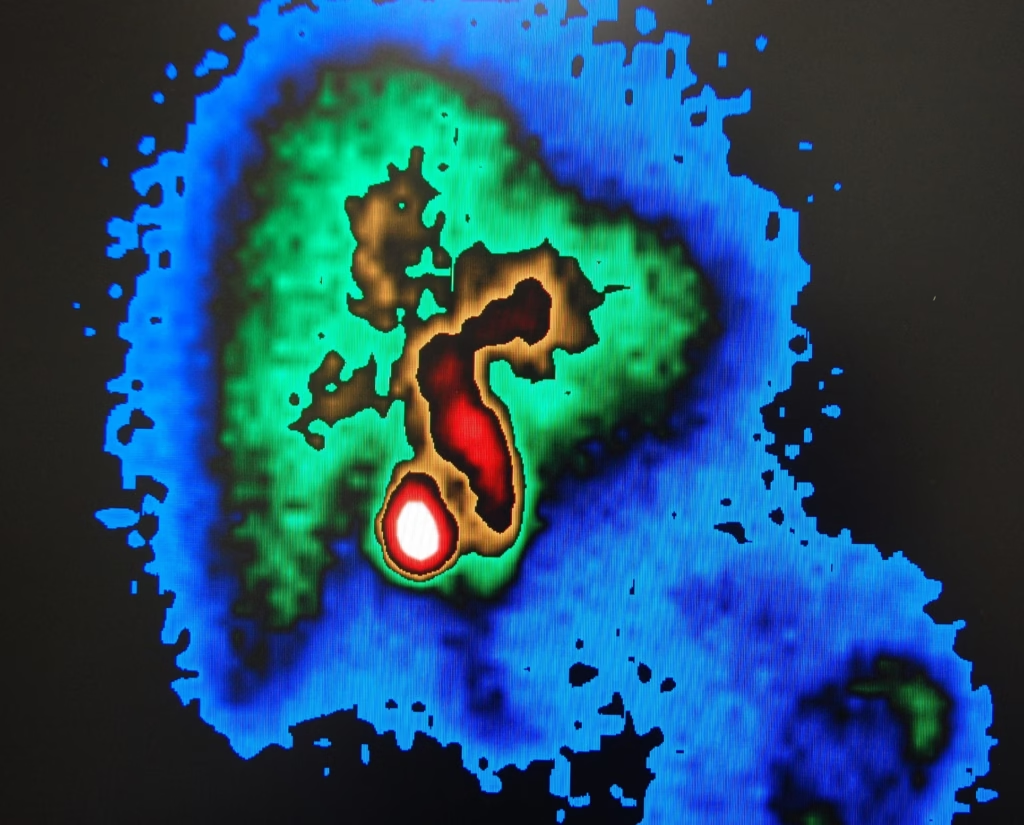
AI integration represents one of the most promising emerging advances in arrhythmia treatment. Machine-learning algorithms are being investigated to help electrophysiologists map atrial fibrillation more precisely and identify potential ablation targets.
While tools showcased at events such as the Heart Rhythm Society annual meetings demonstrate potential to improve pulmonary vein isolation and procedural efficiency, AI-guided mapping remains an evolving area under clinical evaluation.
In the future, these technologies may help identify the specific tissue responsible for atrial fibrillation, enabling electrophysiologists to target arrhythmogenic tissue more precisely while preserving surrounding structures.
Abbott’s Volt™ PFA System
Abbott’s Volt™ PFA System is a balloon-in-basket pulsed-field ablation catheter designed for pulmonary vein isolation in patients with atrial fibrillation. It delivers pulsed electric fields to isolate pulmonary veins while targeting tissue directly to avoid the blood pool, reducing the need for additional fluid.
- Clinical Trial Results: The 12-month data from the VOLT-AF Global IDE study demonstrated the following clinical endpoints:
- Paroxysmal AFib: 84.2% of patients achieved freedom from documented rhythm recurrence.
- Persistent AFib: Nearly 68% of patients with AFib lasting more than 7 days remained free of additional episodes.
Detailed presentations on this trial’s results are available via the Abbott Media Center, and comprehensive evidence can be reviewed on the Abbott Clinical Evidence Portal.
Procedural & Safety Profile
Real-world and clinical evidence support the system’s efficiency and safety:
- Anesthesia: Data indicate the catheter can be used without general anesthesia, with a high proportion of procedures completed under deep or conscious sedation.
- Workflow: Integration with three-dimensional mapping systems allows the device to be used for both mapping and ablation, streamlining procedural steps.
- Safety Outcomes: Pre-market evaluations reported acute procedural effectiveness with a low incidence of primary serious adverse events or complications, including phrenic nerve injury and pulmonary vein stenosis.
Conclusion
As stated above, atrial fibrillation and atrial flutter are the two most common arrhythmias. These conditions reduce quality of life, causing symptoms ranging from dizziness to fainting. To treat them well, healthcare professionals and surgeons utilize electrical cardioversion, pulsed-field ablation, and AI-enabled targeting of affected tissues.
Disclaimer: This article is intended for educational and informational purposes only and does not constitute medical advice, diagnosis, or treatment. Readers should consult a qualified healthcare professional regarding any medical condition or treatment decisions. The views expressed are those of the author and do not necessarily reflect the views of Open MedScience. While every effort has been made to ensure accuracy at the time of publication, Open MedScience accepts no responsibility for errors, omissions, or consequences arising from the use of the information contained in this article.
home » blog » human anatomy »