

Quick Answer
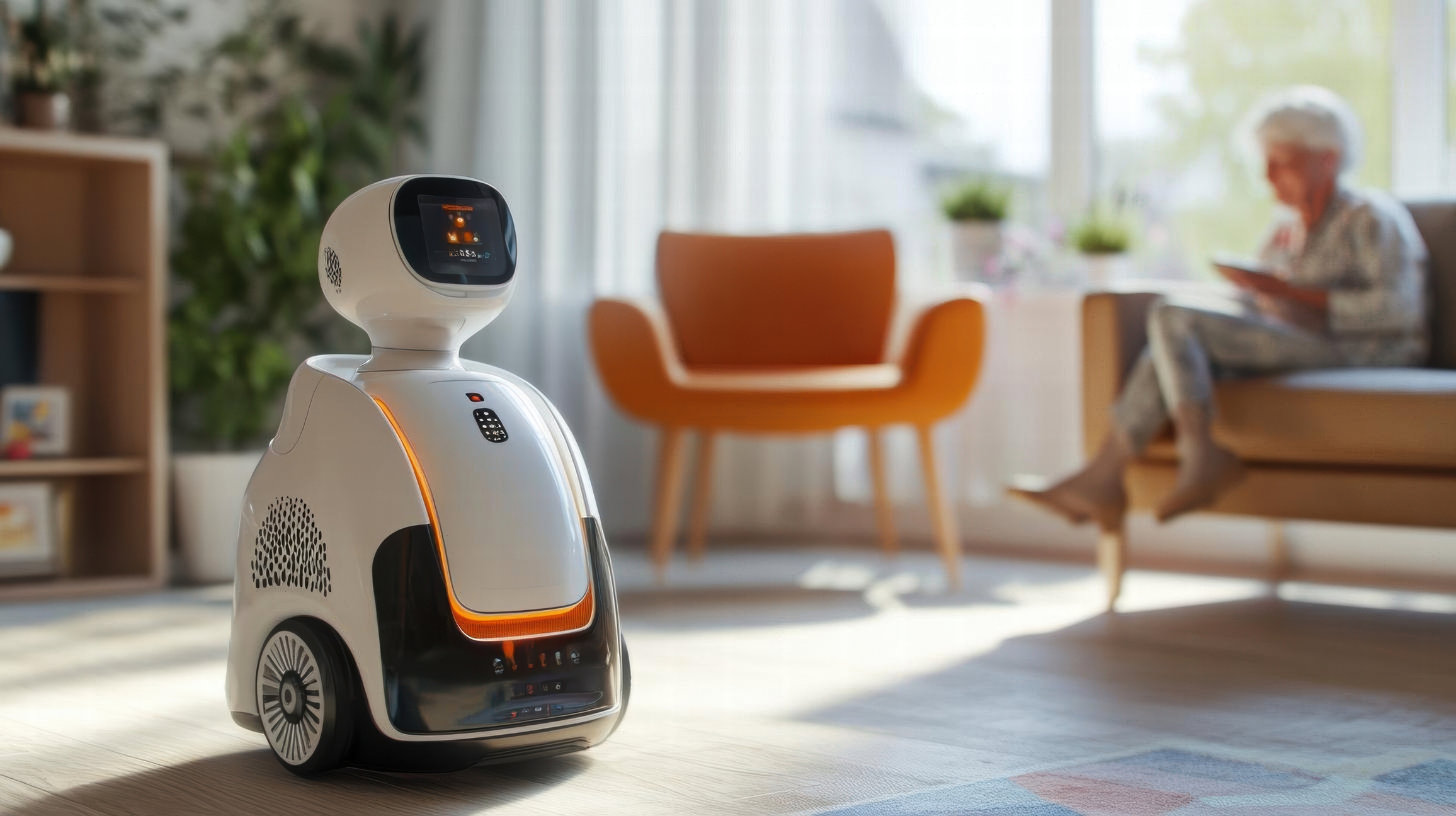
Aging in place technology uses ambient sensors, behavioural analytics, and connected alert tools to watch over an older adult’s daily patterns without intrusion. The platform learns normal routines, then flags falls, missed medications, prolonged inactivity, or unsafe stove use in real time. Family and caregivers receive prioritized notifications, while the resident keeps full autonomy, privacy, and the dignity of an ordinary day at home.
Introduction
Care coordinators and adult children face the same recurring tension. An older parent insists on staying in the family home, while the family quietly worries about a missed step on the stairs, a forgotten kettle on the burner, or a tumble during the overnight hours when no one is watching. This is where aging in place technology has matured into something genuinely useful, operating in the background rather than the foreground of daily life.
The shift mirrors what professional operators of Currie Green independent living now treat as table stakes, meaning passive sensing, behavioural baselining, and tiered escalation protocols built into the residence itself. Modern platforms read the rhythm of a household, the timing of the morning coffee, the duration of bathroom visits, the regularity of sleep, and respond only when a pattern breaks.
How Ambient Awareness Replaces Constant Watching
The first principle of modern home support for older adults is that the residence itself should do most of the watching. Rather than asking a resident to wear, press, or remember anything, the home is instrumented with low-profile sensors that observe motion, occupancy, temperature, water flow, and door activity. These signals feed a behavioural model that learns a personal baseline over roughly two to three weeks, then quietly looks for meaningful deviations from that norm.
From Reactive Alarms to Predictive Awareness
Older pendant-style products were built around a single moment of crisis, the press of a help button after something had already gone wrong. Contemporary platforms shift the centre of gravity upstream, toward early signal detection. A slower gait across the hallway, a longer-than-usual stay in the washroom, or skipped meal preparation can all surface as soft alerts long before any visit to the emergency becomes necessary.
For families weighing options across independent senior housing communities, the right question is no longer whether monitoring exists, but how the platform is governed, serviced, and updated over a five-year horizon.
What Ambient Sensing Actually Tracks
Well-designed setups stay away from cameras inside private living areas, and instead rely on layered, non-imaging inputs:
- Passive infrared motion sensors that map room-to-room transitions and dwell time.
- Bed and chair occupancy pads that record sleep duration, restlessness, and nighttime exits.
- Door and cabinet contacts that confirm medication access and external door activity.
- Stove and appliance current monitors that detect unattended cooking events.
- Environmental probes covering temperature, humidity, and carbon monoxide levels.
Insist on edge processing wherever possible. Behavioural baselines should be computed inside the residence gateway, with only summarized events transmitted to the cloud. This narrows the attack surface and aligns with PIPEDA expectations around minimum necessary data.
Why Baselining Beats Single Threshold Alerts
A single-threshold rule, such as “no motion for four hours triggers an alarm,” generates false alarms during legitimate naps and misses slow declines entirely. A behavioural model compares today against the resident’s own thirty-day pattern, weighted by time of day. The payoff is fewer false positives and earlier detection of subtle changes, such as urinary tract infections or medication side effects.
The Hardware Stack Behind Reliable Home Monitoring
A properly engineered residence layers three categories of equipment, each solving a distinct failure mode. Understanding how they interoperate is what separates a hobbyist setup from a clinically defensible deployment.
Comparing the Core Hardware Layers
The wearable tier remains essential for acute events, particularly unwitnessed falls in the washroom, where ambient coverage is intentionally limited. Modern pendants and watches pair accelerometer data with barometric pressure to tell a genuine fall apart from a dropped device, then auto-dial a monitoring centre when no response is received.
Integration Standards That Matter
Interoperability is where most consumer kits quietly break down. Look for the following before committing to a platform:
- Matter or Z-Wave compatibility for long-term device replacement flexibility.
- Cellular failover so a router outage cannot silence the system.
- Open API access for integration with regulated response providers.
- End-to-end encryption with documented key rotation policies.
When these layers cooperate, the value of well-chosen smart homes for seniors becomes obvious in practice. False alarms drop, response times tighten, and clinical staff gain a defensible audit trail of events without sacrificing the resident’s sense of an ordinary private home.
Next Steps for Governing and Maintaining the Investment
A monitoring platform is only as reliable as its weakest neglected component. Sustained performance depends on a maintenance discipline that mirrors how building operators treat fire panels and HVAC controls.
Professional operators schedule recurring checks rather than waiting for a missed alert to expose a fault. A defensible service rhythm covers the following items at a minimum:
- Battery health verification across pendants, hubs, and door contacts.
- Firmware updates applied within 30 days of vendor release.
- Sensor placement audit after any furniture or layout change.
- Behavioural baseline review following hospital stays or new prescriptions.
- Annual penetration test of the network perimeter.
The next wave of investment is moving toward predictive health analytics rather than incremental sensor counts. Vendors are layering machine learning on top of multi-month behavioural archives to surface early indicators of cognitive decline, frailty progression, and infection onset. Regulatory bodies are also tightening expectations around data residency and consent renewal, which favours operators with disciplined governance already in place.
That governance layer, paired with mature senior safety devices and modern aging in place technology, is what quietly preserves autonomy long after the hardware has faded into the background of a well run home.
Key Takeaways for Quiet, Confident Independence at Home
The strongest residential support models today share a common trait, meaning they fade into the background while doing meaningful clinical work. Ambient sensing catches drift, wearables catch acute events, and disciplined governance keeps both honest over time.
Families and operators who pair sensible hardware choices with a quarterly service rhythm gain something rare: an early warning network that respects privacy. That balance is the real promise of mature aging in place technology.
Disclaimer: This article is for informational purposes only and does not constitute medical, legal, or professional care advice. Readers should consult qualified healthcare professionals or care providers before making decisions regarding aging in place technology, monitoring systems, or senior care arrangements.
home » blog » artificial intelligence »