
For many years, varicose veins have been viewed as an age-old yet oft-overlooked medical phenomenon. A misconception is that many people associate them to cosmetic elements whereas the reality is quite different. Those veins then become dilated, twisted, and can cause pain, swelling, heaviness, skin changes or ulcers in more serious cases. Traditionally varicose veins have been poorly understood, diagnosed and treated over the last 100 years but that has changed over the past decade with advances we have made in vascular medicine.
Contemporary science has moved the focus far from surgical alternatives to targeted, less invasive medications centred on enhancing patient comfort and quicker resolution. It is this development that identifies itself with more than just the modification of technology, but also understanding vascular health and pathogenic mechanisms. Which is why today, compared with even a generation ago, patients have never had access to safer or more effective options.
The Cause Behind Varicose Veins That Everyone Should Know
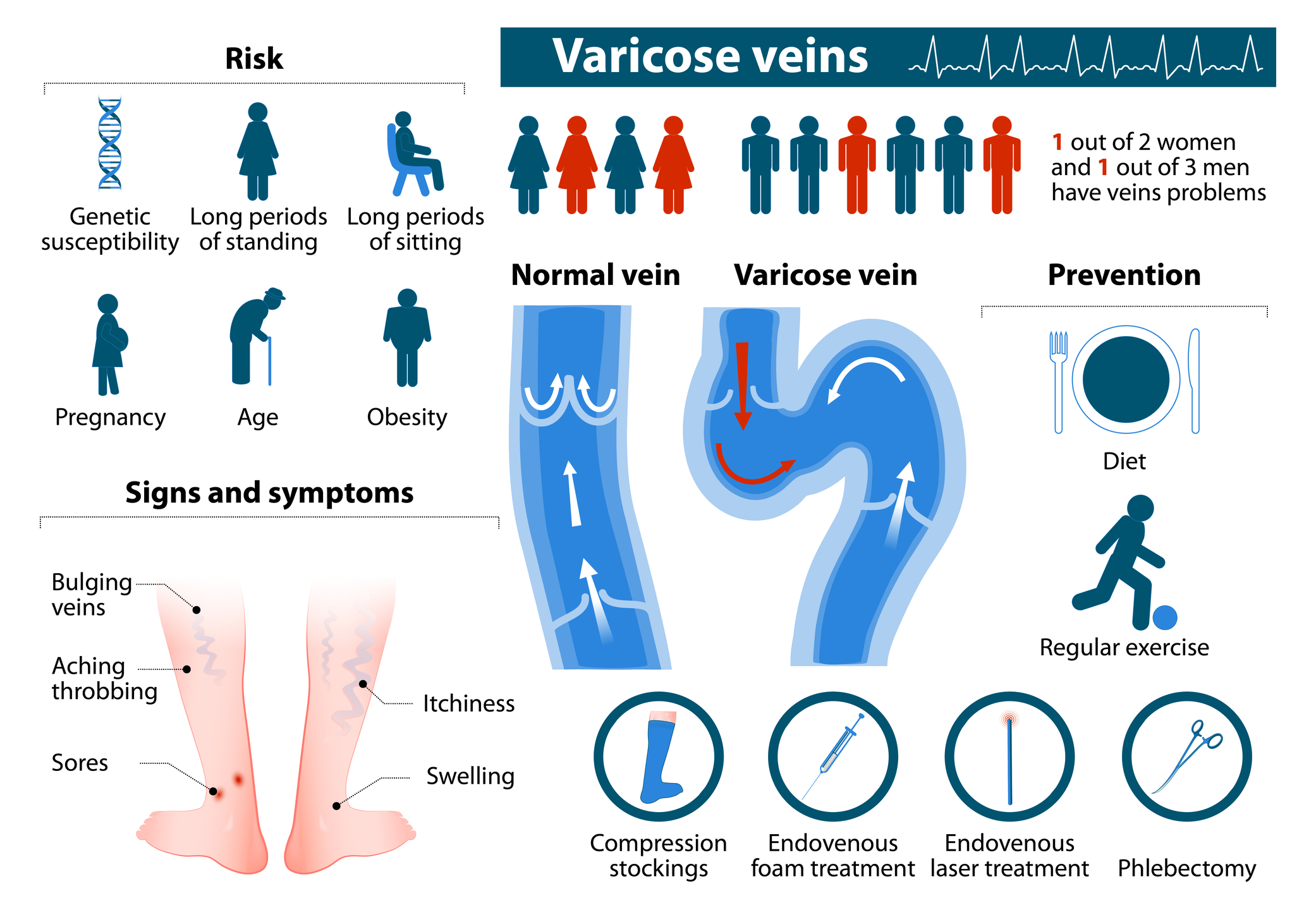
It is important to understand the underlying causes of varicose veins to realise how far treatment has come. These veins form when the valves that control blood flow within the venous system malfunction and, over time, these valves become weak or damaged, causing blood to pool in the veins, creating engorgement and visible swelling.
Genetics, extended sitting or standing, ageing, and hormones often influence this condition. Although lifestyle changes help alleviate symptoms, they do not resolve the root issues in their veins. Vascular medicine is where broad advances in the field are so critical.
Recent advances in scientific research have helped to shed light on the biological and mechanical processes associated with venous insufficiency. These had already helped create accurate diagnostic tools, enabling new treatments that target not the symptoms but the root cause.
Moving from Traditional Surgery to Minimally Invasive Care
Varicose vein treatment offers a clear example of how care has improved. In the past, the standard approach was to remove the affected veins completely through a procedure known as vein stripping. While this could be effective in some cases, it usually requires general anaesthesia, involves longer recovery times, and carries a greater risk of complications. The invasive nature of the surgery also discouraged many patients from seeking treatment.
Now, however, the field looks starkly different. Today, minimally invasive procedures are the standard of care because they have equivalent or better outcomes with a fraction of the recovery time. Endovenous laser therapy and radiofrequency ablation are two techniques that use heat to block the flow of damaged veins, allowing blood to reroute through healthier vessels.
Most of these procedures are outpatient procedures with little pain. Treatment is localised and thus may allow patients to resume normal activities in as little as a few days.
Imaging and Precision Diagnostics: The Role of Imaging
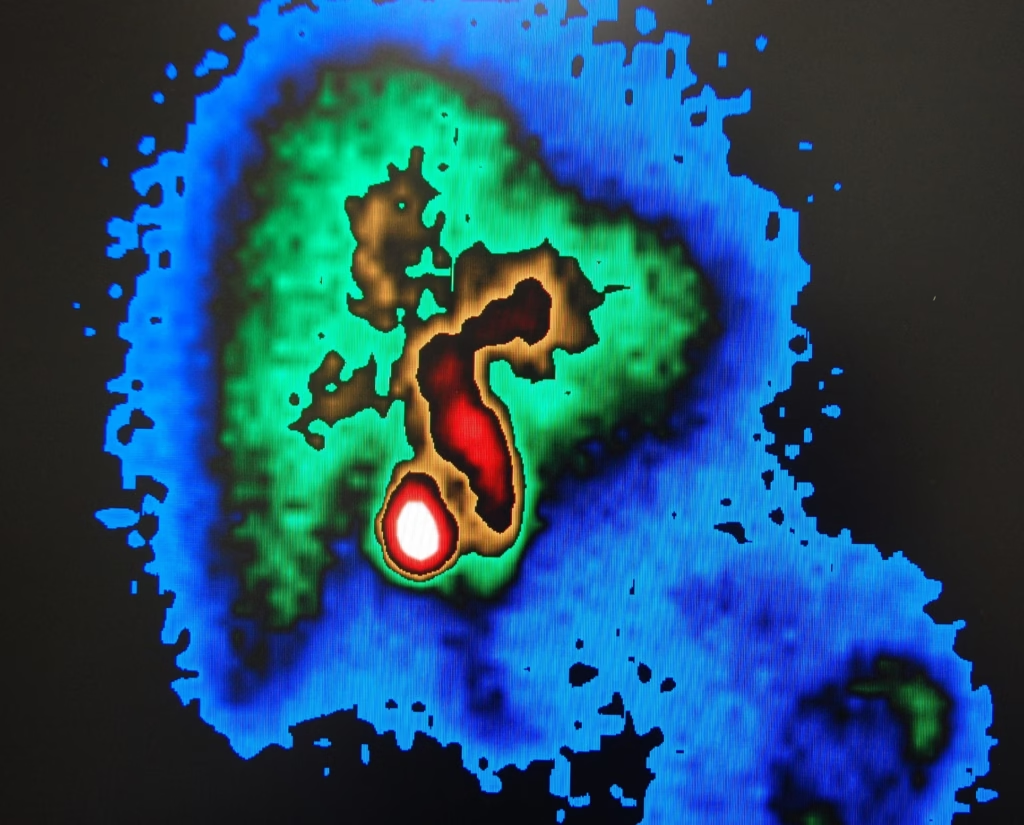
Developments in advanced imaging technologies are one of the factors fuelling advancements in vascular medicine. Take Suite Duplex as a solid example of its growing importance; it is an indispensable tool for the diagnosis and mapping of the venous system.
That technology provides real-time visualisation of blood flow, locates sites of valve malfunction and maps how serious the affliction is. Imaging allows for tailored treatment plans, offering in-depth knowledge of each patient’s anatomy.
Not only are precision diagnostics making treatment outcomes better, but they are also making recurrence less likely. Instead of treating systemic issues as secondary symptoms, modern interventions focus on the root cause that leads to more durable results.
Emerging Therapies and Innovative Techniques
Along with well-established minimally invasive techniques, newer treatments are under investigation. Techniques like sclerotherapy have been optimised to maximise efficacy and minimise adverse events. It is accomplished by injecting a solution into the affected vein that causes it to become scar tissue and subsequently be absorbed by the body.
The other area looking good is the development of medical adhesives to seal veins with no heat-based energy. These techniques are also an option for patients who may not be good candidates for traditional procedures.
They are also working towards developing more biomaterials and viral-replicates-driven regenerative medicine to improve the body’s natural healing pathway. Although most of these innovations are still in the research pipeline, they provide a snapshot of an ever-evolving vascular medicine.
Patient-centred Care and Accessibility
Modern varicose vein treatment is not only a technology but also about the patient experience. Patient-centred care is gaining more traction among healthcare providers, which includes comfort and convenience as well as customised treatment plans.
Clinics are now performing thorough evaluations that take into consideration medical and lifestyle history. This comprehensive treatment view helps treat a patient holistically rather than only relying on visible symptoms.
If you need specialist care, providers such as a Vein Clinic in Clifton offer access to sophisticated diagnostic devices and modern therapy systems, making advanced vascular care more accessible to patients.
The Importance of Early Intervention
Perhaps the greatest lesson from recent research is about early intervention. Since venous disease is progressive, the longer varicose veins are left untreated, the more complicated the treatment becomes. Treatments are less invasive, and better long-term outcomes are possible when diagnosed early.
Symptoms such as persistent leg pain, heaviness or swelling and changes in the veins of the legs should prompt them to seek medical advice. Treating these early on can minimise complications and make life better.
This model is based on education and awareness. Awareness of varicose vein signs and factors could help with balancing vascular health.
Lifestyle Changes and Medical Interventions
Modern medicine has changed the way we treat varicose veins, but lifestyle factors are still a big part of how to manage and even reverse them. Getting regular exercise, reaching and maintaining a healthy weight and avoiding long periods of sitting or standing can boost overall circulation and lessen the burden on veins.
Another way most people will advise you is Compression therapy, which helps blood flow and can improve the symptoms. Combined with the medical treatment, these measures could improve outcomes and prevent such cases from recurring in the future.
This approach is indicative of the wider shift in healthcare, where you have prevention and treatment working seamlessly together for maximum benefit.
The Future of Vascular Medicine
This information, combined with the latest technologies, will help shape the future of varicose limb treatment. And now, to a degree, artificial intelligence and data analytics are entering the scene, both in diagnosis and treatment planning, creating new opportunities for precision medicine.
The continuing insights from vascular biology will no doubt lead to new therapies to further improve the treatment of patients. This will also serve to detect and prevent them, as well as treat existing conditions.
At its core, what this technology demonstrates is a paradigm shift away from sick care and toward a more proactive, patient-centric model where machines and man partner to drive better health outcomes.
Conclusion
At the same time, a revolution in vascular medicine has changed how varicose veins are treated with safer, more efficient and less invasive treatments. New diagnostic tools and treatment techniques have been developed with modern science redefining what is possible in vein care.
Knowledge of these advancements gives patients the tools to better manage their health and receive prompt therapy when required. Living with medically inspired awareness securely guarantees alleviation and regular circulation for good.
Though varicose veins are a widely prevalent condition, they no longer need to be an ailment that you take pleasure in for the relaxation of your life. Given the growing momentum of vascular medicine, the treatment landscape is looking ever more hopeful and is already improving lives around the world.
Disclaimer: The content of this article is provided for general informational and educational purposes only and does not constitute medical advice, diagnosis, or treatment. Open MedScience does not provide clinical services, and readers should not rely on this material as a substitute for advice from a qualified healthcare professional. Any mention of specific clinics, providers, treatments, or technologies is for informational purposes only and should not be interpreted as an endorsement or recommendation. Individuals experiencing symptoms or seeking treatment for varicose veins or any vascular condition should consult an appropriately qualified medical practitioner for personalised assessment and care.
home » blog » human anatomy »