
There has been a radical shift over the past two decades in vascular medicine, especially in the diagnosis and management of vein-related conditions. Disorders such as varicose veins and chronic venous insufficiency, which were previously viewed primarily as cosmetic or minor health concerns, are now identified as being capable of affecting quality of life to a large degree. As a result, the medical field has placed considerable attention on finding new, patient-friendly solutions that improve outcomes and reduce discomfort.
This evolution is fueled by emerging technologies. Modern vascular medicine is reinventing how clinicians approach vein care at large, from advanced imaging systems to minimally invasive treatment techniques. The availability of advances not only improves clinical accuracy but also provides timely and efficient treatment options for patients of all ages and health profiles.
Why Do We Need Innovation in the Treatment of Vein Disease?
Because a widespread series of vein disorders is increasing, it can be hard to diagnose them early. Historically, diagnosis relied on physical examinations and patient-reported symptoms, which could lead to mis- or underdiagnoses. Moreover, traditional treatments like surgical vein stripping were considered to have an increased recovery time and decreased level of comfort.
In recent years, awareness of vein health has increased, as has demand for effective, minimally invasive treatment options. Patients are accustomed to solutions integrated into everyday life, which return them to their normal activities rapidly and at little to no expense. These shifts in expectations have led to disruptive innovations in both diagnostic and treatment approaches.
The emergence and incorporation of technology into vascular medicine have largely mitigated these difficulties, empowering clinicians to provide better, more precise, personalised, and efficient care.
Advanced Imaging Techniques Transforming Diagnosis
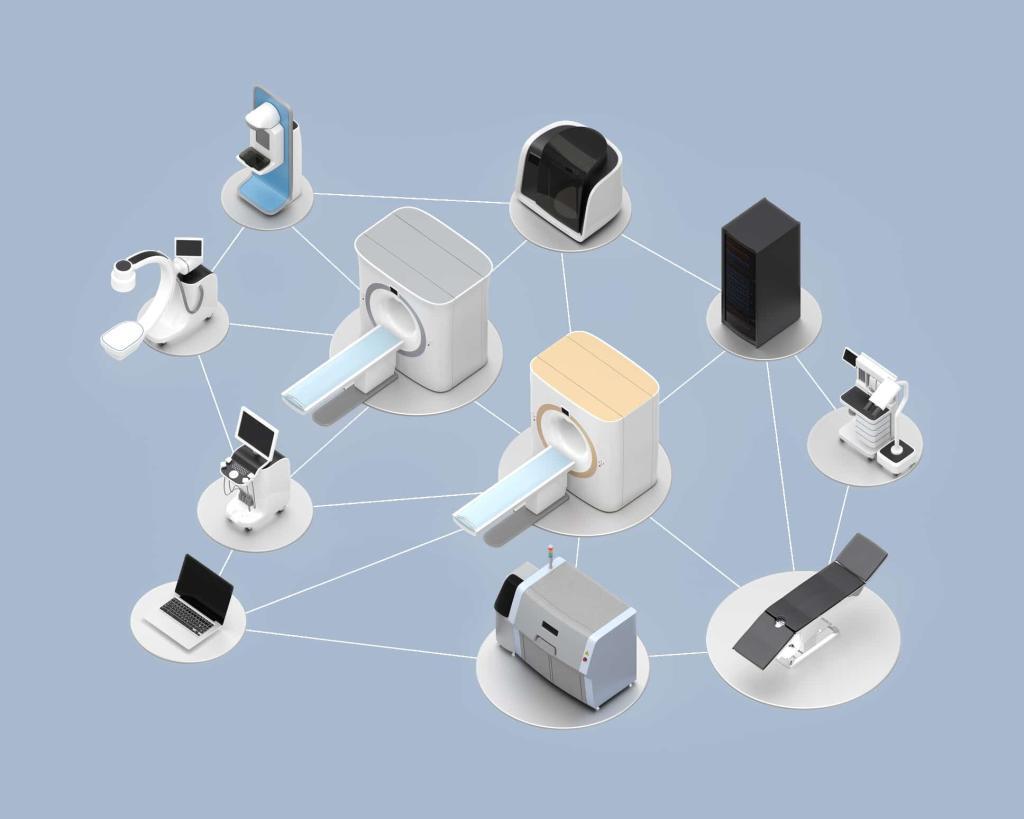
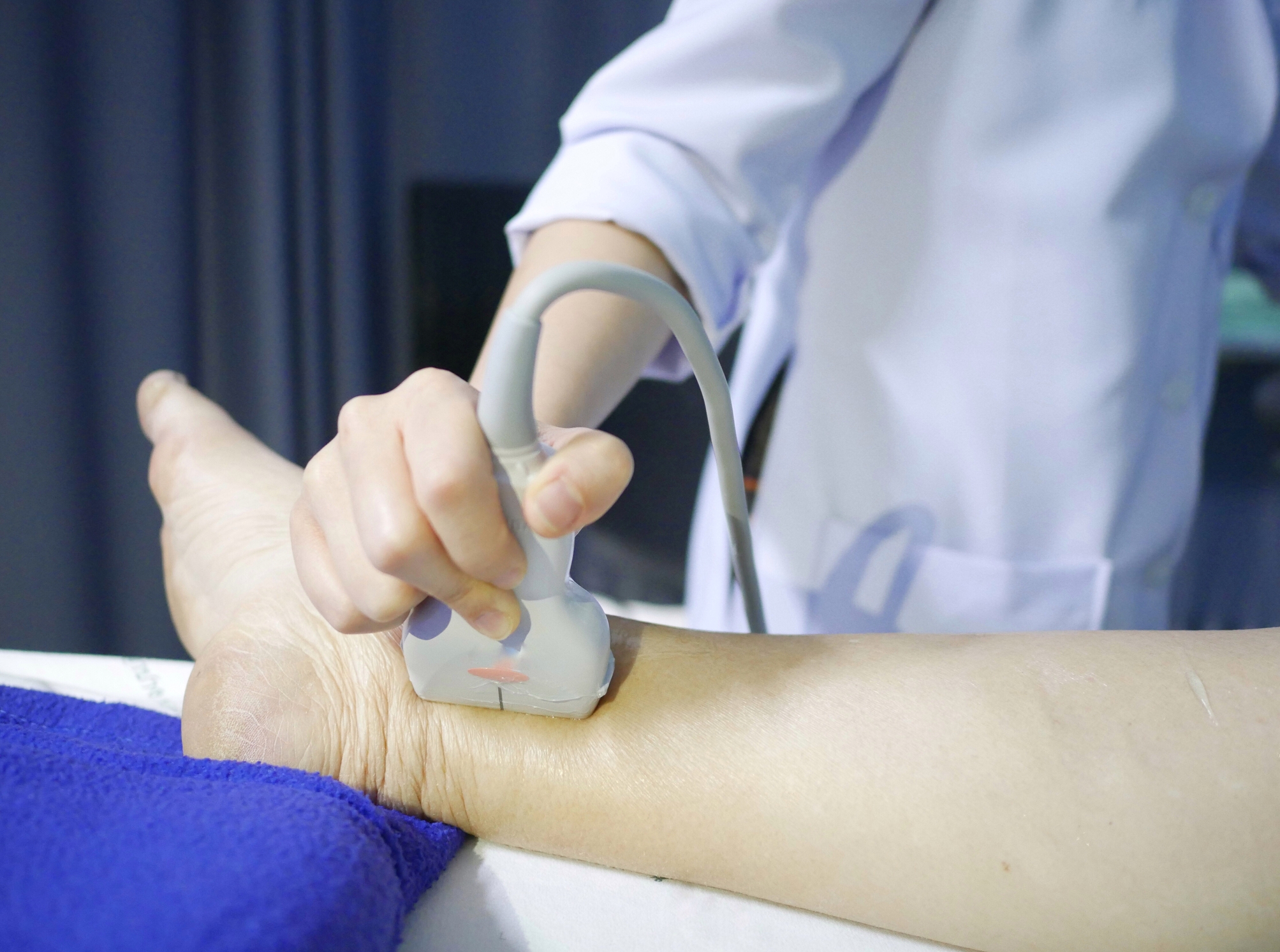
High-resolution imaging technologies are one of the biggest advances in vascular medicine. Specialists developed duplex ultrasound into a standard diagnostic tool that provides dynamic, real-time images of blood flow. This allows for accurate identification of both valves that are not functioning correctly and locations where venous reflux may exist.
Emerging imaging modalities beyond ultrasound (US) are currently being evaluated to provide additional detail. Clinicians using three-dimensional imaging and augmented visualisation tools are mapping the tortuous networks of veins with remarkable accuracy. Such technologies enhance diagnostic certainty and aid in planning targeted therapies.
Advanced imaging enables better characterisation of venous disease and thus plays an integral role in improving patient outcomes.
Minimally Invasive Procedures Redefining Treatment
One of the most profound changes in vein treatment has been the move toward minimally invasive procedures. Traditional surgical techniques have largely been supplanted by more modern approaches like endovenous laser therapy and radiofrequency ablation. These processes work by delivering heat to close off diseased veins, redirecting blood to healthy vessels.
These treatments appeal for their efficiency and convenience. This means that many procedures can be performed on an outpatient basis under local anaesthetic, minimally disrupting the patient’s routine. Healing periods are distinctly shorter, and complications are much rarer than with true surgical treatment.
Sclerotherapy is one of the most common techniques, and—like all things in medicine—it continues to advance with better formulations and delivery systems. This treatment involves injecting a solution into the abnormal vein, which causes it to collapse and a gradual reabsorption by the body.
Taken together, these minimally invasive alternatives constitute a significant step forward in patient-centric care.
Robotics and Precision Tools
Advances in robotics and precision medicine are beginning to shape the future of vascular treatment. Robotic-assisted procedures (although still in the early stages of adoption) have the potential to achieve more precise and consistent outcomes.
Such systems can help clinicians navigate complex vein architectures, reducing the risk of errors and improving treatment accuracy. Improvements in catheter technologies are also being studied to enable more controlled infusions of targeted therapies.
This class of devices should continue to be perfected and refined, making limb salvage and vein treatments even safer and more effective.
Artificial Intelligence and Data-Driven Care
Artificial intelligence (AI) is quickly becoming a key component of modern healthcare, and nowhere is this more evident than in vascular medicine. These systems use artificial intelligence to analyse imaging data, identify patterns, and provide a more accurate diagnosis of conditions affecting the vein.
These technologies can efficiently analyse vast quantities of data, enabling clinicians to use evidence-based, holistic results to inform the decisions they need to make. And there may be applications of predictive analytics to identify patients more likely to develop vein disorders, enabling earlier intervention.
The inclusion of AI in clinical practice allows healthcare providers to deliver care tailored to individual needs and to prevent, treat, or even manage illness more effectively.
Advancements in Patient Experience and Rehabilitation
Improvement in vein disease does not just lie in the clinical degree, but also in the knowledge and experience of every affected person regarding their doctor. The modern method favors comfortability, convenience, and rapid recovery.
With advances in more intensive anaesthesia techniques, smaller instruments, and improved procedural methods, discomfort during and after treatment has been drastically reduced. The biggest benefit of a busy lifestyle is that the patient often returns to regular activities within 24 hours.
Much improvement has also been seen in post-treatment care, with more guidance and support systems implemented to ensure proper healing. Thus, these enhancements lead to higher patient satisfaction and better long-term outcomes.
Personalised Treatment Approaches
Shifting to Individualised Care. One of the most exciting trends in vascular medicine is individualised care. Because no two patients are exactly alike, vein disorders can present in many different ways and with varying levels of complexity. Novel therapies enable clinicians to optimise treatment according to an individual patient’s needs.
From extensive diagnostic data and associated therapies, personalised treatment plans emerge. Not only does this make it more effective, but it also reduces the chances of it happening again.
The treatments patients receive are tailored specifically to their condition, making results more predictable and successful.
Bridging Technology and Clinical Expertise
The marriage of innovation and clinical expertise is the catalyst for advancing vein treatment, but technology also plays a vital role. Interpreting data, choosing treatments correctly, and executing care with precision requires skilled specialists.
Those looking for more sophisticated options can find a balance of the latest technology with experienced medical treatment through providers like Taylor Vein Solutions. This approach guarantees that patients receive integrative treatment targeting both symptoms and the aetiology of their condition.
The interplay of tech and talent will unlock exciting new routes for vascular medicine, fuelling better patient care.
The Future of Vein Treatment
The pace of innovation in vascular medicine is unrelenting. Continuous research is underway on emerging energy-based procedures, novel biomaterials, and the latest imaging techniques, which may improve results.
Similarly, wearables may assist in managing circulation and even identifying early patterns of vein disease. These devices may deliver real-time information to facilitate timely intervention in vascular health.
The discoveries being made will continue to improve patient outcomes with less invasiveness and recovery as they mature.
A Different Viewpoint Of Impaired Vascular Health
Emerging technologies are not only revolutionising treatment but also remodelling perceptions of vein health. With better diagnostic tools and greater awareness, prevention and early intervention have become an increasing focus.
Non-genetic components of vascular health have garnered attention, particularly with respect to lifestyle factors such as physical activity and diet. These factors form a holistic approach to treating vein disorders when paired with advanced medical attention.
This more expansive view allows individuals to be participants in their own health, with positive consequences that maximise outcomes and enhance quality of life.
Conclusion
Innovations in vascular medicine have led to a new domain of vein treatment defined by innovation and precision in patient care. Introduction Emerging technologies are driving change in every aspect of the field: diagnosing patients, treating (and curing) diseases and rehabilitating those who have initially been treated.
All these factors, including minimally invasive procedures, advanced imaging, artificial intelligence, and individualised care strategies, lead to better outcomes and a better experience for patients. Such advancements are also encouraging more people to treat their vein problems safely and confidently.
With the advancement of technology, the treatment of veins appears quite promising in future. With a marriage of superior technology and experienced specialists, vascular medicine is not just solving current problems, but charting the course for a potentially healthier future and broader access to care for patients globally.
Disclaimer: This article is provided for informational and educational purposes only and does not constitute medical advice, diagnosis, or treatment. The content reflects general discussion around emerging technologies in vein treatment and should not be relied upon as a substitute for consultation with a qualified healthcare professional. Any mention of clinics, practitioners, products, or treatment providers, including Taylor Vein Solutions, is for informational purposes only and does not imply endorsement by Open MedScience. Readers should seek independent medical advice before making any healthcare decisions. Open MedScience accepts no responsibility for any loss, injury, or damage arising from reliance on the information contained in this article.
home » blog » medical technologies »