
Cybersecurity in Medicine: Battling Critical Healthcare Threats
 By
By
Cybersecurity in medicine is essential for protecting patient data, medical devices, and healthcare systems from cyberattacks.
By
Cybersecurity in medicine is essential for protecting patient data, medical devices, and healthcare systems from cyberattacks.
 By
By
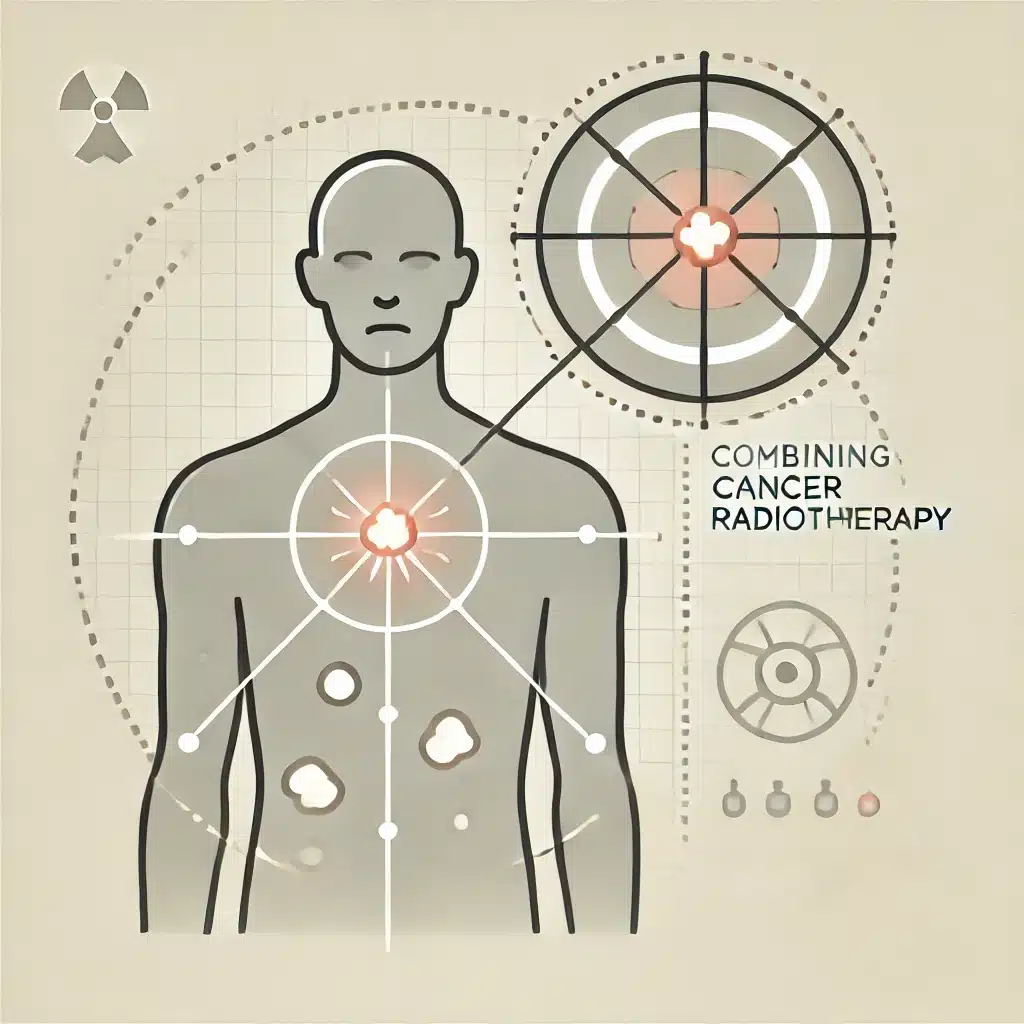
Cancer radiotheranostics combines targeted radiotherapy and diagnostic imaging to provide personalised, precise, and effective cancer treatment.
 By
By
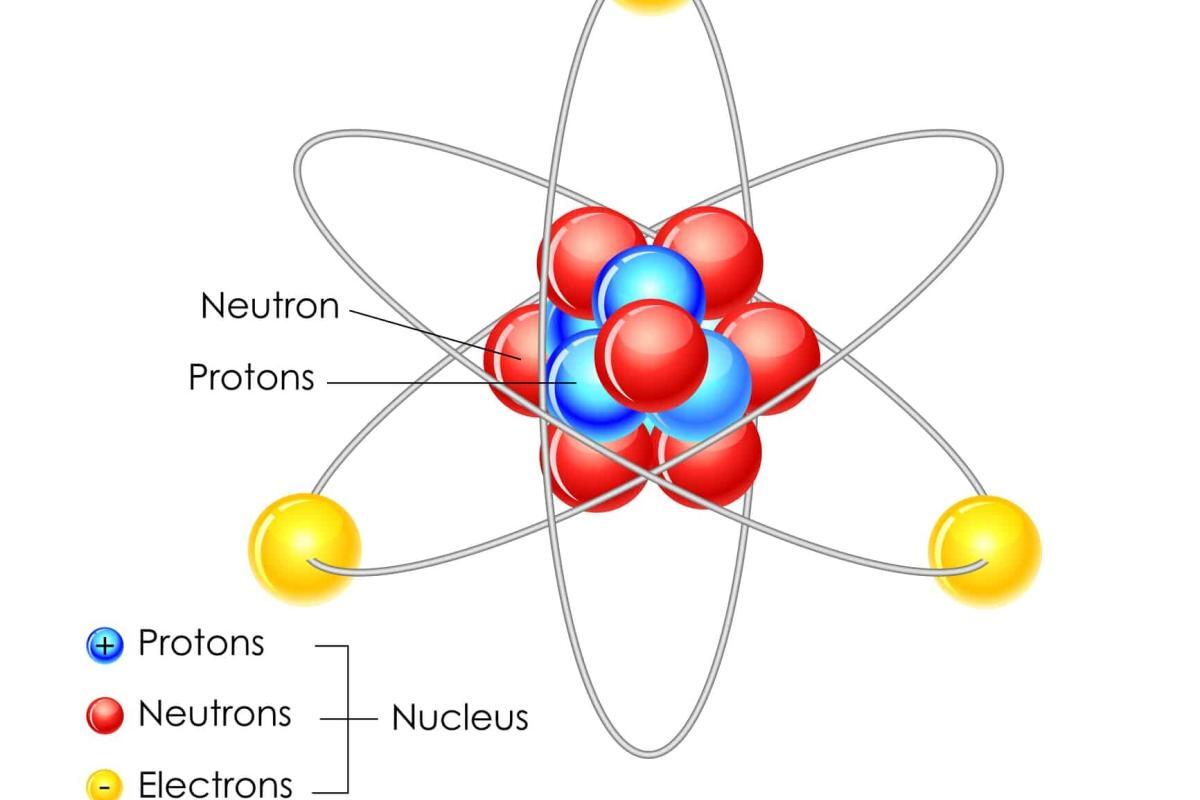
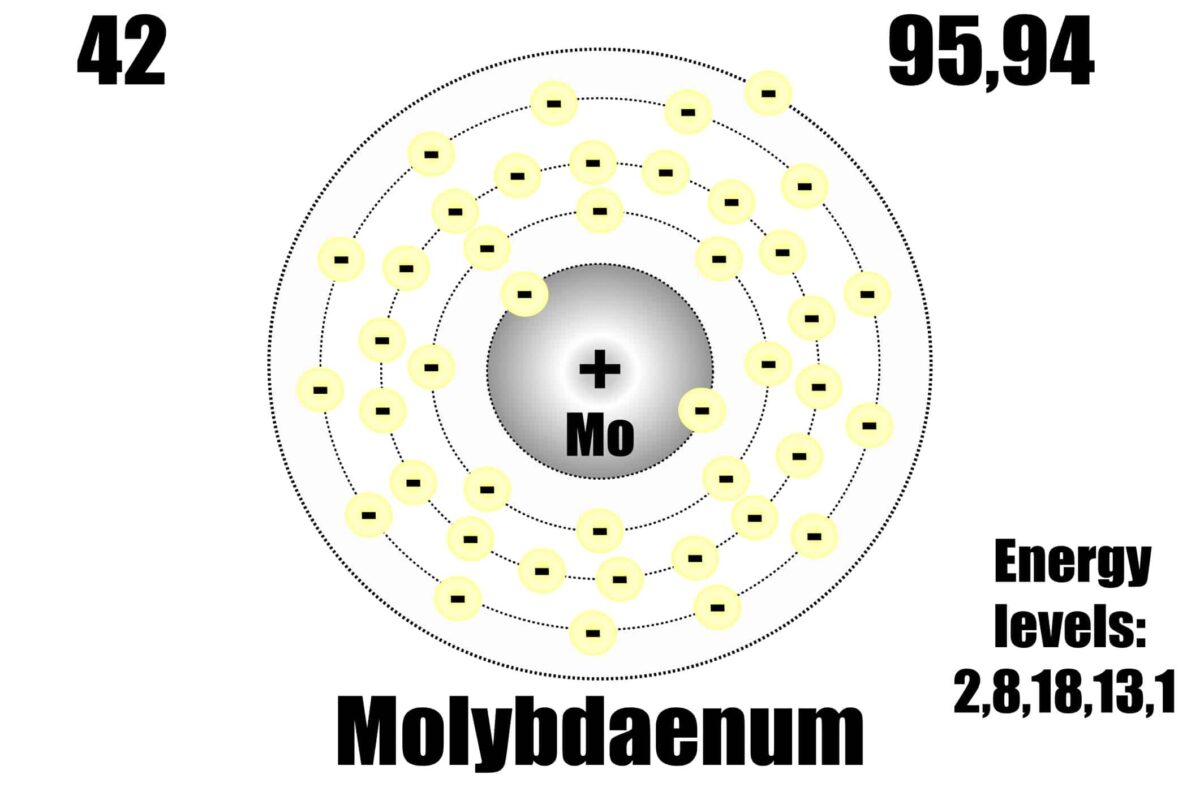
The structure of the atom, with its electrons, protons, and neutrons, determines the fundamental properties of matter.
 By
By
Time after retirement offers opportunities to explore hobbies, volunteer, pursue lifelong learning, and stay healthy.
 By
By
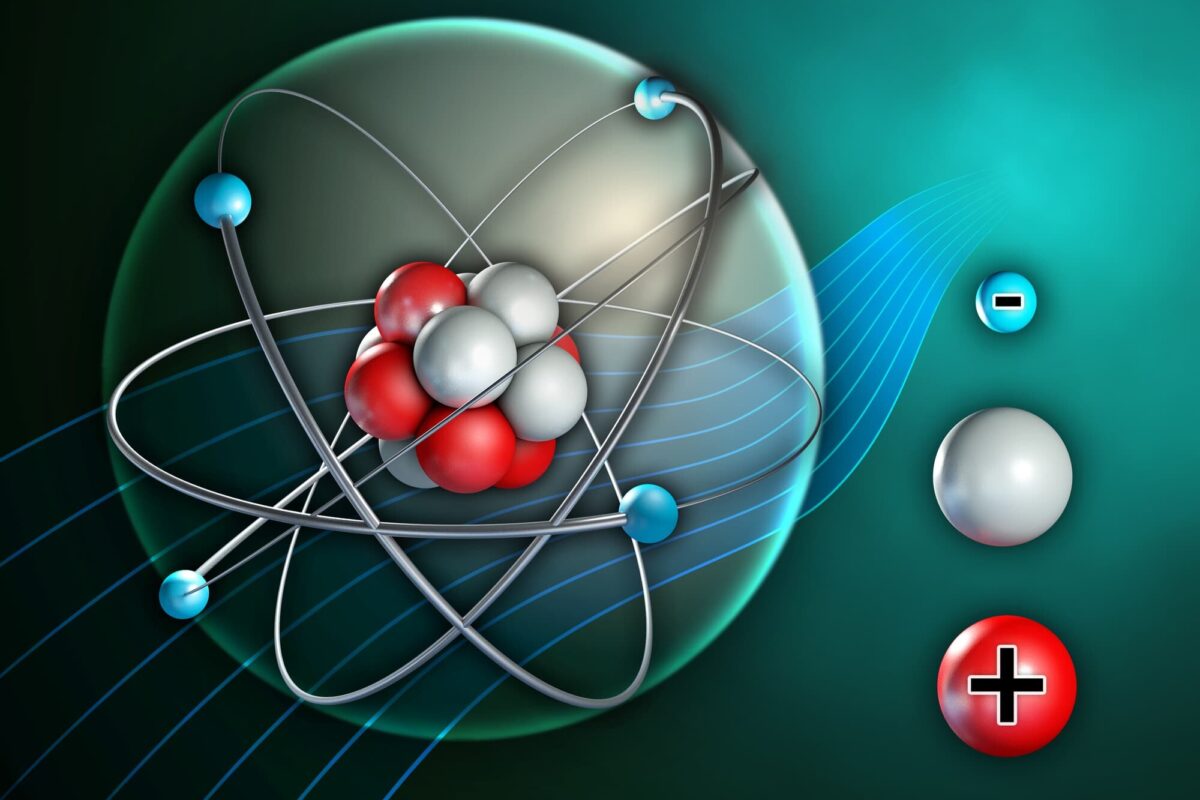
The atomic mass unit (amu) allows scientists to measure atomic and molecular masses with remarkable precision.
 By
By
Quality miscarriage care involves comprehensive support, including medical treatment, emotional healing, and compassionate guidance throughout. Image for illustration only. People depicted are models.
 By
By
The nuclear shell model explains nucleon arrangement in discrete energy levels, leading to nuclear stability and magic numbers.
 By
By
Natural Language Processing enables machines to understand, interpret, and generate human language, transforming communication and automation worldwide.
 By
By
AlphaGo revolutionised artificial intelligence by combining neural networks and reinforcement learning to achieve superhuman performance in Go.
 By
By
Cognitive neuroscience and machine learning converge, driving advancements in understanding brain function and creating intelligent AI systems.
 By
By
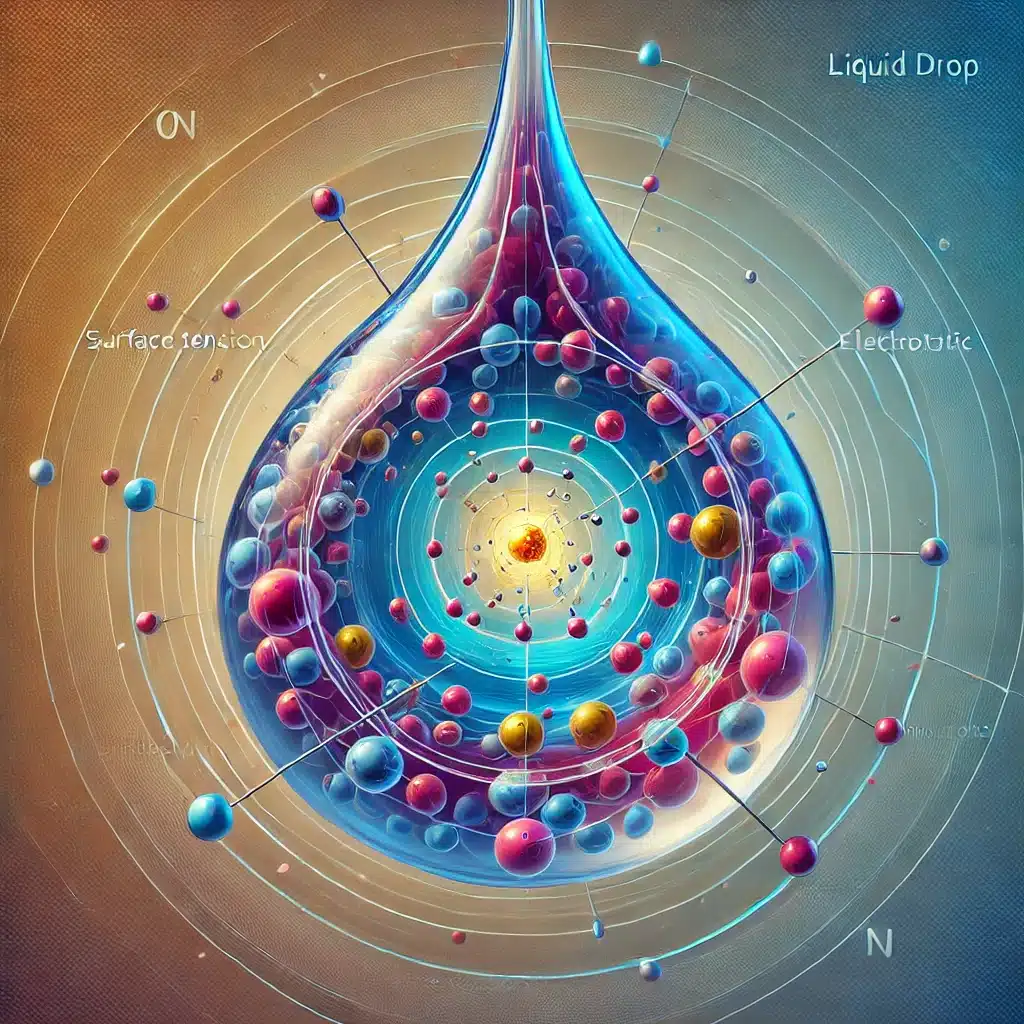
The Liquid Drop Model revolutionised nuclear physics by providing a framework for understanding atomic nuclei’s collective behaviour.
 By
By
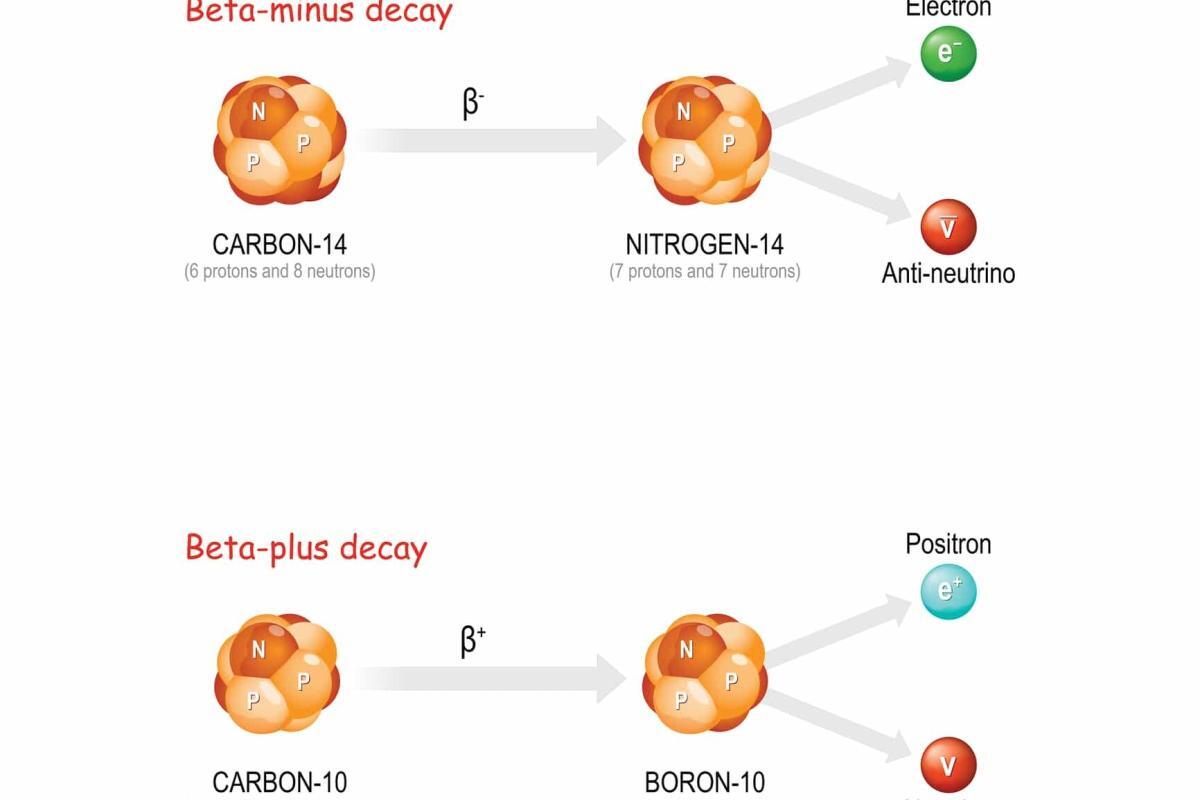
Radioactive decay is measured using specific units that help ensure safety, accuracy, and proper scientific understanding globally.
 By
By
Health equity involves eliminating disparities in healthcare access, outcomes, and quality by addressing socioeconomic, racial, and geographic barriers. Image for illustration only. Person depicted is a model.
 By
By
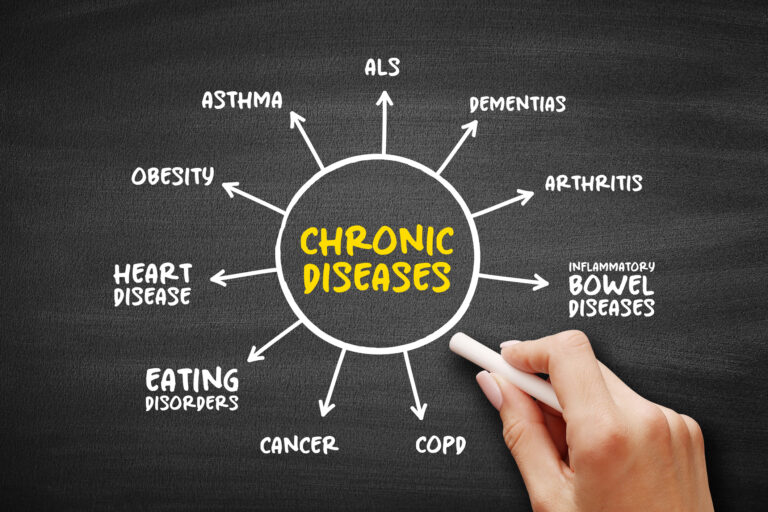
Chronic disease management focuses on improving patient outcomes through personalised care, preventative measures, and technological advancements.
 By
By
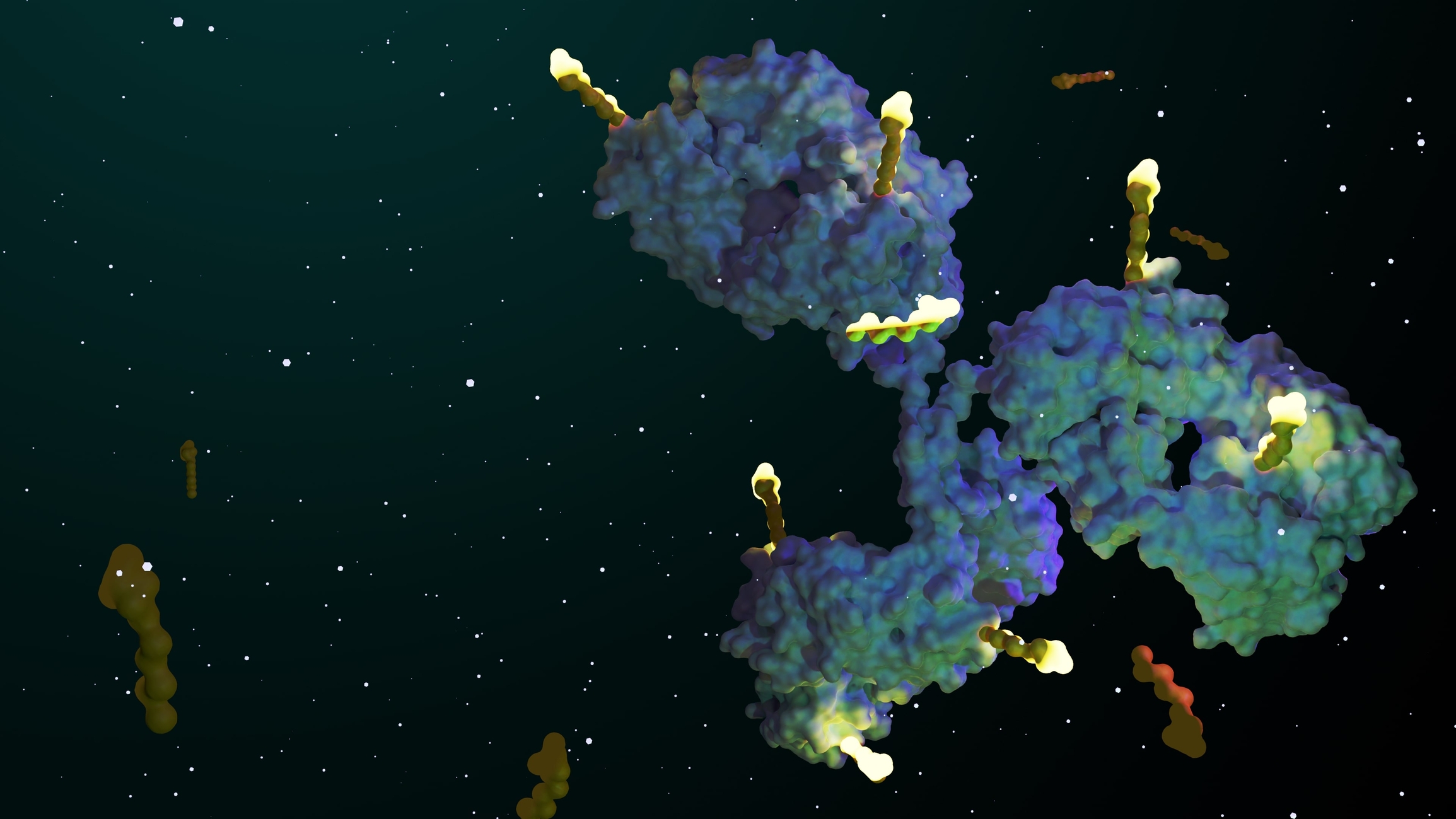
ADCs in cancer treatment deliver highly potent drugs directly to cancer cells, enhancing precision and reducing toxicity.
 By
By
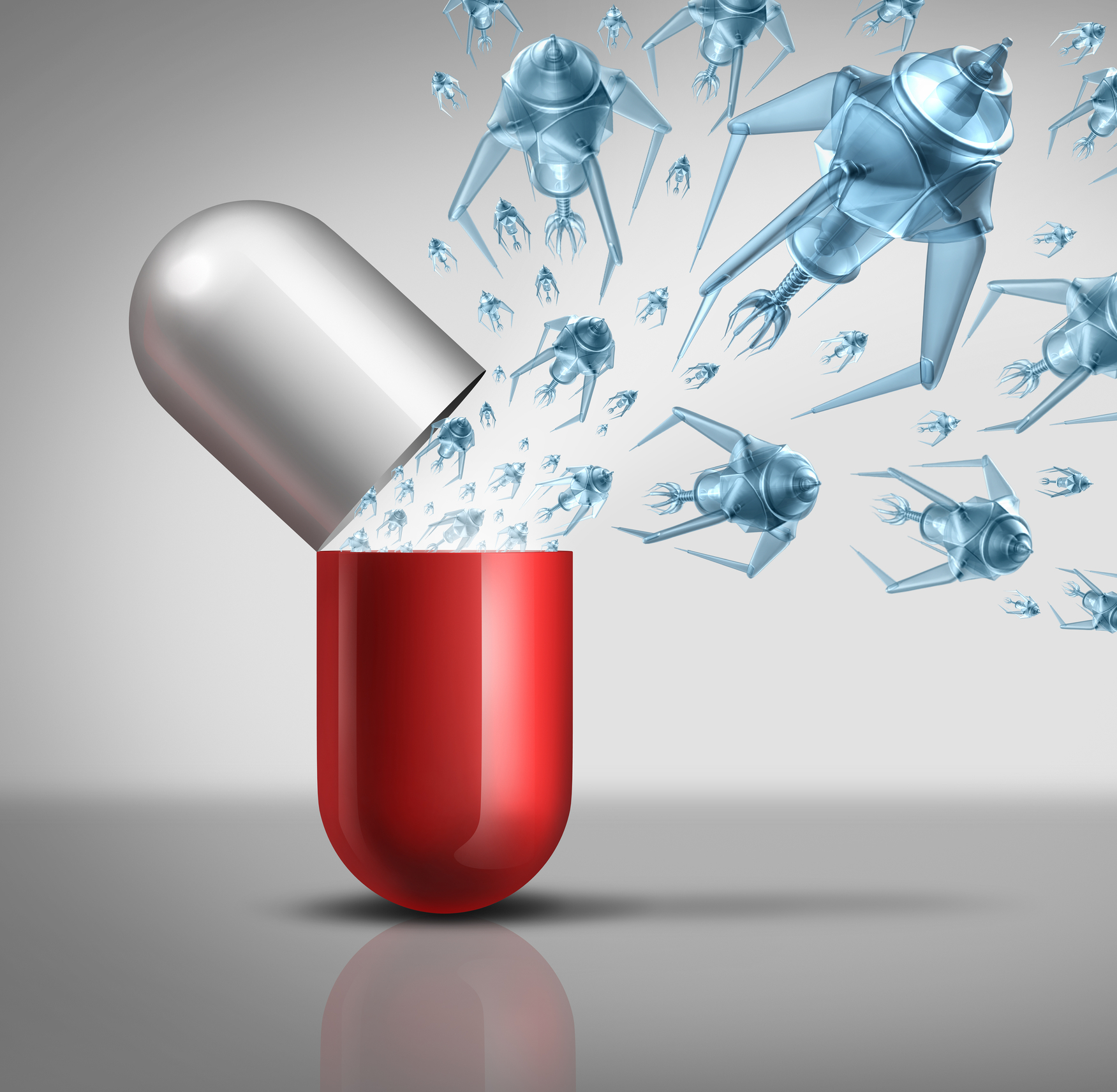
Nanotechnology in Medicine is transforming healthcare by enabling precise drug delivery, early disease detection, and advanced molecular therapies.
 By
By
Antimicrobial resistance is a growing global crisis, demanding new antibiotics, strict infection control, and collaborative international efforts.
 By
By
Global mental health initiatives are fostering greater access to treatment, reducing stigma, and promoting holistic care worldwide.
 By
By
Gene therapy offers unprecedented potential to treat and prevent genetic disorders by correcting defective genes or altering gene expression. Image for illustration only. Person depicted is a model.
 By
By
How to become a Medical Science Liaison requires scientific expertise, communication skills, and relationship-building abilities. Image for illustration only. People depicted are models.
 By
By
The regulations in 21 CFR Part 212 ensure PET drugs are manufactured under strict quality control and safety standards.
 By
By
Good Manufacturing Practices ensure the consistent quality, safety, and efficacy of pharmaceutical products through rigorous production standards.
 By
By
ICH Q10 is a global model for managing pharmaceutical quality, ensuring compliance, continuous improvement, and risk manage.
 By
By
Q9(R1) Quality Risk Management provides a comprehensive framework for assessing, controlling, and mitigating pharmaceutical quality risks.
 By
By
ICH Guideline E8 establishes essential principles for designing, conducting, and reporting scientifically valid and ethically sound clinical trials.
 By
By
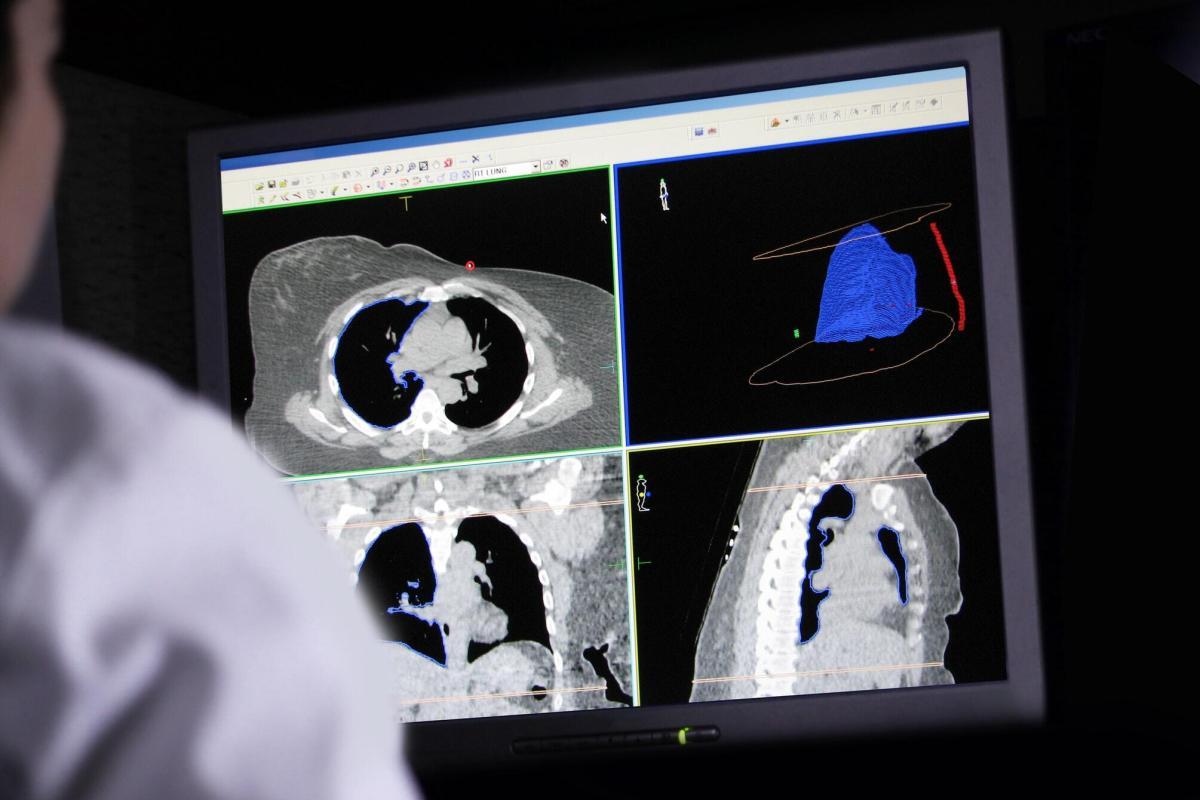
This article explores cancer treatment advancements, tumour biology complexities, and the critical role of palliative care in oncology.
 By
By
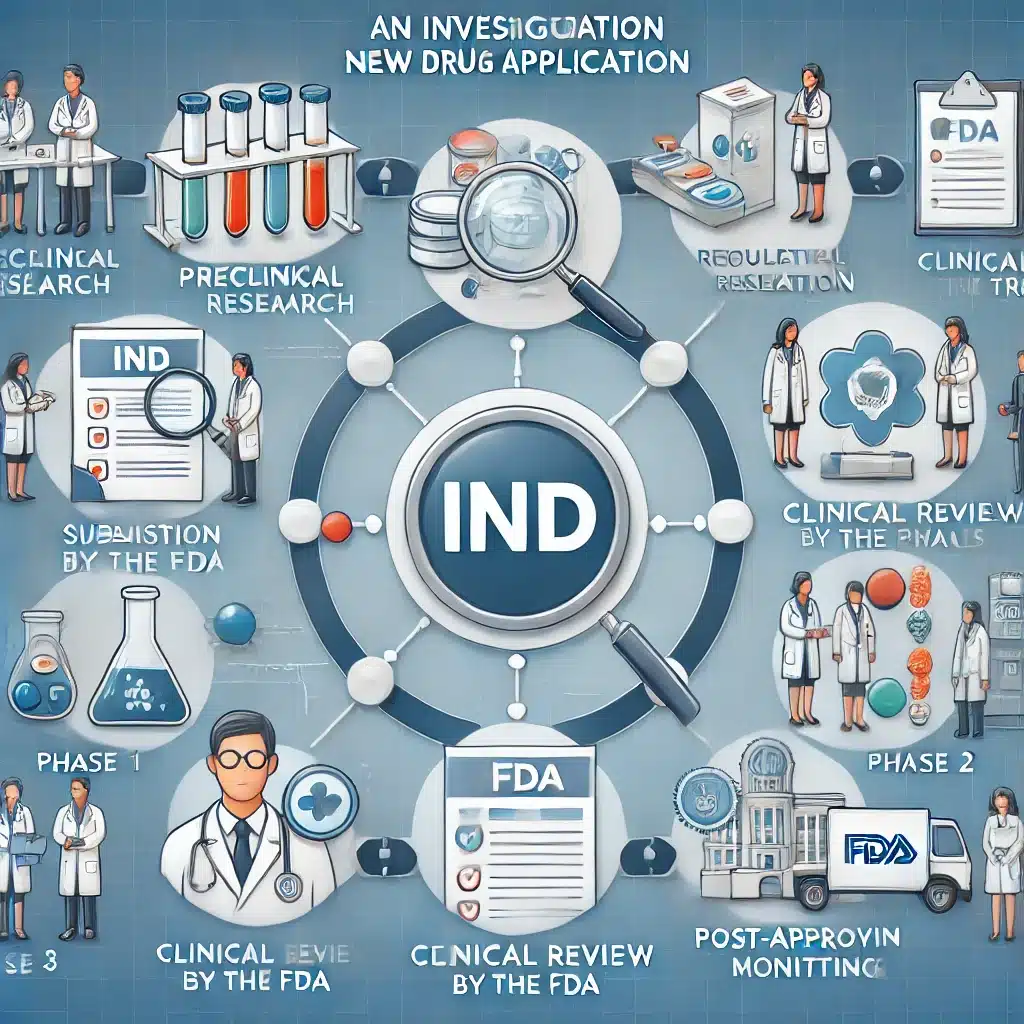
The IND application allows researchers to test investigational drugs in humans, ensuring safety and regulatory compliance throughout development.
 By
By
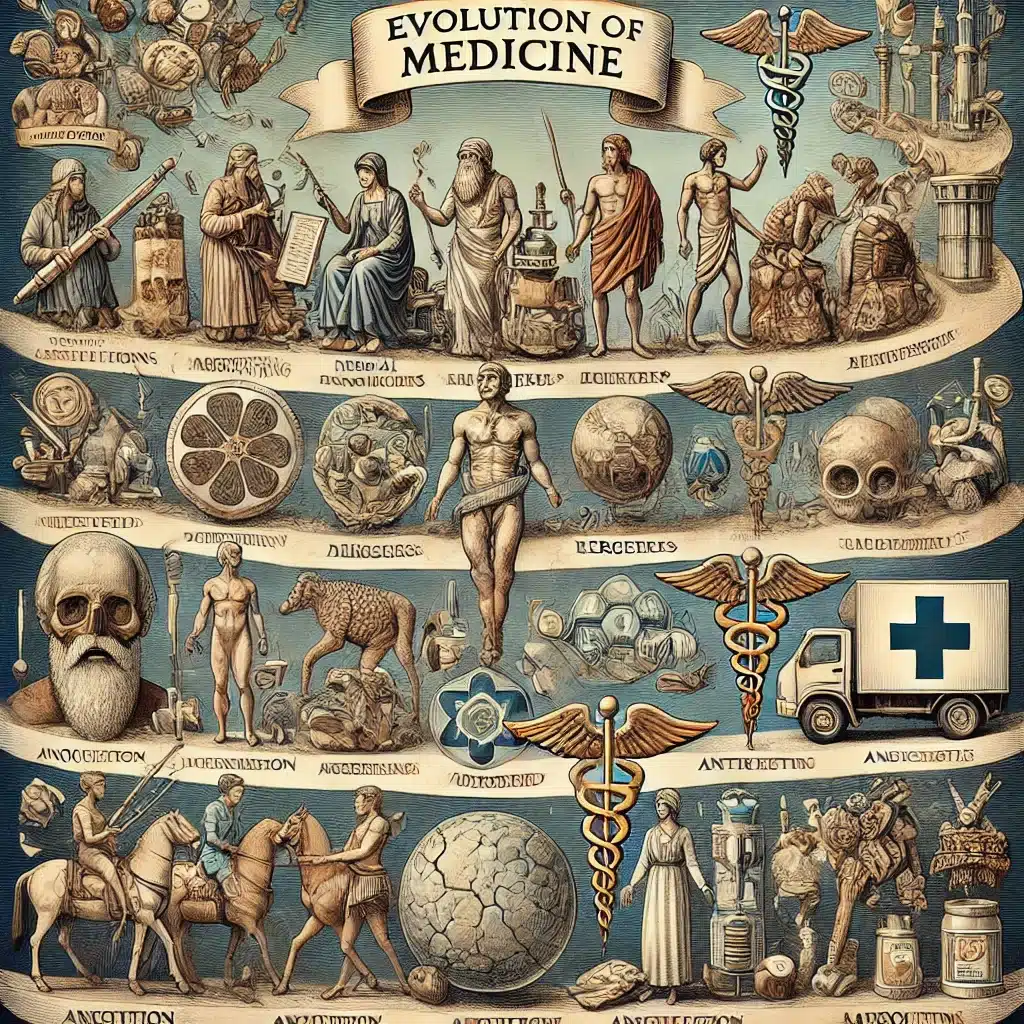
Advancements in medical science have dramatically improved healthcare outcomes, extending life expectancy and enhancing overall quality of life.
 By
By
Product knowledge enables Medical Science Liaisons to accurately convey drug mechanisms, clinical trial data, safety, and efficacy profiles. Image for illustration only. People depicted are models.
 By
By
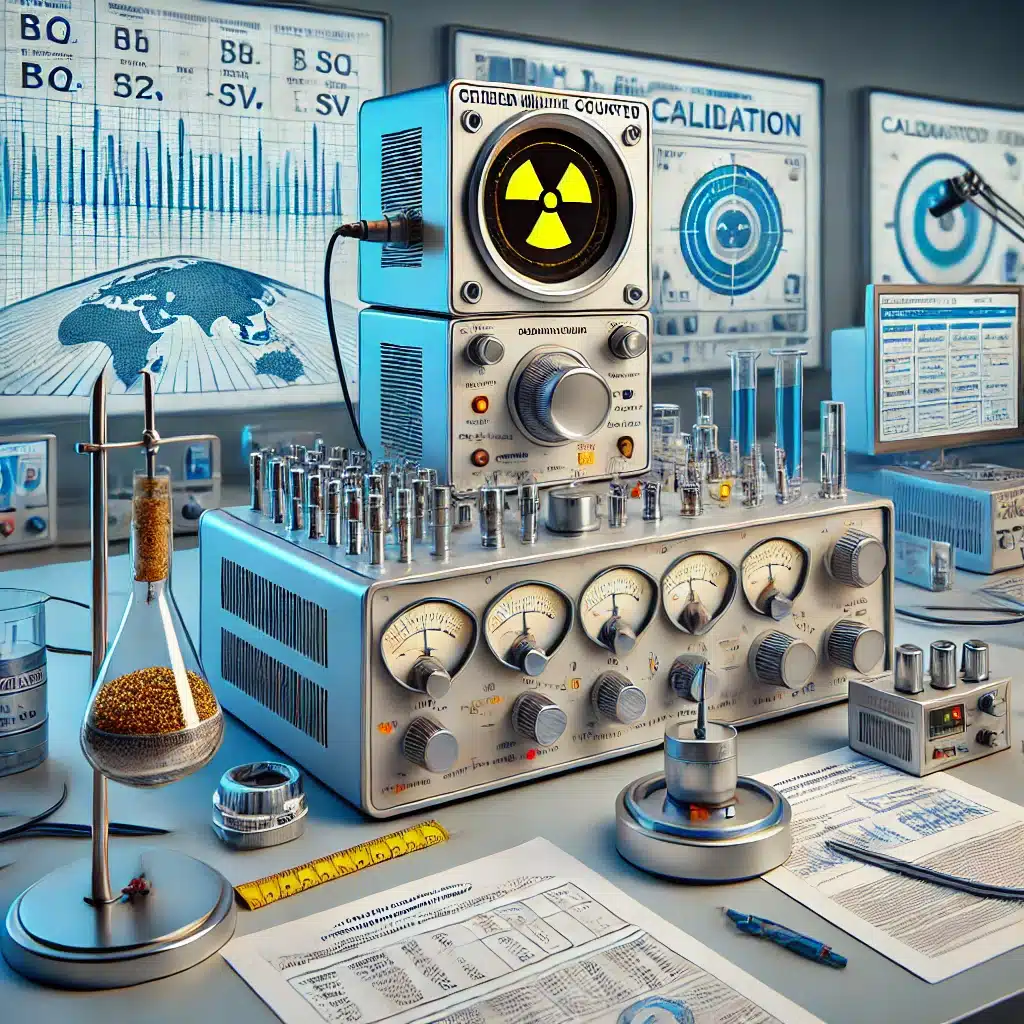
Radioactivity measurement ensures accurate detection and quantification of radiation levels for safety and regulatory compliance.