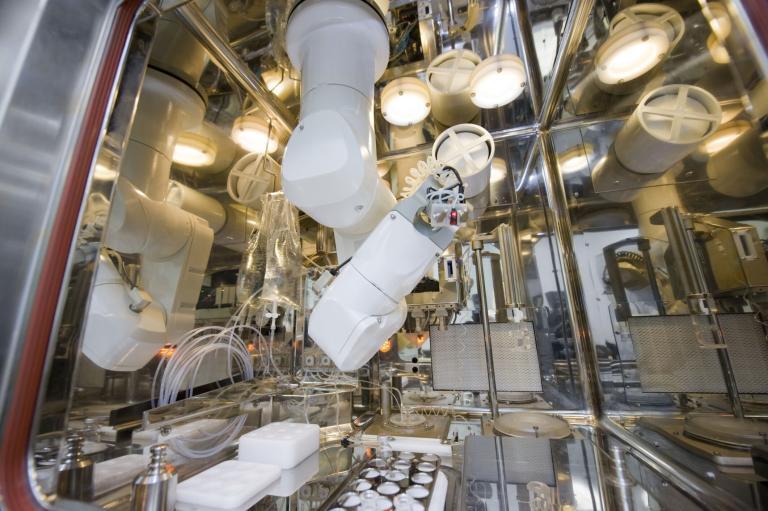
Nuclear Medicine Healthcare: Transforming Diagnosis, Therapy, and Safety
 By
By
Nuclear Medicine Healthcare advances precision diagnosis, innovative therapies, and prioritises patient and professional safety.
By
Nuclear Medicine Healthcare advances precision diagnosis, innovative therapies, and prioritises patient and professional safety.
 By
By
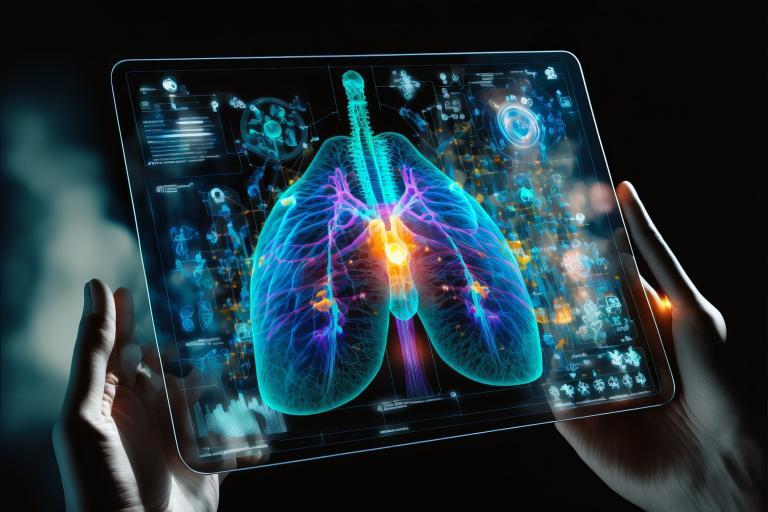
Generative AI healthcare solutions empower professionals, streamline operations, and transform patient experiences through technology.
 By
By
Green radiology promotes sustainability by reducing energy use, managing waste, and integrating renewable resources effectively.
 By
By
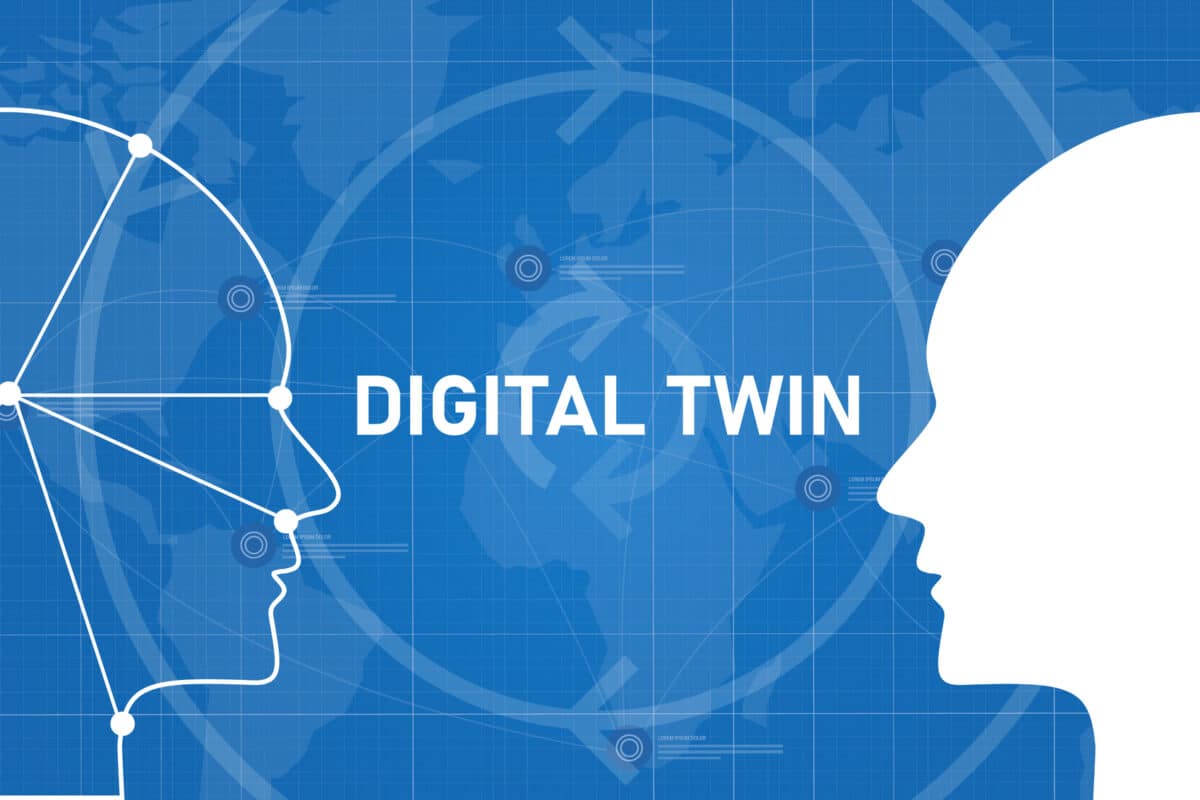
Digital twins, bridging physical and virtual world, enable real-time simulations, improving healthcare, engineering, urban planning, and innovative research.
 By
By
Healthcare’s adoption of off-site cloud storage streamlines IT operations, improves collaboration, enhances security, and prioritises patients.
 By
By
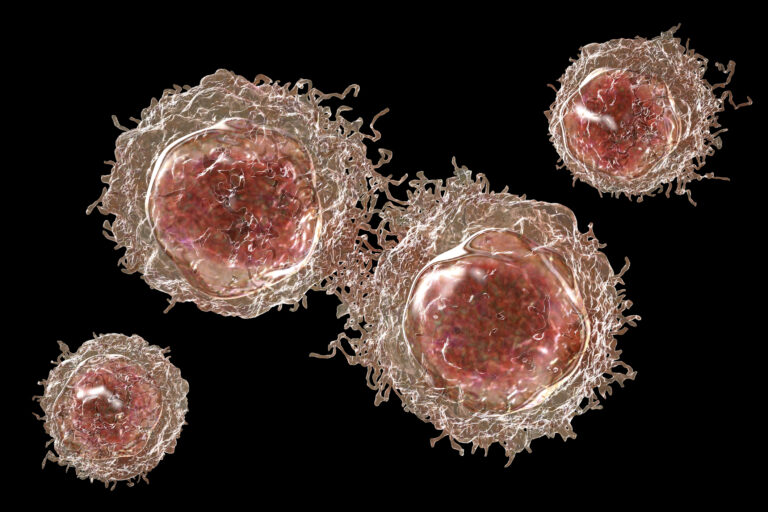
Blastoma tumours require advanced imaging techniques like MRI, CT, PET, and ultrasound for accurate diagnosis and staging.
 By
By
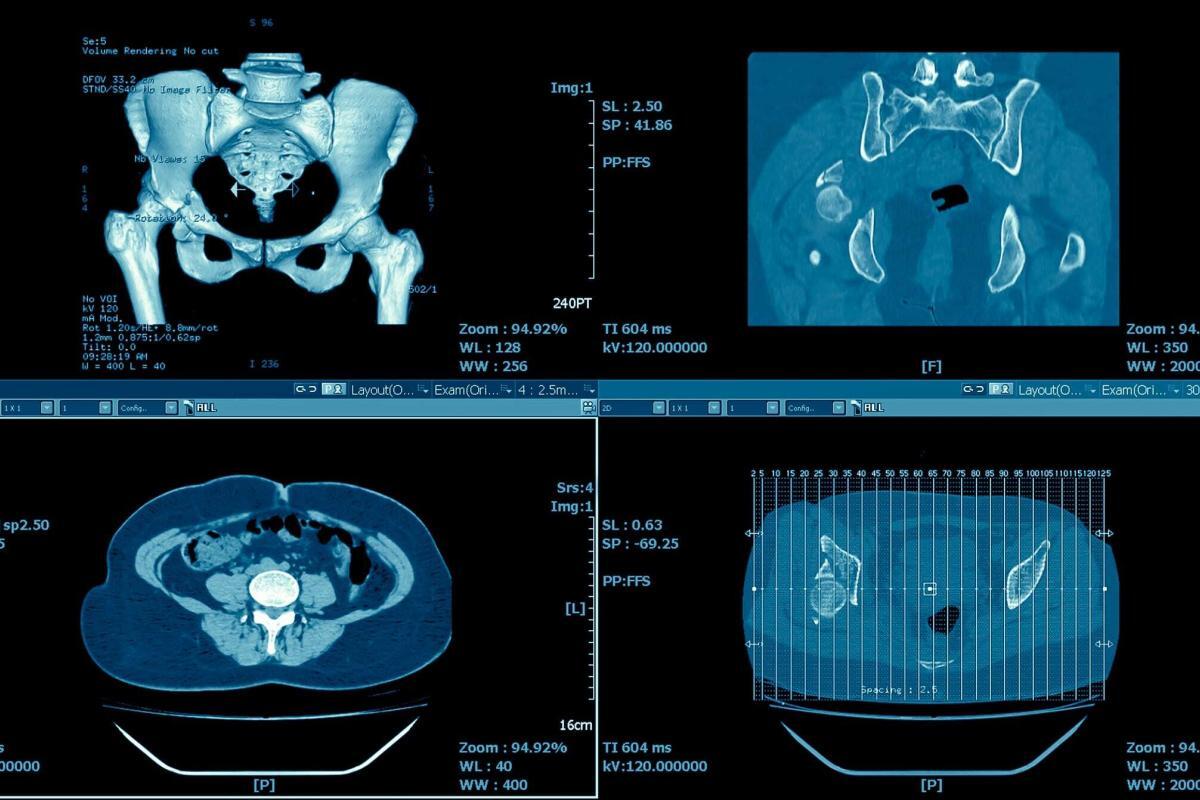
PACT-3D employs advanced deep learning algorithms to detect pneumoperitoneum in CT scans, transforming diagnostic accuracy.
 By
By
Basics of MRI provide essential knowledge for understanding advanced imaging techniques, revolutionising medical diagnostics and patient care globally. Image for illustration only. Person depicted is a model.
 By
By
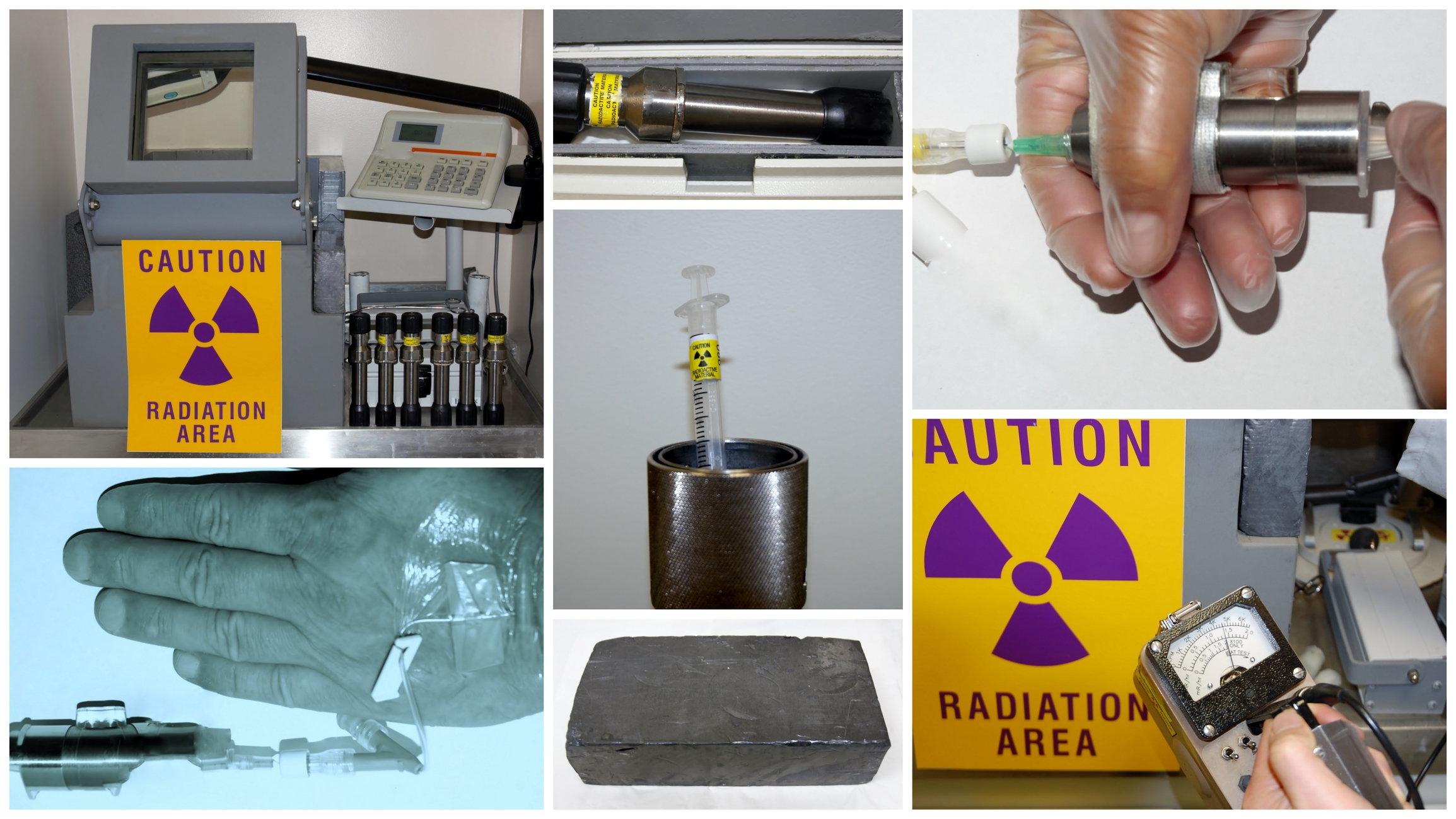
Unconjugated radionuclides offer unique advantages in nuclear medicine, enabling precise imaging and targeted therapies.
 By
By
Radionuclide Therapy Effects include potential organ toxicity, requiring careful monitoring to manage patient outcomes effectively.
 By
By
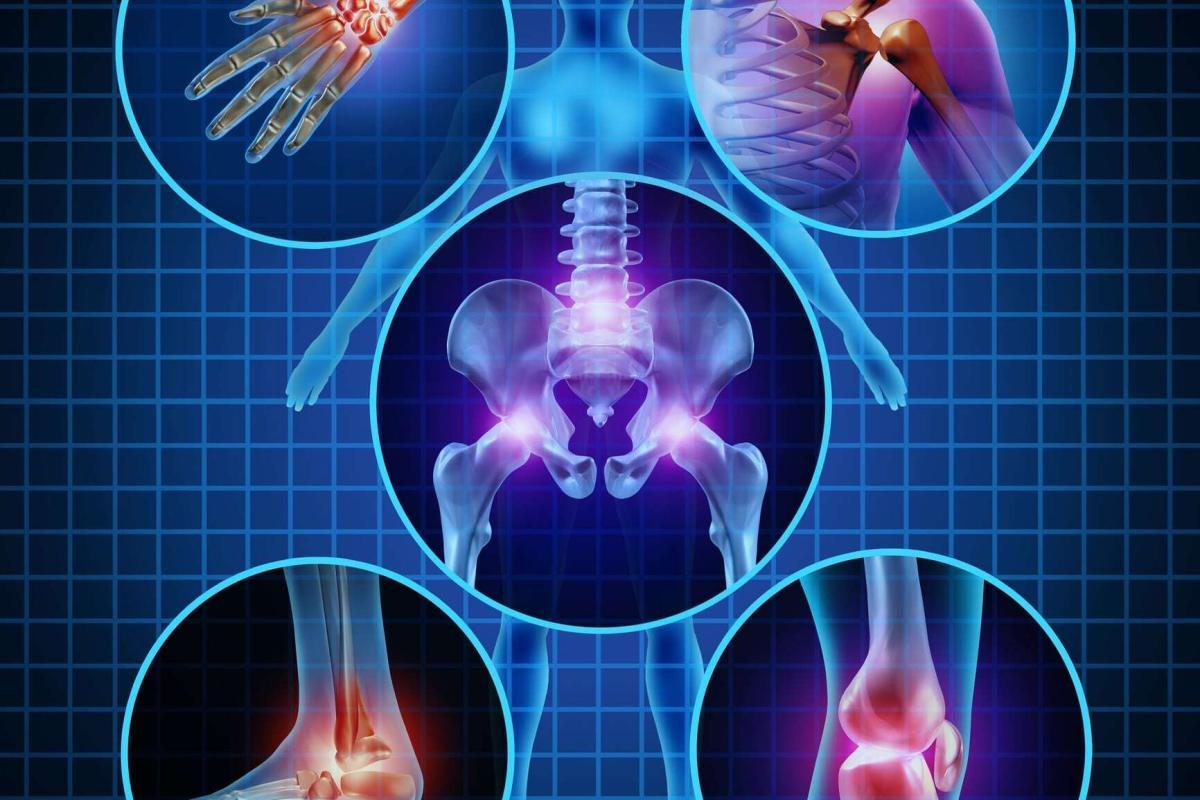
Sports medicine combines prevention, treatment, and rehabilitation to support athletes’ performance, health, and resilience.
 By
By
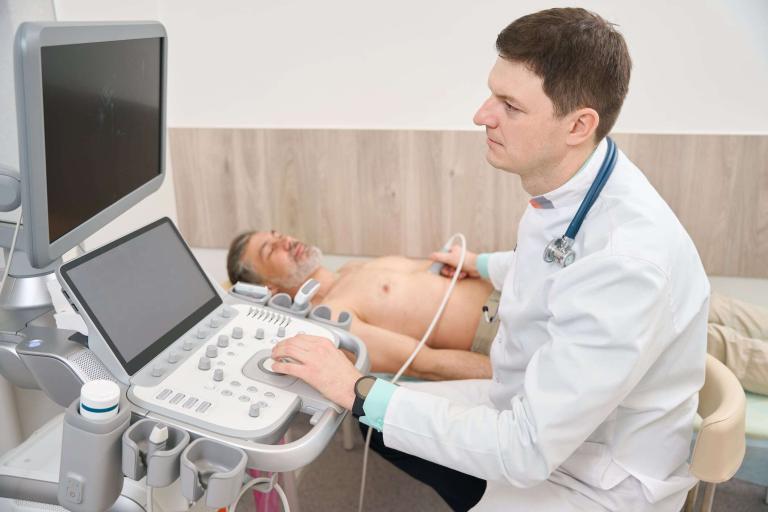
Emergency medicine combines swift triage, multidisciplinary teamwork, and technology to deliver critical care in life-threatening situations. Image for illustration only. People depicted are models.
 By
By
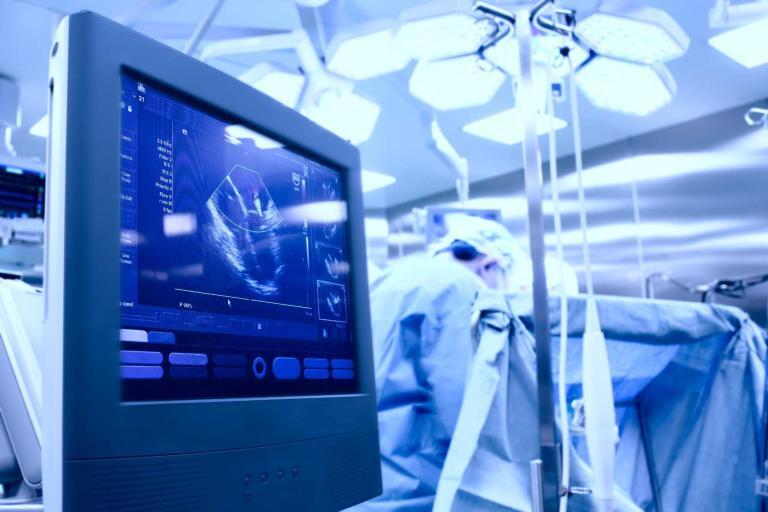
Ultrasound scanning provides a non-invasive way to visualise organs, detect abnormalities, and assess soft tissue health. Image for illustration only. People depicted are models.
 By
By
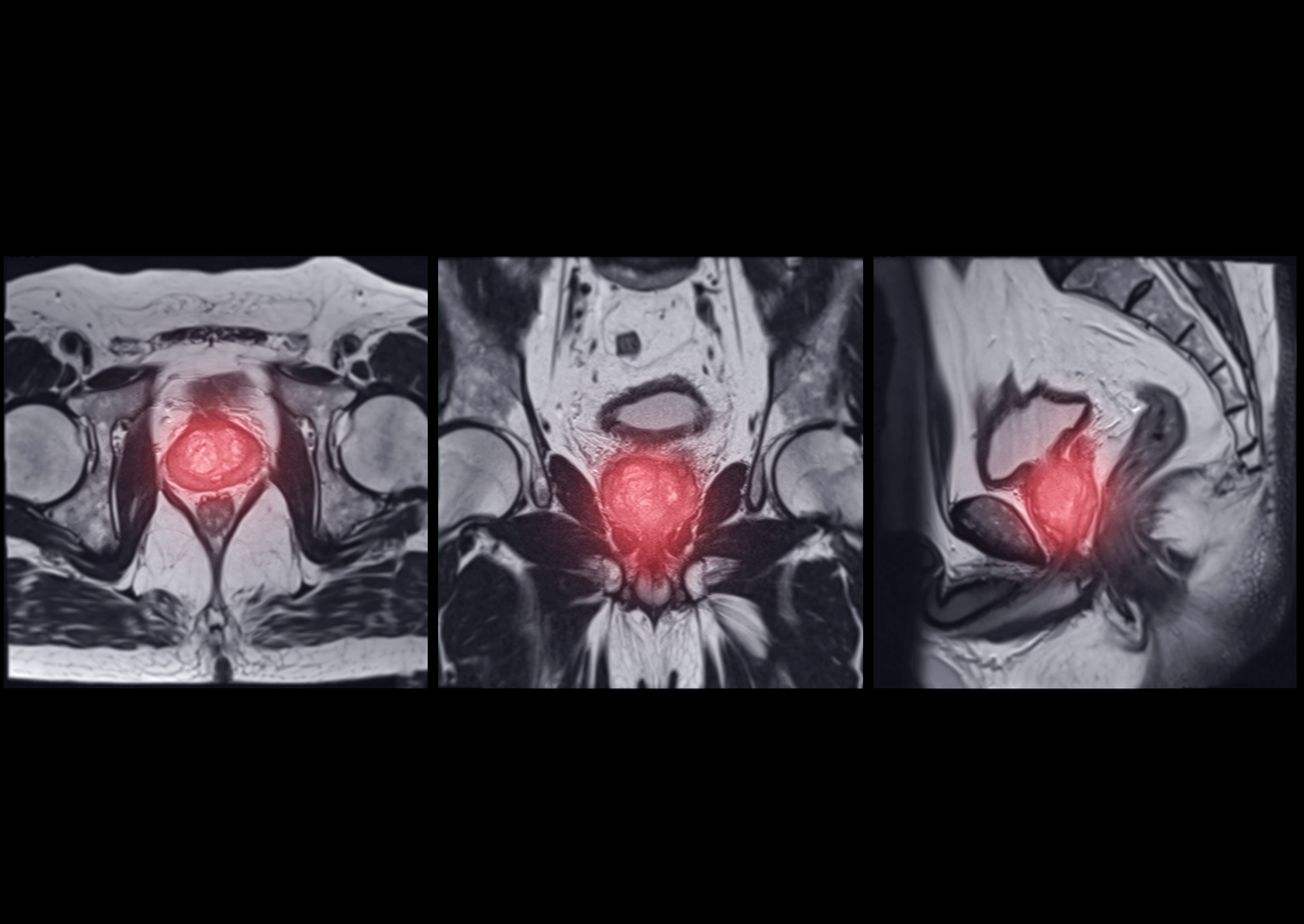
Ultrasound plays a crucial role in cancer detection, offering a non-invasive, accessible, and effective tool for early diagnosis. Image for illustration only. People depicted are models.
 By
By
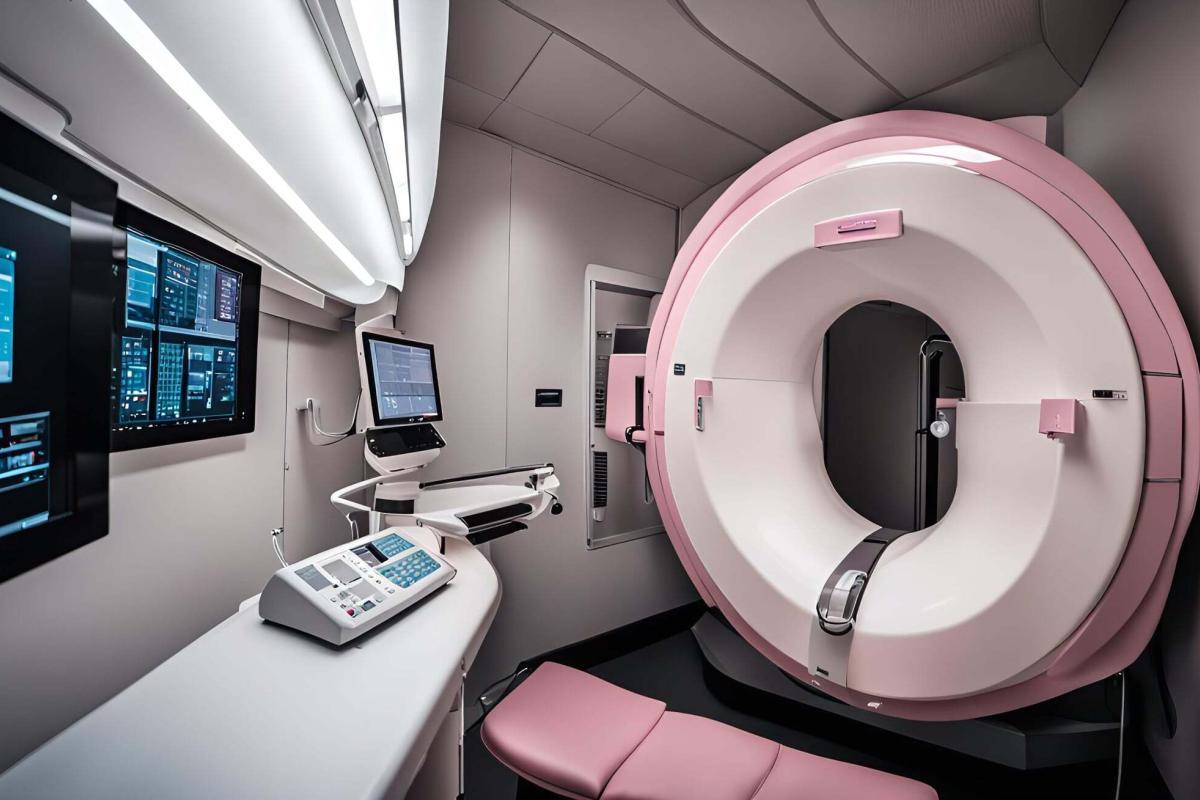
Radiotheranostics in prostate cancer enables precise diagnosis and targeted treatment, improving patient outcomes significantly.
 By
By
Mobile CT scanners are revolutionising healthcare by providing rapid, accessible diagnostics in remote, emergency, and disaster settings worldwide.
 By
By
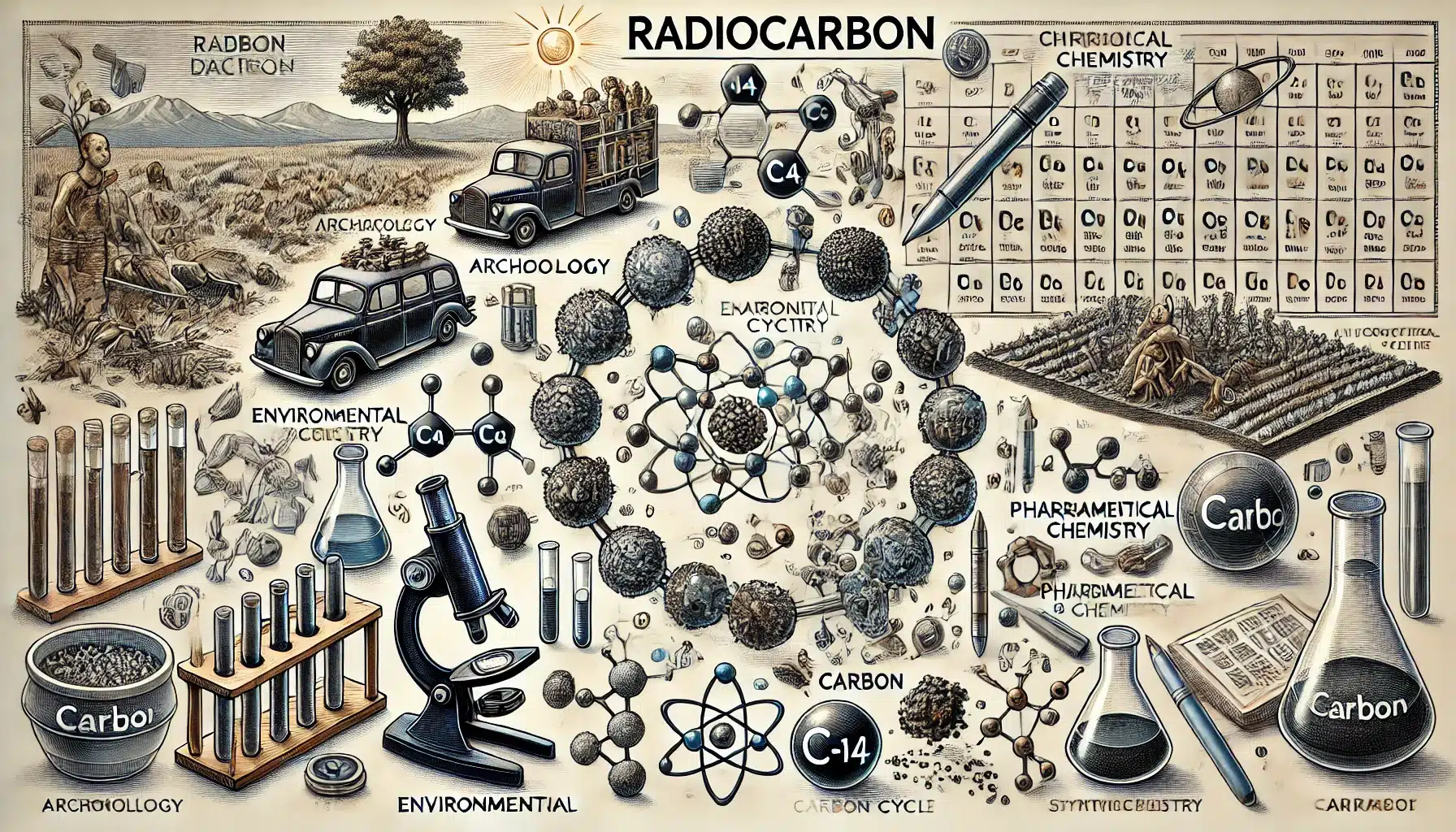
Radiocarbon chemistry enables precise insights into carbon cycles, archaeological dating, drug development, and environmental impact analysis worldwide.
 By
By
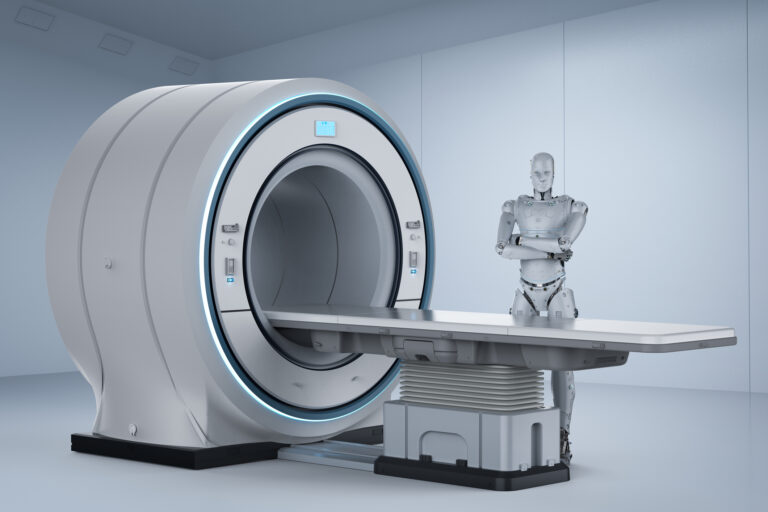
AI in MRI transforms medical imaging by increasing diagnostic accuracy, lowering costs, and broadening patient accessibility significantly.
 By
By
Martin Kamen worked tirelessly for three days, making the groundbreaking discovery of carbon-14 that changed science.
 By
By
Medical mobile scanners revolutionise healthcare by providing portable, accessible imaging solutions for remote, emergency, and underserved areas.
 By
By
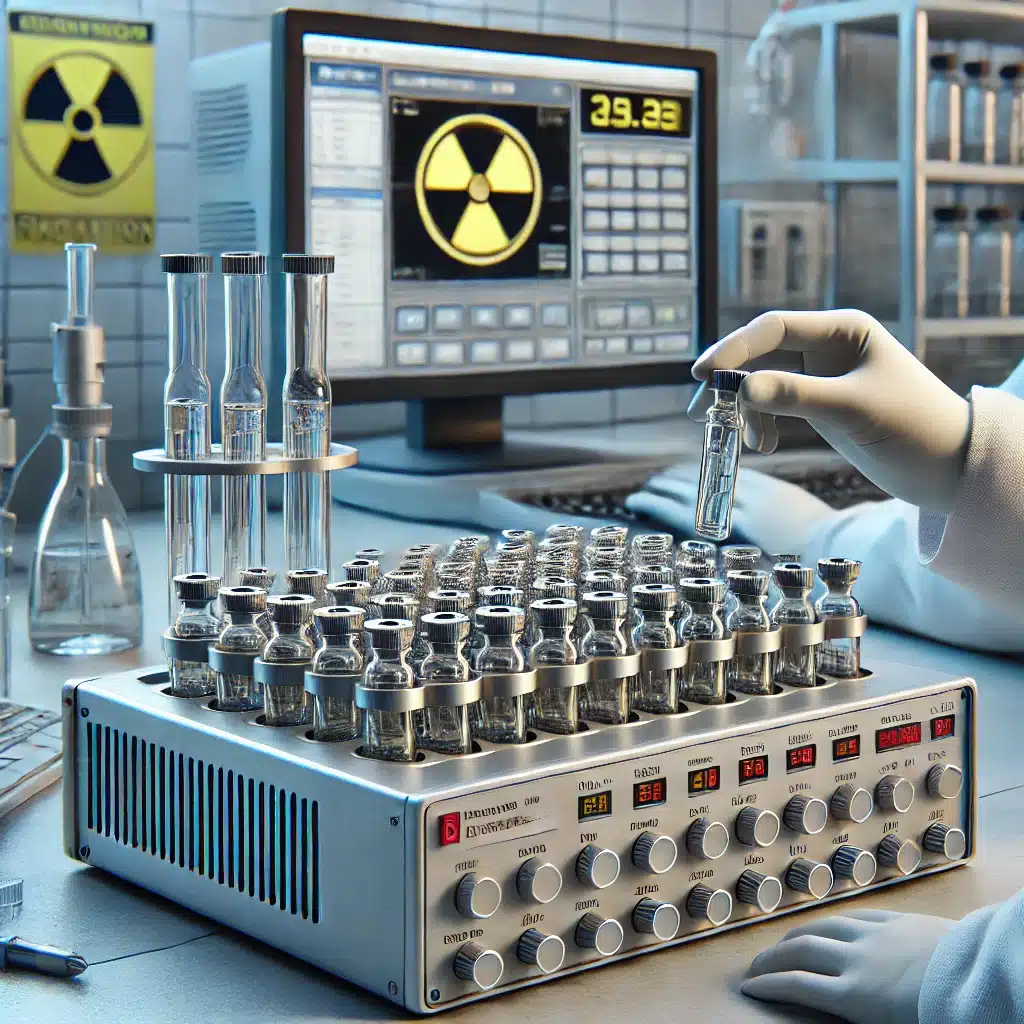
Liquid scintillation counting enables precise detection of low-energy isotopes, revolutionising environmental and biomedical research.
 By
By
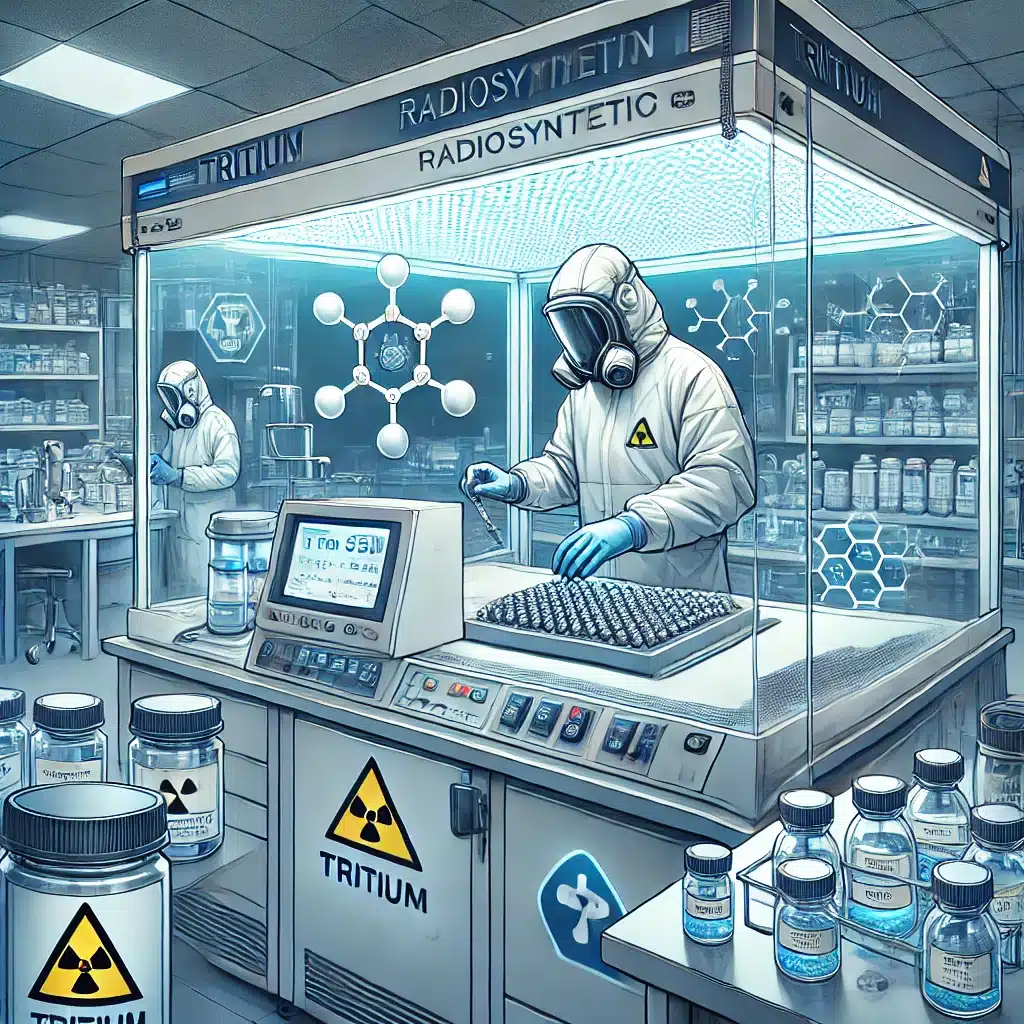
Tritium radiosynthesis enables precise tracking in scientific research, offering critical insights into biochemical pathways and drug development.
 By
By
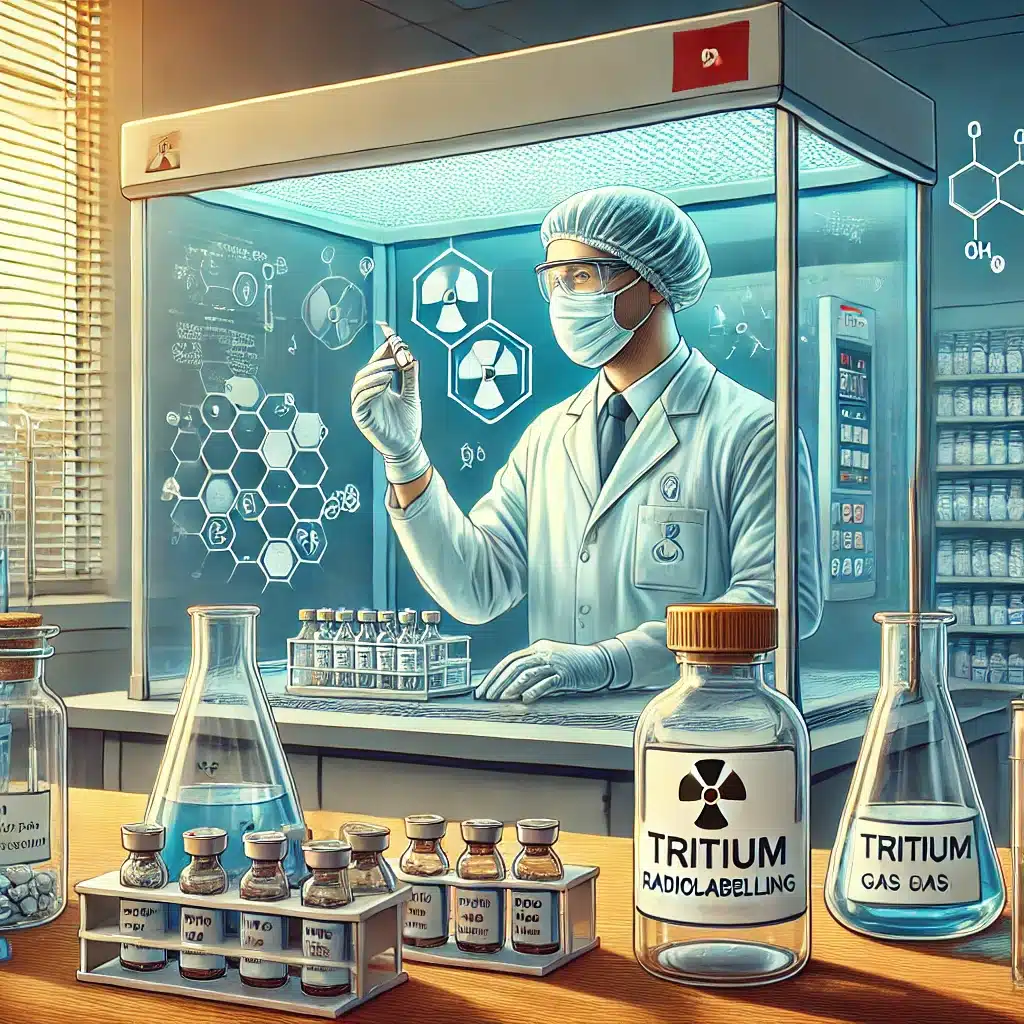
Tritium radiolabelling of APIs enables precise tracking of drug distribution, metabolism, and bioavailability in pharmaceutical studies.
 By
By
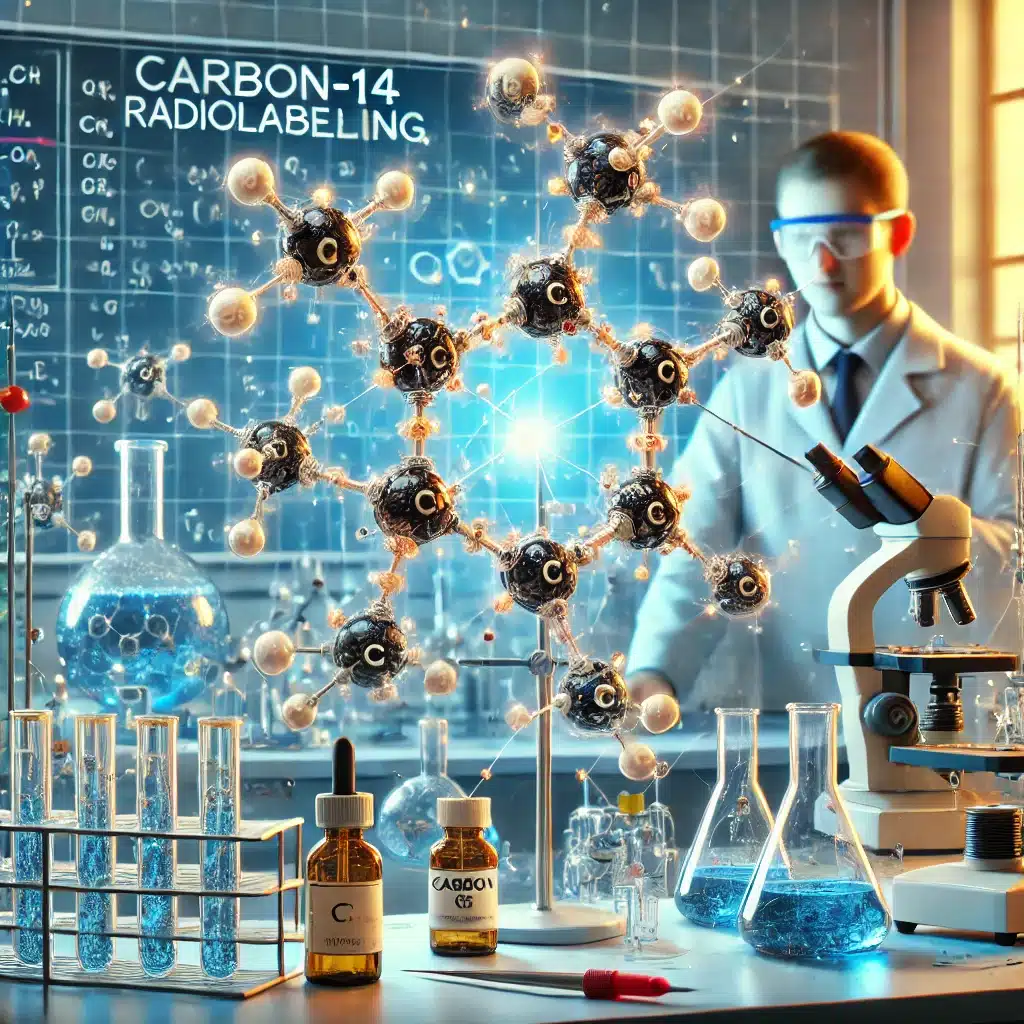
Carbon-14 offers distinct radiolabelling benefits, including a long half-life, minimal molecular alteration, and extensive applications in research.
 By
By
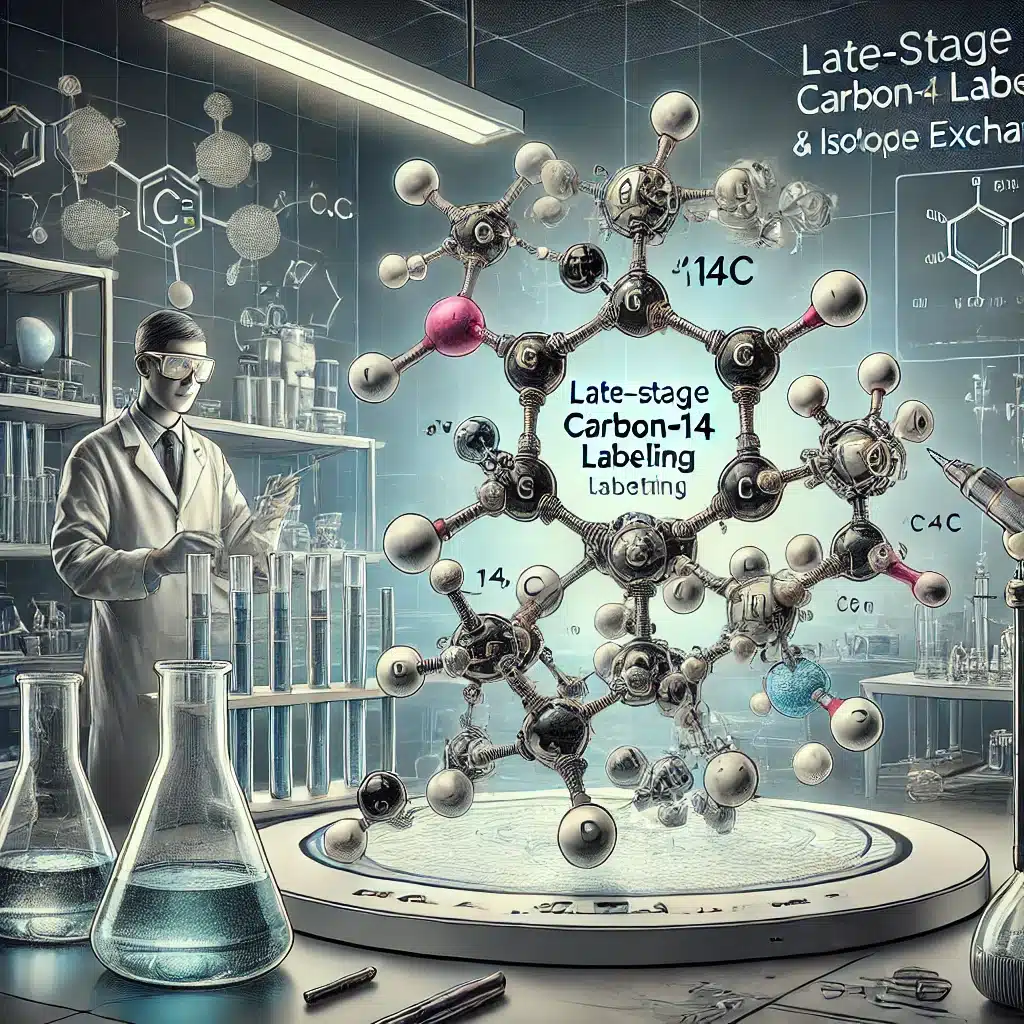
Innovative late-stage carbon-14 labelling and isotope exchange techniques enable precise tracking of complex molecules in research.
 By
By
Radioactive cancer therapies utilise targeted radiation to damage tumour DNA, halting their growth and preventing further spread.
 By
By
The fine-structure constant, denoted by α, is fundamental in understanding electromagnetic interactions between charged particles in physics.
 By
By
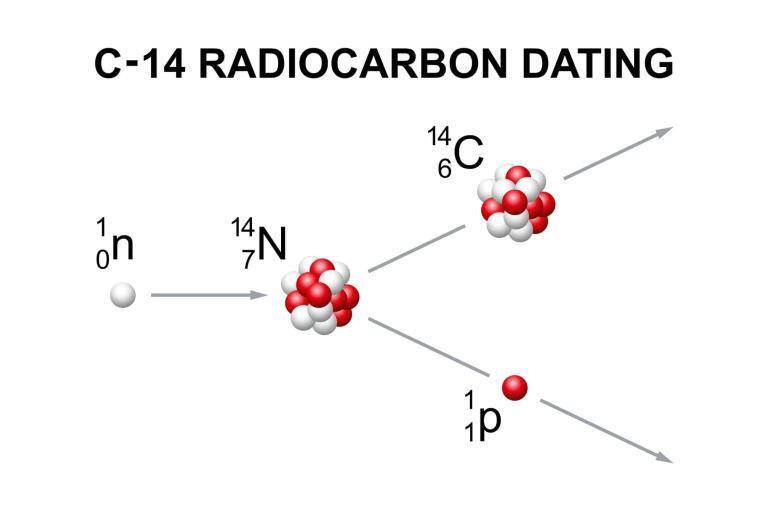
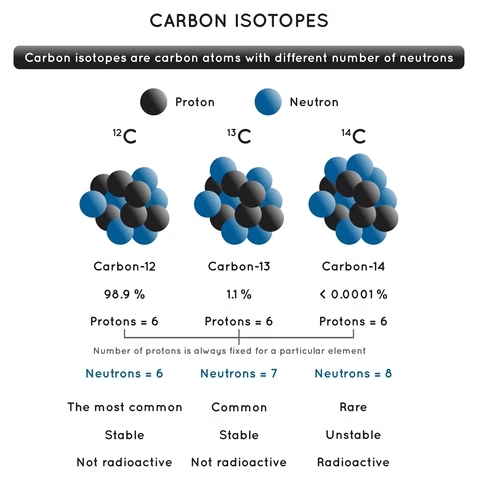
Radioactive carbon-14, formed in the atmosphere, plays a crucial role in dating ancient artefacts and fossils.
 By
By
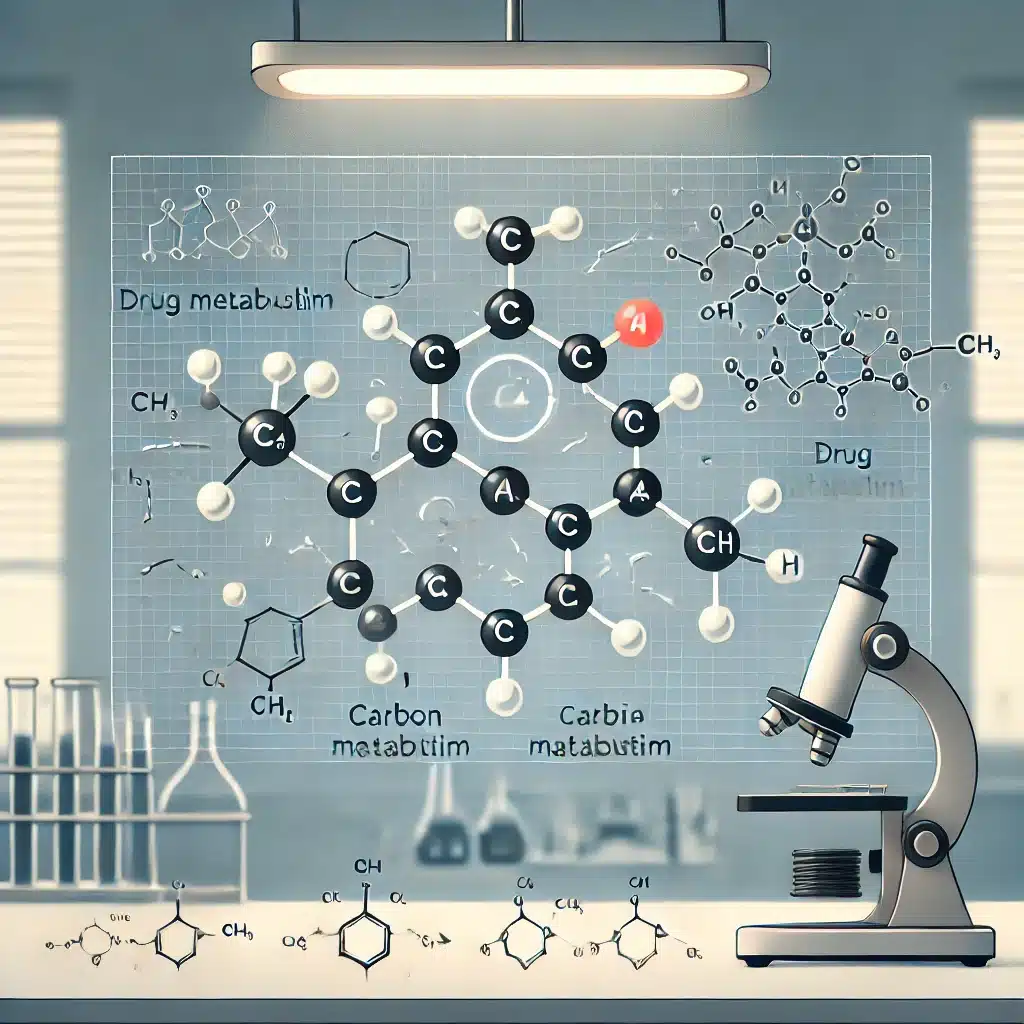
Carbon-14 labelled APIs provide crucial insights into drug metabolism, ensuring safety and effectiveness in pharmaceuticals.
 By
By
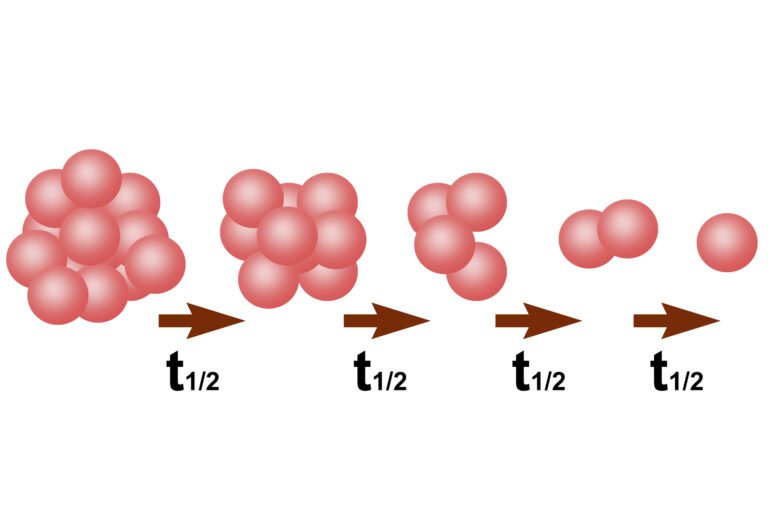
Radioactive decay of Carbon-14 enables scientists to determine ages of ancient artefacts, fossils, and environmental samples accurately.