
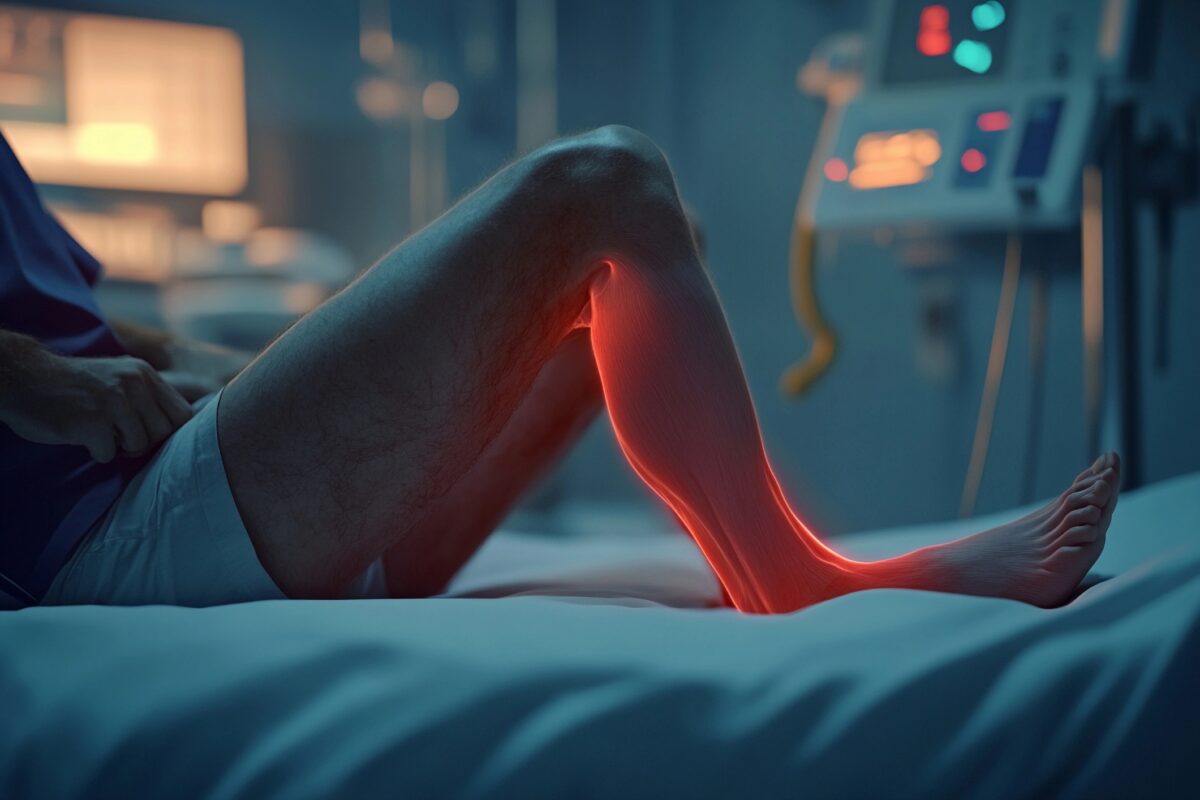
Leg pain can interrupt sleep, limit exercise, and change the way a person walks through an ordinary day. Sometimes the source is simple, such as a strained muscle after unusual activity. Other cases reflect joint wear, irritated nerves, infection, or poor venous return. For residents in East El Paso and surrounding communities, understanding these differences can guide better decisions about when to seek care.
The pattern matters. Pain with swelling, skin colour change, numbness, or warmth deserves closer attention because those details often separate routine soreness from a condition needing medical care. Patients seeking treatment for leg pain and vein symptoms near East El Paso should pay close attention to these patterns early on. The following causes are among the most common and worth understanding.
Muscle Strain or Overuse
A strained calf or thigh often follows lifting, yard work, or a sudden jump in activity. Soreness usually stays localised and eases over several days. People should watch for swelling, ankle heaviness, skin staining, or bulging surface veins, because those signs fit venous dysfunction more than overworked tissue. Cramping can also follow dehydration, fatigue, or limited recovery after repeated effort.
Joint Problems
Pain from the hip, knee, or ankle may spread into the leg and feel deeper than muscle soreness. Arthritis commonly causes stiffness after sitting, then loosens with gentle movement. Old ligament injuries can alter gait and shift load onto nearby structures. Grinding, reduced range, and morning aching often suggest joint degeneration or inflammation, rather than a temporary strain.
Nerve Irritation
Nerve-related pain often travels in a line, instead of staying in one tender spot. Sciatica may start in the lower back, then shoot into the buttock, thigh, or calf. Burning, tingling, numbness, or electric sensations are common clues. Sitting, coughing, or bending can aggravate symptoms. Weakness in the foot or ankle raises concern that the nerve is under meaningful pressure.
Poor Circulation
Venous problems often produce heaviness, throbbing, and swelling after standing for long periods. Blood may struggle to move upward against gravity, which increases pressure inside the veins. Over time, that pressure can cause aching, ankle puffiness, itching, and darkened skin near the lower leg. Visible varicose veins are common, yet symptoms do not always match how prominent those veins appear.
Blood Clot Warning Signs
A deep vein clot needs urgent medical evaluation. Typical warning signs include sudden swelling in one leg, new pain, warmth, and reddish or dusky skin. The calf may feel tender without any clear injury. Risk rises after surgery, long travel, limited movement, pregnancy, or certain medications. Fast assessment matters because part of a clot can move into the lungs.
Bone and Stress Injuries
Stress fractures often begin with a small ache that worsens during walking or running. Repeated impact, low bone density, or abrupt training changes can set the stage. A major fracture usually follows a fall, twist, or direct blow and causes immediate pain. Swelling, bruising, or inability to bear weight points away from simple soreness and toward prompt examination.
Skin and Soft Tissue Infection
Cellulitis can make the leg red, warm, swollen, and distinctly tender. Fever may accompany the skin changes, although early infection does not always cause it. Bacteria often enter through a small cut, bite, blister, or cracked skin near the ankle. People with diabetes, chronic swelling, or reduced circulation face higher risks. Early treatment helps prevent deeper spread and tissue injury.
When Symptoms Need a Doctor
Persistent discomfort deserves evaluation if it lasts more than a week or repeatedly returns. Swelling, numbness, weakness, open sores, or visible vein enlargement also warrant attention. One-sided symptoms carry added concern, especially with warmth or colour change. Chest pain, sudden shortness of breath, or abrupt severe swelling should be treated as an emergency, because those findings may signal clot movement.
What Evaluation May Include
Clinicians usually begin with symptom timing, activity history, past injuries, and a focused physical examination. The location of pain, along with swelling or sensory changes, often narrows the cause quickly. Ultrasound is commonly used when venous disease or clotting is suspected. X-rays, advanced imaging, blood tests, or nerve studies may follow, depending on the pattern found during assessment.
Conclusion
Leg pain is a symptom, not a single diagnosis, and the body often gives useful clues about its source. Localised soreness after exertion may settle with rest, while one-sided swelling, numbness, skin change, or warmth calls for closer review. Early medical attention can prevent complications and shorten recovery. Careful evaluation helps identify whether the problem begins in the muscle, bone, nerves, joints, skin, or the veins.
Disclaimer: This article is for general information only and should not be used as a substitute for professional medical advice, diagnosis, or treatment. Leg pain can have many causes, some of which require urgent care. Anyone with severe pain, sudden swelling, chest pain, shortness of breath, skin colour changes, numbness, weakness, fever, or worsening symptoms should seek medical attention promptly.
home » blog » health and wellbeing »