
Introduction
Healthy teeth help children eat comfortably, speak clearly, and smile with confidence. Dental problems are common during childhood, but many can be reduced through consistent daily habits and regular professional care guided by a dentist. This guide outlines the most frequent children’s dental health concerns, what contributes to them, and how parents can support healthy dental development, drawing on guidance from bodies such as the UK’s National Health Service (NHS), the National Institute for Health and Care Excellence (NICE), the American Academy of Pediatric Dentistry (AAPD), the American Dental Association (ADA), and the U.S. Preventive Services Task Force (USPSTF).
This article is intended for general educational purposes and does not replace individualised advice from a qualified dentist or pediatrician. Any child with dental symptoms or risk factors should be assessed directly by a dental professional.
Common Dental Problems in Children
Many oral health issues develop gradually, often before causing noticeable discomfort. Recognising common patterns early can help parents seek professional evaluation before problems progress.
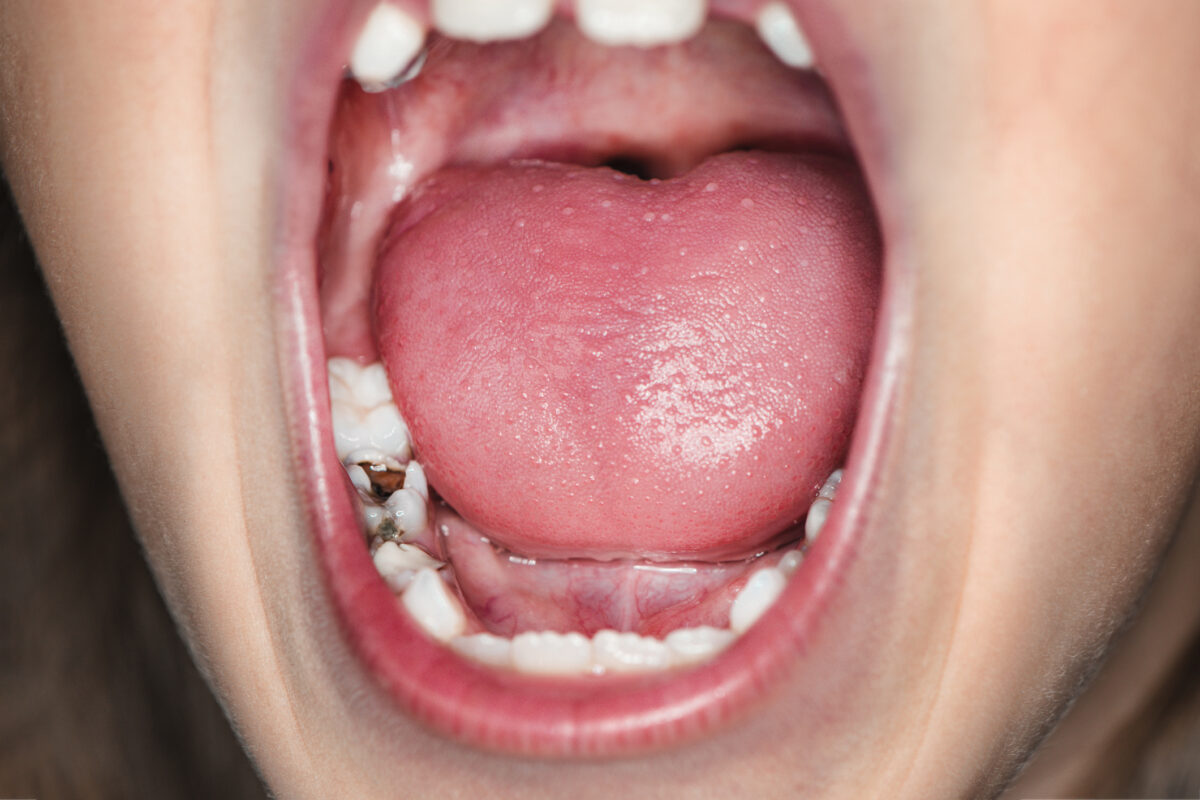
- Tooth decay (cavities): One of the most common chronic childhood conditions worldwide, caused by plaque bacteria that produce acids and gradually damage tooth enamel. The USPSTF describes early childhood caries as a widespread and largely preventable condition.
- Gum disease (gingivitis): Early gum inflammation that may cause redness, swelling, or bleeding when brushing.
- Tooth sensitivity: Some children experience discomfort with hot, cold, or sweet foods, which may be linked to enamel wear or early decay.
- Dental injuries: Falls, sports, and playground accidents can chip, crack, or loosen teeth and generally warrant prompt evaluation by a dentist.
- Teeth grinding (bruxism): Some children grind their teeth during sleep. This is often self-limiting but should be monitored by a dental professional if it persists or causes wear.
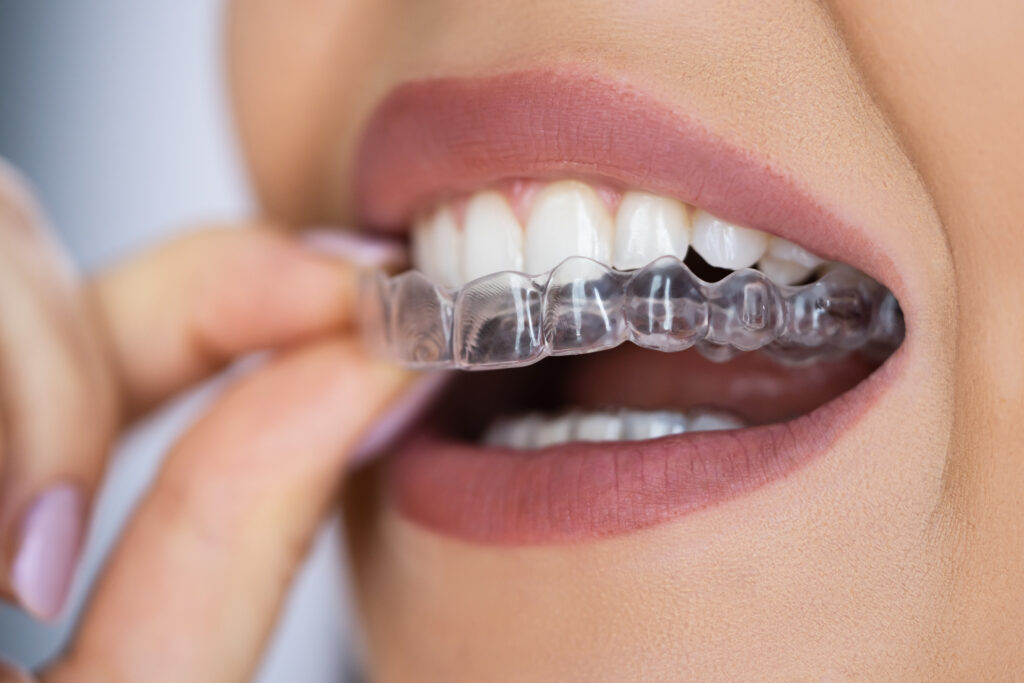
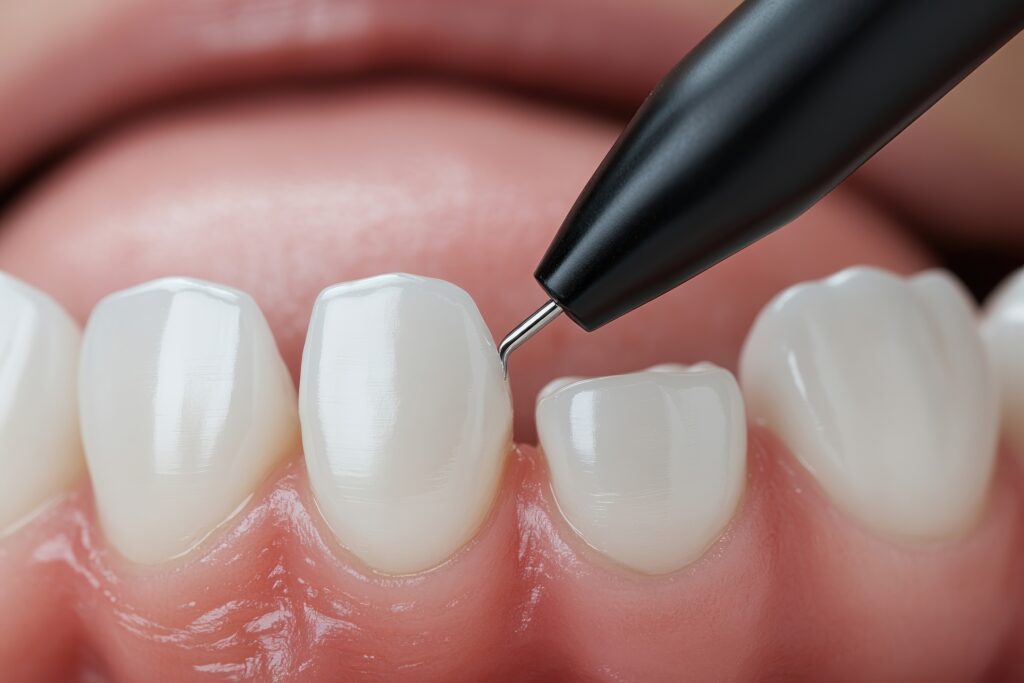
- Misaligned teeth: Crowded or crooked teeth can make brushing more difficult and, in some children, may affect chewing or speech development.
The severity and management of these conditions vary from child to child, which is why a dentist’s individual assessment — rather than general assumptions — should guide any diagnosis or treatment decision.
What Contributes to Dental Problems in Children?
Several everyday factors can influence a child’s oral health, though susceptibility varies between individuals, and a dentist is best placed to assess any one child’s specific risk profile.
Oral hygiene: Inconsistent brushing and flossing allows plaque to build up on teeth and along the gumline, which the NHS and ADA both associate with increased risk of cavities and gum disease.
Diet: Peer-reviewed research and public health guidance, including USPSTF recommendations on early childhood caries, associate frequent consumption of sugary snacks, juice, soda, and sticky sweets with a higher risk of tooth decay, as sugars feed bacteria that produce enamel-damaging acids. Guidance from the NHS and ADA both note that decay risk is generally linked more to the frequency of sugar exposure across the day than to the total quantity consumed at one time.
Fluoride exposure: Fluoride supports enamel remineralisation and is recognised by dental authorities as a key factor in reducing decay risk, though the appropriate product and amount depends on a child’s age and individual circumstances:
- The NHS advises starting to brush a child’s teeth as soon as the first tooth appears, using a fluoride toothpaste appropriate for their age, and recommends parents supervise brushing for children up to around age 7.
- The ADA advises that children younger than 2 should have their teeth brushed with a smear of fluoride toothpaste (roughly the size of a grain of rice) unless a dentist or physician recommends otherwise, moving to a pea-sized amount from around age 3 to 6, with supervision throughout to minimise swallowing.
- The AAPD similarly recommends that decisions about fluoride toothpaste, supplementation, and varnish be individualised, based on a child’s caries risk and the level of fluoride in the local water supply, and made in consultation with a dental or medical professional.
Because recommendations can vary depending on local water fluoridation and a child’s individual risk, parents should confirm the appropriate fluoride product and amount for their child directly with their dentist.
Oral habits: AAPD policy on oral habits notes that prolonged thumb sucking or extended pacifier use beyond the toddler years may be associated with changes in tooth alignment and jaw development in some children. Outcomes vary considerably between children, and a dentist is best placed to advise whether any intervention is appropriate.
Individual and access factors: Genetics, enamel variation, and tooth crowding can affect how easily teeth are cleaned, and irregular access to dental checkups may allow small concerns to go unnoticed for longer.
How Parents Can Support Prevention
Prevention generally begins with consistent daily care, though the specifics should always be tailored with a dentist’s guidance.
Encouraging children to brush twice daily with an age-appropriate amount of fluoride toothpaste, and introducing flossing once teeth begin touching, is a widely recommended way to help remove plaque before it causes damage. Younger children typically need supervision until they can brush effectively on their own — the ADA and NHS both suggest supervision until at least around age 6–7, to help manage the amount of toothpaste used and reduce swallowing.
Nutrition is also commonly cited as a factor in cavity risk. Public health guidance generally supports offering fruits, vegetables, dairy products, and water instead of sugary drinks, and limiting how often — rather than only how much — sugary food is consumed, as a way to reduce acid exposure to enamel across the day.
Routine dental visits allow a dentist to assess a child’s individual risk, monitor development, and recommend preventive measures where appropriate, such as:
- Fluoride varnish applications, which the NHS offers to children from age 3 as part of routine preventive care in some settings.
- Dental sealants — thin protective coatings applied to the chewing surfaces of back teeth. The ADA notes these can reduce decay risk in some children, though whether they are appropriate depends on an individual assessment of the child’s teeth.
- Mouthguards for children participating in contact sports. Dental organisations, including the ADA, commonly recommend mouthguards as a way to reduce the risk of dental injury, with the specific type (over-the-counter or custom-fitted) best discussed with a dentist.
Daily Prevention Checklist
How Often Should Children See a Dentist?
There is no single universal interval that applies to every child. Professional bodies consistently recommend that check-up frequency be based on a child’s individual oral health needs and risk profile, as assessed by a dentist:
- NICE guidance (CG19) in the UK recommends that patients, including children, be assigned a personalised recall interval of between 3 and 12 months, based on a clinician’s assessment of caries risk and dental development — with shorter intervals generally suggested for those at higher risk of decay, and longer intervals possible for those at lower risk.
- The NHS recommends taking children to the dentist as soon as their teeth start to appear, and generally suggests check-ups every 6 months, while also noting that a dentist may recommend more or less frequent visits depending on the individual child.
- In the United States, the AAPD and ADA recommend that a child see a dentist within six months of the first tooth erupting, and no later than their first birthday, with the frequency of subsequent visits determined by the dentist based on the child’s individual risk factors.
In short: an early first visit is broadly recommended across guidance, but the ongoing recall schedule should be set by a dentist based on the individual child, rather than assumed to be a fixed universal interval. Parents should follow the specific schedule recommended by their child’s own dentist.
When Should Parents Seek Prompt Dental Care?
Some signs warrant timely professional attention rather than waiting for a routine visit. These include persistent tooth pain, bleeding or swollen gums, white or dark spots on teeth, ongoing bad breath, or any chipped, cracked, or knocked-out tooth. Early evaluation by a dentist often allows for simpler treatment and may help prevent complications.
Even without symptoms, routine checkups remain one of the main ways dentists help monitor a child’s oral development and identify concerns early. When researching local providers — for example, families searching for a pediatric dentist in Fredericksburg VA, or an equivalent practice in their own area — it can help to look for a provider that offers age-appropriate preventive care and carries out an individualised risk assessment along the lines described in this article, rather than a one-size-fits-all approach. Mentioning this as a search example is not an endorsement or recommendation of any particular practice; parents are encouraged to make their own informed choice of provider, in consultation with their family’s needs and, where relevant, a referral from their existing dentist.
Frequently Asked Questions
How often should children visit the dentist? This varies by child. NICE, the AAPD, and the ADA each recommend that dentists set a personalised recall interval based on a child’s individual caries risk and oral health needs, rather than applying a single universal schedule.
At what age should a child start brushing? Parents are generally advised, per NHS and ADA guidance, to begin cleaning a baby’s gums before teeth appear and to start brushing with a soft toothbrush as soon as the first tooth erupts, using an age-appropriate amount of fluoride toothpaste as advised by a dentist or pediatrician.
Are baby teeth important? Yes. Dental organisations note that baby teeth support chewing and speech development and help guide the positioning of permanent teeth, so maintaining their health is considered relevant to long-term oral development.
How can I help reduce my child’s cavity risk? Commonly cited strategies include supervised brushing with fluoride toothpaste, daily flossing, limiting the frequency of sugary snacks, and attending dental visits at the interval recommended by your child’s dentist. A dentist can advise on additional preventive options, such as sealants or fluoride varnish, based on the child’s individual risk.
Conclusion
Supporting a child’s oral health generally involves a combination of consistent daily habits, informed dietary choices, and dental visits scheduled according to individual need rather than a one-size-fits-all timetable. Speaking with a qualified dentist can help parents understand which preventive measures — from fluoride use to sealants and mouthguards — are most appropriate for their own child.
References
- NHS, Children’s teeth: https://www.nhs.uk/live-well/healthy-teeth-and-gums/looking-after-childrens-teeth/
- NICE, Dental checks: intervals between oral health reviews (CG19): https://www.nice.org.uk/guidance/cg19/
- American Academy of Pediatric Dentistry, Fluoride Therapy (Best Practices/Reference Manual): https://www.aapd.org/research/oral-health-policies–recommendations/fluoride-therapy/
- American Academy of Pediatric Dentistry, Policy on Oral Habits: https://www.aapd.org/research/oral-health-policies–recommendations/
- American Dental Association, Fluoride Toothpaste for Young Children Guideline: https://www.ada.org/resources/research/science/evidence-based-dental-research/fluoride-toothpaste-for-young-children-guideline/
- U.S. Preventive Services Task Force, Prevention of Dental Caries in Children Younger Than 5 Years: https://www.uspreventiveservicestaskforce.org/uspstf/recommendation/prevention-of-dental-caries-in-children-younger-than-age-5-years-screening-and-interventions1/
Disclaimer: This article is provided for general educational and informational purposes only and should not be considered dental or medical advice. Information concerning children’s oral health, fluoride use, dental treatments and preventive care should not replace an individual assessment or recommendations from a qualified dentist, paediatrician or other appropriate healthcare professional. Dental needs and treatment requirements vary between children. Parents and carers should seek professional advice regarding any dental symptoms, injuries or concerns affecting their child. References to organisations, products, services or dental practices are provided for informational purposes and do not constitute endorsement by Open MedScience.