
Digital technology supports endoscopic sleeve gastroplasty by improving patient screening, procedural imaging, progress monitoring and long-term follow-up.
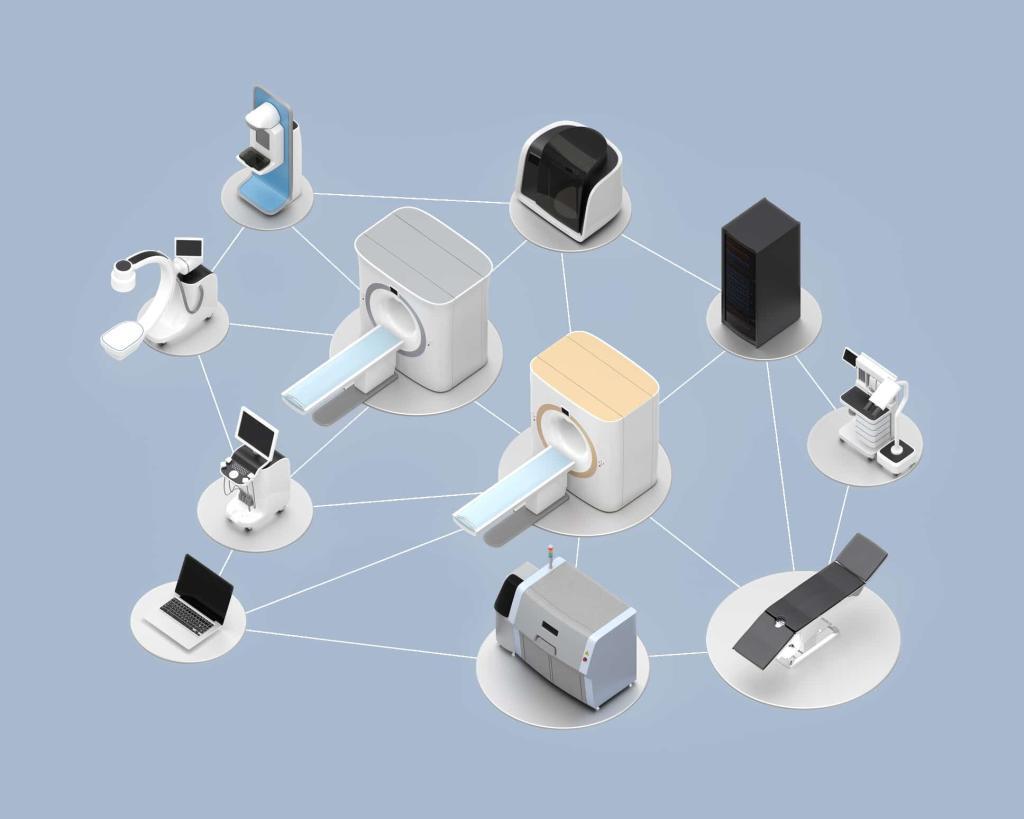
Virtual consultations, electronic health records, high-definition endoscopy, connected scales and nutrition platforms can help clinicians follow a patient across the full treatment journey rather than relying on a series of isolated appointments.
This is particularly relevant to endoscopic sleeve gastroplasty, commonly known as ESG. The procedure may take place during a single clinical session, but recovery, behavioural change and weight management continue for months.
The value of digital care is therefore not simply that it produces more information. It is that useful information can reach the appropriate clinician at the right stage of treatment.
What is endoscopic sleeve gastroplasty?
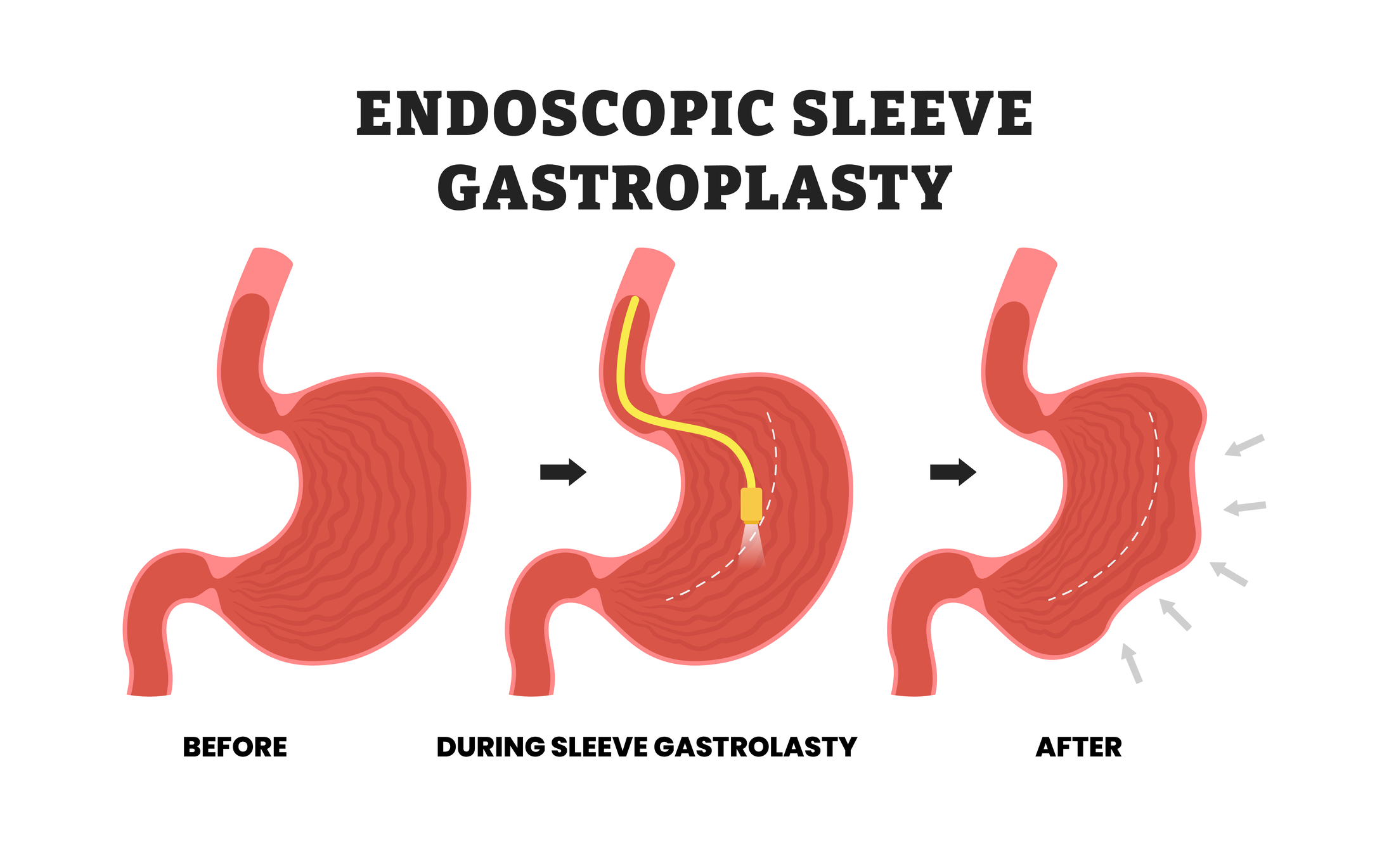
Endoscopic sleeve gastroplasty is a minimally invasive weight-loss procedure performed through the mouth.
A physician passes an endoscope into the stomach and uses a specialised suturing system to create a smaller, sleeve-like shape. The stomach is not surgically removed, and the procedure does not require abdominal incisions.
Reducing the stomach’s functional volume can help patients feel satisfied after eating less. However, ESG is not designed to work independently of nutrition, physical activity and behavioural change.
Clinical research has examined ESG as part of a structured weight-management programme. In the randomised MERIT trial, participants receiving ESG alongside lifestyle modification achieved greater average total body weight loss at 52 weeks than those receiving lifestyle modification alone.
Individual outcomes vary, which is why patient selection, clinical expertise and continuing follow-up remain important.
As Everself, a leading provider of endoscopic weight-care procedures such as ESG, explains, “We don’t see obesity as a cosmetic problem; we see it as a chronic disease that deserves the same level of precision, compassion and long-term support as any other.”
Christopher C. Thompson, MD, MSc, an Everself co-founder and one of the physicians involved in the development of ESG, has expressed a similar distinction: “Obesity is not really about a number on a scale.”
Weight remains an important clinical measurement, but it is not the only indication of progress. Blood pressure, blood glucose, mobility, food tolerance, energy and quality of life may also change during treatment.
How does digital screening support ESG?
Technology can begin supporting ESG care before a patient enters an endoscopy suite.
Virtual consultations may make an initial assessment more accessible, particularly for people who live far from a specialist clinic or find it difficult to attend several appointments because of work or family responsibilities.
During these consultations, clinicians may review:
- Medical history and existing health conditions
- Previous weight-management efforts
- Current medications
- Gastrointestinal symptoms
- Treatment expectations
- Potential alternatives to ESG
Digital systems can also bring together laboratory results, health questionnaires and clinical notes. This gives the care team a more complete view of factors that may influence treatment, including diabetes, high blood pressure, sleep apnea, gastrointestinal disease and previous bariatric procedures.
Digital screening should not be confused with automatic approval. An online questionnaire alone cannot determine whether ESG is suitable.
Clinical judgment, appropriate testing and an informed discussion of the risks, responsibilities and alternatives remain essential.
What technology is used during ESG?
ESG relies on several technological advances:
- High-definition endoscopic imaging: Allows the physician to view the inside of the stomach in real time.
- Specialised suturing technology: Operates through the endoscope to place full-thickness stitches and reshape the stomach internally.
- Greater procedural precision: Gives trained physicians clearer visual information and controlled tools during treatment.
- Lower physical burden: Makes it possible to reshape the stomach without abdominal incisions or surgical removal of stomach tissue.
- Clinician-led innovation: Supports the physician’s expertise rather than attempting to replace it with software.
This is an important part of digital transformation in healthcare. Innovation does not always mean replacing clinicians with automated systems. It can mean giving trained professionals better tools, clearer visual information and more precise ways to deliver treatment.
The technology itself does not guarantee an outcome. Physician training, suturing technique, patient selection and the quality of follow-up can all influence the treatment journey.
Patients considering ESG should therefore ask about the experience of the procedural team as well as the technology being used.
The broader shift reflects how medications, medical devices and remote services are increasingly forming interconnected obesity-care pathways. Open MedScience has previously examined this changing relationship in its coverage of how weight-loss medications are transforming healthcare and the medical-device sector.
How does telehealth support patients after ESG?
Telehealth can help maintain contact between the patient and care team after the procedure.
During virtual follow-up appointments, patients may review:
- Weight trends
- Hydration
- Protein intake
- Food tolerance
- Physical activity
- Symptoms
- Behavioural challenges
A clinician or dietitian may notice that a patient is consistently missing nutrition goals, struggling with particular foods or becoming discouraged by a temporary plateau.
This creates an opportunity to adjust the plan before a manageable difficulty becomes a reason to disengage from care.
Telehealth may also reduce the need to travel for every routine appointment, particularly when a provider combines local procedure sites with continuing virtual support.
For example, Everself has clinics in different US markets. Patients considering endoscopic sleeve gastroplasty by Everself Houston can access a local procedure site while receiving elements of preparation and follow-up virtually.
According to Everself’s current programme information, support may include a virtual consultation, local pre-procedure testing and continuing access to professionals such as a registered dietitian, nurse practitioner and care manager.
Patients should confirm current programme details directly with the provider, including which appointments are virtual, when in-person assessment is required and how urgent concerns are handled.
Virtual care should complement local medical care rather than replace it. Persistent vomiting, difficulty keeping fluids down, fever, bleeding, worsening abdominal or chest pain, difficulty swallowing or shortness of breath require prompt professional assessment.
Can connected devices monitor progress after ESG?
Connected scales, nutrition apps and wearable devices can help patients and clinicians monitor recovery and weight-management patterns after ESG.
Depending on the care programme, these tools may track:
- Weight changes
- Hydration
- Protein intake
- Meal timing
- Food tolerance
- Daily steps
- Active minutes
- Heart-rate trends
- Sleep estimates
Their main value lies in showing patterns over time rather than isolated readings.
A single weight measurement can be affected by hydration, sodium intake, meal timing and other short-term factors. A series of readings collected under similar conditions provides more useful context.
Research has also examined digital self-monitoring as part of structured weight-management care. Tracking dietary intake and physical activity may help some adults improve weight-management behaviours and activity levels.
However, consumer technology has limitations.
Smart scales may estimate body composition, but those estimates are not equivalent to a clinical assessment. Wearables can encourage movement, but calorie-expenditure and sleep-stage calculations may not always be precise.
The goal is not to turn every meal or movement into a score. It is to create useful information that supports realistic decisions and timely clinical conversations.
Why does long-term follow-up matter after ESG?
The first months after ESG may bring the most visible changes, but long-term maintenance requires continued attention.
Appetite patterns can evolve, motivation may fluctuate and previous eating habits can gradually return.
Digital platforms may support continuity by providing:
- Scheduled clinical check-ins
- Weight and activity trends
- Nutrition records
- Secure messaging
- Behavioural resources
- Peer-support communities
Technology may also help clinicians personalise care.
Two people can undergo the same procedure and experience different challenges. One may need more support with hydration, while another may benefit from changes to meal structure, movement or sleep habits.
Effective digital care responds to those differences rather than sending every patient the same automated reminders.
Christopher McGowan, MD, MSCR, AGAF, FASGE, an Everself physician and triple-board-certified specialist in gastroenterology, internal medicine and obesity medicine, describes ESG this way:
“ESG Stomach Tightening is not just a device or procedure; it’s a metabolic reset that gives patients both the anatomical change and the behavioral support they need to rebuild their relationship with food.”
“Metabolic reset” is Dr. McGowan’s description rather than a universally defined medical outcome.
However, the broader point reflects the role of structured follow-up. ESG is most appropriately delivered alongside nutritional guidance, behavioural care and long-term clinical oversight.
What are the limitations of digital ESG care?
Connected healthcare creates responsibilities as well as opportunities.
Information about weight, eating behaviour, medications and metabolic health is sensitive. Patients should understand what information an app collects, where it is stored and who can access it.
Providers should use secure systems and explain how information from connected devices becomes part of clinical care.
More data does not automatically lead to better health. Constant notifications or frequent weight tracking may increase anxiety for some people.
Anyone with a history of disordered eating or distress around weight monitoring may require a more individualised approach.
Digital tools should remain adjustable to the patient. They are intended to support care, not replace clinical judgment or make patients feel continuously evaluated.
Frequently asked questions about technology and ESG
● Is ESG surgery?
No. ESG is an endoscopic procedure performed through the mouth. It does not require abdominal incisions or surgical removal of part of the stomach.
● What technology is used during ESG?
Physicians use high-definition endoscopic imaging and a specialised suturing platform to place stitches and reshape the stomach internally.
● How is weight loss monitored after ESG?
Progress may be monitored through in-person appointments, telehealth, connected scales, nutrition records and activity data, depending on the provider’s care programme.
● Can an app replace ESG follow-up appointments?
No. Apps and connected devices can provide useful information, but symptoms, nutritional concerns and treatment decisions require qualified clinical oversight.
● Does technology guarantee weight loss after ESG?
No. Results vary between patients. Technology may support monitoring and continuity, but outcomes also depend on patient selection, clinical care, nutrition, activity and behavioural change.
● Why is behavioural support important after ESG?
The procedure changes the stomach’s structure, but patients still need to develop sustainable eating, activity and lifestyle habits. Behavioral and nutritional support can help patients adapt to these changes.
A connected approach to ESG care
Digital technology can strengthen ESG care at every stage, from initial screening and procedural imaging to recovery monitoring and long-term behavioural support.
However, these tools are most effective when they support, rather than replace, qualified clinical care.
Connected scales can reveal trends, nutrition platforms can identify changing habits and telehealth can make follow-up more accessible. Treatment decisions, symptom assessment and personalised guidance still require trained professionals.
The future of ESG care is therefore not simply more digital. It is more connected: evidence-based treatment, useful patient information and continuing human support working together throughout the weight-management journey.
This article is intended for educational purposes and does not replace personalised medical advice, diagnosis or treatment.
Disclaimer: This article is intended for educational and informational purposes only and should not be interpreted as medical advice, diagnosis or treatment. It discusses digital technologies that may support endoscopic sleeve gastroplasty (ESG) within structured clinical care but does not recommend any specific procedure, healthcare provider or treatment pathway. References to healthcare professionals, organisations or commercial services are included for informational context and should not be considered endorsements. Outcomes following ESG vary between individuals and depend on appropriate patient selection, clinical expertise, ongoing follow-up and adherence to medical guidance. Anyone considering ESG or seeking treatment for obesity or related health conditions should consult a qualified healthcare professional for personalised assessment and advice.
home » blog » medical technologies »