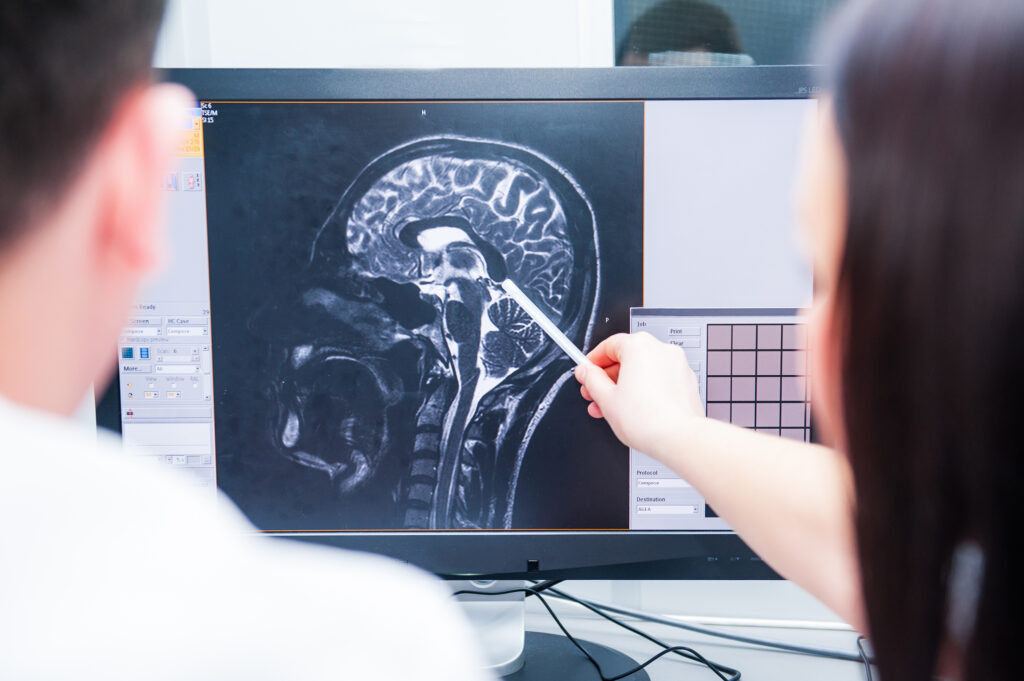

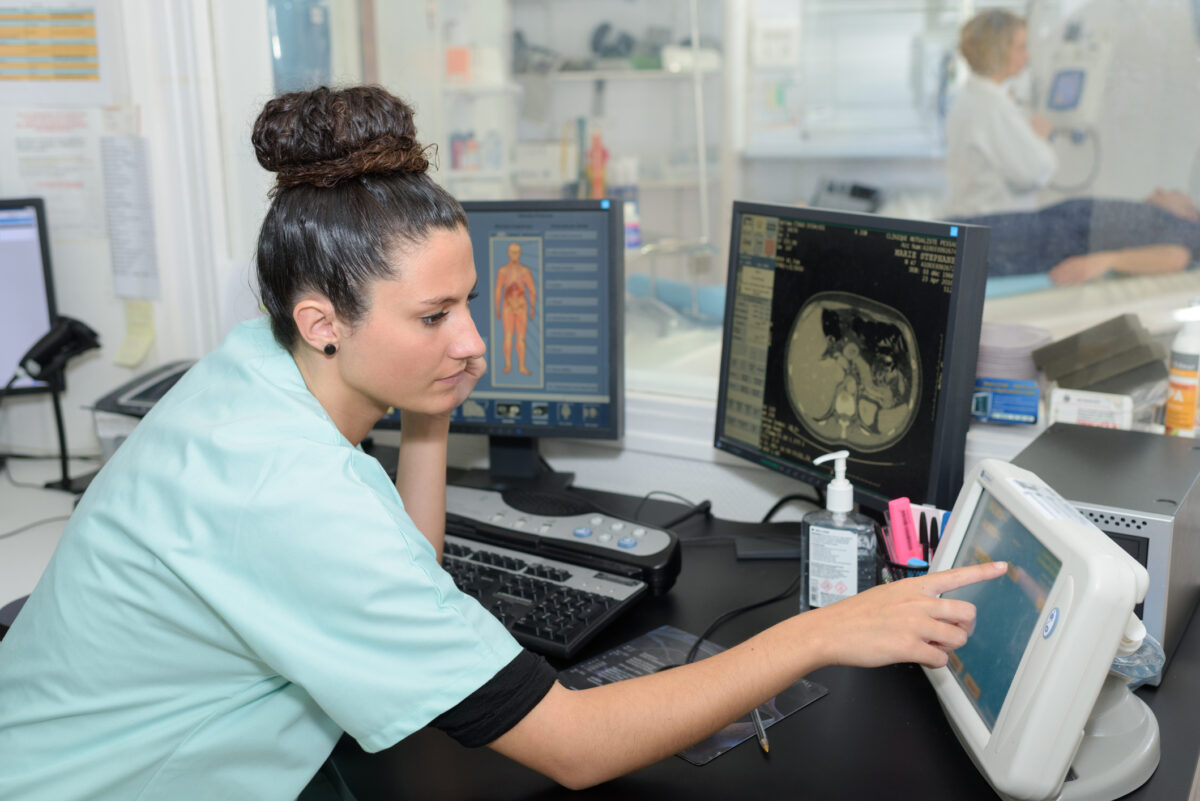
Radiation oncology has advanced considerably over the past two decades, with improvements in imaging, treatment planning and precision radiotherapy transforming patient care.
Machines are smarter. Treatments are more targeted. Patients often require comprehensive education, symptom management and ongoing support throughout their treatment. That’s why nurses who step into these units require serious training before day one.
One important challenge is that:
Many newly qualified nurses report feeling underprepared for practice in radiation oncology because undergraduate nursing curricula often provide limited exposure to the specialty. Radiation oncology is one of those nursing specialties that most nursing programs don’t cover. Especially with the rising incidence of cancer each year.
The good news? Strong nursing clinical experience can bridge that gap fast.
What’s Inside:
- Why radiation oncology nursing is different
- The role of nursing clinical experience
- Core skills every radiation oncology nurse needs
- How nursing programs are stepping up
Why Radiation Oncology Needs Well-Prepared Nurses
Cancer remains a major global health challenge, and the number of people diagnosed each year continues to increase.
Industry statistics report that approximately 50% of patients diagnosed with cancer will be treated with radiation therapy at some point during their care journey. That means millions of patients a year in the United States will cross paths with a radiation oncology nurse at some point.
And these nurses don’t just want to hand you brochures. Their responsibilities include:
- Explaining side effects to scared patients
- Assessing and managing radiation-induced skin reactions (radiation dermatitis)
- Talking families through hard news
- Coordinating care between specialists
That’s a lot of information for a fresh-out-of-school grad to just know off the bat. Which is why nursing clinical experience is so important in this profession.
Schools such as the husson nursing program are designed to provide the clinical hours students require prior to graduation. Clinical experience is what makes the difference between a nurse who freezes when faced with the bedside and a nurse who steps up to the plate. Radiation oncology is one of those specialties where clinical competence contributes to safe, effective and compassionate patient care.
What Modern Radiation Oncology Actually Looks Like
Radiation oncology isn’t just a large machine with a lead apron anymore.
Today’s radiation oncology departments use highly advanced technologies, including:
- Image-guided radiation therapy (IGRT)
- Stereotactic body radiation (SBRT)
- Proton beam therapy
- Adaptive treatment planning
Nurses should understand the purpose of these treatment techniques, their potential side effects and the care required before, during and after treatment. Detailed treatment planning and dosimetry remain the responsibility of radiation oncologists and medical physicists.
Sending a patient to receive proton therapy for a brain tumour is very different from sending a patient to receive palliative radiation for bone pain. The care pathway, expected side effects and patient education requirements differ considerably. The discussions look worlds apart as well.
Radiation oncology nurses must maintain their knowledge through continuing professional development.
And the caseload keeps growing.
Studies estimate there will be 4.17 million radiation-treated cancer survivors living in the United States by 2030. This translates into a huge population that requires follow-up care, symptom control and long-term management by knowledgeable nurses.
The Clinical Hours That Make The Difference
Textbook knowledge only takes a nurse so far.
Many of these skills can only be developed through supervised clinical experience. Spend clinical hours learning how to:
- Talk to a scared patient before their first session
- Spot early signs of radiation-induced skin reactions
- Manage nausea, fatigue, and mucositis
- Support families through end-of-life decisions
Clinical experience remains one of the most valuable aspects of nursing education:
You can’t learn these things in a lecture. These skills are developed through supervised clinical practice, reflection and mentorship. That is what quality clinical placements offer.
Students who have oncology rotations will enter practice with greater confidence and clinical competence than their colleagues. They have already experienced working with cancer patients, breaking bad news, witnessing treatment plans unfold, and understanding how oncology teams interact.
That type of foundation makes such a huge impact on day one at a new job.
Core Skills Every Radiation Oncology Nurse Needs
Not every nursing skill translates to radiation oncology. Some areas matter more than others.
Symptom Management
Radiation treatment can affect healthy tissues near the treatment area, leading to side effects that require careful monitoring and management. Side effects such as skin problems, tiredness, and nausea can occur during treatment. Nurses should be aware of how to identify issues early and manage them quickly before they become severe.
Patient Education
The majority of patients you will encounter have never received radiation before. They are frightened. They are often confused. A skilled radiation oncology nurse can help clarify what is going on using layman’s terms and never being condescending.
Emotional Support
Cancer is serious business. Many patients and families experience significant emotional distress throughout cancer treatment. Nurses also require resilience, empathy and appropriate professional support to care for patients experiencing emotional distress. That is some tough work, and it requires practice.
Team Communication
Radiation oncology is a team sport. Nurses work with:
- Radiation oncologists
- Medical physicists
- Radiation therapists
- Social workers
- Dietitians
Becoming comfortable in this multi-disciplinary environment is learned behaviour. And it begins with your clinical placements as a student.
How Nursing Programs Are Rising To The Challenge
Nursing schools are starting to take radiation oncology more seriously than ever before.
More programs are adding:
- Oncology-specific coursework
- Clinical placements in cancer centres
- Simulation training for treatment scenarios
- Interdisciplinary team experiences
Participation in multidisciplinary meetings provides valuable insight into treatment planning and collaborative decision-making. Nurses who attend a tumour board or sit in on a treatment planning session walk away with significantly more knowledge of what they are getting into.
Schools producing job-ready grads are the ones that treat oncology like a real specialty, not a chapter in a textbook. And employers notice.
Employers increasingly value graduates with strong clinical experience in oncology settings. There’s no time to ease into it with the nursing shortage. Nurses they hire need to be able to hit the ground running. That’s different than in the past.
Cancer centres benefit from nurses who are familiar with oncology practice and multidisciplinary care.
The Big Takeaway
Radiation oncology nursing is among the most challenging (and rewarding) nursing specialties around. It’s not for everyone. But for those who choose it, you can make a tremendous difference in your patients’ and families’ lives.
The best way to prepare is through:
- Solid classroom foundations
- Real clinical hours in oncology settings
- Exposure to modern treatment techniques
- Emotional readiness training
Robust nursing clinical experience is what separates a graduate who feels overwhelmed versus one who feels job-ready. As the number of people living with and beyond cancer continues to increase, the demand for skilled radiation oncology nurses is expected to grow. The need for quality radiation oncology nurses will continue to rise.
A strong educational foundation, supported by meaningful clinical experience, prepares nurses to deliver safe, compassionate and evidence-based care within modern radiation oncology services. As cancer care continues to evolve, investment in specialist nursing education will remain an important component of high-quality patient care.
Choose a program that emphasises clinical training. Inquire about opportunities in oncology prior to enrollment. And once you’re placed, make every minute count. Literally.
Students considering a career in radiation oncology should seek programmes that provide meaningful oncology placements, opportunities to observe multidisciplinary care and exposure to modern radiotherapy techniques. These experiences help prepare future nurses to deliver high-quality, patient-centred care.
Disclaimer: This article is intended for educational and informational purposes only and should not be interpreted as medical, nursing, educational or professional advice. The content provides a general overview of radiation oncology nursing, clinical education and current practices but does not replace formal nursing education, clinical supervision, institutional policies or guidance from qualified healthcare professionals. Clinical responsibilities, nursing competencies and scope of practice vary by country, healthcare organisation and regulatory body. Readers should consult relevant professional guidelines, accredited educational programmes and local policies before making clinical, educational or career decisions. Any references to educational institutions or programmes are provided for illustrative purposes only and do not constitute an endorsement or recommendation by Open MedScience.