
Introduction: Advancing Vein Care Through Science
The last few decades have ushered in a lot of changes in the delivery of care. Many medical decisions were made based on clinical experience and training. Over the years and with the progress of research and patient outcomes, this practice has changed. Vascular medicine and other specialties still have challenges. However, care quality in these fields has benefited from this recent advancement in healthcare.
The World Health Organization says that millions of people all over the world suffer from venous diseases. Patients can have a diagnosis of one or multiple diseases, including vascular or spider veins, chronic venous disease, and ulcers. These diseases were always considered to be cosmetic. However, research has been able to show that venous disease impacts the circulation, mobility, and comfort of patients, ultimately impacting their quality of life.
With the help of scientific research and the advances that have been made, patients are finally able to receive appropriate management for the disease. Safer and more effective interventions that incorporate specialized medicine have come as a result of this research.
The discovery of new technology and newer treatment research has made the connection between science and patient healing closer than it has ever been. As evidence-based medicine continues to shape modern vascular care, patients have greater access to accurate diagnoses, minimally invasive treatments, and personalised care plans. Individuals seeking scientifically supported approaches to venous health can explore treatment options at Florida Vein Experts, where advanced diagnostics and research-driven therapies help guide clinical decision-making and improve long-term outcomes.
Understanding Evidence-Based Medicine
Clinical experience, patient perspective, and the strongest research are the components of evidence-based medicine. Instead of using tradition or practice to make decisions, an intervention or treatment is ultimately based on the highest quality evidence.
This strategy helps clinicians identify the most effective interventions with the least associated risks that are likely to lead to an optimal outcome for the patient. Evidence-based medicine values the promotion and incorporation of new research, so clinicians’ treatment suggestions do not become stagnant and outdated. In vascular medicine, the integration of evidence-based practices has led to the development of treatment protocols that have been universally adopted and have contributed to complimentary, quality patient care. The main aim is to ensure patients receive appropriate interventions based on the best available evidence and guided by the unique context of the patient.
The advancement of research on vein disease has certainly improved. There was a time when healthcare providers placed a significant focus on the presentation of symptomatology that was outwardly visible, often on symptoms such as swelling of veins or discoloration of the skin. While those symptoms are still clinically relevant, there is an ongoing recognition among researchers of the deteriorating state of progressively worsening disease that is often the result of problems within the circulatory system.
Research has greatly advanced the understanding of vein disease and its progression to include venous blood flow, inflammatory response, and the valves of the vascular system. This research has better treatment modalities and their approaches. Research has aided in the removal of barriers in understanding. Venous disease has progressed from being viewed purely as a disease of an aesthetic nature, to a disorder that is legitimate and medical, and has the potential to progress to greater complications when left unaddressed. This body of research continues to improve patient outcomes with its growing and strengthening evidence.
How Research Improves Diagnosis
Effective treatment relies on accurate diagnosis. Because of evidence-based medicine, there are many more diagnostic resources available to clinicians, especially related to cases of vein disease.
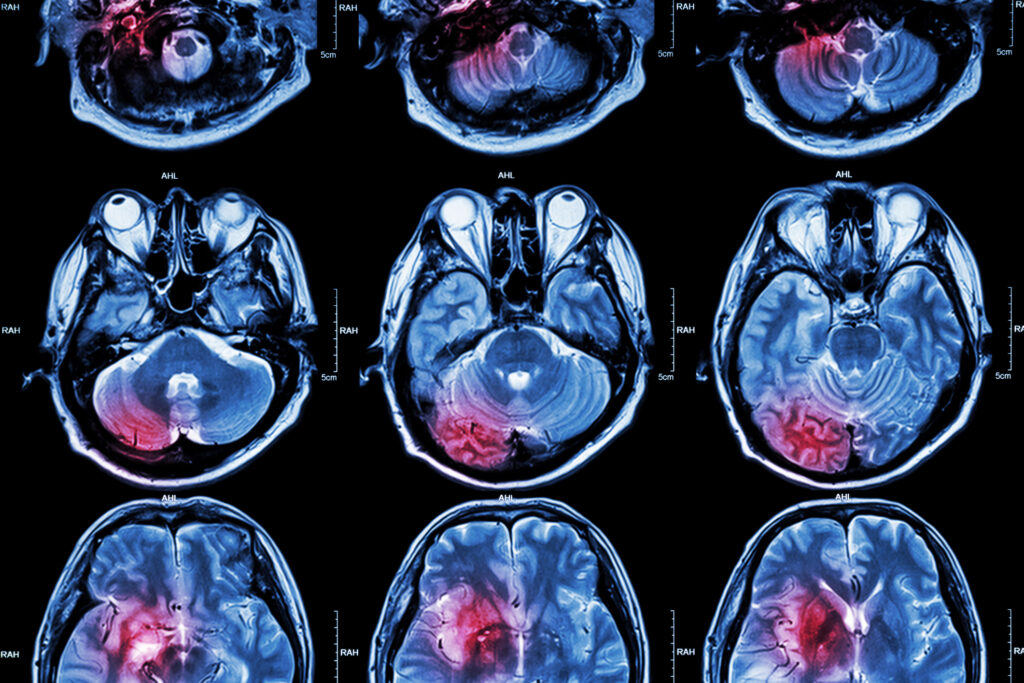
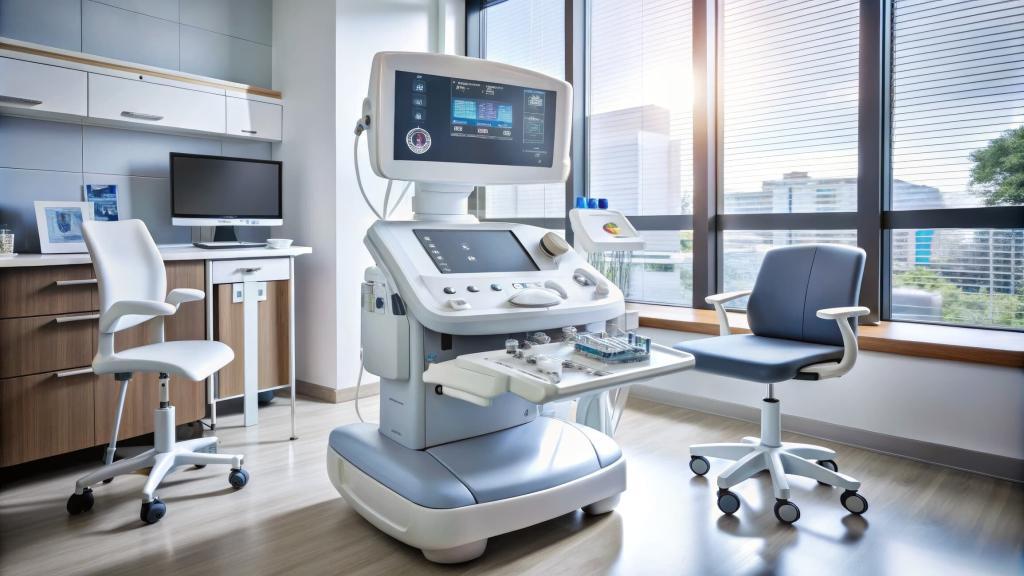
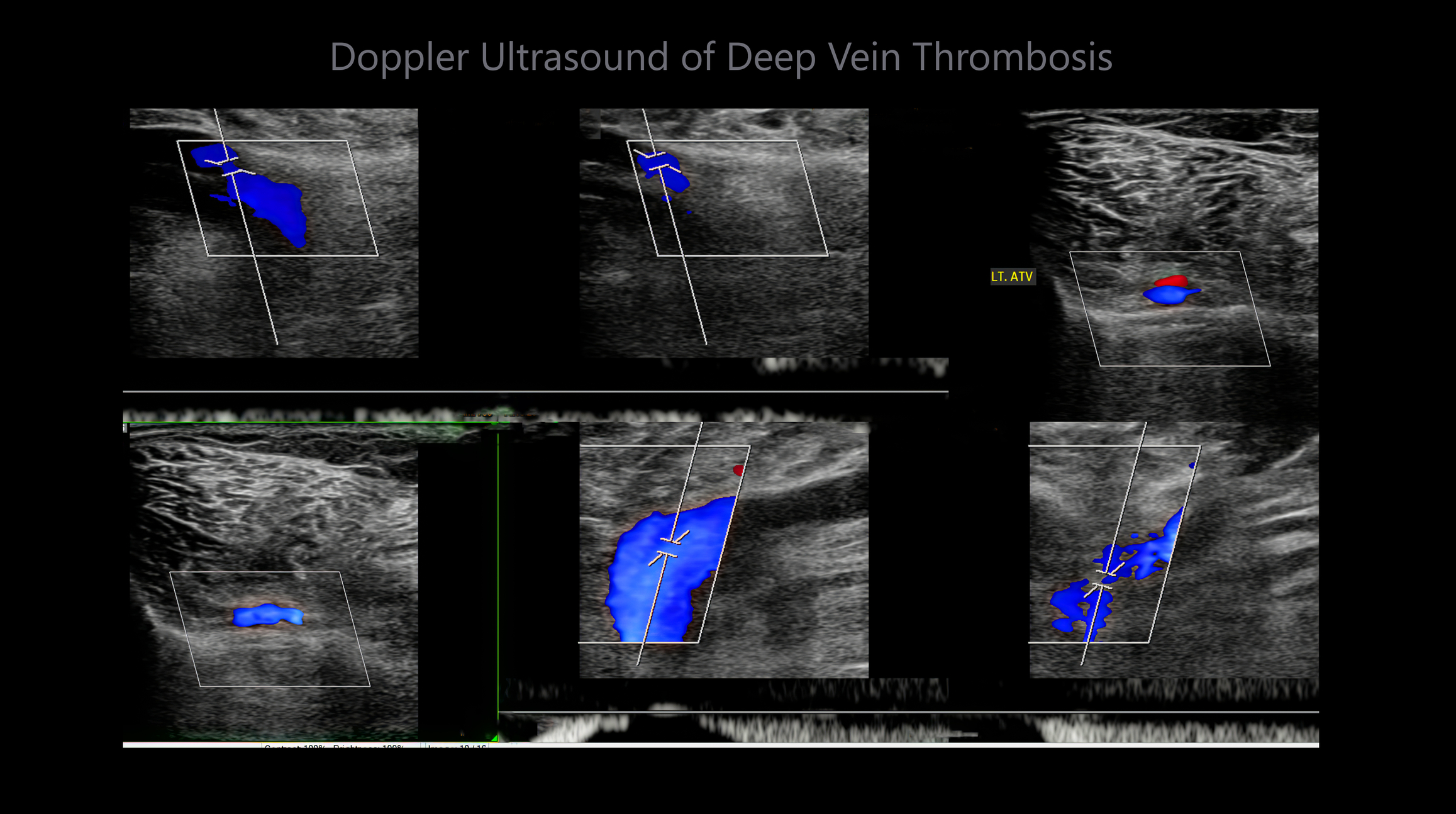
Modern vein assessment relies on duplex ultrasound technology. This imaging modality is non-invasive. It allows clinicians to visualize reflux of blood and pathology related to flow and valve physiology. Some of these things cannot be appreciated during a physical exam.
Ultrasound has been a game changer for clinicians of vascular medicine to develop treatment plans for their patients. Research on the utility of ultrasound thus places it in the realm of gold standards.
Ultrasound technology and diagnosis have a major impact on disease prognosis. The diagnosis is made earlier, so treatment is begun earlier.
The Shift Toward Minimally Invasive Treatments
The clinical research on safety, efficacy, and satisfaction has advanced the evolution of minimally invasive treatments for vein disease.
For the treatment of advanced varicose veins, a surgical procedure known as vein stripping has been performed for decades. This surgical procedure has a lengthy and painful recovery for a procedure that is only effective in specific cases of varicose veins.
The treatment of varicose veins has changed dramatically. The research that has been done has shown surgery has now been replaced with a number of minimally invasive techniques that are performed on an outpatient basis. Patients are able to return to normal activity and get treated for their vein disease much sooner.
The use of these procedures showcases the strength of innovative research in the field of patient care.
Outcomes-Based Clinical Research
Outcome measurement is vital to evidence-based medicine. Research conducted through clinical trials and observational studies and supplemented through post-treatment assessments is critical to the development of new treatment options.
In vein care, outcomes can include several metrics. These include symptoms, circulation, recurrence, patient satisfaction, and quality of life. This contributes to the development of treatment care pathways and the identification of effective interventions.
Chronic vein disease makes long-term studies much more valuable. Treatment of vein disease often has long-term implications. Evaluation of patient outcomes over prolonged periods can greatly enhance treatment recommendations.
Through the lens of evidence-based medicine, patient care is greatly enhanced by the focus on measurable outcomes.
Personalized Care
The importance of patient individuality is becoming universally recognized in modern medicine. There are so many more factors that can influence treatment outcomes than just the diagnosis, including age and genetics.
The basis of evidence-based personalized care is research, but there is also a great need for clinical expertise in the development of new treatment options.
In the field of vein care, this individualized care is very much the standard now.
Today’s vein care specialists have moved well beyond the one-size-fits-all approach. Using evidence, they have created care pathways that are both effective and valued by their patients.
The Effects of Modern Technology on Vein Treatment
The advancement of technology has a large effect on how fast vascular medicine can evolve and improve as a branch of medicine. There is a great deal of new technology that will improve imaging, diagnosis, and treatment that will be assessed and utilized in a clinical setting.
Treating veins and understanding how they work has improved with the addition of high definition ultrasound and imaging technology.
The way treatment is provided can be improved with technology that allows clinicians to deal with problematic veins and helpful tissue.
Digital health technology has made a huge difference in the healthcare industry and changed how patients receive care by providing a way to monitor patients remotely, improving the ability to provide telehealth services, and streamlining the management of patient follow-ups to improve the quality of care.
As new technology is developed, the reliability of research and the reliance on research to formulate the basis of clinical studies will be required to evaluate the effect of new technology on patient care.
Why Patient Education is Important
Patients are empowered when they are educated.
When there is clear communication with the patient, they can better understand the treatment options and are more likely to participate in and influence the process of care they receive.
Educated patients have the ability to treat less chronic and serious health issues.
Providing research and the evidence that supports it can motivate patients to take charge of their vascular health in hopes of improving their health.
Patients will most likely have a significant and positive impact on their health when they take an active role in their health.
Why Evidence-Based Vein Care is So Valuable
The most significant and positive impacts on patient care and patient health are demonstrated when medical practitioners are dedicated to ensuring that patients stay informed regarding the most relevant evidence-based medicine and research.
Having specialized treatment means patients receive personalized plans that incorporate, and are optimized by, the most advanced methods and techniques available.
The Future of Research in Vein Medicine
The coming era of vein therapies looks better than the time before, with more research paving the way for treatment and diagnostics, and technologies with even more options. In the years to come, advancements in the study of veins, regenerative medicine, technology, and tailored healthcare may bring even better outcomes for patients.
Research may even lead to an understanding of the biology of a disease that may assist in the development of closer to the time of onset therapies.
The integration of technology with research in medicine will help along the path of more precise and closer to the time of need for diagnostics to help aid treatment.
The safety and elegance of medicine will always be built on the practice of evidence-based medicine.
Conclusion: Therapeutic Advances that Change Healthcare for the Better
One of the most rewarding aspects of research is the delivery of new findings and therapies to the patient. The use of evidence-based medicine in the treatment of venous disease has positively impacted the patient population and the quality of life of many.
The diligent study of vein disorders has helped clinicians identify their origins and develop advanced and effective means of treatment. Modern diagnostics, new tools and techniques, personalized treatment regimens, and research continuations are all products of the commitment to evidence-based care and informed practice.
The future of medicine is bright and indicates a continued increase in patient safety and quality of life. The vein treatment of the future will present the best possible outcomes for the patient and will incorporate as much new and innovative practice as ongoing research identifies.
Disclaimer: This article is intended for informational and educational purposes only and does not constitute medical advice, diagnosis, or treatment. Readers should consult a qualified healthcare professional regarding any medical condition or treatment decisions. The views expressed are those of the author and do not necessarily reflect those of Open MedScience. References to specific clinics, treatments, or healthcare providers are provided for informational purposes and should not be considered endorsements.