
Introduction: A New Era in Knee Pain Management
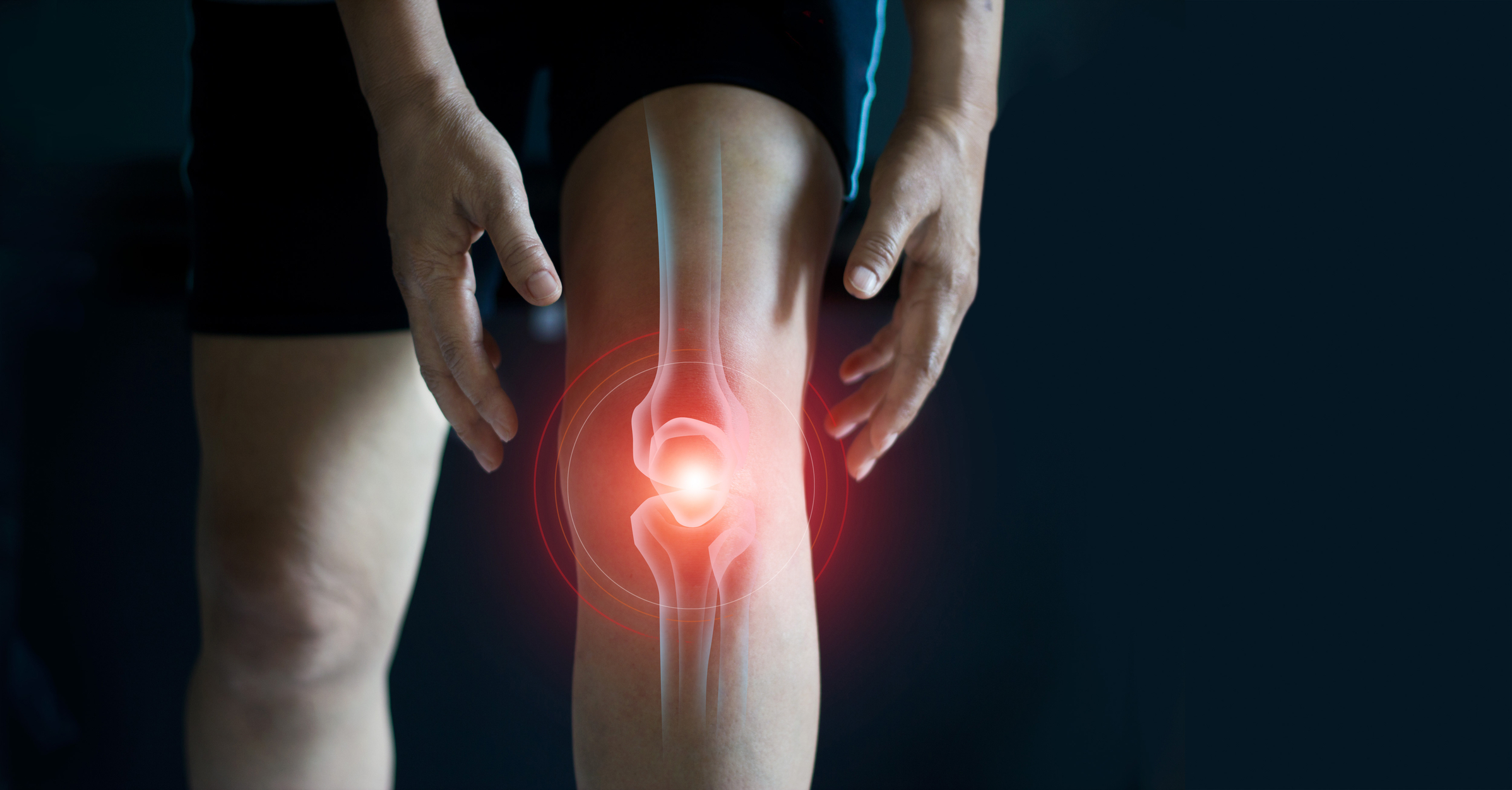
There are many causes of knee pain and many demographics affected. One consistent problem is reduced mobility and possibly worsened quality of life. Like other chronic pain, managing knee pain is often a combination of therapy, pain medication, and, at some point, surgery. There are other options, but clinical treatment gets more complicated and less comfortable for the patient.
Luckily, less pain and more healthy, functional joints is the goal of changing knee pain treatment options. Medical tech, imaging, AI, and a move toward personalized medicine are making treatment of knee conditions much more sophisticated for the clinician and the patient. Treatment options are becoming much less invasive and much more effective at joint function.
As innovative treatment approaches continue to evolve, patients experiencing chronic or acute knee pain have greater access to specialized care that prioritizes accurate diagnosis, joint preservation, and individualized recovery plans. Individuals seeking advanced orthopedic evaluation and modern treatment strategies can get treated by knee specialists in Woodbridge who utilize state-of-the-art imaging, minimally invasive procedures, and personalized rehabilitation programs.
Having this wealth of new treatment options is exciting, but still new. Current focuses of clinical research are moving treatment options away from the extremes of chronic treatment and surgery by focusing on the patient and preserving the health of the joint.
Causes of knee pain are increasing and becoming more common, especially with the greater life expectancy we see now and the increase of people considered overweight. The sedentary lifestyles and more people playing recreational sports are also contributing to residents of knee pain.
Knee pain is becoming more chronic and more common with osteoarthritis as people age. People are also becoming less mobile and suffering knee pain from chronic sports injuries.
Beyond the direct costs to the healthcare system, knee pain has wider economic and social effects. Persistent knee pain has a negative effect on productivity, physical activity, and emotional and mental wellbeing, and knee pain reduces the quality of life. Many of these effects have led to the more widespread need for more convenient treatments that are less disruptive to daily living.
Healthcare technologies are beginning to address the more widespread social and economic effects of knee pain and are offering solutions that achieve a better balance of symptomatic relief and preservation of the knee joint for the long term.
The Development of Technology to Aid Knee Pain Diagnosis
An accurate diagnosis is the basis of effective treatment, and one of the greatest advancements for the management of knee pain in the modern era has been the advancement of diagnosis technologies.
Previously, assessments for knee pain were based primarily on physical assessments and standard X-ray imaging. While these methods do have a utility, more modern imaging technologies have the capability to provide more in-depth assessments and information regarding joints, cartilage, ligaments, tendons, and tissues.
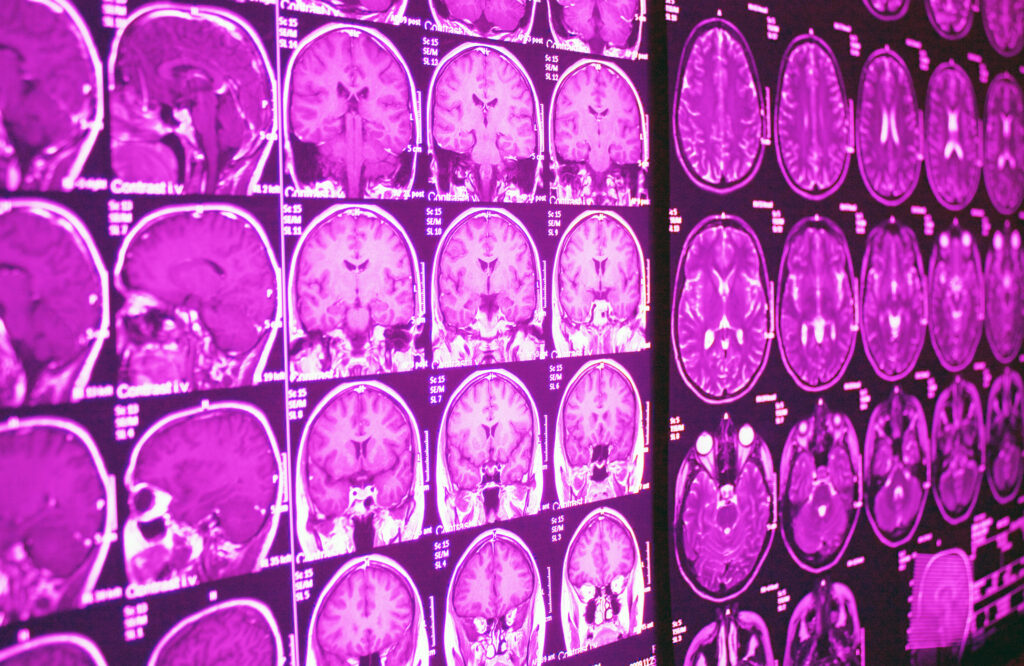
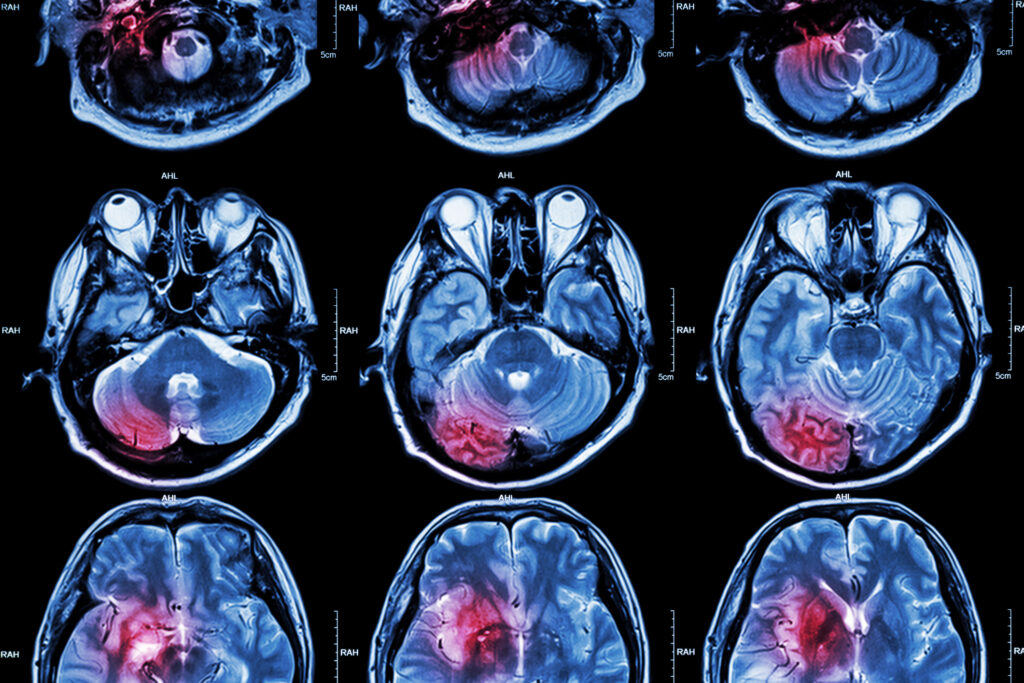
MRI technology is the standard for identification of damage to knee joints caused by injury to the remaining soft tissues and the more advanced and improved early stages of degeneration. State-of-the-art imaging technology now allows the detection of previously undetectable injuries and damage.
New and developing technologies such as advanced imaging ultrasound and tri-dimensional assessments of joints are improving the art of diagnosis. More accurate diagnosis of knee conditions that are more advanced can significantly improve the quality of healthcare interventions and halt or significantly reduce the effects of the advancing condition.
Advanced Imaging Technology, AI, and Healthcare
AI technology is an emerging advanced technology in the field of orthopaedic healthcare. AI tools have the capability to interface and integrate imaging technologies that have been advanced in the assessment of knee joint conditions and injuries, and voluminous patient data to aid in the diagnosis of patient conditions.
Recognizing patterns that may be overlooked, artificial intelligence can help clinicians make more accurate diagnoses and anticipate treatment responses. This can aid the design of more individualized treatment strategies.
AI can play a role in the assessment of rehabilitation and the recovery metrics needed to support treatment decisions.
Applying artificial intelligence to the field of orthopedics is an exciting new step toward individualized and early treatment.
Regenerative Medicine: Going Beyond Symptom Control
In the area of knee pain, the growth of regenerative medicine is an exciting new development. It differs from traditional therapies that, for the most part, manage pain, in that it is restorative in nature.
Research is being conducted on therapy that encourages the restoration of inflamed and repaired tissues in the joints. This area of treatment is developing as it is perceived to be functional and assists in avoiding or decreasing the need for more severe and invasive therapies.
Although the future of regenerative medicine is in the research stage, it is currently one of the most promising new approaches to orthopedics.
Healing and rehabilitating tissue, instead of masking the pain, is the new approach to knee pain.
Minimally Invasive Changes Recovery
For many years, patients who suffered from chronic knee pain have had to undergo surgery involving an invasive and severe procedure with a long rehabilitation period. Advanced, minimally invasive procedures have changed this regarding the perforation of surrounding tissues and the duration of rehabilitation.
Arthroscopic techniques enhance the ability of surgeons to both diagnose and treat a number of knee-related problems through the use of high-powered optics and specialty tools, entailing only small incisions on the part of the patient. Postoperative discomfort and recovery periods are greatly shortened by these techniques.
Invasive techniques are extremely popular when considering the amount of disruption to the patient’s daily life and routine, including work, that these techniques cause.
With the steady improvement of surgery-related technologies, techniques that are more focused on the surgery-related preservation of healthy tissue are developed and made available.
The Role of Precision Rehabilitation
Advanced treatment of knee pain no longer focuses solely on surgery and pharmacology. An integral and advanced component of the treatment of the patient is rehabilitation, and this is especially true when considering the modern treatment of the patient.
The more modern digital techniques and adjuncts of rehabilitation have facilitated the patient care continuum into the realm of the patient’s home. Rehabilitation, physician, and care team engagement is modernized and improved by adjuncts and wearables.
The treatment and rehabilitation of the modern patient are more convenient and accessible than ever.
The Importance of Early Intervention
The treatment of the modern patient is beginning to focus on the early treatment of problems rather than waiting to treat problems that are significant and life-altering.
The corollary of this is that more modern and less invasive treatments that better preserve the integrity of joints are possible. Early treatment and the maintaining of the early integrity of the joints are better preserved and less invasive.
Early intervention may limit inflammation and the degree of degeneration of tissues while increasing function and strengthening the antagonistic and synergistic muscles of the knee.
This approach is similar to some of the current practices in modern healthcare aimed at sustaining the quality of life and overall functioning. Instead of allowing the disease to reach the advanced stages and only then start providing the care needed to mitigate the effects of the disease.
Patient-Centered Care in the Modern Healthcare Environment
One of the major changes in the treatment of knee pathology is the focus on patient-centered care.
Contemporary healthcare acknowledges that addressing the care of the patient in its entirety goes beyond the treatment of the remaining symptoms. Patients are now more involved than ever in the decision-making, planning of the treatment, and the setting of the goals. Participatory decision-making is where the physician and patient are in agreement on the treatment path, and the treatment plan is in alignment with the preferences, way of life, and expectations of the patient.
Orthopedics will most likely evolve with more of an emphasis on the overall care of the patient, especially the emotional side of the care.
Obtaining Specialized Care for the Knee
With advancements in treatment, there has been an increased focus on the need for specialized assessment. Knee pain can develop from numerous pathways and most often requires a precise diagnosis and personalized treatment plan to ensure an adequate approach.
Specialized care for the knee provides a more comprehensive range of options for treatment.
The Future of Research and Innovation
There is no indication that the speed of advances in orthopedic medicine is slowing. Researchers are looking into many ways to improve outcomes for patients, including the use of new technologies, the use of new types of biologics, new types of imaging, and new types of analytics.
Future innovations may consist of improved regenerative medicine, smart orthopedic implants that monitor recovery, AI for diagnostics, and the application of personalized therapeutics based on an individual’s biology and genetics.
When these innovations are fully developed, healthcare practitioners will be able to employ safe, effective, and responsive treatment options for their patients.
The future of knee health has an abundance of new, exciting options that result from the intersections of medical and orthopedic science, new healthcare technologies, and a focus on the client.
Conclusion: A Bright Future for Those With Knee Pain
There are many innovations in healthcare that are transforming the knee pain experience and are the outcome of advancements in diagnostics, regeneration, artificial intelligence, minimally invasive techniques, and personalized rehabilitation.
New techniques are not as focused on the management of symptoms as on the preservation of the knee, healing, and the quality of life of patients. These innovations are a result of the new focus in health on prevention, precision and personalized healthcare.
The future of knee pain offers more options to patients and, most importantly, hope. With the innovations, patients have the opportunity to be active and participate in the things that matter to them most.
Disclaimer: This article is provided for informational purposes only and does not constitute medical advice, diagnosis, or treatment. Readers should consult a qualified healthcare professional regarding any medical concerns or before making decisions about their health or treatment options. The views expressed are those of the author and do not necessarily reflect those of Open MedScience.