

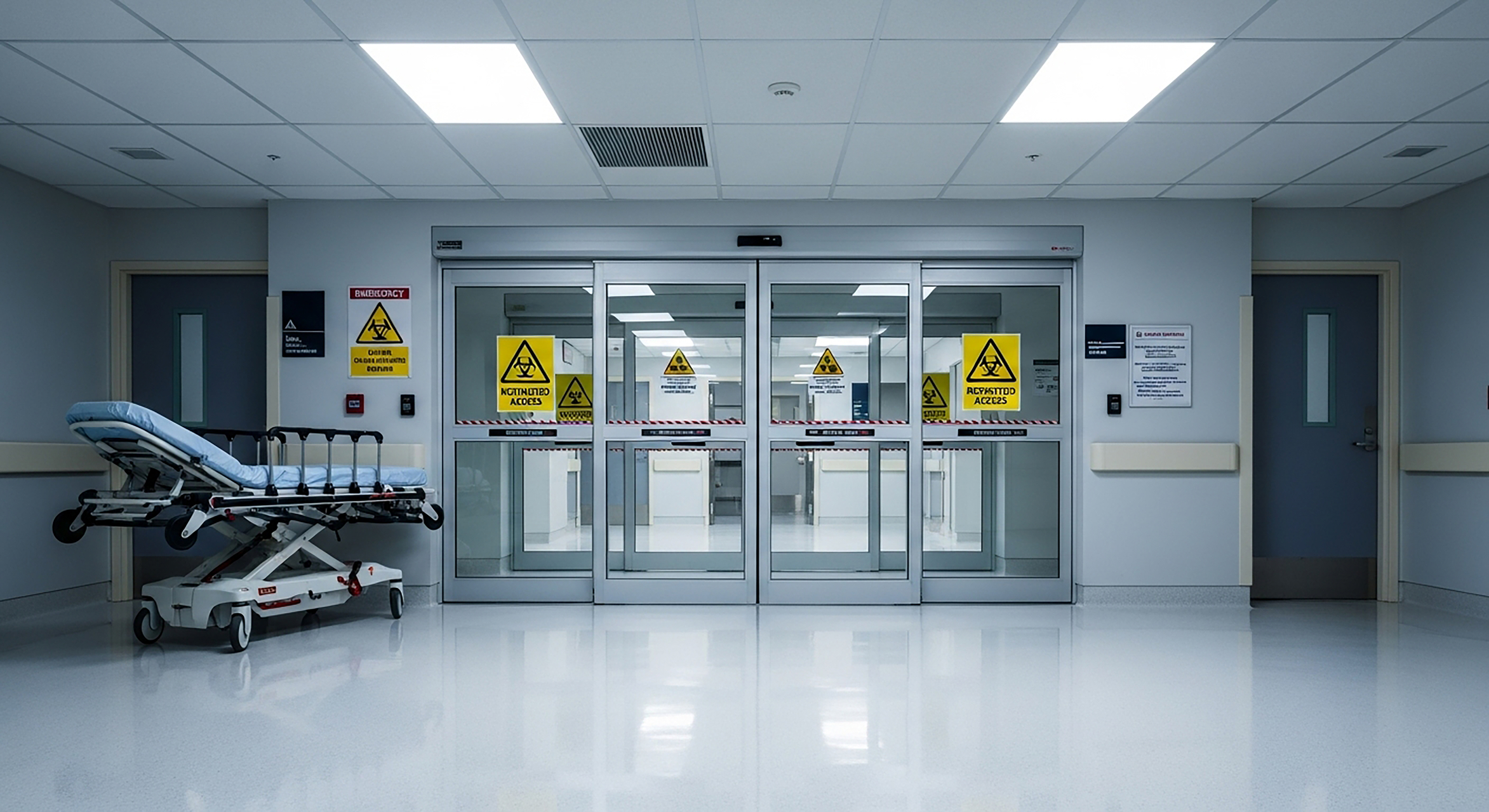
Hospitals are environments where clarity is not just convenient but essential. Patients, visitors, and medical staff move through corridors under time pressure, often experiencing stress or uncertainty. In such conditions, every detail that reduces confusion matters. Door signage plays a critical role by identifying rooms clearly and consistently, allowing people to orient themselves without delay.
Hospital door signs are not decorative elements. They are part of the operational system that supports patient flow, staff efficiency, and overall safety. When identification is clear, fewer questions are asked, wrong turns are avoided, and movement becomes more predictable throughout the facility.
A reliable hospital door sign is designed to meet these demands by focusing on readability, durability, and strict placement logic. Examples of this approach include a hospital door sign — Bsign.
Why door identification matters in healthcare
In hospitals, rooms often look similar, while their functions differ greatly. Patient rooms, treatment areas, staff-only spaces, and technical rooms must be distinguished instantly. Clear door identification prevents hesitation and reduces the risk of errors.
Functional door signage helps to:
- guide patients and visitors to the correct room without assistance;
- support staff workflows by reducing interruptions;
- maintain privacy and controlled access where required.
When signage works correctly, it supports both medical efficiency and patient comfort.
Placement that matches real movement
Correct placement is crucial in healthcare settings. Door signs must appear exactly where people expect them — typically at eye level, near the door handle or on the adjacent wall. This consistency allows users to recognise information quickly, even when moving fast or under stress.
In larger hospitals, door signs work alongside corridor and floor-level wayfinding to form a structured navigation system. When placement rules remain consistent across departments and floors, orientation becomes easier for first-time visitors and regular staff alike.
Materials selected for medical environments
Hospital signage is exposed to frequent cleaning, constant contact, and long service cycles. To remain legible and stable, production focuses exclusively on wood, stainless steel, and acrylic glass — materials chosen for reliability rather than appearance alone. All signs are designed as wall-mounted or desk-mounted elements, ensuring safe installation without interfering with movement or equipment.
Technical accuracy that improves reliability
Precision manufacturing directly affects how signage performs over time. CNC laser cutting ensures uniform dimensions and clean edges across large hospital systems. Permanent UV printing keeps text and symbols readable despite regular disinfection and cleaning procedures.
Each sign is handcrafted and finished individually, maintaining consistent quality even in extensive medical facilities. For greater accessibility, Braille can be added upon request, allowing room identification to support inclusive navigation without altering the core design.
These technical choices reduce maintenance needs and help signage remain reliable over years of continuous use.
Functional standards looking toward 2026
By 2026, healthcare facilities are expected to provide environments that are easy to understand from the first step inside. Clear door identification is a basic requirement for patient-centred design and efficient operations.
When hospital door signs are readable, durable, and logically placed, they quietly support care delivery. Patients move with less stress, visitors feel more confident, and medical staff can focus on what matters most.
Effective hospital signage does not seek attention. Its value is measured in calm movement, fewer errors, and a healthcare environment that works smoothly every day.
Disclaimer: This article is for general informational purposes only and does not constitute medical, legal, regulatory, or procurement advice. Signage specifications, placement, accessibility features, and compliance requirements may vary between healthcare facilities, so hospitals should consult the relevant internal teams and applicable standards before selecting or installing door signs.
home » blog » health matters »