
Vein trouble often starts quietly. You may notice that your legs feel heavier than usual, or that swelling persists after a normal day. Sometimes the change is subtle enough to brush off for weeks or months. However, when the same discomfort keeps returning, it usually means you should stop treating it as a minor annoyance and start treating it as a genuine health signal. At that point, getting a proper evaluation becomes more useful than guessing.
That is usually when you begin looking for a vein specialist near Encanto Village. The point is not just to find a clinic nearby. It is to find someone who can explain what your symptoms mean, whether they point to varicose veins, spider veins, or chronic venous insufficiency, and what treatment approach fits your situation. Here are 5 signs you should not ignore; if you experience any of these, it is better to visit a vein specialist to understand treatment options.
Signs To See a Vein Doctor
Below are some top signs that it is time to visit a vein doctor.
1. Heavy Legs
One of the most common signs is that your legs start feeling tired, heavy, or achy earlier in the day than they should. Leg heaviness can show up after standing for a while, sitting for too long, or simply moving through a normal routine. When your legs feel harder to carry than they used to, that is worth paying attention to. A vein specialist can help you understand whether that feeling is linked to poor circulation in the leg veins.
2. Swelling
Swelling is another sign that should not be ignored, especially if it keeps coming back in the same pattern. You may notice that your lower legs feel tighter by the end of the day, or that the swelling becomes more obvious after long periods of standing or travelling. Chronic venous insufficiency can affect how blood flows through the legs, which is why recurring swelling warrants a closer look rather than a wait-and-see approach.
3. Visible Veins
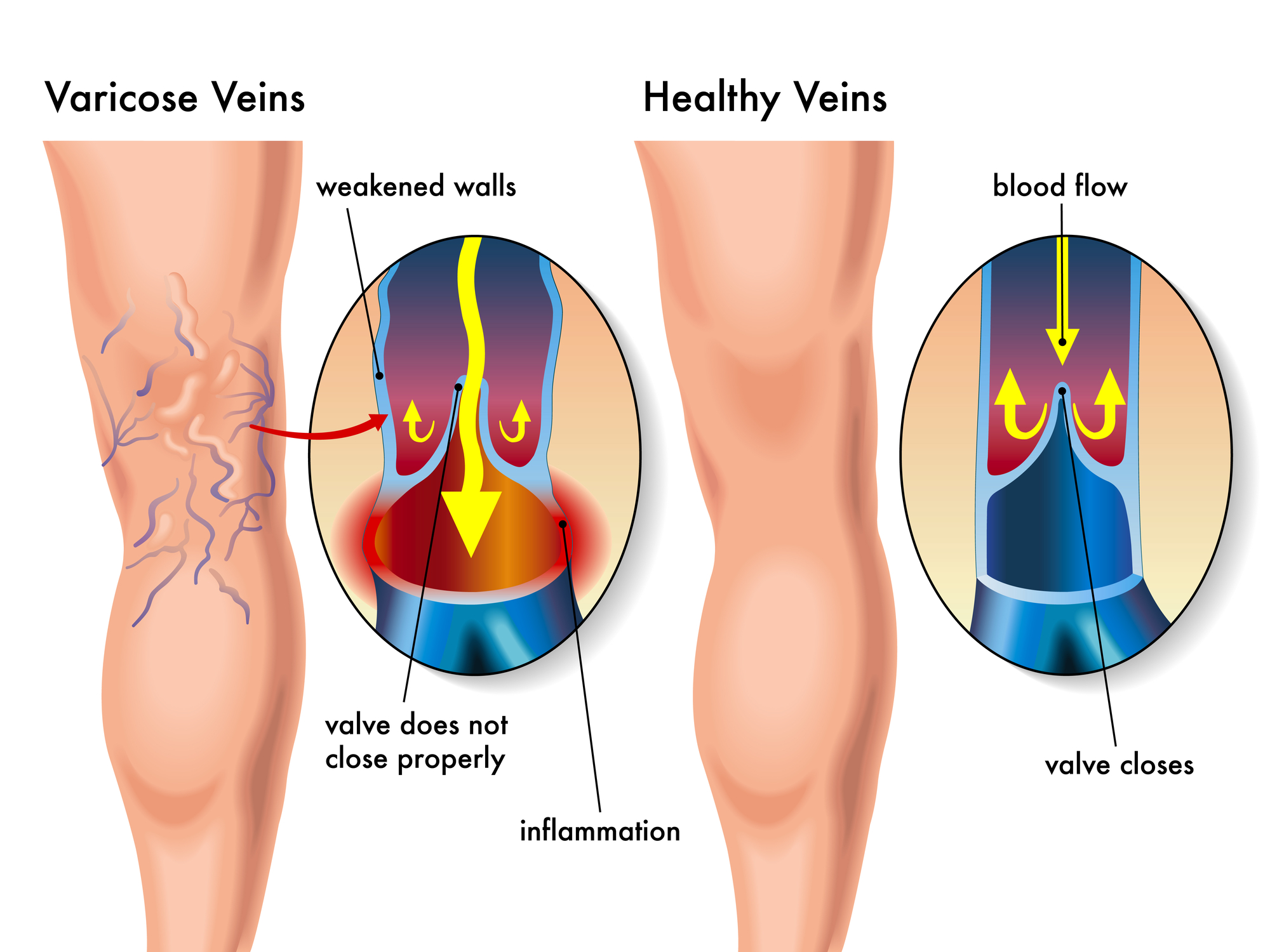
Visible varicose or spider veins are often the first thing people notice, but they are not always just a cosmetic issue. Varicose and spider veins are visible symptoms of vein disease, and that matters because the surface change can be a clue to something deeper happening in the legs. If you are seeing new veins, larger veins, or veins that seem more raised over time, that is a good reason to ask a specialist for a closer look.
4. Cramping and Tingling
Cramping, itching, tingling, and restless legs are easy to dismiss at first because they can come and go. Still, when those sensations recur, they often indicate a vein issue that needs attention. Many centres list cramping legs, itching and tingling, restless legs, leg swelling, and aching or heavy legs among the symptoms treated with options such as endovenous laser ablation and radiofrequency ablation. If those sensations sound familiar, you should not wait for them to become part of your normal routine.
5. Standing Pain
You may also need to take action if your legs hurt more after standing for a while. That pattern is easy to overlook because it can feel like simple fatigue, but persistent pain while standing can be a clue that the veins are not efficiently moving blood. This is exactly the kind of symptom a vein doctor should help you sort out. The goal is to understand whether the problem is cosmetic, circulation-related, or part of chronic venous insufficiency.
When To Act
If the same symptoms keep recurring, the safest move is to get them checked rather than assuming they will subside on their own. A vein specialist can also help rule out deeper concerns when symptoms warrant it, including DVT. That distinction matters because the point of a good evaluation is not just treatment; it is making sure you understand what is actually causing the problem in your legs.
Conclusion
You do not need to wait for a major problem before taking vein symptoms seriously. If your legs feel heavy, swell often, ache when standing, or show more visible veins than before, those are all signs that deserve attention. A focused vein specialist can help you understand what is happening and guide you toward the treatment that is right for you. The earlier you get clarity, the easier it is to make a good decision about your leg health.
Disclaimer: This article is for general informational purposes only and does not constitute medical advice, diagnosis, or treatment. It is not intended to replace consultation with a qualified healthcare professional or vein specialist. Symptoms such as leg swelling, pain, cramping, visible veins, or tingling may have different causes, some of which may require urgent medical attention. Always seek professional medical advice regarding any symptoms or concerns about your health. If you experience severe pain, sudden swelling, skin changes, chest pain, or shortness of breath, seek immediate medical care.
home » blog » health and wellbeing »