

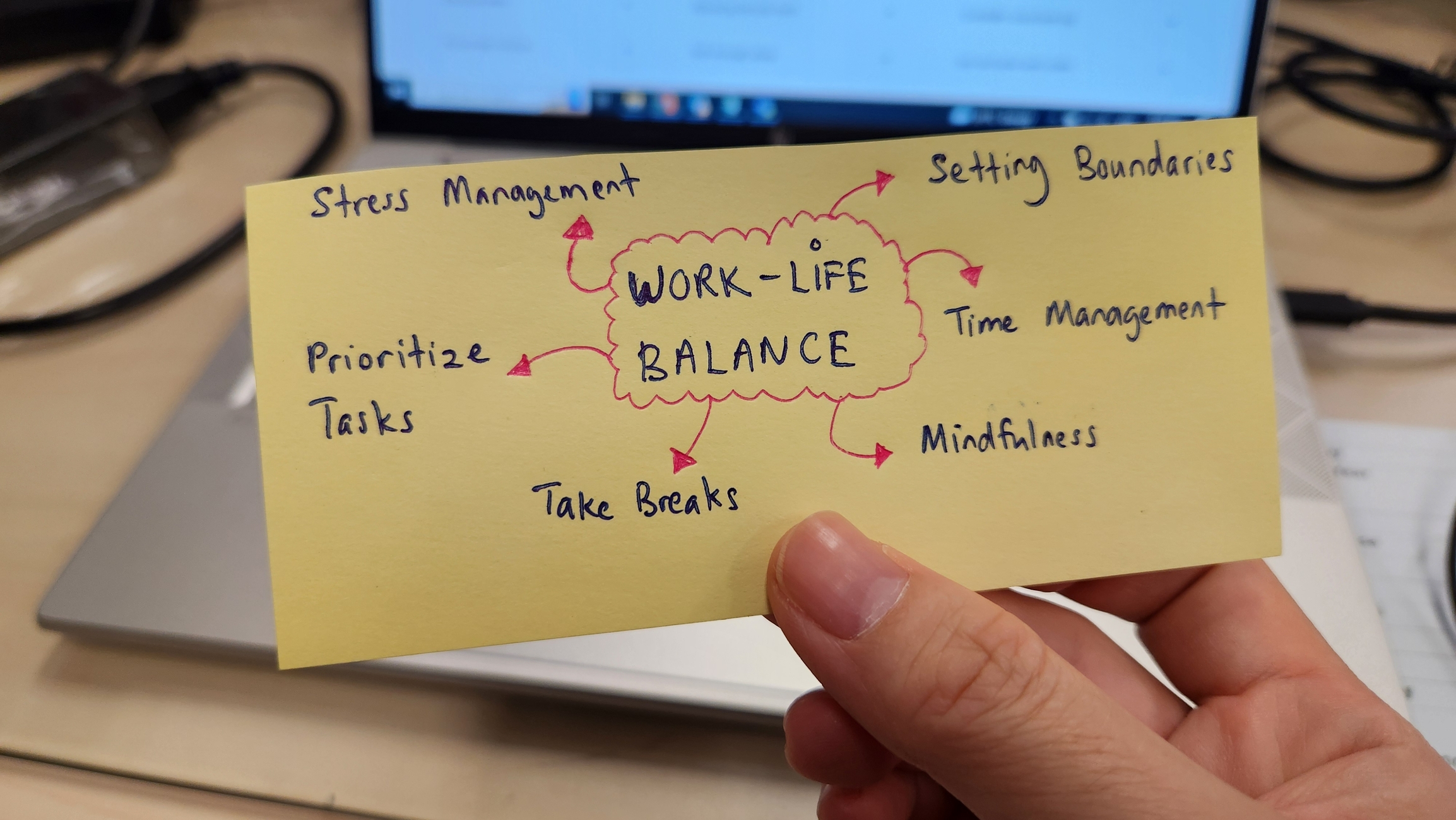
Staring at the same email for twenty minutes without progress is a sign of mental fatigue. We often fall into the “just one more task” trap, believing that productivity is a straight line in which more hours always equal more results. However, the human brain isn’t a machine; it functions like a battery. If you constantly draw power without recharging, your performance inevitably drops. Real productivity isn’t about the time spent at your desk, but the quality of energy you bring. To stay sharp and creative, you must embrace the intentional break as a vital tool for success.
The Trap of “Just One More Task”
The urge to keep pushing through exhaustion stems from a culture that values “hustle” over health. We often feel guilty when we aren’t being productive, leading us to skip meals, ignore thirst, and stay glued to our screens.
However, research proves that after a certain point, performance drops sharply due to the law of diminishing returns. An hour of work completed while you are exhausted might take three times longer than the same task finished when you are well-rested. Ignoring your body’s signals doesn’t help you get more done; it simply leads to more mistakes and slower problem-solving.
Recognising your brain’s limits is the first step toward working smarter. By stepping away early, you ensure your working hours remain high-quality and efficient.
Why Your Brain Needs to “Go Offline”
To function at its peak, your mind needs regular intervals to “go offline.” Constant focus quickly drains your brain’s supply of glucose and mental energy. Taking a quick break acts as a “refresh” button, allowing the prefrontal cortex—the area responsible for logical thinking—to recover and return to tasks with renewed clarity.
Stepping away also lets your subconscious mind take over, which is why your best “aha!” moments often happen while doing dishes or walking. In these moments, the brain is free to make creative connections that were blocked during hyper-focus.
If you are seeking structured ways to build resilience, reading a SuperBetter review can show how gamifying personal growth helps you find balance. These tools prove that rest and play are essential for long-term success.
Small Breaks, Big Results
You don’t need to take a two-hour nap to see the benefits of rest. In fact, “micro-breaks”—short pauses that last between five and ten minutes—can be incredibly effective. A tiny pause can save you hours of frustration later because it prevents your focus from drifting. It keeps you engaged with your work rather than just going through the motions.
The type of break you take matters too. While scrolling through social media might feel like a break, it is actually just another form of “input” for your brain to process. Instead, try moving your body. A quick stretch or a change of scenery wakes up your mind and gets your blood flowing. Even just looking out a window at a tree for a few minutes can lower your heart rate and reset your nervous system.
Staying Calm When the Pressure Is On
Rest isn’t just about finishing tasks; it’s about how you feel while you’re doing them. When we are overworked, we lose our “emotional cushion.” We become snappy with coworkers, overwhelmed by small setbacks, and unable to think clearly under pressure. Regular rest keeps you from hitting that point of “emotional fraying.”
By stepping away, you gain a fresh set of eyes. This perspective shift is vital for problem-solving. When you are “too close” to a project, you might miss obvious errors or lose track of the big picture. A quick break allows you to return to your work and see opportunities or mistakes that were invisible to you just ten minutes earlier.
It’s Not Being Lazy—It’s Being Smart
One of the biggest hurdles to resting is the “laziness” stigma. We have been conditioned to feel that if we aren’t busy, we aren’t valuable. We need to reframe rest as a vital part of the work itself. Taking a walk or setting aside time for a hobby isn’t a distraction from your “real” work; it is the fuel that makes your work possible.
This also means setting boundaries. “Switching off” your phone at night or during the weekend is essential for mental clarity. If your brain is always half-thinking about an incoming email, it never truly enters a state of deep recovery. Learning that protecting your peace is a smart business move will change the way you look at your schedule.
How to Build a “Rest Routine”
The best way to ensure you actually take breaks is to schedule them. You might try working in 90-minute blocks, followed by a ten-minute rest, to match your body’s natural energy cycles. Finding what works for you is key. Some people need a quiet minute of meditation, while others need a quick chat with a friend to feel recharged.
Listen to your body. If you find yourself re-reading the same sentence or feeling a headache coming on, don’t ignore it. That is your brain’s way of saying it’s out of fuel. Take the break now so you can finish strong later.
Working Better, Not Harder
Success isn’t about how many hours you sit at your desk; it’s about how clear your mind is while you’re there. A rested brain is a creative, sharp, and resilient brain. By making rest a non-negotiable part of your day, you aren’t just doing less; you are preparing yourself to do more.
Take a break today. Step outside, breathe deeply, and let your mind go quiet for a few minutes. Your future self will be more productive, more relaxed, and much more successful because of it. You’ll find that when you stop racing, you actually get to the finish line faster.
Disclaimer: This article is for general informational purposes only and is not intended as medical, psychological, or professional advice. Readers should seek guidance from a qualified healthcare or mental health professional for personalised support regarding stress, fatigue, or wellbeing.
home » blog » health and wellbeing »