
Aesthetic practices have traditionally relied on visual assessments, practitioner experience, and photos to guide consultations. While these methods still play an important role, they don’t always make it easy for patients to clearly understand and anticipate what their results might look like.
Recent developments that involve AI body scanning in aesthetic medicine are introducing a more data-driven approach. In this blog, we’ll take a closer look at how these technologies are changing consultations, how they work, and what their limitations are.
Why Traditional Consultations May Not Fully Reflect What Patients Want to Know
While traditional consultations are useful for discussing procedures, they don’t always offer a clear, personalised view of potential results. This matters even more in aesthetic medicine, where patients are trying to understand how small changes will affect their overall look.
In many cases, consultations are based on photos and verbal descriptions of expected results. That approach can be helpful, but it doesn’t always reflect how those results will translate to a specific person. Everyone’s body is different, and even subtle differences can affect the outcome, particularly in procedures such as liposuction.
Because of this, a lot of the process comes down to interpretation. Patients try to imagine how the changes will apply to them, but that picture isn’t always accurate. This uncertainty can make decision-making more difficult and sometimes leads to expectations that don’t line up with reality.
What is AI Digital Imaging in Aesthetic Medicine?
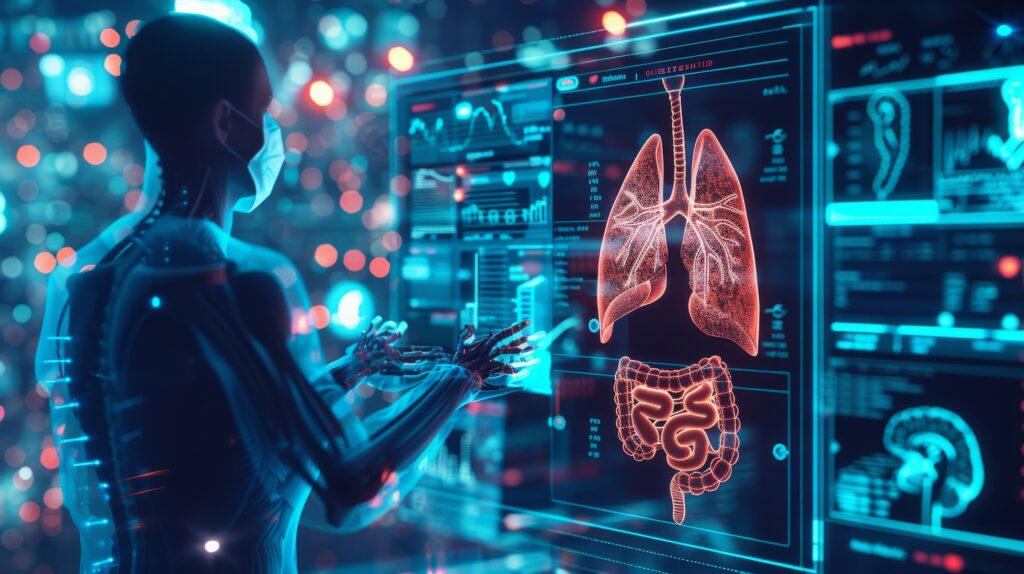
AI digital imaging in aesthetic medicine refers to the use of advanced software and imaging tools to capture and analyse the body in a more detailed and structured way. Instead of relying only on photos or visual assessments, these systems create a more accurate representation of a patient’s shape, proportions, and contours.
In practice, this often involves 3D body scanning combined with artificial intelligence that can process and interpret the captured images. This supports both surgical and non-surgical procedures by offering a clearer way to assess and plan treatments based on individual features.
While it doesn’t replace clinical expertise, it gives both the practitioner and the patient a clearer foundation to work with during consultations and planning.
How AI Body Scanning in Aesthetic Medicine Improves Consultations and Patient Experience
AI body scanning is changing the way consultations are handled in aesthetic medicine. Instead of relying on just one approach, practitioners can draw from a mix of visual and analytical inputs to guide the conversation in a more structured way.
These improvements reflect a broader shift in medical imaging, where newer AI models are being trained to work with limited data while still producing useful visual insights.
This becomes more apparent in how consultations are now carried out, including:
- Patient-Specific Reference Points Replace Generalised Examples: Consultations shift from comparative imagery to individualised visual data, which allows for more precise discussion of anatomical features.
- Subtle Anatomical Differences Become Easier to Address: Smaller variations in contour and proportion can be reviewed directly, rather than described abstractly.
- Discussions Remain Anchored to Observable Detail: The presence of a consistent visual reference reduces reliance on hypothetical explanations and keeps the consultation focused.
- Reduced Need for Iterative Clarification: Clearer visual input minimises repeated explanations and helps streamline communication between practitioner and patient.
- Consistency Across Initial and Follow-Up Consultations: The same reference framework can be used over time, allowing for more continuity in discussions and assessments.
The Technology Behind AI-Powered 3D Body Scanning
At a basic level, AI-powered 3D body scanning combines advanced imaging systems with software that can interpret what it captures.
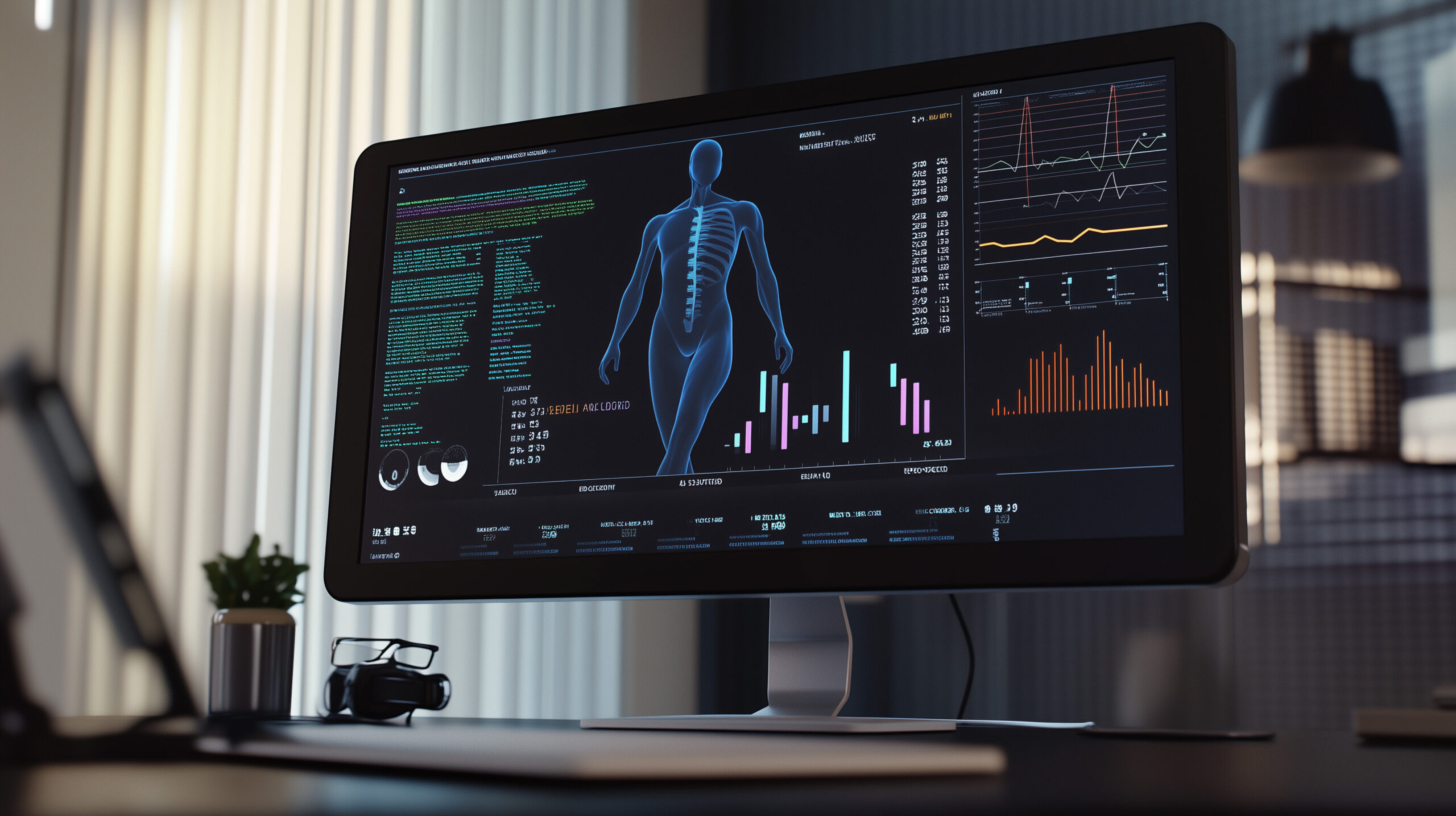
The process usually starts with a series of images taken from different angles, which are then stitched together to create a detailed digital model of the body. This model reflects shape, proportions, and surface contours in a way that standard photos cannot.
From there, artificial intelligence helps analyse the data, identifying patterns and differences that might not be immediately obvious during a visual assessment.
What makes this approach different is how the data is processed and used. Instead of simply displaying an image, the system can measure areas, compare proportions, and provide a more structured way to review the body.
This is why it’s becoming an important part of imaging technology in cosmetic procedures, where small variations can influence both planning and outcomes. While this technology continues to evolve, it offers a more detailed and consistent way to capture information that would otherwise be difficult to assess with traditional methods.
Limitations of AI Imaging Technology in Cosmetic Procedures
As advanced as AI imaging has become, it still has its limits in aesthetic medicine. The technology works with surface-level data and visual inputs, which means it cannot fully account for how the body responds to treatment over time. Factors like healing, tissue behaviour, and individual biological differences are difficult to predict with complete accuracy, even with detailed imaging.
This is especially important when considering the role of AI in surgical planning, where outcomes depend on more than just what can be seen or measured. More limitations to consider include:
Sensitivity to Image Quality and Capture Conditions
The accuracy of the output depends heavily on how the images are captured. Small changes in posture, lighting, or positioning can affect the final model, which means results may vary if conditions are not consistent.
Limited Representation of Underlying Structures
Most systems focus on surface anatomy and do not fully capture what’s happening beneath the skin. This can make it harder to account for deeper tissue changes that may influence the result.
Risk of Over-Interpreting Visual Data
Detailed visuals can create a sense of precision that may not always reflect real-world results. Without careful explanation, patients may assume a level of certainty that the technology cannot fully guarantee.
Final Takeaways
The introduction of AI-powered imaging has added a new layer of structure to aesthetic consultations, particularly in how visual data is captured and interpreted. It provides a more consistent way to review anatomical features and discuss potential changes, while still relying on practitioner expertise to guide final decisions.
As with other forms of imaging technology in medicine, its value lies in how it is applied. When used appropriately, it can support clearer communication and more informed planning. At the same time, its limitations highlight the continued importance of clinical oversight and careful interpretation.
Disclaimer: This article is for informational and educational purposes only and does not constitute medical advice, diagnosis, treatment, or professional guidance. AI-powered 3D body scanning and digital imaging technologies may support aesthetic consultations and surgical planning, but they do not replace clinical judgement, physical examination, or consultation with a qualified healthcare professional. Any visualisations, scans, or simulated outcomes generated by imaging systems are illustrative only and should not be interpreted as guaranteed results. Individual anatomy, healing, treatment response, and procedural outcomes will vary from person to person. Patients should seek advice from a suitably qualified medical practitioner before making any decision about aesthetic or surgical treatment.
home » blog » artificial intelligence »