
Unlocking the Potential: Opportunities of Lower-Field MRI in Modern Medical Imaging
 By
By
Lower-Field MRI provides affordable imaging options, improving diagnostic capabilities in underserved medical communities worldwide.
By
Lower-Field MRI provides affordable imaging options, improving diagnostic capabilities in underserved medical communities worldwide.
 By
By
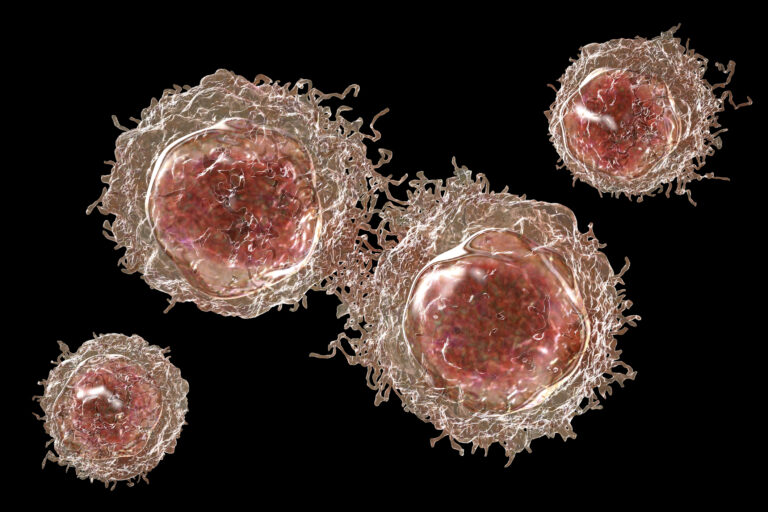
Blastoma tumours require advanced imaging techniques like MRI, CT, PET, and ultrasound for accurate diagnosis and staging.
 By
By
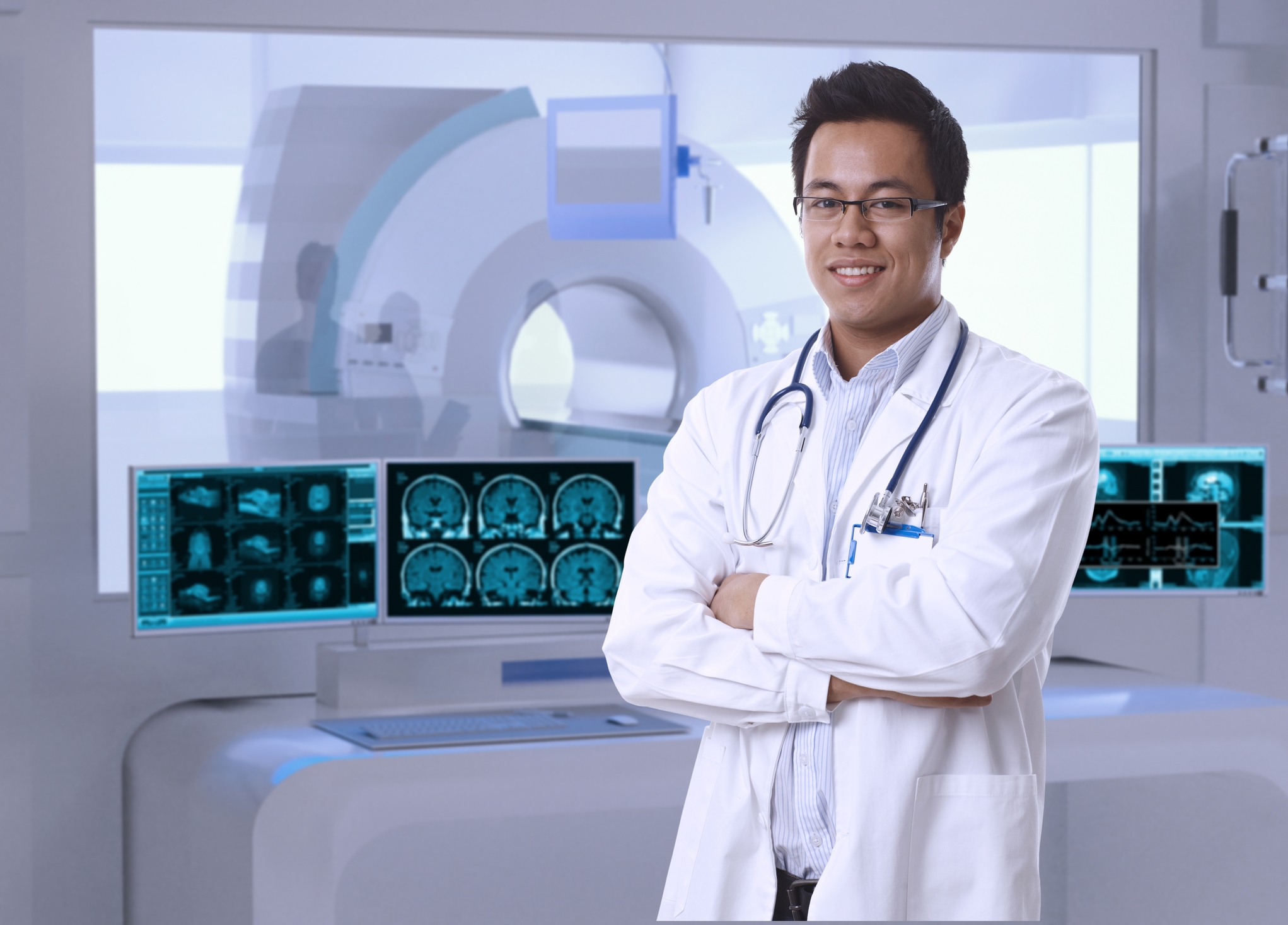
Basics of MRI provide essential knowledge for understanding advanced imaging techniques, revolutionising medical diagnostics and patient care globally. Image for illustration only. Person depicted is a model.
 By
By
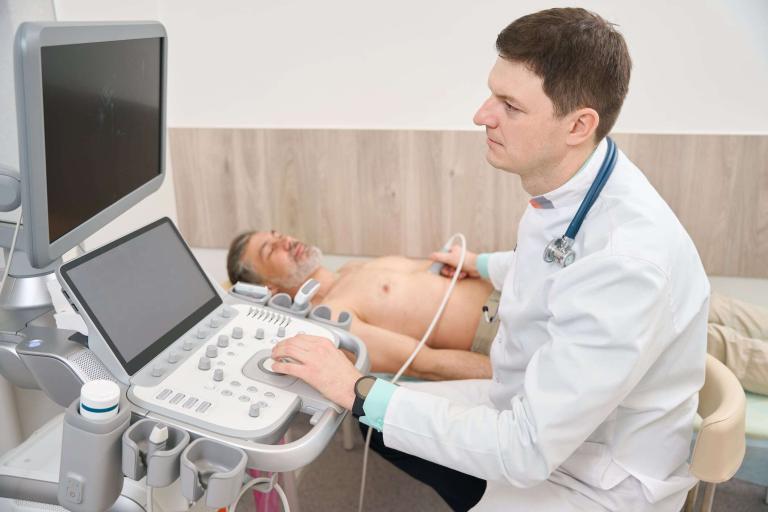
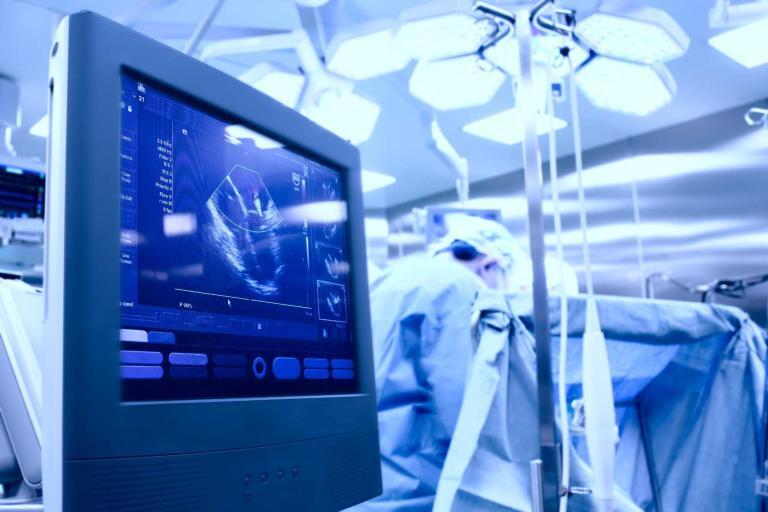
Ultrasound scanning provides a non-invasive way to visualise organs, detect abnormalities, and assess soft tissue health. Image for illustration only. People depicted are models.
 By
By
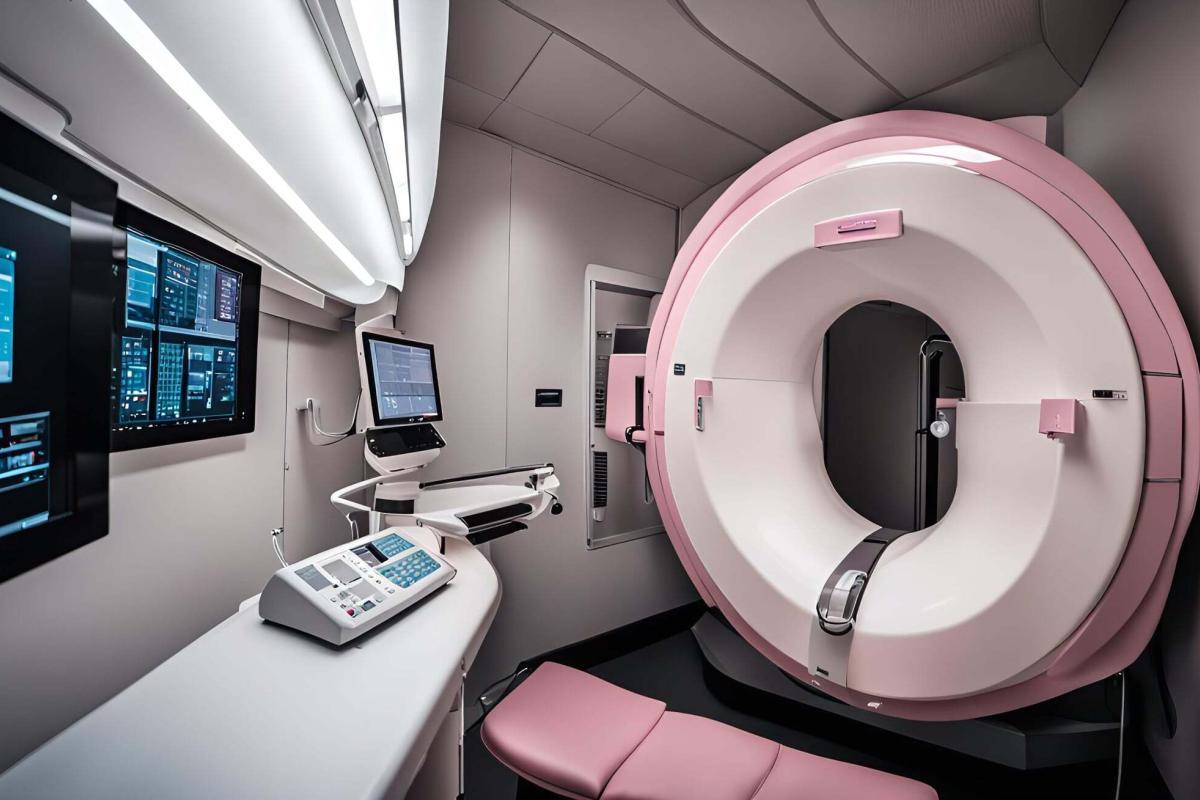
Ultrasound plays a crucial role in cancer detection, offering a non-invasive, accessible, and effective tool for early diagnosis. Image for illustration only. People depicted are models.
 By
By
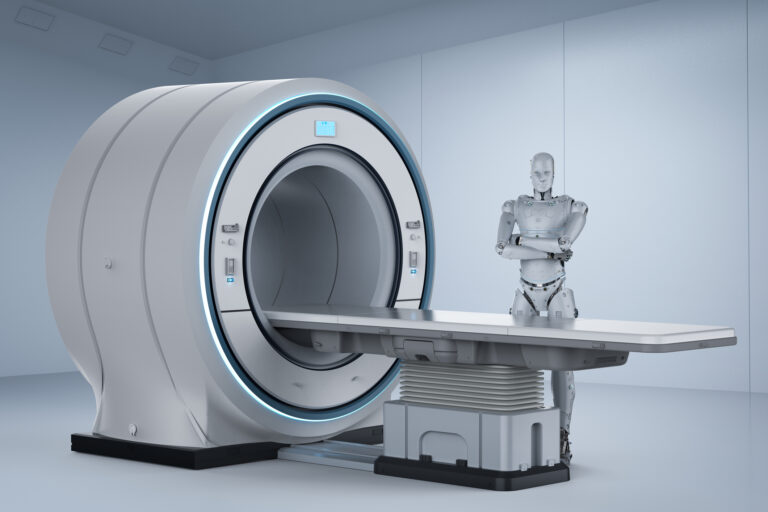
Mobile CT scanners are revolutionising healthcare by providing rapid, accessible diagnostics in remote, emergency, and disaster settings worldwide.
 By
By
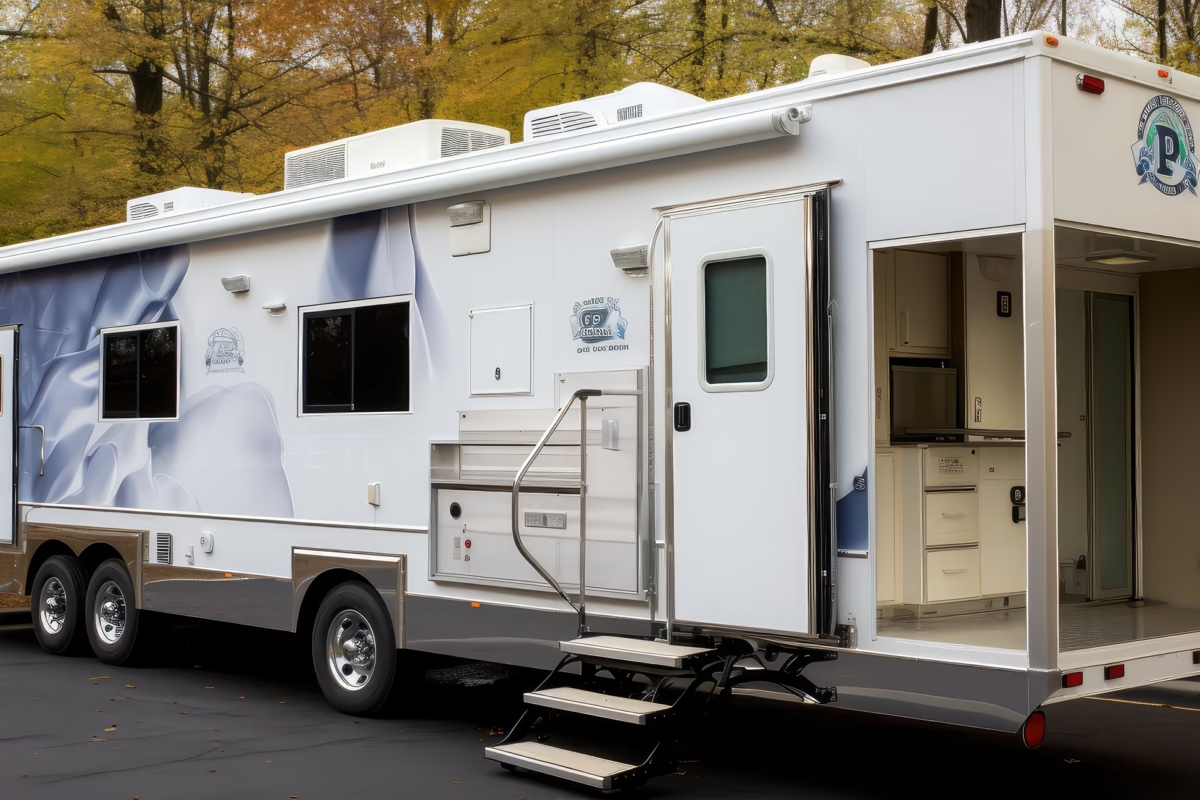
AI in MRI transforms medical imaging by increasing diagnostic accuracy, lowering costs, and broadening patient accessibility significantly.
 By
By
Medical mobile scanners revolutionise healthcare by providing portable, accessible imaging solutions for remote, emergency, and underserved areas.
 By
By
Advances in medical imaging technology have significantly improved diagnostic accuracy, enabling earlier detection and more personalised treatments.
 By
By
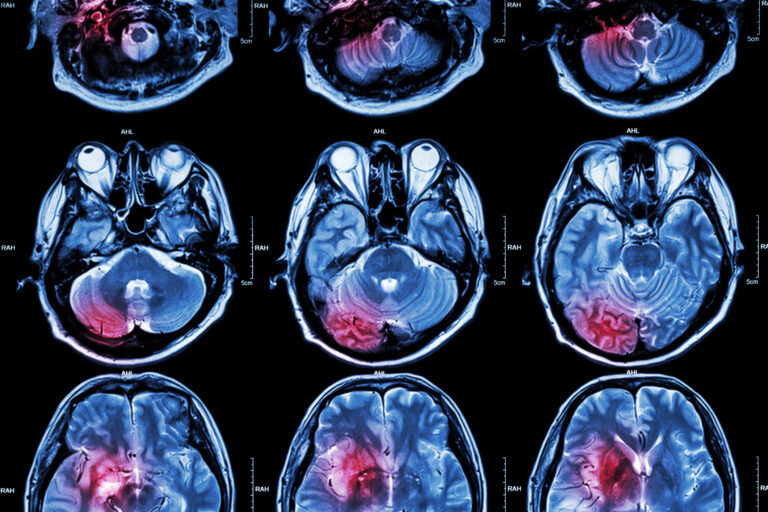
Ultrasound provides non-invasive, real-time imaging, making it an essential diagnostic tool in modern medical practice.
 By
By
Magnetic resonance imaging (MRI) revolutionized medical diagnostics by evolving from nuclear magnetic resonance discoveries to life-saving technology.
 By
By
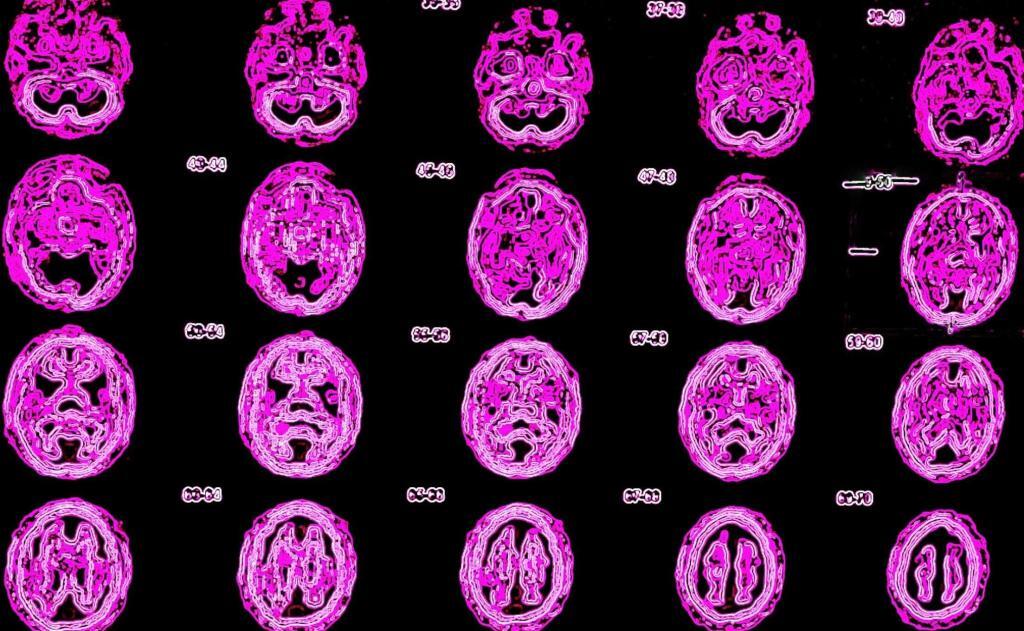
MRI scans provide critical insights into the body’s internal structures, aiding in the diagnosis and treatment of various conditions.
 By
By
Nuclear medicine plays a vital role in modern healthcare by enabling early disease detection, precise diagnoses, and targeted therapeutic treatments.
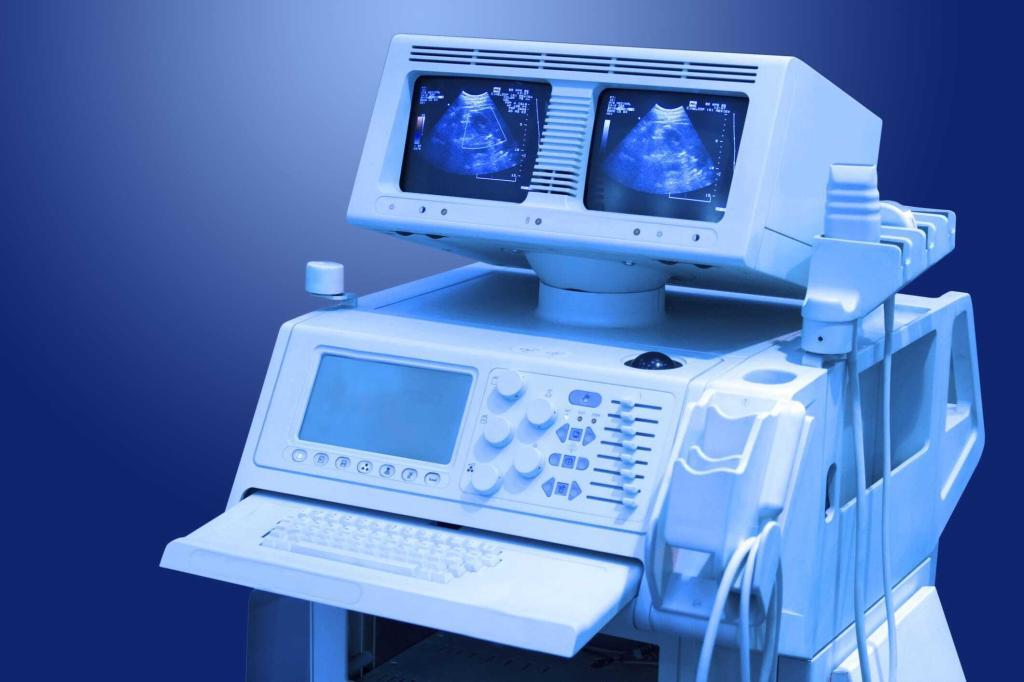 By
By
The transformative power of medical ultrasound lies in its ability to provide real-time, non-invasive imaging, revolutionising diagnosis and patient care worldwide.
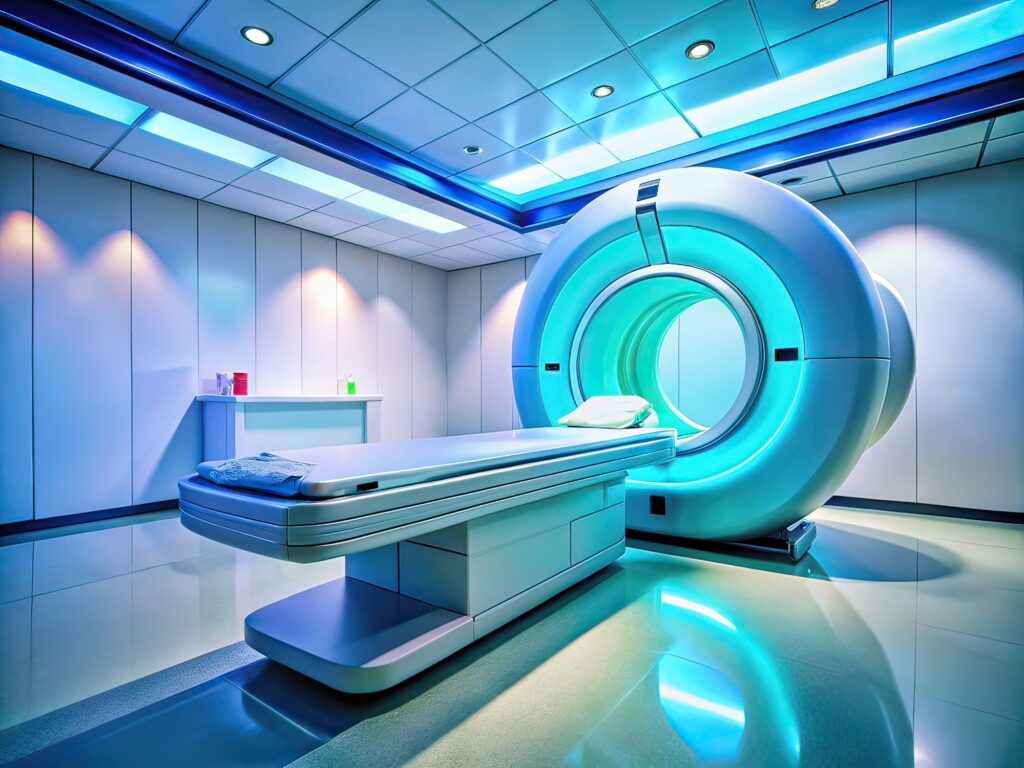 By
By
Hybrid medical scanners integrating PET, CT, MRI, and SPECT provide unparalleled anatomical and functional insights, enabling accurate diagnoses, enhanced treatment, and improved patient outcomes.
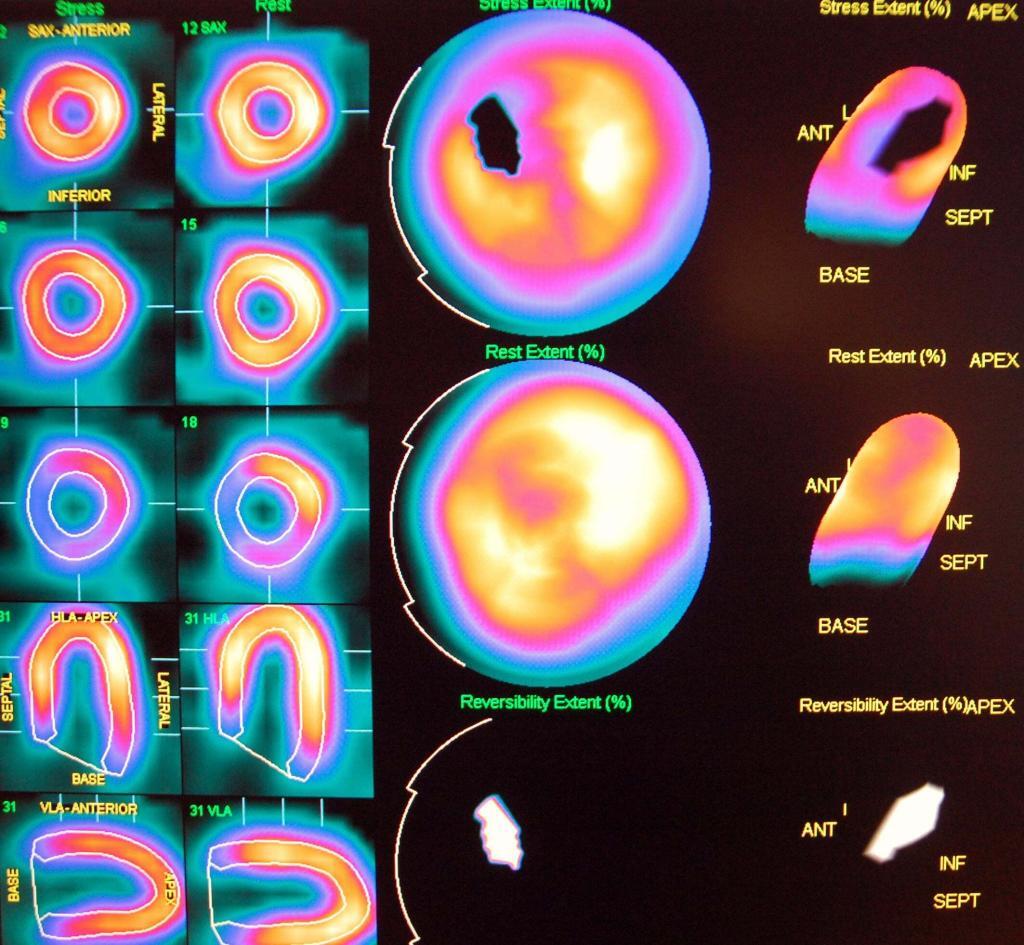 By
By
SPECT imaging combines nuclear medicine with computed tomography to deliver functional insights, revolutionising diagnosis and treatment across cardiology, neurology, and oncology.
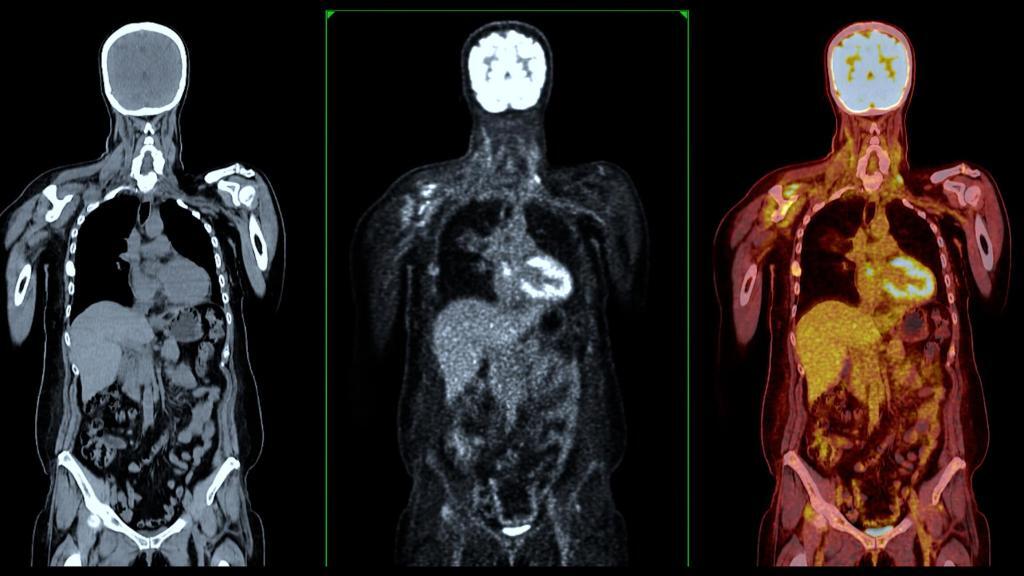 By
By
PET imaging agents play a critical role in modern medicine, enabling precise visualisation and quantification of biological processes for accurate disease diagnosis.
 By
By
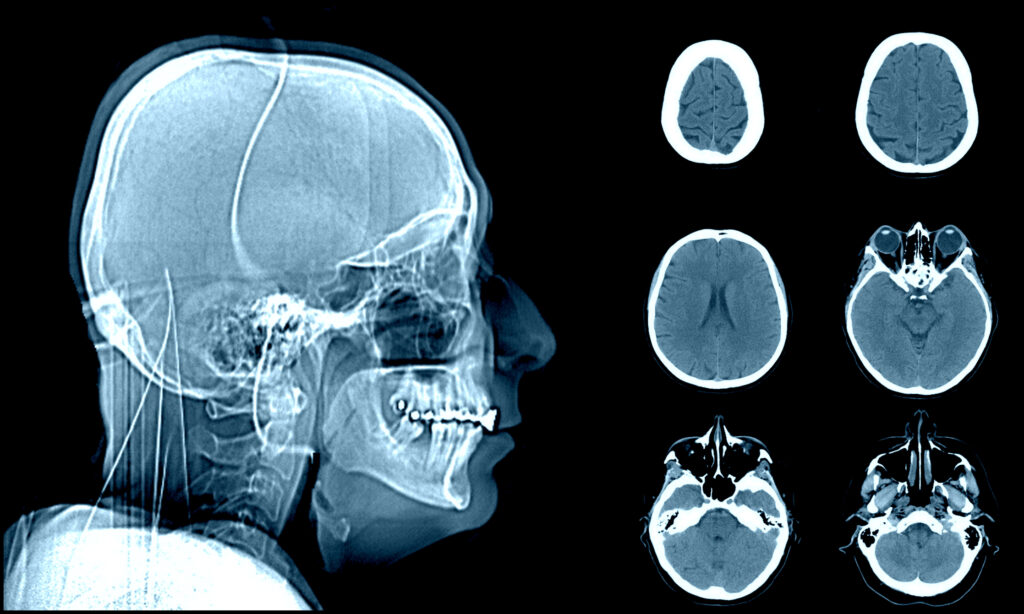
Computed Tomography (CT) scans have revolutionised medical imaging, enabling rapid, non-invasive diagnostics through advancements in resolution, speed, and reduced radiation exposure.
 By
By
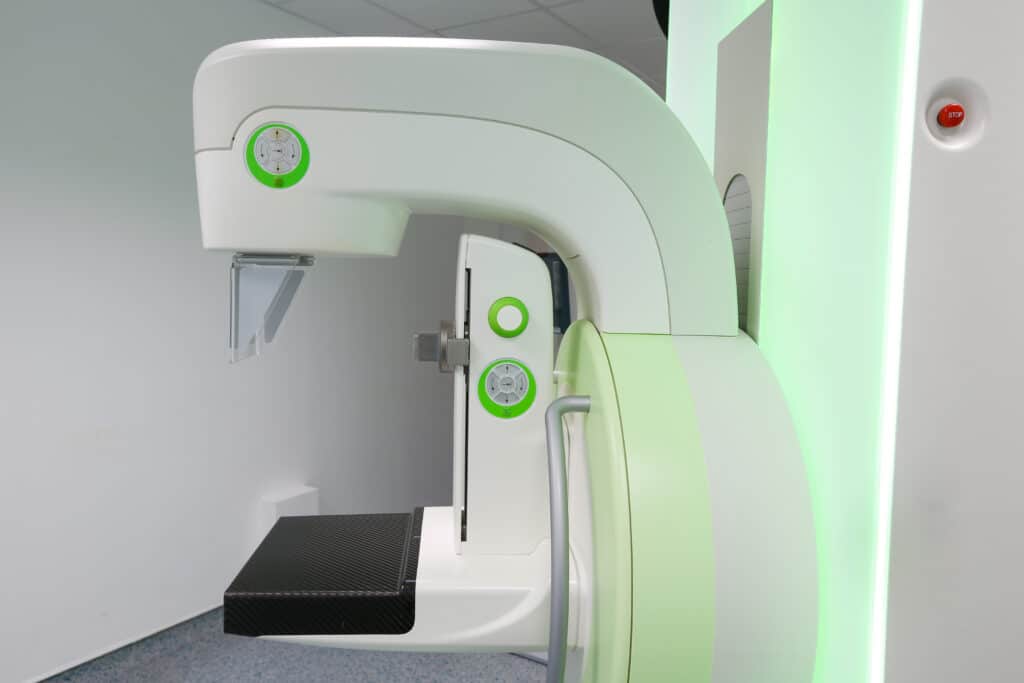
Mammography, using low-dose X-rays, is essential for detecting early-stage breast cancer, improving treatment outcomes, and reducing mortality rates.
 By
By
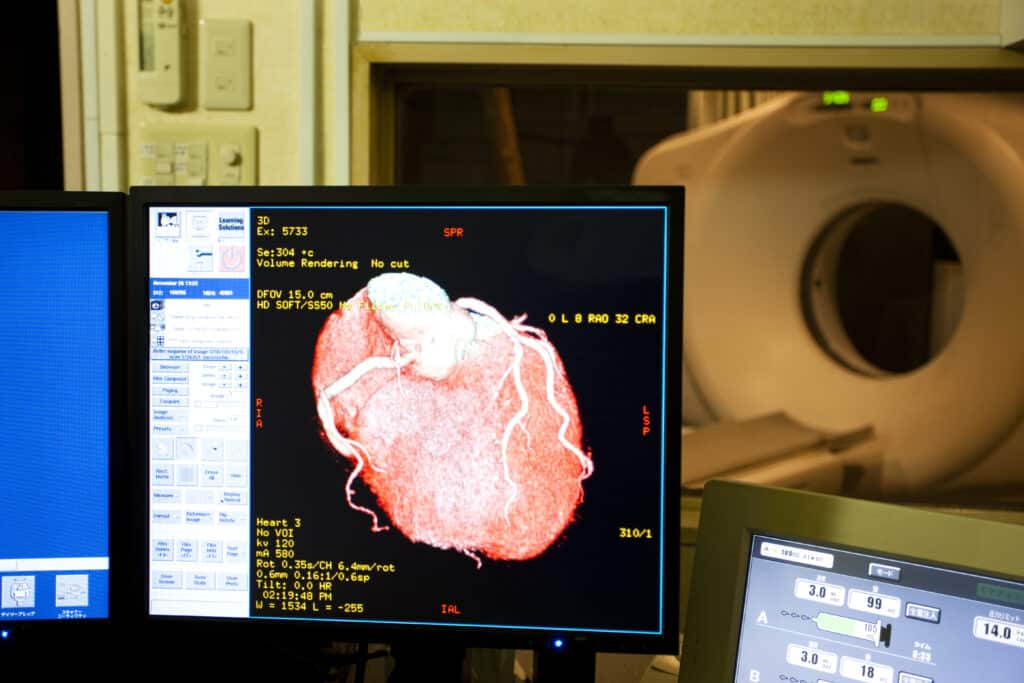
Heart angiography plays a crucial role in diagnosing cardiovascular diseases, identifying blockages, assessing heart function, and guiding treatments like stenting.
 By
By
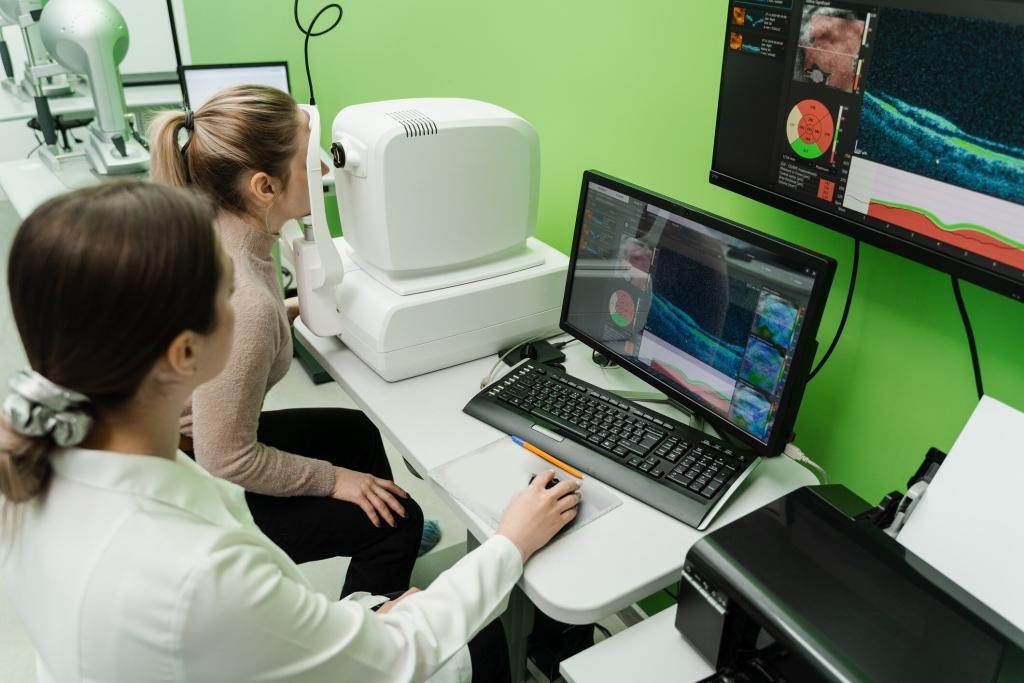
Optical Coherence Tomography revolutionises medical diagnostics by providing high-resolution, non-invasive imaging of tissue microstructures across diverse medical specialities. Image for illustration only. People depicted are models.
 By
By
Photoacoustic imaging combines optical and ultrasound techniques, delivering high-resolution, non-invasive visualisations of biological tissues for enhanced diagnostics.
 By
By
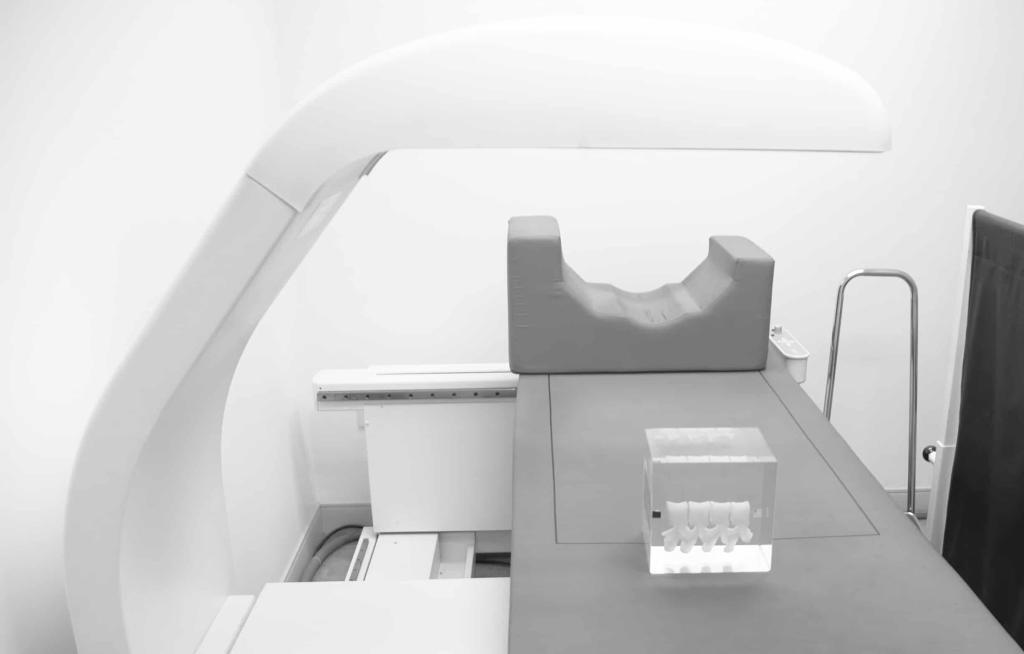
Bone densitometry, specifically DEXA scanning, is essential for diagnosing osteoporosis, assessing fracture risk, and monitoring treatment efficacy in patients.
 By
By
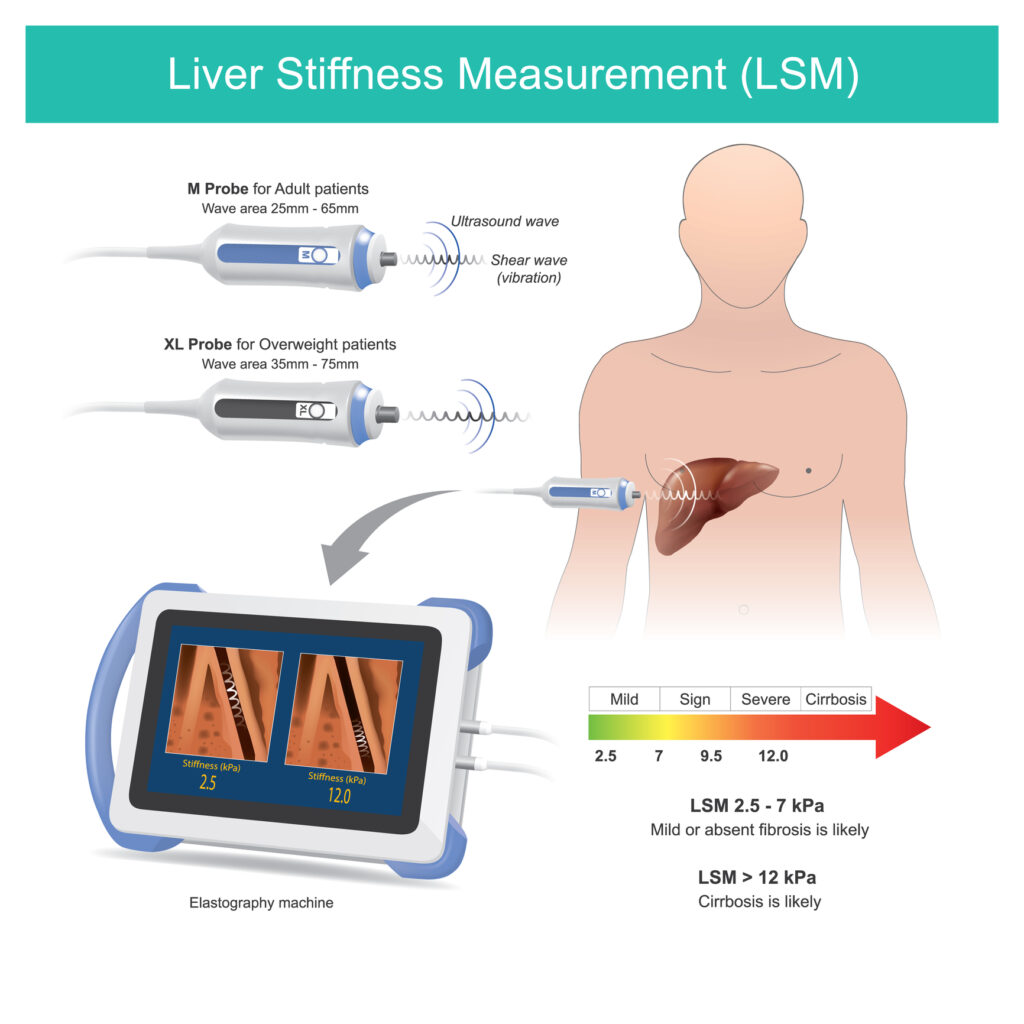
Elastography is a cutting-edge imaging technique that enhances diagnostic precision by assessing tissue stiffness, revolutionising liver disease and cancer detection.
 By
By
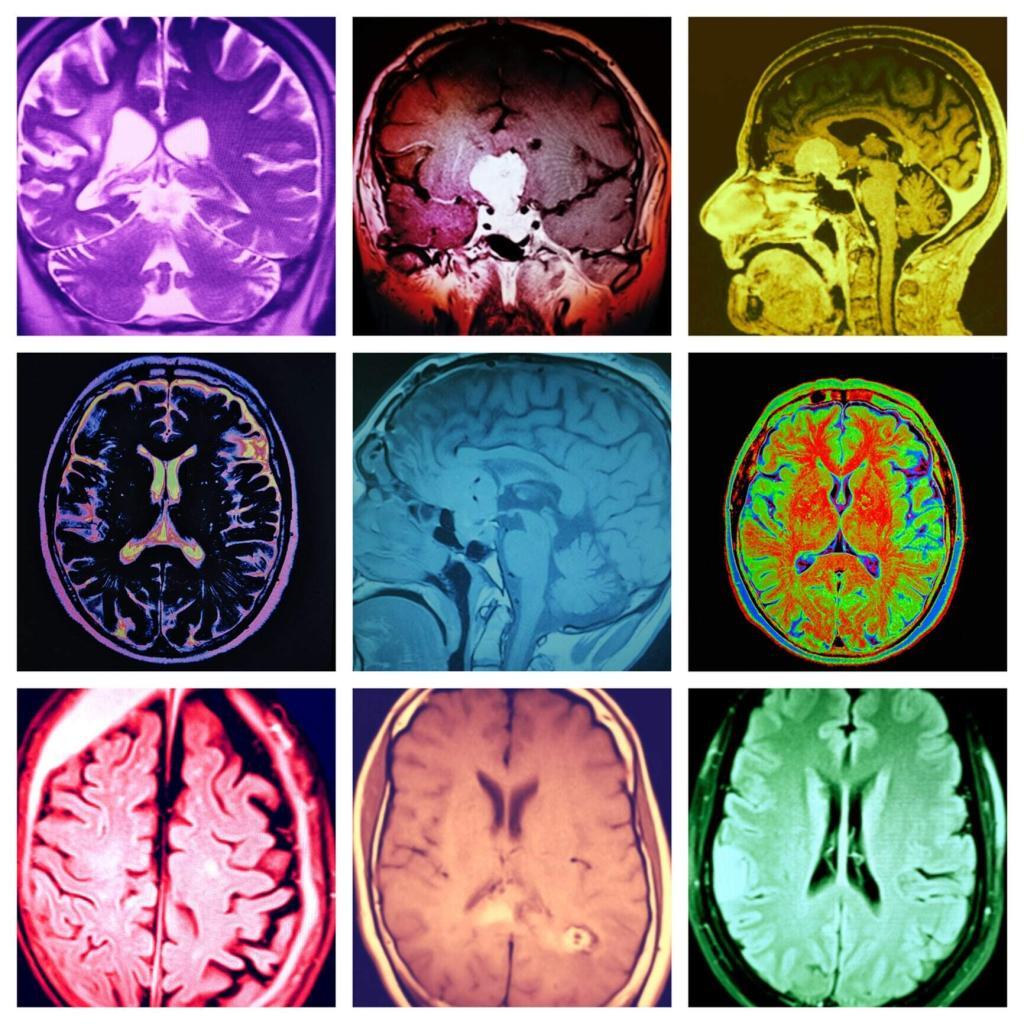
Understanding the different types of MRI involves exploring specialised techniques like fMRI, dMRI, MRS, and CMR, each offering unique diagnostic insights.
 By
By
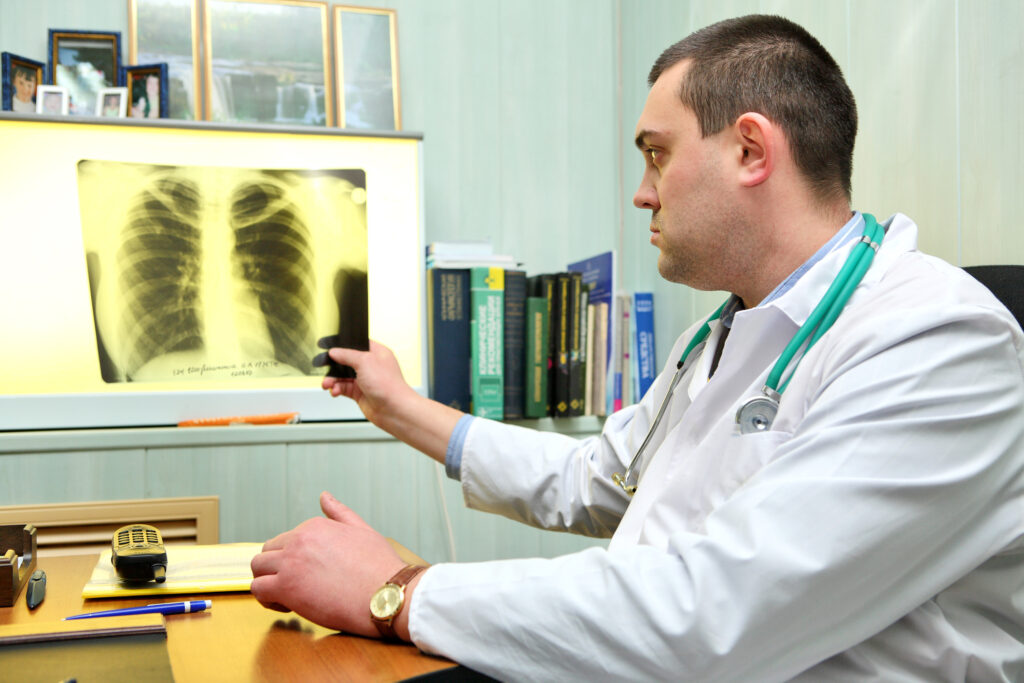
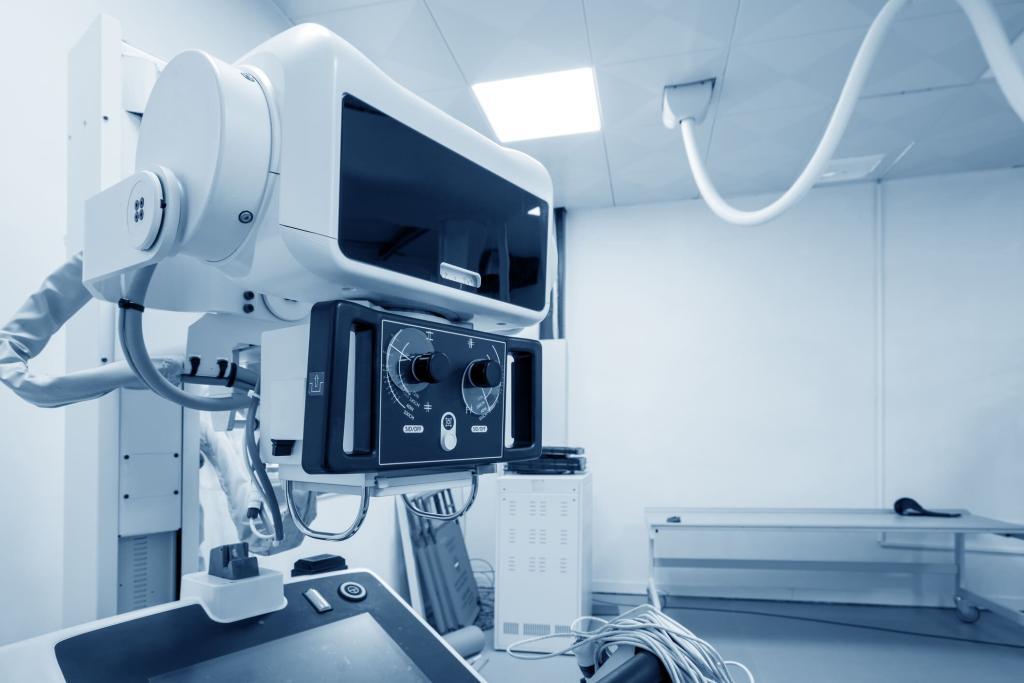
X-ray radiography, discovered by Wilhelm Conrad Roentgen in 1895, has revolutionised medical diagnostics, advancing imaging technology and improving patient care worldwide. Image for illustration only. Person depicted is a model.
 By
By
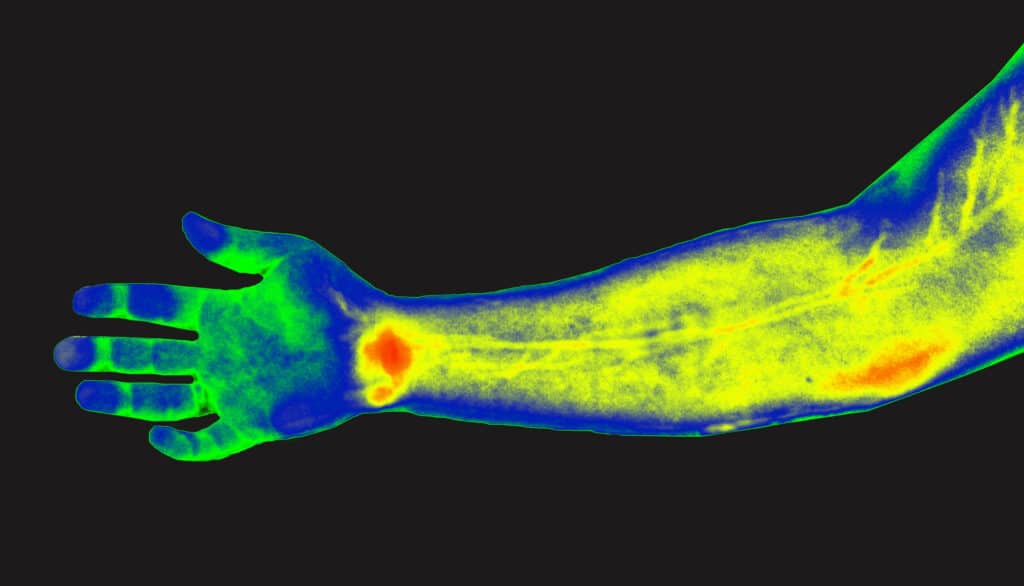
Thermography in medical imaging is a non-invasive tool that identifies temperature variations, aiding in early disease detection and health monitoring.
 By
By
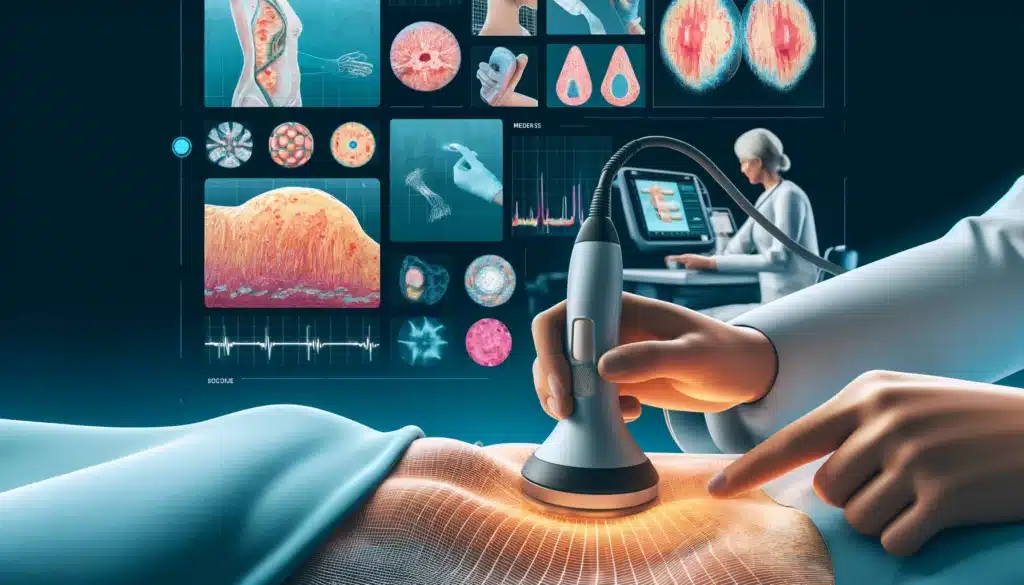
Tactile imaging transforms diagnostics by converting tactile sensations into visual data, enabling precise, non-invasive detection of tissue abnormalities and conditions.
 By
By
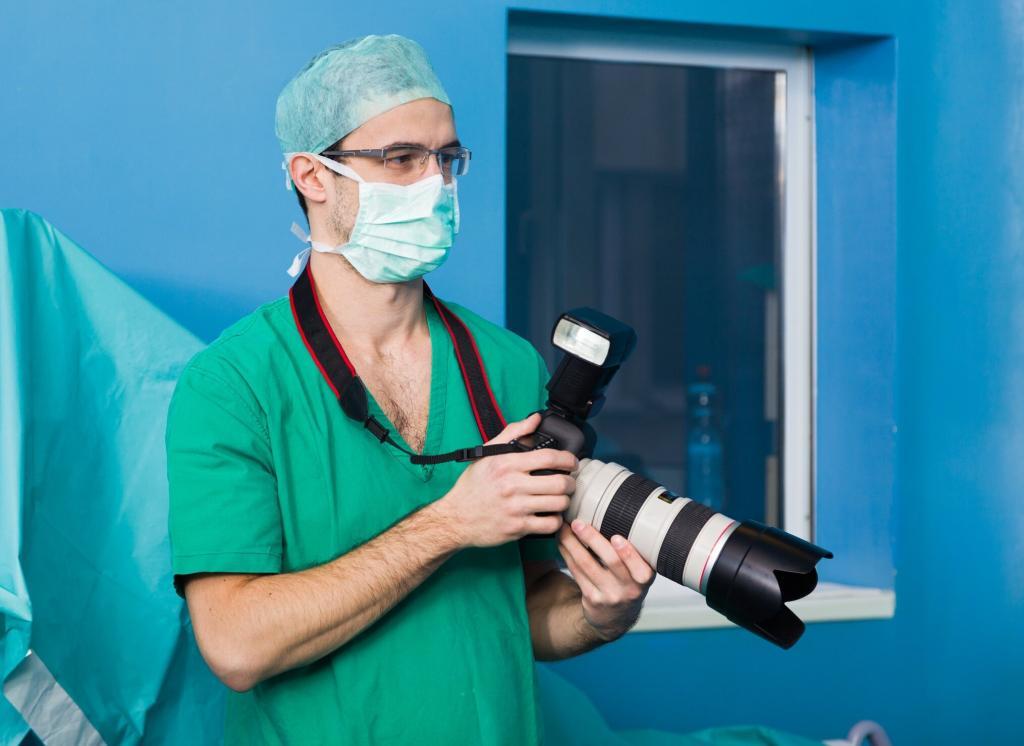
Medical photography plays a pivotal role in modern healthcare by supporting diagnosis, treatment, education, documentation, and enhancing patient care outcomes. Image for illustration only. Person depicted is a model.
 By
By
Fluoroscopy revolutionises modern medicine by enabling real-time X-ray imaging, improving diagnostics, enhancing precision in interventions, and advancing minimally invasive procedures.