Targeted Radionuclide Therapy
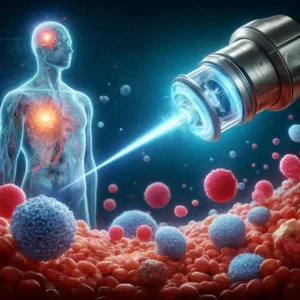
Targeted Radionuclide Therapy (TRT) is an innovative approach to cancer treatment that combines the precision of targeted therapies with the cytotoxic power of radiation. TRT employs radiopharmaceuticals, molecules that selectively bind to tumour cells and deliver radiation directly to the tumour, minimising damage to healthy tissue. As a result, TRT offers improved patient outcomes and fewer side effects compared to conventional cancer treatments. In this article, we will discuss the principles of TRT, its advantages, and potential future developments.
Principles of Targeted Radionuclide Therapy
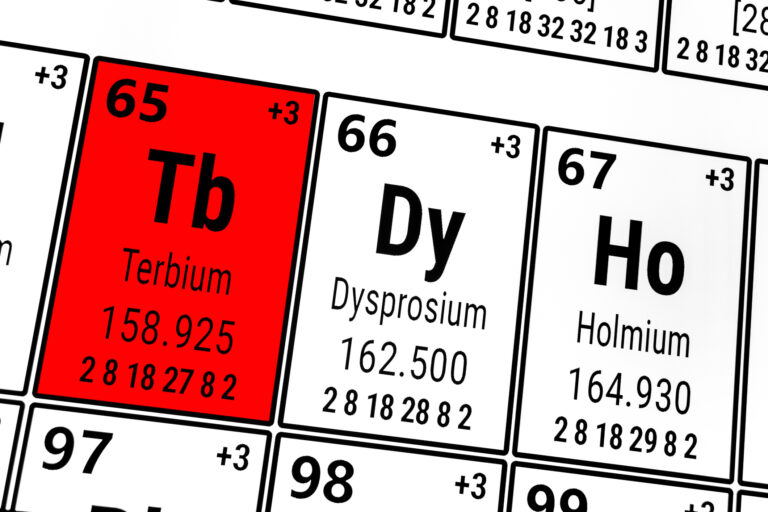
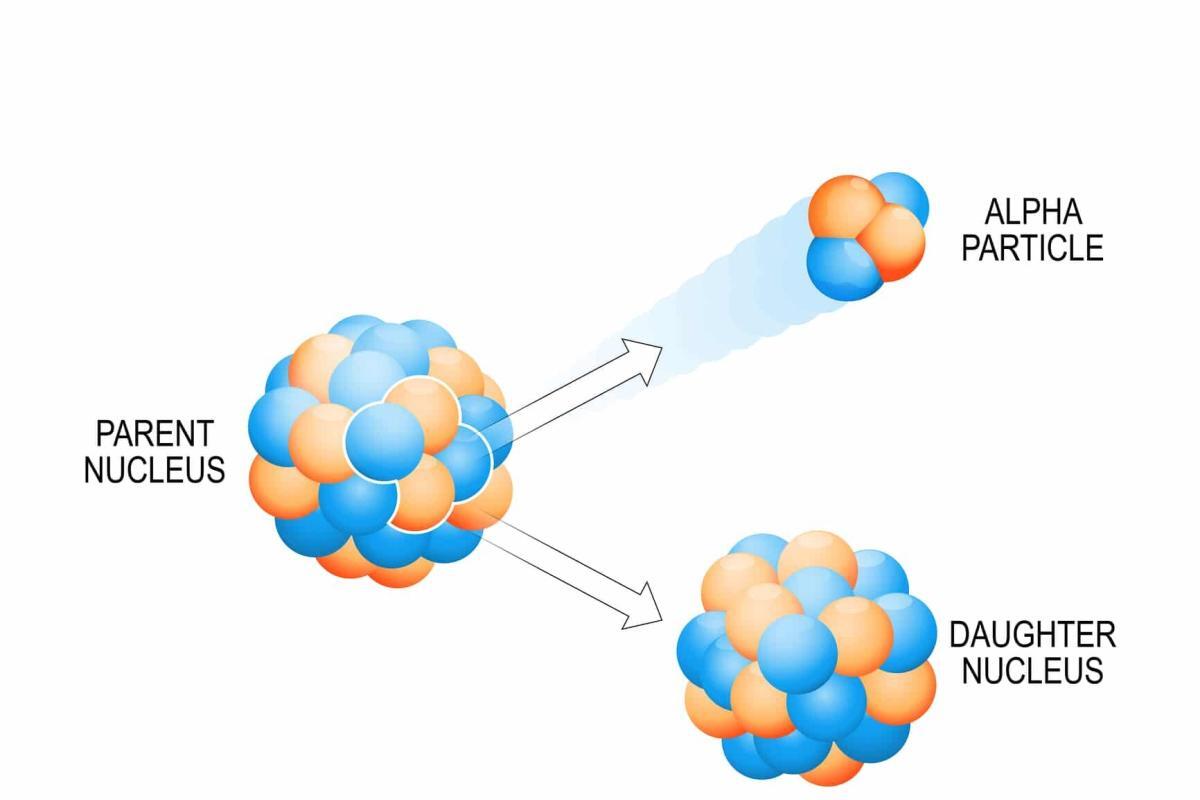
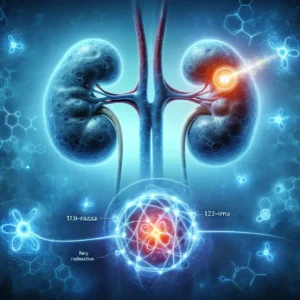
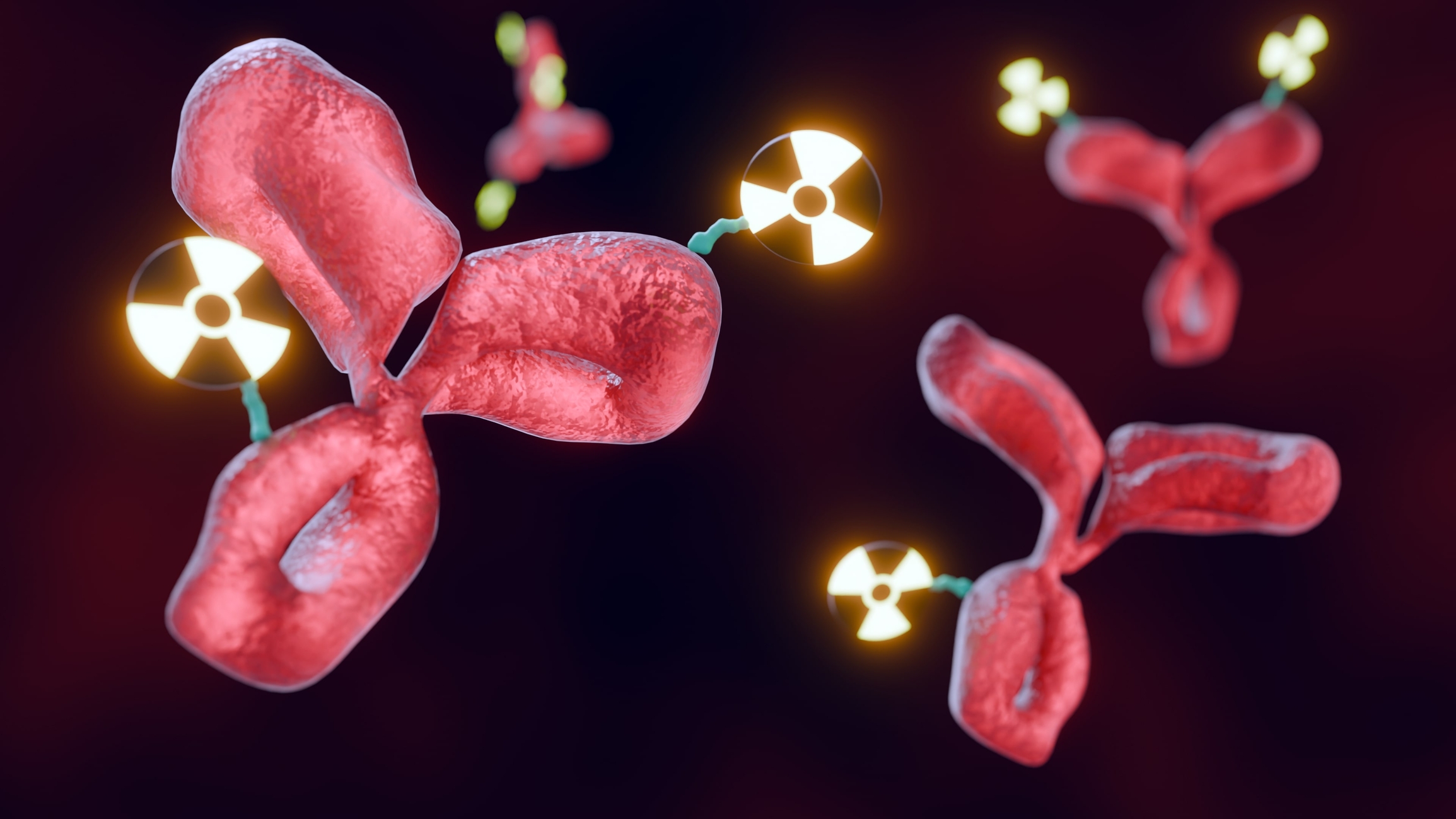
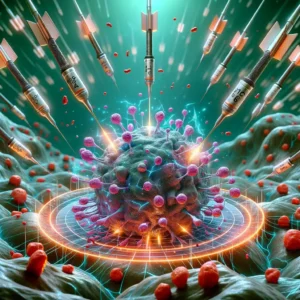
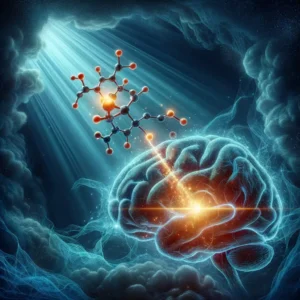
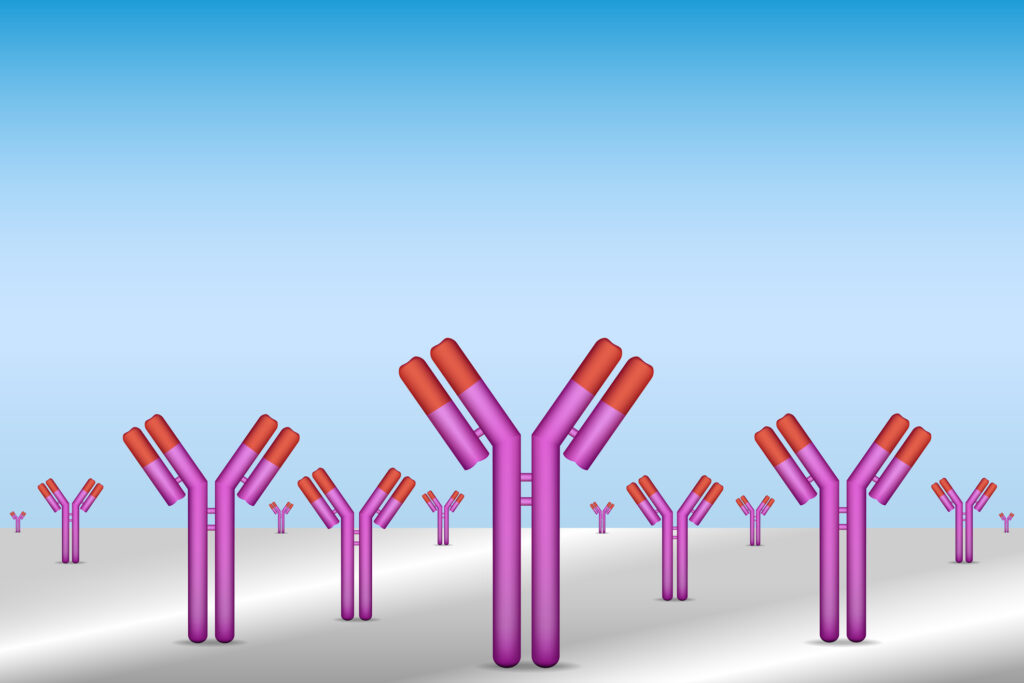
TRT involves using a vector molecule, such as an antibody, peptide, or small molecule, which binds to specific cancer cell receptors or antigens. This vector molecule is conjugated to a radioactive isotope, such as Lutetium-177 (¹⁷⁷Lu), Yttrium-90 (⁹⁰Y), or Radium-223 (²²³Ra), creating a targeted radiopharmaceutical. Once administered, the radiopharmaceutical circulates throughout the body, binding specifically to cancer cells and delivering targeted radiation to the tumour.
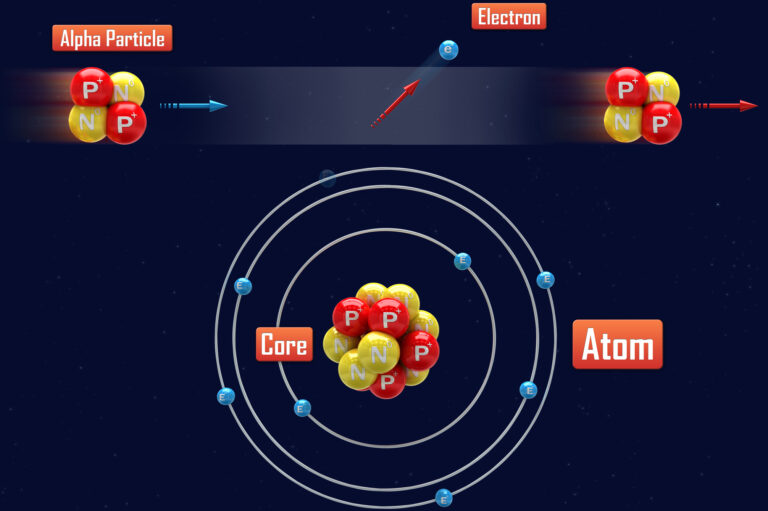
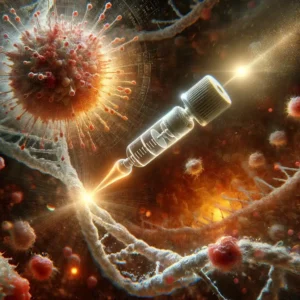
The radiation emitted by the radioactive isotope causes localised ionisation events, resulting in DNA damage, generation of reactive oxygen species, and subsequent cell death. Therefore, the choice of the radioactive isotope depends on the specific properties required for effective treatment, such as the type and energy of radiation emitted, half-life, and chemical compatibility with the vector molecule.
Advantages of Targeted Radionuclide Therapy
There are several advantages of TRT over traditional cancer therapies, such as chemotherapy and external beam radiation therapy:
- TRT allows for the precise delivery of radiation to cancer cells while minimising off-target effects and damage to healthy tissue. This results in fewer side effects and improved patient quality of life during treatment.
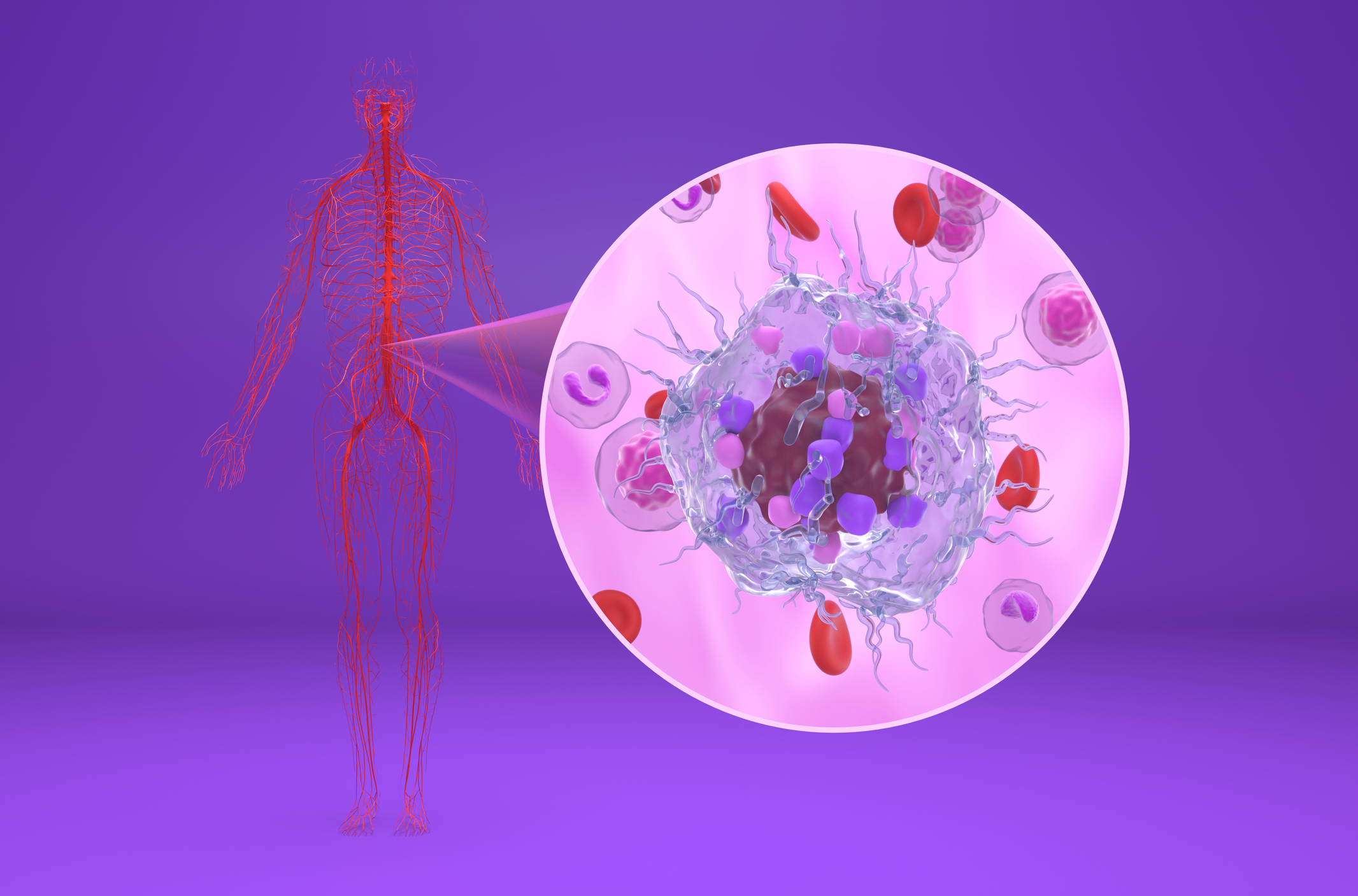
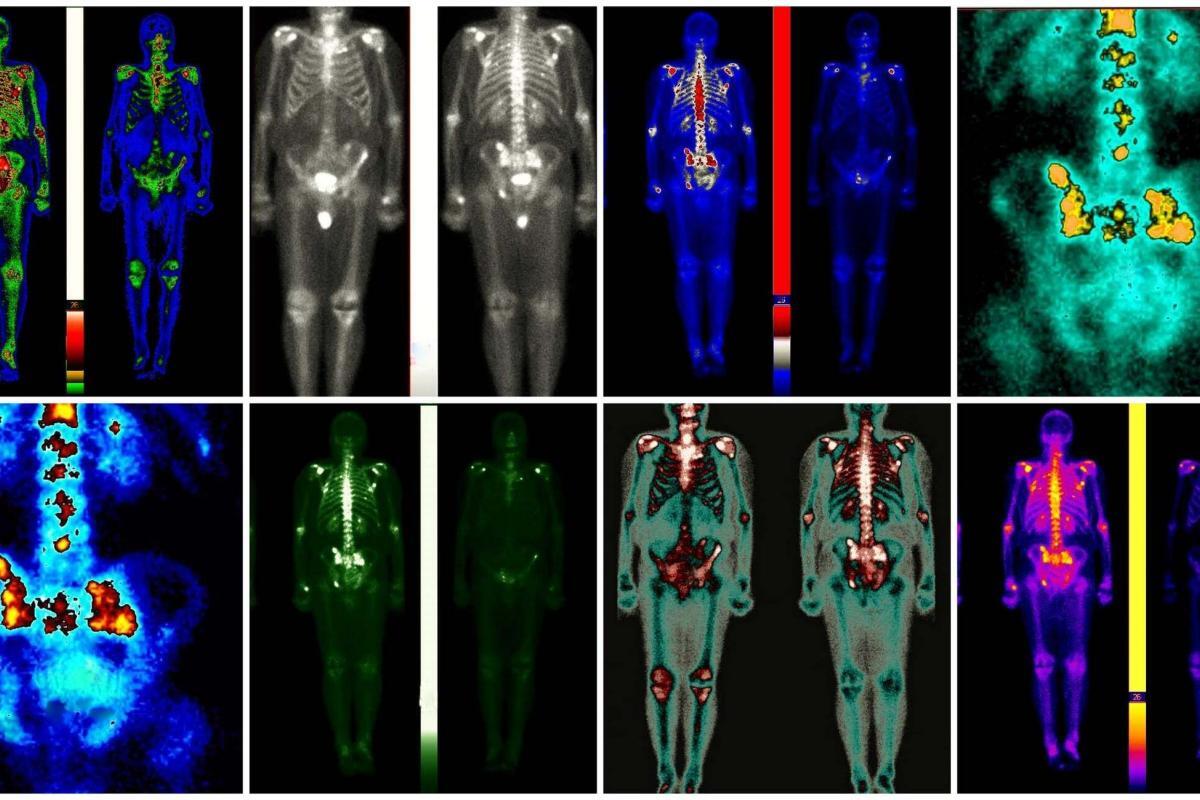
- TRT is particularly advantageous for treating metastatic or disseminated disease, as the radiopharmaceutical can reach cancer cells throughout the body.
- TRT can potentially overcome resistance to conventional treatments, as the radiation can destroy cancer cells with radiation-resistant or hypoxic characteristics.
- TRT can be tailored to individual patients based on their specific cancer characteristics, leading to more personalised and effective treatment plans.
Future Developments and Conclusion
Research into TRT is rapidly expanding, with numerous clinical trials investigating its safety and efficacy in various cancer types. As our understanding of TRT improves, advancements in vector molecule design, isotope production, and dosimetry may further enhance this treatment modality’s therapeutic efficacy and safety profile.
Combining TRT with other cancer treatments, such as immunotherapy, targeted therapies, or chemotherapy, could lead to synergistic effects and improved patient outcomes. Additionally, the development of theranostic approaches, which combine diagnostic imaging and therapy in a single radiopharmaceutical, holds great potential for personalised medicine and treatment monitoring.
home » targeted radionuclide therapy » Page 2

 By
By