
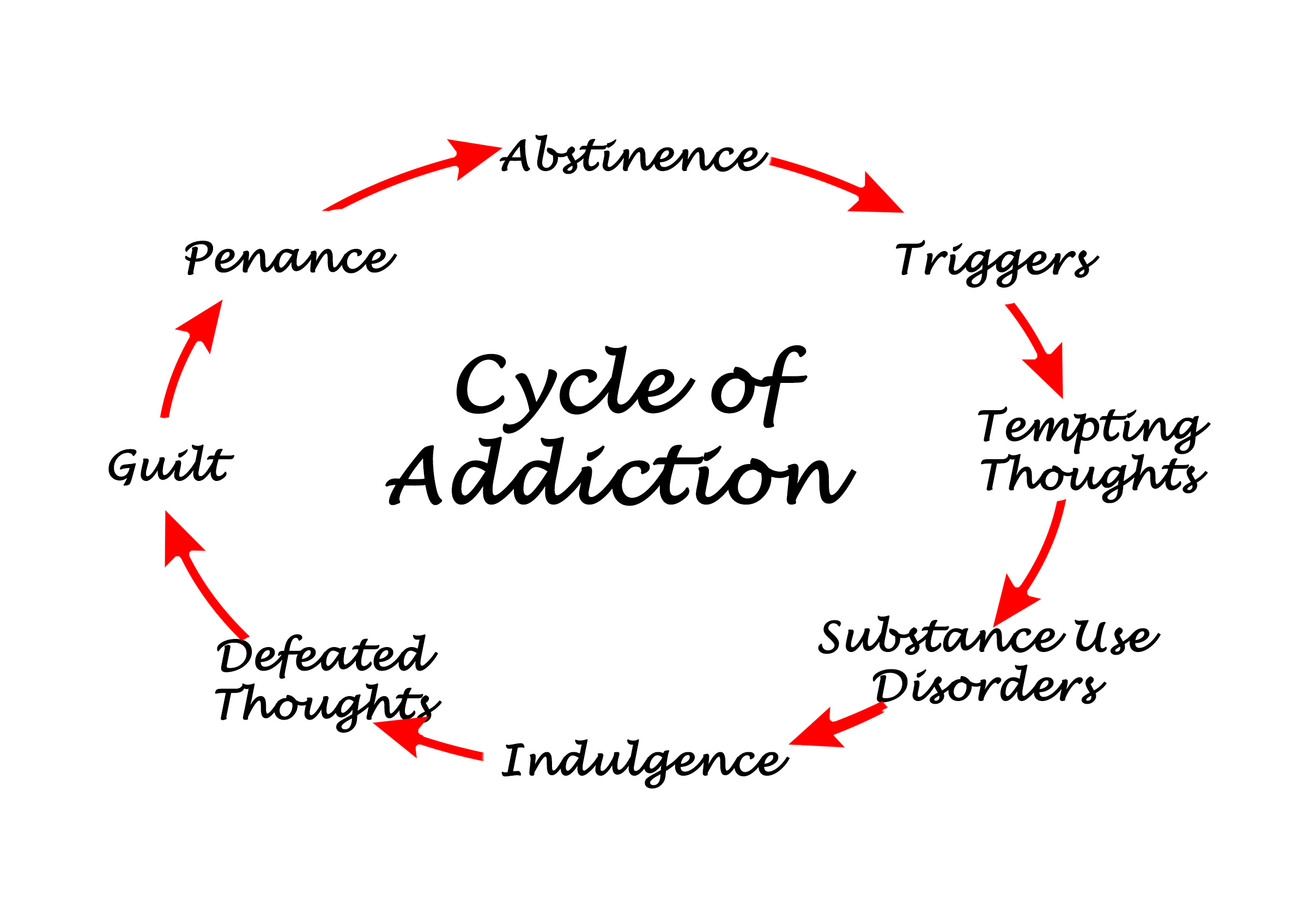
Substance use disorders (SUDs) are complex health conditions that can affect brain function, behaviour and a person’s ability to control substance use. According to Cleveland Clinic, repeated substance use can lead to changes in brain chemistry. Especially in areas linked to reward, motivation, decision-making and impulse control. These changes can make stopping substance use challenging and may mean that professional treatment and ongoing support are needed.
Treatment approaches for substance use disorders vary depending on the substance involved, the severity of the condition, physical health, mental health needs and individual circumstances. For people experiencing opioid dependence, specialised services such as heroin addiction rehab in New Mexico may provide access to medical care, behavioural therapies, and recovery support designed to address both the physical and psychological aspects of addiction.
Understanding alcohol and drug rehab programmes
Alcohol and drug rehab programmes provide structured support for individuals seeking treatment for substance use disorders. The level of care offered depends on a person’s specific needs. With options ranging from outpatient services to residential treatment programmes.
Inpatient and residential programmes provide a structured environment where individuals can receive ongoing medical and therapeutic support. These settings may be appropriate for people who require intensive care, have experienced previous relapses or need additional support managing co-occurring mental health concerns.
Outpatient programmes offer a more flexible approach. This allows individuals to attend scheduled appointments while continuing with daily responsibilities such as work, education or family commitments. These programmes may include counselling, behavioural therapies, medical monitoring and support groups.
Many evidence-based treatment programmes focus on helping individuals understand the factors contributing to substance use and develop healthier coping strategies. Behavioural therapies can help people identify triggers, manage cravings, improve decision-making skills and build strategies to support long-term recovery.
The importance of medical detox in addiction treatment
Medical detoxification is often an important first step for individuals who need support when stopping alcohol or drug use. Certain substances including alcohol, opioids, and benzodiazepines can cause withdrawal symptoms that may require medical supervision.
During detox, healthcare professionals monitor withdrawal symptoms and provide appropriate care to help manage risks and improve comfort. However, detox alone does not treat the underlying causes of substance use disorders.
According to addiction treatment guidance, detox removes substances from the body but does not address the behavioural, emotional and psychological factors that contribute to addiction. Without continued care, some individuals may face an increased risk of returning to substance use after detox.
Detox is generally considered part of a wider treatment plan. Continuing care may include behavioural therapy, medical treatment, peer support, and relapse prevention strategies that help individuals maintain progress after the initial withdrawal period.
Medication-assisted treatment (MAT) and recovery support
Medication-assisted treatment (MAT) is an evidence-based approach used to support some individuals with substance use disorders. MAT combines approved medications with counselling and behavioural therapies to address both the physical and psychological aspects of addiction.
According to Cleveland Clinic, several medications may be used as part of treatment for opioid and alcohol use disorders. For opioid dependence, medications such as buprenorphine and methadone can help reduce cravings and withdrawal symptoms. Naltrexone may also be prescribed for certain individuals with opioid or alcohol use disorders by affecting how the brain responds to substances.
For alcohol use disorder, medications such as acamprosate and naltrexone may help some individuals manage cravings and support recovery. The most suitable medication depends on a person’s health, treatment goals and medical history.
MAT is not intended to replace counselling or other forms of recovery support. Instead, it is often used alongside behavioural therapies and other services as part of a comprehensive treatment approach.
Accessing substance use disorder treatment in New Mexico
Finding appropriate treatment can be an important step for individuals affected by substance use disorders and their families. New Mexico has introduced initiatives aimed at increasing awareness, reducing stigma and improving access to recovery resources. The state recognises January as Substance Use Disorder Treatment Month, highlighting the importance of education, community support and access to care.
When considering treatment options, individuals may want to review factors such as available levels of care, medical support, therapy options, aftercare services, and whether a programme meets their personal needs.
Resources such as Renew Health Addiction Recovery Services can provide information about addiction treatment options available in New Mexico. Speaking with healthcare professionals and researching available services can help individuals make informed decisions about the type of support that may be appropriate.
Supporting long-term recovery from substance use disorders
Recovery from a substance use disorder is often an ongoing process that involves continued care and support. While detox can help manage the immediate effects of stopping substance use, long-term recovery usually requires addressing the wider physical, behavioural and emotional factors connected to addiction.
Evidence-based treatment, medical support, and access to recovery services can help individuals develop strategies for managing challenges and improving overall wellbeing. Understanding the available treatment options allows people and their families to make informed choices when seeking support for substance use disorders.
References
- Cleveland Clinic: Substance Use Disorder resources: Symptoms, Causes & Treatment
- American Addiction Centers: Medical Detox and Addiction Treatment Resources
- National Institute on Drug Abuse (NIDA): Treatment Approaches for Drug Addiction
Disclaimer: This article is provided for general informational and educational purposes only and should not be considered medical advice, diagnosis or treatment guidance. Substance use disorders, withdrawal and addiction treatment can involve serious health risks, and treatment needs vary between individuals. Readers should seek advice from a suitably qualified healthcare professional before starting, stopping or changing any treatment, medication or recovery programme. Withdrawal from alcohol, benzodiazepines and certain other substances can cause serious or potentially life-threatening complications and may require medical supervision. References to specific treatment providers, organisations, services or medications are included for informational purposes and do not constitute an endorsement or recommendation by Open MedScience. Availability, suitability and regulatory requirements for treatments may vary by location. Anyone experiencing a medical emergency or severe withdrawal symptoms should seek urgent medical assistance.
home » blog » health and wellbeing »