
Introduction
Reliable antibody-based detection begins with choosing reagents that match both the biological target and the experimental objective. While researchers often compare monoclonal and polyclonal antibodies, polyclonal antibodies generated in mice continue to provide unique advantages for many laboratory applications. Scientists looking for a mouse polyclonal antibody often prioritise sensitivity, broad epitope recognition, and flexibility across different experimental techniques.
Because these antibodies recognise multiple regions of a target protein, they can improve detection in studies involving complex samples, protein variants, or low-abundance biomarkers.
Understanding Mouse Polyclonal Antibodies
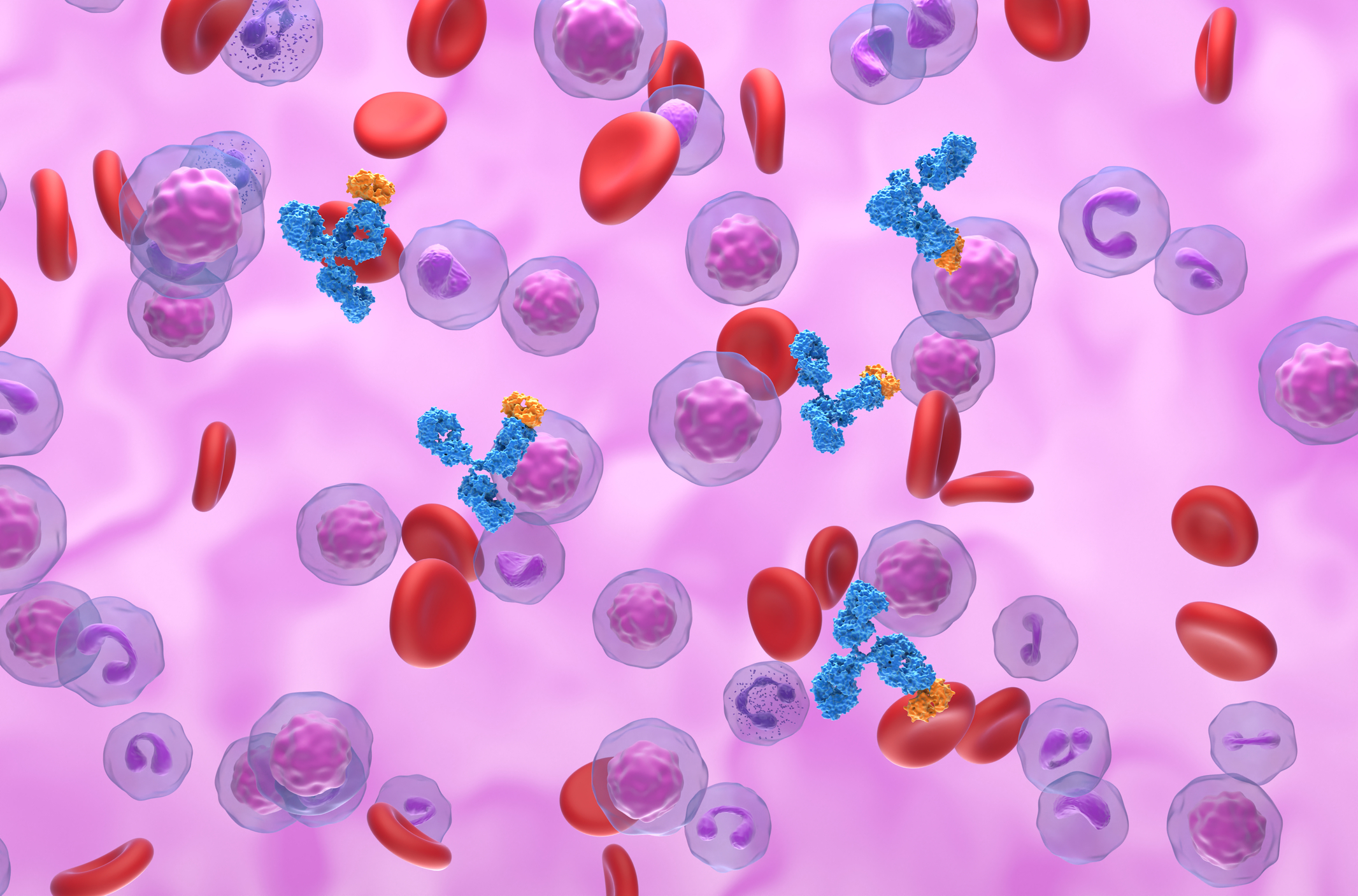
Polyclonal antibodies are produced when multiple B-cell populations respond to the same antigen. Each antibody recognises a different epitope, creating a diverse mixture capable of binding various regions of the target protein.
When generated in mice, these antibodies are commonly used for:
- Protein expression studies
- Immunological research
- Biomarker validation
- Assay development
- Exploratory molecular biology
Their recognition of multiple epitopes may produce stronger signals in some applications, although performance depends on the antigen, sample preparation and assay conditions.
Advantages in Laboratory Research
Every antibody type offers distinct strengths, and polyclonal antibodies remain an important option for many experimental workflows.
Researchers value these reagents because they provide:
- Enhanced detection sensitivity
- Recognition of multiple epitopes
- Better performance with partially denatured proteins
- Improved detection of low-expression targets
- Greater tolerance for small antigen variations
These characteristics make them particularly useful during early-stage investigations and protein discovery projects.
Laboratories conducting protein detection studies frequently use a validated mouse polyclonal antibody supported by application-specific testing and quality-control data to improve experimental consistency.
Common Research Applications
Mouse-derived polyclonal antibodies are compatible with numerous molecular biology techniques.
Western Blot Analysis
Western blotting remains one of the most common methods for evaluating protein expression.
Researchers use these antibodies to:
- Measure protein abundance
- Compare experimental groups
- Validate gene silencing
- Monitor treatment responses
Multi-epitope recognition may increase signal intensity, although it can also increase background or nonspecific binding if the antibody is not adequately validated.
Immunohistochemistry
Studying protein localisation within intact tissues requires antibodies capable of recognising antigens under varying preparation conditions.
Typical applications include:
- Disease pathology
- Tissue-specific protein expression
- Developmental biology
- Organ comparison studies
Maintaining tissue architecture while identifying target proteins provides valuable biological context.
Immunofluorescence
Fluorescent labelling enables visualisation of protein distribution at the cellular level.
Researchers frequently investigate:
- Subcellular localization
- Protein trafficking
- Cell signaling
- Cellular organization
Combining high-quality antibodies with advanced imaging techniques supports detailed molecular analysis.
Choosing the Right Reagent
Selecting an antibody involves more than confirming target recognition. Researchers typically evaluate several additional factors before beginning an experiment.
Application Validation
Products should be validated specifically for the techniques being performed, whether Western blotting, immunofluorescence, immunohistochemistry, or ELISA.
Species Compatibility
Ensuring compatibility with the experimental model helps reduce unexpected variability and improve reproducibility.
Specificity
Although polyclonal antibodies recognise multiple epitopes, they should still demonstrate minimal nonspecific binding through rigorous validation studies.
Quality Documentation
Manufacturers that provide detailed technical data—including purification methods, recommended protocols, and validation results—allow researchers to make more informed decisions.
Improving Experimental Reproducibility
High-quality reagents represent only one part of successful antibody-based research. Standardised laboratory practices are equally important for obtaining reliable data.
Researchers commonly improve reproducibility by:
- Including positive and negative controls
- Optimising antibody concentrations
- Using consistent sample preparation methods
- Running biological and technical replicates
- Carefully documenting experimental conditions
These measures reduce variability and strengthen confidence in published findings.
Proper Storage and Handling
Maintaining antibody performance requires appropriate storage throughout the life of the reagent.
Recommended practices generally include:
- Following manufacturer storage guidelines
- Preparing aliquots to minimise repeated freeze-thaw cycles
- Protecting fluorescent conjugates from prolonged light exposure
- Avoiding contamination during routine laboratory use
Proper handling helps preserve antibody stability for long-term research projects.
Looking Beyond the Product Label
Researchers increasingly consider supplier transparency when selecting laboratory reagents. Comprehensive validation reports, consistent manufacturing practices, and accessible technical support all contribute to greater confidence in experimental outcomes.
Organisations such as the National Center for Biotechnology Information provide access to extensive scientific literature describing antibody technologies, protein characterisation, and experimental methodologies that help researchers design more robust studies.
Conclusion
Mouse-derived polyclonal antibodies continue to play an important role in protein detection because they combine high sensitivity with broad epitope recognition across multiple laboratory applications. Their versatility makes them well suited for exploratory studies, biomarker discovery, and routine molecular biology research.
By selecting thoroughly validated reagents and following standardised experimental protocols, researchers can improve reproducibility, reduce technical variability, and generate reliable data that supports continued advances in biomedical science.
Disclaimer
This article is provided for informational and educational purposes only and is not intended to replace manufacturer guidance, laboratory protocols, institutional policies, or professional scientific judgement. The information presented reflects general principles relating to mouse-derived polyclonal antibodies and may not apply to every research application, experimental system, or antibody product. Experimental performance depends on numerous factors, including antibody validation, sample preparation, assay conditions, reagent quality, and appropriate controls. Researchers should independently verify that any antibody or reagent is suitable for their intended application and follow the manufacturer’s instructions and established laboratory best practices. Reference to specific antibody types, research methods, organisations, or scientific resources does not constitute an endorsement or recommendation by Open MedScience. Readers are encouraged to consult the original scientific literature, relevant technical documentation, and qualified laboratory professionals when designing, conducting, or interpreting biomedical research. Open MedScience accepts no responsibility for any loss, damage, or outcomes arising from the use of information contained in this article.