

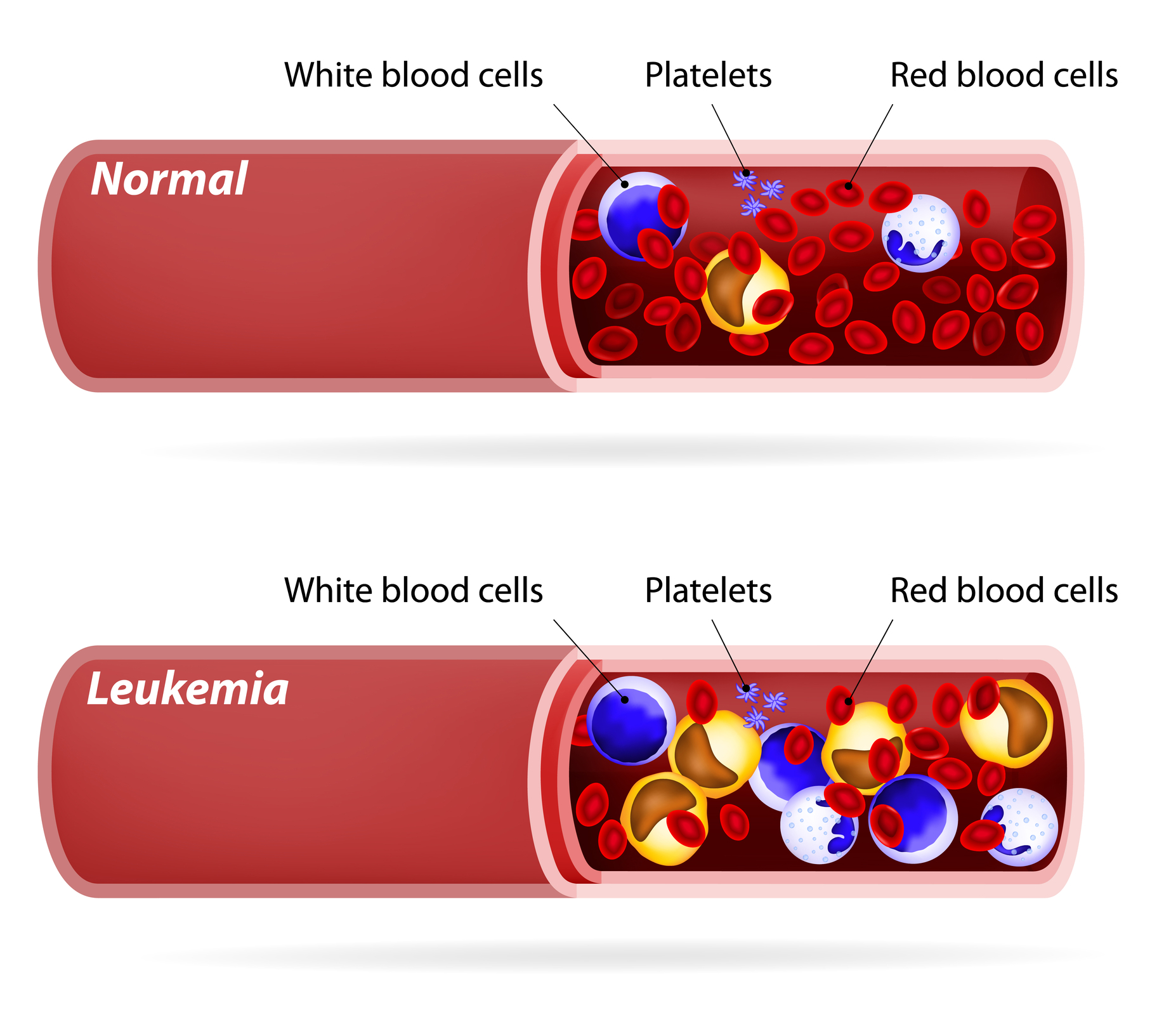
Introduction
Targeted therapies for chronic lymphocytic leukemia (CLL) and small lymphocytic lymphoma (SLL) have evolved with the development of Bruton’s tyrosine kinase (BTK) inhibitors, which target a key signaling pathway involved in the survival and proliferation of malignant B cells. Early BTK inhibitors represented an important advancement in the management of these malignancies and provided an alternative to traditional chemotherapy-based approaches for many patients. However, long-term treatment with some BTK inhibitors has been associated with adverse events, including cardiovascular complications and bleeding, which may affect treatment continuation in certain patients.
The ALPINE trial compared the next-generation Bruton’s tyrosine kinase (BTK) inhibitor zanubrutinib with the first-generation BTK inhibitor ibrutinib in patients with relapsed or refractory CLL/SLL. In addition to evaluating efficacy outcomes between the two treatment arms, the study assessed safety and tolerability, which are important considerations for therapies that may be administered over extended periods.
Understanding BTK Inhibitors and Their Role in CLL
BTK is a critical enzyme involved in the B-cell receptor signaling pathway. The malignant B-cells in CLL and SLL depend on this pathway for growth and survival. BTK inhibitors disrupt signaling pathways that support the survival, proliferation and migration of malignant B cells, helping to control disease progression.
Although BTK inhibitors have provided an effective targeted treatment approach for CLL/SLL and have enabled sustained disease management in many patients, long-term treatment can be associated with adverse events that may affect tolerability and treatment continuation. As the use of BTK inhibitors often involves extended treatment durations, careful evaluation of the safety profile of individual agents remains an important consideration when assessing their clinical use.
The primary goals of BTK inhibitor therapy include:
- Blocking cancer cell survival signals
- Slowing disease progression
- Reducing enlarged lymph nodes
- Improving progression-free survival
- Maintaining long-term disease control with manageable side effects
What Was the ALPINE Zanubrutinib Trial?
The alpine zanubrutinib trial was a global, Phase III, randomized, open-label, active-control, multi-center study designed to compare zanubrutinib with ibrutinib in adults with relapsed/refractory CLL/SLL.
The primary objective of the study was to compare the efficacy and safety of zanubrutinib and ibrutinib in patients with CLL/SLL whose disease had relapsed or was refractory to prior therapy. Participants were randomized to receive zanubrutinib or ibrutinib, and treatment continued until disease progression, unacceptable toxicity, or study discontinuation according to protocol-defined criteria.
The study assessed several important clinical outcomes, including:
- Overall response rate (ORR)
- Progression-free survival (PFS)
- Overall survival (OS)
- Safety and tolerability
- Treatment discontinuation rates
- Cardiovascular adverse events
Key Findings from the ALPINE Trial
The study found that zanubrutinib achieved a higher overall response rate than ibrutinib. This means that the greater number of patients who were treated with zanubrutinib experienced complete or partial response to the treatment, with better disease control compared with ibrutinib. These findings suggest that differences in BTK selectivity may contribute to differences in clinical outcomes, although multiple factors are likely to influence efficacy and safety.
With respect to progression-free survival (PFS), the ALPINE trial reported differences between the treatment groups, with zanubrutinib demonstrating longer PFS compared with ibrutinib. The PFS findings were generally consistent with the overall response rate (ORR) results, and responses observed with zanubrutinib were maintained during the follow-up period reported in the study.
Another finding from the ALPINE trial was that efficacy and safety outcomes were evaluated across multiple patient subgroups, including those with high-risk genetic features such as TP53 mutations and/or deletion 17p. The study reported outcomes for these subgroups, providing additional information on the use of BTK inhibitor therapy in patients with genetic characteristics that are generally associated with a less favorable prognosis and may present treatment challenges in clinical practice.
Major efficacy outcomes included:
- Higher overall response rate
- Longer progression-free survival
- Durable responses during follow-up
- Consistent benefit in high-risk patient populations
- Effective disease control across multiple subgroups
Safety Profile and Improved Tolerability
The long-term safety profile of BTK inhibitors is an important consideration in treatment selection, as these therapies are often administered over extended periods. Early-generation BTK inhibitors represented a significant advancement in the management of several hematologic malignancies; however, clinical studies have reported adverse events including cardiovascular events such as atrial fibrillation and hypertension. Evaluating the balance between efficacy and safety remains an important aspect of BTK inhibitor use in clinical practice.
In the ALPINE study, patients treated with zanubrutinib experienced fewer cardiac adverse events than those treated with ibrutinib. Zanubrutinib was designed to inhibit BTK more selectively and has less activity against certain off-target kinases, which may contribute to differences in safety profiles. However, the trial did not establish that greater selectivity was the direct cause of the lower cardiac event rate.
Improved tolerability may allow some patients to remain on treatment for longer, although treatment duration also depends on disease progression, adverse events, comorbidities and individual clinical circumstances.
Safety advantages observed with zanubrutinib included:
- Lower incidence of atrial fibrillation
- Reduced cardiovascular toxicity
- Differences in treatment discontinuation patterns between the study groups
- Better long-term tolerability
- Longer treatment exposure
Why BTK Selectivity Matters
There are important differences among BTK inhibitors with respect to their kinase selectivity profiles. While agents such as ibrutinib, acalabrutinib, and zanubrutinib all target BTK, they differ in the extent to which they interact with other kinases. These differences in selectivity may contribute to variations in safety and tolerability profiles observed across clinical studies. Understanding these distinctions is important when evaluating BTK inhibitors for long-term use in clinical practice.
Zanubrutinib is a next generation BTK inhibitor that was developed to provide more complete inhibition of BTK while minimizing off-target effects of other kinases. The ALPINE study provided important comparative evidence that differences in BTK inhibitor design may be associated with differences in efficacy and safety outcomes in patients with CLL. Patients receiving zanubrutinib achieved a higher overall response rate than those receiving ibrutinib, although complete responses occurred in a minority of patients. The incidence of several treatment-related adverse events was lower than with ibrutinib. BTK selectivity is one of several important considerations when selecting therapy for patients with CLL, alongside efficacy, safety, comorbidities and individual patient factors.
Future drugs that target BTK will need to have the appropriate balance of potency and tolerability. This will be an ongoing challenge for the designers of future drugs for CLL as well as for the practicing hemato-oncologists who will use them.
Clinical Impact of the ALPINE Trial and Concluding Thoughts
Results from the ALPINE trial have informed the evidence base for the management of relapsed or refractory CLL/SLL and have been referenced in clinical guidelines and treatment discussions. The study evaluated efficacy and safety outcomes associated with zanubrutinib and ibrutinib, providing comparative data that may assist healthcare professionals when assessing BTK inhibitor treatment options.
The findings of the ALPINE trial may help inform treatment decisions for patients with CLL/SLL who have cardiovascular risk factors, require long-term therapy or possess high-risk genetic features. The study provides comparative efficacy and safety data that may help inform clinical decision-making in these patient populations. Treatment selection should be individualized based on disease characteristics, comorbidities, patient preferences, and the overall benefit-risk profile of the therapy under consideration.
Disclaimer: This article is intended for informational and educational purposes only and should not be interpreted as medical advice, a clinical guideline, or a recommendation for any specific treatment. The discussion of the ALPINE trial, zanubrutinib, ibrutinib, and other Bruton’s tyrosine kinase (BTK) inhibitors is based on published clinical evidence available at the time of writing. Treatment outcomes, safety profiles, and therapeutic decisions vary according to individual patient characteristics, disease status, coexisting medical conditions, and evolving clinical evidence. Healthcare professionals should consult the full prescribing information, peer-reviewed literature, and current national and international clinical guidelines before making treatment decisions. Patients should seek advice from their haematologist, oncologist, or other qualified healthcare professional regarding diagnosis and treatment options. Open MedScience does not endorse any specific pharmaceutical product, manufacturer, or therapeutic approach, and no content in this article should replace professional medical judgement.