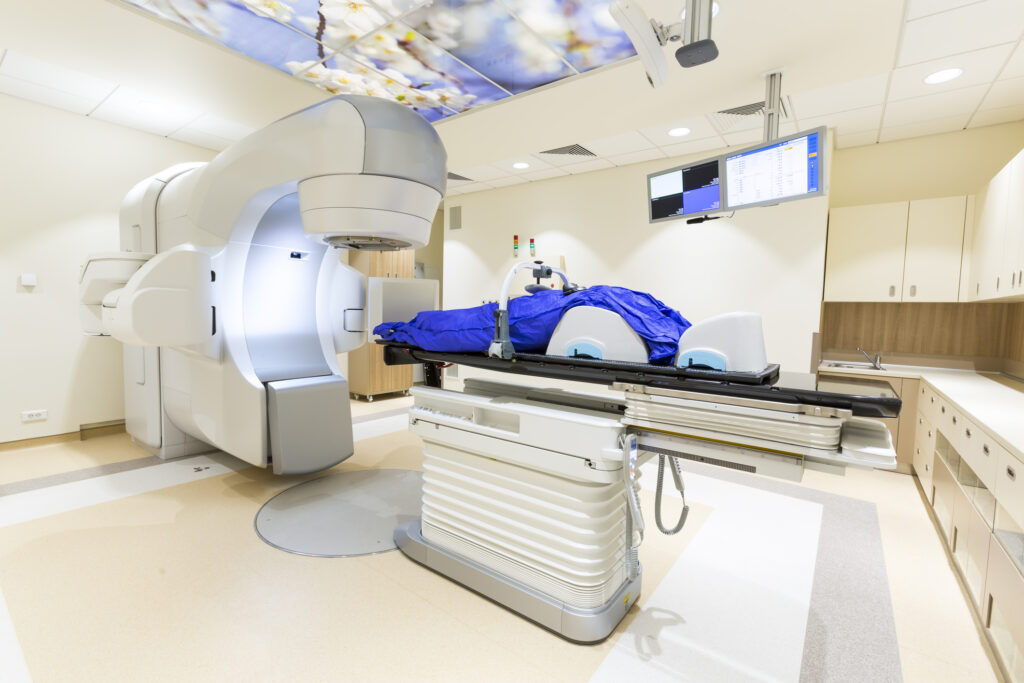

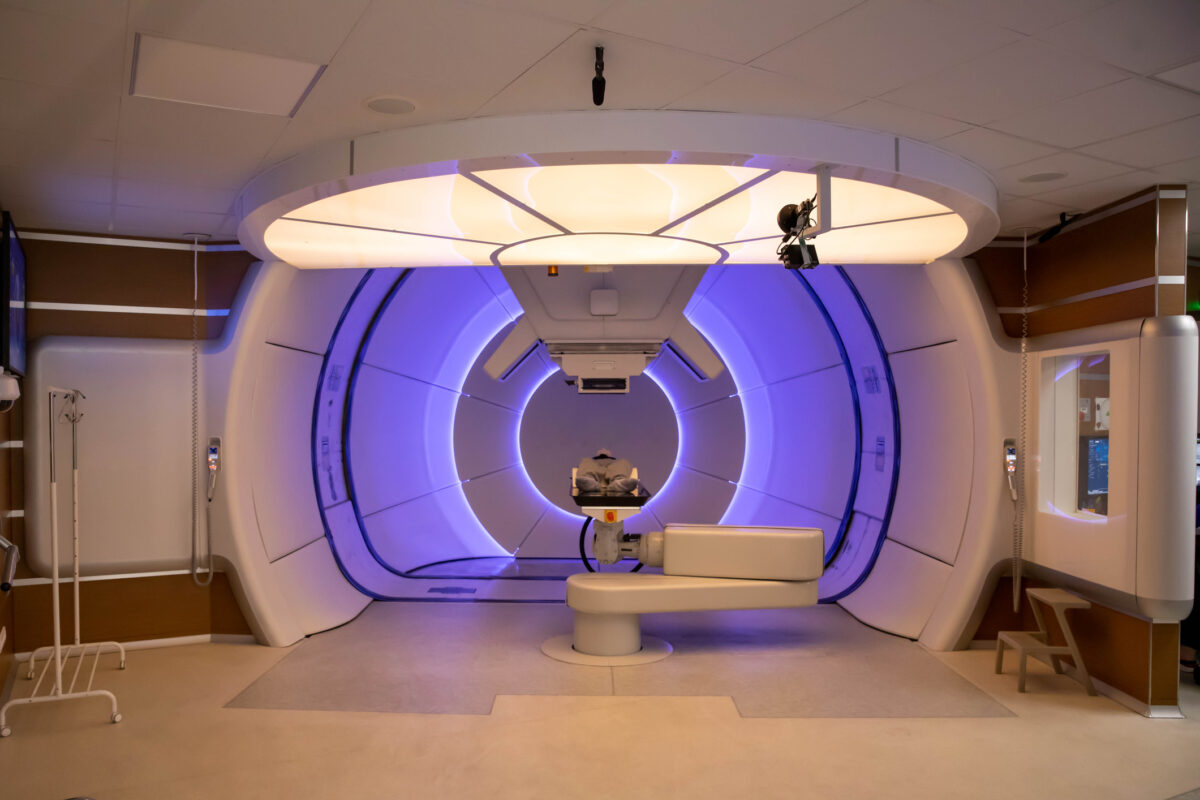
Proton therapy is revolutionizing the way cancer is treated, offering a more precise approach compared to traditional methods. This advanced technique allows for targeted treatment that minimizes damage to surrounding healthy tissues. As research continues, the potential of proton therapy in cancer care is becoming increasingly evident.
Proton therapy has emerged as a groundbreaking method in the area of cancer treatment, marking a significant departure from conventional radiation therapies. Unlike traditional methods that use X-rays, proton therapy employs protons to target and destroy cancer cells with remarkable accuracy. The unique properties of protons allow them to deposit the majority of their energy directly at the tumor site, reducing exposure to healthy tissues and thereby minimizing collateral damage. This precision is particularly beneficial in treating cancers located near critical structures in the body, such as brain tumors or pediatric cancers, where preserving healthy tissue is paramount. The Omaha Eye and Laser Institute provides insight into the growing importance of this technology in modern oncology.
Recent technological advancements in proton therapy
The field of proton therapy has seen substantial technological advancements in recent years, significantly enhancing its efficacy and application scope. One notable development is the implementation of pencil beam scanning technology. This innovation allows for even greater precision by enabling clinicians to “paint” the tumor with proton beams, layer by layer, ensuring an optimal dose distribution that conforms to the complex shapes of tumors. This technique reduces the risk of damaging nearby healthy tissues and improves overall treatment outcomes.
Another key advancement involves the integration of imaging technologies such as MRI and CT scans with proton therapy planning systems. These imaging tools provide high-resolution images that help map out tumors with exceptional detail, ensuring that proton beams are accurately targeted. Additionally, real-time adaptive radiotherapy systems are being explored, allowing for adjustments during treatment sessions based on changes in tumor size or patient positioning. These innovations collectively aim to enhance treatment precision and effectiveness.
Clinical studies reveal positive patient outcomes
The impact of proton therapy on patient outcomes has been a focus of numerous clinical studies, with results demonstrating significant benefits over conventional radiation treatments. Research indicates that patients undergoing proton therapy experience fewer side effects due to its targeted nature. For instance, children receiving proton therapy for brain tumors often report reduced cognitive impairments compared to those treated with traditional radiation, preserving their quality of life post-treatment.
Studies have also highlighted improved survival rates among certain cancer types when treated with proton therapy. In cases of head and neck cancers, patients have shown better long-term outcomes and reduced incidences of secondary cancers attributed to lower radiation exposure to surrounding tissues. As these findings accumulate, they bolster the case for proton therapy as a superior option for specific cancer types where precision is crucial.
Challenges hindering widespread adoption
Despite its advantages, proton therapy faces several challenges that limit its widespread adoption across healthcare systems. One primary obstacle is the high cost associated with building and maintaining proton therapy facilities. The construction and operational expenses are significantly higher than those for traditional radiation centers, posing financial barriers for many institutions.
Furthermore, accessibility remains a critical issue as there are relatively few proton therapy centers worldwide compared to conventional radiation facilities. This limited availability can lead to increased travel burdens for patients seeking this specialized treatment. Additionally, there are technological barriers that require ongoing research and development efforts to enhance efficiency and reduce costs. Addressing these challenges is essential for expanding access to this promising treatment modality.
Future research directions for broader applications
The future of proton therapy holds exciting possibilities as researchers continue to explore ways to expand its application across a broader range of cancer types. Ongoing studies aim to refine techniques and improve cost-effectiveness, making it more accessible to diverse patient populations. There is particular interest in integrating artificial intelligence and machine learning algorithms into treatment planning systems to further optimize accuracy and personalize treatment regimens.
Additionally, researchers are investigating combining proton therapy with other modalities such as immunotherapy or chemotherapy to enhance overall treatment efficacy. These combined approaches have the potential to boost immune responses against tumors while minimizing harmful side effects typically associated with traditional treatments. As these research endeavors progress, they promise new insights into maximizing the therapeutic benefits of proton therapy.
The transformative potential of proton therapy
Proton therapy represents a transformative advancement in cancer treatment, offering unparalleled precision that spares healthy tissue while effectively targeting tumors. Its ability to improve patient outcomes with fewer side effects makes it a valuable addition to modern oncology practices. However, overcoming current challenges related to cost and accessibility remains crucial for realizing its full potential.
The continued investment in research and technological development will be vital in expanding the reach and applicability of proton therapy across various cancer types. As innovations continue to unfold, they hold promise for enhancing treatment options available to patients worldwide, underscoring the importance of sustained efforts in this field.
Disclaimer
The content of this article, Advances in Proton Therapy for Precision Cancer Treatment, is intended for general informational and educational purposes only. It does not constitute medical advice, diagnosis, or treatment recommendations. While every effort has been made to ensure the accuracy and relevance of the information presented at the time of publication, oncology research and clinical practice continue to evolve, and information may change over time.
Readers should not rely on this article as a substitute for professional medical advice. Decisions regarding cancer treatment, including the suitability of proton therapy, should always be made in consultation with qualified healthcare professionals who can consider individual medical history, clinical circumstances, and the latest evidence-based guidelines.
Open MedScience does not endorse specific treatments, institutions, or technologies mentioned in this article, nor does it assume responsibility for any outcomes arising from the use or interpretation of the information provided. Any external sources referenced are included for contextual and educational purposes only.
home » blog » radiation therapy »