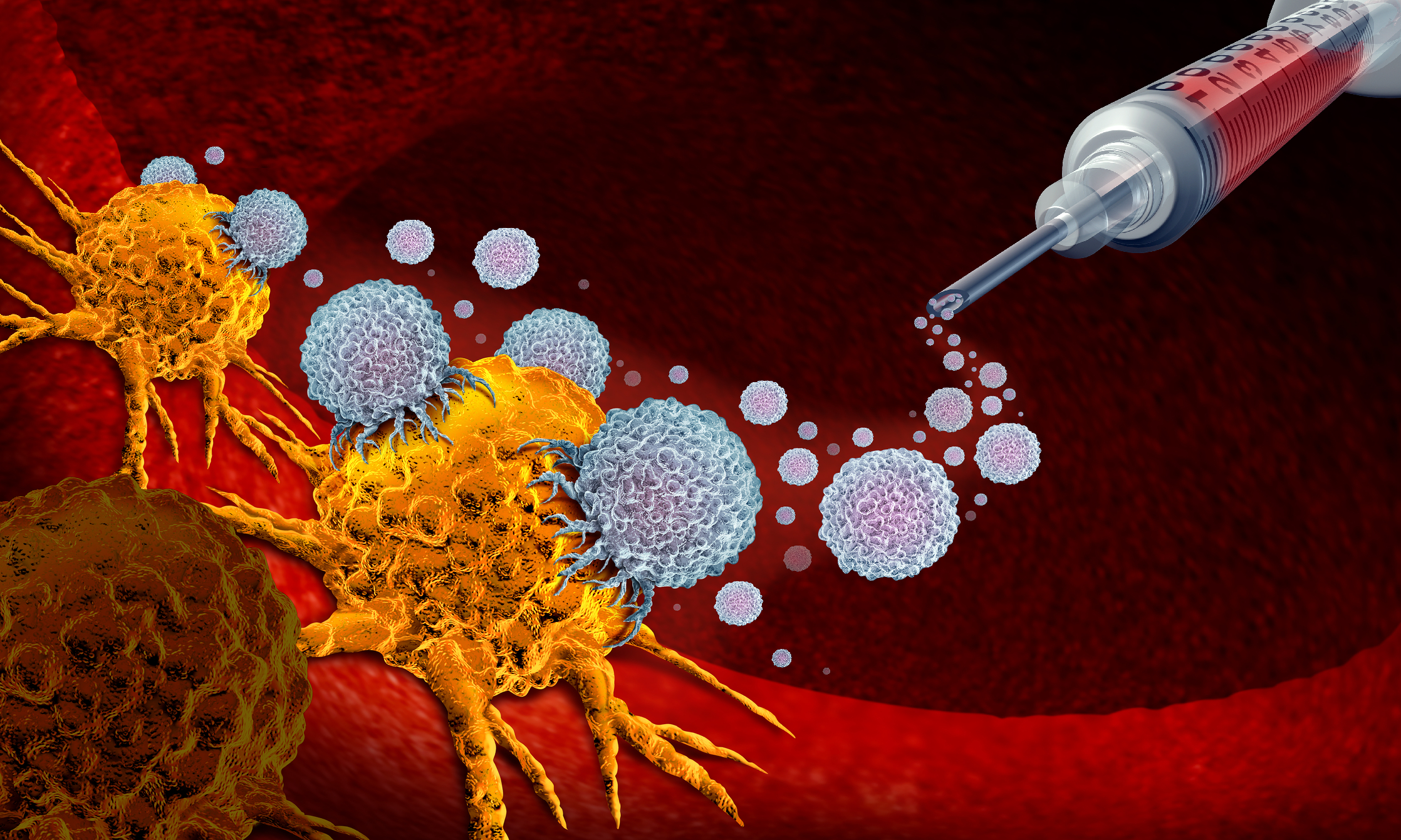
Targeted radionuclide therapy (TAT) towards precision cancer treatment
 By
By
Targeted radionuclide therapy was first used to treat cancer for an ‘over-active’ thyroid using radioactive iodine-131 seeds.
By
Targeted radionuclide therapy was first used to treat cancer for an ‘over-active’ thyroid using radioactive iodine-131 seeds.
 By
By
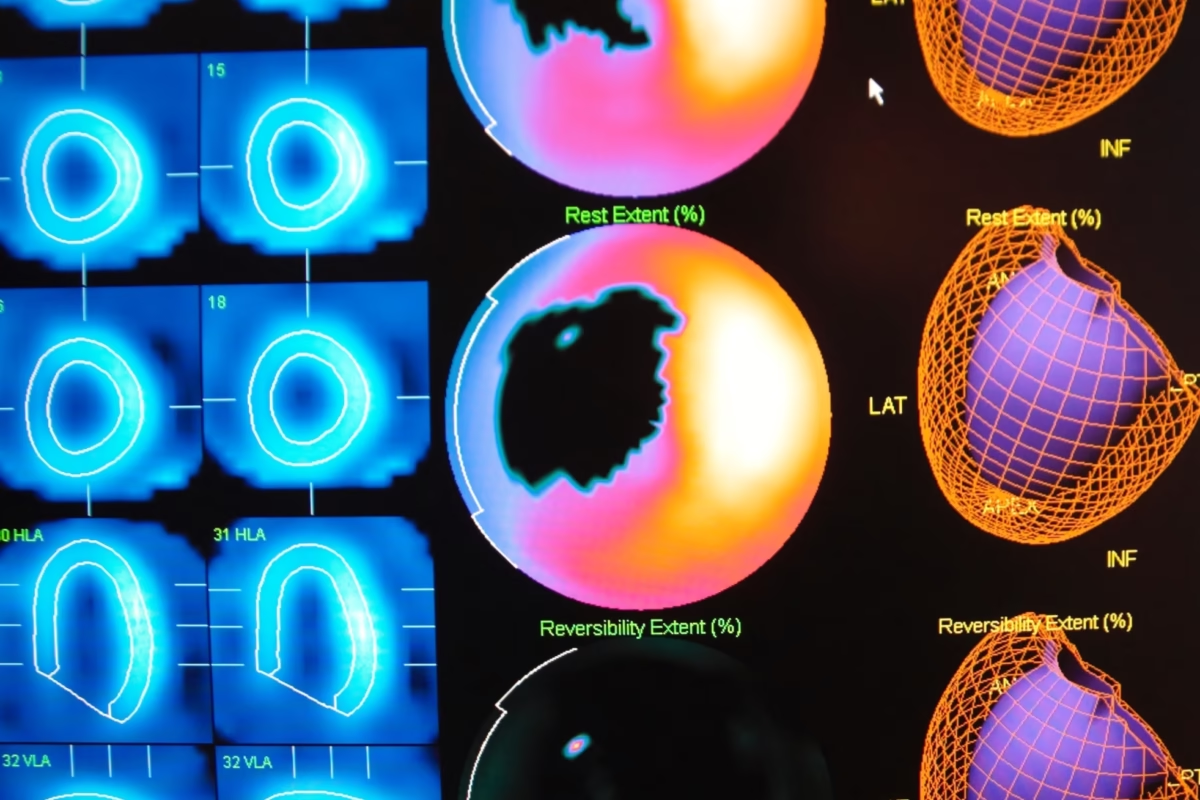
The most commonly used medical radioisotope in diagnostic procedures is technetium-99m.
 By
By
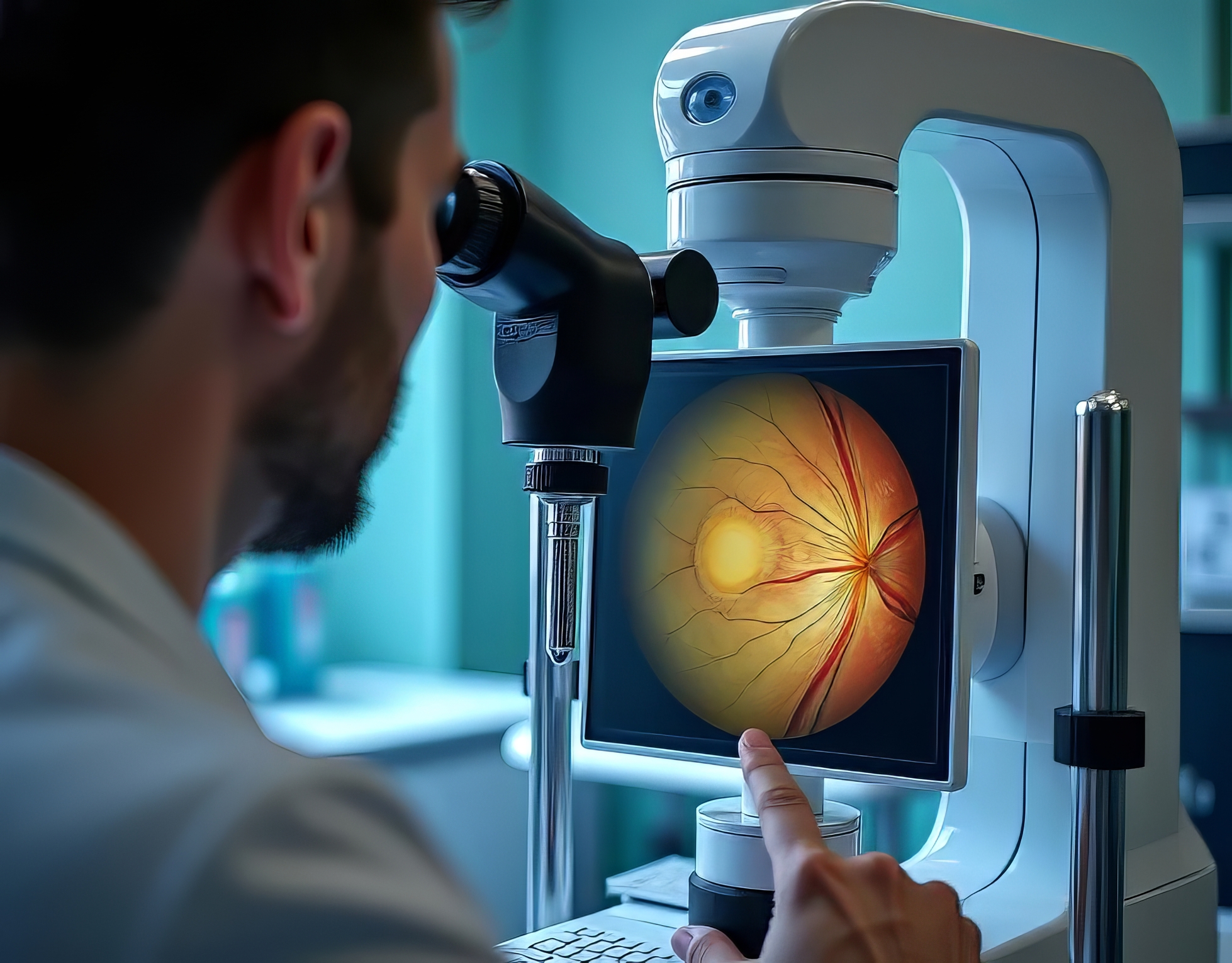
Since the 1800s, optic disc photography has been considered the gold standard for optic nerve evaluation. Image for illustration only. Person depicted is a model.
 By
By
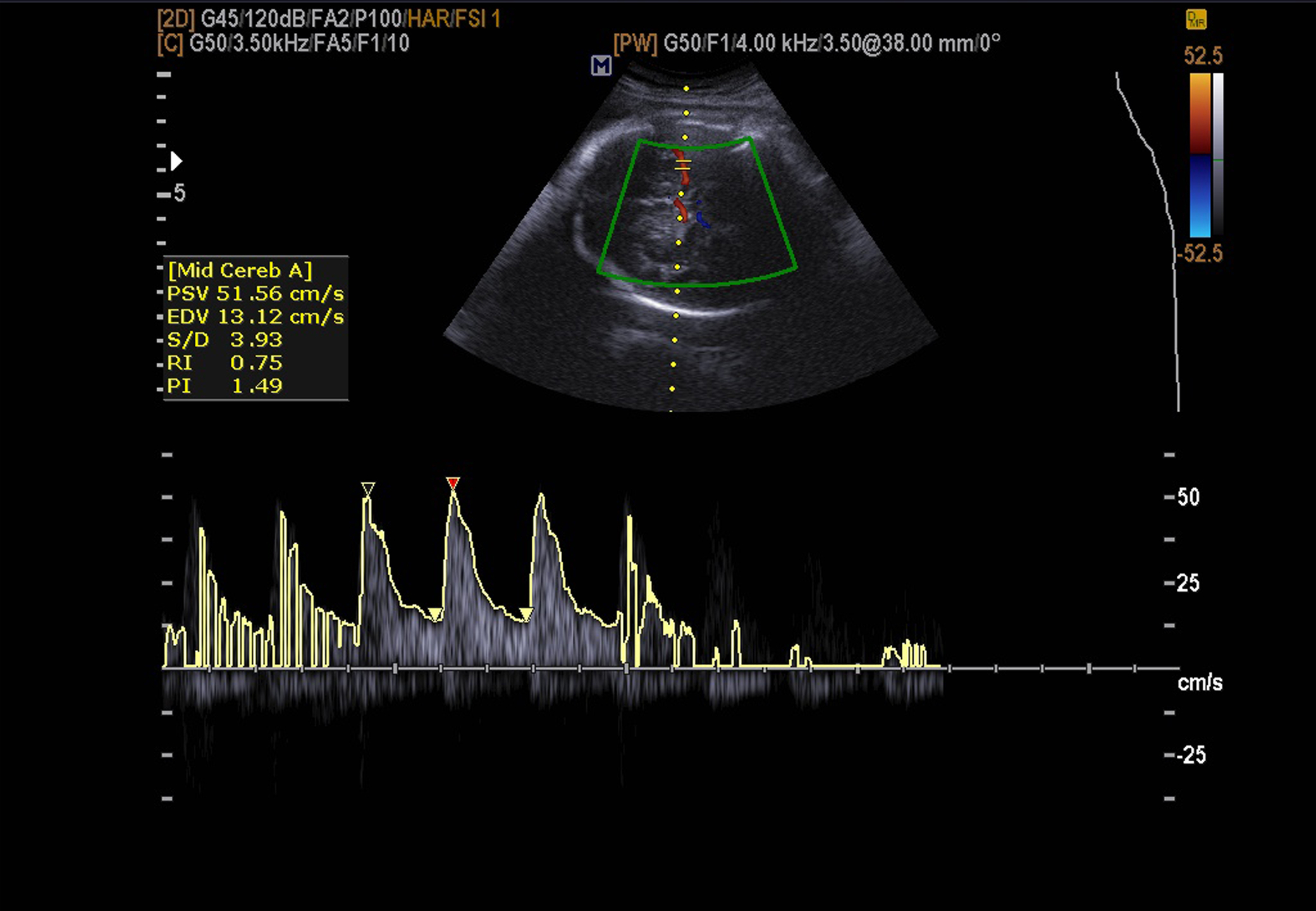
The magic of ultrasound imaging enables healthcare professionals to look inside the human body without being invasive.
 By
By
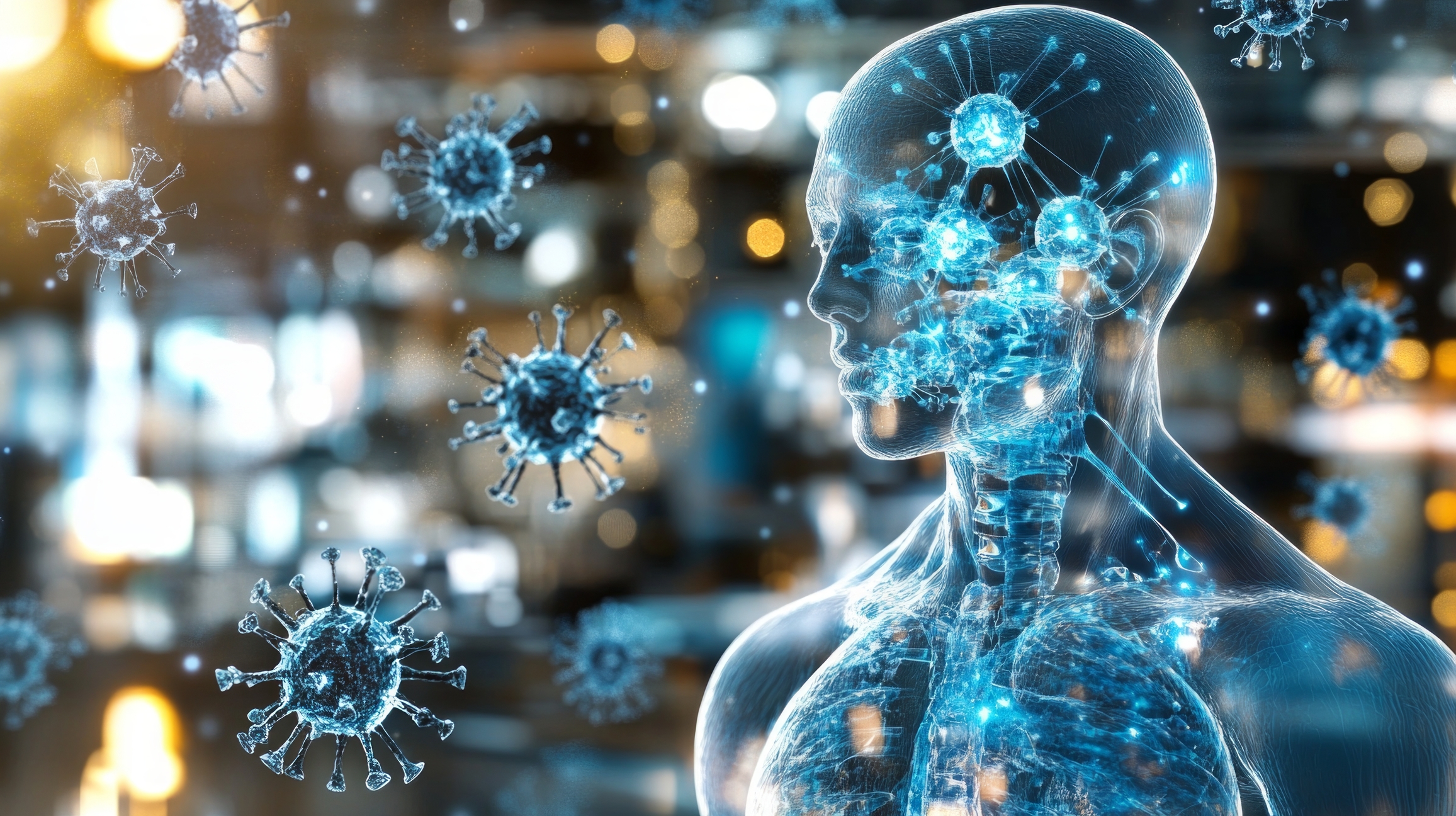
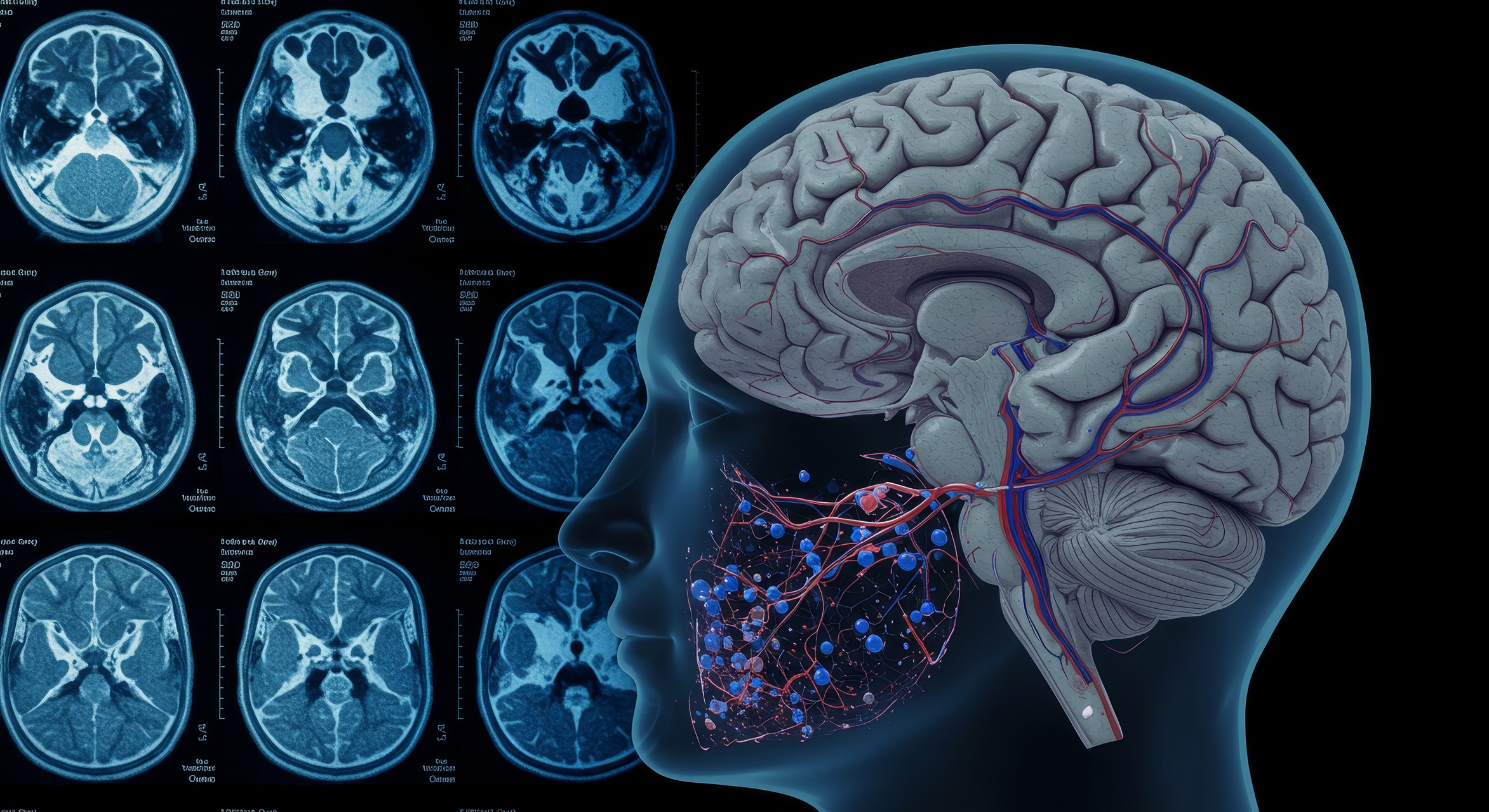
Artificial Intelligence will play a vital role in the analysis of vasts amounts of medical imaging data.
 By
By
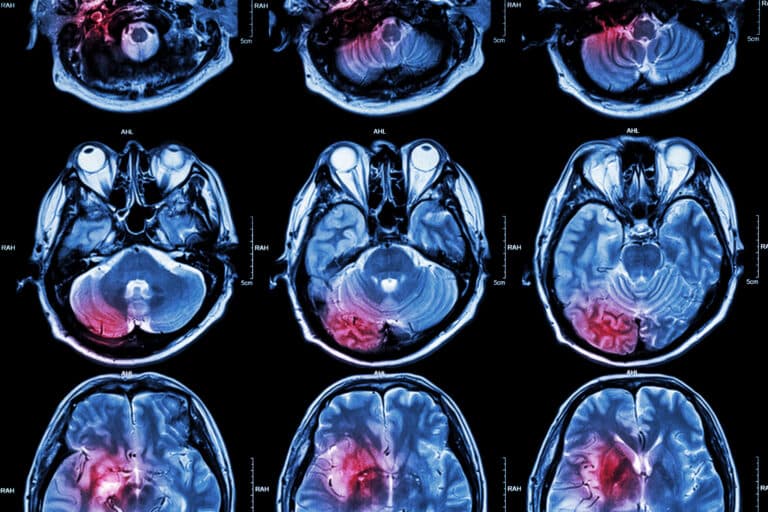
A useful brain imaging technique uses functional magnetic resonance imaging to analyse metabolic changes such as blood oxygenation.
 By
By
These non-radioactive labels can be incorporated into small molecules to study in vivo metabolic pathways in real-time.
 By
By
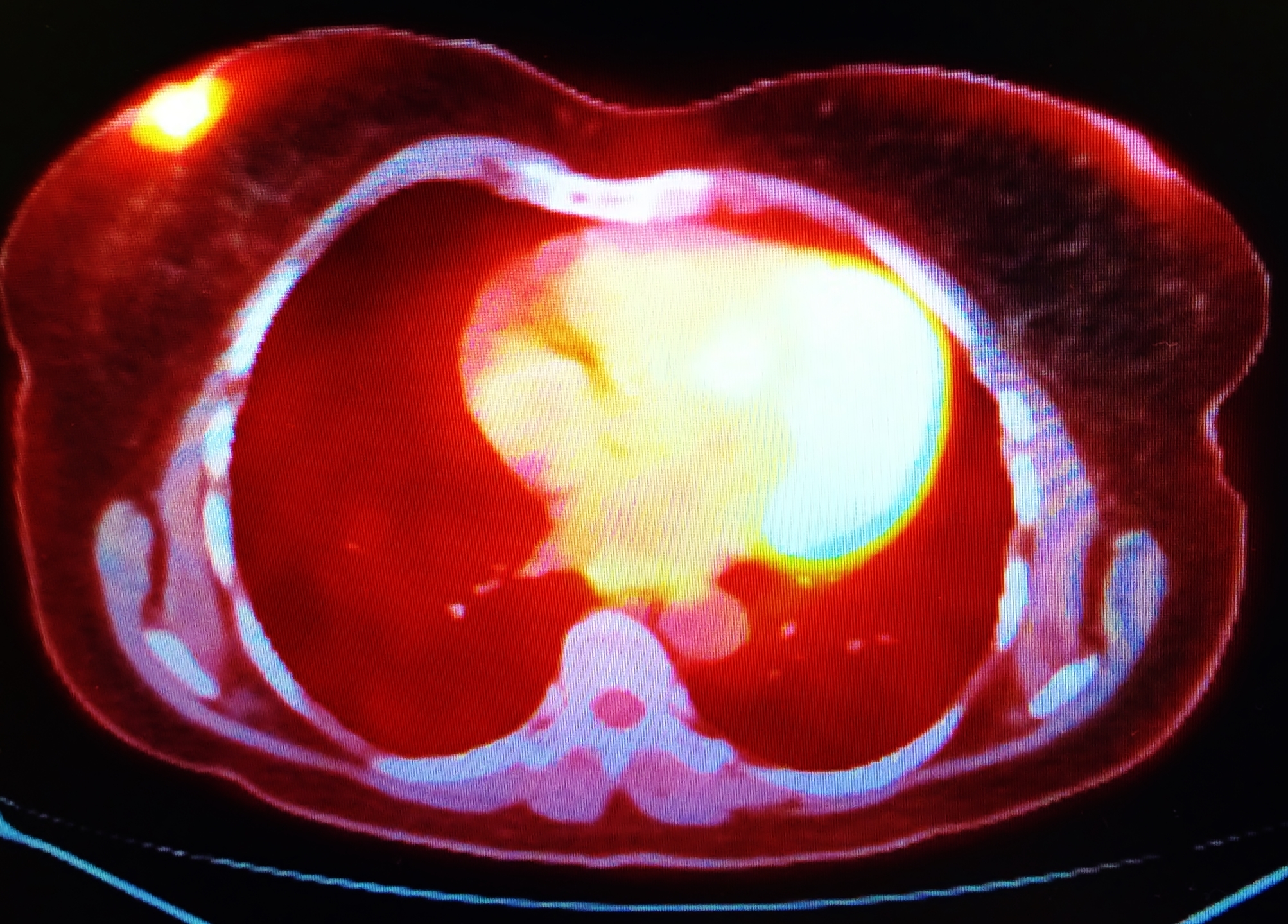
The diagnostic breast imaging tool Positron Emission Mammography uses short-lived positron isotopes to detect breast cancer.
 By
By
Brachytherapy techniques have been a powerhouse in the treatment of cancer since the beginning of the twentieth century.