
The Hidden Price of Progress: Navigating the Health Data Dilemma
 By
By
Health Data broadens healthcare horizons, guiding personalised treatments, enhancing patient outcomes, and revolutionising modern medical research.
By
Health Data broadens healthcare horizons, guiding personalised treatments, enhancing patient outcomes, and revolutionising modern medical research.
 By
By
Virtual healthcare assistants enhance patient engagement by offering personalised advice and streamlining healthcare processes efficiently.
 By
By
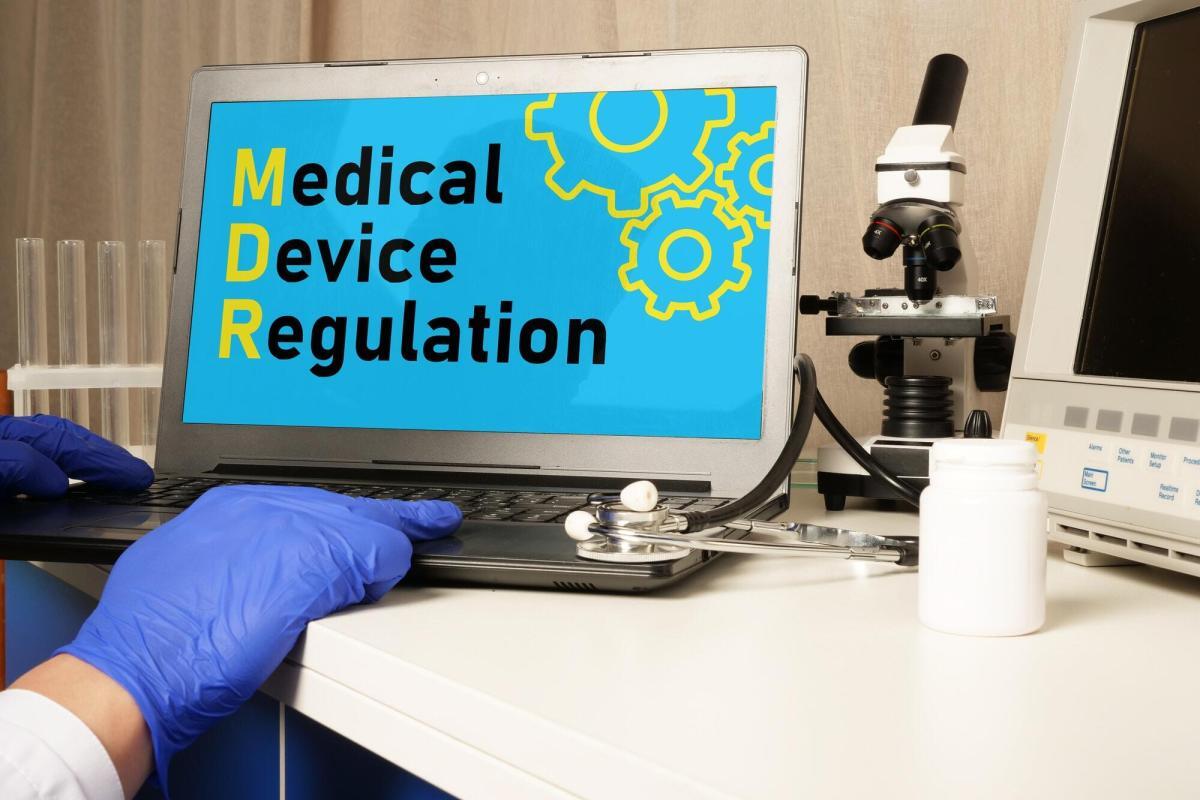
Medical Device Regulation ensures safety, enhances standards, fosters innovation, and supports effective healthcare delivery.
 By
By
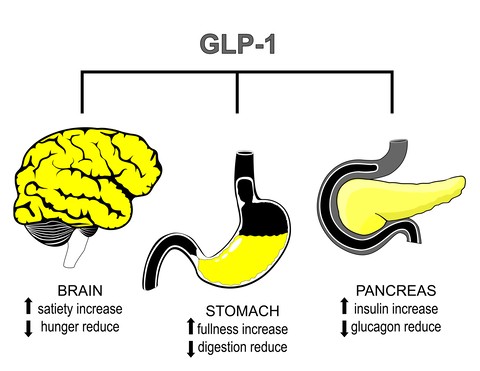
Weight loss medications are transforming healthcare, challenging medical devices, reshaping obesity treatment, and redefining patient outcomes globally.
 By
By
Digital therapeutics provide innovative solutions for managing diseases, improving care accessibility, and supporting personalised treatments.
 By
By
Wearable devices and apps empower individuals to monitor health, support telemedicine, and enhance personalised healthcare management.
 By
By
Robotics and automation in healthcare enhance precision, efficiency, and patient care, transforming surgeries, rehabilitation, and hospital operations.
 By
By
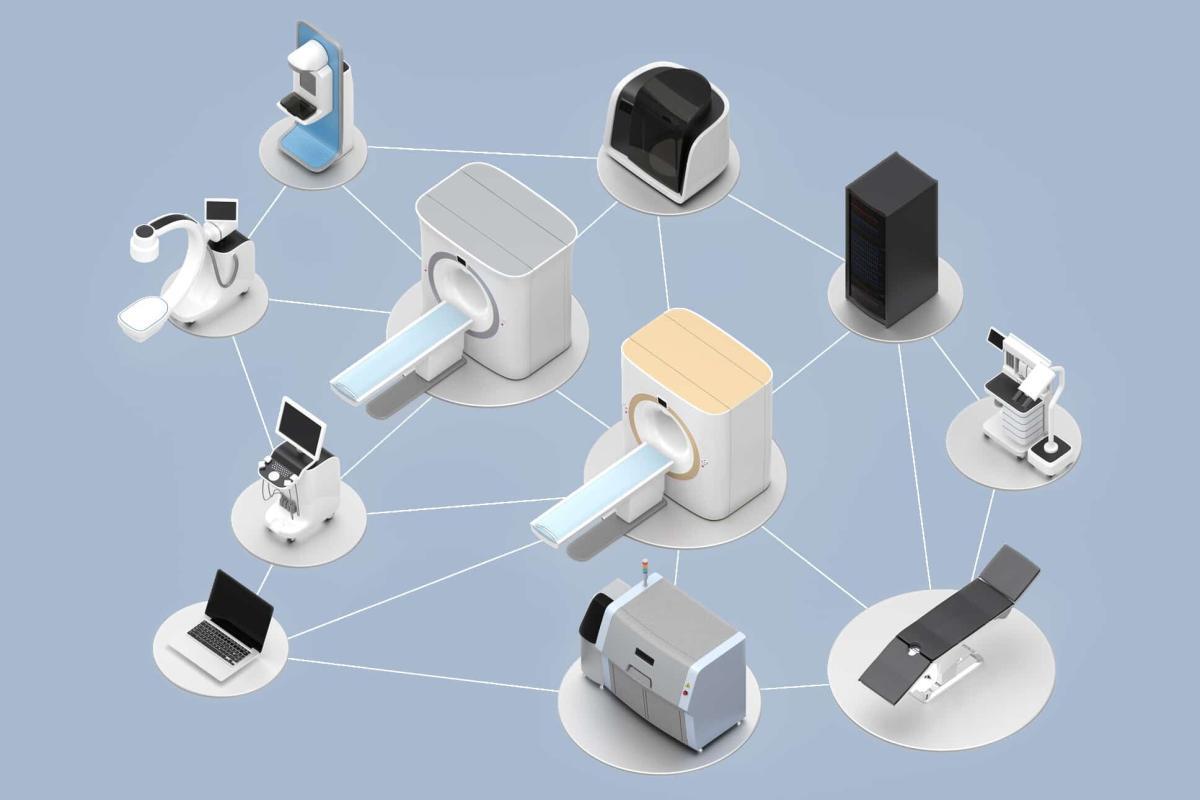
Web-based enterprise imaging systems enhance collaboration, integrate AI, streamline workflows, and improve patient-centric medical imaging accessibility.
 By
By
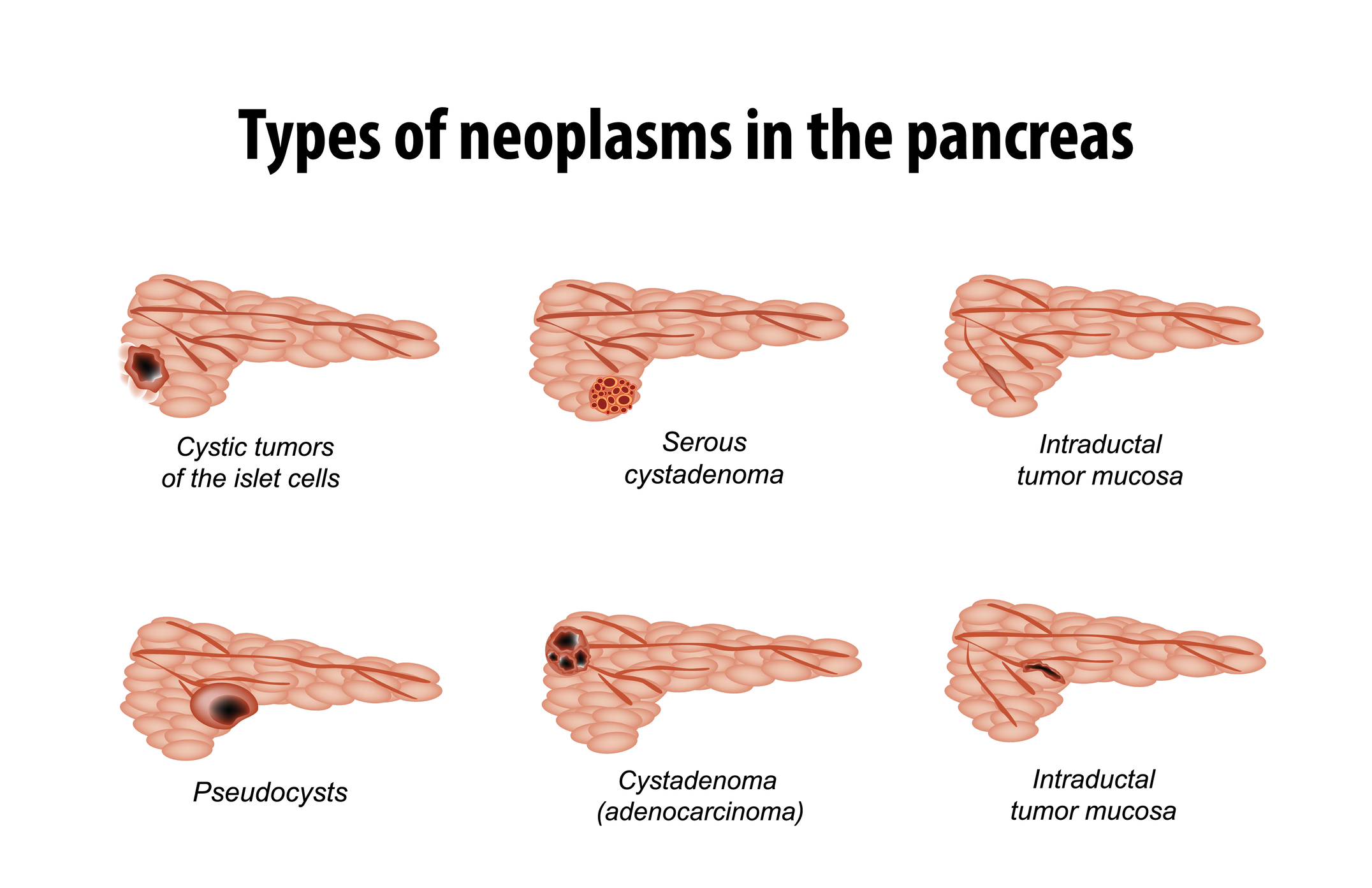
Tumour grading assesses cellular abnormality, predicting cancer growth rate, treatment needs, and informing patient prognosis effectively.
 By
By
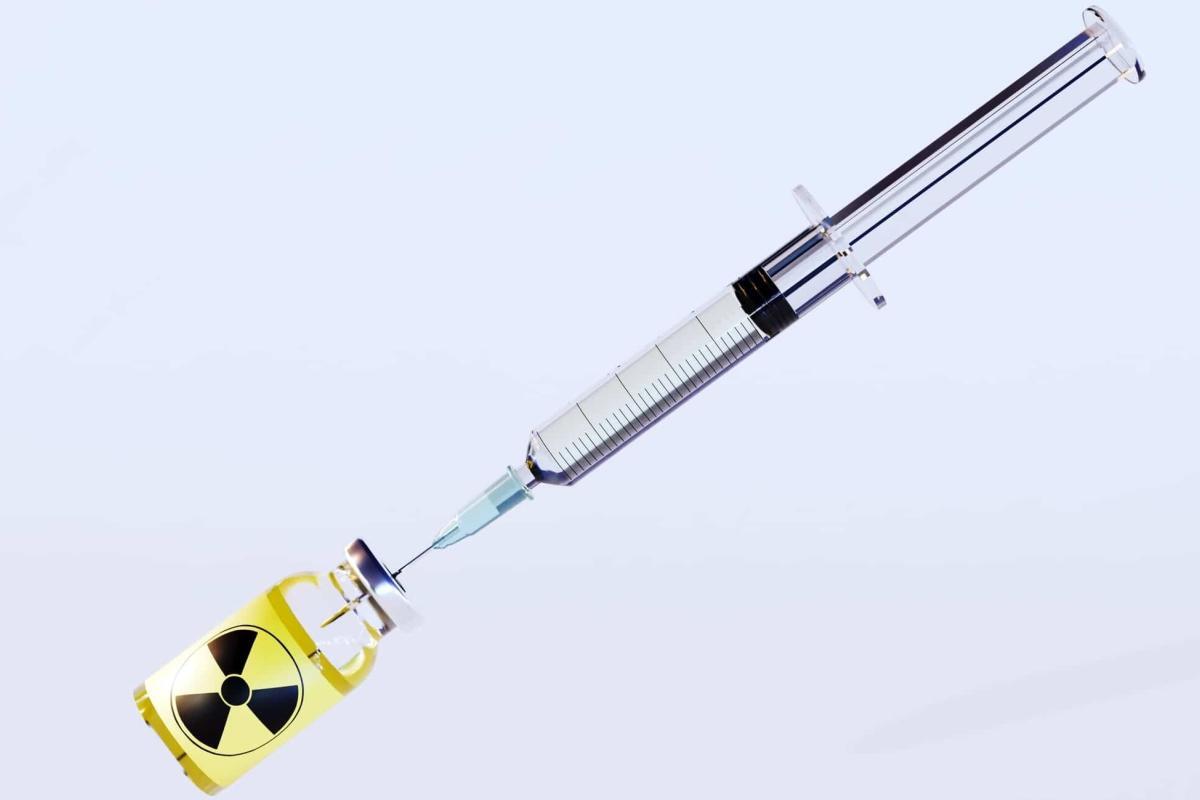
Radiation dose management focuses on minimising exposure while maintaining diagnostic quality through advanced technologies and strategies.
 By
By
Radiomics and machine learning enhance Crohn’s disease diagnosis by providing precise, data-driven insights for personalised treatment plans.
 By
By
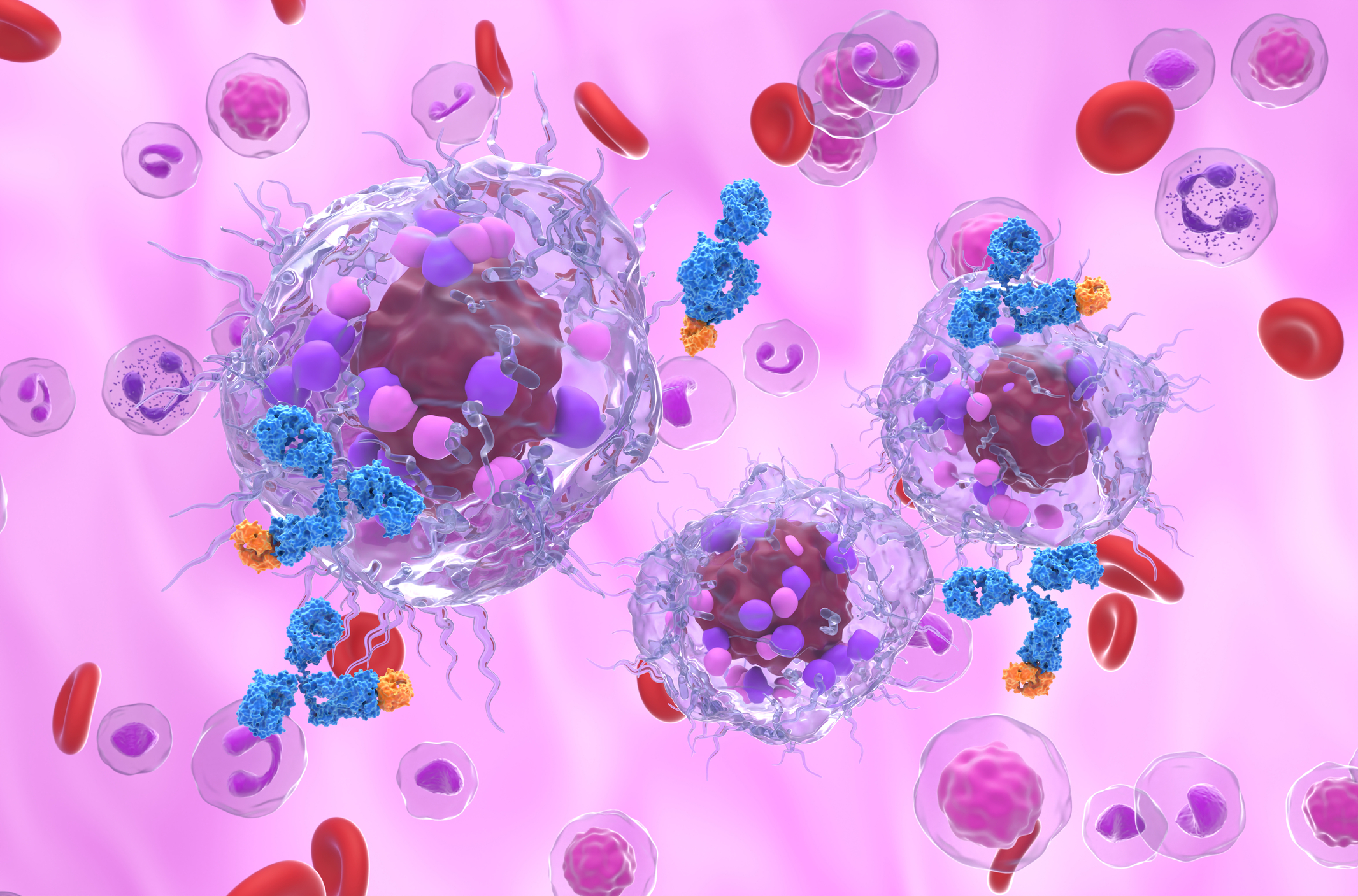
Lower-Field MRI provides affordable imaging options, improving diagnostic capabilities in underserved medical communities worldwide.
 By
By
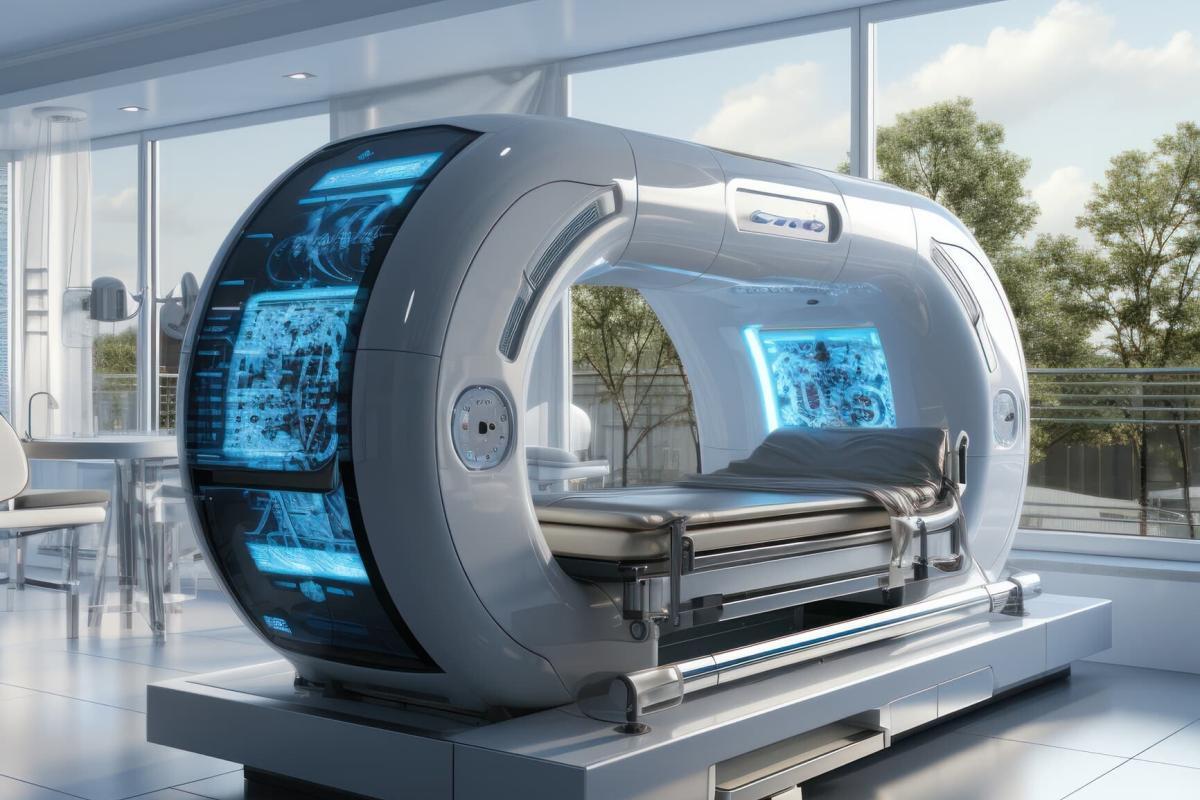
Peptide Receptor Radionuclide Therapy utilises radiopharmaceuticals to target somatostatin receptor-expressing tumours, improving treatment outcomes significantly.
 By
By
AI Magnetic Resonance is revolutionising imaging, enhancing diagnostic accuracy, accelerating workflows, and enabling groundbreaking medical research advancements.
 By
By
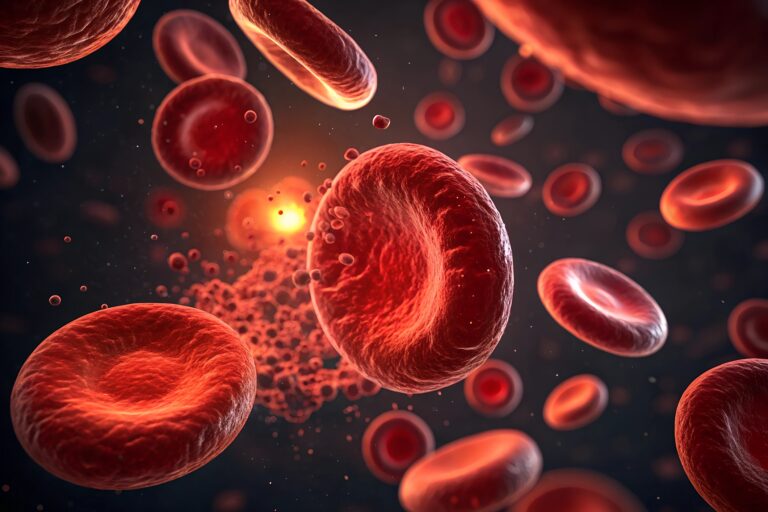
Imaging of blood types enhances medical diagnostics, ensuring accurate transfusions, organ compatibility, and advanced disease detection methods.
 By
By
Magnetics in medicine enhance diagnostic precision, therapeutic targeting, and innovative treatments, transforming modern healthcare practices globally.
 By
By
What is a Medical Science Liaison? A professional who connects science and medicine through expert knowledge sharing. Image for illustration only. People depicted are models.
 By
By
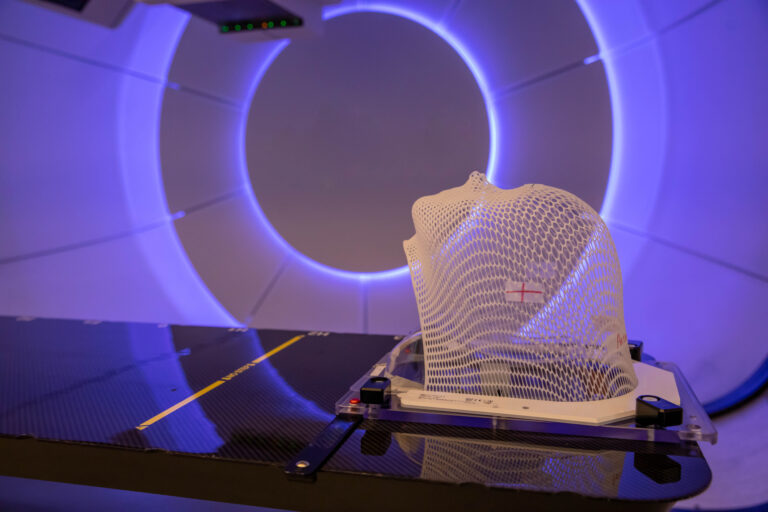
Advancements in Proton Beam Therapy have led to better cancer treatments with fewer side effects.
 By
By
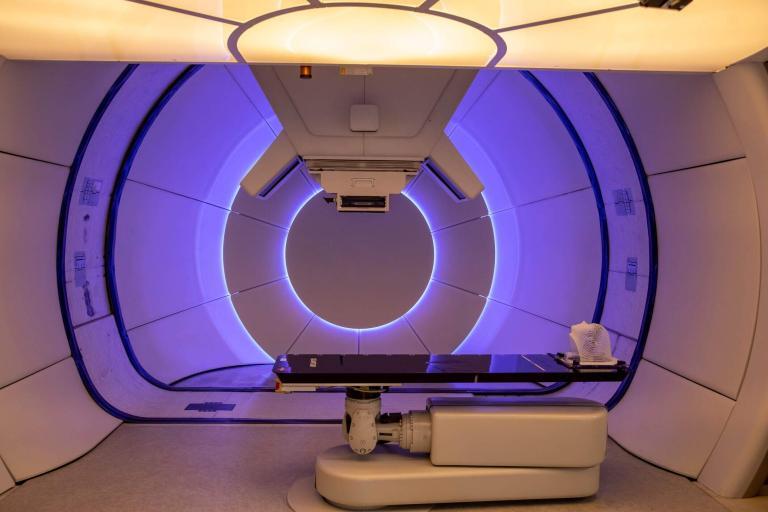
Proton therapy in cancer treatment offers precise targeting, reducing damage to healthy tissues and improving outcomes.
 By
By
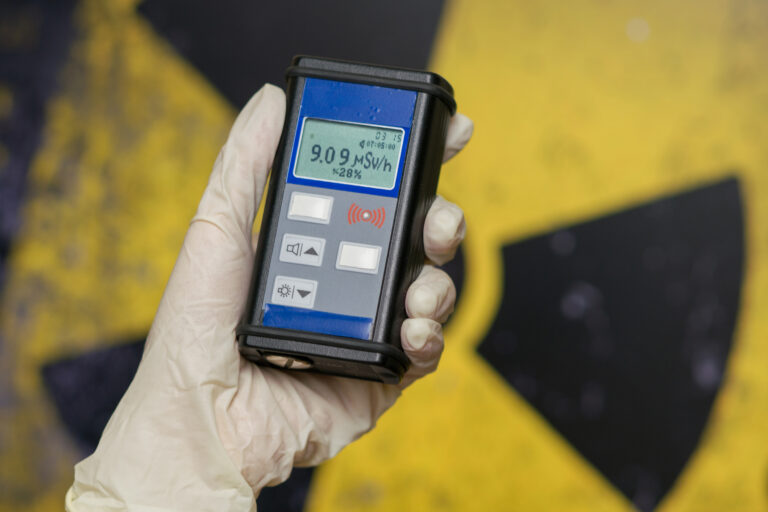
Surviving a nuclear war requires preparation, quick action, resource management, and resilience to endure its aftermath challenges.
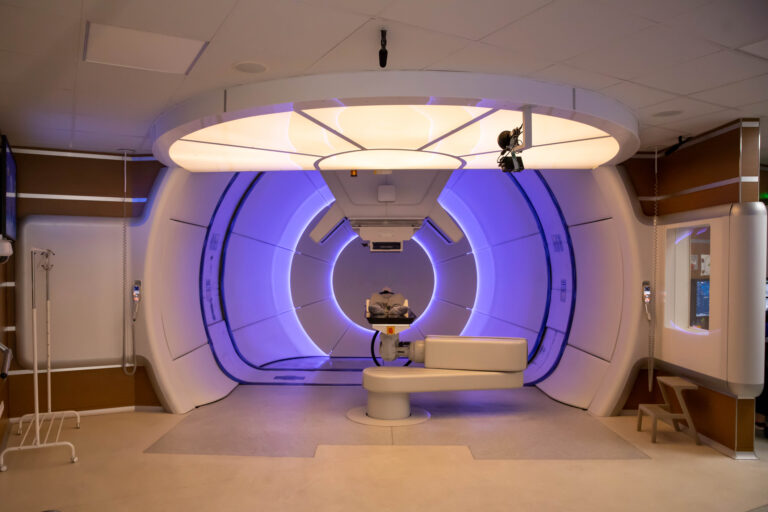 By
By
Proton radiation therapy revolutionises cancer treatment by precisely targeting tumours while sparing healthy tissues.
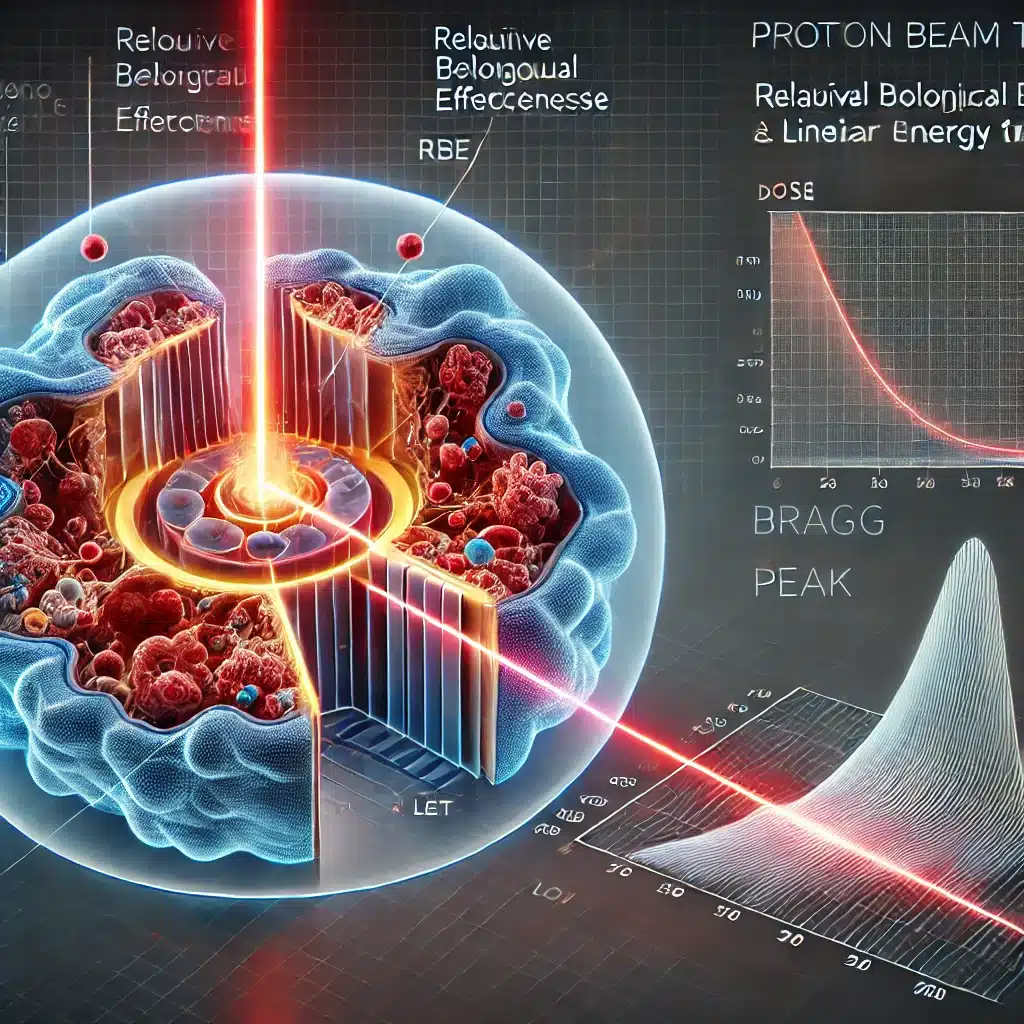 By
By
RBE in proton therapy quantifies biological damage relative to conventional radiation, enhancing treatment precision significantly.
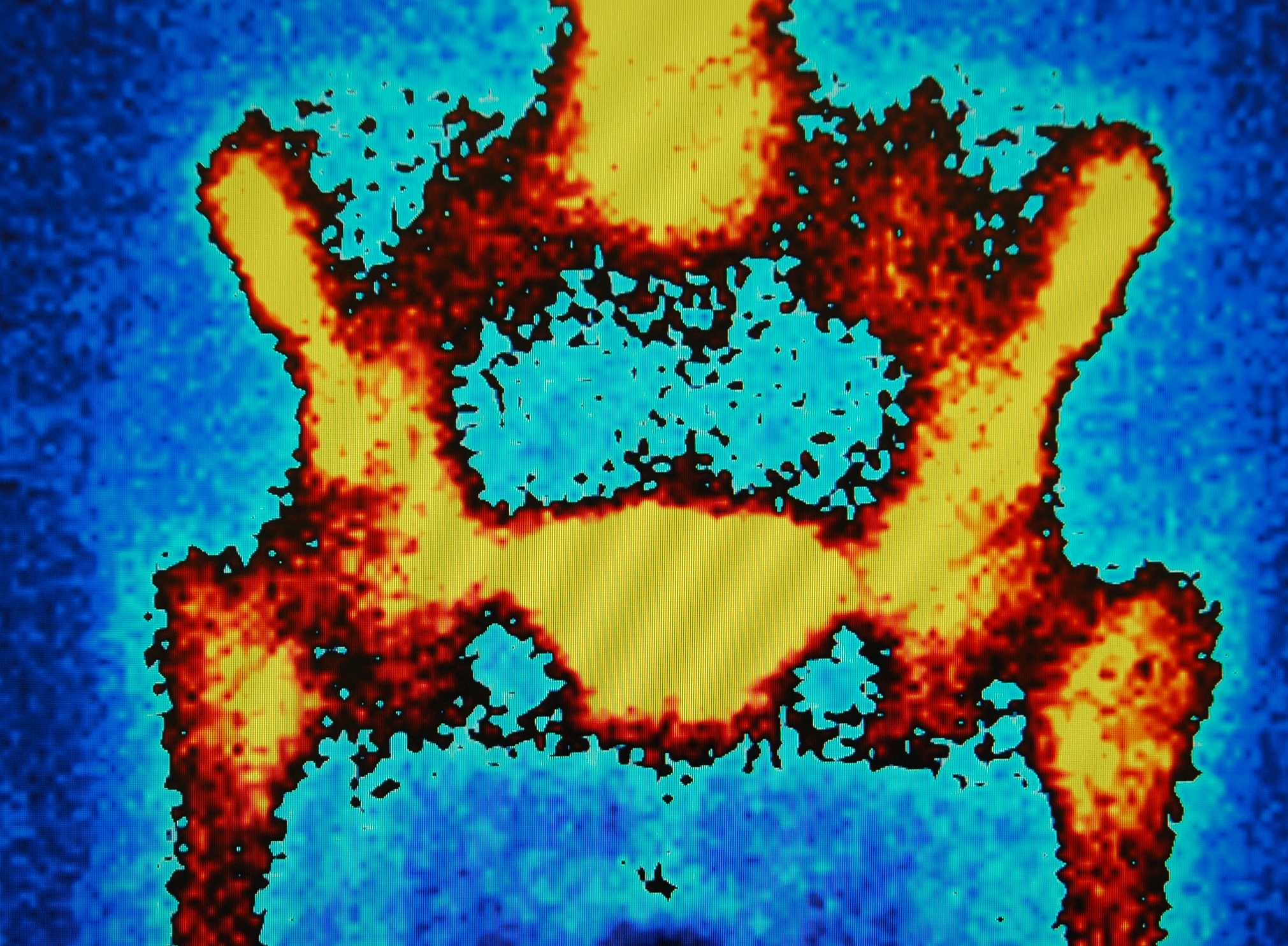 By
By
FLASH proton therapy utilises ultra-high dose rates to target tumours effectively while sparing surrounding healthy tissues from damage.
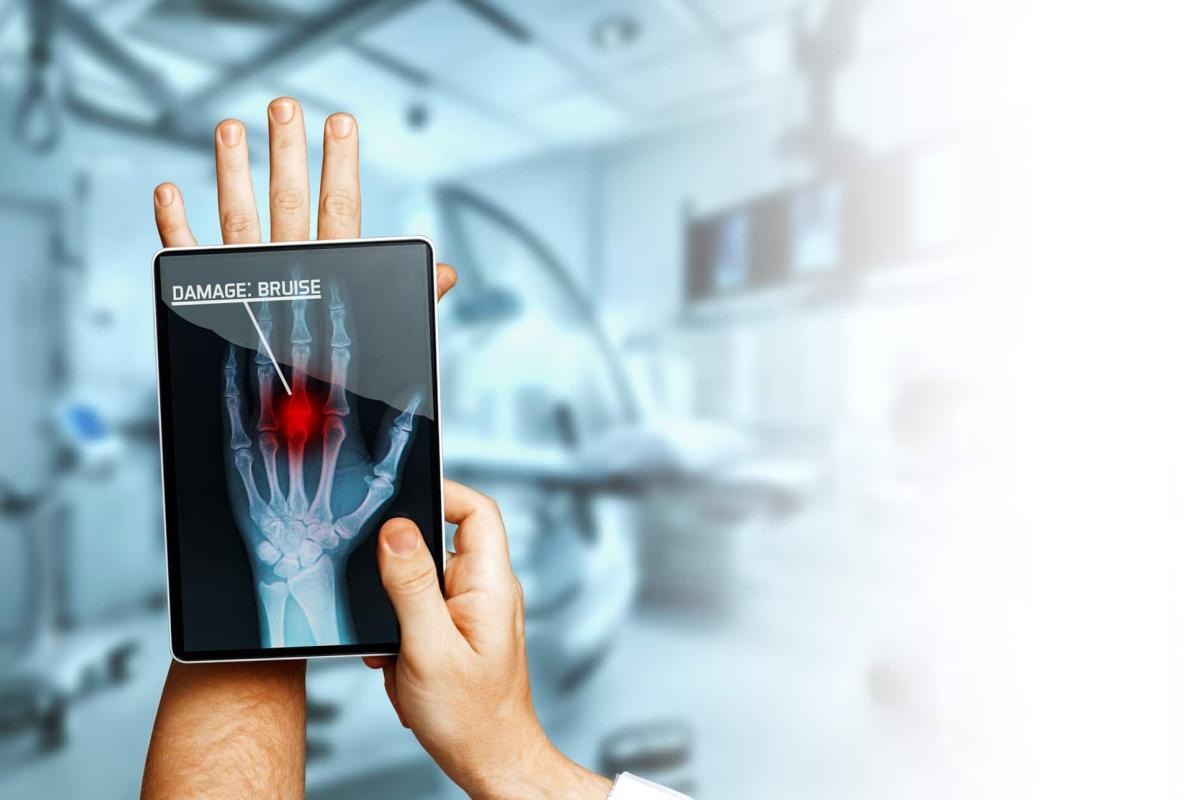 By
By
Imaging-based screening revolutionises healthcare by detecting diseases early, yet sparks debate over risks.
 By
By
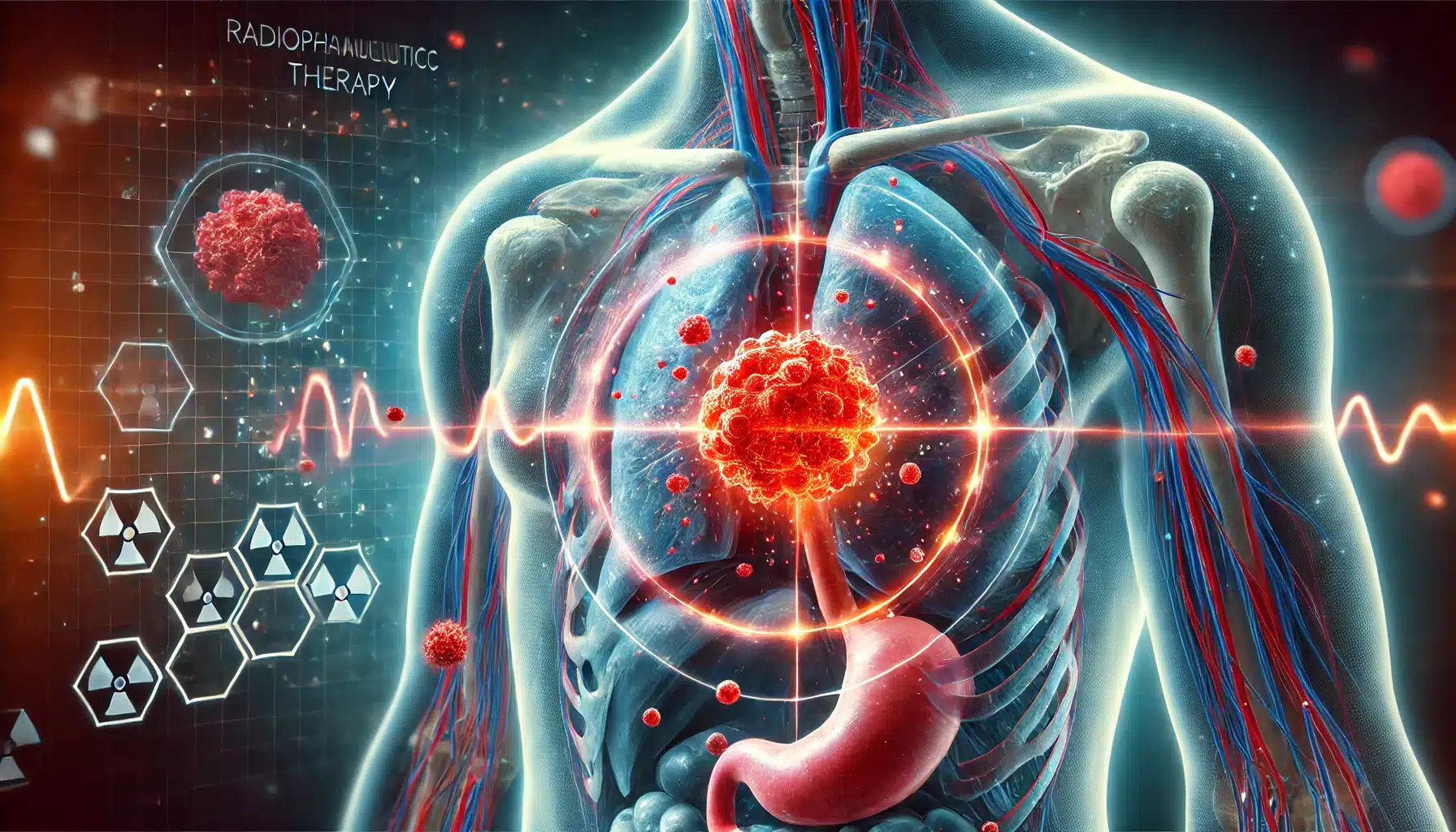
Radiopharmaceutical therapy in cancer offers targeted treatment, minimising side effects while enhancing patient outcomes.
 By
By
AI imaging revolutionises clinical diagnostics by enabling rapid, accurate disease detection, monitoring, and personalised treatment planning. Image for illustration only. Person depicted is a model.
 By
By
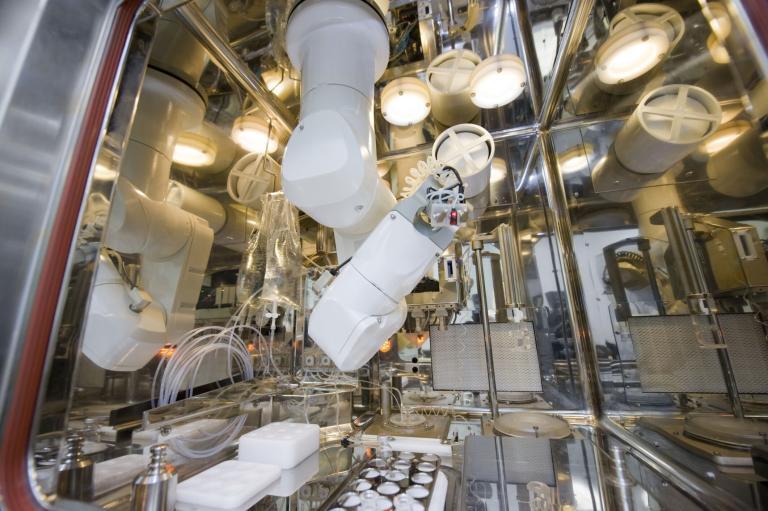
Nuclear Medicine Healthcare advances precision diagnosis, innovative therapies, and prioritises patient and professional safety.
 By
By
Generative AI healthcare solutions empower professionals, streamline operations, and transform patient experiences through technology.
 By
By
Green radiology promotes sustainability by reducing energy use, managing waste, and integrating renewable resources effectively.
 By
By
Digital twins, bridging physical and virtual world, enable real-time simulations, improving healthcare, engineering, urban planning, and innovative research.