
Understanding the International Council for Harmonisation (ICH) Q7 Guideline
 By
By
The ICH Q7 guideline ensures consistent manufacturing practices, maintaining API quality, purity, and safety throughout production processes.
By
The ICH Q7 guideline ensures consistent manufacturing practices, maintaining API quality, purity, and safety throughout production processes.
 By
By
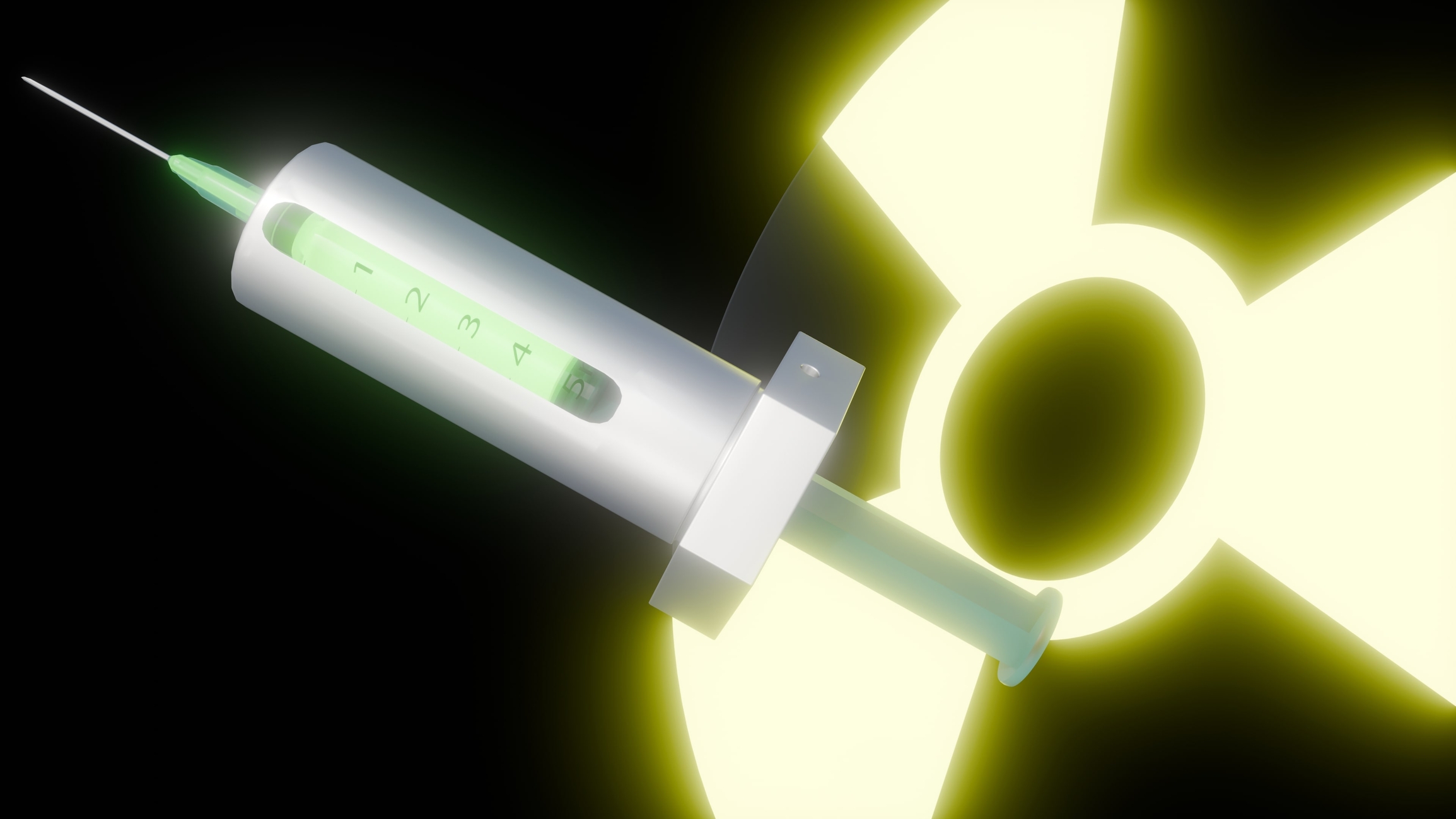
Regulatory radiopharmaceutical production requires strict adherence to safety standards, ensuring quality and patient safety.
 By
By
Adverse effects of radionuclide therapy include fatigue, nausea, myelosuppression, renal toxicity, and secondary malignancies. Image for illustration only. Person depicted is a model.
 By
By
Radiotheranostic treatments combine diagnostic imaging with targeted radiopharmaceutical therapy, providing personalised cancer care with enhanced precision and effectiveness.
 By
By
AI is revolutionising healthcare by providing faster, more accurate diagnostics, improving treatment plans, and enhancing patient outcomes significantly.
 By
By
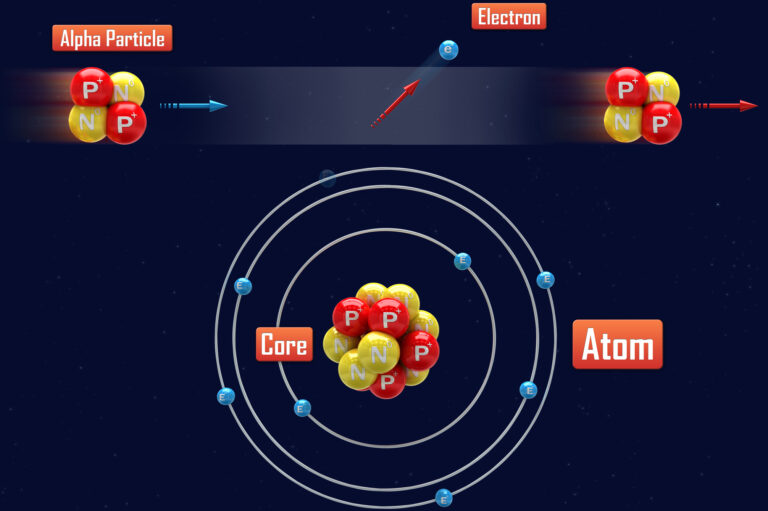
Alpha particles provide precise cancer treatment by delivering high-energy radiation, targeting tumour cells while sparing healthy tissue.
 By
By
Advances in medical imaging technology have significantly improved diagnostic accuracy, enabling earlier detection and more personalised treatments.
 By
By
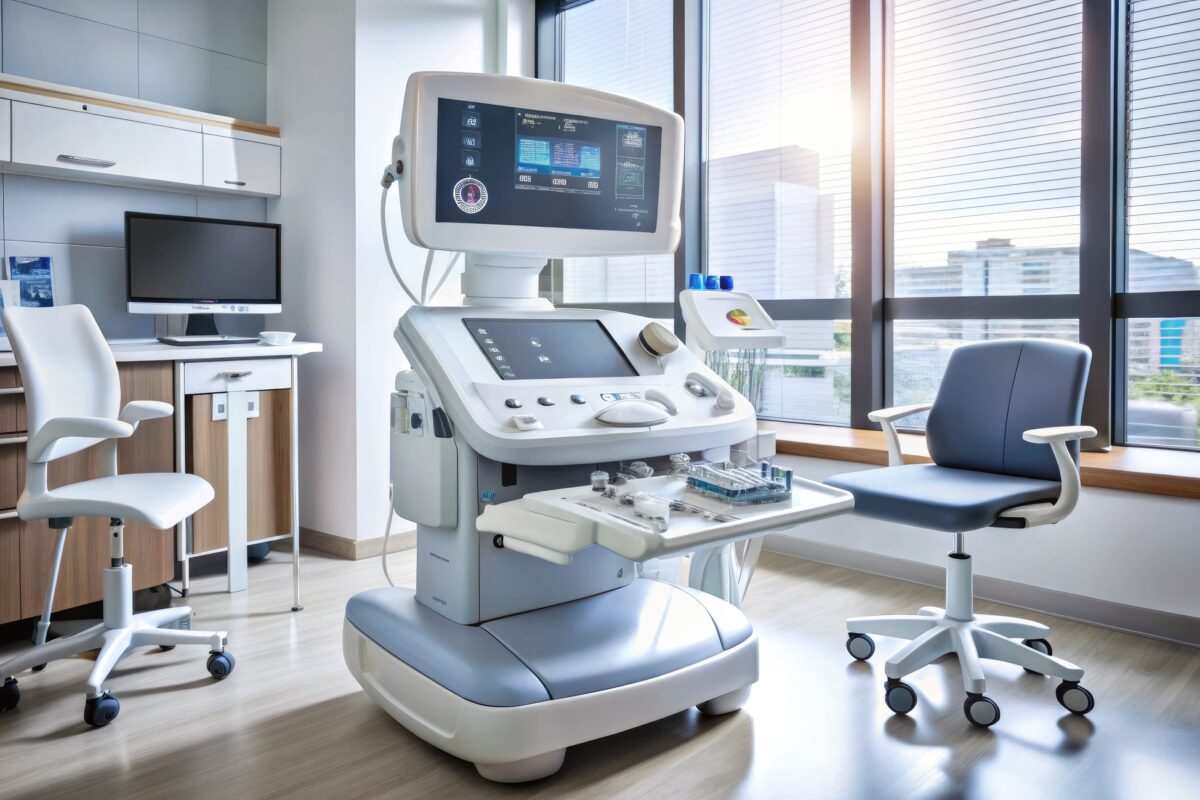
Ultrasound provides non-invasive, real-time imaging, making it an essential diagnostic tool in modern medical practice.
 By
By
Radiotheranostics offers a precise, personalised approach to cancer treatment by combining diagnostic imaging with targeted therapy.
 By
By
Advanced nuclear reactor designs, such as thorium and molten salt reactors, promise safer, more efficient, and sustainable energy solutions.
 By
By
Blood pressure management is essential for reducing the risk of heart disease, stroke, and promoting overall cardiovascular health. Image for illustration only. People depicted are models.
 By
By
Ensuring compliance with EU MDR poses significant challenges for medical device manufacturers, including increased scrutiny, financial strain, and data protection demands. Image for illustration only. People depicted are models.
 By
By
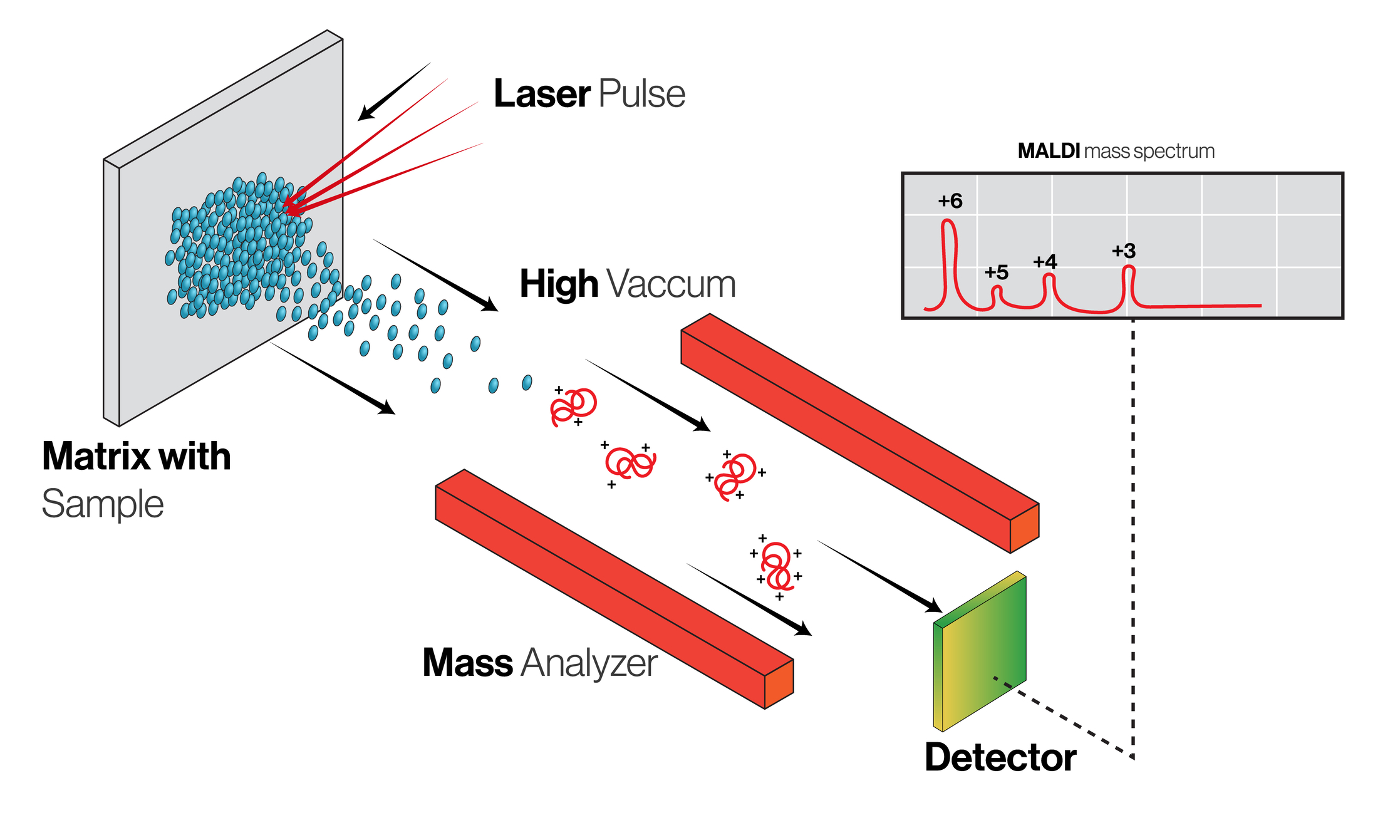
Microdosing with carbon-14 and Accelerated Mass Spectrometry provides critical insights into drug absorption, distribution, metabolism, and excretion.
 By
By
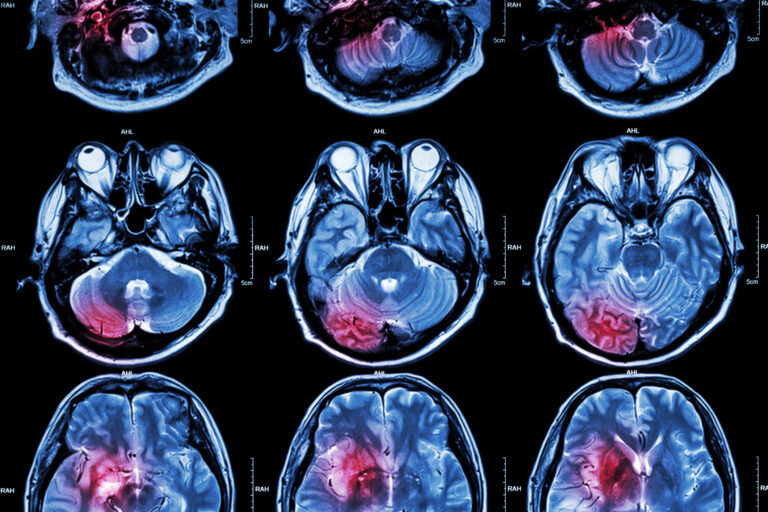
Magnetic resonance imaging (MRI) revolutionized medical diagnostics by evolving from nuclear magnetic resonance discoveries to life-saving technology.
 By
By
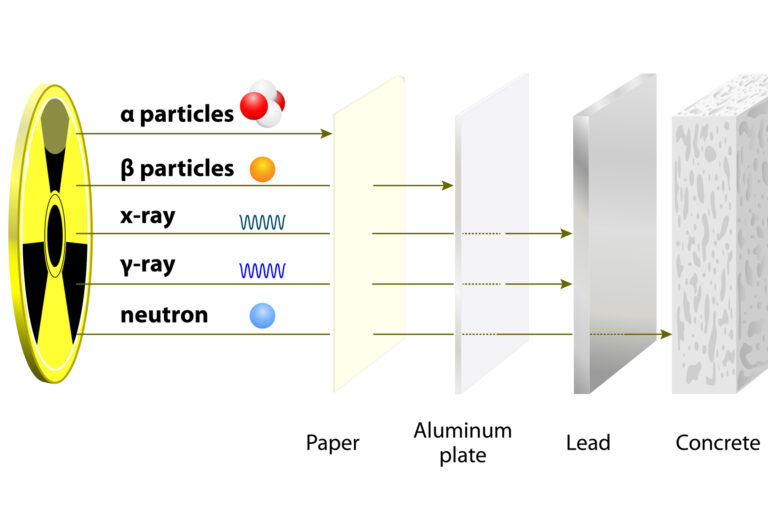
Radioactive transformations, including alpha, beta, and gamma decay, play crucial roles in both natural phenomena and technological advancements.
 By
By
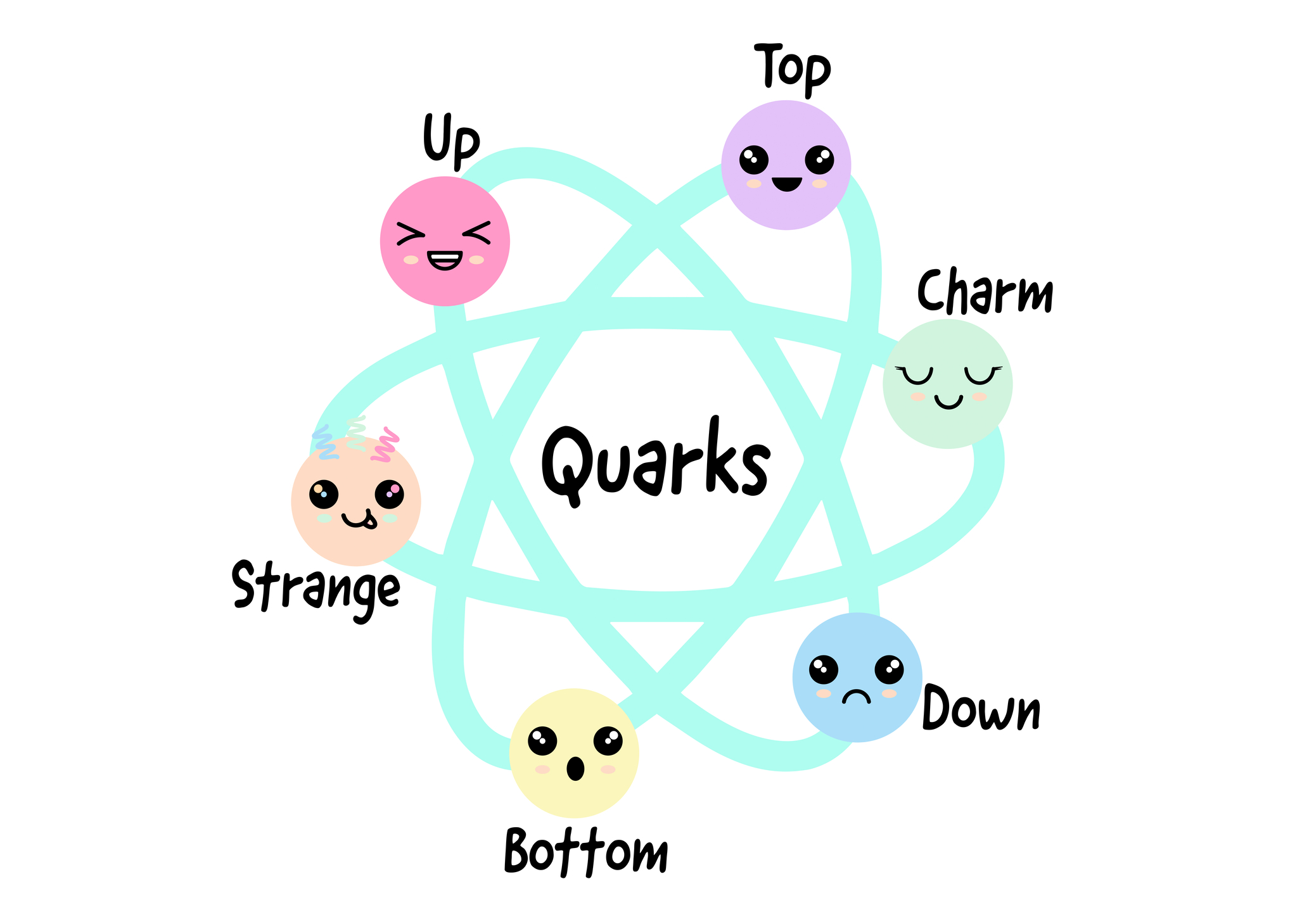
Quarks, with their unique properties and interactions, form the essential building blocks of all matter in the universe.
 By
By
Quantum mechanics fundamentally alters our perception of reality, introducing concepts like superposition, uncertainty, and entanglement that defy classical intuition.
 By
By
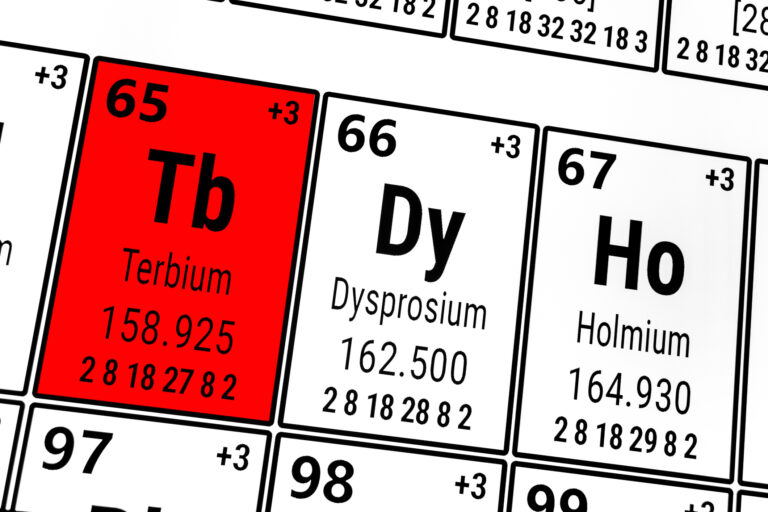
The article explores the theranostic applications of Terbium radionuclides, highlighting their diagnostic and therapeutic potential in nuclear medicine.
 By
By
MRI scans provide critical insights into the body’s internal structures, aiding in the diagnosis and treatment of various conditions.
 By
By
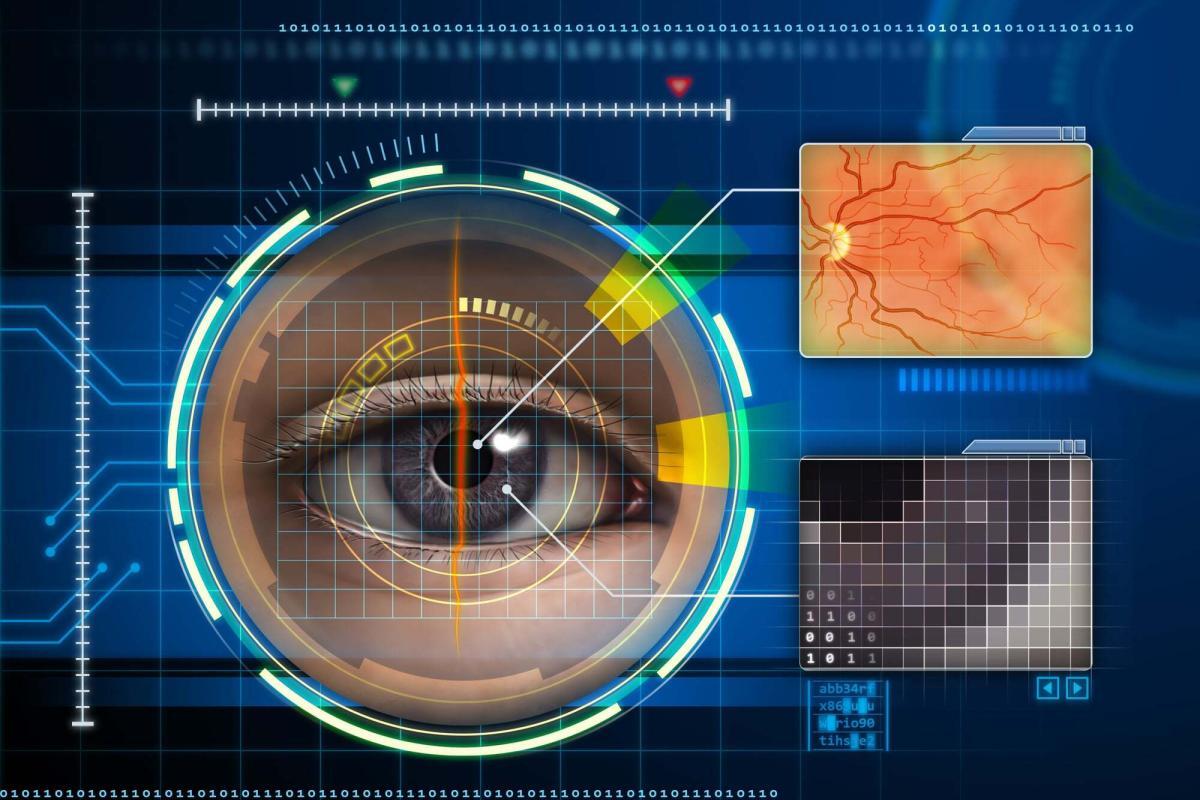
The interaction between light and the human eye is fundamental, enabling us to see and interpret our surroundings vividly.
 By
By
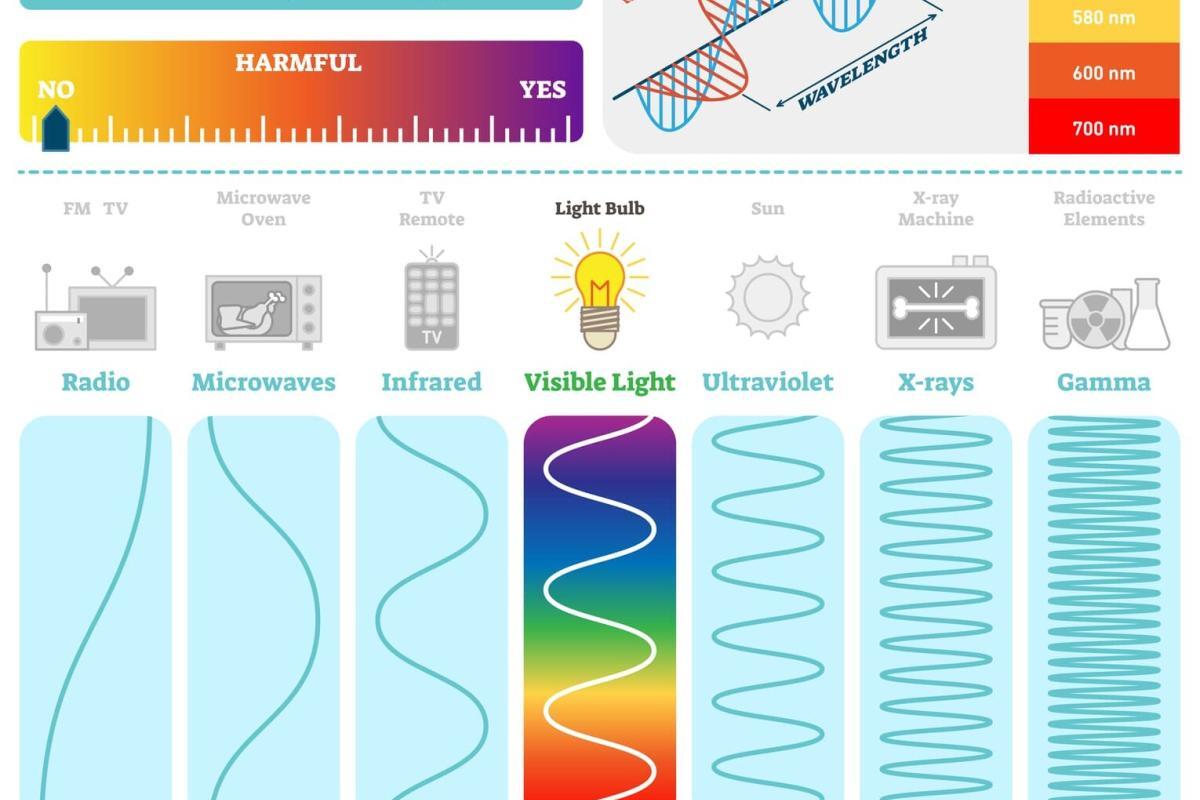
Each region of the electromagnetic spectrum serves unique purposes, from communication and medical imaging to scientific exploration and research.
 By
By
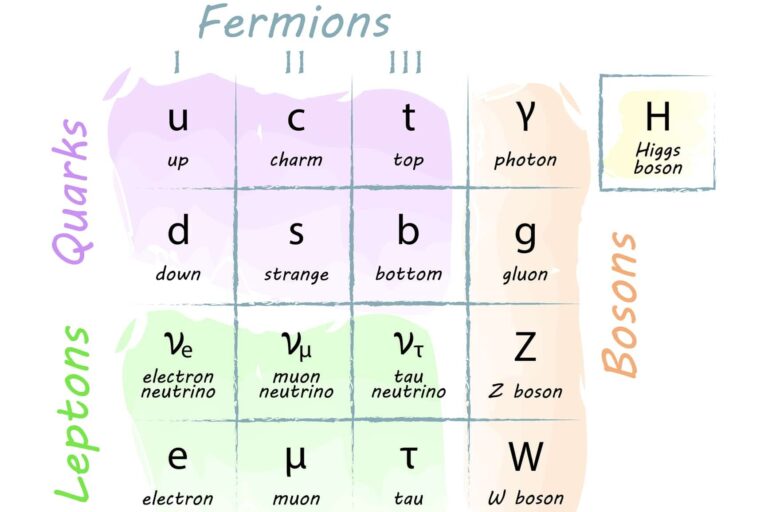
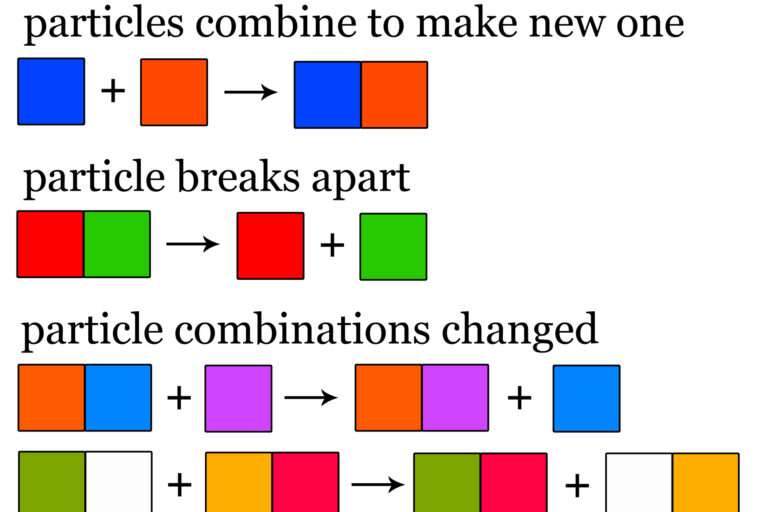
Fundamental particles form the essential building blocks of matter, underlying all physical phenomena and forces in the universe.
 By
By
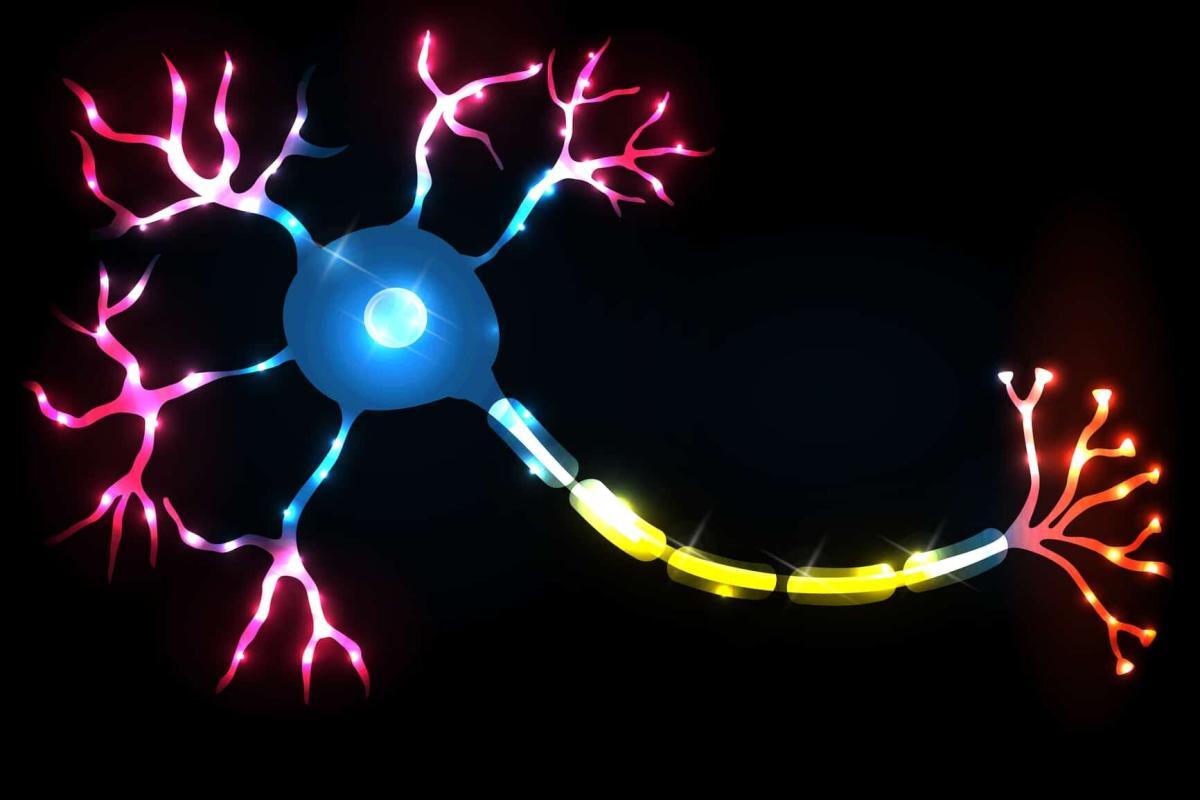
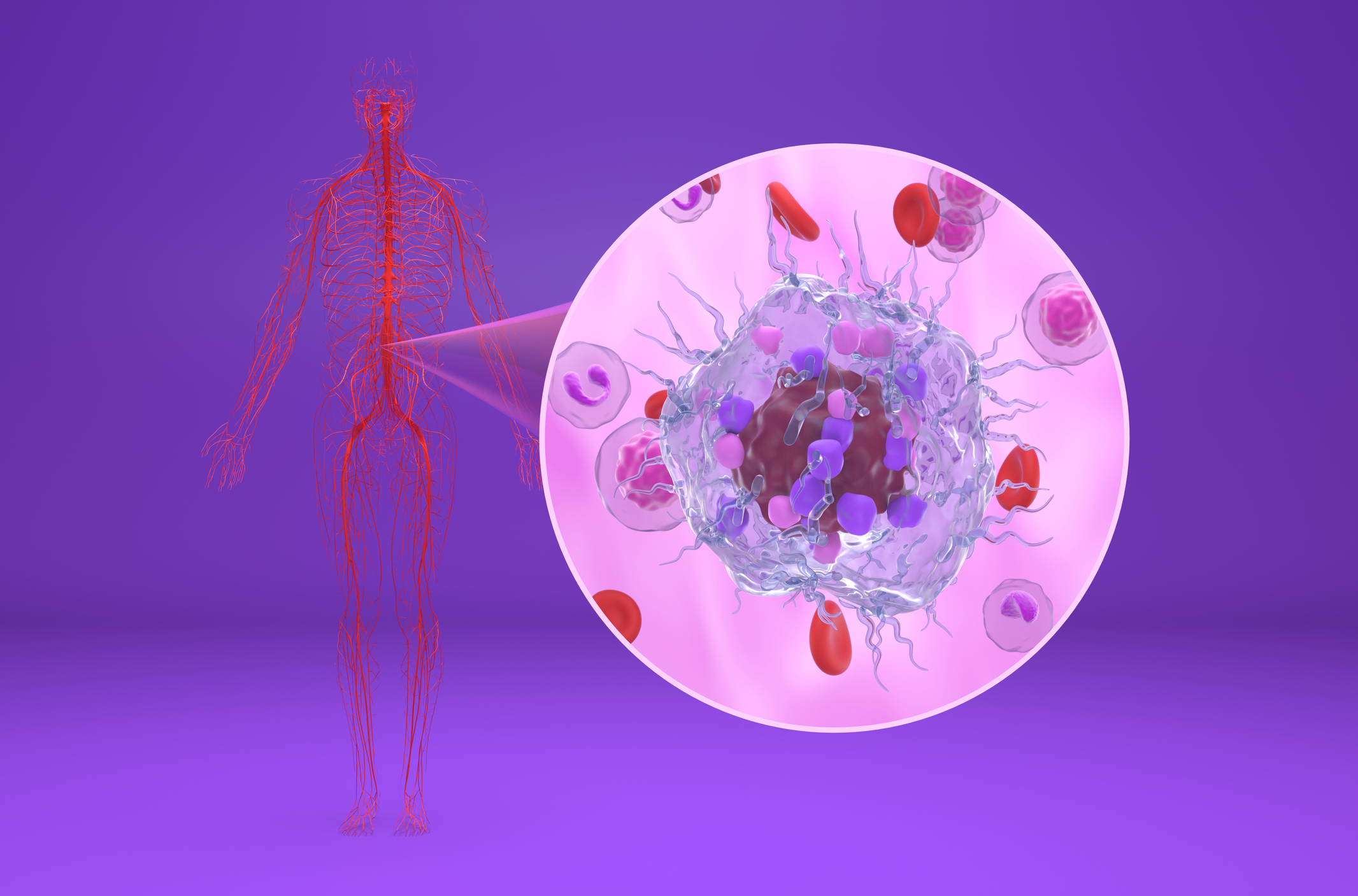
Diagnostic imaging in motor neurone disease (MND) is crucial for early detection, disease monitoring, and differentiating from other conditions.
 By
By
Peptide Receptor Radionuclide Therapy offers a targeted approach to treating neuroendocrine tumours, improving survival rates and quality of life.
 By
By
Adhering to environmental regulations in radiopharmaceutical production ensures safety, reduces waste, and protects the surrounding ecosystem.
 By
By
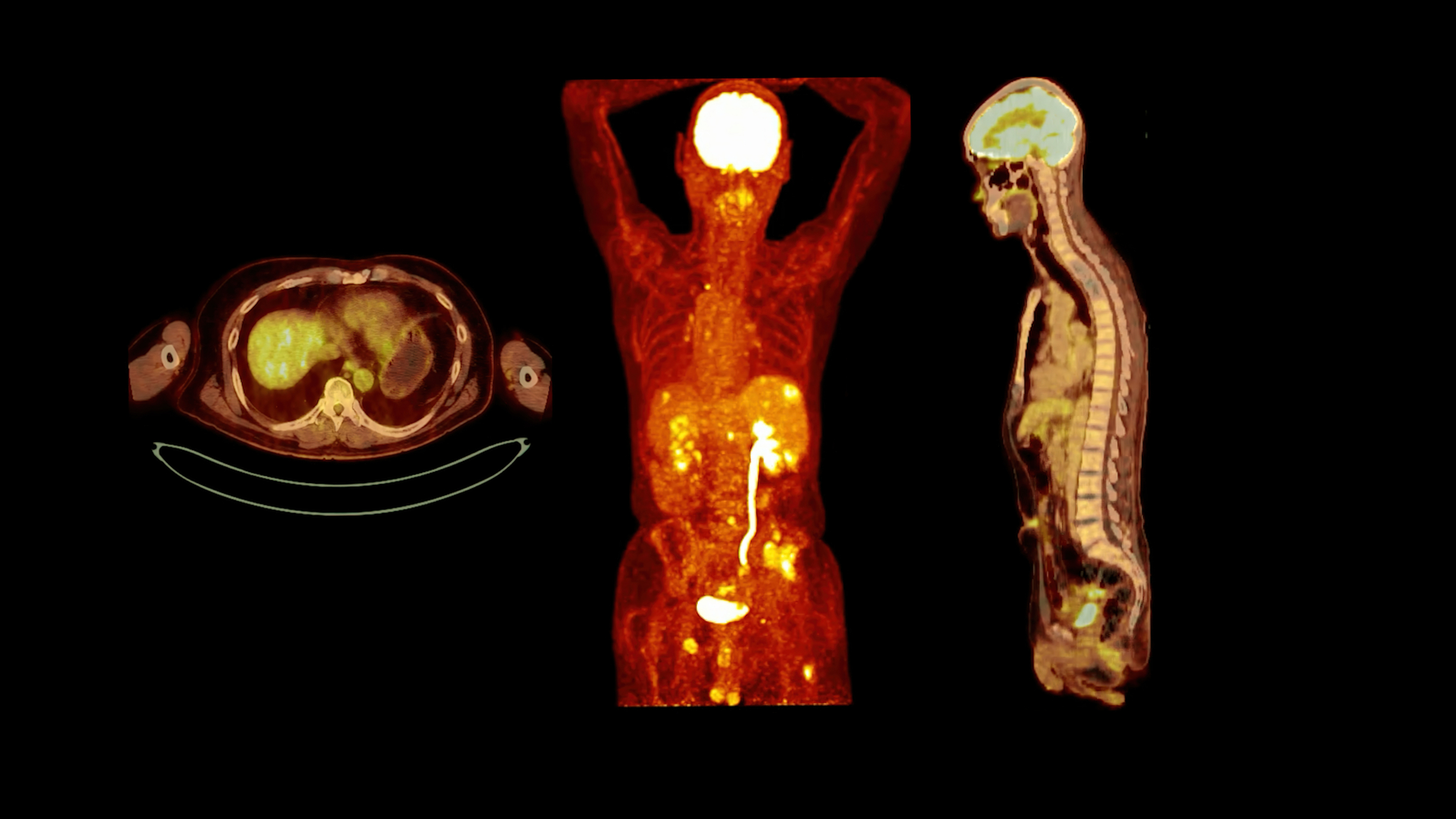
Radiopharmaceuticals in diagnostics provide critical insights into disease processes, improving accuracy, patient care, and treatment outcomes significantly.
 By
By
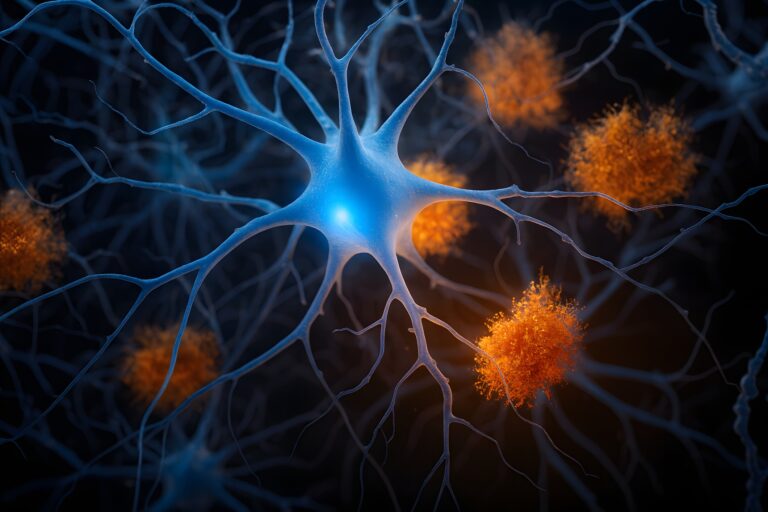
Pittsburgh Compound-B allows researchers to visualise amyloid plaques in the brain, aiding in Alzheimer’s disease diagnosis and study.
 By
By
Advancements in Carbon-11 synthesis technology have significantly improved the efficiency and accuracy of PET imaging in medical diagnostics.
 By
By
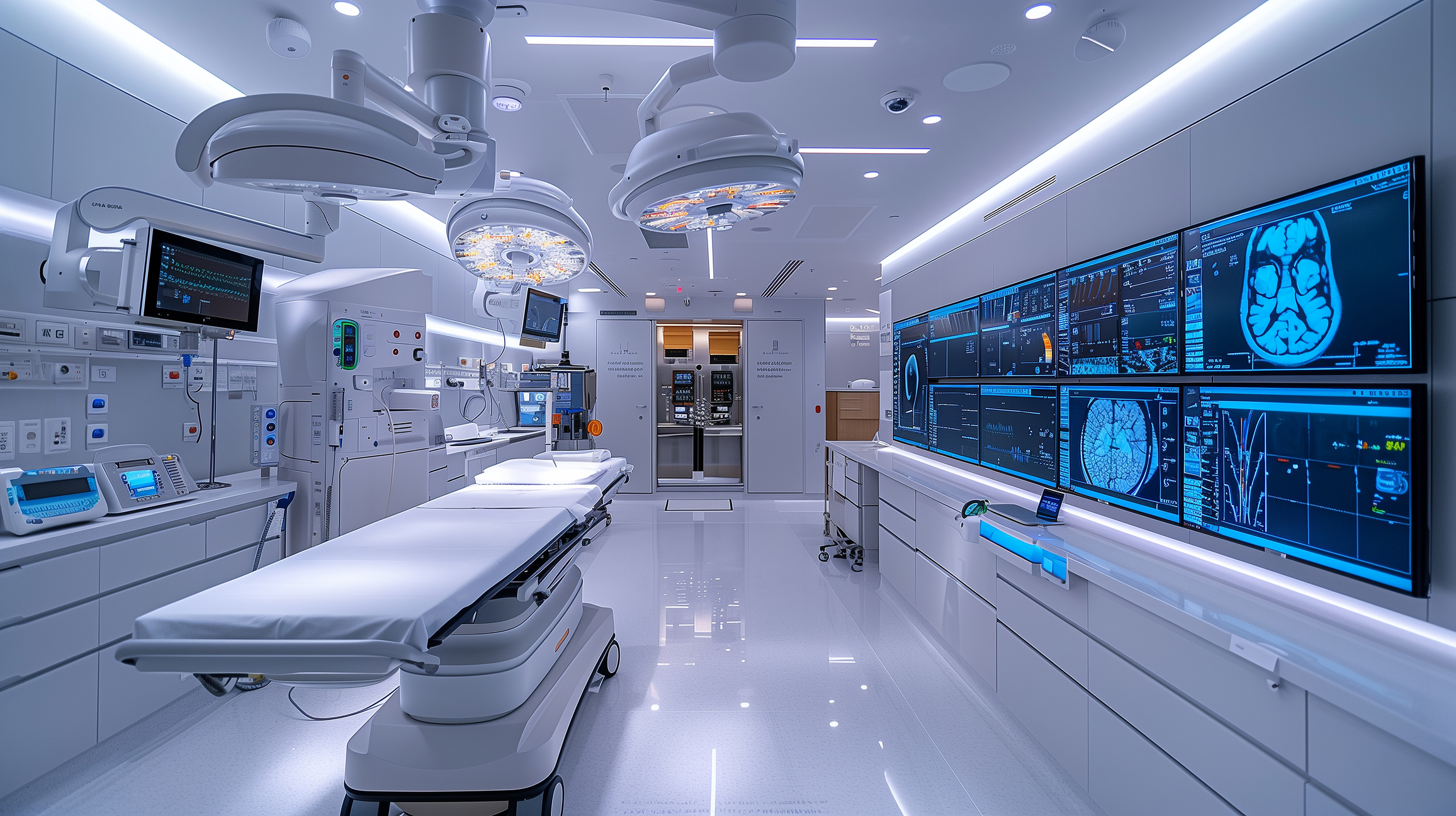
Radiopharmacy combines the disciplines of pharmacy and nuclear science to create radiopharmaceuticals, revolutionising the diagnosis and treatment of diseases.
 By
By
Neuroimaging in nuclear medicine allows for detailed visualisation of brain activity, aiding in diagnosing complex neurological conditions.