
Introduction
Vein care has undergone a quiet but significant transformation over the past two decades, moving away from generalized assumptions and toward a model grounded firmly in clinical research. Where treatment decisions were once guided largely by tradition or individual practitioner preference, modern vein care increasingly relies on rigorous evidence, including randomized controlled trials, long-term outcome studies, and comparative effectiveness research. This shift toward evidence-based medicine has reshaped nearly every aspect of how venous conditions are diagnosed, treated, and managed, ultimately leading to better outcomes and more personalized care for patients. Understanding how this evidence-driven approach works helps explain why modern vein treatment looks so different from what was standard practice just a generation ago.
What Evidence-Based Medicine Actually Means in Vein Care
Evidence-based medicine refers to the practice of making clinical decisions based on the best available research, combined with clinical expertise and patient-specific factors. In the context of vein care, this means that treatment recommendations for conditions like varicose veins, spider veins, and chronic venous insufficiency are increasingly informed by data on which interventions produce the most consistent, long-lasting results with the fewest complications. Rather than relying solely on anecdotal success or long-standing convention, vein specialists now have access to a growing body of peer-reviewed research comparing different treatment modalities, allowing for more informed decision-making. Patients seeking care from experienced vein specialists serving Edmonds can also benefit from providers who stay current with evolving clinical research and apply evidence-based treatment approaches tailored to each individual’s vascular condition.
The Shift Away from Traditional Vein Stripping
Perhaps one of the clearest examples of evidence reshaping vein care is the decline of traditional vein stripping surgery as a first-line treatment. For decades, surgical stripping was the standard approach for significant varicose veins, despite requiring general anesthesia, longer recovery times, and carrying a higher risk of complications compared to some alternatives. As research accumulated comparing outcomes between surgical stripping and less invasive techniques, data consistently showed that minimally invasive procedures could achieve comparable, and in some cases superior, long-term results with significantly less downtime and discomfort. This body of evidence gradually shifted clinical guidelines and physician preference away from stripping as a default option, illustrating how research-driven medicine can meaningfully change standard practice even when older methods remain technically effective.
Endovenous Thermal Ablation and the Power of Comparative Studies
Endovenous thermal ablation techniques, including radiofrequency and laser ablation, represent another area where research has directly shaped treatment protocols. Multiple comparative studies examining these techniques against traditional surgery have consistently demonstrated high success rates, lower complication rates, and faster patient recovery. These findings did not simply confirm that a newer technology worked; they provided the kind of rigorous, comparative data needed to justify a shift in clinical guidelines across professional vascular societies. This is a key distinction in evidence-based medicine: a treatment does not become standard practice simply because it is newer or less invasive, but because accumulated research demonstrates it produces measurably better or equivalent outcomes compared to existing options. This rigorous standard helps protect patients from being steered toward treatments based on novelty alone.
The Role of Long-Term Outcome Data
While short-term success rates are important, evidence-based vein care places significant emphasis on long-term outcome data, since some treatments that appear effective initially may have higher rates of recurrence or complications over extended follow-up periods. Longitudinal studies tracking patients for five, ten, or even fifteen years after treatment provide crucial insight into which interventions offer truly durable results. This long-term perspective has influenced how vein specialists counsel patients, moving conversations beyond simply which treatment resolves visible symptoms fastest, toward which approach offers the best combination of immediate relief and sustained results over time. Patients benefit significantly from this research emphasis, as it helps set realistic expectations and supports treatment choices that are less likely to require repeated interventions down the line.
How Research Informs Patient Selection and Personalized Treatment
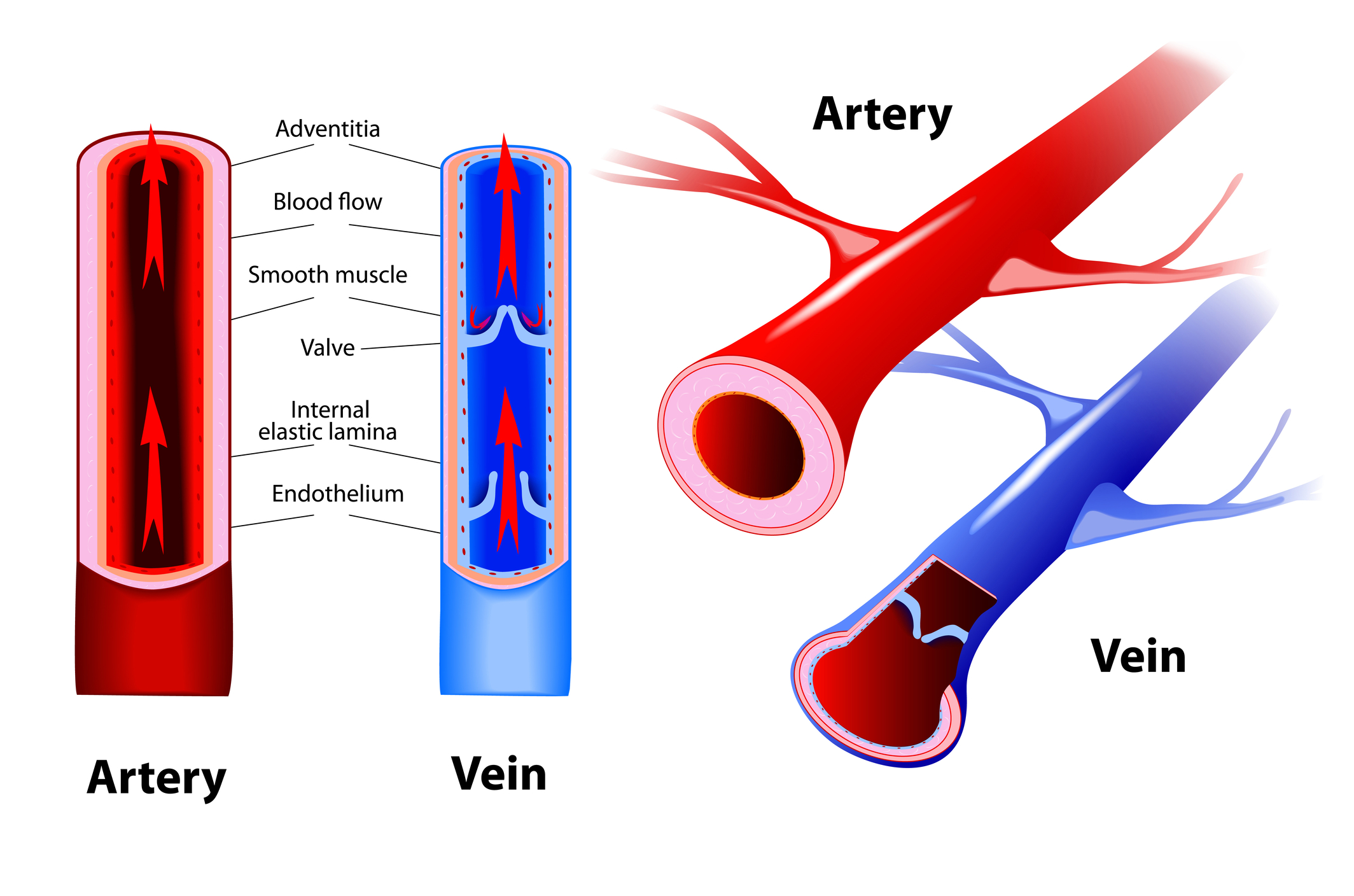
Evidence-based medicine has also refined how clinicians determine which treatment is most appropriate for a given patient, rather than applying a one-size-fits-all approach. Research has helped identify specific factors, such as vein size, location, underlying valve function, and overall vascular anatomy, that influence how well a patient is likely to respond to a particular treatment modality. This has led to more personalized treatment planning, where specialists can use established clinical criteria, informed by research, to match patients with the intervention most likely to produce optimal results for their specific presentation. This individualized approach represents a significant departure from earlier eras of vein care, where treatment options were often more limited and less tailored to individual patient anatomy or risk factors.
The Importance of Studying Complication Rates
An essential, though sometimes less discussed, aspect of evidence-based vein care involves the rigorous study of complication rates across different treatment approaches. Research examining adverse events, ranging from minor bruising or skin discoloration to more serious concerns like blood clots or nerve injury, has been instrumental in refining treatment protocols to minimize risk. This ongoing scrutiny has led to improvements in technique, patient screening criteria, and post-procedure monitoring, all aimed at reducing the likelihood of complications while maintaining treatment effectiveness. This continuous refinement process reflects one of the core strengths of evidence-based medicine: it does not treat current best practices as permanent, but rather as an evolving standard that improves as more data becomes available.
Evidence-Based Guidelines and Professional Standards
Professional vascular and phlebology societies play a significant role in translating research findings into practical clinical guidelines that practitioners can apply consistently. These guidelines are typically developed through a rigorous process involving systematic reviews of available research, expert consensus, and ongoing revision as new studies emerge. For patients, this means that vein specialists adhering to current evidence-based guidelines are applying treatment protocols that have been vetted through extensive research rather than individual preference alone. This standardization helps ensure a more consistent quality of care across different providers and geographic regions, though it still allows for the clinical judgment necessary to adapt treatment to individual patient circumstances.
Why Choosing Experienced, Research-Informed Specialists Matters
Given how significant research continues to shape vein care, the expertise and ongoing education of the treating specialist plays a considerable role in treatment outcomes. Clinicians who stay current with emerging research are better positioned to offer patients the most effective, evidence-supported treatment options, rather than relying on outdated approaches that may no longer represent best practice. This kind of informed, up-to-date care is particularly important in a field where treatment standards continue to evolve as new studies refine understanding of what produces the safest, most durable outcomes.
The Ongoing Evolution of Vein Care Research
Evidence-based medicine in vein care is not a static achievement but an ongoing process, with new research continually refining existing understanding and occasionally challenging established practices. Emerging areas of study include the long-term comparative effectiveness of newer minimally invasive techniques, the role of genetic and lifestyle factors in venous disease progression, and how emerging diagnostic technologies might improve early detection of venous insufficiency before symptoms become significant. This continuous cycle of research, clinical application, and outcome evaluation ensures that vein care remains responsive to new findings, rather than becoming static or reliant on outdated assumptions, even as the underlying goal, providing safe and effective relief from venous disease, remains constant.
Conclusion
The evolution of vein care from tradition-based practice to a model grounded firmly in research reflects a broader shift within medicine toward more rigorous, outcome-driven decision-making. From the decline of traditional vein stripping to the refinement of minimally invasive techniques and personalized treatment planning, evidence-based medicine has fundamentally reshaped how venous conditions are diagnosed and treated. This ongoing commitment to research not only improves treatment outcomes but also builds greater trust between patients and providers, since decisions are grounded in measurable evidence rather than assumption. As research in vascular medicine continues to advance, patients can expect vein care to keep evolving toward increasingly safe, effective, and individualized treatment approaches.
Disclaimer: This article is intended for informational and educational purposes only and should not be considered medical advice, diagnosis, or treatment recommendations. The information presented reflects current understanding of evidence-based medicine in vein care at the time of writing but may not apply to every individual or clinical situation. Treatment decisions should always be made in consultation with a qualified healthcare professional who can assess your individual medical history, symptoms, and needs. Mention of specific procedures or treatment approaches does not constitute an endorsement or guarantee of effectiveness, and clinical guidelines may change as new research becomes available.