Clinical Imaging Hub
Imaging and Clinical Practice
Diagnostic imaging plays a central role in modern healthcare, supporting disease detection, treatment planning, and patient monitoring. This hub brings together radiology, nuclear medicine, radiation therapy, medical physics, optical imaging, and education. It focuses on clinical application, professional training, safety standards, and practical implementation across hospital and research environments. Content is designed to support healthcare professionals, students, and imaging specialists seeking reliable information on current imaging techniques and clinical workflows.

Radiology
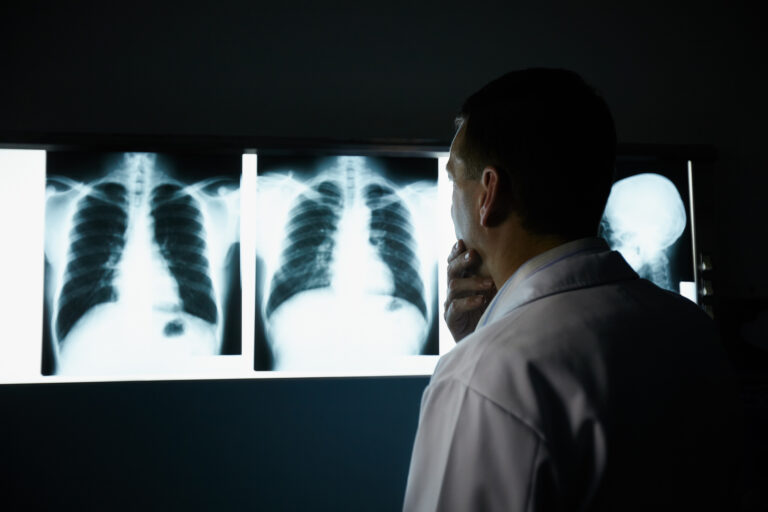
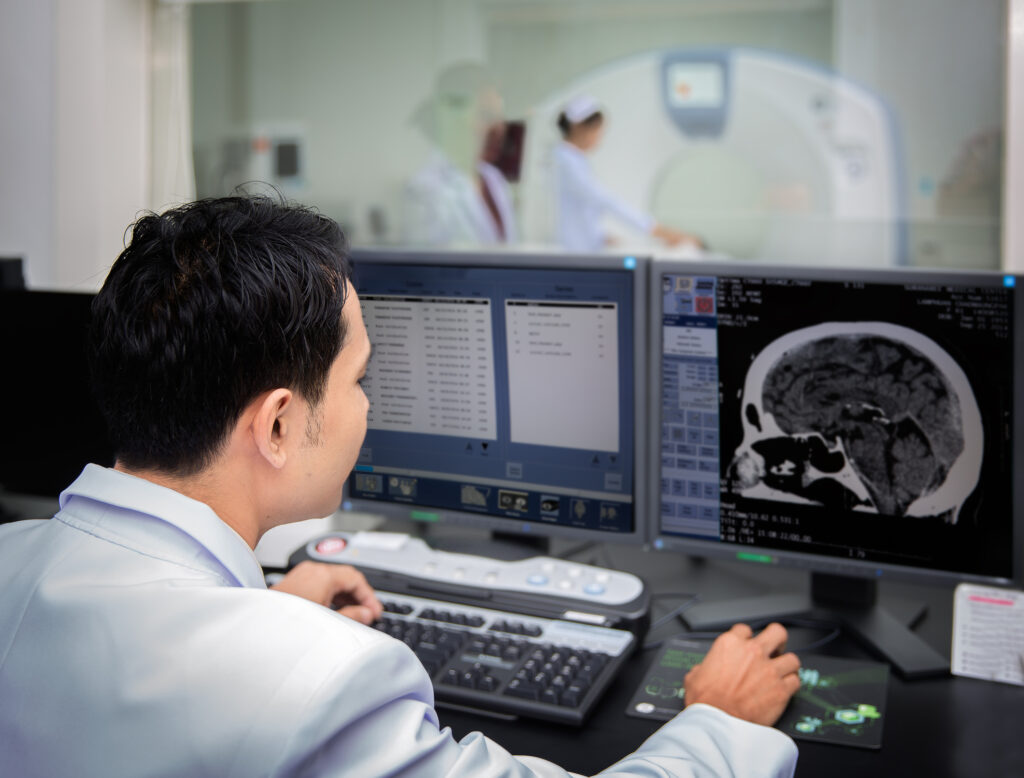
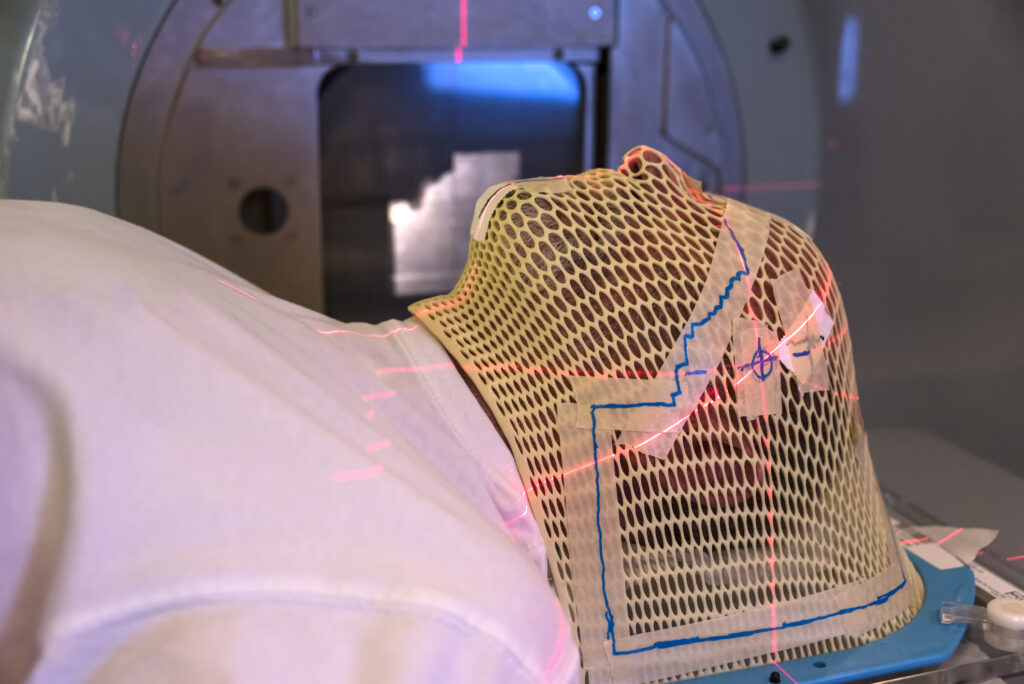
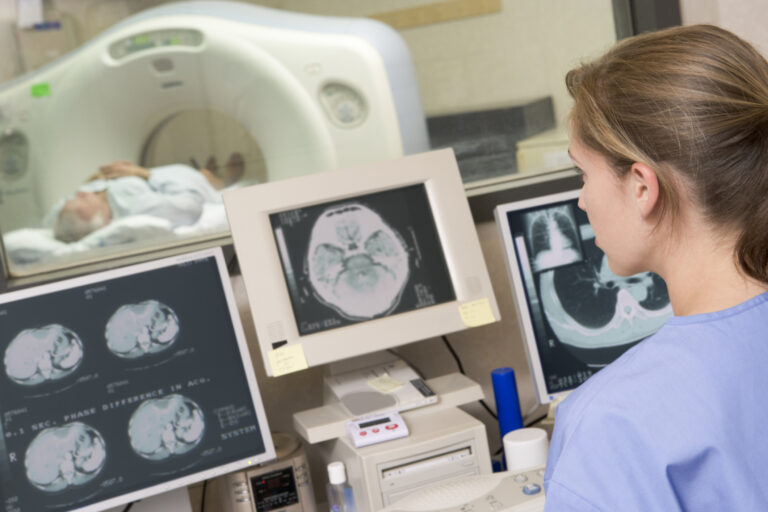
Medical radiology applies diagnostic imaging technologies such as X-ray, ultrasound, and CT to support accurate diagnosis, inform clinical decision-making, and enable minimally invasive procedures. These technologies enhance diagnostic precision, improve patient care, and contribute to stronger clinical outcomes. Image for illustration purposes only, and the person shown is a model.

Nuclear Medicine
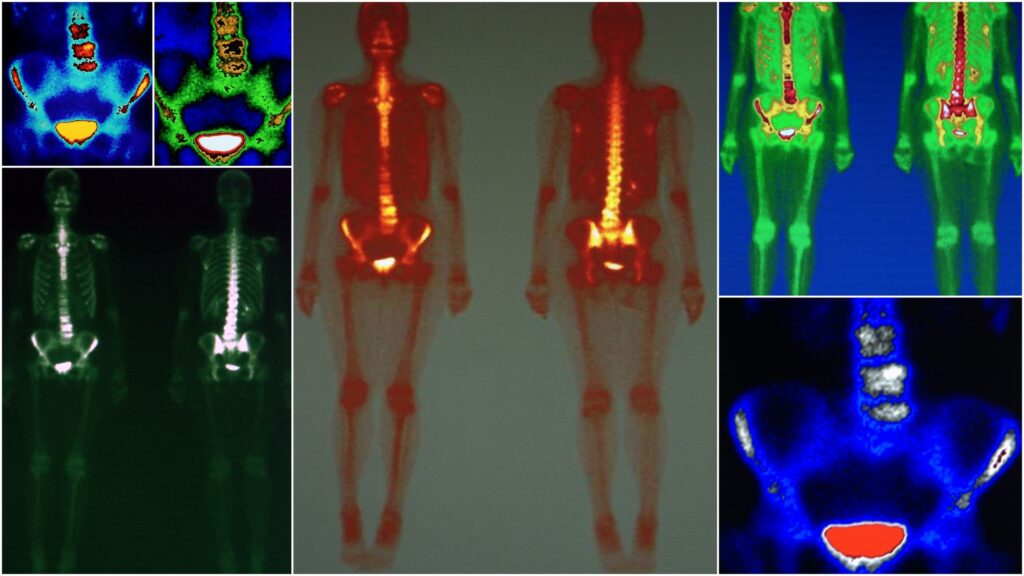
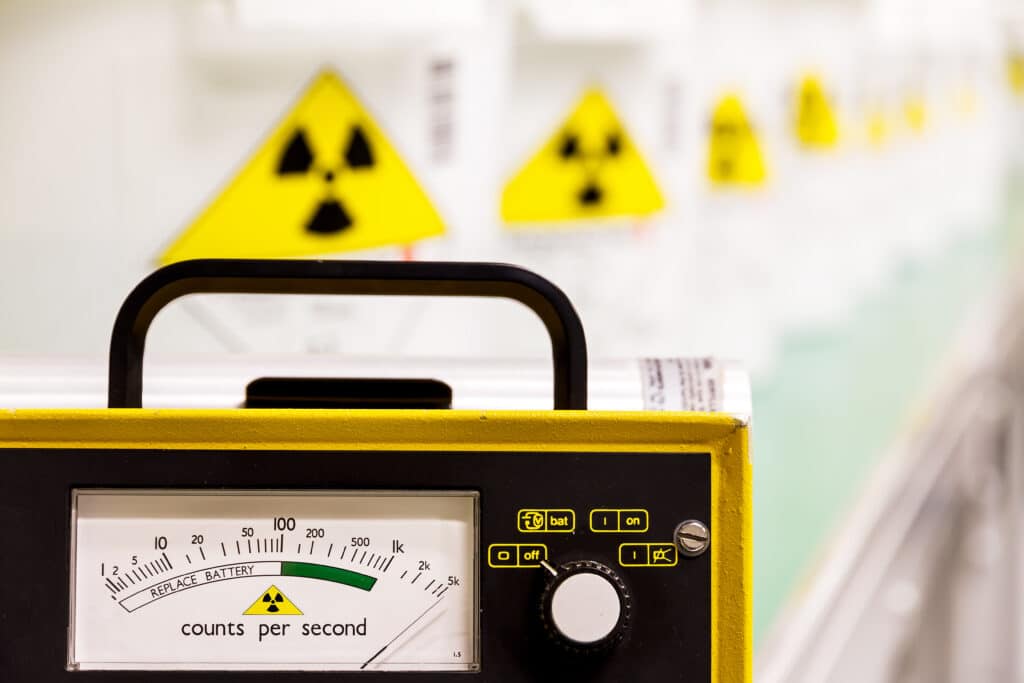
Nuclear medicine uses radioactive tracers and advanced imaging techniques such as PET and SPECT to diagnose, monitor, and treat disease. It provides detailed functional insight into organ systems, tissue behaviour, and cellular activity, supporting personalised and precision-based healthcare.


Optical Imaging
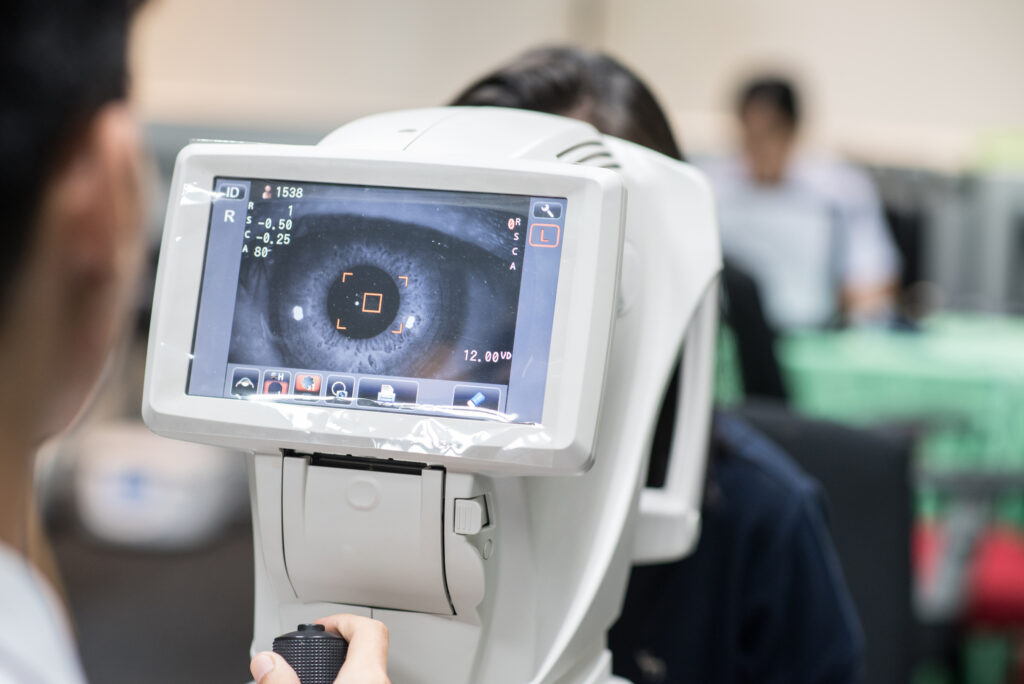
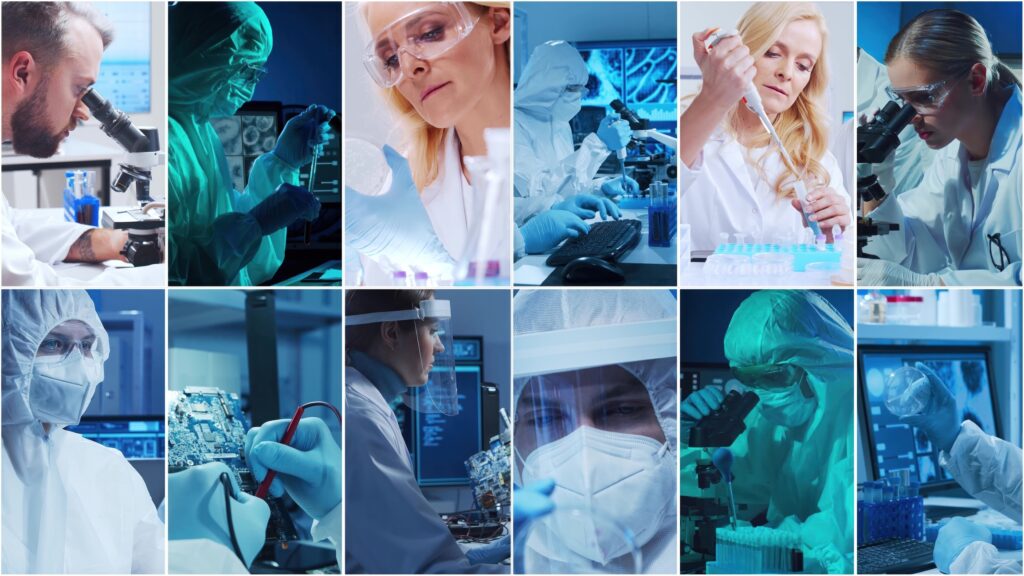
Medical optical imaging uses light-based technologies for diagnosis and therapy, providing high-resolution insight into biological structures and processes. It enhances disease detection, supports treatment guidance, and drives innovation across modern healthcare and biomedical research.

Dentistry
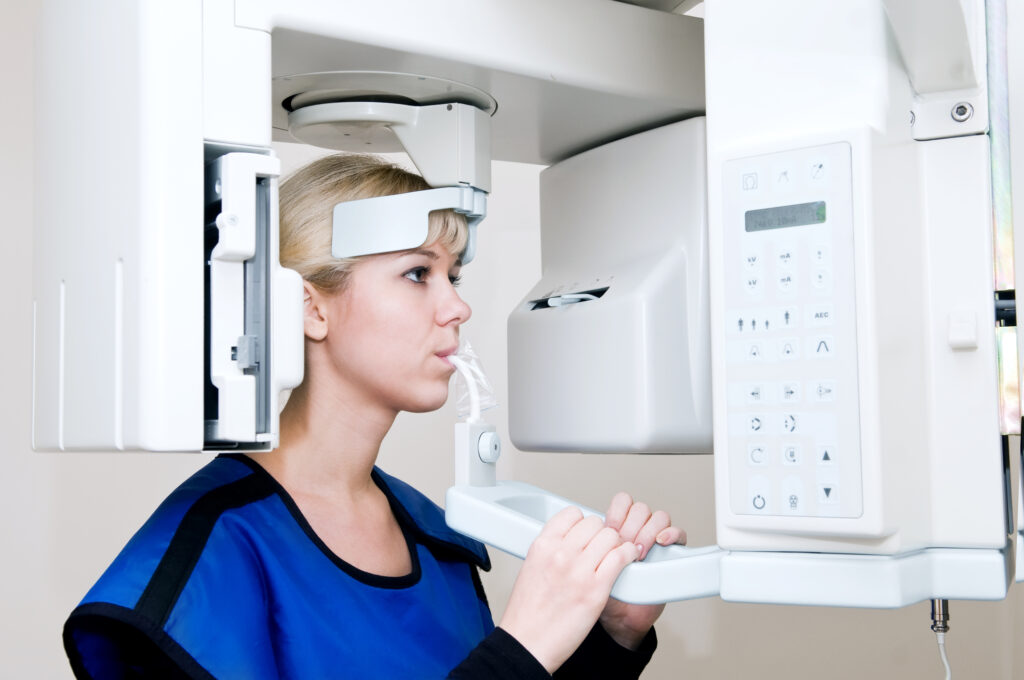
Medical imaging in dentistry improves diagnosis and treatment planning by delivering detailed visualisation of teeth, gums, and jaw structures. Techniques such as X-rays, CBCT, and MRI enhance precision, strengthen patient safety, and support better clinical outcomes. Image for illustration purposes only, and the person depicted is a model.

Human Anatomy
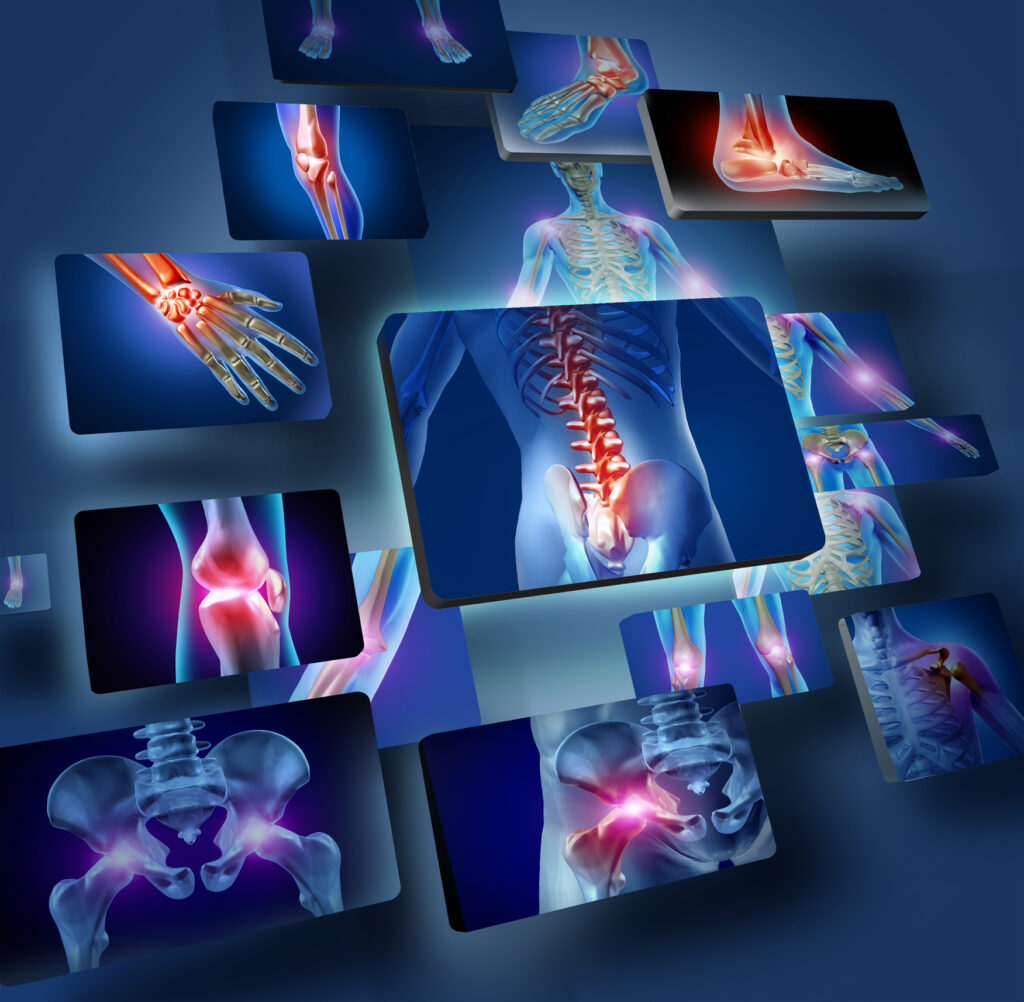
Medical human anatomy examines the structure of the human body through dissection and advanced imaging, covering gross anatomy, histology, embryology, and neuroanatomy. It provides essential knowledge for understanding physiology, diagnosing disease, and guiding effective clinical practice.

Education
Radiography and medical technology training provides students with essential imaging skills, preparing them for professional roles in healthcare diagnostics, patient care, and the effective operation of advanced imaging systems. Image for illustration purposes only, and the people depicted are models.