Electromagnetic Spectrum: Applications, Regions, and Impact on Technology and Health
 By
By
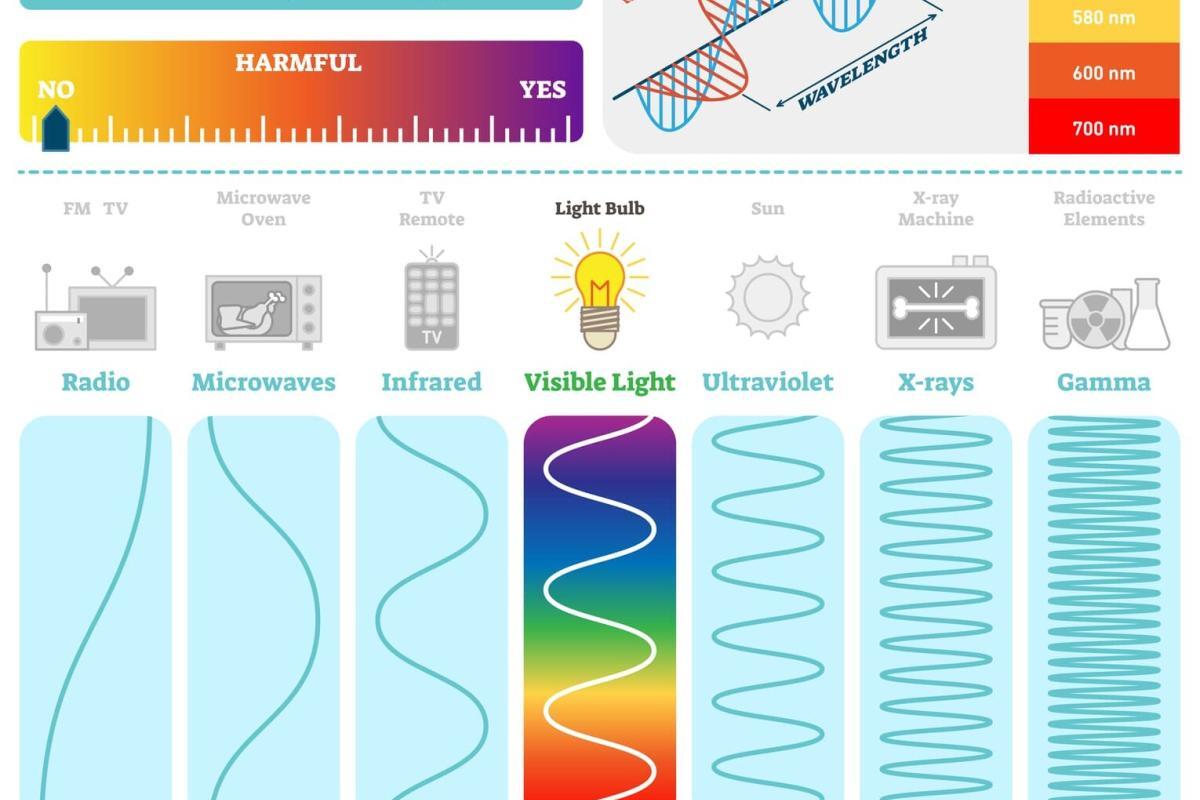
Each region of the electromagnetic spectrum serves unique purposes, from communication and medical imaging to scientific exploration and research.
By
Each region of the electromagnetic spectrum serves unique purposes, from communication and medical imaging to scientific exploration and research.
 By
By
Fundamental particles form the essential building blocks of matter, underlying all physical phenomena and forces in the universe.
 By
By
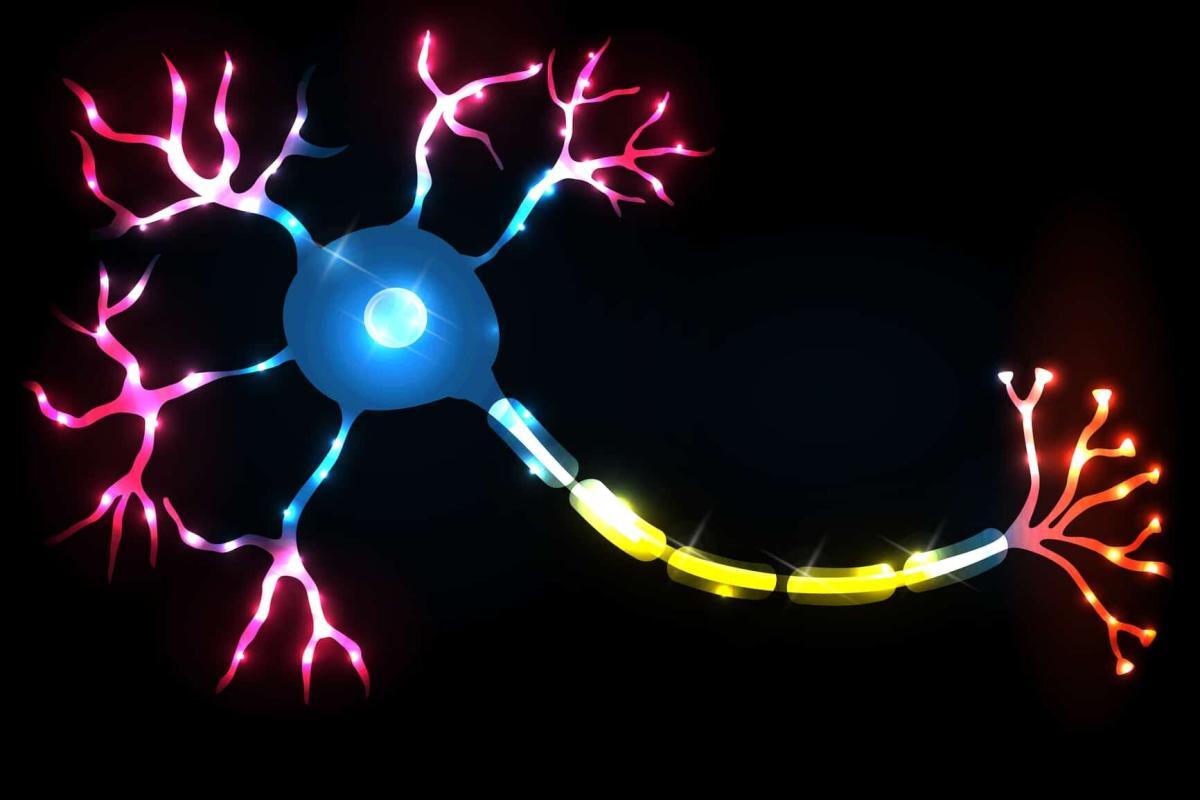
Diagnostic imaging in motor neurone disease (MND) is crucial for early detection, disease monitoring, and differentiating from other conditions.
 By
By
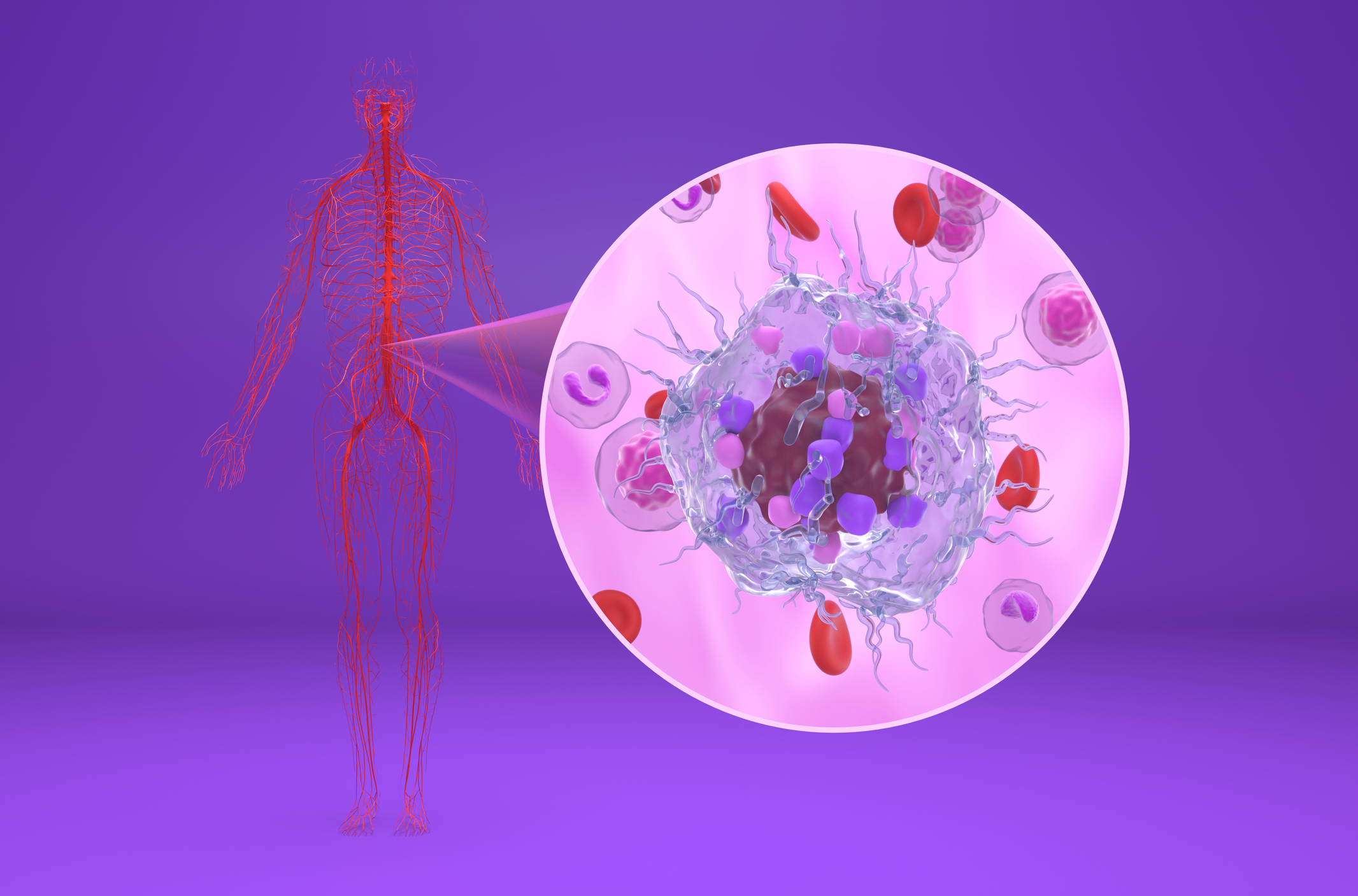
Peptide Receptor Radionuclide Therapy offers a targeted approach to treating neuroendocrine tumours, improving survival rates and quality of life.
 By
By
Adhering to environmental regulations in radiopharmaceutical production ensures safety, reduces waste, and protects the surrounding ecosystem.
 By
By
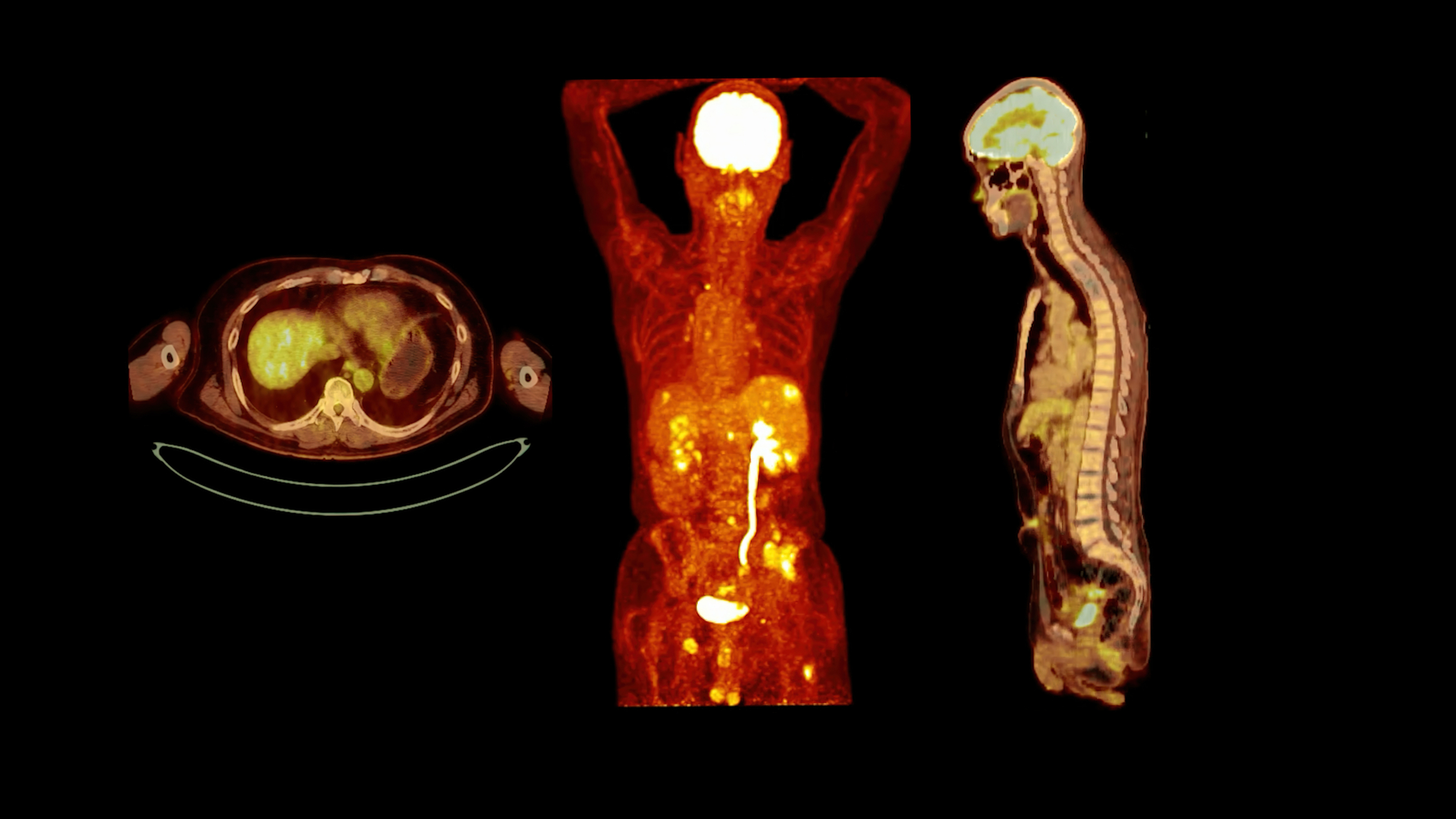
Radiopharmaceuticals in diagnostics provide critical insights into disease processes, improving accuracy, patient care, and treatment outcomes significantly.
 By
By
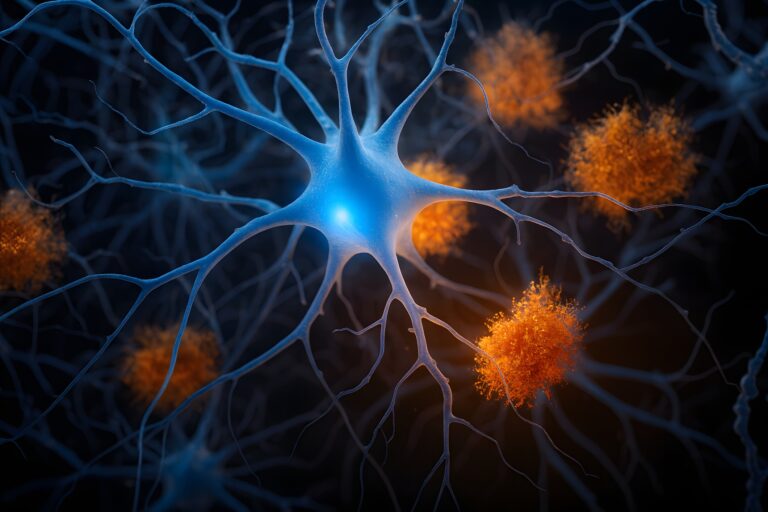
Pittsburgh Compound-B allows researchers to visualise amyloid plaques in the brain, aiding in Alzheimer’s disease diagnosis and study.
 By
By
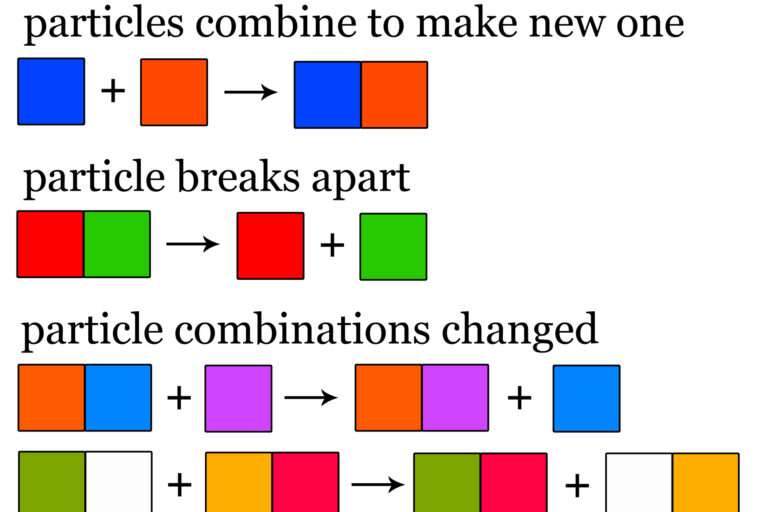
Advancements in Carbon-11 synthesis technology have significantly improved the efficiency and accuracy of PET imaging in medical diagnostics.
 By
By
Radiopharmacy combines the disciplines of pharmacy and nuclear science to create radiopharmaceuticals, revolutionising the diagnosis and treatment of diseases.
 By
By
Neuroimaging in nuclear medicine allows for detailed visualisation of brain activity, aiding in diagnosing complex neurological conditions.
 By
By
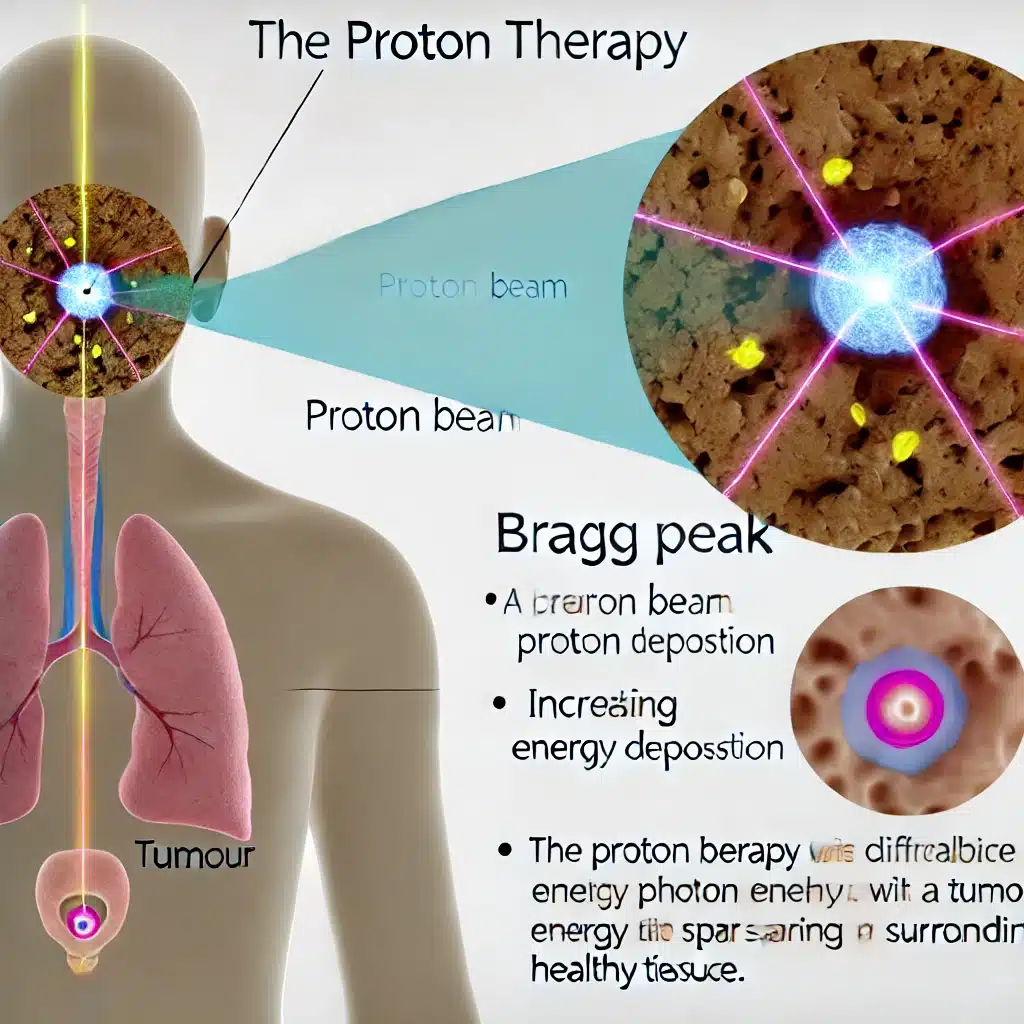
Bragg Peak in proton therapy enables precise tumour targeting, minimising damage to surrounding healthy tissue, enhancing cancer treatment outcomes.
 By
By
Understanding the Far-Reaching Effects of the CrowdStrike Outage on Healthcare Systems and Medical Imaging Security.
 By
By
Healthcare organizations must prioritize installing robust network security and anti-virus protection to safeguard sensitive patient data from cyber threats.
 By
By
The synthesis of Fluorine-18 for advanced PET imaging requires precise cyclotron bombardment, purification, and automation technologies.
 By
By
Advancements in medical imaging technology are transforming cancer diagnosis, enabling more precise treatment planning and better patient outcomes. Image for illustration only. People depicted are models.
 By
By
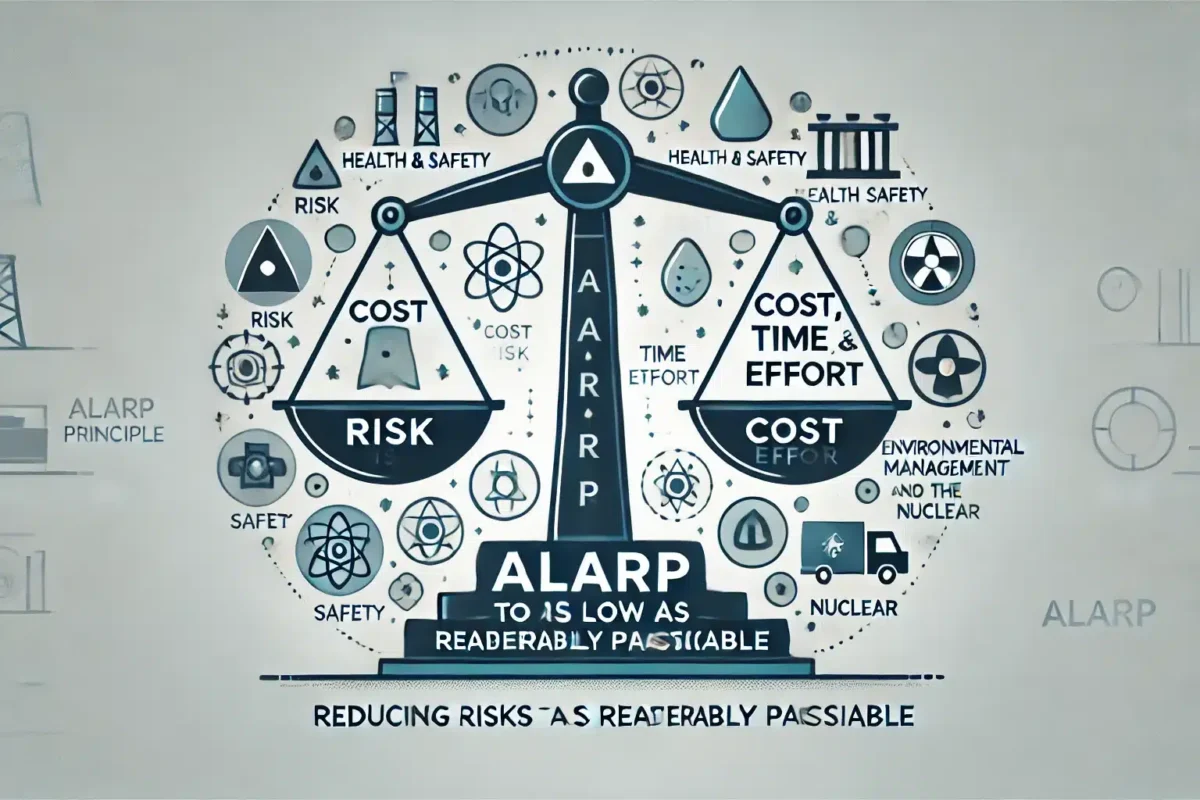
The ALARP principle ensures risks are reduced to the lowest practicable level, balancing cost, time, and safety measures.
 By
By
Electron capture transforms a proton into a neutron by absorbing an inner electron, significantly altering the atomic nucleus.
 By
By
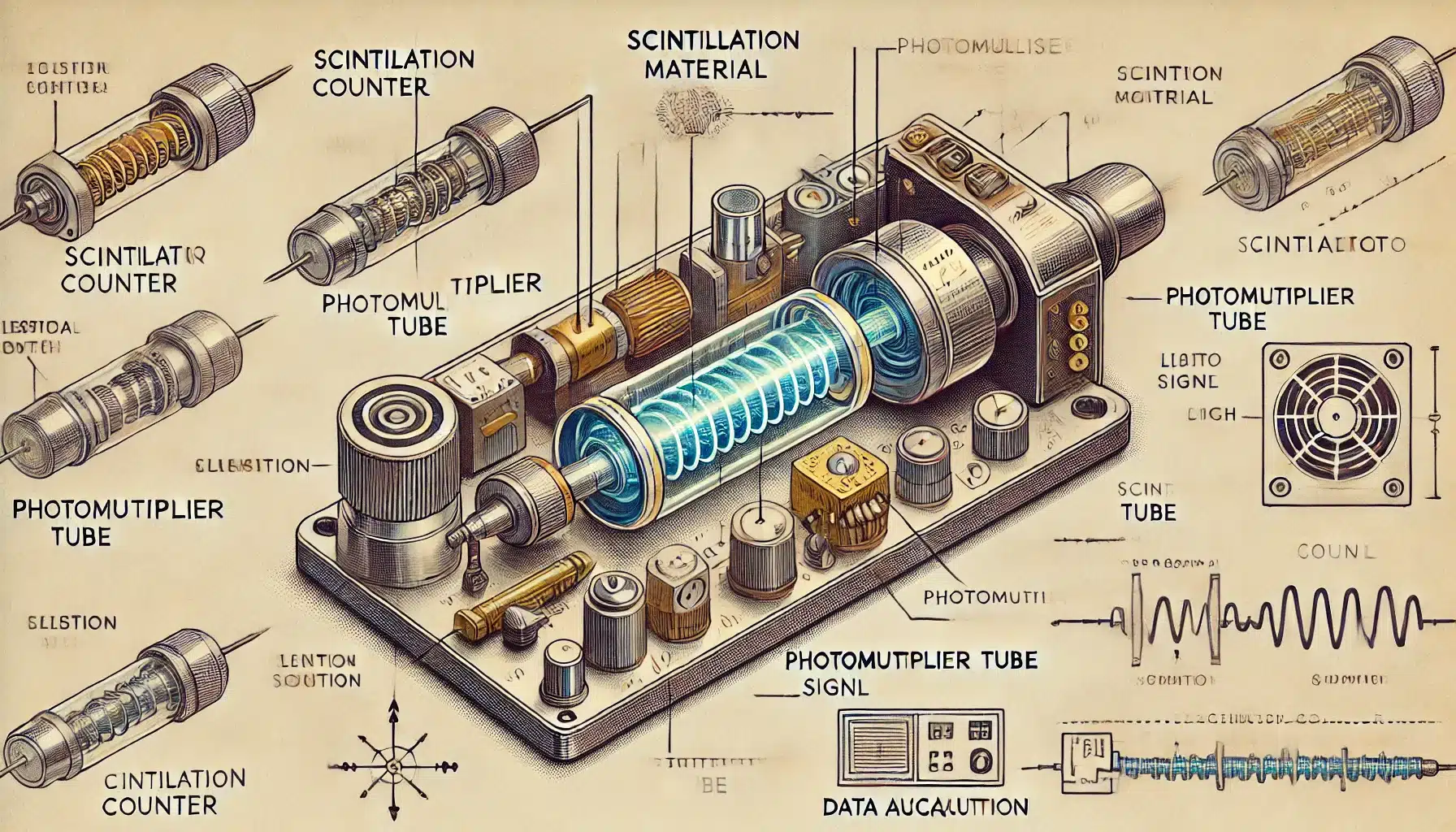
A scintillation counter detects ionising radiation, converting emitted light from scintillators into electrical signals for precise measurement.
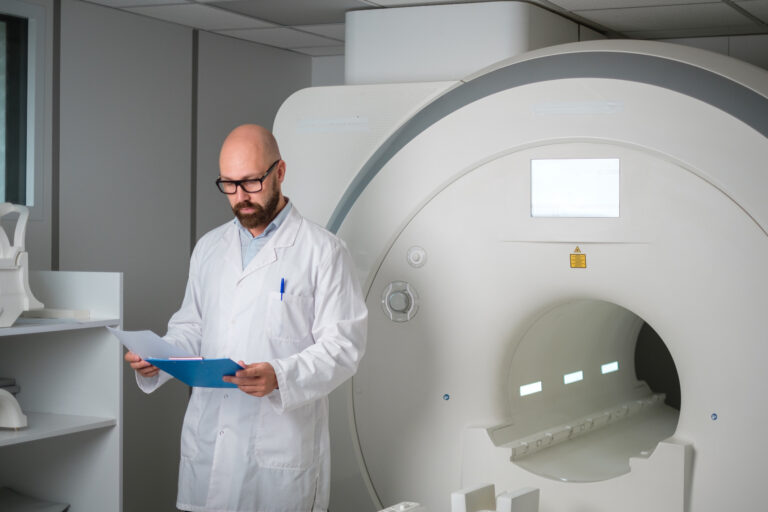 By
By
Medical physics combines physics principles with medical science to enhance diagnostics and treatment, improving global healthcare outcomes significantly. Image for illustration only. Person depicted is a model.
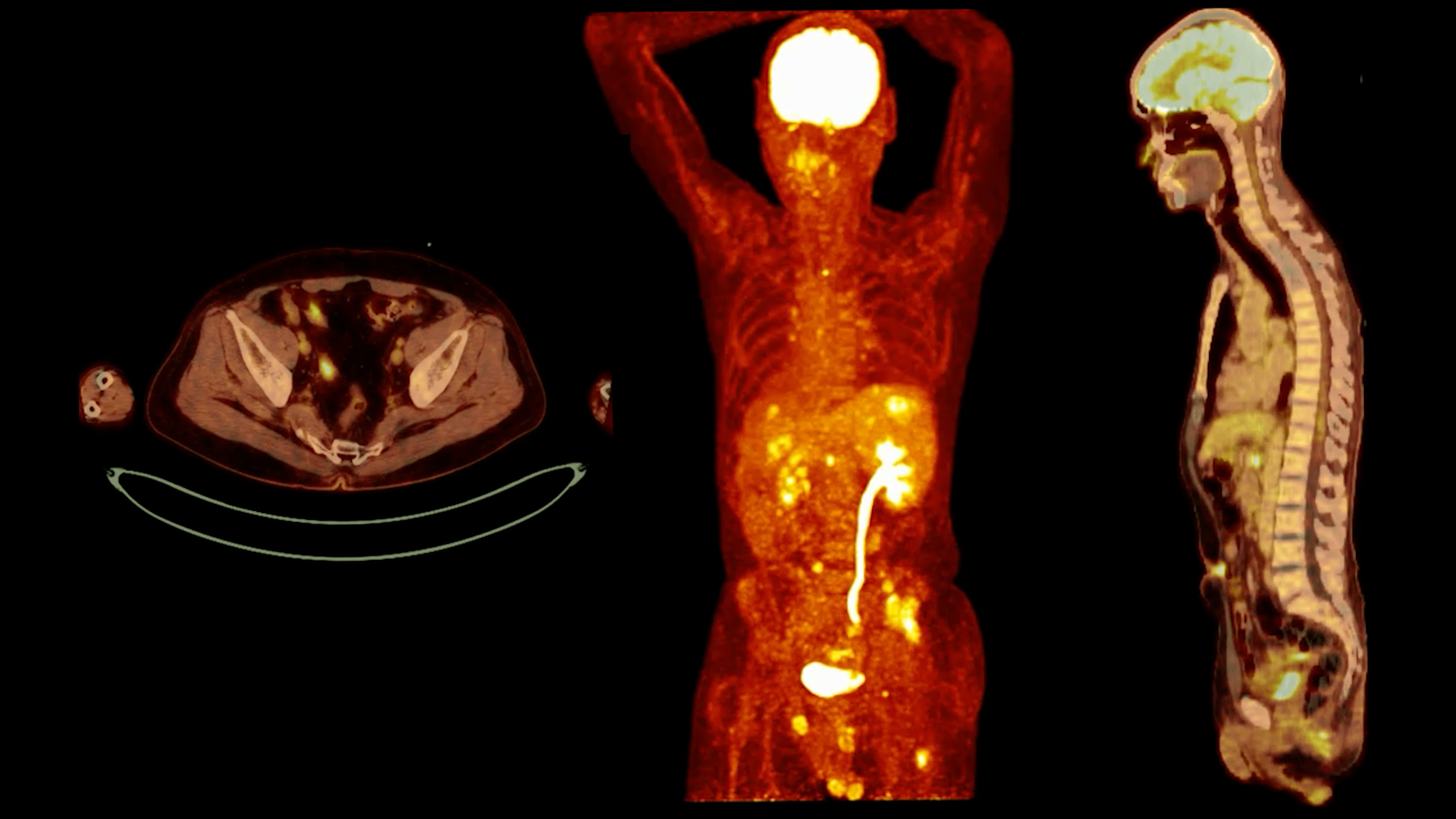 By
By
PET scans are crucial for detecting metabolic activity, providing valuable insights into cancer, neurological disorders, and cardiovascular diseases.
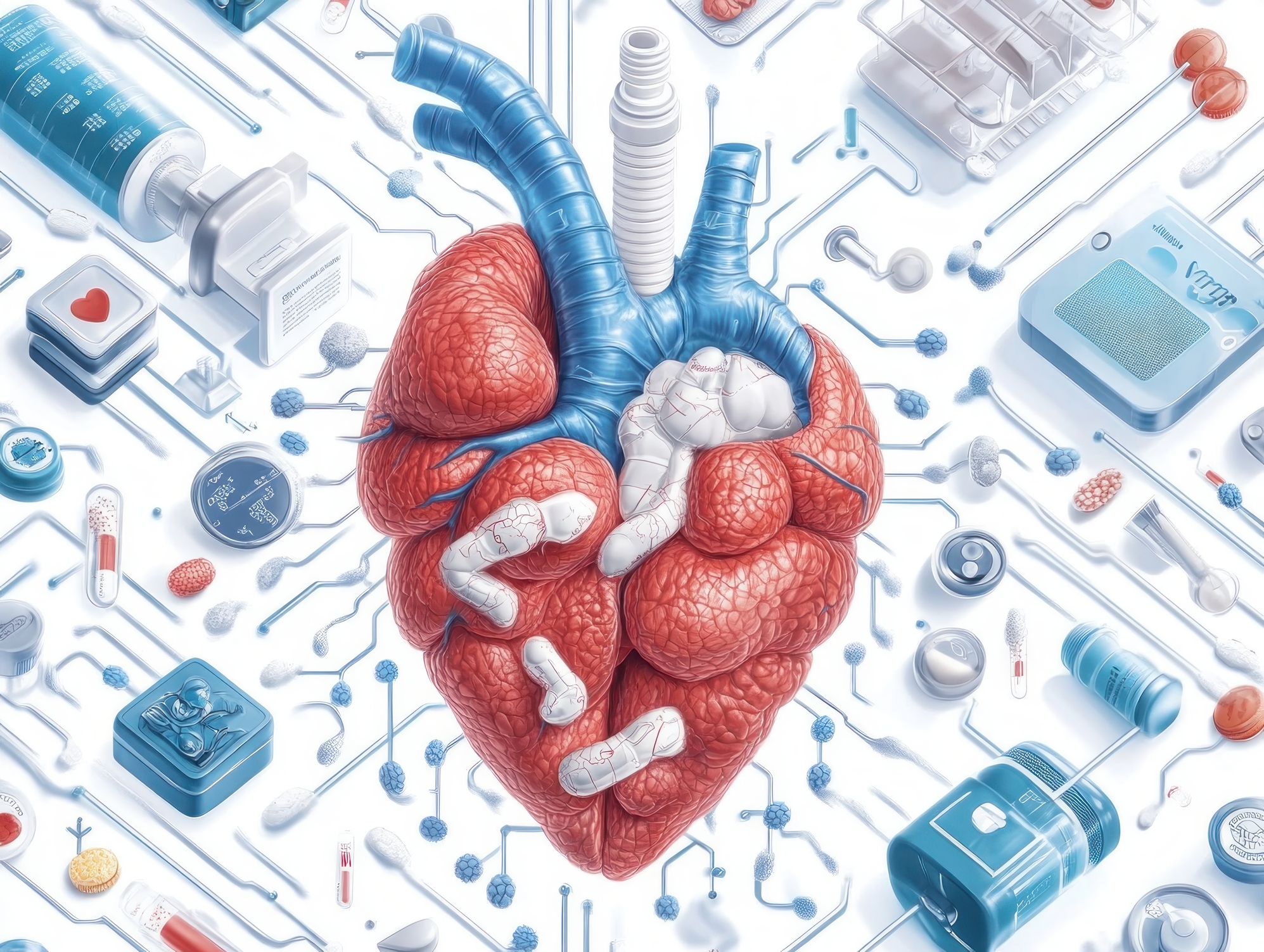 By
By
Technological advancements in healthcare education are revolutionizing training, enhancing simulation, VR, AI, telemedicine, and digital resources.
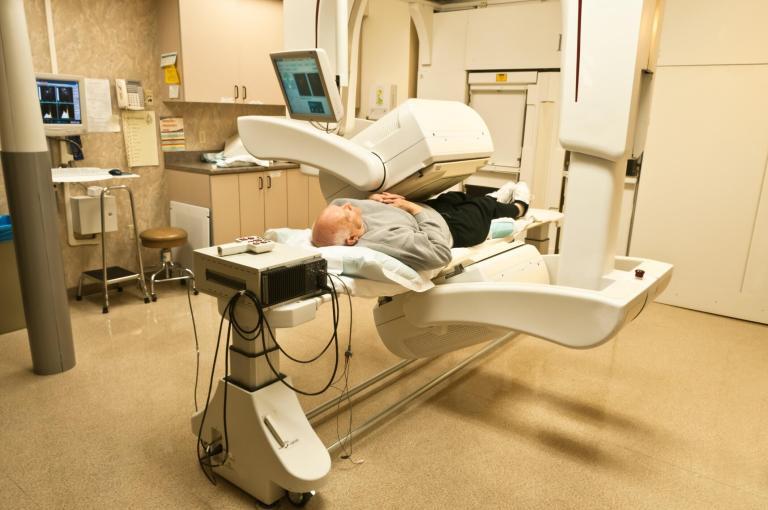 By
By
The gamma camera allows non-invasive imaging, enabling detailed diagnosis and monitoring of various medical conditions with precision. Image for illustration only. Person depicted is a model.
 By
By
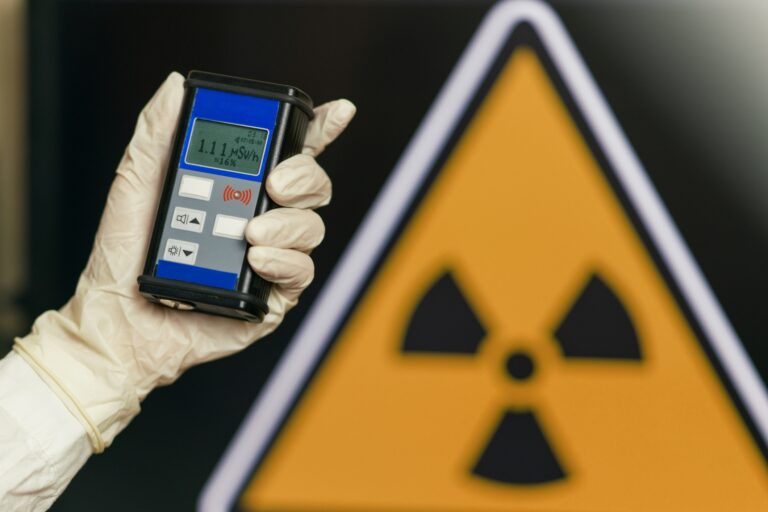
The Ionising Radiations Regulations 2017 mandate strict controls to protect workers and the public from ionising radiation risks.
 By
By
Nuclear chemistry provides critical insights into energy production, medical advancements, and environmental protection, shaping a sustainable future.
 By
By
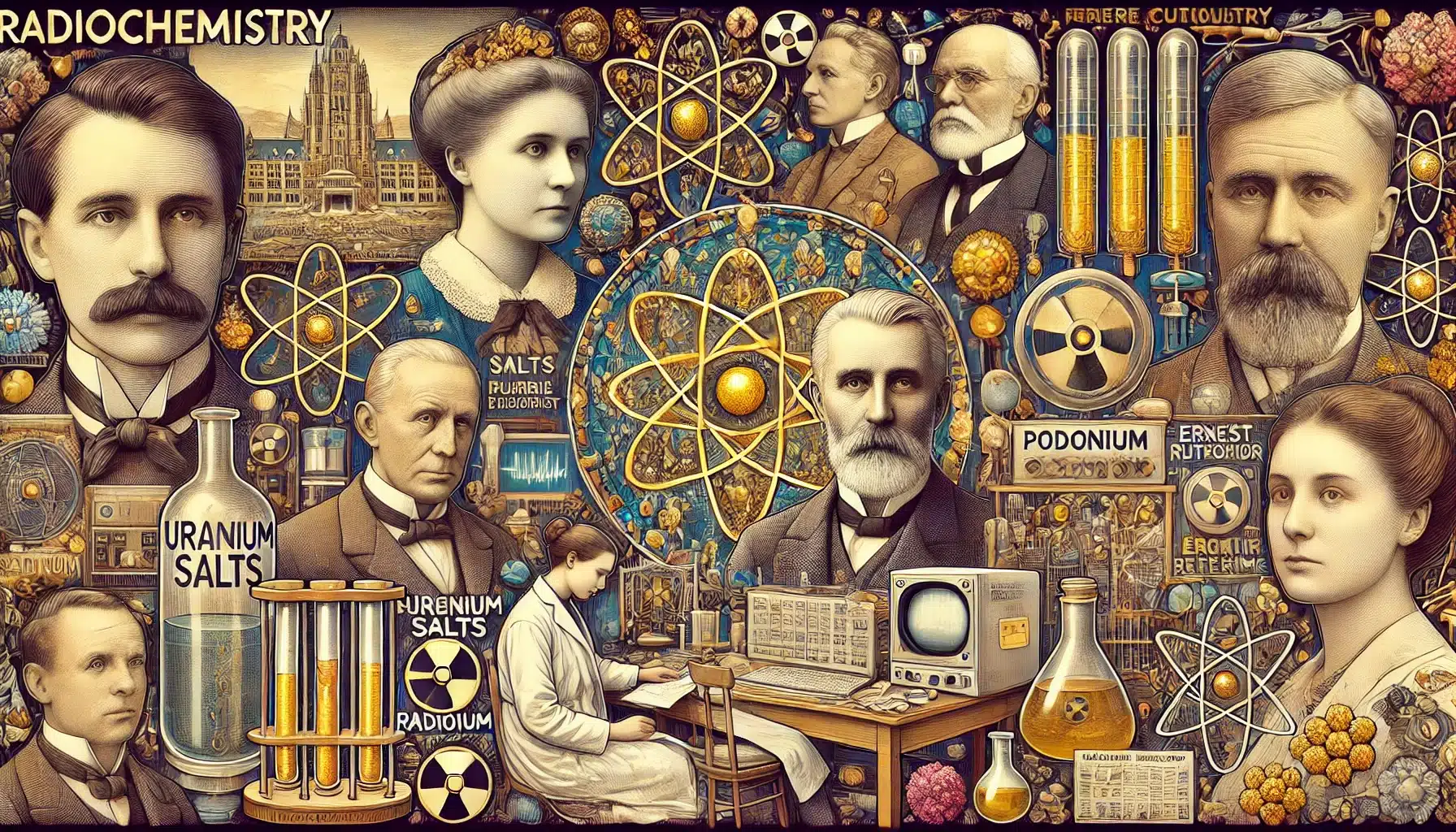
History of Radiochemistry chronicles its evolution from the discovery of radioactivity to modern applications in science and medicine.
 By
By
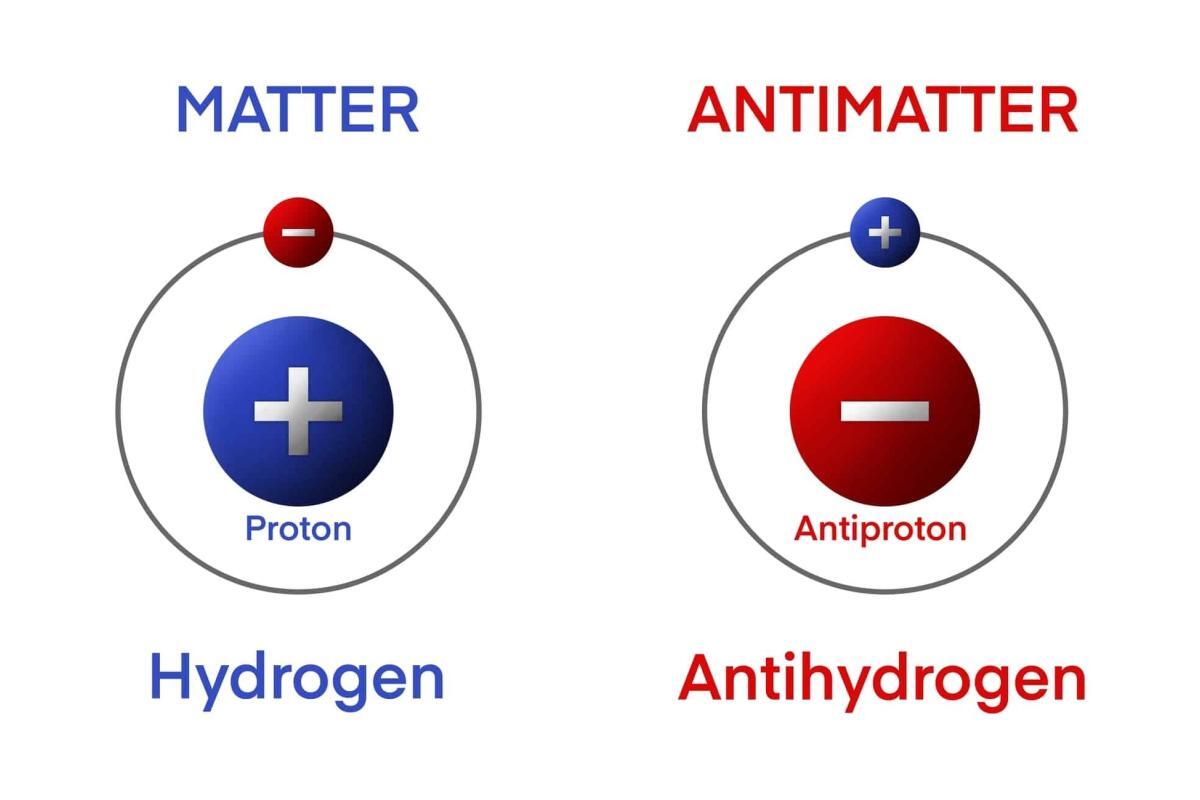
Positrons, the antimatter counterparts of electrons, are crucial in physics, enabling advances in PET scans and material science.
 By
By
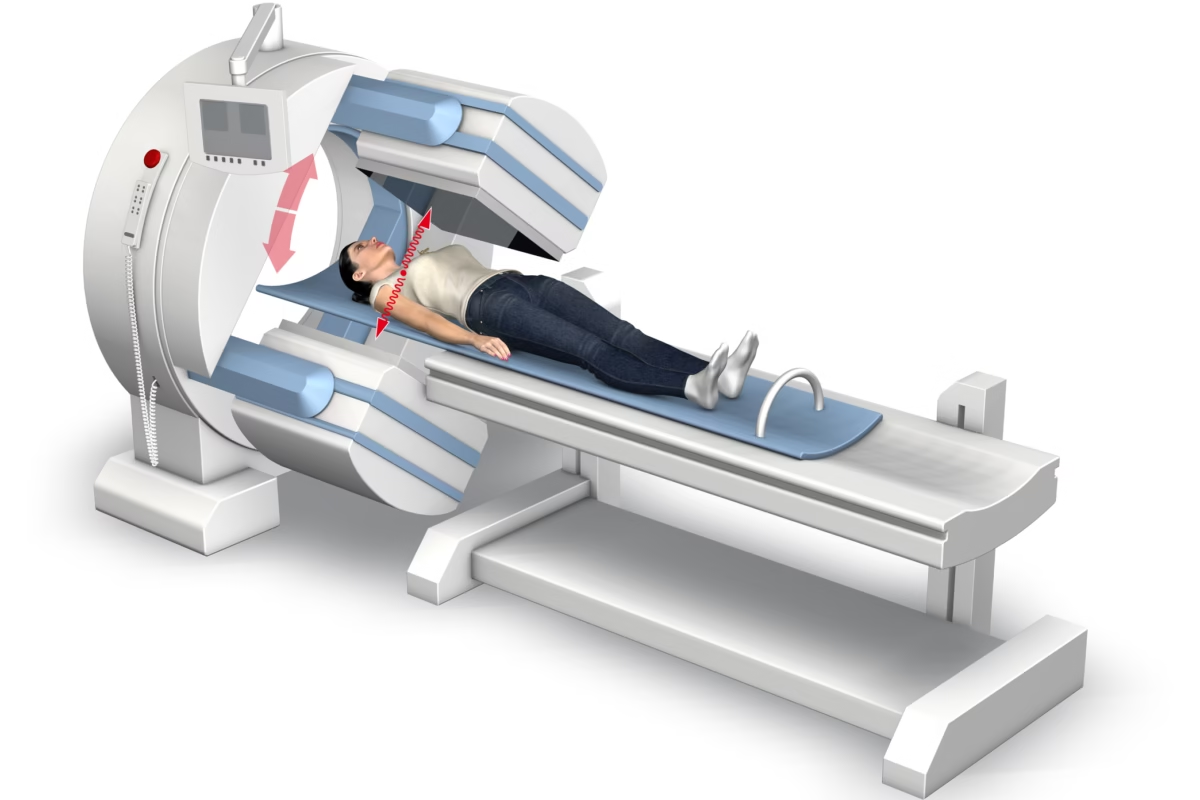
Auger electrons, crucial in surface science and medical physics, enable detailed material characterisation and targeted cancer therapies.
 By
By
Gamma radiation is essential for medical imaging, cancer treatment, industrial testing, yet requires stringent safety measures due to risks
 By
By
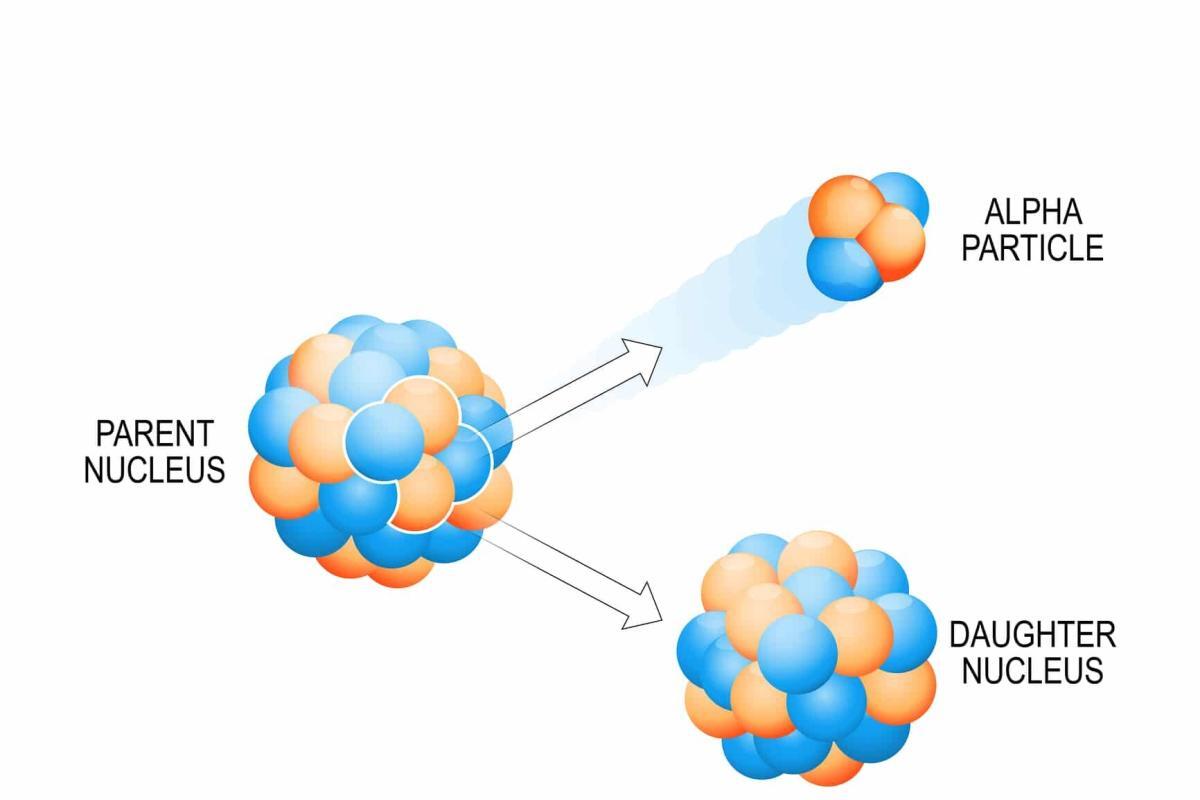
Alpha particles, with high ionising power and low penetration, significantly impact biological tissues when internalised in the body.
 By
By
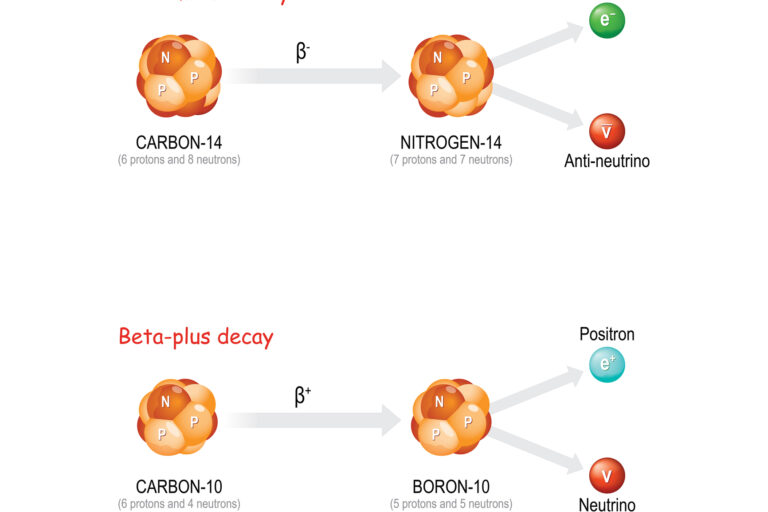
Beta particles, emitted during radioactive decay, are crucial in medical, industrial, and environmental applications due to their unique properties.