Elevating PSMA-Targeted Radioligand Therapy: Introducing New Lutetium-177 EB-PSMA-617 Option
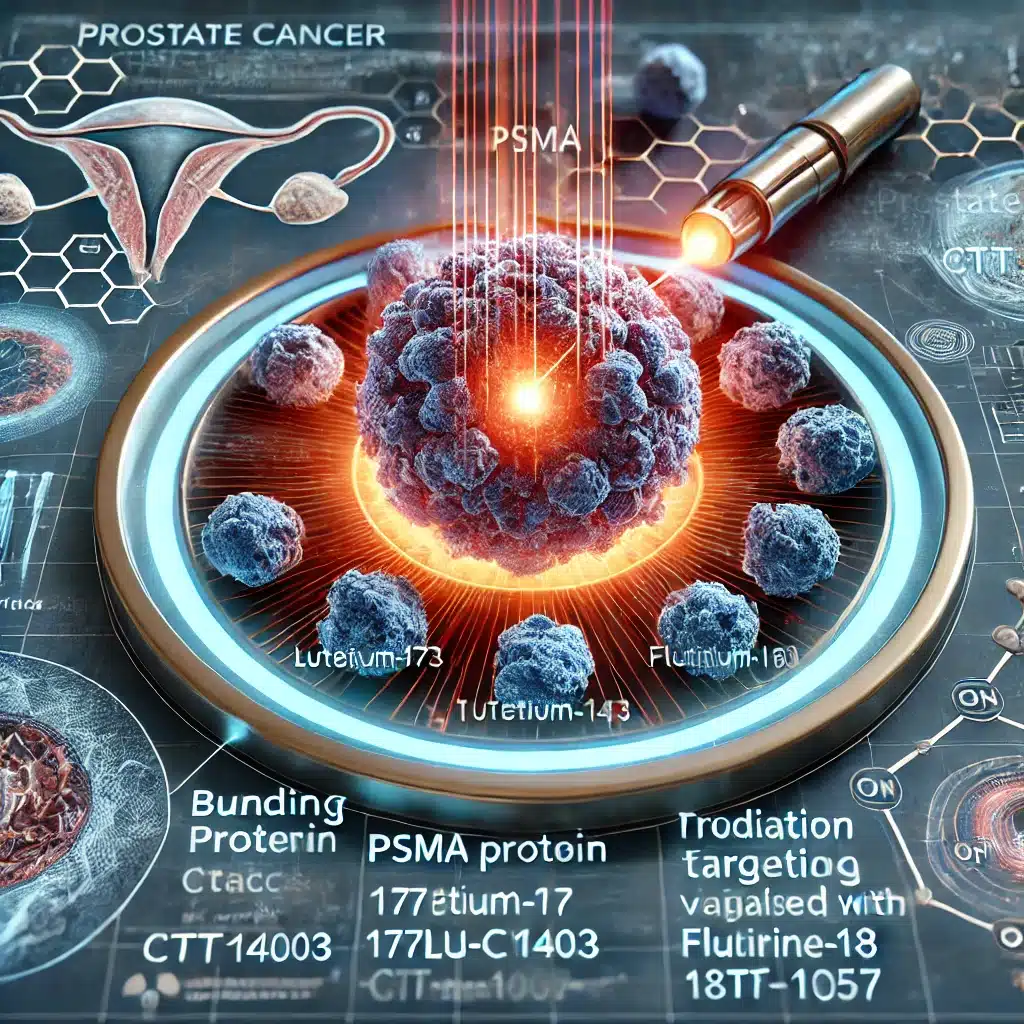
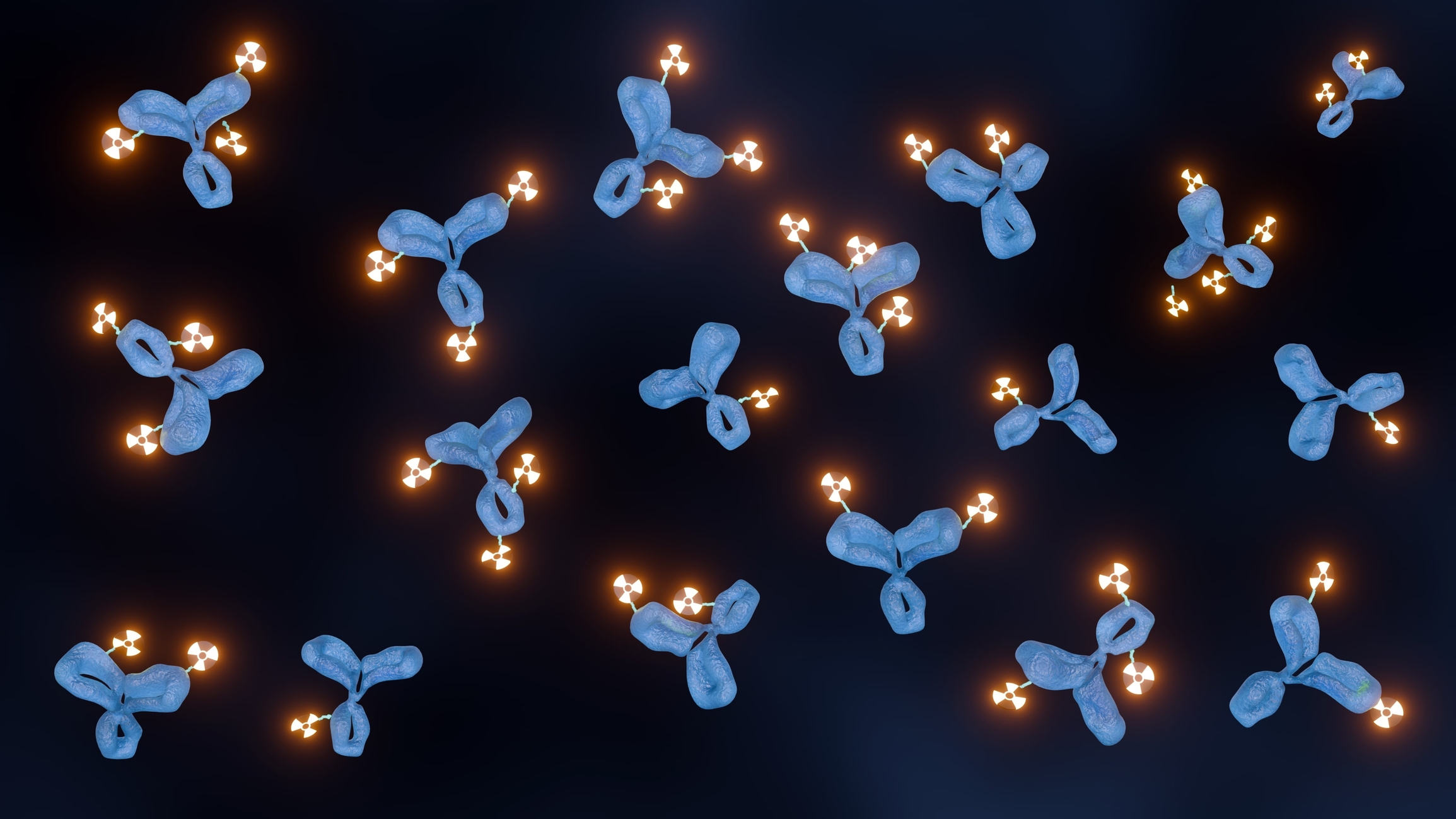
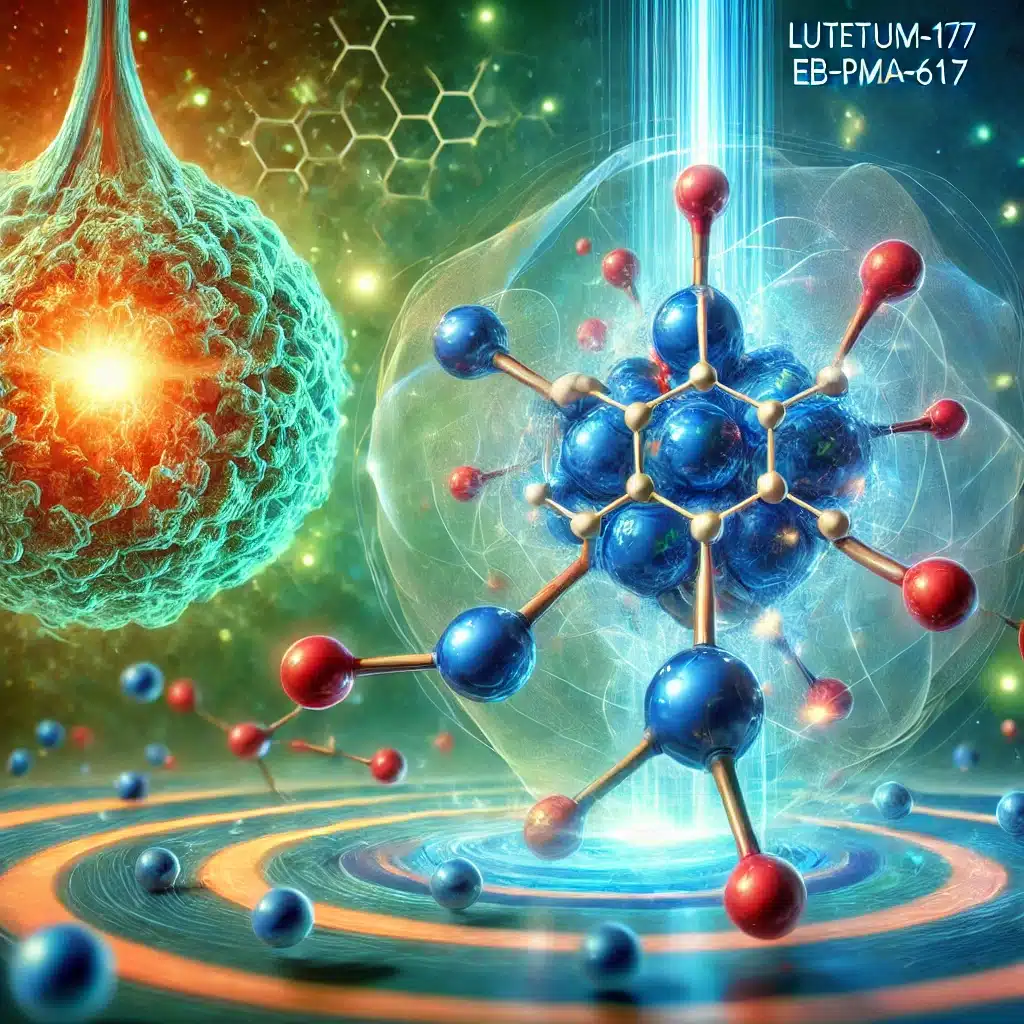
Lutetium-177 EB-PSMA-617 represents an innovative radioligand therapy optimising tumour retention and therapeutic outcomes in metastatic prostate cancer.
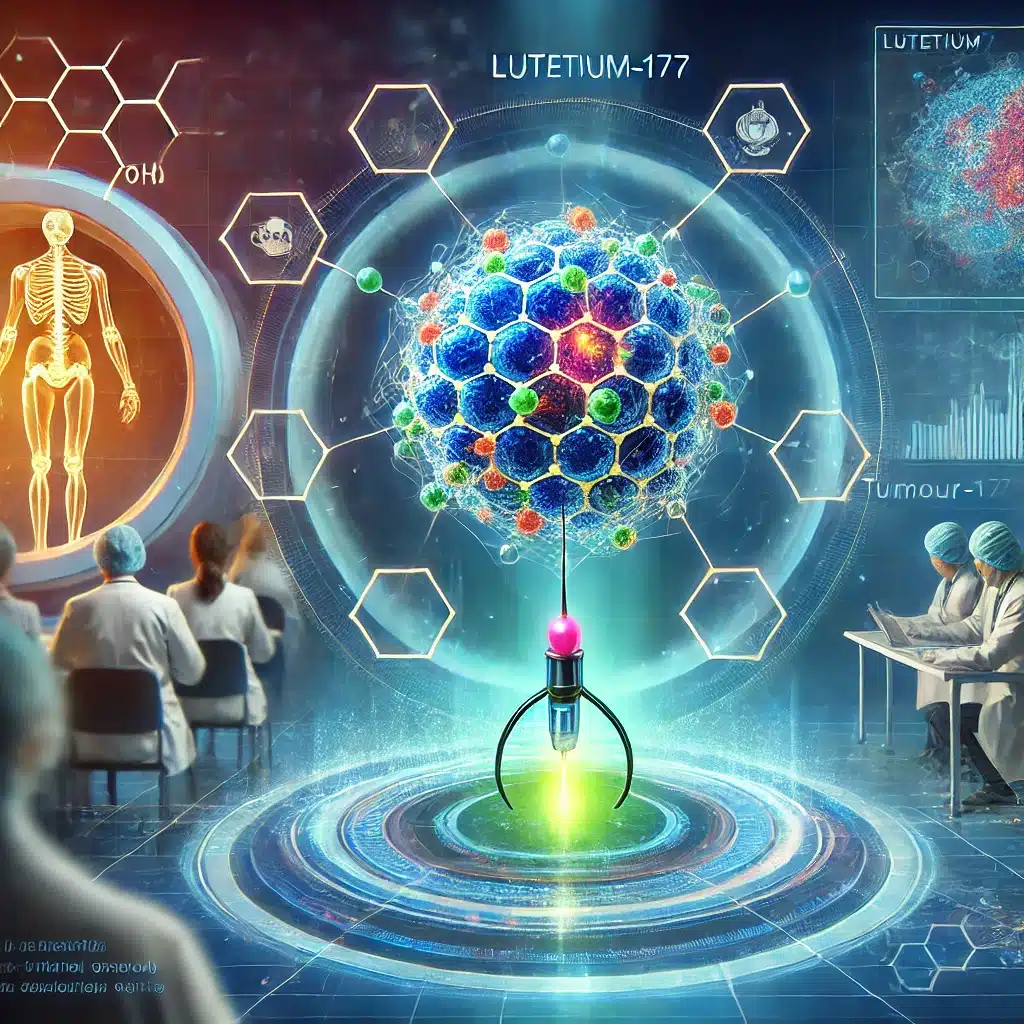
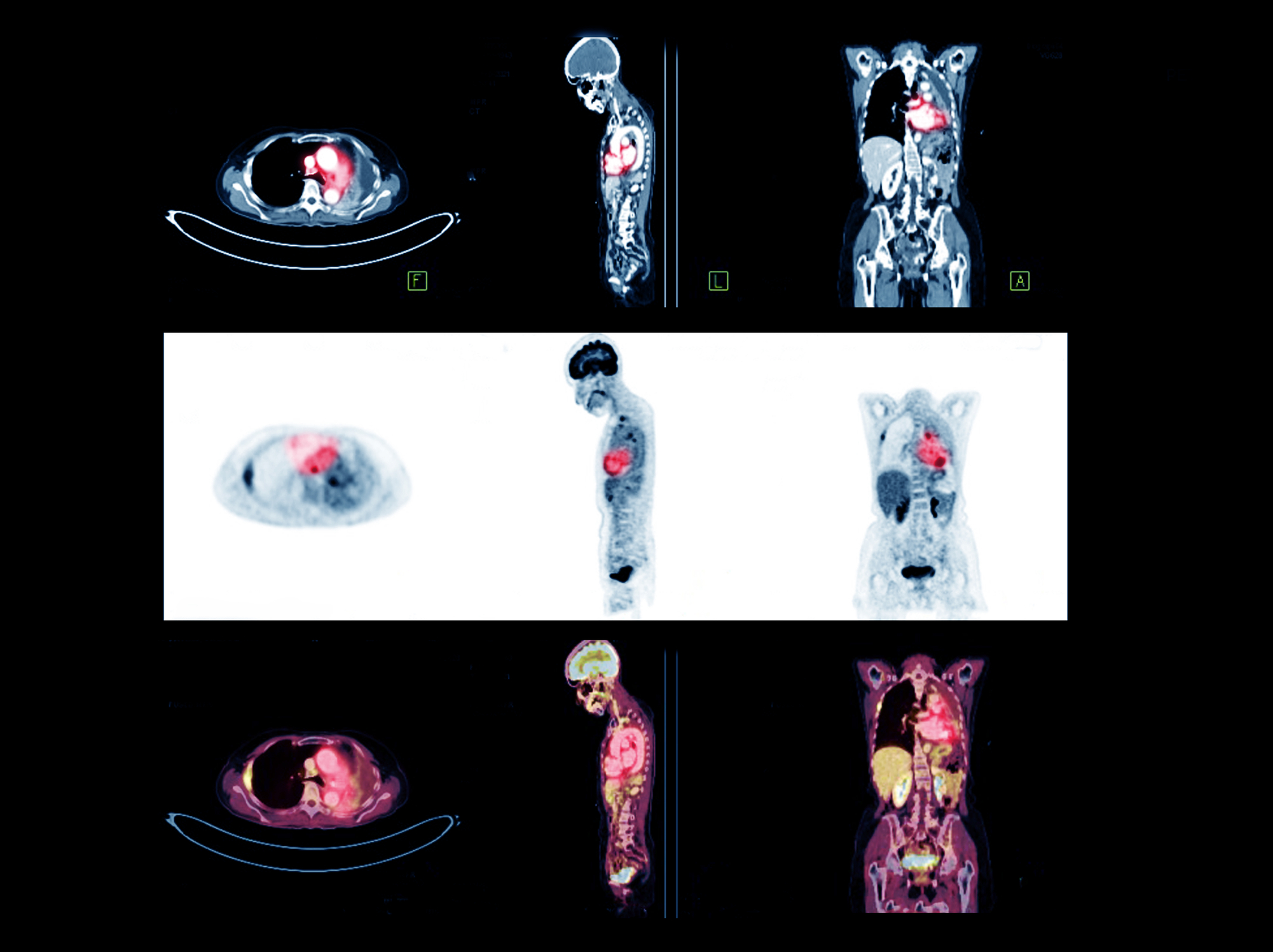
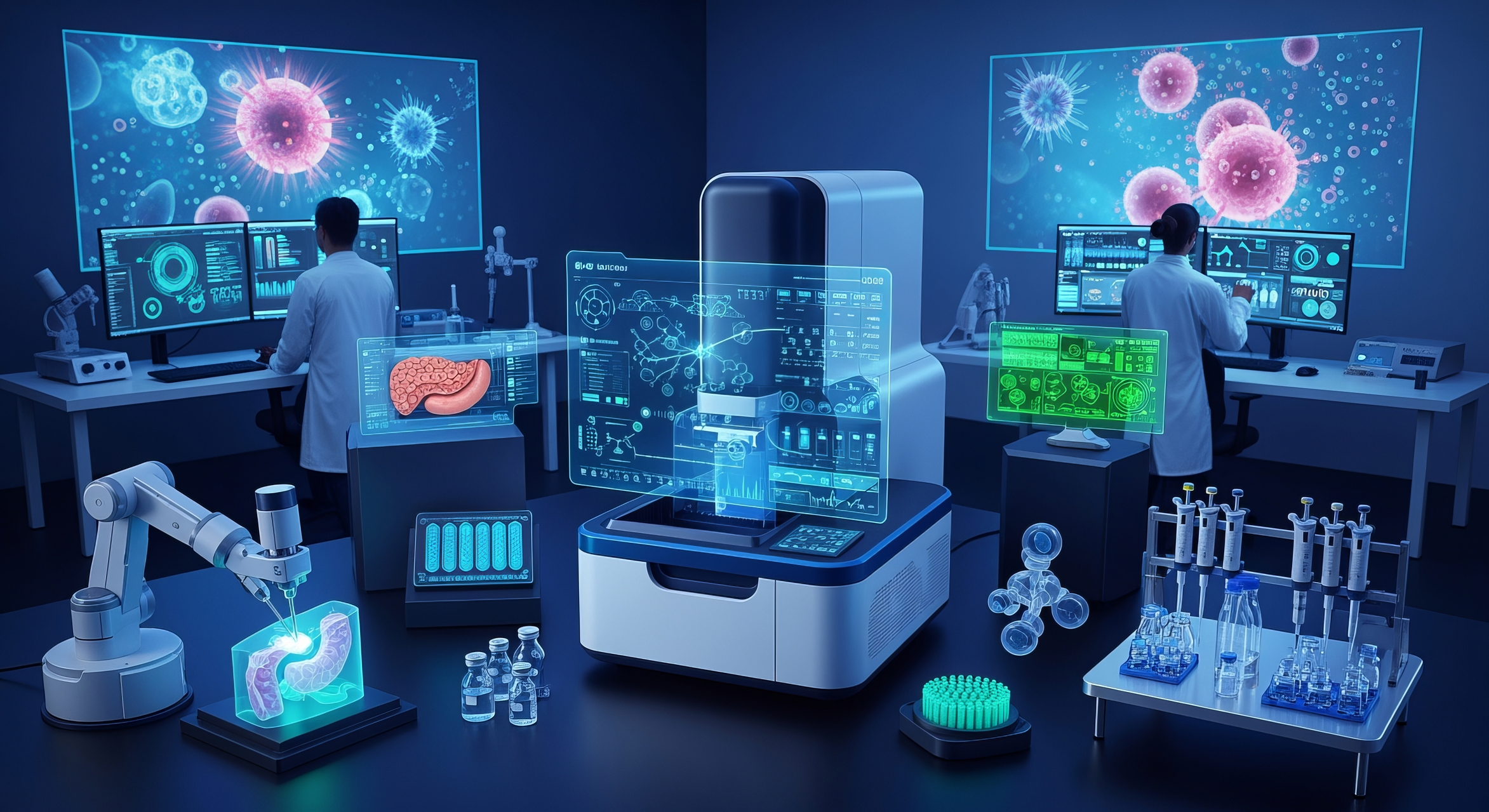
Radiotheranostics is an advanced approach in modern oncology that combines diagnostic imaging and targeted radionuclide therapy within a unified strategy. It uses radiolabelled compounds that bind selectively to tumour-associated targets, allowing clinicians to first visualise disease distribution and then deliver therapeutic radiation to the same molecular sites. This integrated model supports personalised treatment planning by confirming adequate tumour uptake before therapy. Radiotheranostics has shown particular promise in prostate and neuroendocrine cancers, improving precision while limiting exposure to healthy tissue. Linking diagnosis directly with treatment enables real-time assessment of response and adaptive care. Ongoing advances in molecular targeting continue to expand its role in precision cancer medicine.
Lutetium-177 EB-PSMA-617 represents an innovative radioligand therapy optimising tumour retention and therapeutic outcomes in metastatic prostate cancer.
Lutetium-177 DTPA-Omburtamab offers hope in neuroblastoma treatment by precisely targeting B7-H3, delivering localised radiation while sparing healthy tissues.
Lutetium-177 DPI-4452 pioneers precision radiotheranostics, revolutionising treatment for CAIX-expressing solid tumours through targeted imaging, therapy, and personalised oncology care advancements.
Lutetium-177 DOTAZOL offers a dual-function approach, combining targeted radiotherapy and bone modulation, enhancing treatment for prostate cancer-related bone metastases.
Lutetium-177 DOTA-EB-TATE enhances neuroendocrine tumour therapy by improving tumour uptake, retention, and pharmacokinetics through albumin-binding Evans blue moieties.
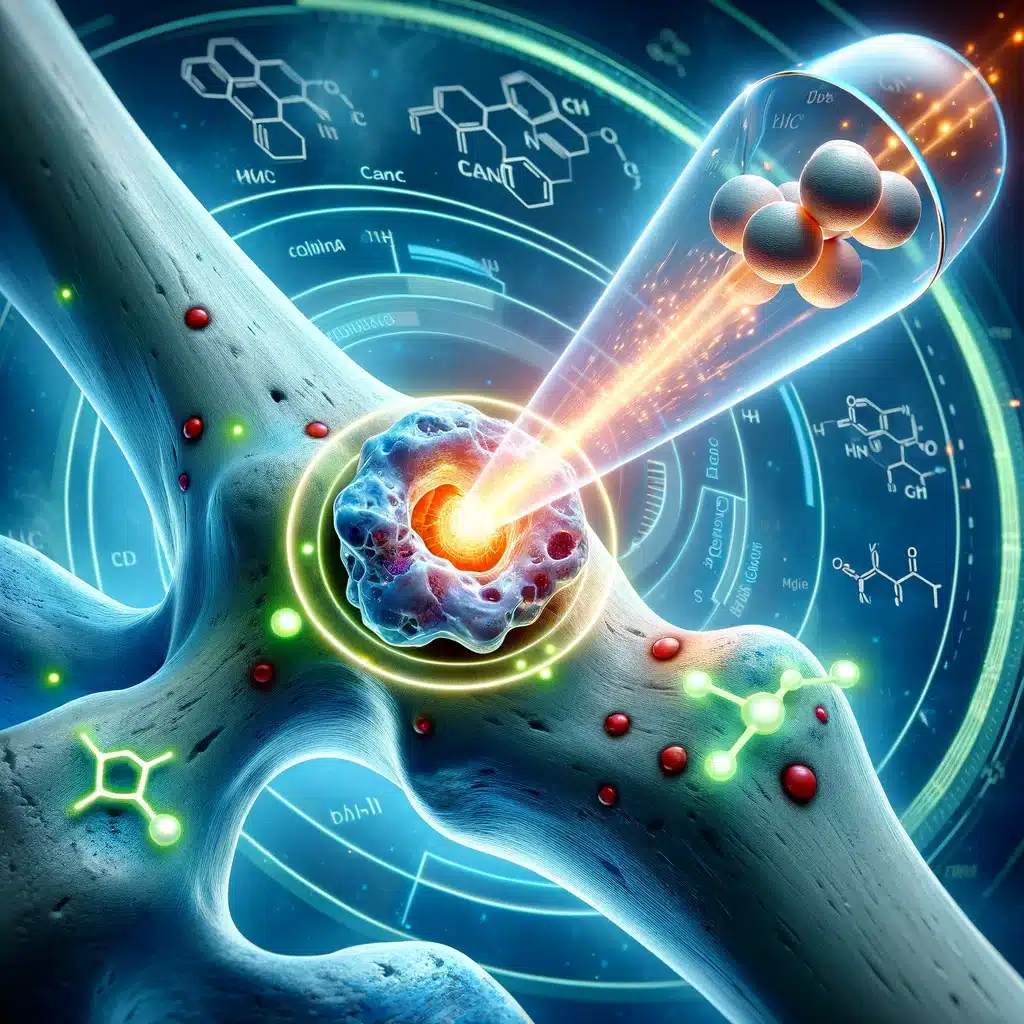
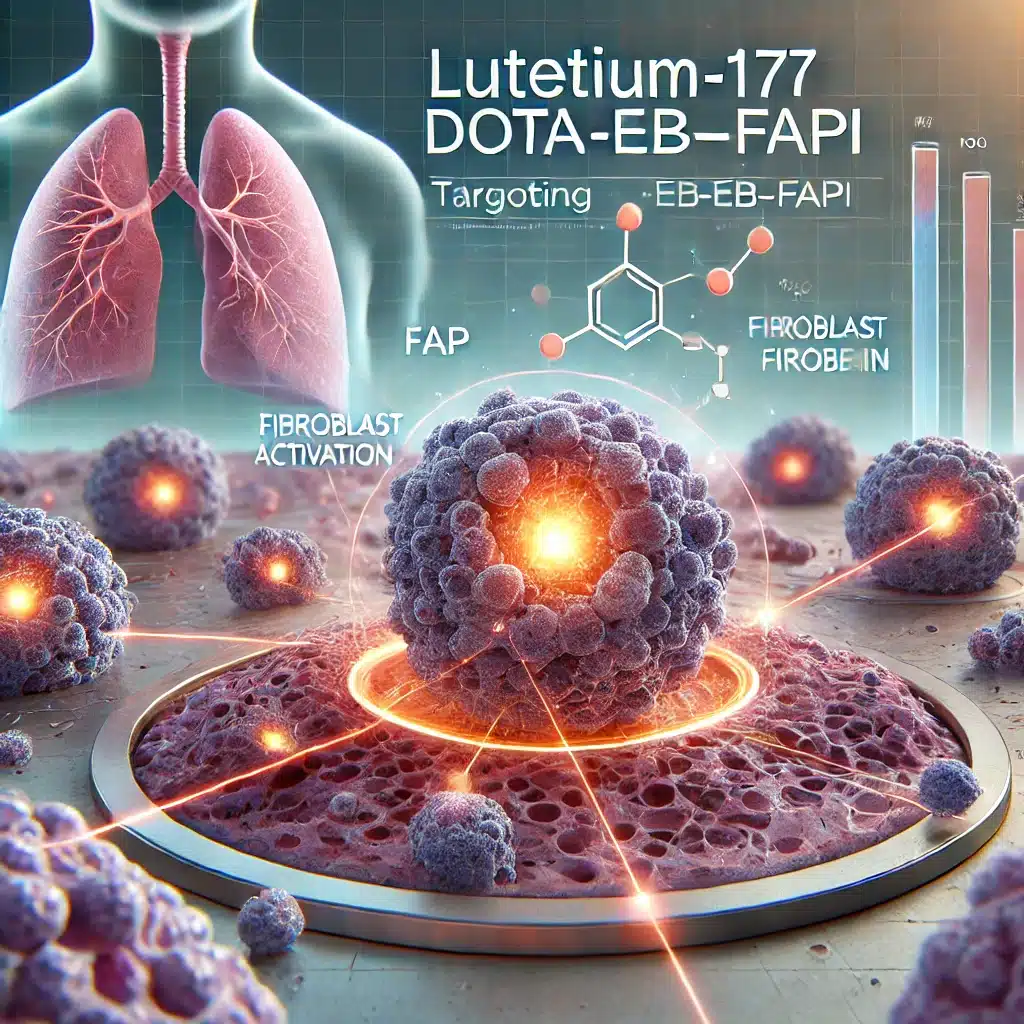
Lutetium-177 DOTA-EB-FAPi revolutionises oncology by enhancing precision targeting of fibroblast activation protein, improving tumour uptake, and expanding therapeutic applications.
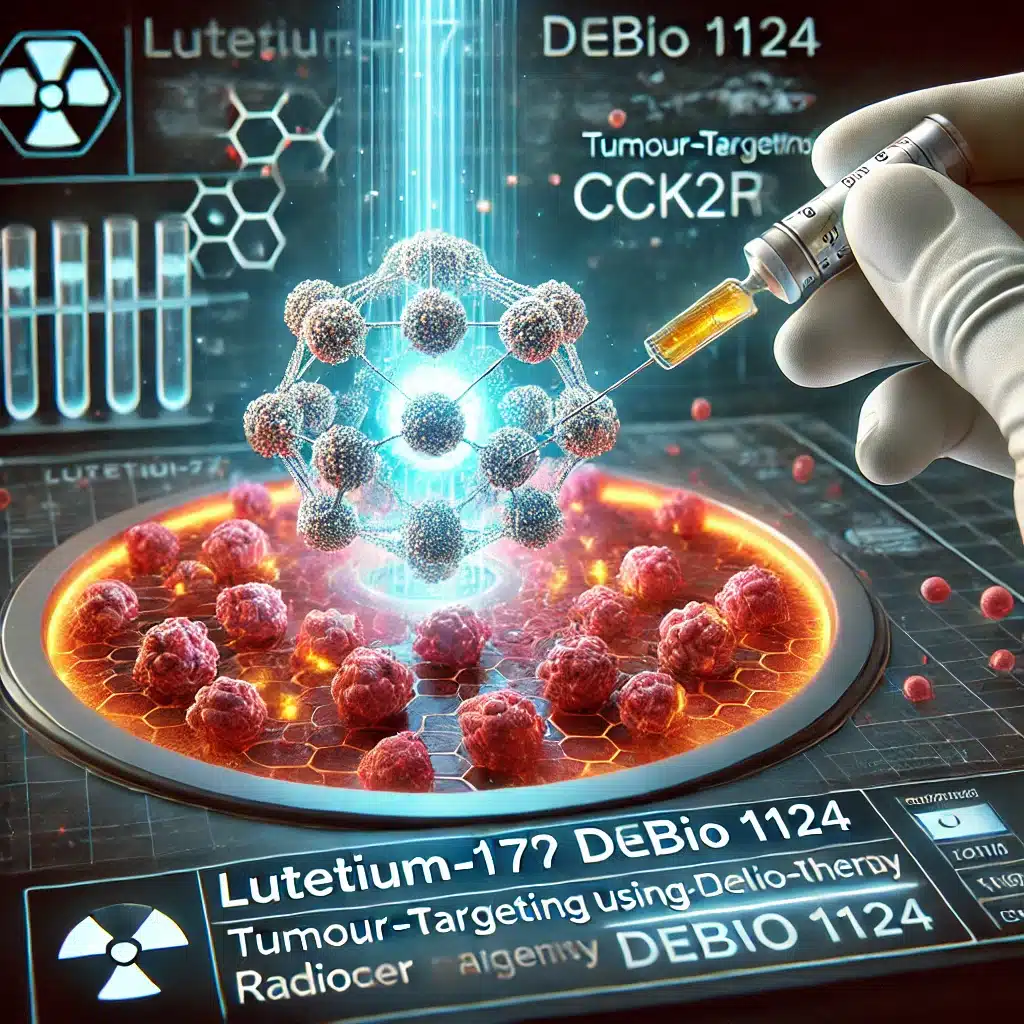
Lutetium-177 Debio 1124, a second-generation theranostic agent, selectively targets CCK2R-expressing tumours, offering precision radiotherapy and personalised oncology advancements.
Lutetium-177 CTT1403, an innovative PSMA-targeted therapy with irreversible phosphoramidate-based binding, shows remarkable efficacy in treating metastatic prostate cancer, enhancing tumour uptake, internalisation, and therapeutic precision.
Exploring Lutetium-177 AMTG highlights its innovative design, enhanced metabolic stability, and potential for effectively treating GRPR-positive prostate and breast tumours.
The rise and fall of Iodine-131 Tositumomab highlights challenges in balancing innovation, efficacy, infrastructure, and cost within radiopharmaceutical therapies.
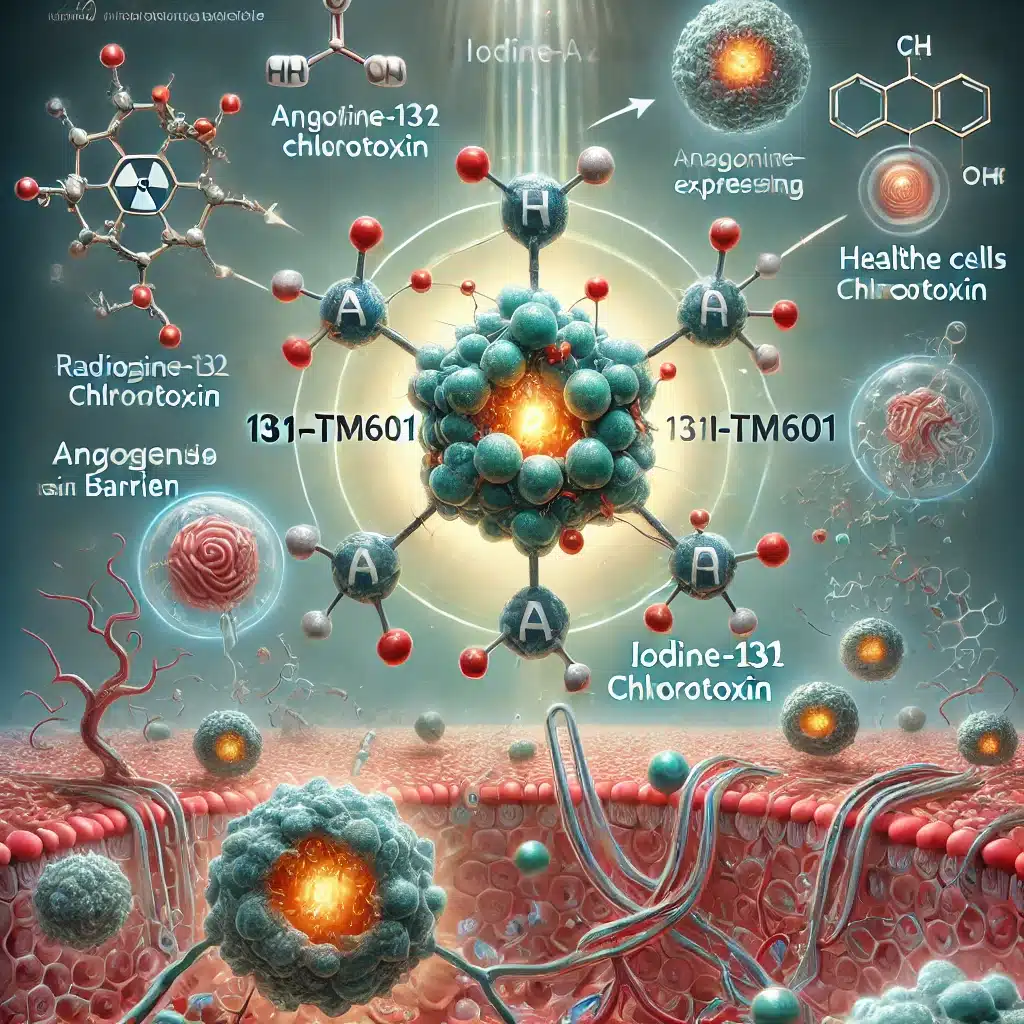
Iodine-131 TM601, a synthetic radiolabelled peptide, targets tumour cells expressing Annexin A2, delivering therapeutic radiation and exhibiting anti-angiogenic properties effectively.
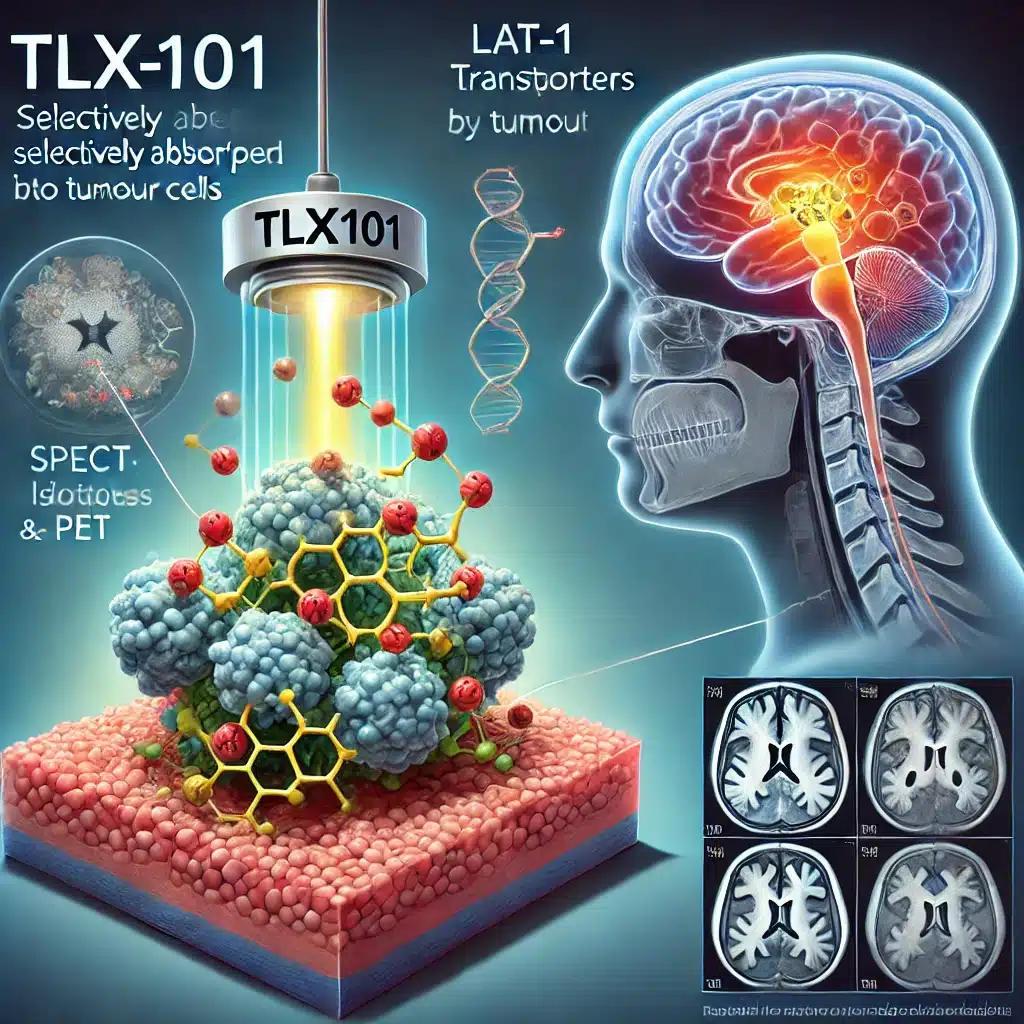
TLX101 is a revolutionary radiopharmaceutical targeting gliomas, offering dual imaging and therapy through tumour-selective uptake, enhancing treatment outcomes.
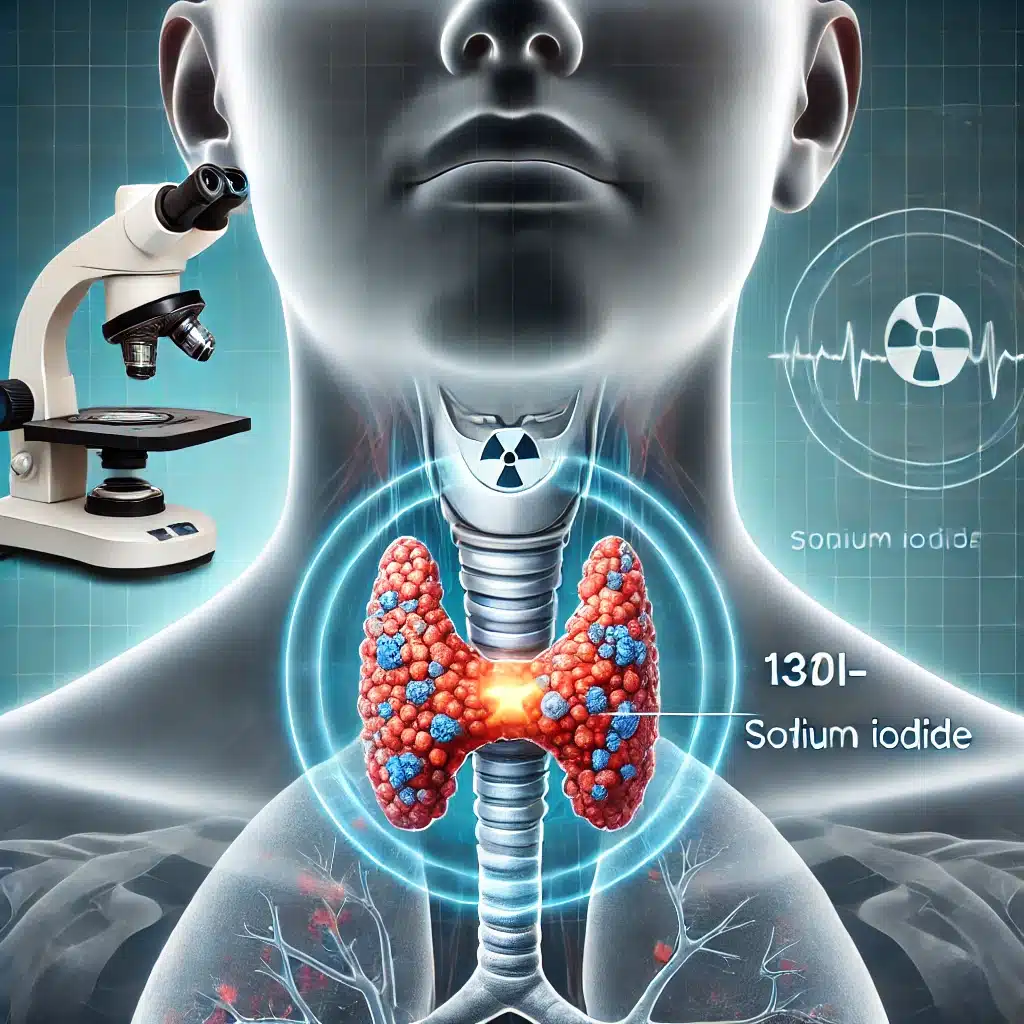
Iodine-131 Sodium Iodide plays a pivotal role in diagnosing and treating thyroid diseases, including carcinomas, through targeted radiotherapy and imaging.
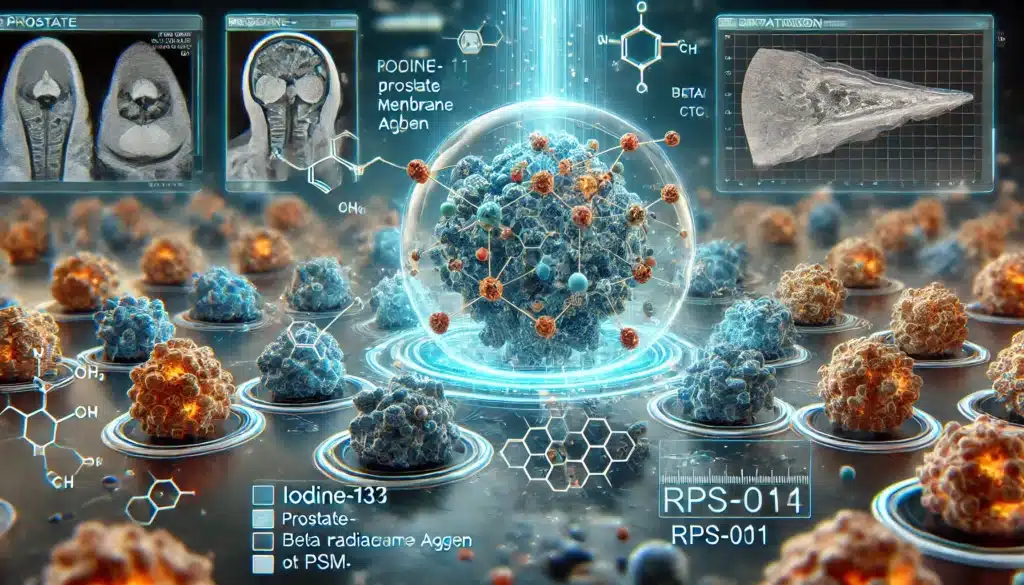
Iodine-131 RPS-001, a radiolabelled small molecule targeting PSMA, shows promise in prostate cancer therapy through precision-directed beta radiation delivery.
Iodine-131 Omburtamab offers targeted radiation therapy, significantly improving survival in neuroblastoma patients with CNS and leptomeningeal metastasis.
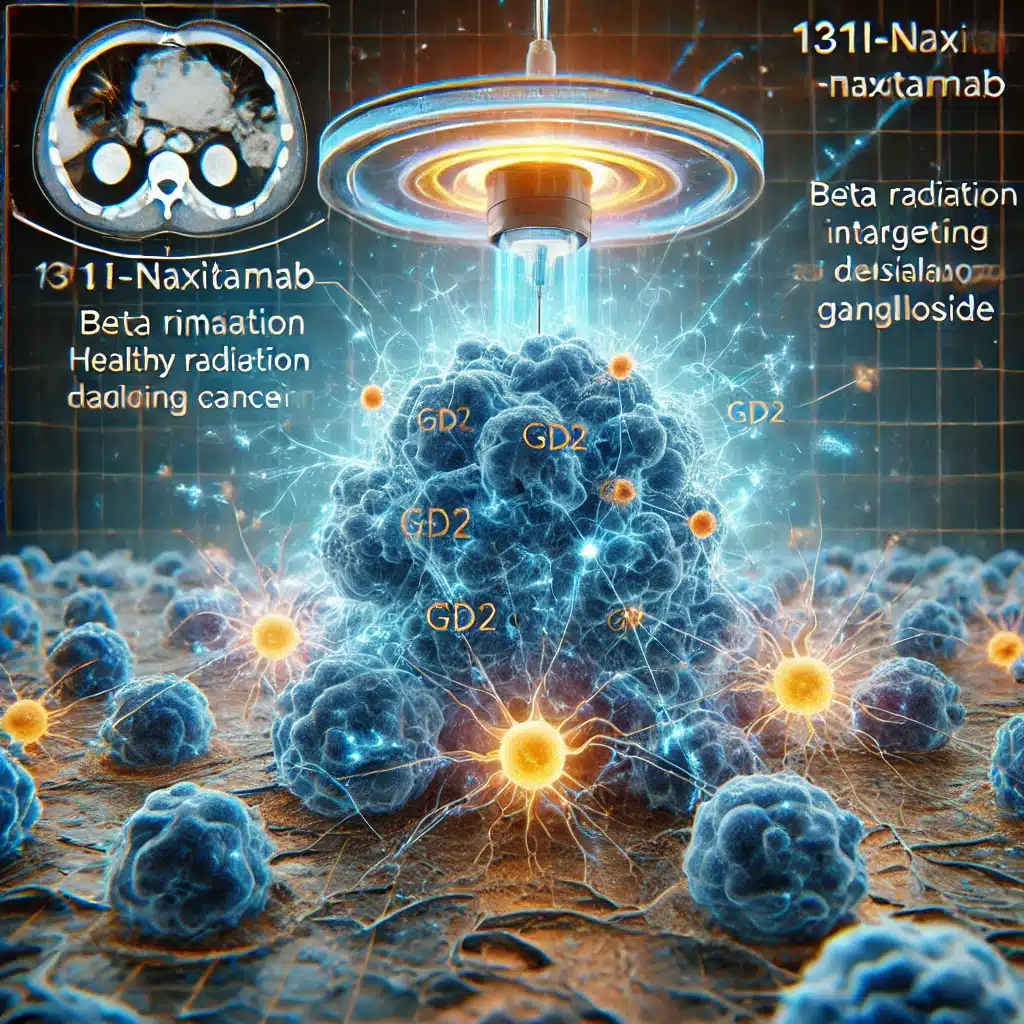
Iodine-131 naxitamab (¹³¹I-3F8) targets GD2-expressing cancers, offering precise radioimmunotherapy for neuroblastoma, melanoma, and small cell lung carcinoma.
Iodine-131 Metuximab (Licartin) selectively targets CD147 receptors, delivering beta radiation to hepatocellular carcinoma cells, improving treatment precision significantly.
Iodine-131 Lipiodol has re-emerged as a promising therapy for hepatocellular carcinoma, particularly in non-resectable cases with portal vein thrombosis.
Iodine-131 Iopofosine selectively delivers cytotoxic radiation to malignant cells by targeting the PI3K/Akt pathway, offering promising cancer therapy advancements.
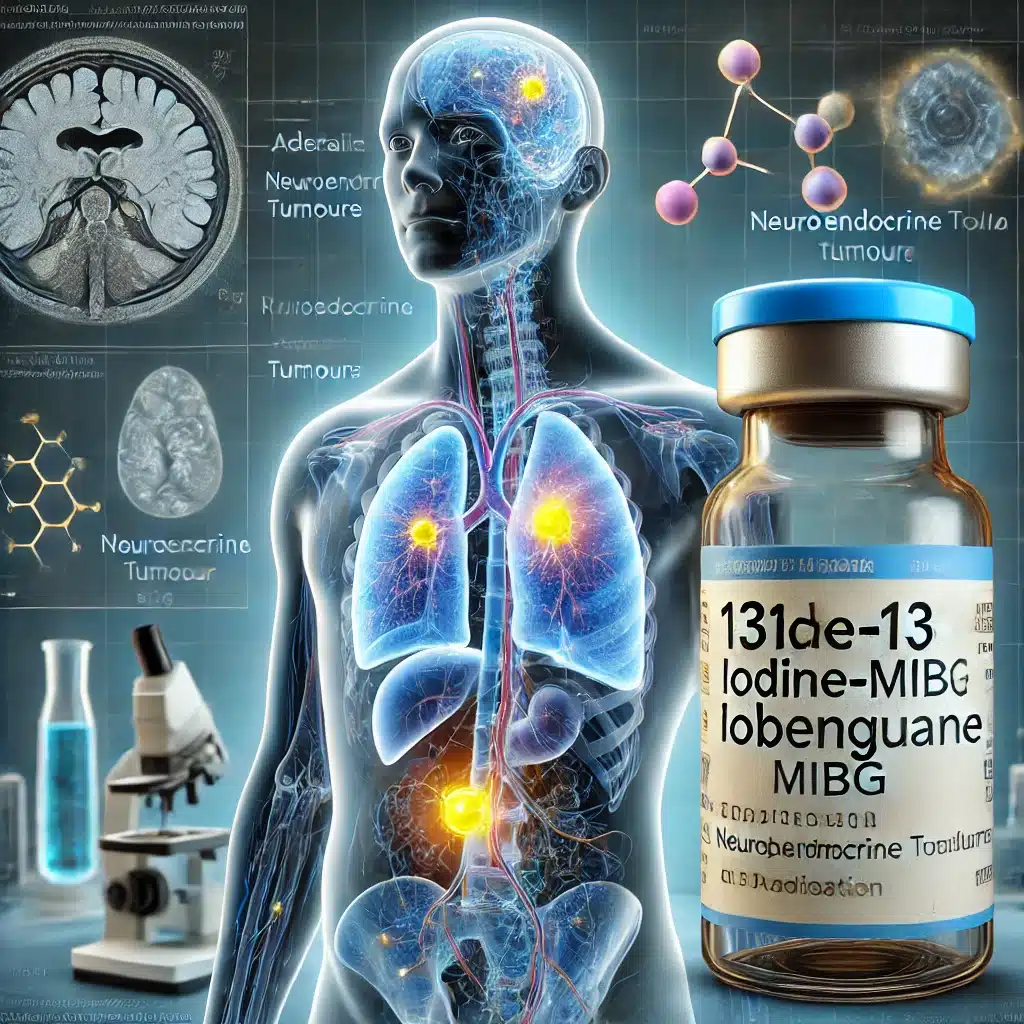
Iodine-131 Iobenguane revolutionises neuroendocrine tumour management by offering targeted imaging and therapy, significantly improving diagnosis, treatment, and patient outcomes.
Radiopharmaceutical therapy in cancer offers targeted treatment, minimising side effects while enhancing patient outcomes.
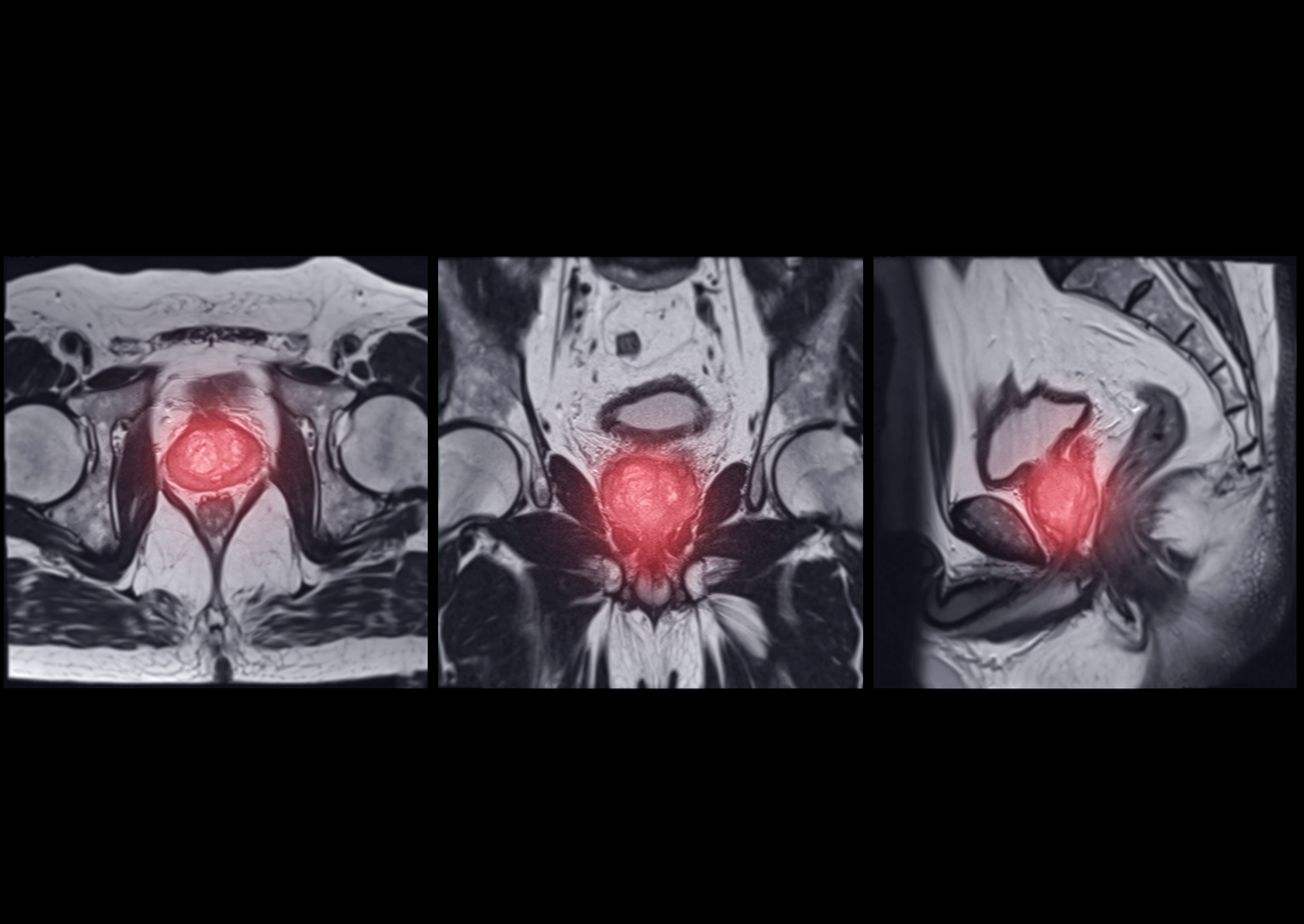
Radiotheranostics in prostate cancer enables precise diagnosis and targeted treatment, improving patient outcomes significantly.
Cancer radiotheranostics combines targeted radiotherapy and diagnostic imaging to provide personalised, precise, and effective cancer treatment.
Radiotheranostic treatments combine diagnostic imaging with targeted radiopharmaceutical therapy, providing personalised cancer care with enhanced precision and effectiveness.
Radiotheranostics offers a precise, personalised approach to cancer treatment by combining diagnostic imaging with targeted therapy.
The article explores the theranostic applications of Terbium radionuclides, highlighting their diagnostic and therapeutic potential in nuclear medicine.
This article examines the cancer risks associated with radionuclide administration in medical treatments and strategies for mitigation.
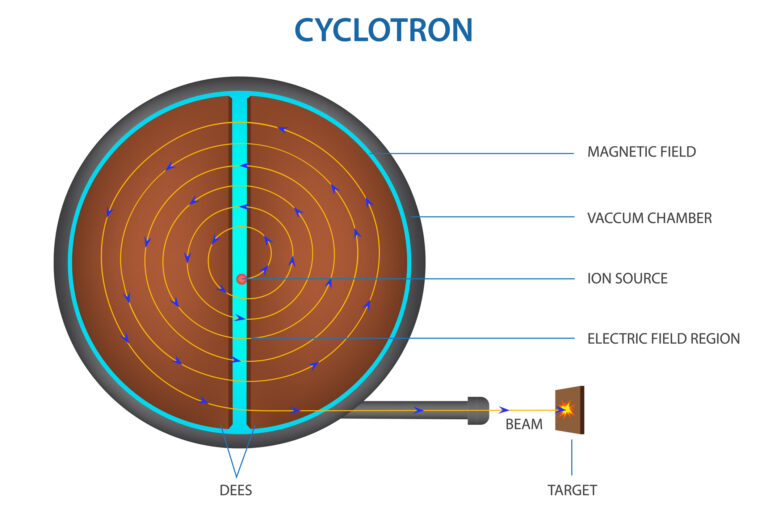
Radionuclide production, encompassing reactor-based, cyclotron, and generator methods, is essential for medical, industrial, and research applications worldwide.
Dosimetry in radionuclide therapy plays a crucial role in optimising treatment effectiveness and ensuring patient safety and well-being.
Radiotheranostic Pairs combine diagnostic imaging with targeted radiotherapy, revolutionising personalised cancer treatment through enhanced precision and efficacy.