4 Reasons to See a Doctor After a Car Accident
 By
By
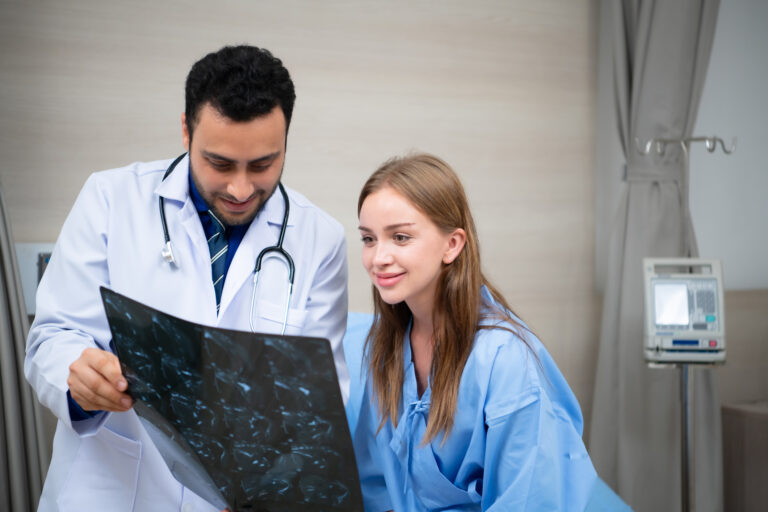
See a doctor after a car accident to catch delayed symptoms, begin treatment promptly, and strengthen any future injury claims. Image for illustration only. People depicted are models.
By
See a doctor after a car accident to catch delayed symptoms, begin treatment promptly, and strengthen any future injury claims. Image for illustration only. People depicted are models.
 By
By
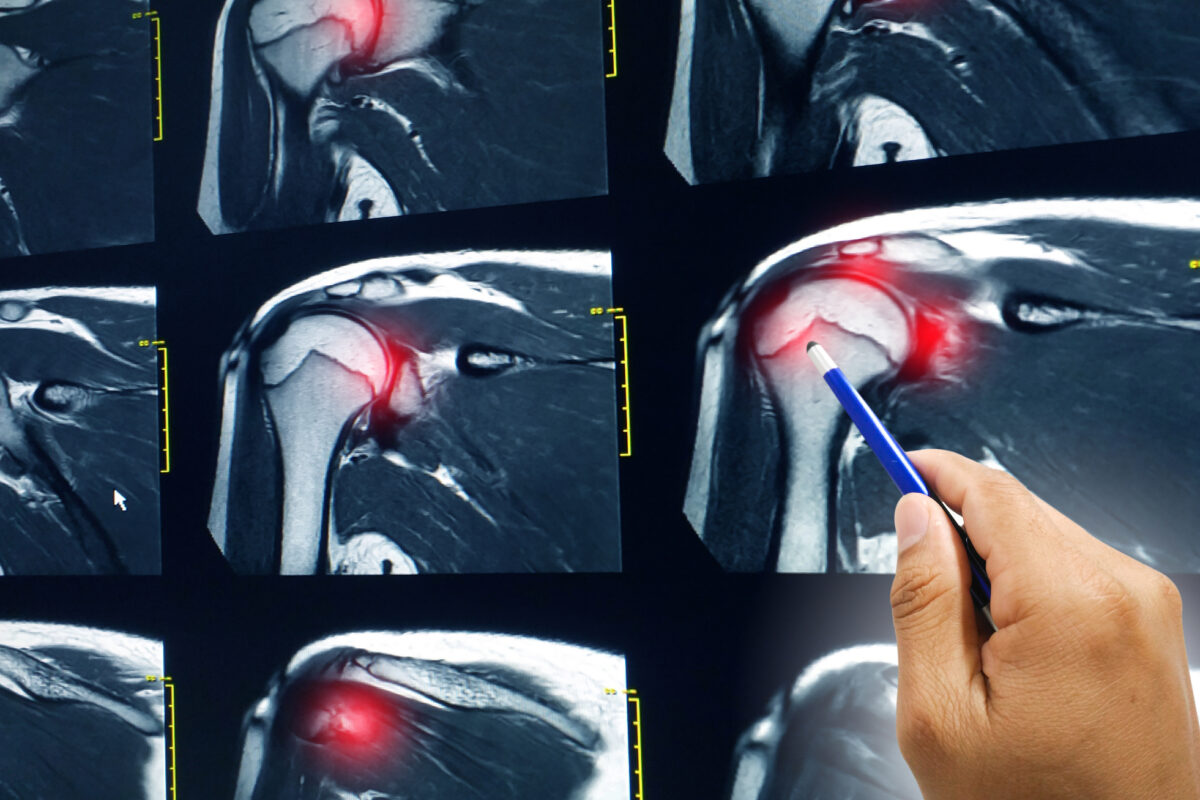
Explore the details of rotator cuff repair surgery, including recovery and options available for managing injuries effectively.
 By
By
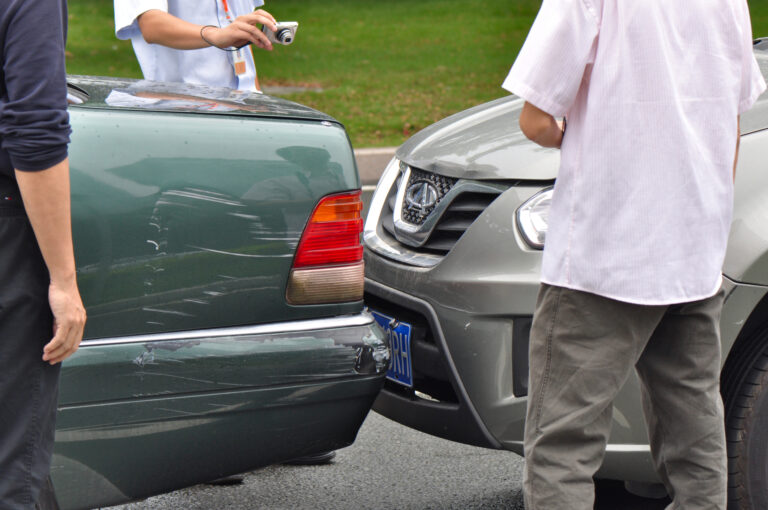
Low-speed crashes may look minor, but they often cause hidden spinal, ligament, and brain injuries over time.
 By
By
Confused about whether to visit a physiatrist or physical therapist? Find clarity and improve your recovery journey. Image for illustration only. Person depicted is a model.
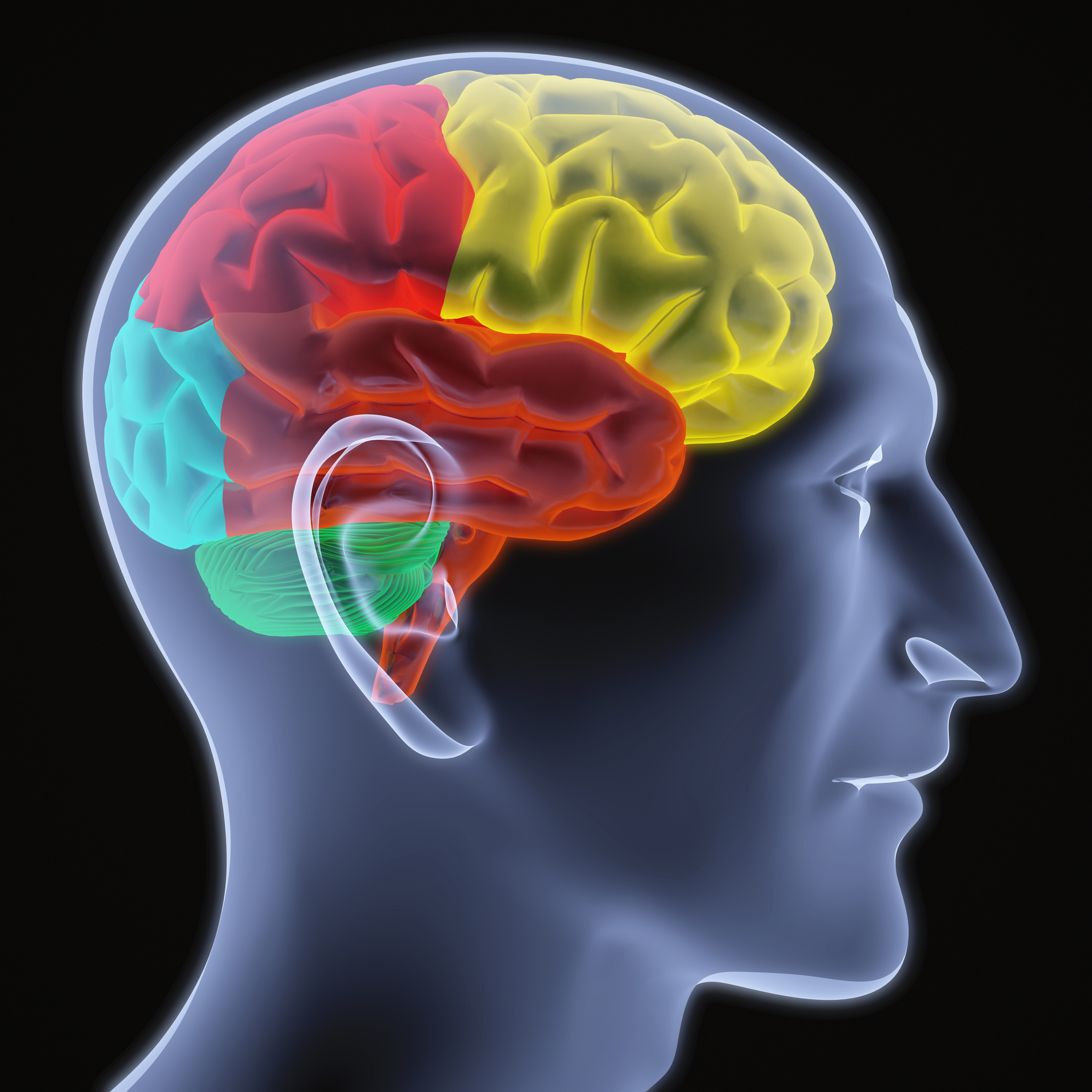 By
By
Radiology in drug addiction treatment provides essential tools for understanding addiction and crafting personalised therapies.
 By
By
Undetected car accident injuries can worsen over time. Discover the warning signs and take action early for your health. Image for illustration only. Person depicted is a model.
 By
By
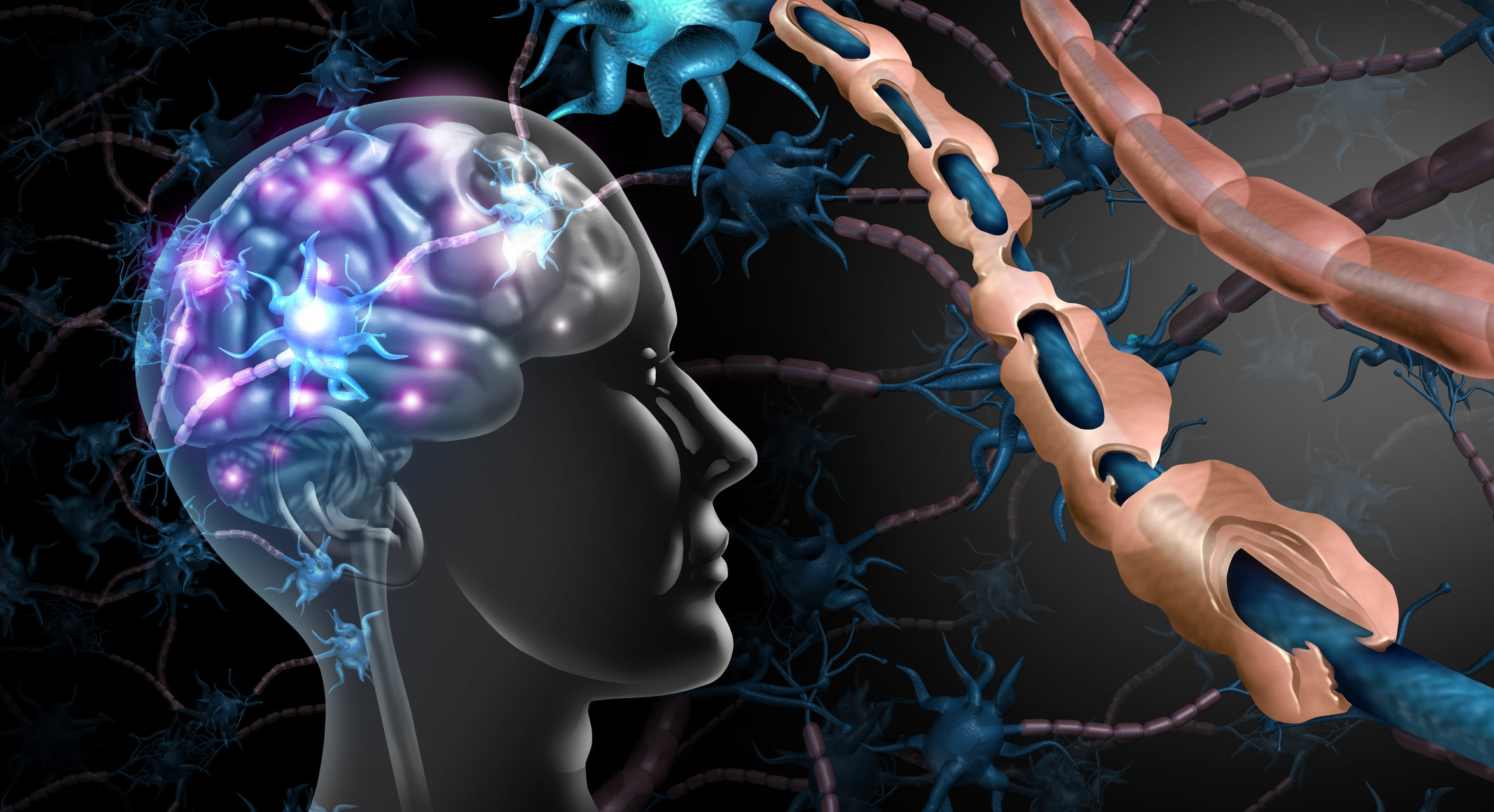
Learn about medical imaging in multiple sclerosis: essential techniques for diagnosing, tracking, and managing the disease.
 By
By
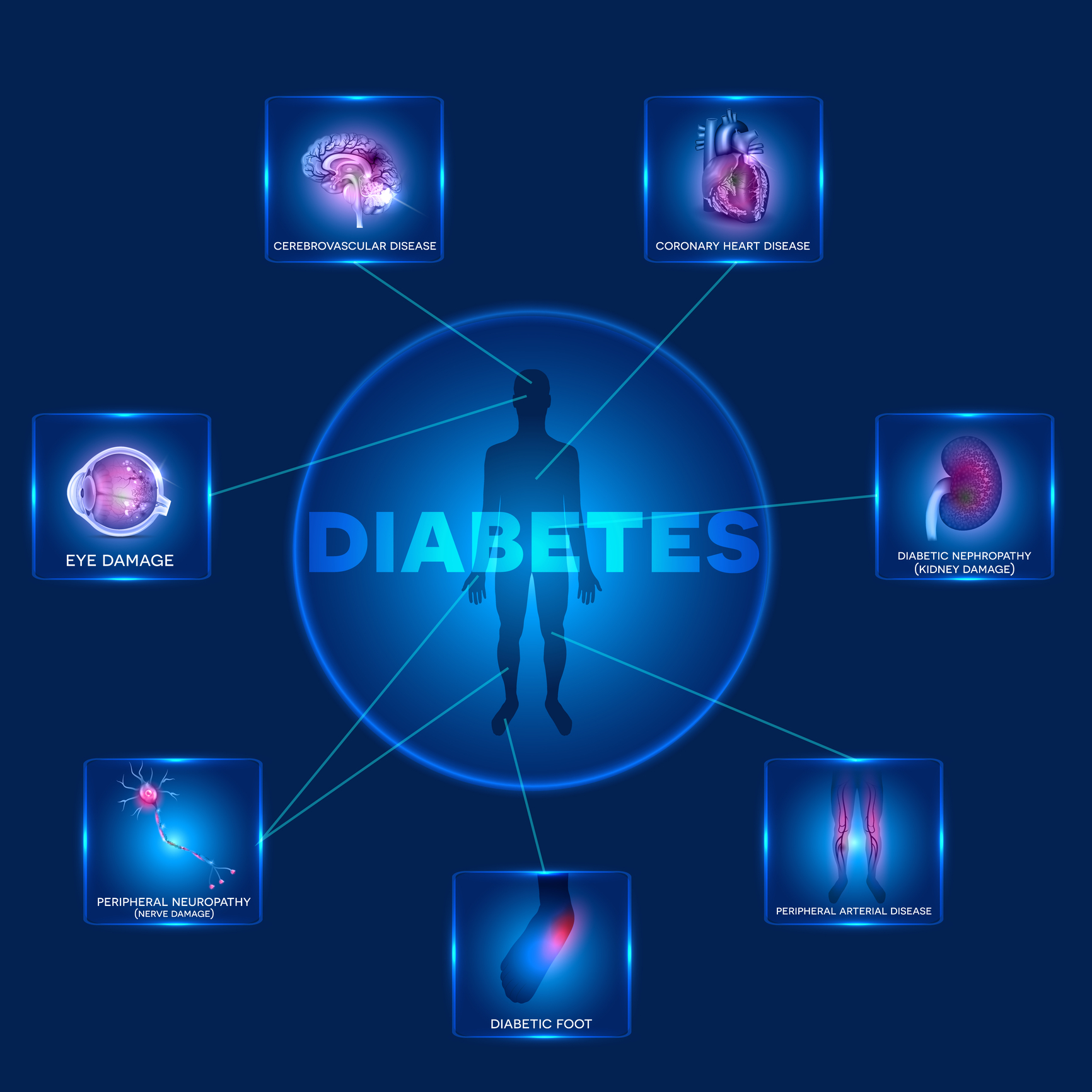
Different Types of Diabetes in medical imaging require tailored approaches for accurate diagnosis and effective complication monitoring.
 By
By
Hospital budgeting requires strategic planning to allocate resources efficiently, ensuring cost-effective equipment management, staff training, and patient care.
 By
By
Hospital medical equipment financing enables hospitals to acquire advanced technology through strategic budgeting and leasing options.
 By
By
New Year medical imaging breakthroughs highlight innovative technologies, transforming healthcare diagnostics and improving patient outcomes worldwide.
 By
By
Sustainability in medical imaging highlights innovative practices, stakeholder roles, and strategies to reduce environmental impact effectively.
 By
By
Open MedScience fosters global collaboration, accelerates innovation, promotes transparency, enhances accessibility, and transforms healthcare outcomes.
 By
By
Medical imaging 2025 integrates advanced AI, precision tools, seamless data systems, personalised diagnostics, and enhanced patient experiences worldwide. Image for illustration only. Person depicted is a model.
 By
By
Stathopoulos et al. demonstrate that combining deep learning with MRI sequences significantly improves brain tumour detection, achieving up to 98.4% accuracy.
 By
By
Magnetics in medicine enhance diagnostic precision, therapeutic targeting, and innovative treatments, transforming modern healthcare practices globally.
 By
By
Green radiology promotes sustainability by reducing energy use, managing waste, and integrating renewable resources effectively.
 By
By
AI in MRI transforms medical imaging by increasing diagnostic accuracy, lowering costs, and broadening patient accessibility significantly.
 By
By
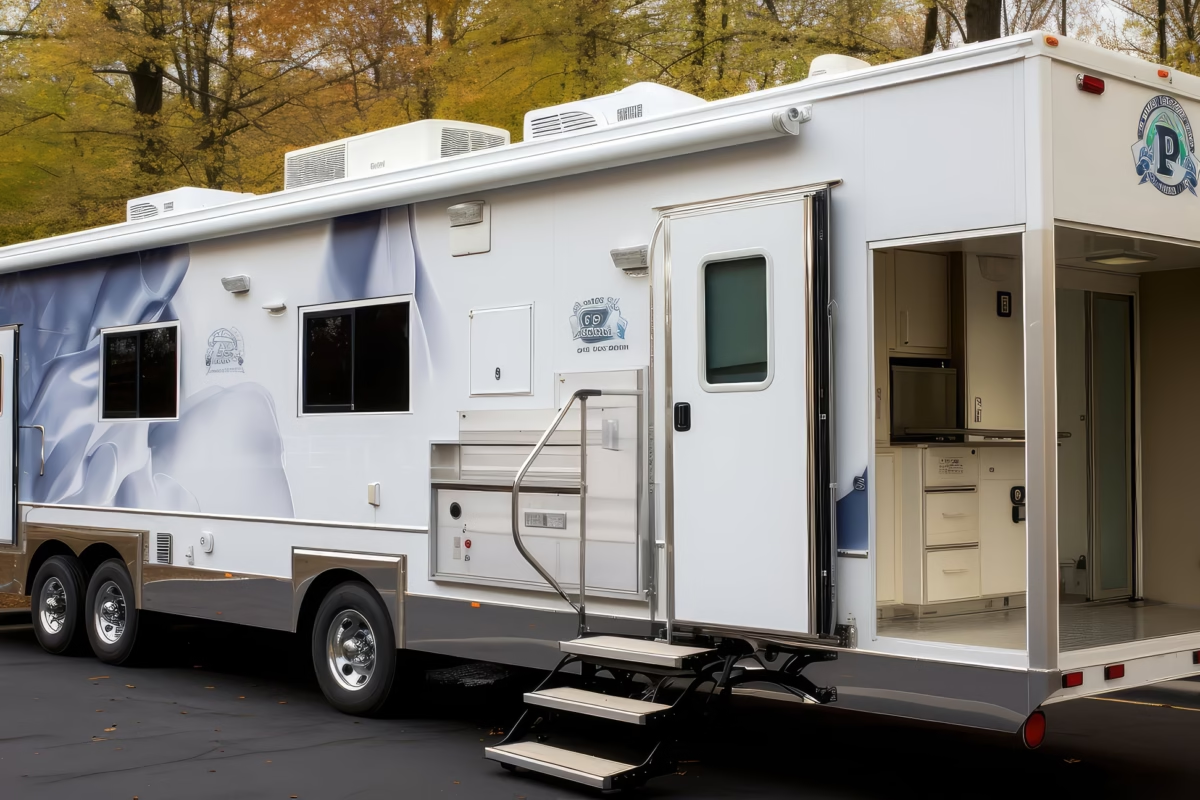
Medical mobile scanners revolutionise healthcare by providing portable, accessible imaging solutions for remote, emergency, and underserved areas.
 By
By
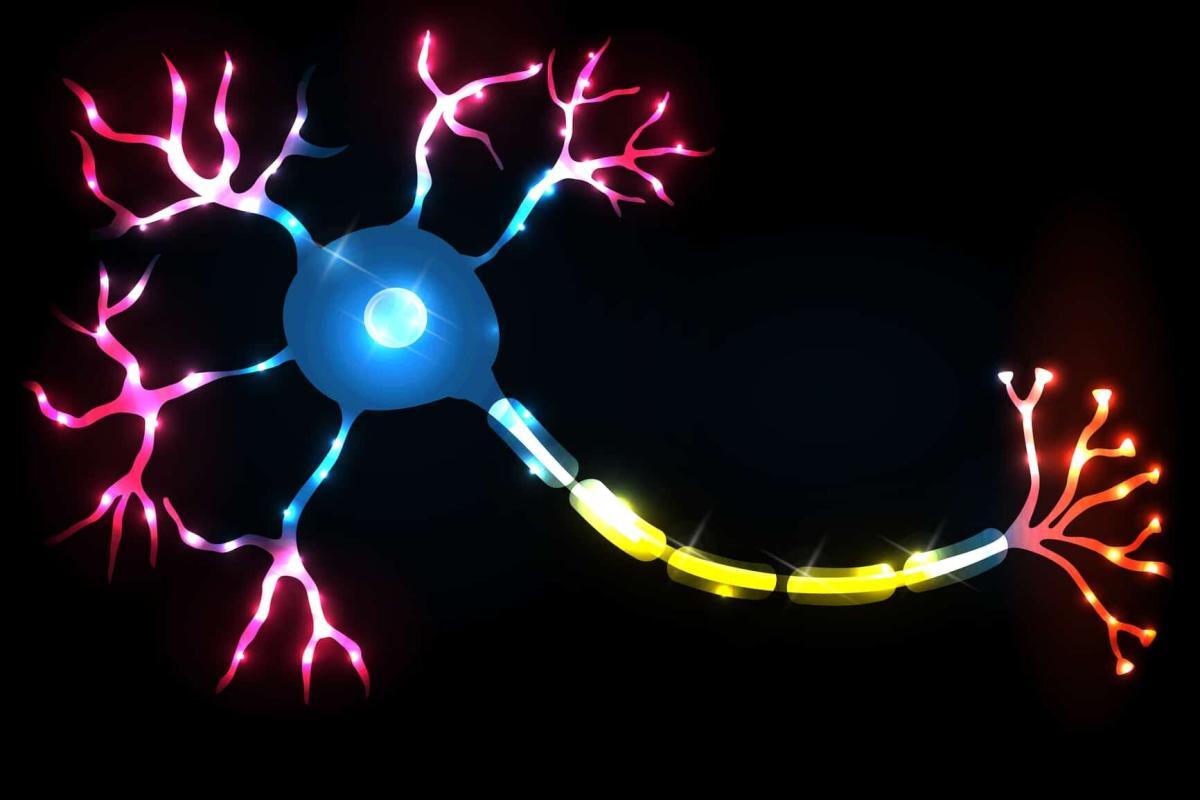
Diagnostic imaging in motor neurone disease (MND) is crucial for early detection, disease monitoring, and differentiating from other conditions.
 By
By
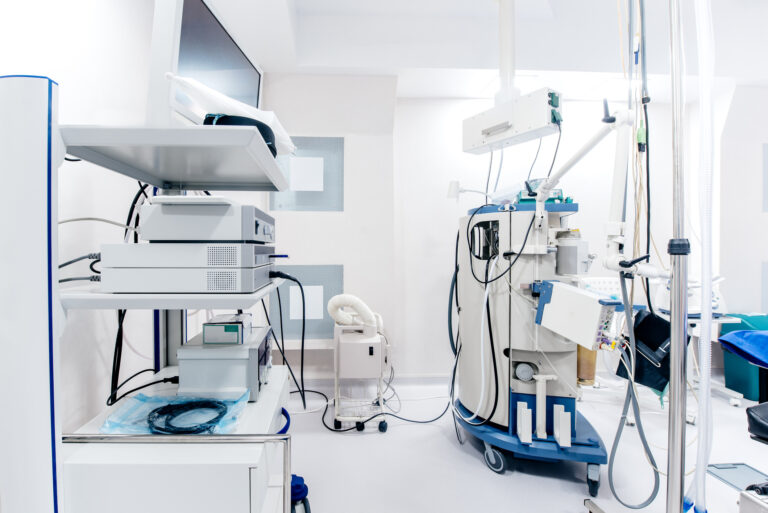
Types of medical devices include diagnostic tools, therapeutic equipment, monitoring instruments, and surgical implements.
 By
By
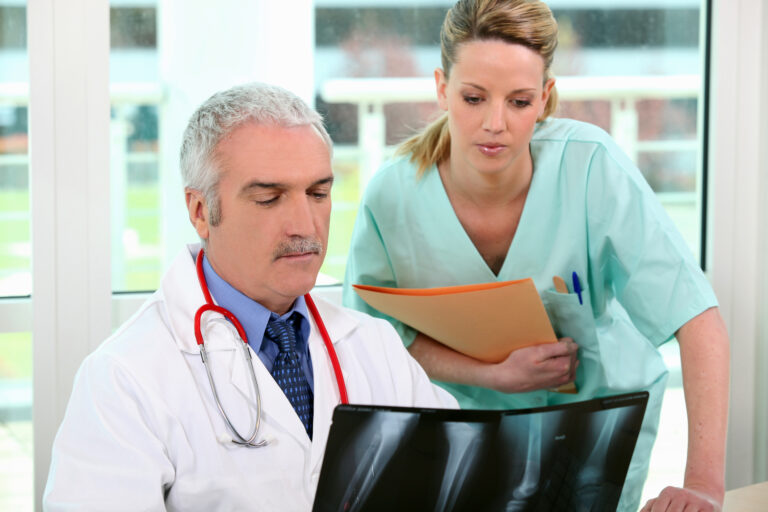
Radiology nurses prepare and monitor patients during imaging procedures, ensuring safety, comfort, and accurate diagnosis through collaboration. Image for illustration only. People depicted are models.
 By
By
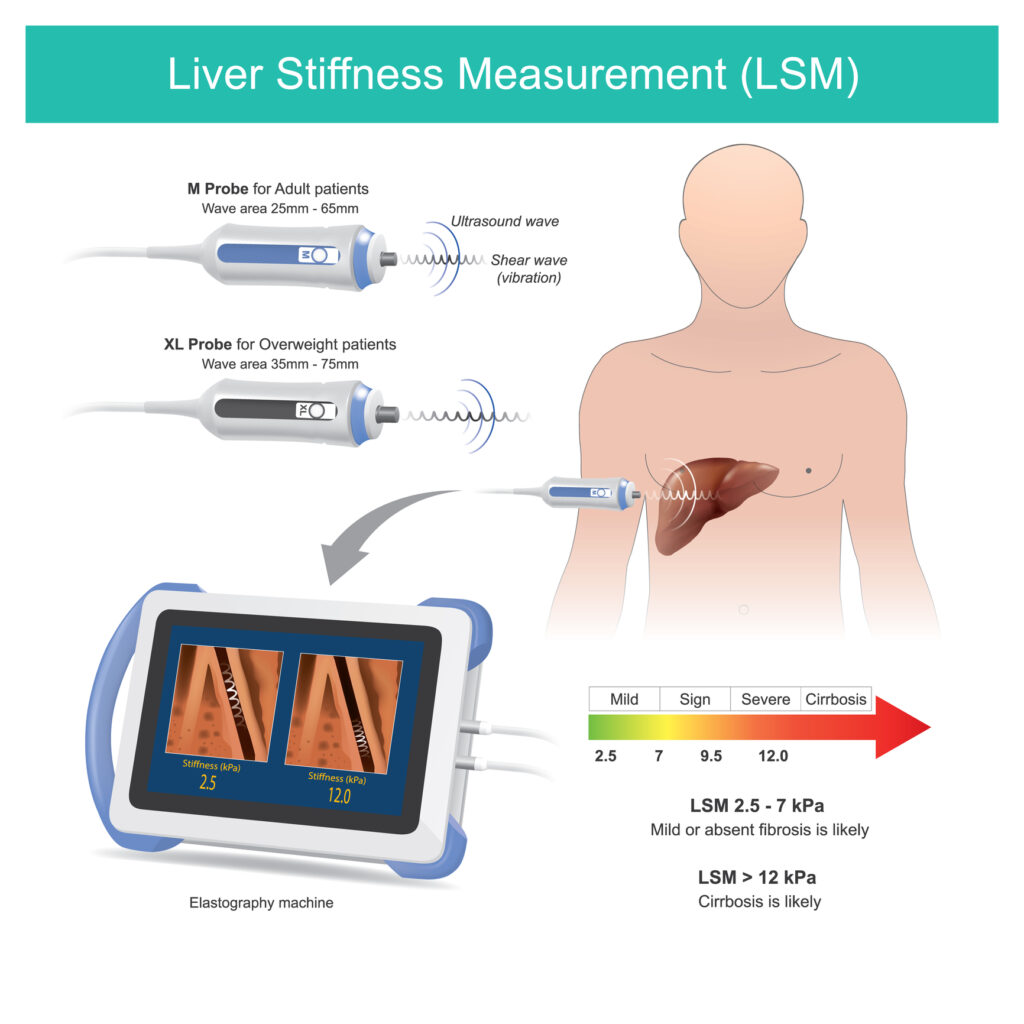
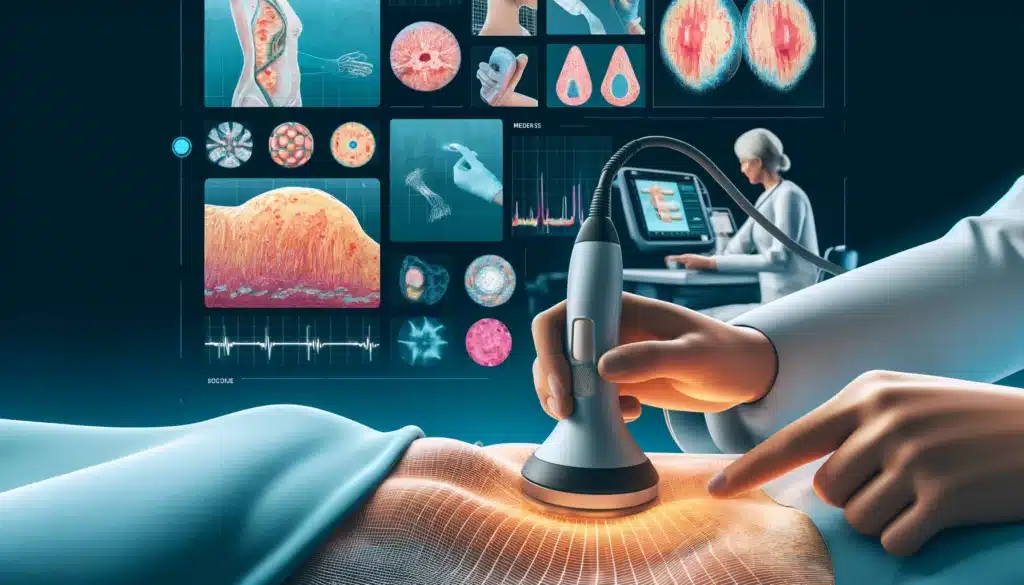
Elastography is a cutting-edge imaging technique that enhances diagnostic precision by assessing tissue stiffness, revolutionising liver disease and cancer detection.
 By
By
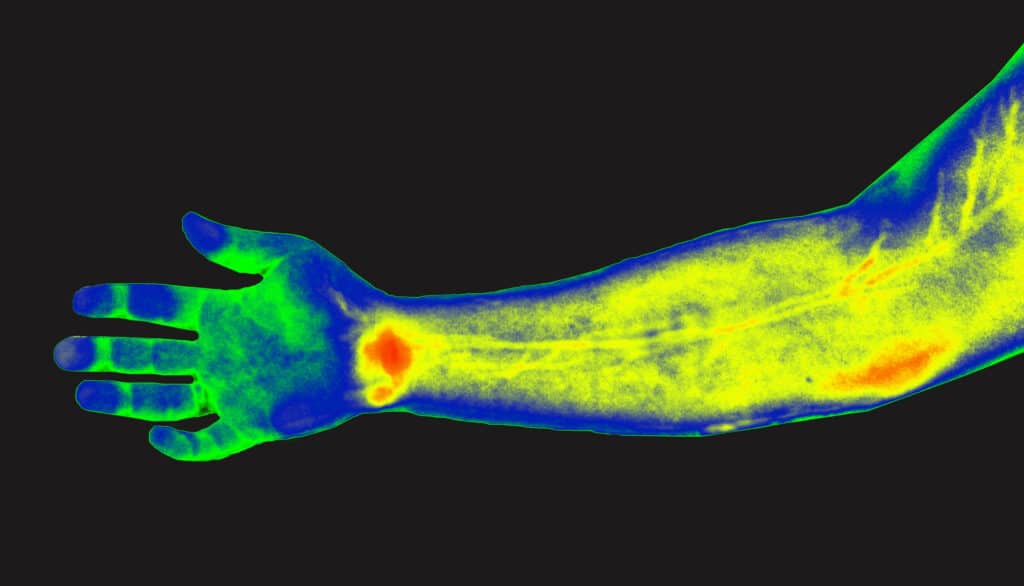
Thermography in medical imaging is a non-invasive tool that identifies temperature variations, aiding in early disease detection and health monitoring.
 By
By
Tactile imaging transforms diagnostics by converting tactile sensations into visual data, enabling precise, non-invasive detection of tissue abnormalities and conditions.
 By
By
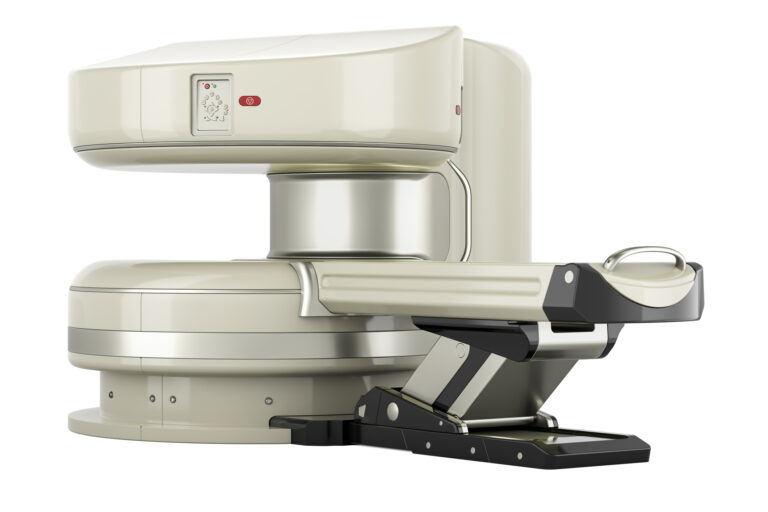
Magnetic Resonance Imaging is advancing with AI, targeted contrast agents, and molecular imaging, enhancing diagnostics.
 By
By
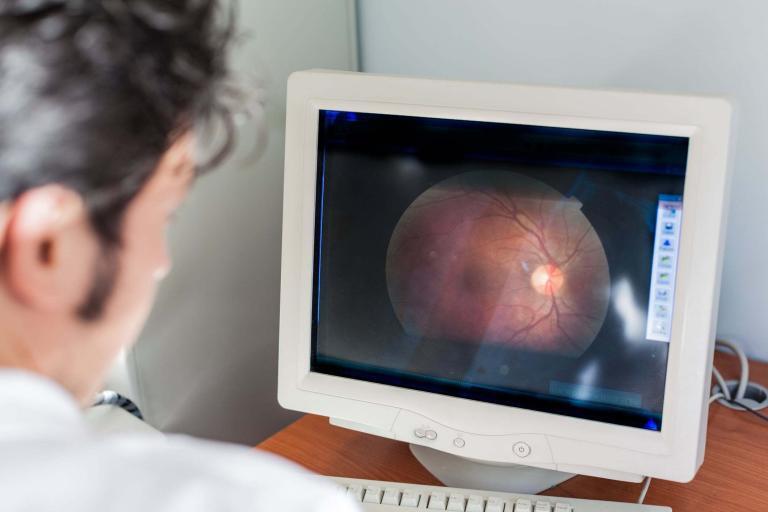
Medical imaging, crucial for optic nerve disorders, has evolved with technologies like MRI and OCT. Image for illustration only. Person depicted is a model.
 By
By
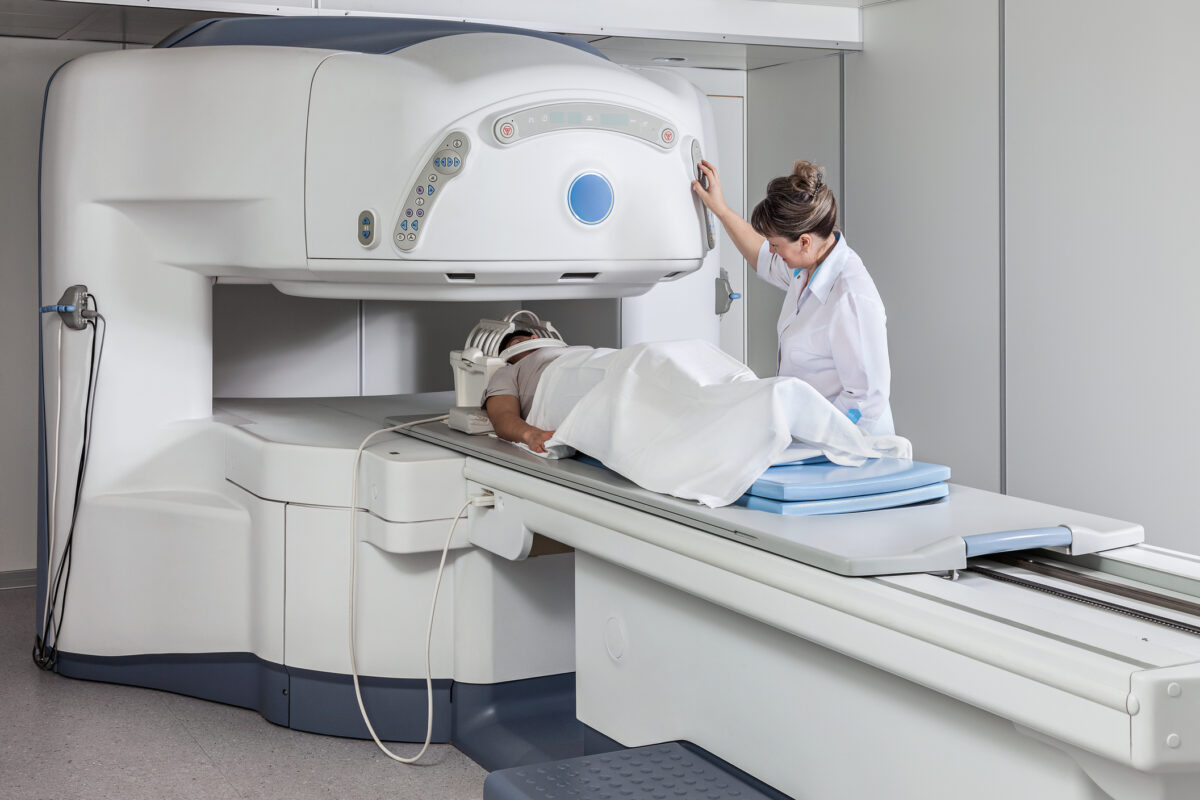
Rapid medical advancements challenge insurance norms, sparking debates on defining ‘medically necessary’ treatments and managing high-tech care costs.
 By
By
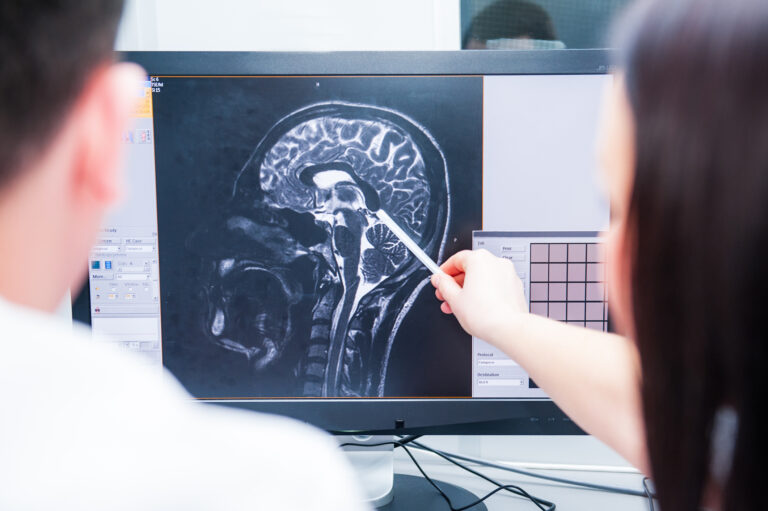
Medical imaging crucially enhances oncology, aiding early cancer detection and effective treatment planning. Image for illustration only. People depicted are models.
 By
By
To excel in medical imaging, one must pursue postgraduate education beyond basic nursing or medicine. Image for illustration only. People depicted are models.