Selective Internal Radiotherapy Microspheres Targets Liver Cancer
 By
By
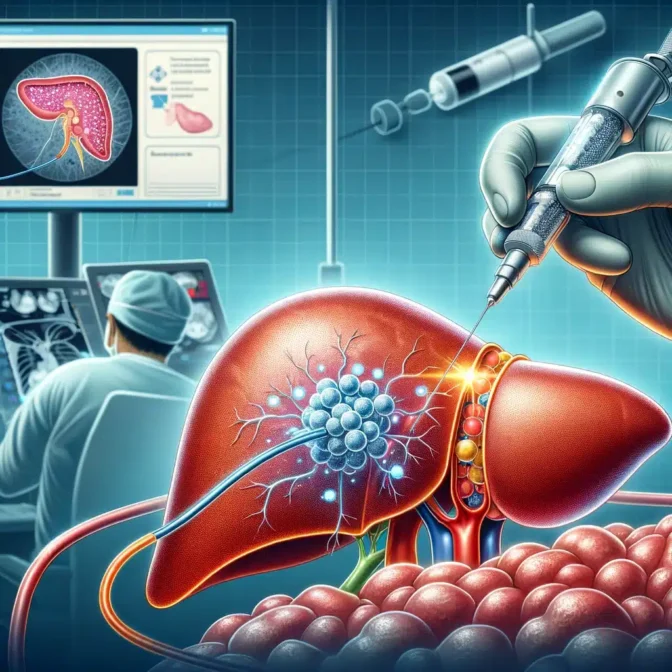
Selective Internal Radiotherapy (SIRT) delivers targeted radiation to liver tumors, providing effective treatment with minimal damage to surrounding healthy tissue.
By
Selective Internal Radiotherapy (SIRT) delivers targeted radiation to liver tumors, providing effective treatment with minimal damage to surrounding healthy tissue.
 By
By
Targeted Alpha Radionuclide Therapy precisely delivers potent alpha particles to tumors, maximising efficacy while sparing healthy tissues.
 By
By
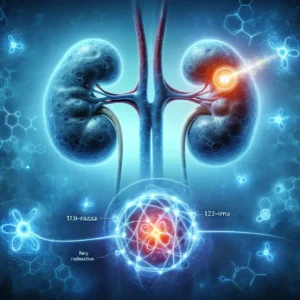
Iodine-131 IMAZA innovatively binds to adrenal cortex enzymes, revolutionizing the treatment and imaging of adrenocortical carcinoma effectively.
 By
By
Iodine-131 ICF01012, targeting melanin receptors, shows promise in the fight against metastasised melanomas, heralding a new era in treatment.
 By
By
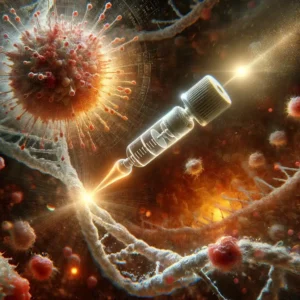
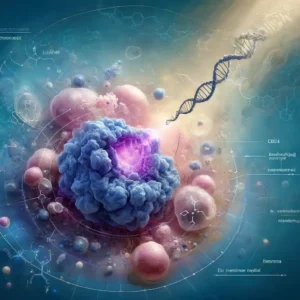
Iodine-131 chTNT, aiming to revolutionise oncology, shows promise in targeting and eradicating tumour cells with precision.
 By
By
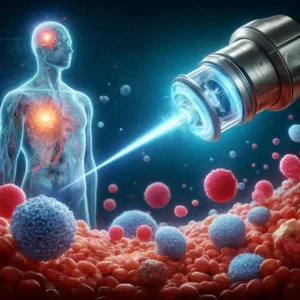
Iodine-131 BA52, a melanin-binding therapeutic, offers new hope for patients with melanin-positive malignant melanomas.
 By
By
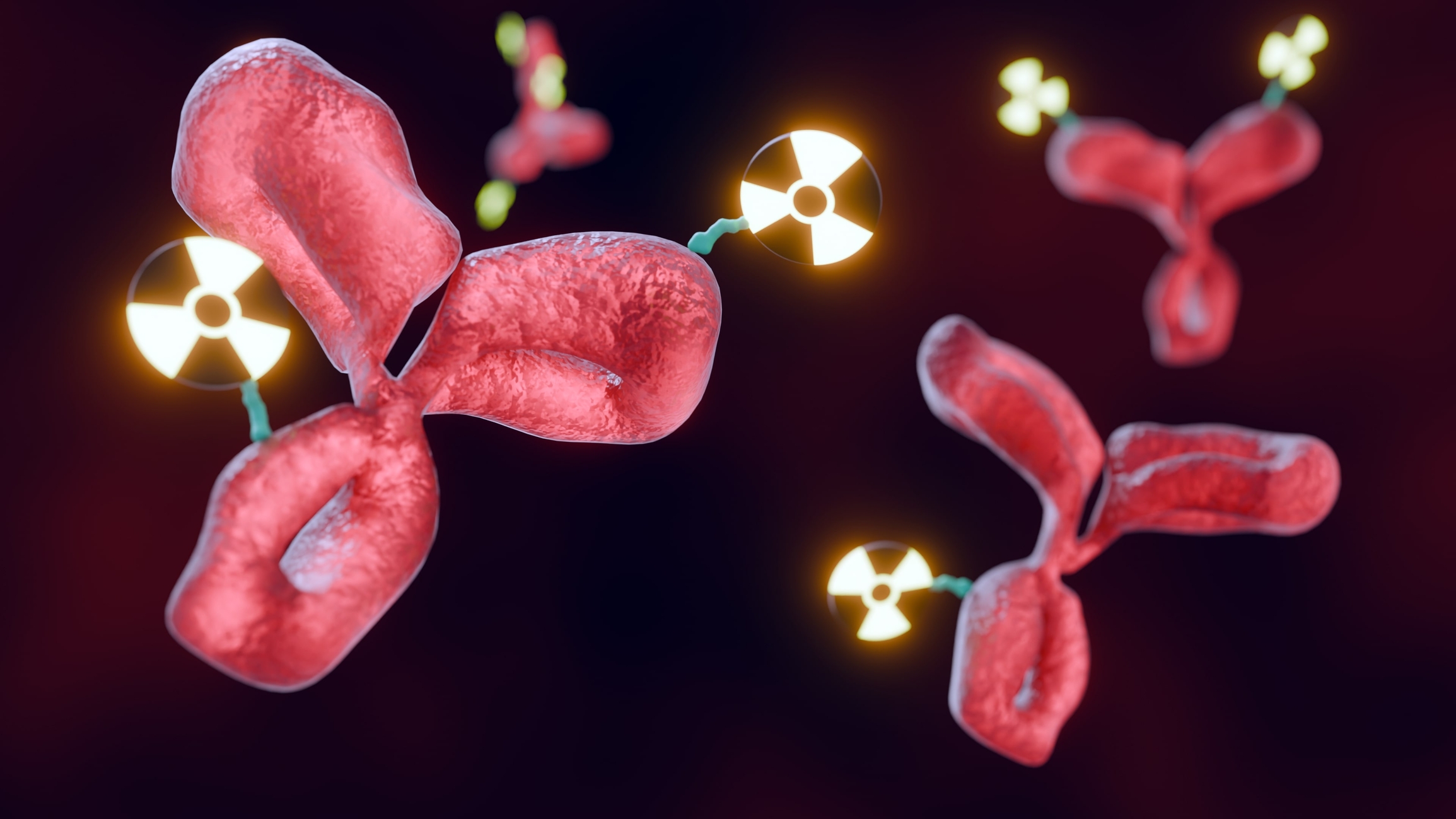
Targeting Blood Cancers: The Role of Iodine-131 Apamistamab in Revolutionising Treatment for AML and Beyond.
 By
By
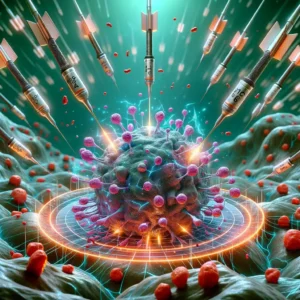
World Theranostics Day honours Dr. Hertz’s groundbreaking radioiodine therapy, transforming disease treatment globally since 1941.
 By
By
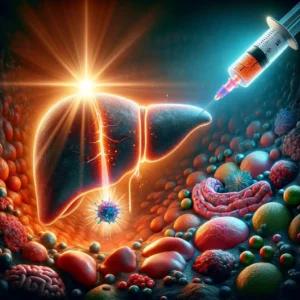
Iodine-131 Monoclonal Antibody 81C6 specifically targets glioma cells by honing in on the tenascin protein.
 By
By
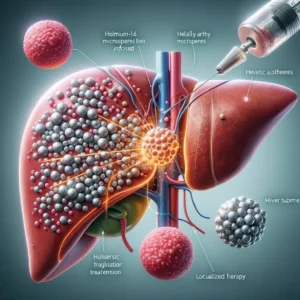
Holmium-166 Chitosan, a groundbreaking radiopharmaceutical, offers new hope in treating hepatocellular carcinoma with targeted therapy.
 By
By
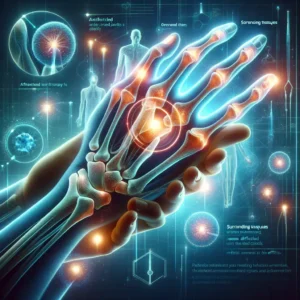
Holmium-166 microspheres, by delivering localized radiation, significantly enhance the therapeutic approach to inoperable liver cancer treatment.
 By
By
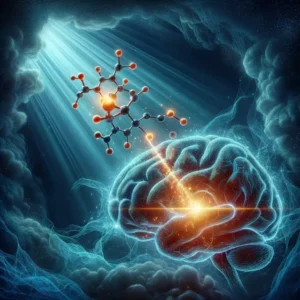
The innovative 169Er-Erbium Citrate therapy precisely targets small joints, significantly easing arthritis with minimal side effects.
 By
By
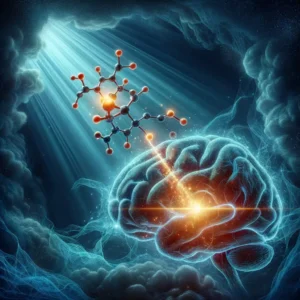
Copper-67 SARTATE emerges as a groundbreaking radiopharmaceutical in targeted cancer therapy, showcasing promising clinical trial results.
 By
By
Copper-64 Diasparagine offers a promising breakthrough in targeting and treating aggressive brain tumours like glioblastoma.
 By
By
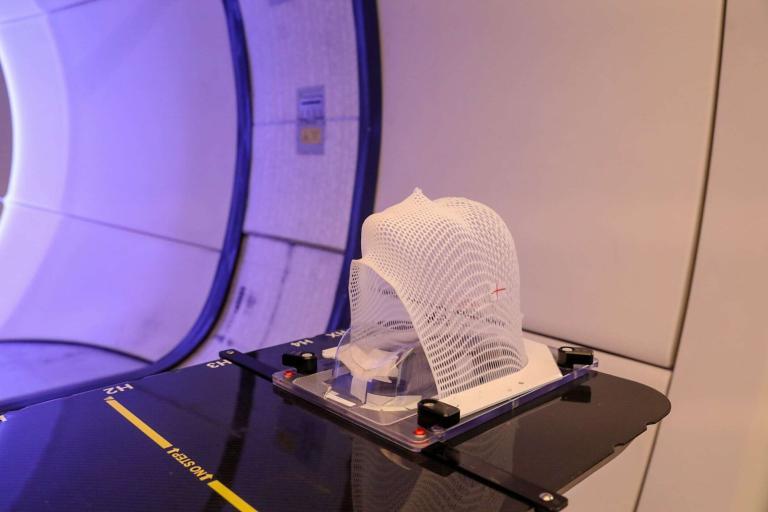
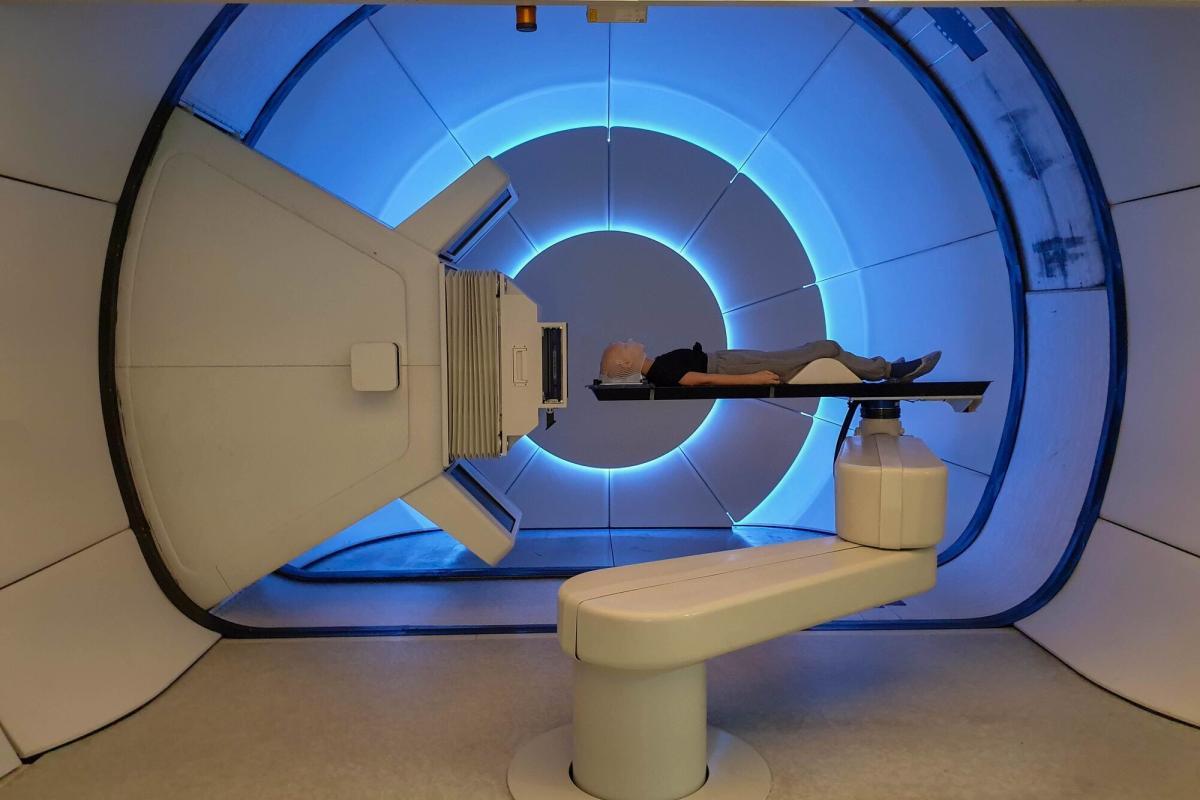
Proton beam therapy targets cancer accurately, minimising side effects but faces challenges in cost and accessibility.
 By
By
213Bi-Lintuzumab demonstrated efficacy in AML treatment, offering a targeted approach with manageable side effects, yet development paused.
By
213Bi-DOTATOC offers potent, targeted alpha therapy for tumours, advancing treatment with precision and reduced systemic toxicity.
 By
By
211At-Parthanatine, targeting PARP1 with alpha radiation, promises precise cancer therapy, especially for high-risk neuroblastomas.
 By
By
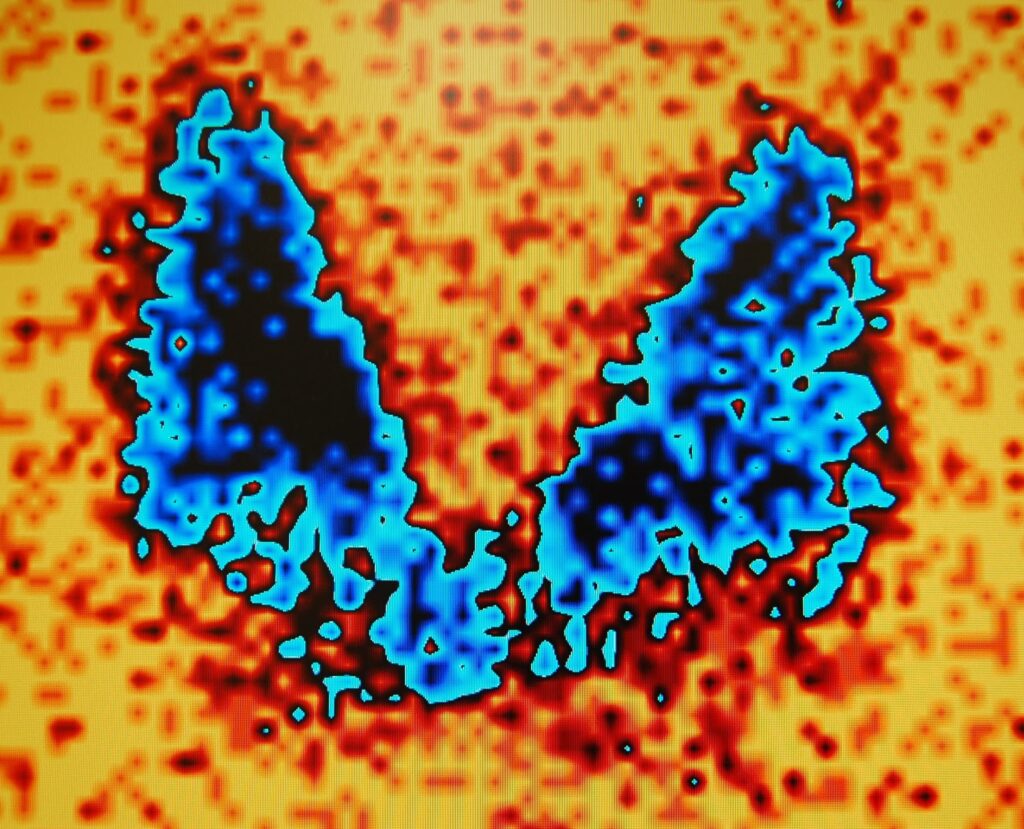
Astatine-211 Sodium Astatide, evolving thyroid treatment, enters trials, promising enhanced precision and safety over traditional Iodine-131 NaI therapy.
 By
By
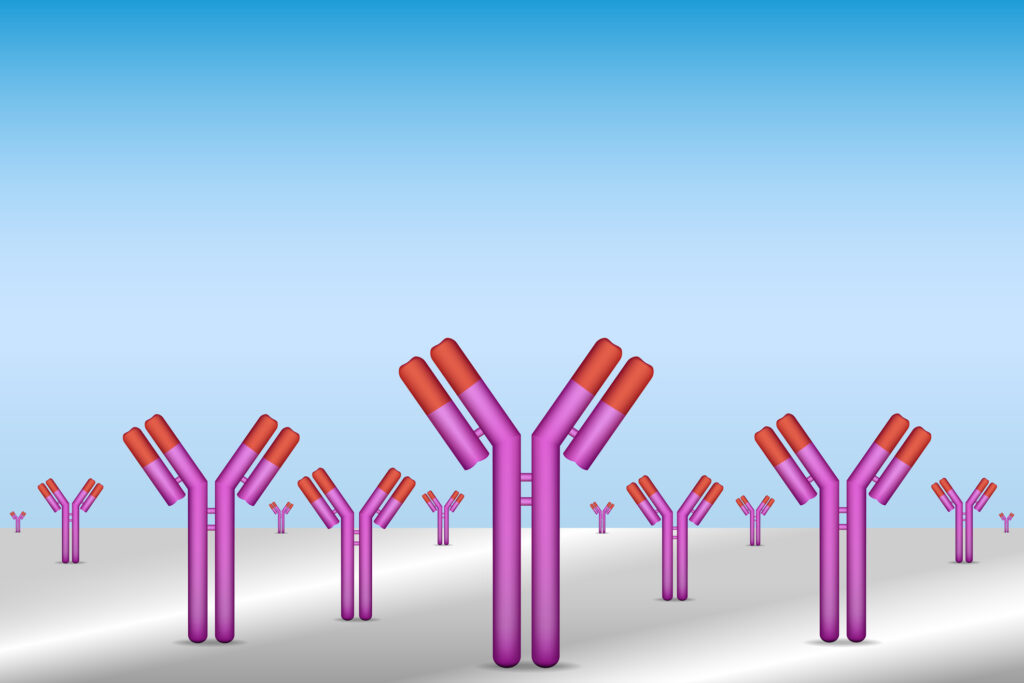
211At-MX35-F(ab’)2 shows promise in treating ovarian cancer through targeted therapy in ongoing clinical trials.
 By
By
Theragnomics melds theranostics and radiomics, promising targeted cancer therapies with improved outcomes through precision diagnostics and treatment adaptation.
 By
By
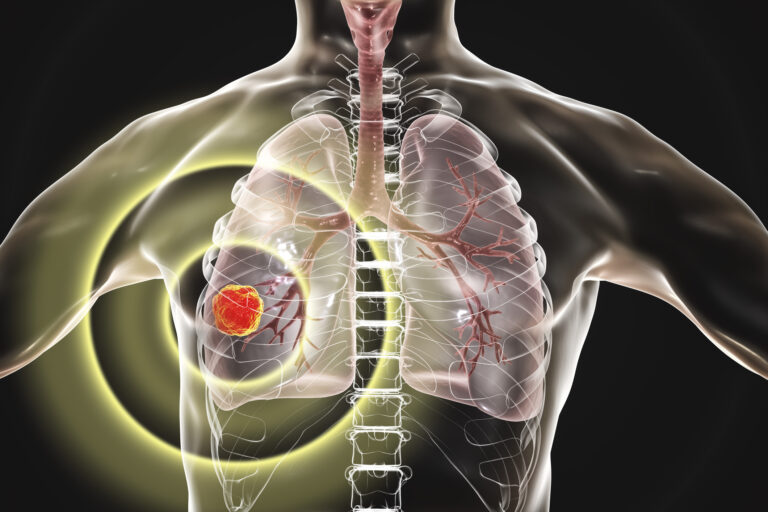
Therapeutic nuclear medicine leverages radionuclides for targeted cancer treatment, facing challenges in delivery, safety, and regulatory compliance.
 By
By
Advancing cancer care, proton therapy offers precise treatment with fewer side effects, revolutionising patient experiences.
 By
By
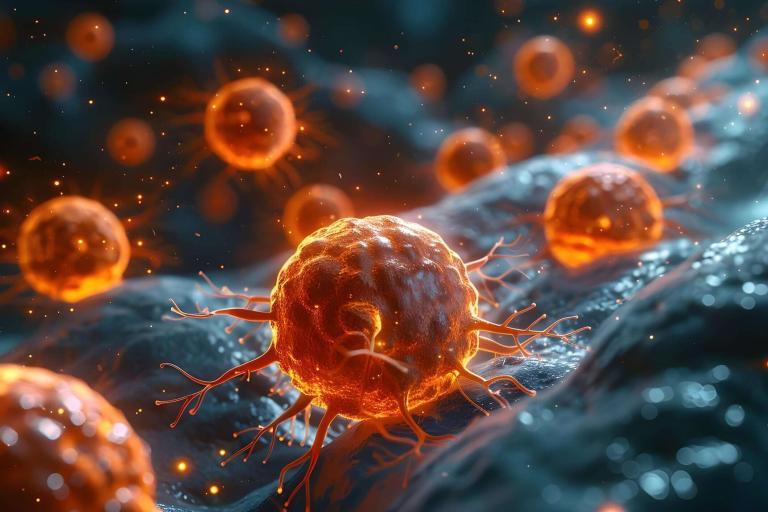
Radiotheranostics merges diagnostics and therapy, offering targeted cancer treatment amidst challenges like high costs and need for specialised facilities.
 By
By
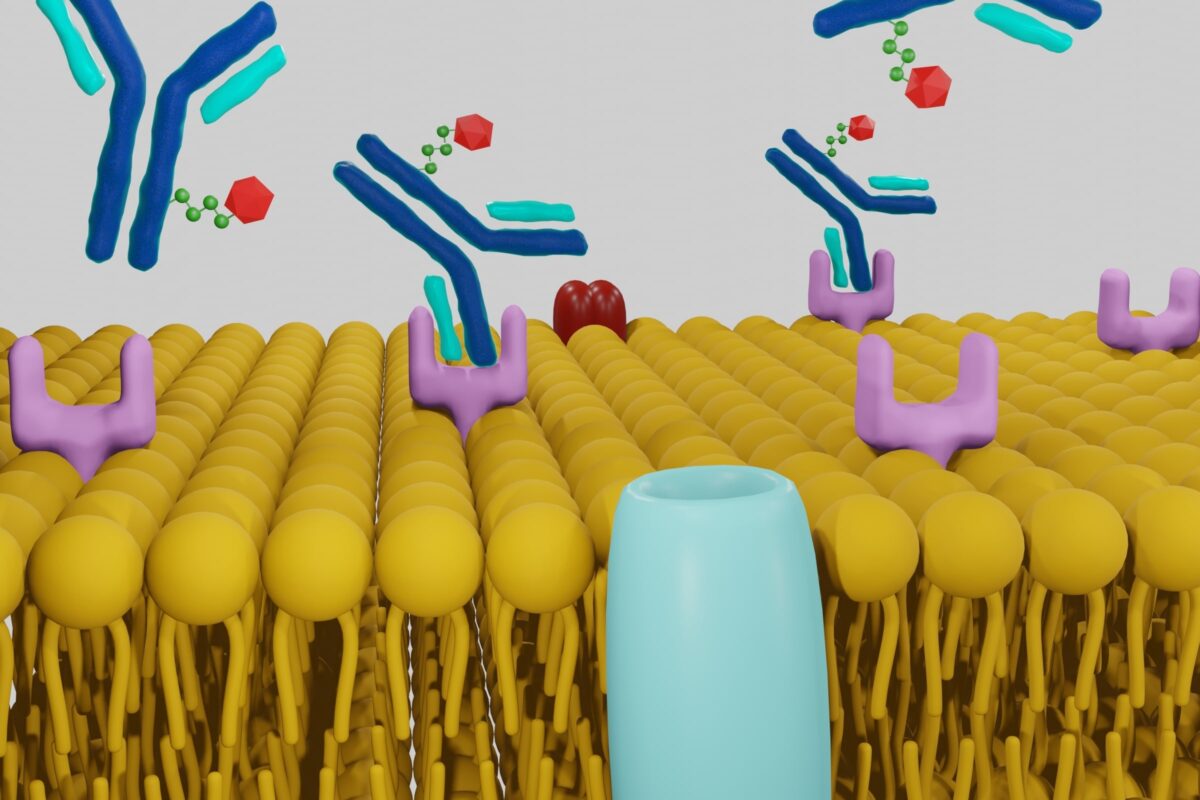
CAR T-cell therapy revolutionises cancer care, bringing hope where traditional treatments have been insufficient.
 By
By
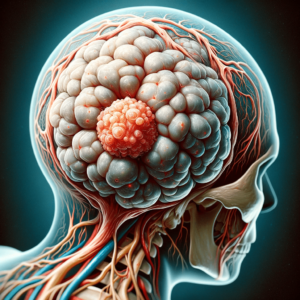
Thorium-227 emerges in nuclear medicine, revolutionizing cancer treatment through precise, effective radiotheranostic and therapeutic applications.
 By
By
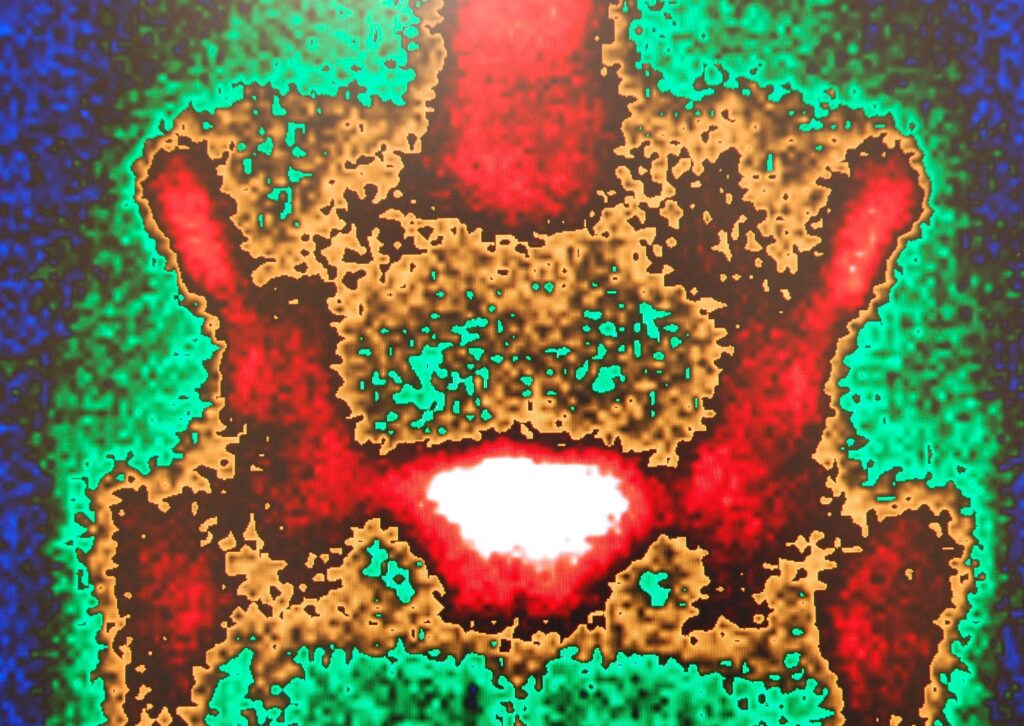
Neuroblastoma Targeting Agents offer innovative diagnostic and therapeutic options, revolutionizing treatment with precise targeting and efficacy.
 By
By
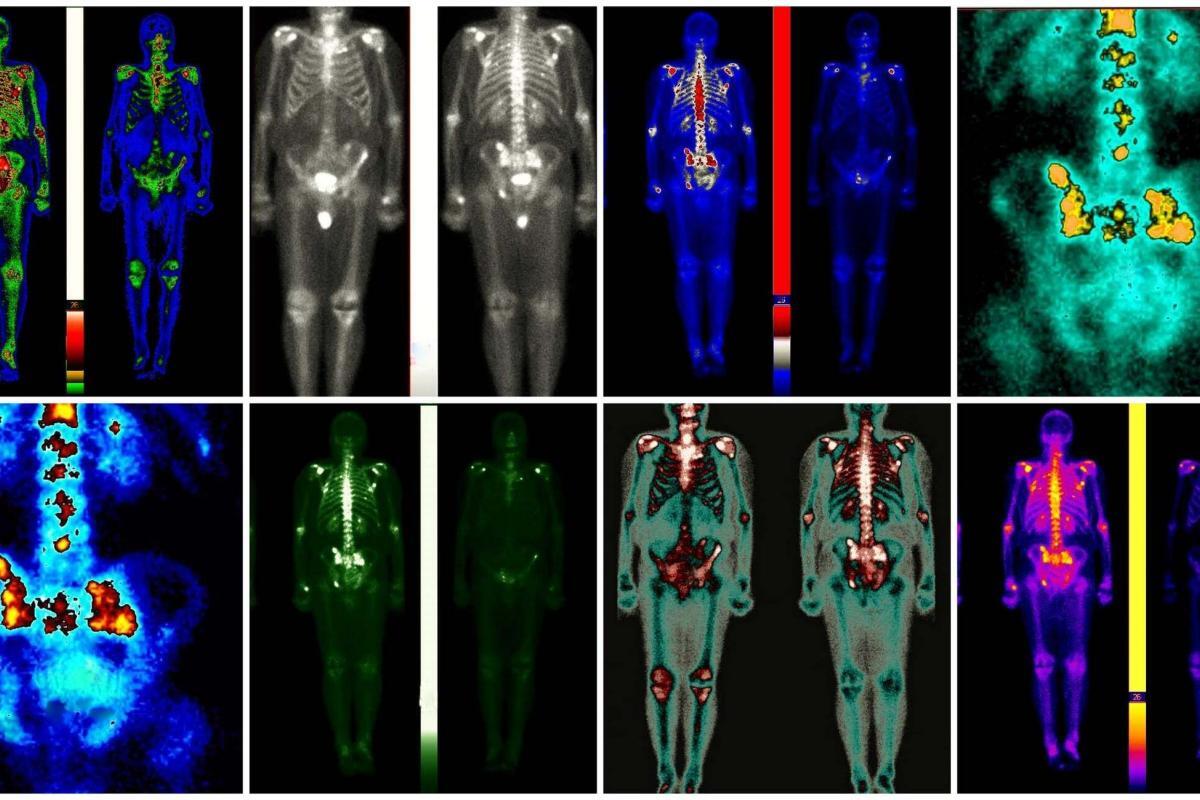
Technetium-99m and Radium-223 are pivotal in managing bone metastases, enhancing both diagnostic accuracy and therapeutic efficacy.
 By
By
Gallium-68 and Lutetium-177 labelled Girentuximab mark a breakthrough in diagnosing and treating hepatocellular carcinoma.
 By
By
Utilising CXCR4 targeting agents with labelled ligands marks a breakthrough in treating haematological malignancies effectively.