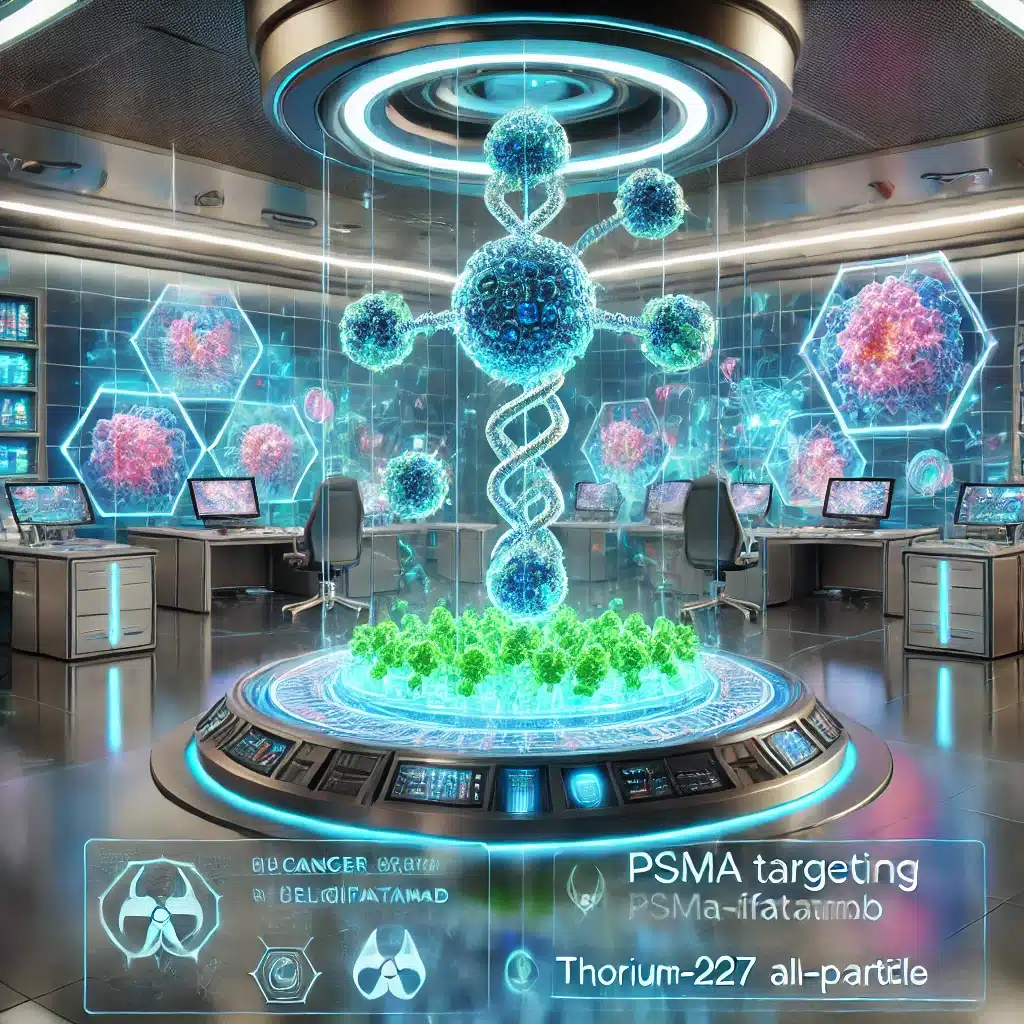
Thorium-227 Pelgifatamab: Advancing Alpha-Particle Therapy for Prostate and Brain Cancers
 By
By
Thorium-227 Pelgifatamab utilises PSMA targeting and alpha emissions to destroy cancer cells while sparing healthy tissue effectively.
Brain tumors are abnormal growths within the brain or surrounding tissues. They can be classified into two categories: primary brain tumors and secondary brain tumors. Primary brain tumors originate within the brain itself, while secondary brain tumors result from the spread of cancer from other parts of the body. Brain tumour causes are poorly understood, but researchers have identified some risk factors.
These include exposure to ionizing radiation, a family history of brain tumors, and certain genetic disorders. However, in many cases, the cause remains unknown. Symptoms of brain tumors can vary depending on their location, size, and growth rate. Some common symptoms include headaches, seizures, nausea and vomiting, changes in vision or hearing, difficulty with balance or coordination, and changes in personality or cognitive function.
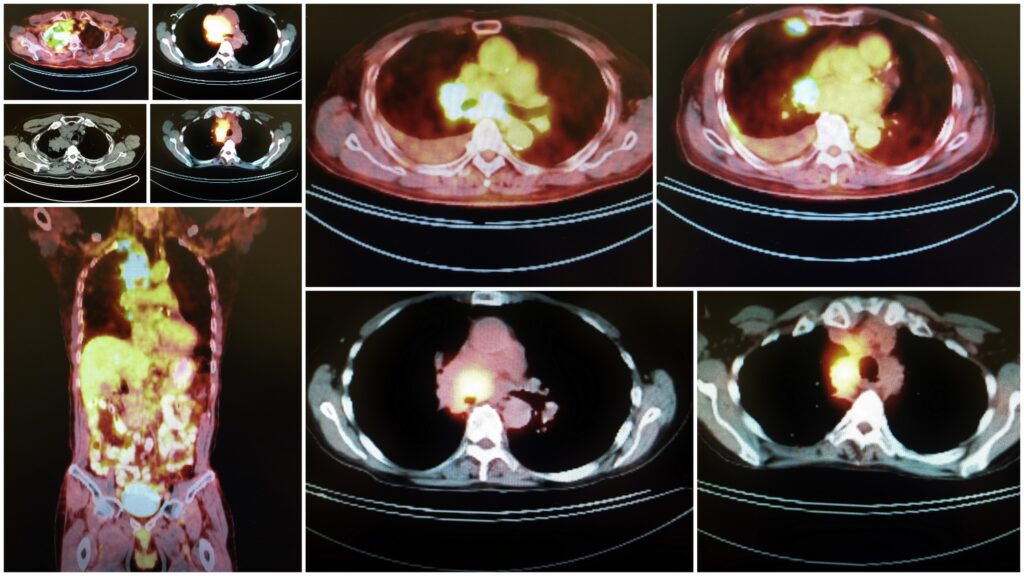
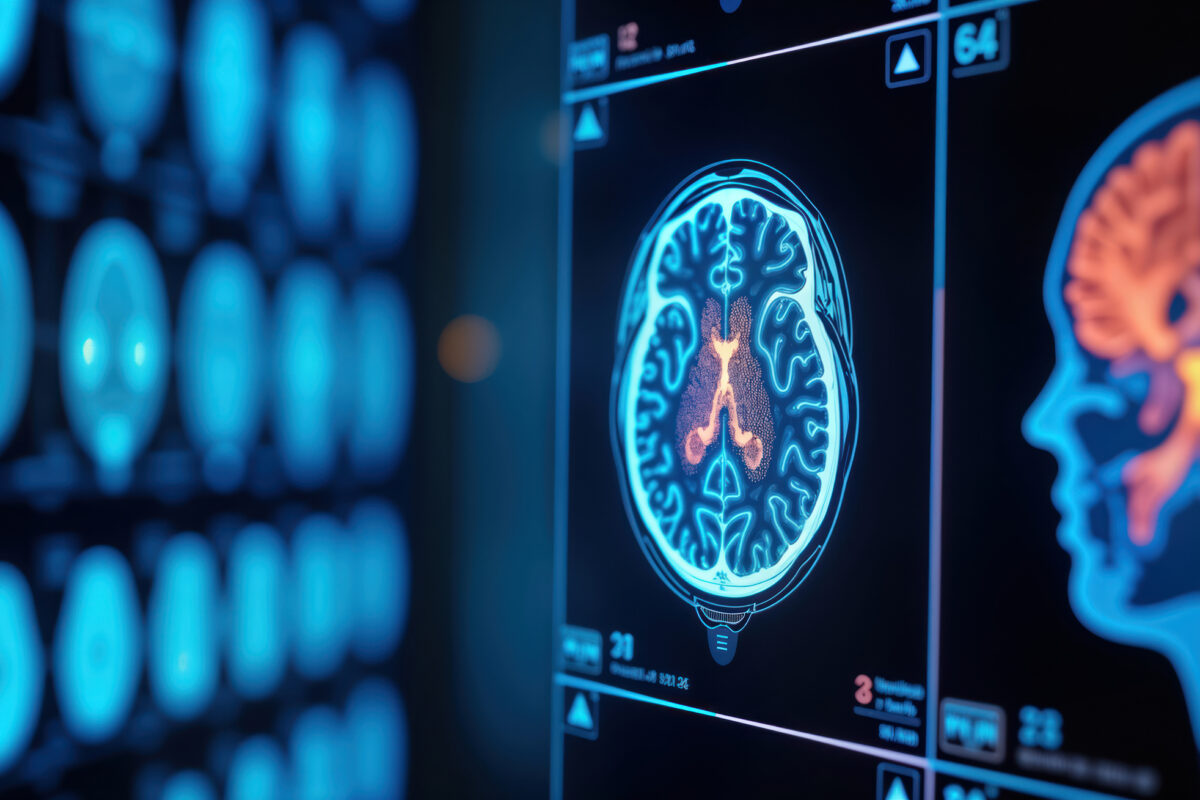
Brain tumors are often diagnosed using imaging tests such as CT scans, MRI scans, and PET scans. A biopsy may be needed to confirm the diagnosis and determine the type of tumor. Treatment for brain tumors can include surgery, radiation therapy, and chemotherapy. The choice of treatment depends on the type and position of the tumor, as well as the patient’s overall health and preferences. Operation is usually the first line of treatment for brain tumors.
Surgery aims to remove as much of a tumour as possible without damaging healthy brain tissue. In certain cases, surgery can be followed by radiation or chemotherapy to kill any remaining cancer cells. Radiotherapy uses high-energy radiation to destroy cancer cells. It can be delivered externally, through a machine that directs radiation at the tumour, or internally, by implanting radioactive material into the tumour. Chemotherapy uses drugs to destroy cancer cells, which can be given orally or intravenously.
home »
By
Thorium-227 Pelgifatamab utilises PSMA targeting and alpha emissions to destroy cancer cells while sparing healthy tissue effectively.
 By
By
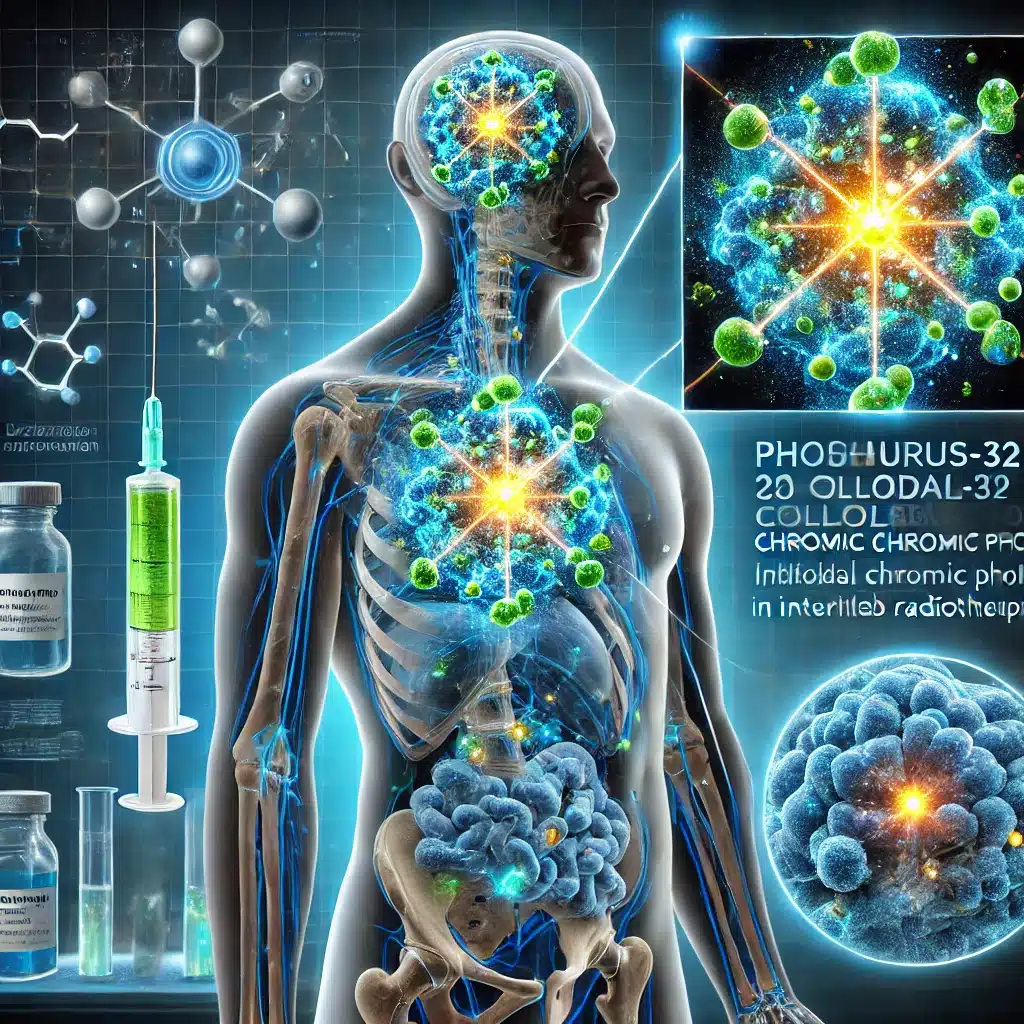
Phosphorus-32 Colloidal Chromic Phosphate delivers precise beta radiation for treating malignant effusions and cystic tumours.
 By
By
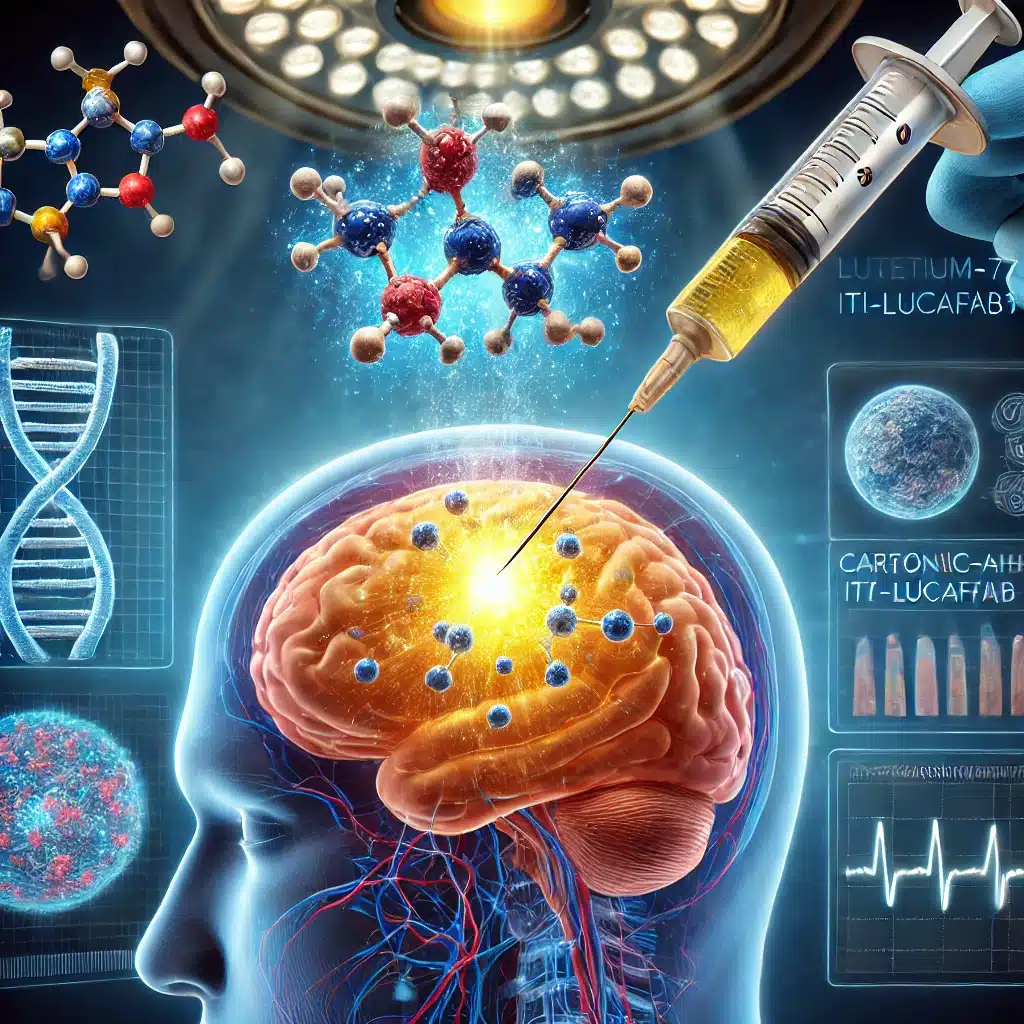
Targeting glioblastoma with Lutetium-177 ITM-31 offers precise intracavitary treatment, reducing recurrence by specifically addressing residual cancer cells post-surgery.
 By
By
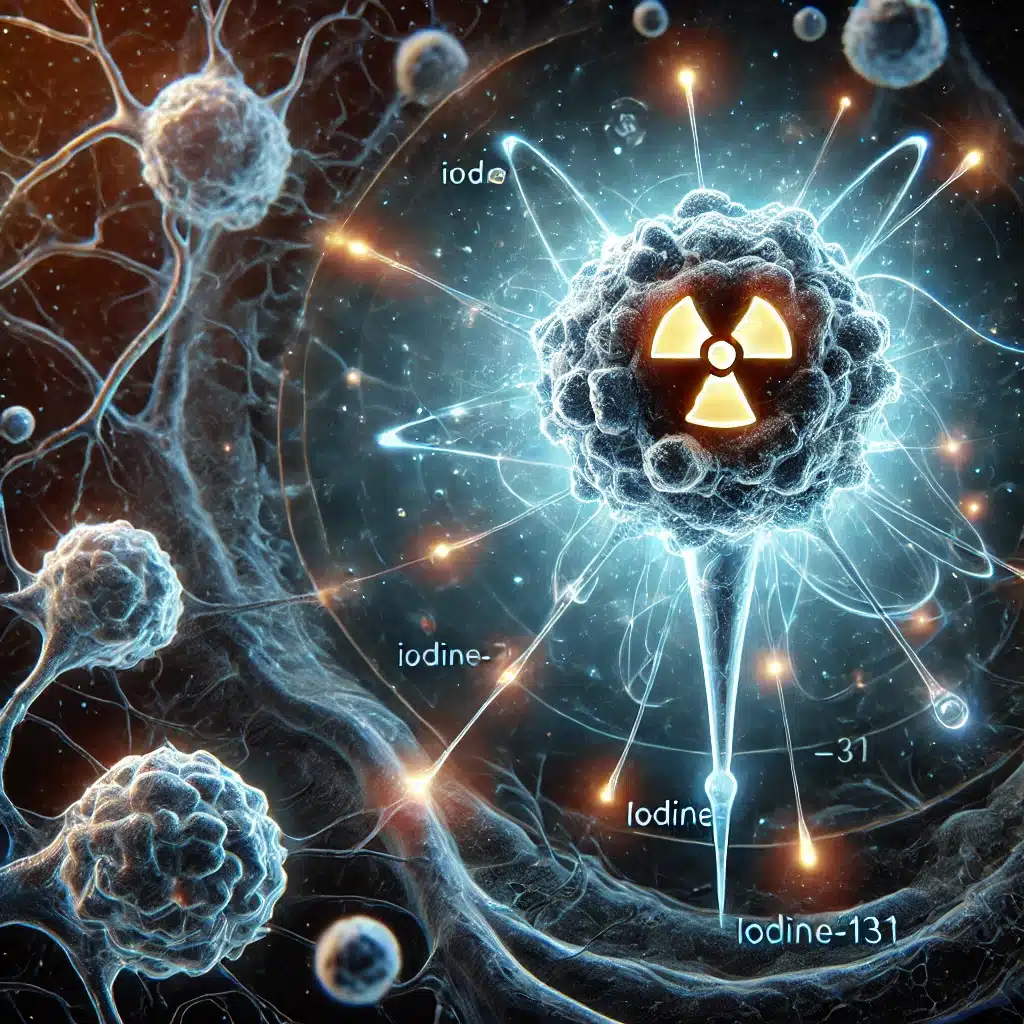
Iodine-131 Omburtamab offers targeted radiation therapy, significantly improving survival in neuroblastoma patients with CNS and leptomeningeal metastasis.
 By
By
Copper-67 SARTATE emerges as a groundbreaking radiopharmaceutical in targeted cancer therapy, showcasing promising clinical trial results.
 By
By
Copper-64 Diasparagine offers a promising breakthrough in targeting and treating aggressive brain tumours like glioblastoma.
 By
By
213Bi-DOTATOC offers potent, targeted alpha therapy for tumours, advancing treatment with precision and reduced systemic toxicity.
 By
By
211At-Parthanatine, targeting PARP1 with alpha radiation, promises precise cancer therapy, especially for high-risk neuroblastomas.
 By
By
The innovative 211At-MABG targets rare tumours like malignant pheochromocytoma and paragangliomas, promising a new era in treatment.
 By
By
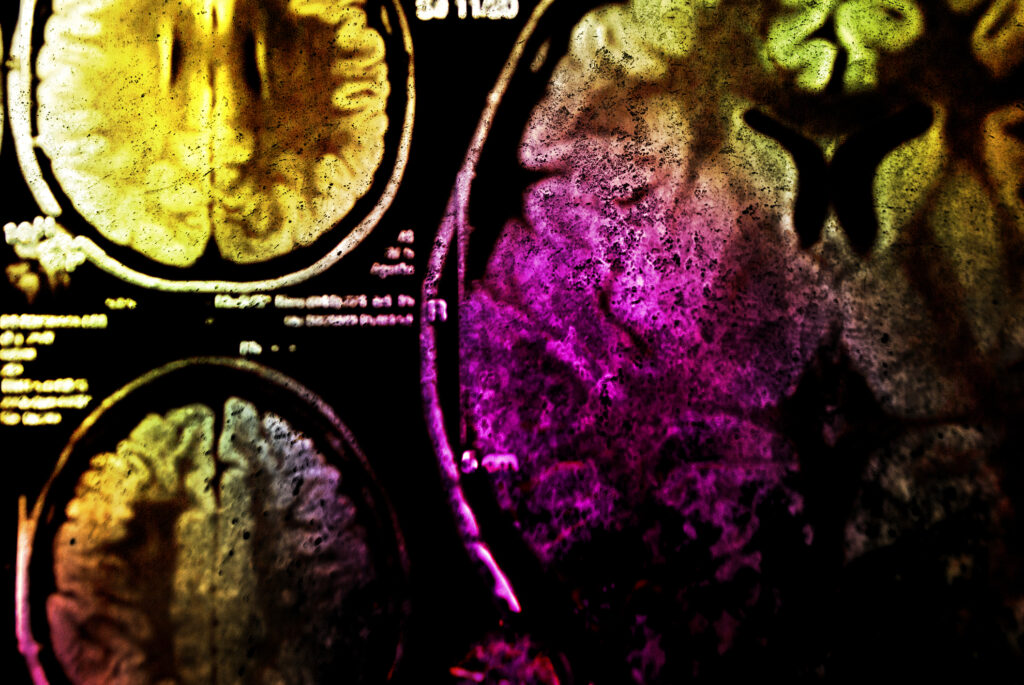
Neurological diagnostics have been transformed by advanced imaging techniques, enhancing accuracy in identifying brain disorders.
 By
By
211At-81C6-mAb, targeting tenascin in brain tumours, shows extended survival but needs further funding for development.
 By
By
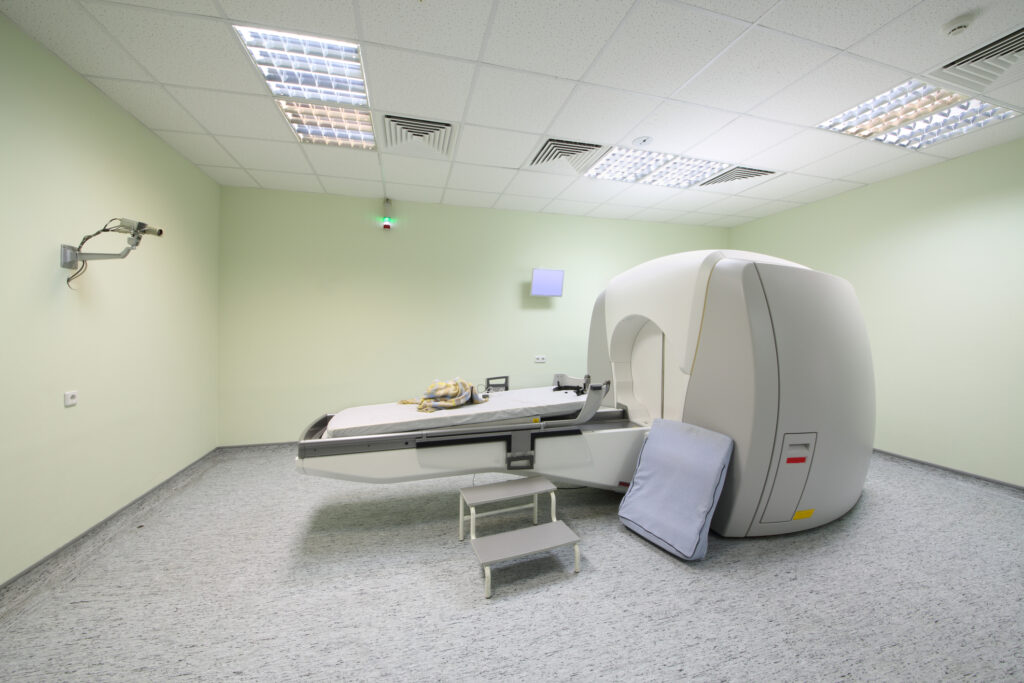
PET/MR scanners used in the area of neurological and psychiatric medicine.
 By
By
Stereotactic radiosurgery is a non-surgical procedure that utilises gamma radiation for the management of brain tumours amongst others.