Unlocking the Mysteries of the Brain: Neuroimaging in Nuclear Medicine
 By
By
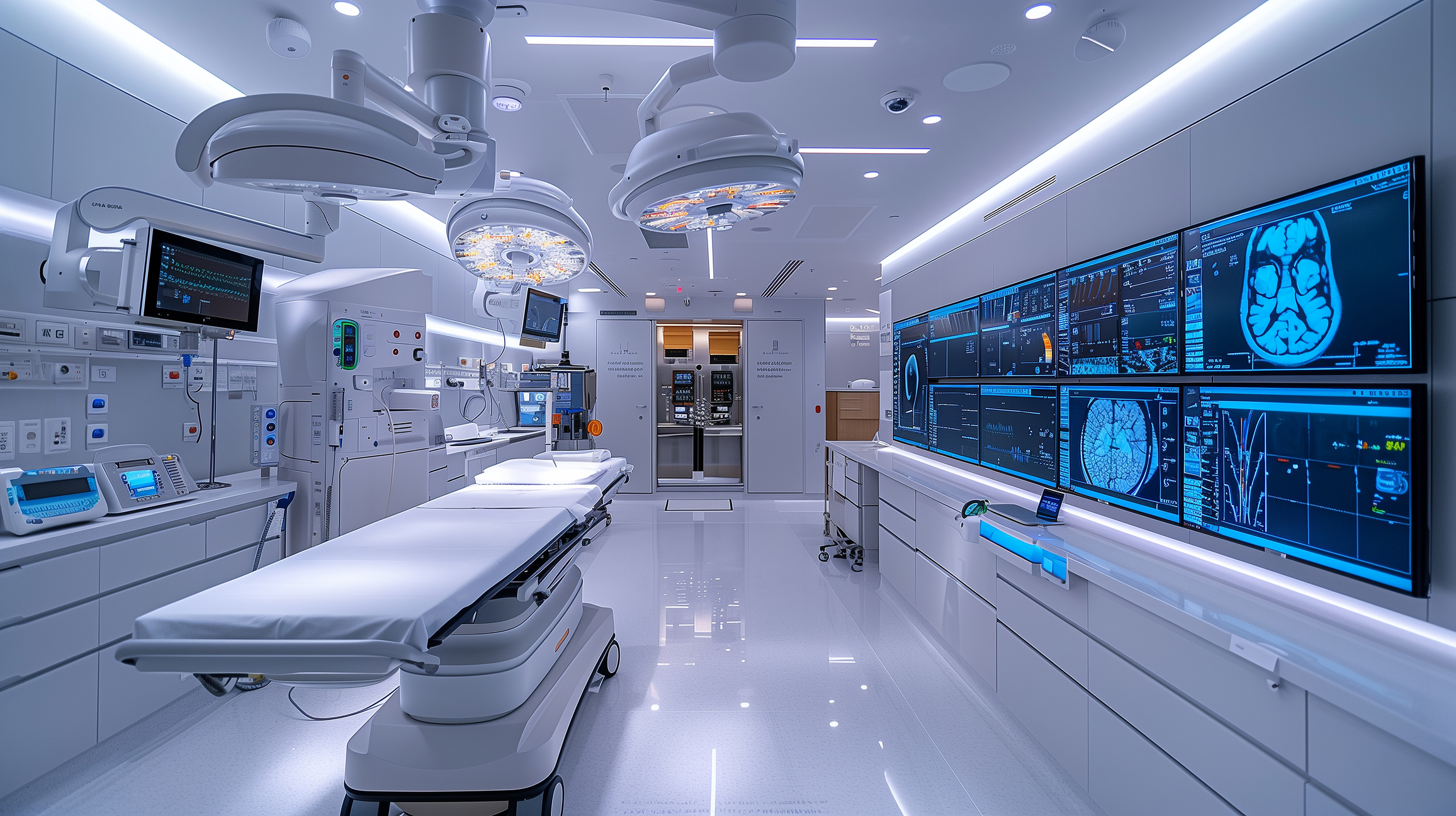
Neuroimaging in nuclear medicine allows for detailed visualisation of brain activity, aiding in diagnosing complex neurological conditions.
By
Neuroimaging in nuclear medicine allows for detailed visualisation of brain activity, aiding in diagnosing complex neurological conditions.
 By
By
The synthesis of Fluorine-18 for advanced PET imaging requires precise cyclotron bombardment, purification, and automation technologies.
 By
By
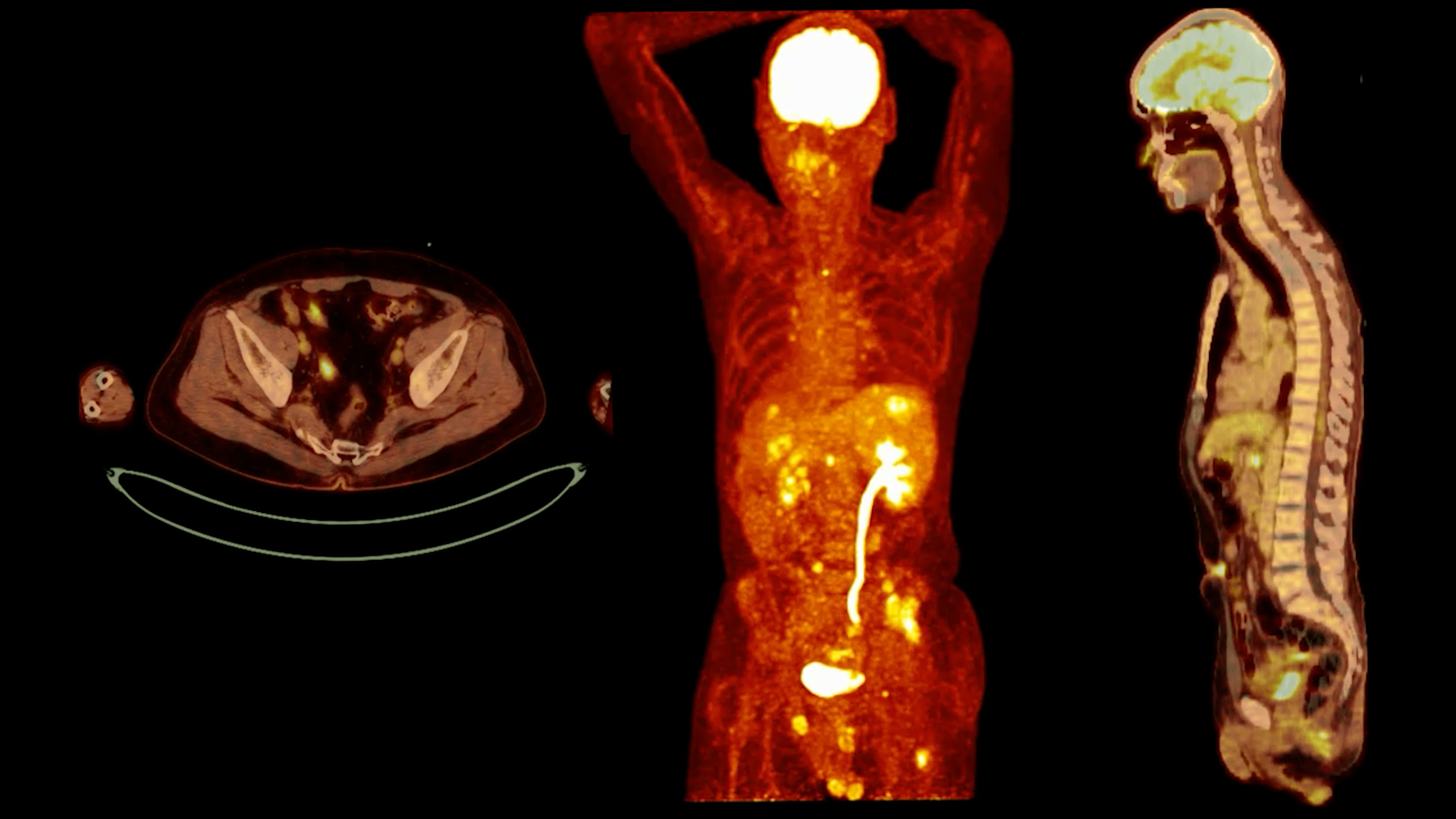
PET scans are crucial for detecting metabolic activity, providing valuable insights into cancer, neurological disorders, and cardiovascular diseases.
 By
By
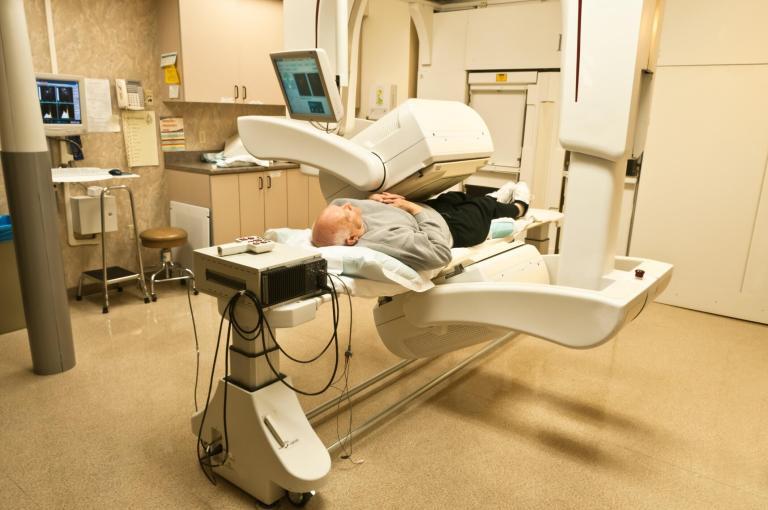
The gamma camera allows non-invasive imaging, enabling detailed diagnosis and monitoring of various medical conditions with precision. Image for illustration only. Person depicted is a model.
 By
By
Nuclear chemistry provides critical insights into energy production, medical advancements, and environmental protection, shaping a sustainable future.
 By
By
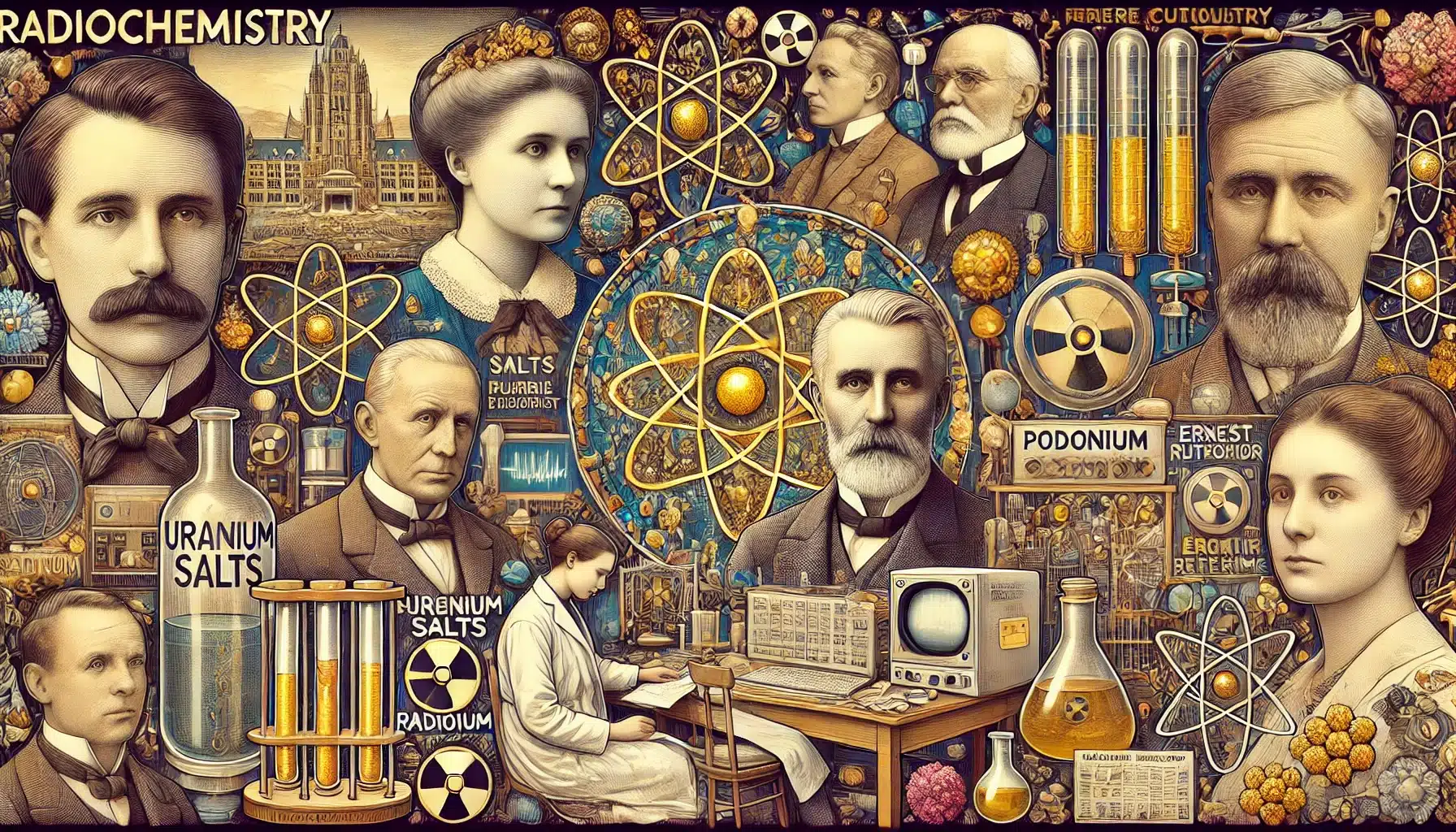
History of Radiochemistry chronicles its evolution from the discovery of radioactivity to modern applications in science and medicine.
 By
By
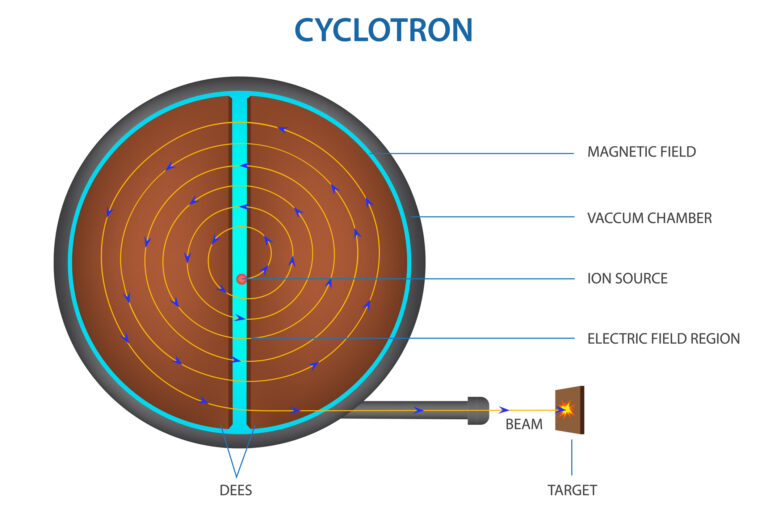
Radionuclide production, encompassing reactor-based, cyclotron, and generator methods, is essential for medical, industrial, and research applications worldwide.
 By
By
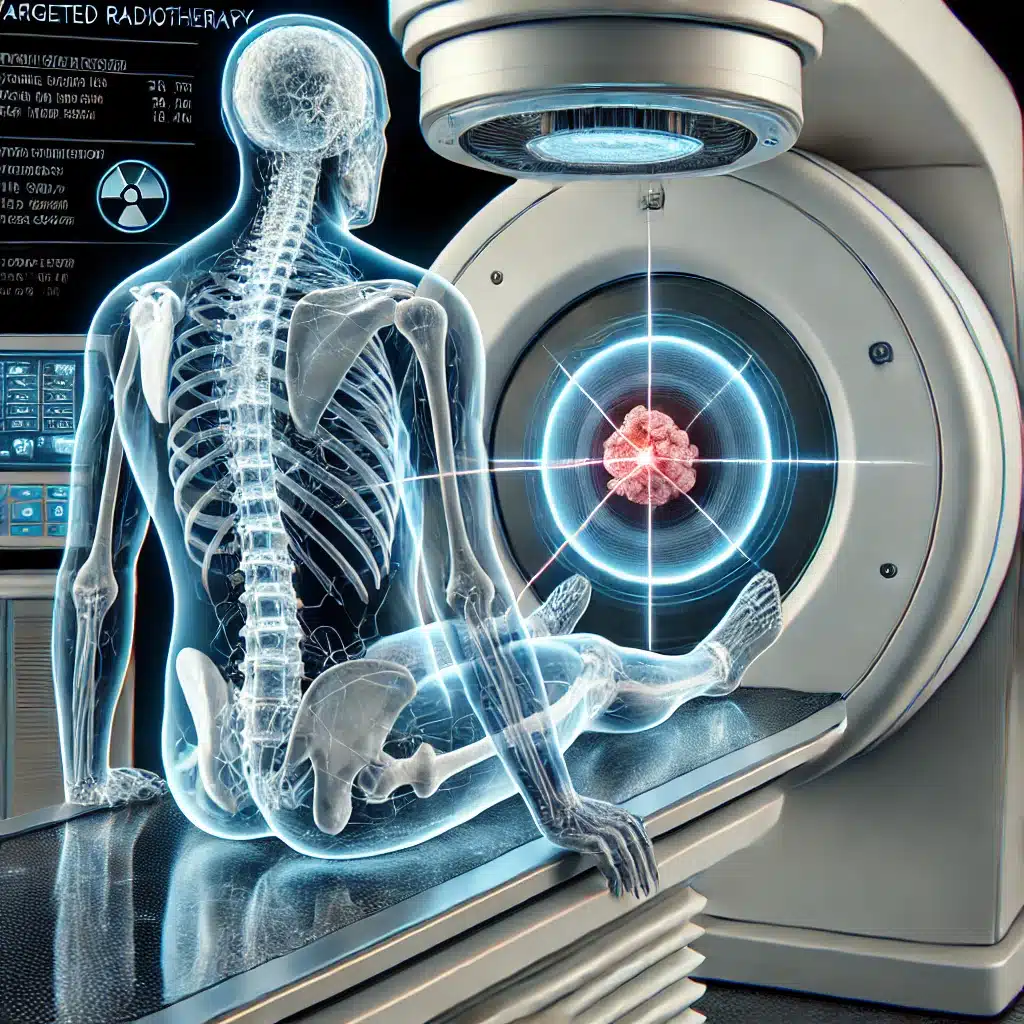
Radiotheranostic Pairs combine diagnostic imaging with targeted radiotherapy, revolutionising personalised cancer treatment through enhanced precision and efficacy.
 By
By
Radiotheranostics combines diagnostic imaging and targeted radiotherapy, using radiopharmaceuticals for personalised, precise cancer treatment and improved outcomes.
 By
By
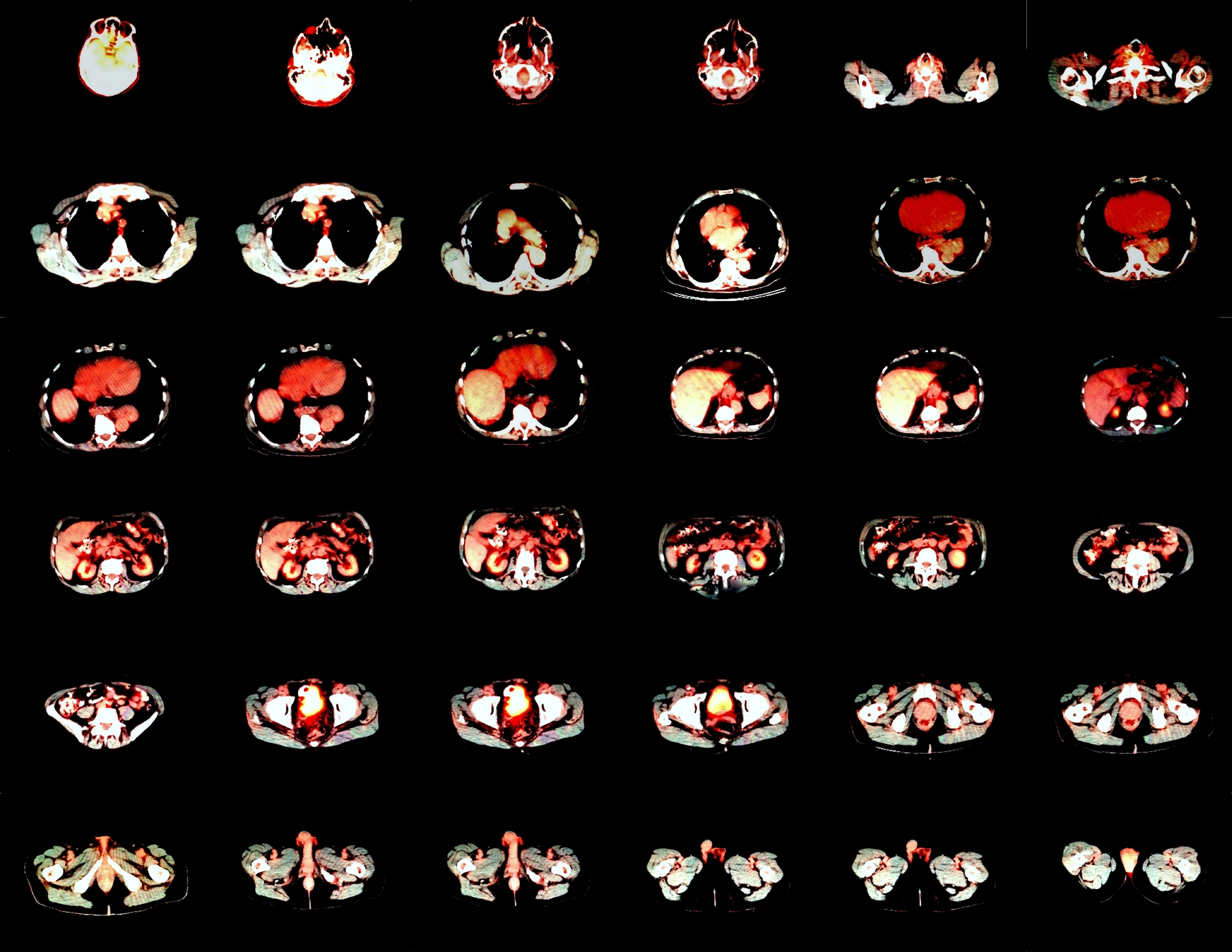
Hybrid medical scanners integrating PET, CT, MRI, and SPECT provide unparalleled anatomical and functional insights, enabling accurate diagnoses, enhanced treatment, and improved patient outcomes.
 By
By
Positron Emission Tomography Imaging has advanced with cutting-edge technologies, enhancing diagnostic accuracy and expanding clinical applications dramatically.
 By
By
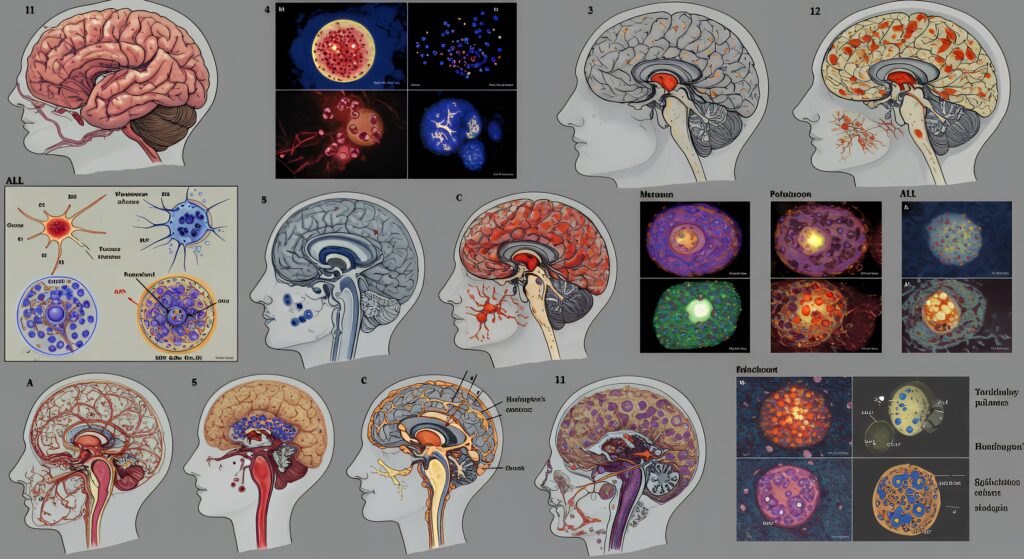
Discover how advanced imaging technologies are transforming healthcare through AI, radiopharmaceuticals, and theranostics.
 By
By
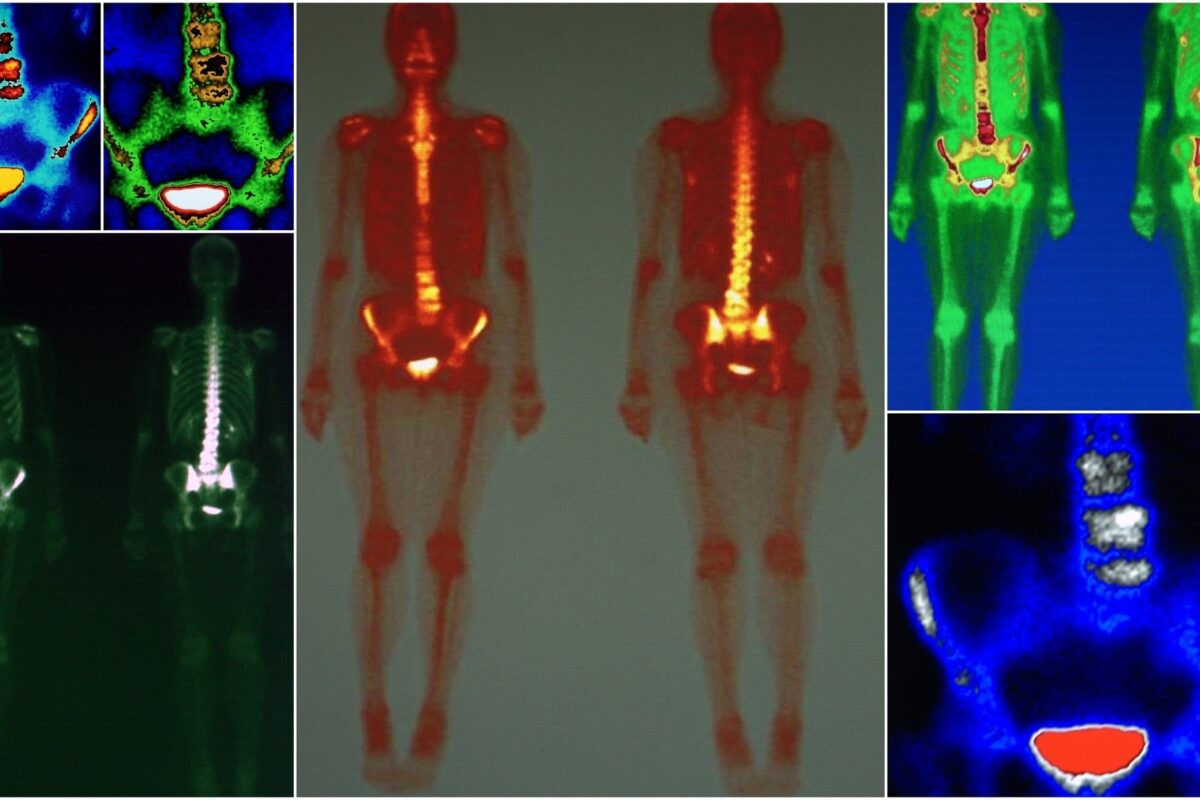
Q&A – Medical Imaging Modalities and Therapy explores innovative techniques and advancements in diagnostic and therapeutic imaging applications.
 By
By
Nuclear medicine and the future of precise, personalised care in diagnosing and treating diseases.
 By
By
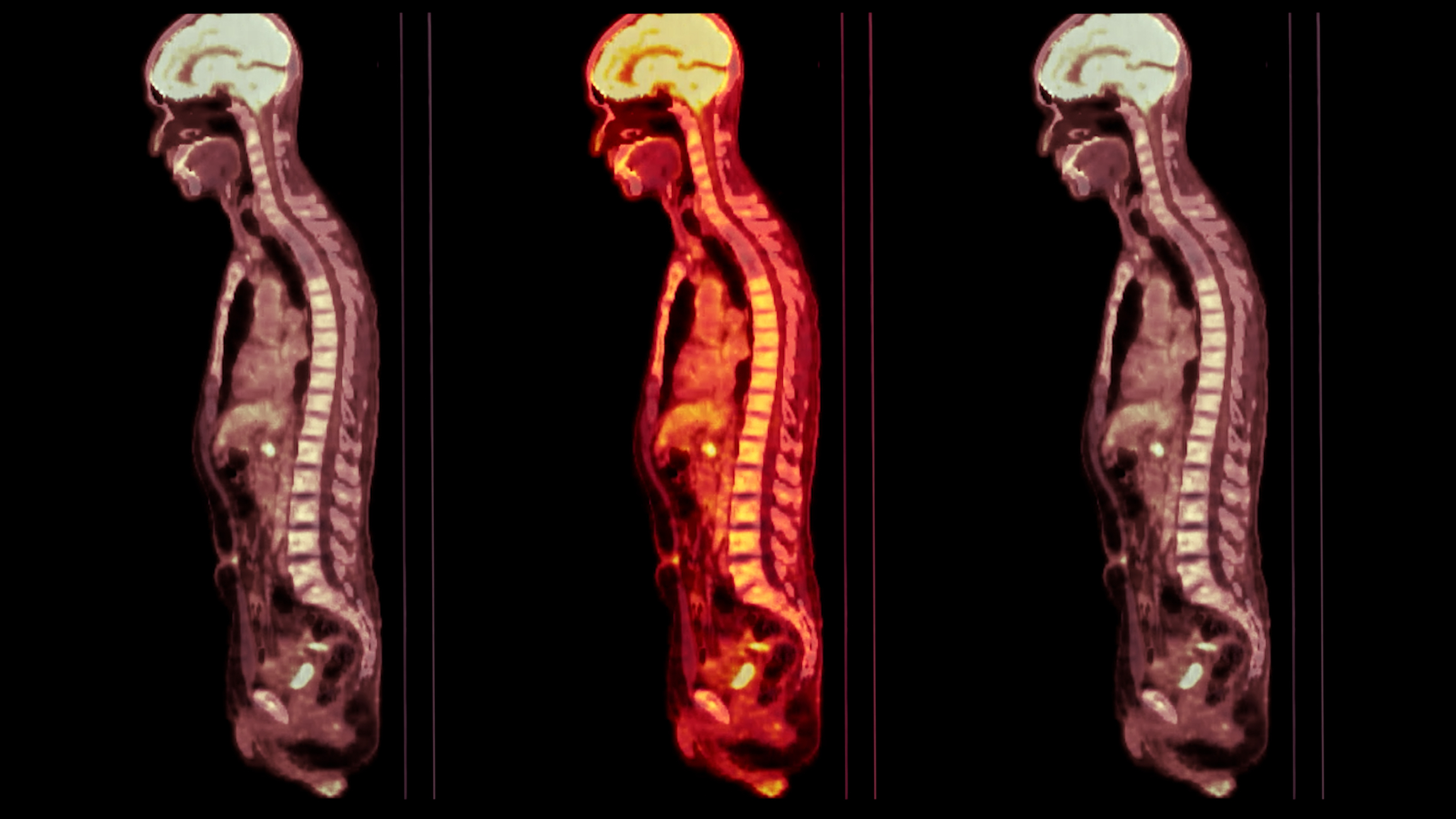
Therapeutic nuclear medicine leverages radionuclides for targeted cancer treatment, facing challenges in delivery, safety, and regulatory compliance.
 By
By
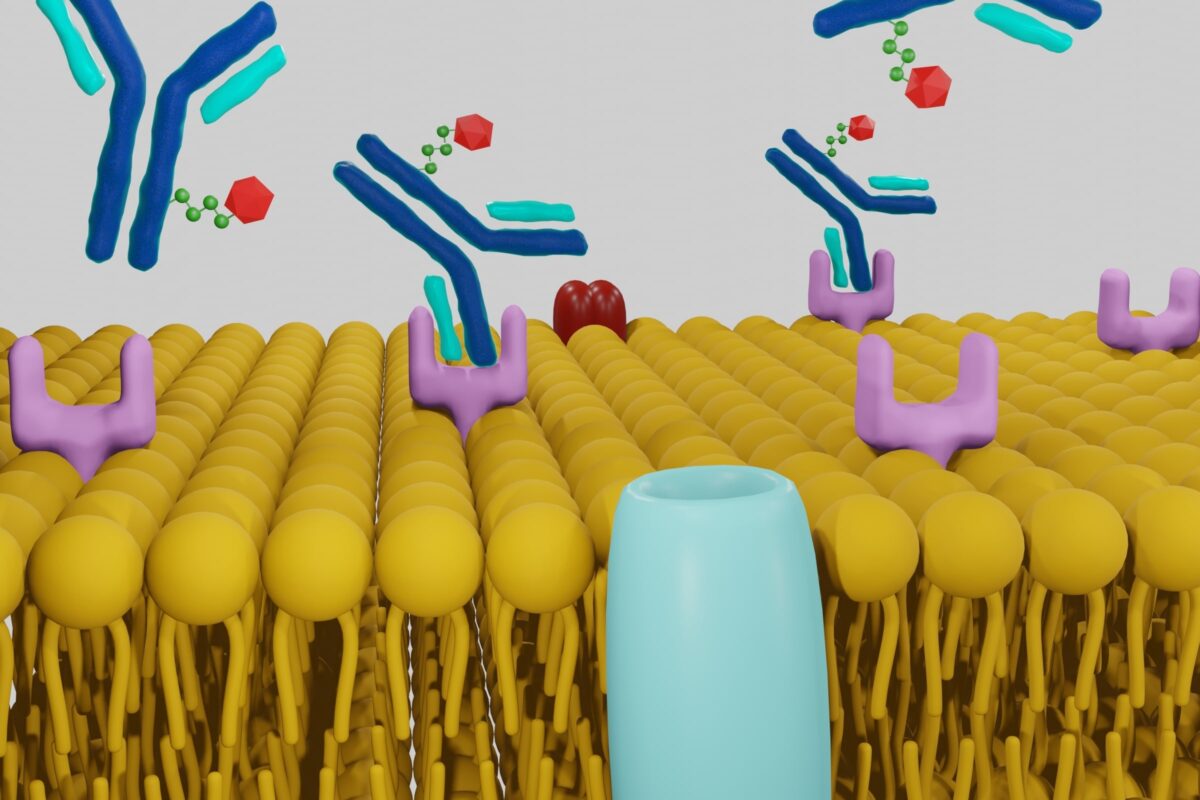
PET imaging dramatically enhances early disease detection, significantly improving patient outcomes in various medical fields.
 By
By
Thorium-227 emerges in nuclear medicine, revolutionizing cancer treatment through precise, effective radiotheranostic and therapeutic applications.
 By
By
FAPI revolutionises oncology with precise Gallium-68 diagnostics and targeted Lutetium-177 therapy for cancer.
 By
By
Somatostatin Receptor Targeting Agents offer groundbreaking diagnostic and therapeutic solutions for neuroendocrine tumour management and care.
 By
By
225Ac-MTI-201, targeting MC1R, offers groundbreaking, targeted treatment for uveal melanoma with minimal side effects.
 By
By
Actinium-225 is a rare, promising isotope revolutionizing targeted alpha therapy for various resistant cancers.
 By
By
225Ac-FPI-2068 and 111In-FPI-2107 represent a major advancement in targeted alpha therapy for various solid tumours.
 By
By
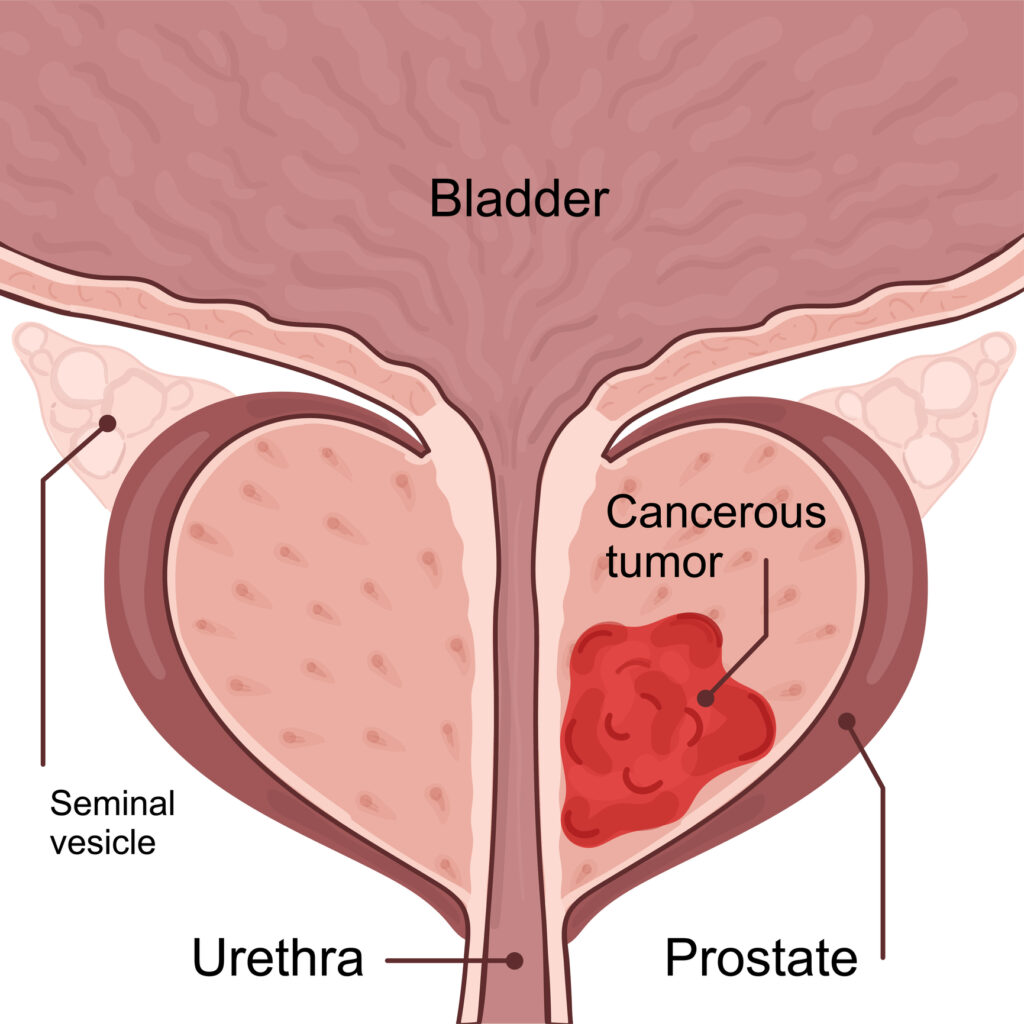
225Ac-FPI-1434 advances in clinical trials, targeting IGF-1R in chemo-resistant solid tumors with promising results.
 By
By
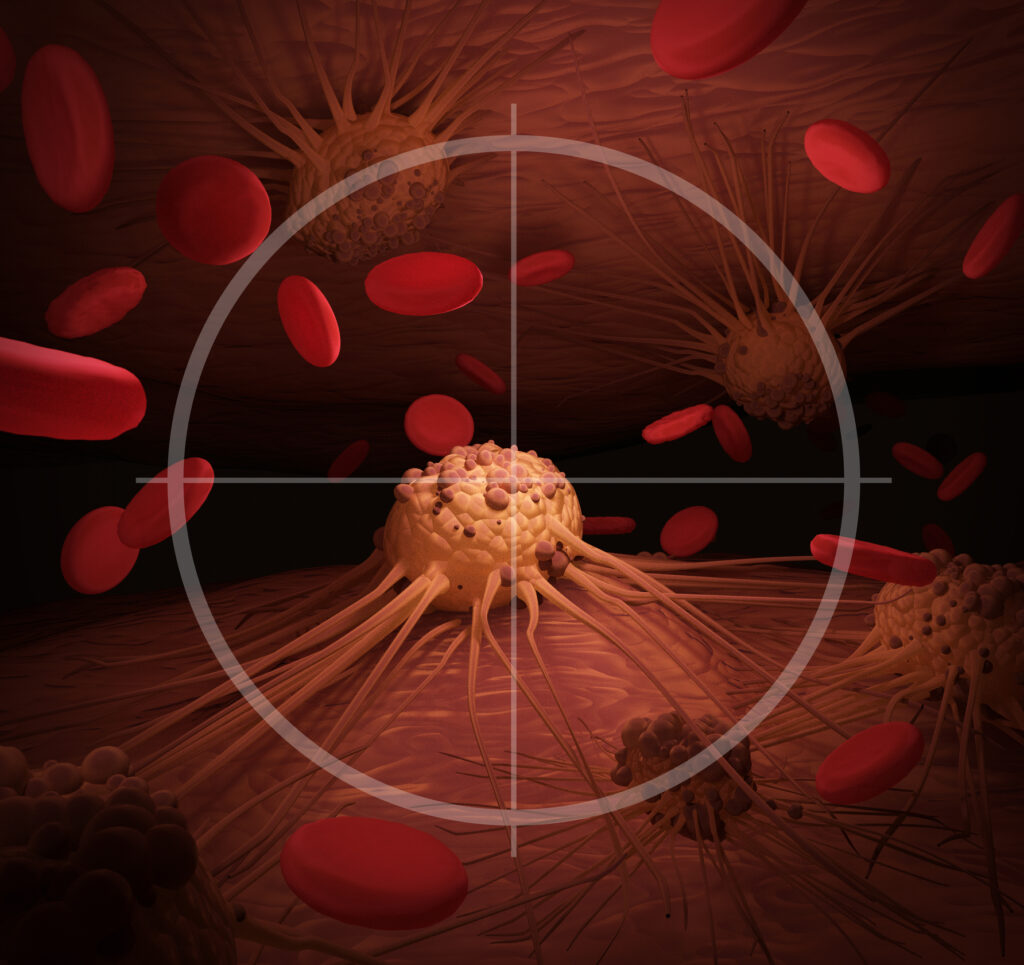
225Ac-DOTAZOL enhances 177Lu-radiotherapy in bone diseases, particularly effective in prostate cancer, as shown in preclinical studies.
 By
By
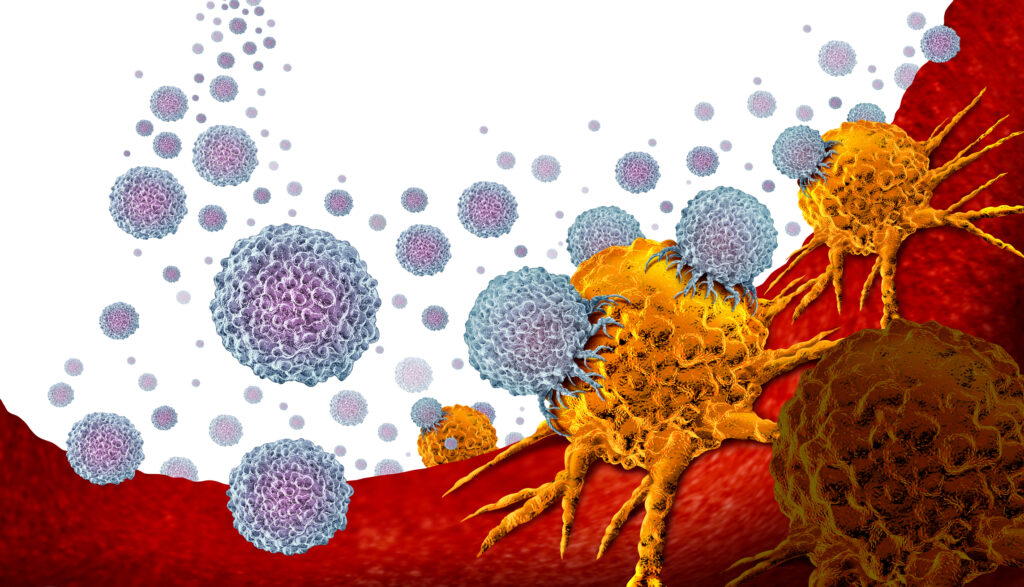
225Ac-DOTATOC advances GEP-NET treatment, offering targeted, effective therapy for patients resistant to traditional methods.
 By
By
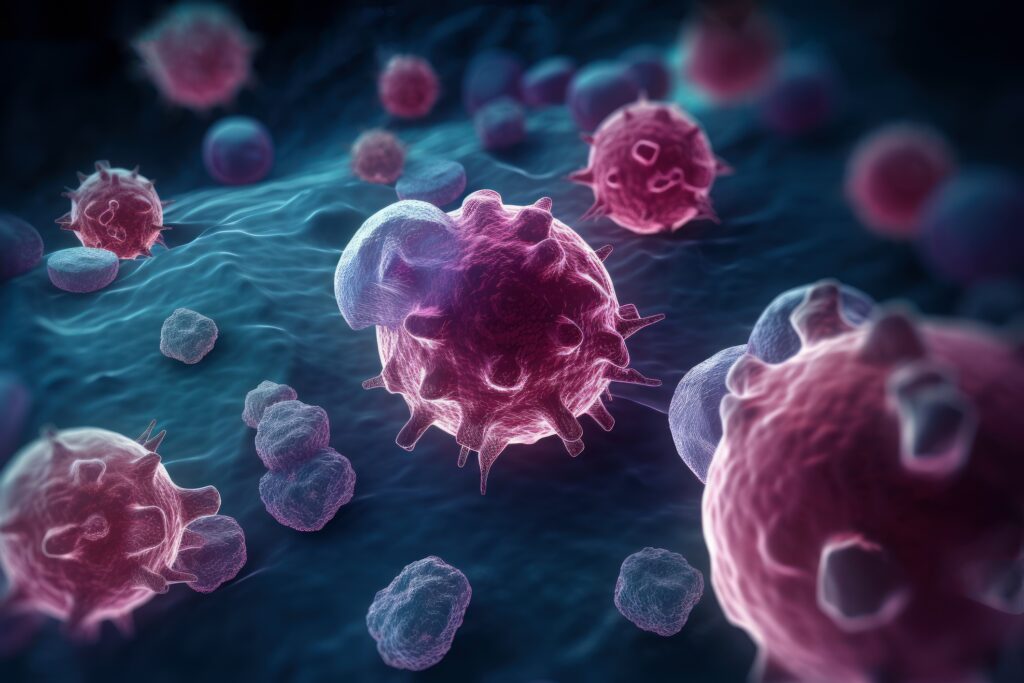
225Ac-DOTA-YS5 targets CD46 in prostate cancer, promising precision and effectiveness in therapy.
 By
By
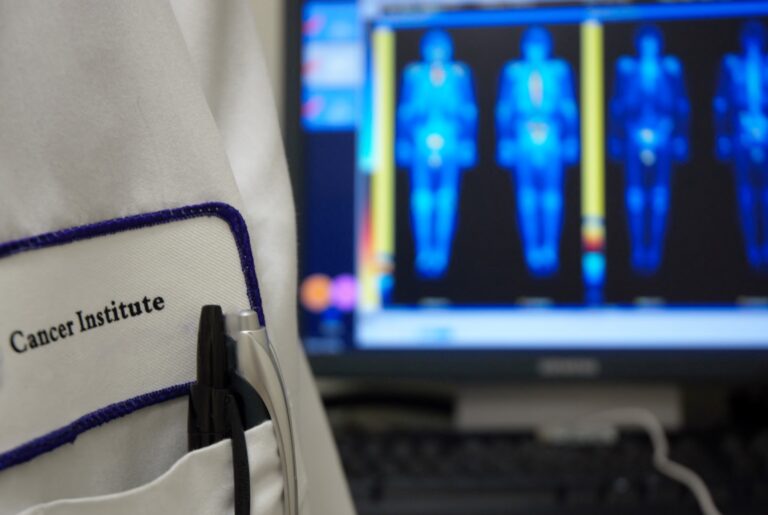
225Ac-DOTA-SP, a breakthrough in targeted alpha therapy, offers precise cancer treatment with minimal side effects, revolutionising oncological approaches.
 By
By
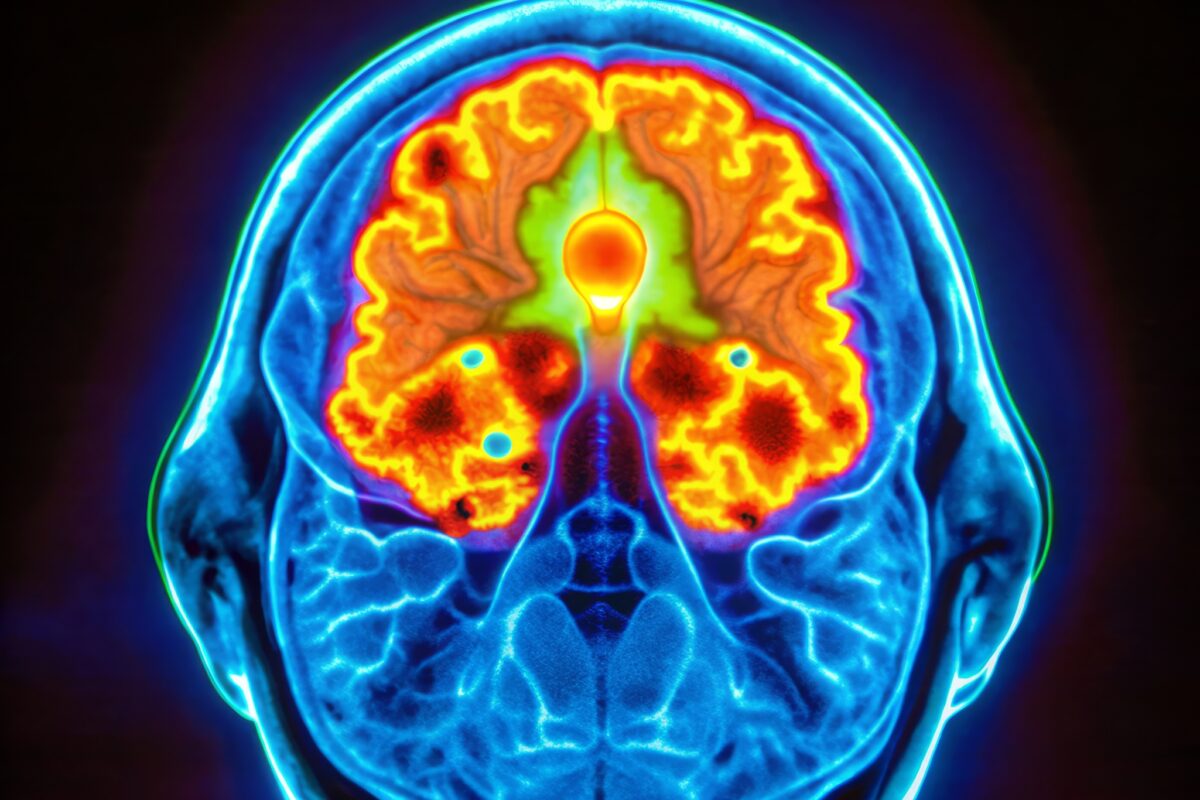
Radiopharmaceuticals, combining radioactive and pharmaceutical elements, enable precise diagnosis and treatment in nuclear medicine.
 By
By
Zirconium radiopharmaceuticals enhance nuclear medicine with precise diagnostics and potential therapeutic applications.
 By
By
Lutetium radiopharmaceuticals significantly advance targeted cancer treatment and diagnostic capabilities.