
Ensuring Patient Data Security in Remote Patient Monitoring
 By
By
Remote patient monitoring transcends traditional medical settings, leveraging technology to secure data and enhance healthcare delivery.
By
Remote patient monitoring transcends traditional medical settings, leveraging technology to secure data and enhance healthcare delivery.
 By
By
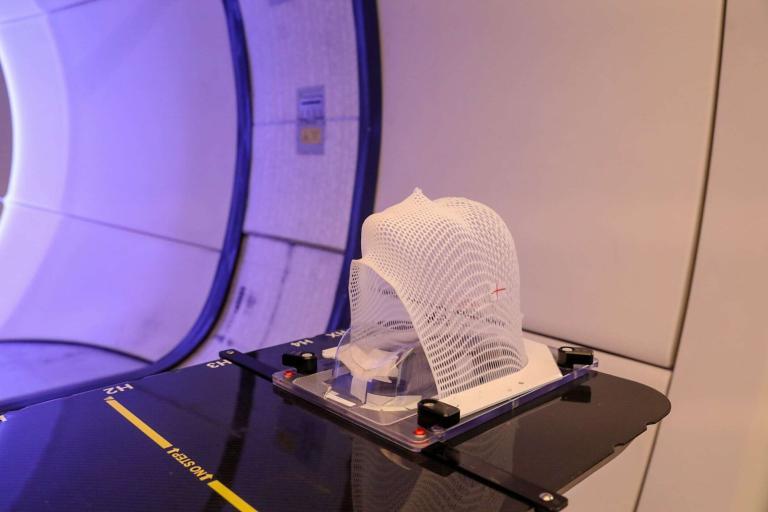
Proton beam therapy targets cancer accurately, minimising side effects but faces challenges in cost and accessibility.
 By
By
Radiation safety requires balancing beneficial uses and risk mitigation, evolving with advances and ongoing stakeholder commitment.
 By
By
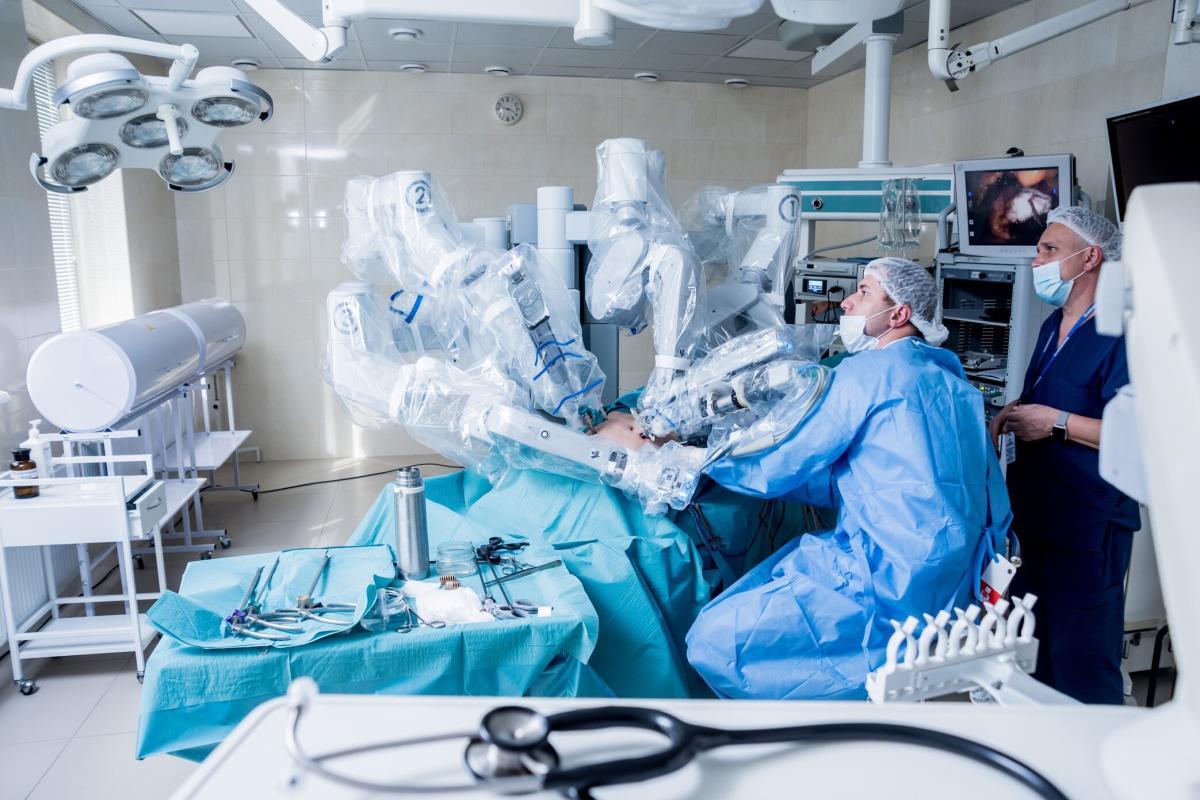
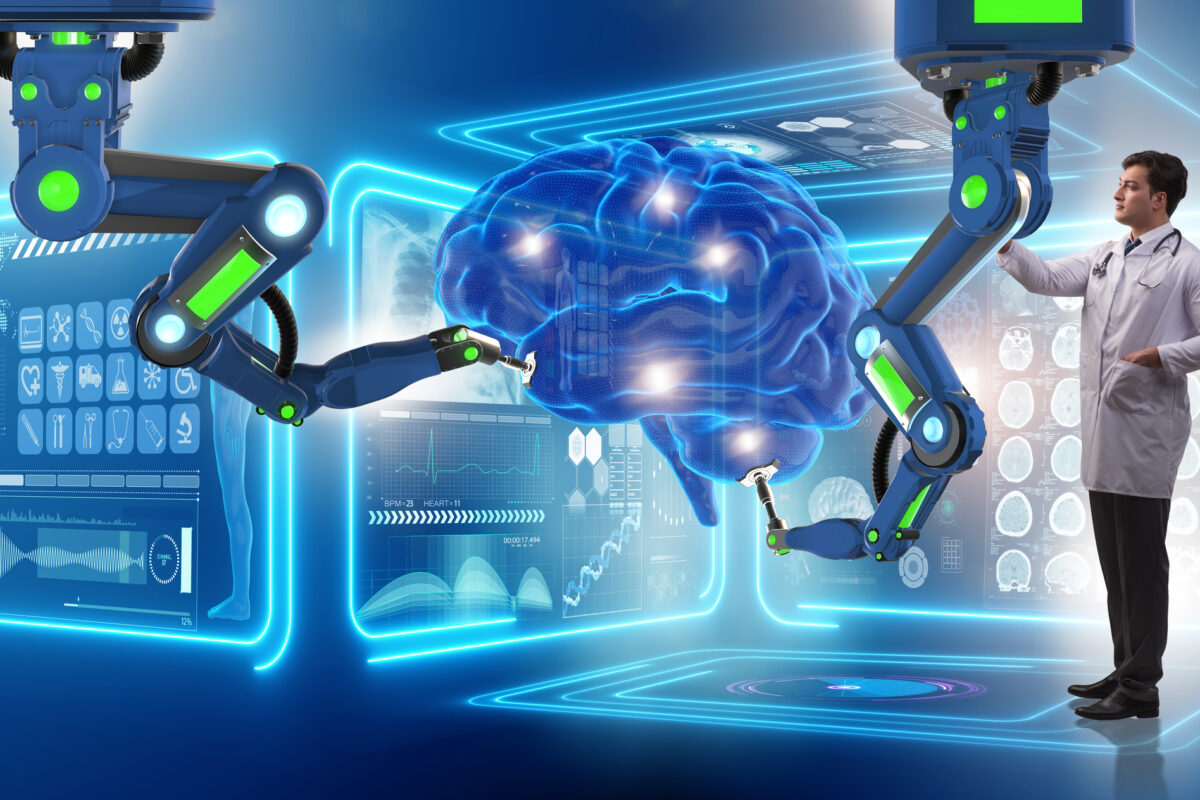
Robotic surgery’s future shines with AI integration, enhancing precision and transforming healthcare through technological advancements. Image for illustration only. People depicted are models.
 By
By
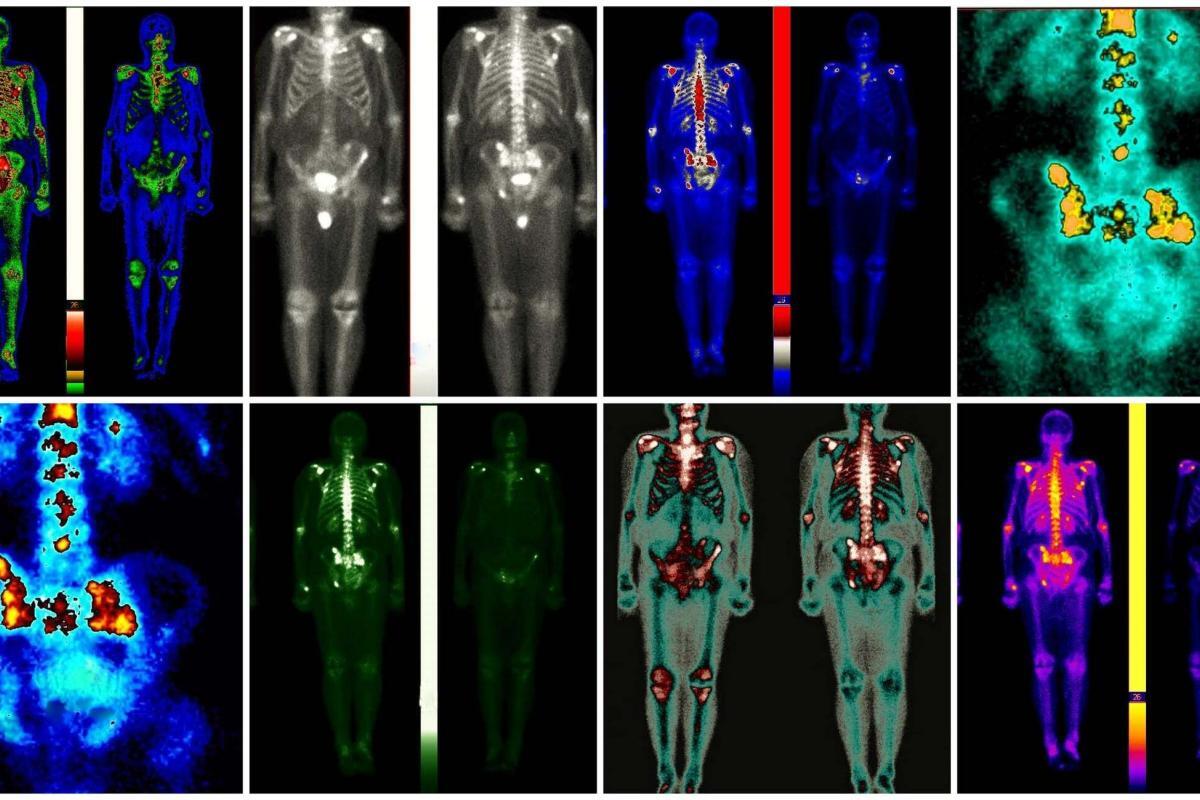
Theragnomics melds theranostics and radiomics, promising targeted cancer therapies with improved outcomes through precision diagnostics and treatment adaptation.
 By
By
Therapeutic nuclear medicine leverages radionuclides for targeted cancer treatment, facing challenges in delivery, safety, and regulatory compliance.
 By
By
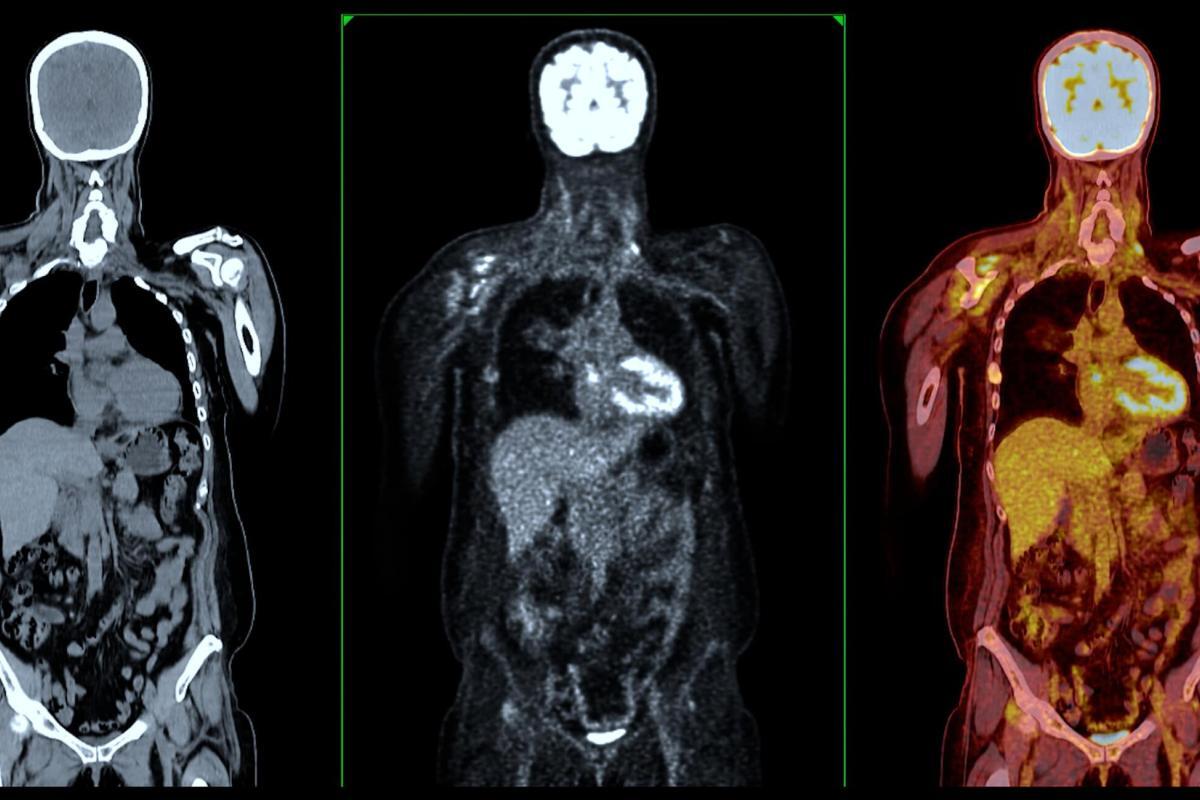
Exploring the evolving role of radiopharmaceutical diagnostics in enhancing disease detection and personalising treatment in modern medicine.
 By
By
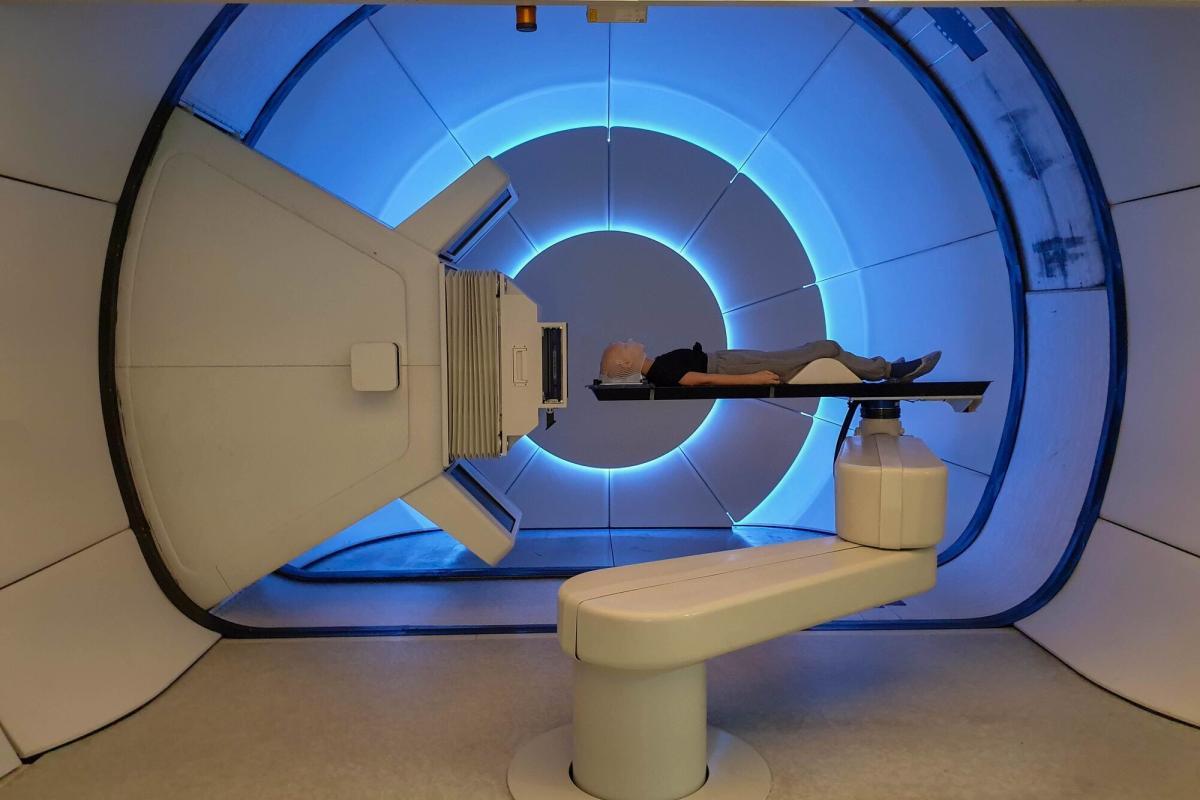
Advancing cancer care, proton therapy offers precise treatment with fewer side effects, revolutionising patient experiences.
 By
By
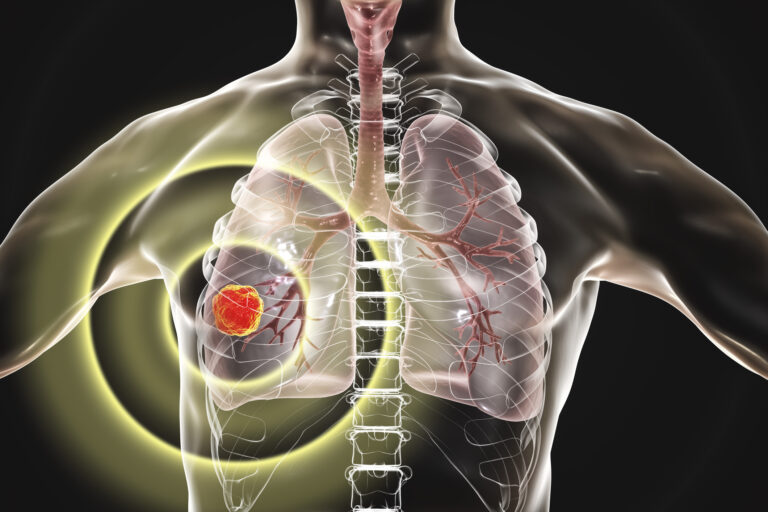
Radiotheranostics merges diagnostics and therapy, offering targeted cancer treatment amidst challenges like high costs and need for specialised facilities.
 By
By
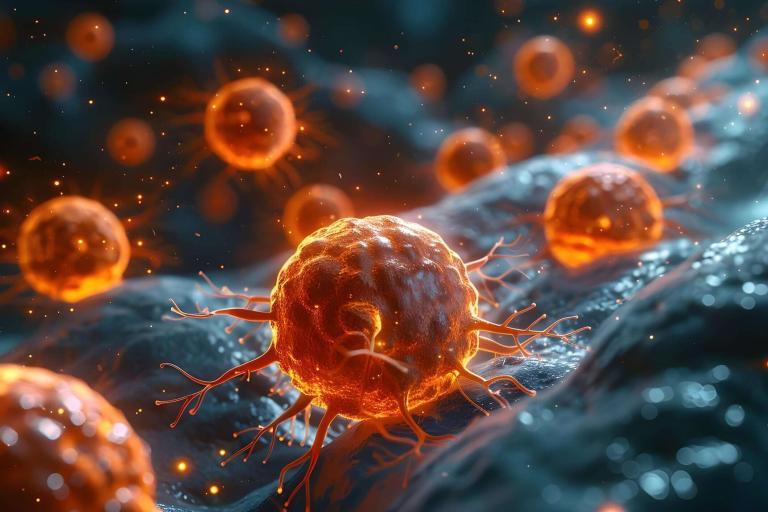
CAR T-cell therapy revolutionises cancer care, bringing hope where traditional treatments have been insufficient.
 By
By
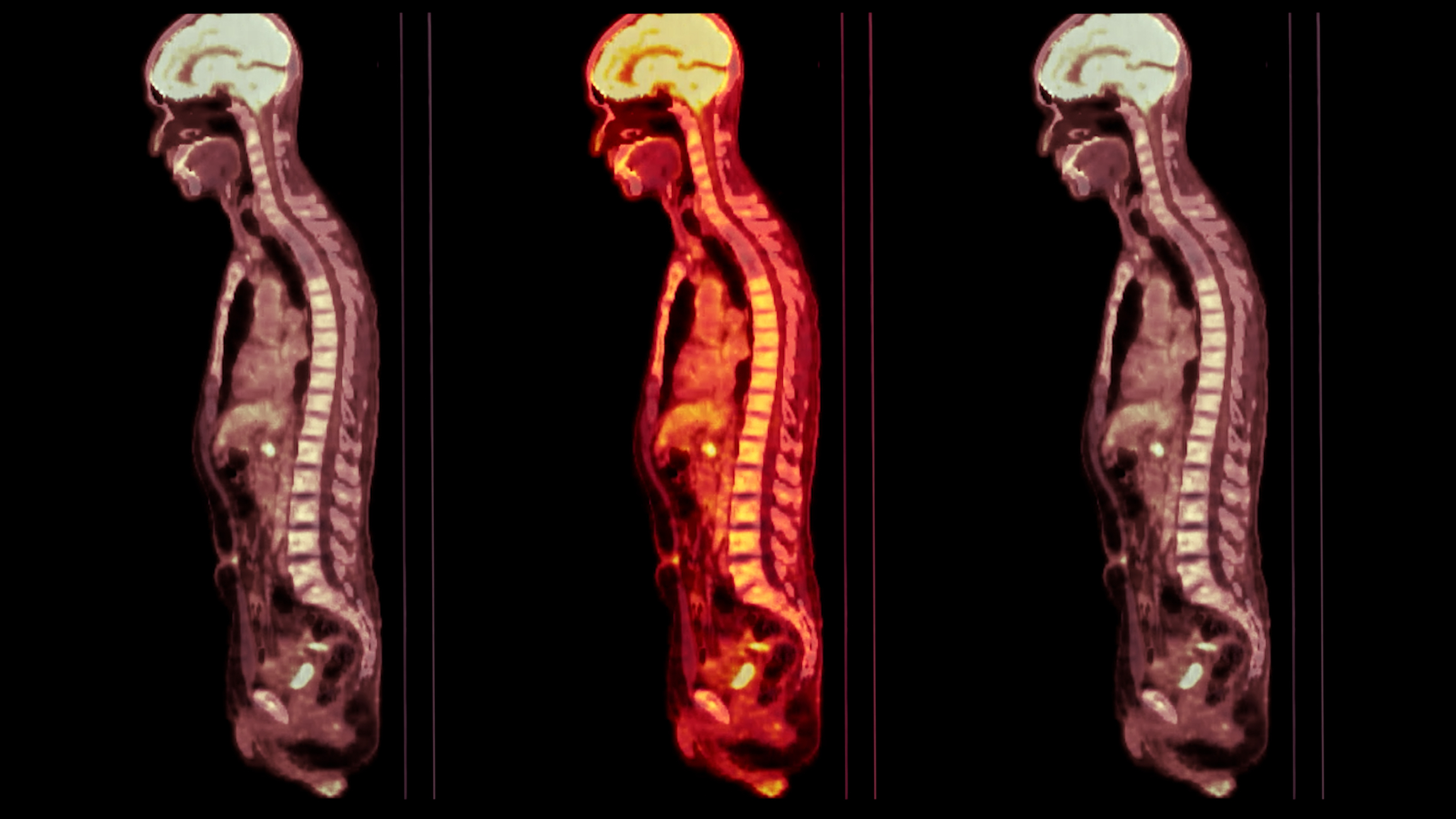
SPECT imaging, by combining functional and anatomical insights, significantly enhances diagnostic accuracy in various medical fields.
 By
By
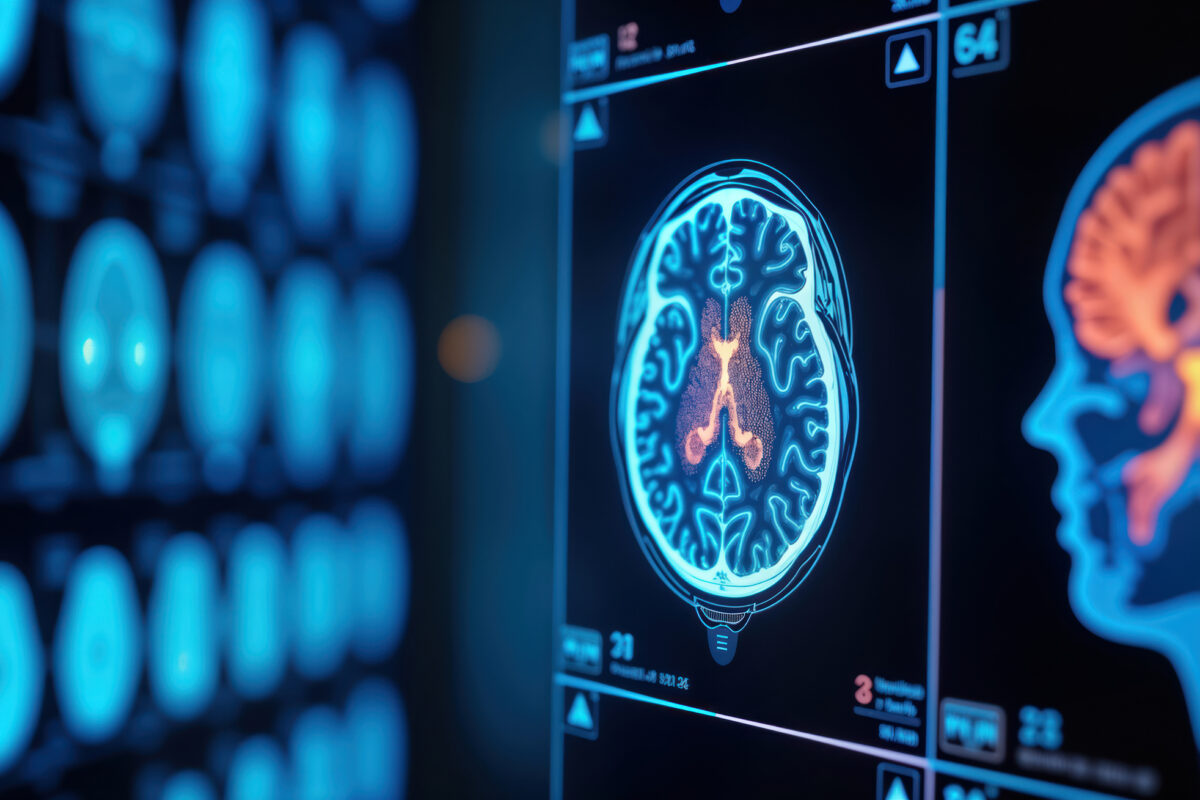
PET imaging dramatically enhances early disease detection, significantly improving patient outcomes in various medical fields.
 By
By
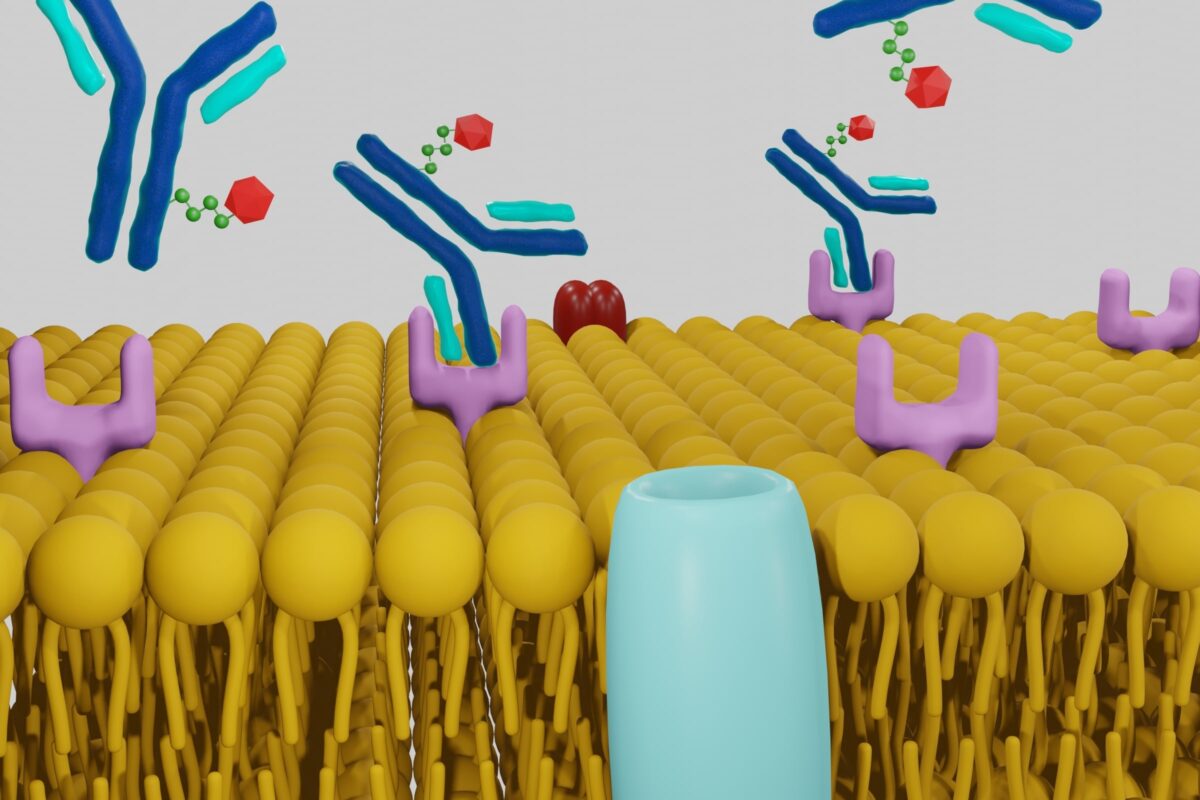
Neurological diagnostics have been transformed by advanced imaging techniques, enhancing accuracy in identifying brain disorders.
 By
By
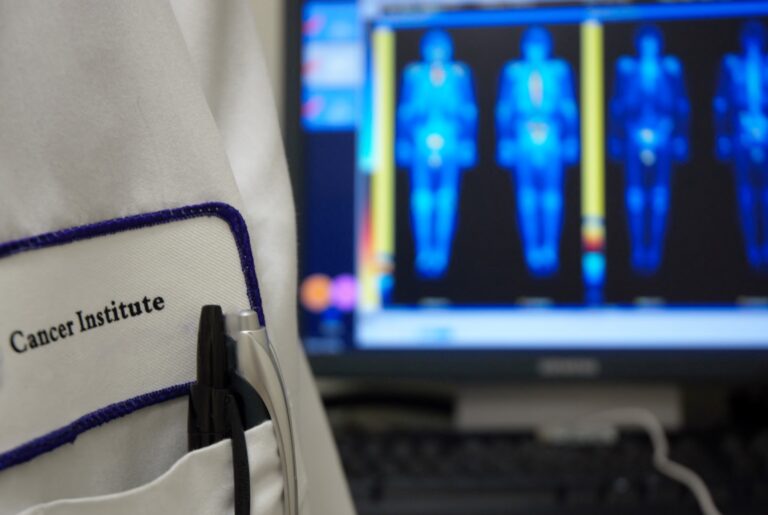
Thorium-227 emerges in nuclear medicine, revolutionizing cancer treatment through precise, effective radiotheranostic and therapeutic applications.
 By
By
Radiopharmaceuticals, combining radioactive and pharmaceutical elements, enable precise diagnosis and treatment in nuclear medicine.
 By
By
Theranostics merges diagnostics and therapy, revolutionising personalised medicine with genetic profiling and targeted treatment strategies.
 By
By
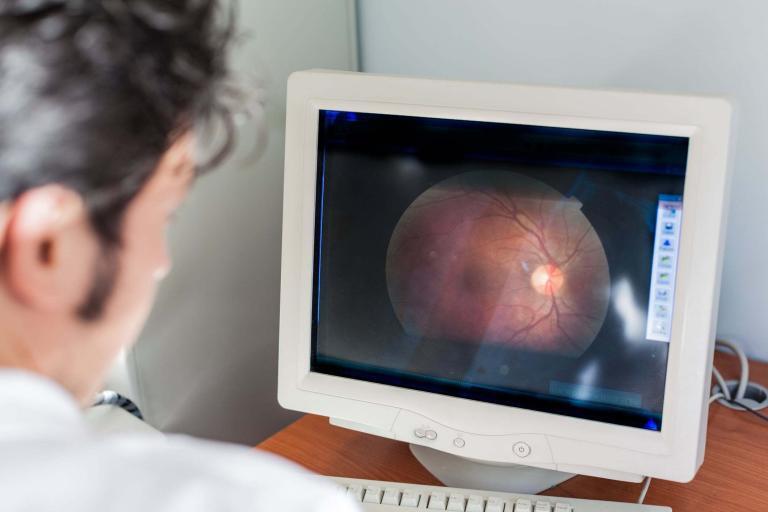
Medical imaging, crucial for optic nerve disorders, has evolved with technologies like MRI and OCT. Image for illustration only. Person depicted is a model.
 By
By
Rapid medical advancements challenge insurance norms, sparking debates on defining ‘medically necessary’ treatments and managing high-tech care costs.
 By
By
The digital revolution in diabetes care has transformed monitoring, treatment, and patient empowerment, enhancing life quality.
 By
By
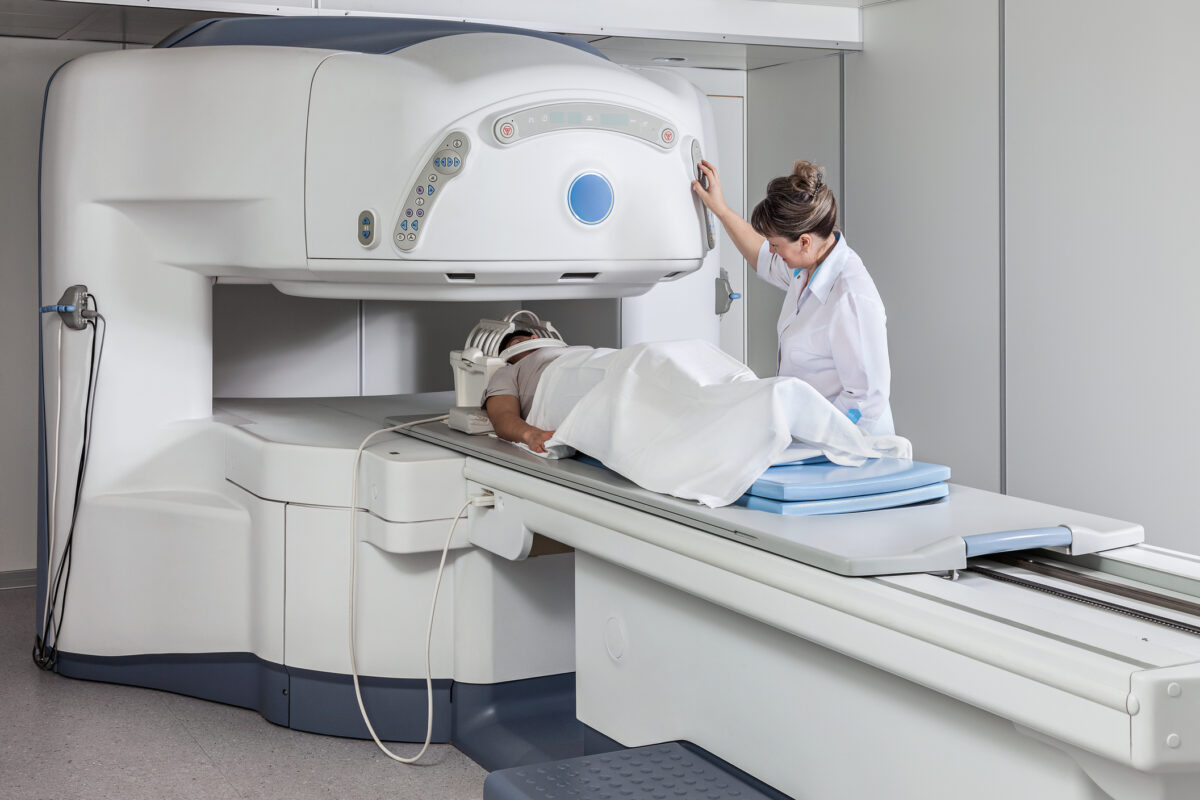
Medical imaging crucially enhances oncology, aiding early cancer detection and effective treatment planning. Image for illustration only. People depicted are models.
 By
By
AI is reshaping healthcare with improved diagnostics, personalised treatment, and ethical challenges.
 By
By
Nuclear medicine has transformed healthcare over a century, innovating in diagnostics and treatments significantly.
 By
By
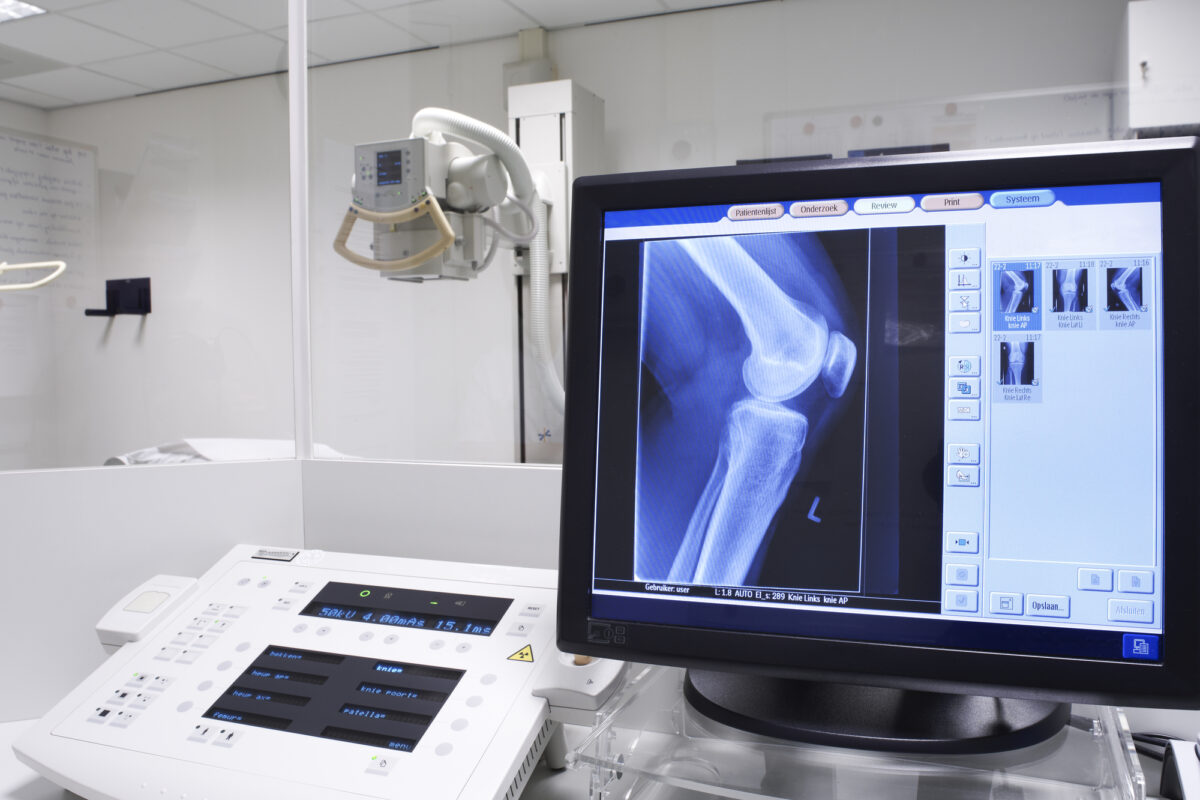
X-rays, discovered in 1895 by Wilhelm Roentgen, revolutionised medical diagnostics and profoundly influenced science and technology.
 By
By
Medical imaging cybersecurity is vital for protecting patient data, ensuring care continuity, and maintaining trust.
 By
By
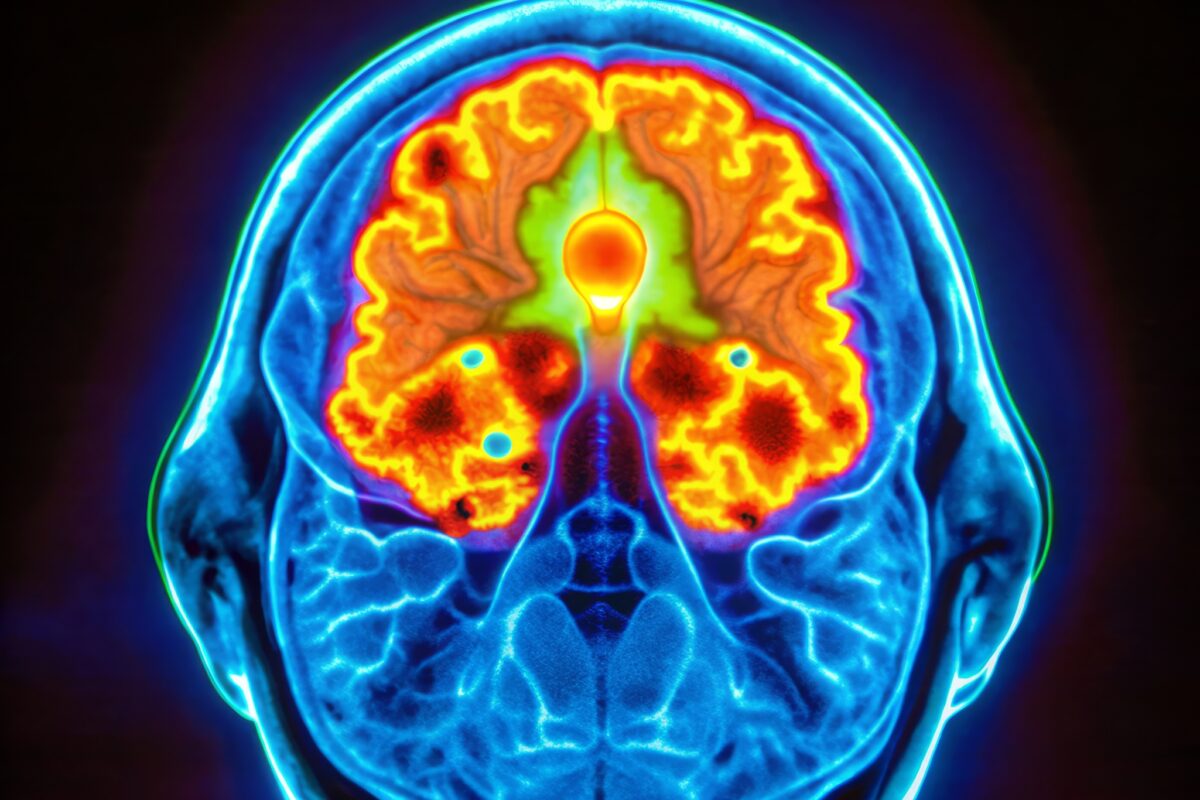
Zirconium radiopharmaceuticals enhance nuclear medicine with precise diagnostics and potential therapeutic applications.
 By
By
Lutetium radiopharmaceuticals significantly advance targeted cancer treatment and diagnostic capabilities.
 By
By
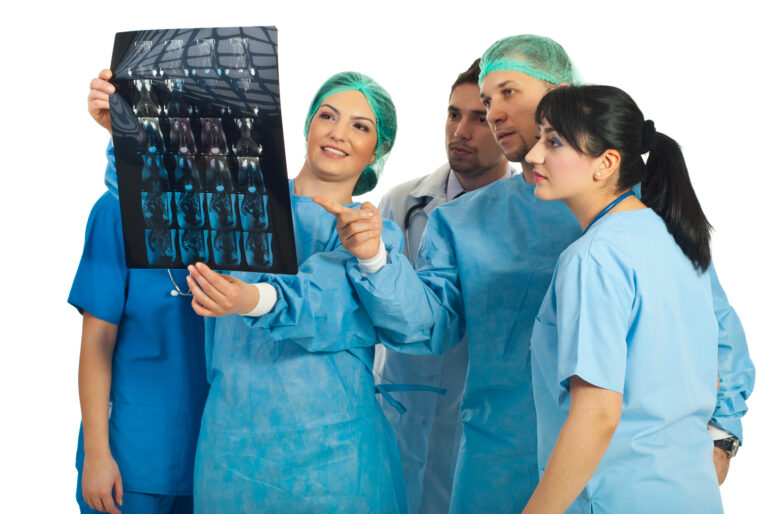
To excel in medical imaging, specialized postgraduate studies beyond basic nursing or medicine degrees are essential for careers like radiologist. Image for illustration only. People depicted are models.
 By
By
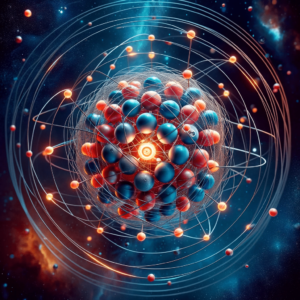
Lead radiopharmaceuticals herald a transformative era in cancer treatment with promising, targeted therapeutic approaches.
 By
By
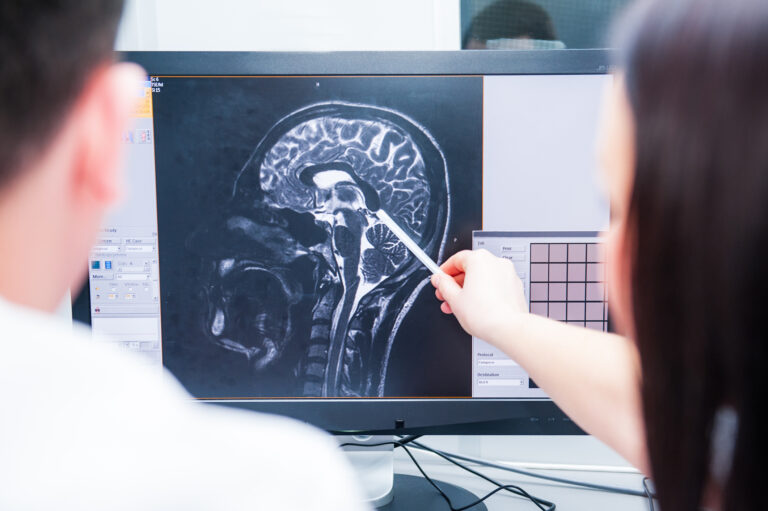
To excel in medical imaging, one must pursue postgraduate education beyond basic nursing or medicine. Image for illustration only. People depicted are models.
 By
By
Gallium, predicted by Mendeleev, now revolutionises medical diagnostics with its unique radiopharmaceutical applications in oncology.