Precision in Treatment: The Role of Dosimetry in Radionuclide Therapy
 By
By
Dosimetry in radionuclide therapy plays a crucial role in optimising treatment effectiveness and ensuring patient safety and well-being.
By
Dosimetry in radionuclide therapy plays a crucial role in optimising treatment effectiveness and ensuring patient safety and well-being.
 By
By
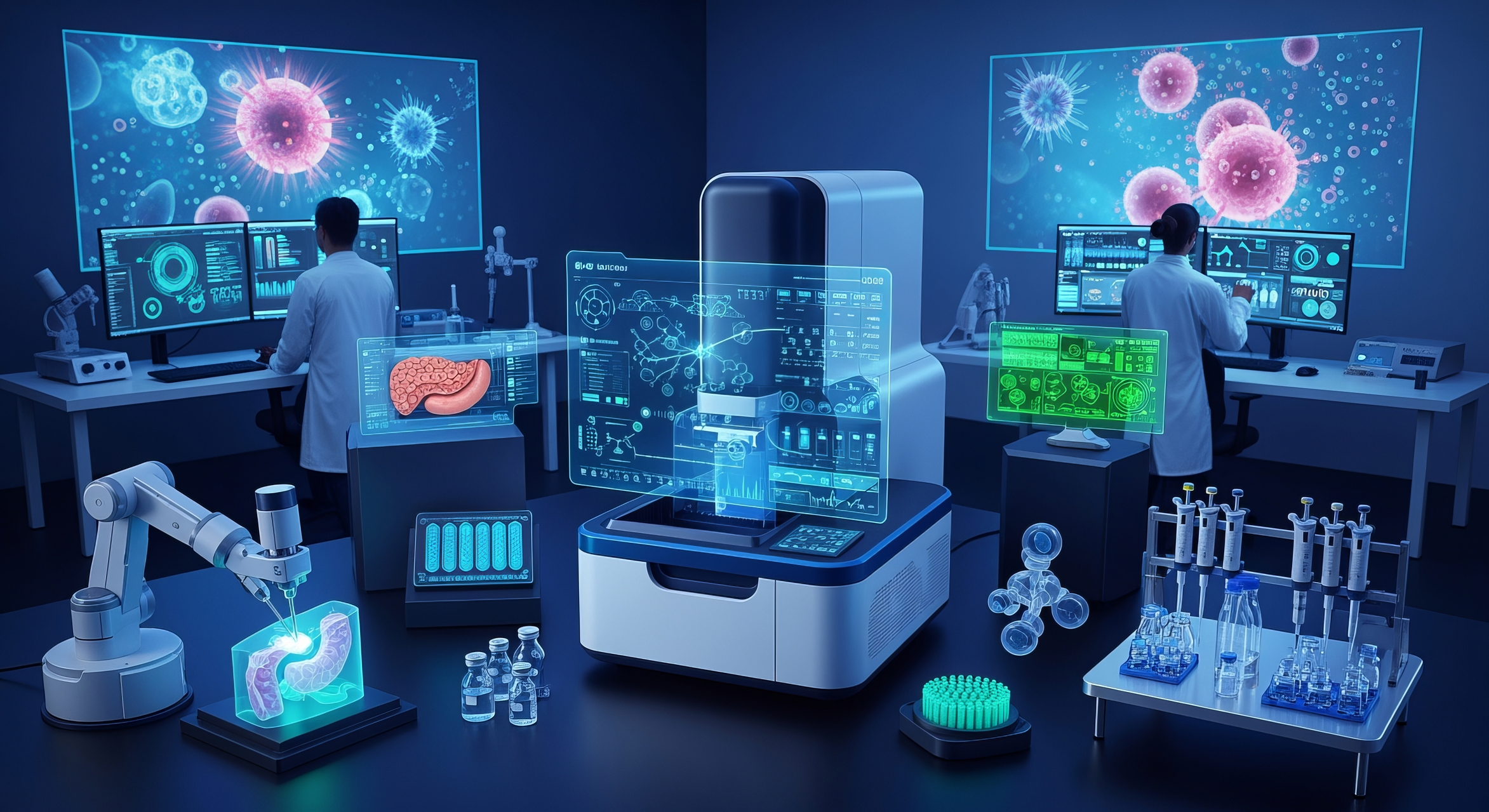
Radiotheranostic Pairs combine diagnostic imaging with targeted radiotherapy, revolutionising personalised cancer treatment through enhanced precision and efficacy.
 By
By
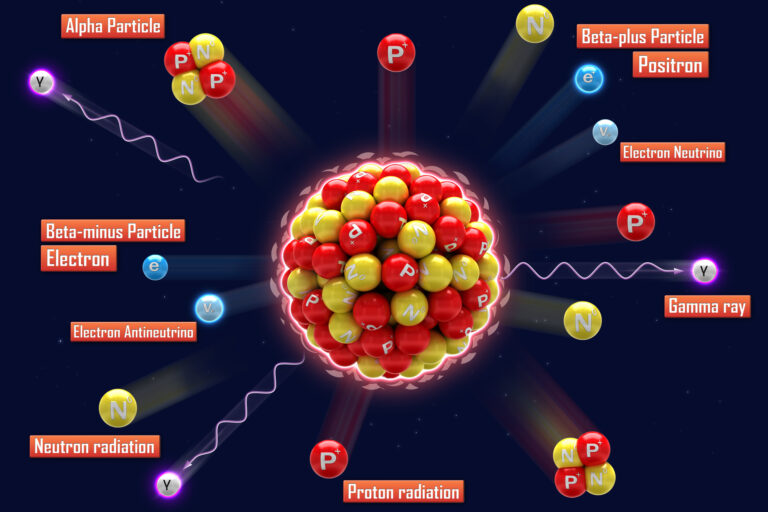
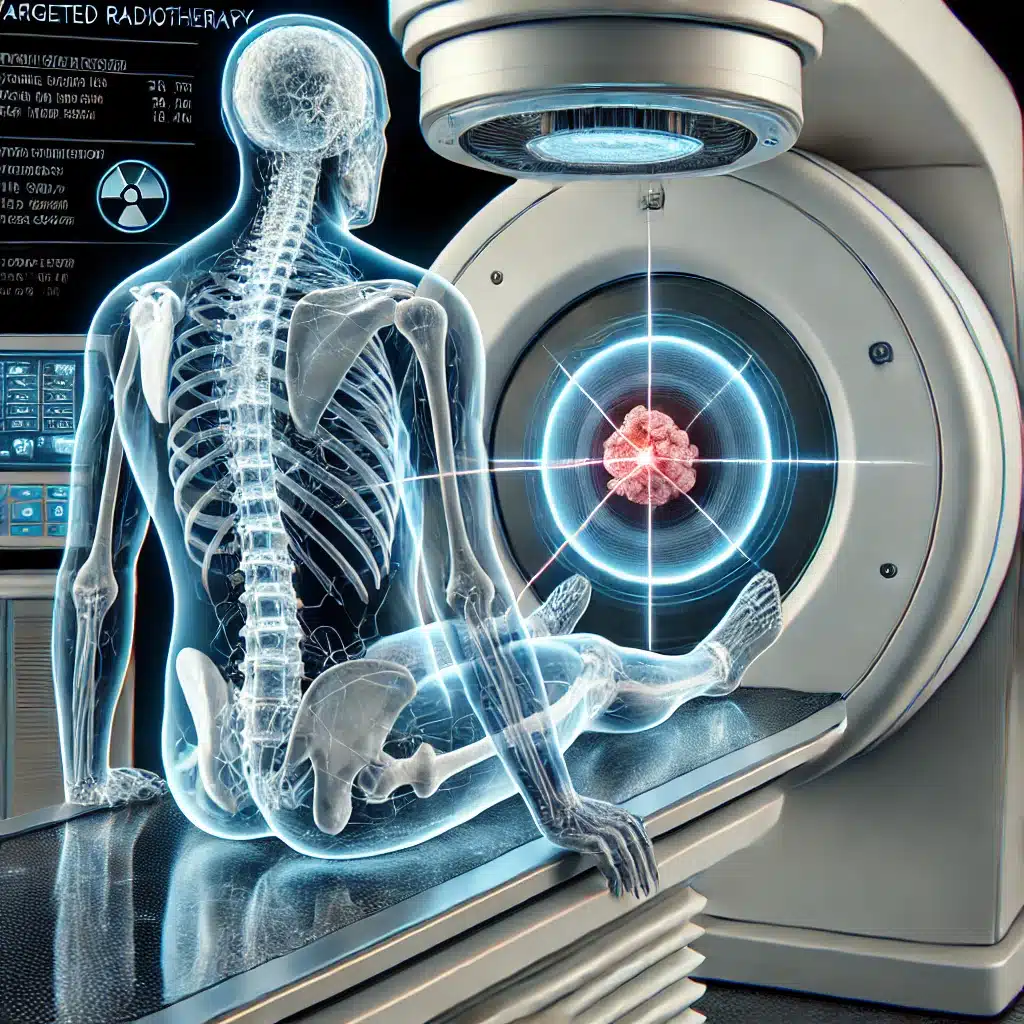
Radiotheranostics combines diagnostic imaging and targeted radiotherapy using alpha, beta, gamma, and positron particles for precision treatment.
 By
By
Radiotheranostics combines diagnostic imaging and targeted radiotherapy, using radiopharmaceuticals for personalised, precise cancer treatment and improved outcomes.
 By
By
Revolutionizing rehabilitation empowers patients through advanced technology, personalized programs, and holistic, transformative recovery experiences.
 By
By
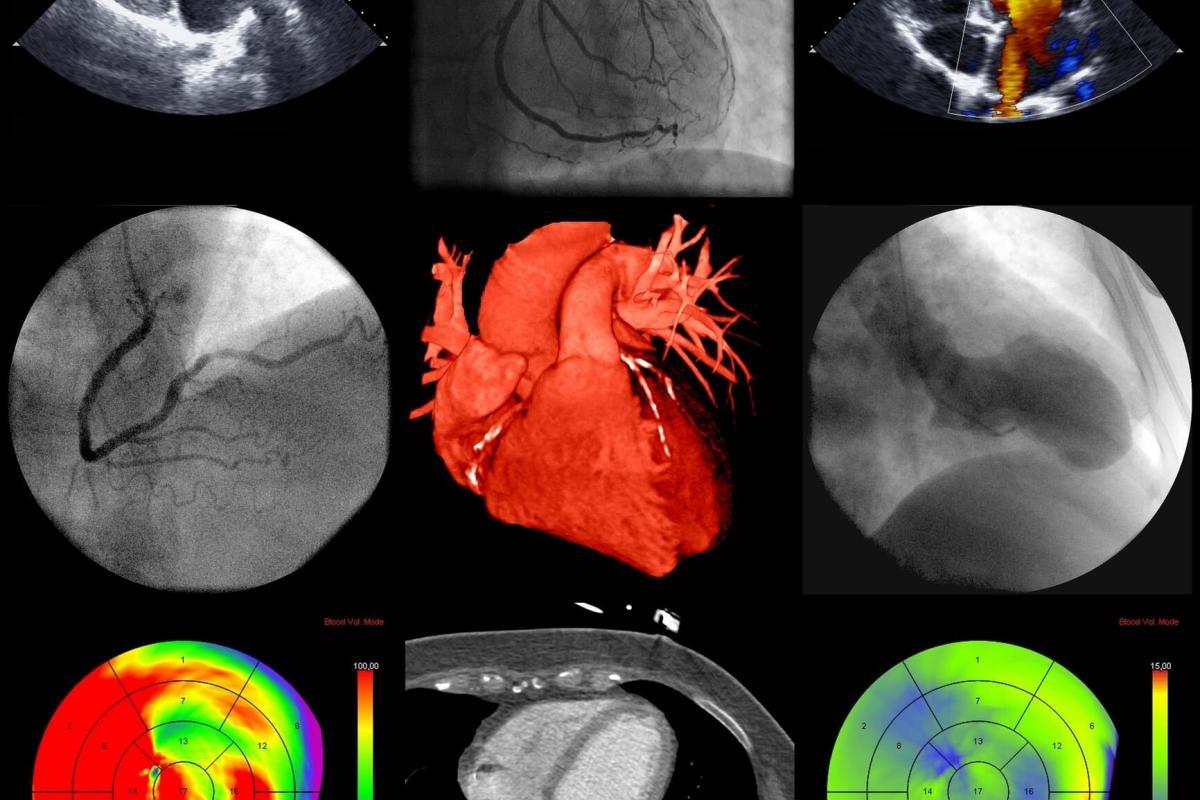
Radiopharmaceuticals play a crucial role in heart imaging, enabling accurate diagnosis and effective treatment of various cardiac conditions.
 By
By
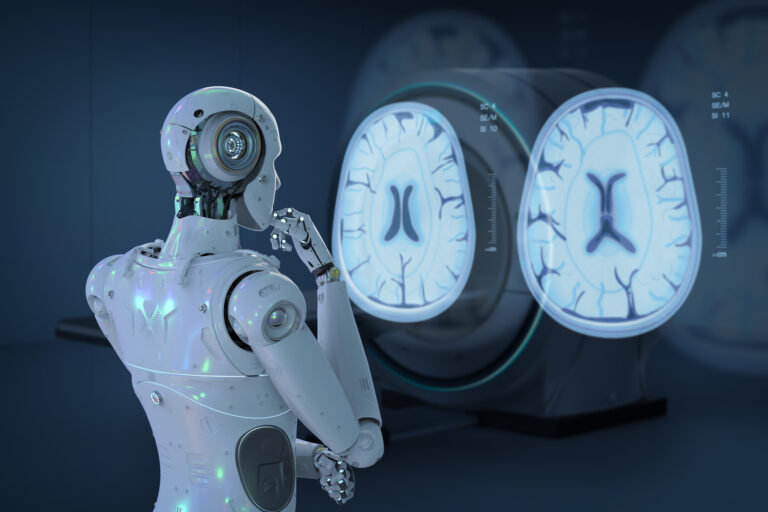
AI in radiology significantly enhances diagnostic accuracy, streamlines workflows, and personalises patient care in healthcare.
 By
By
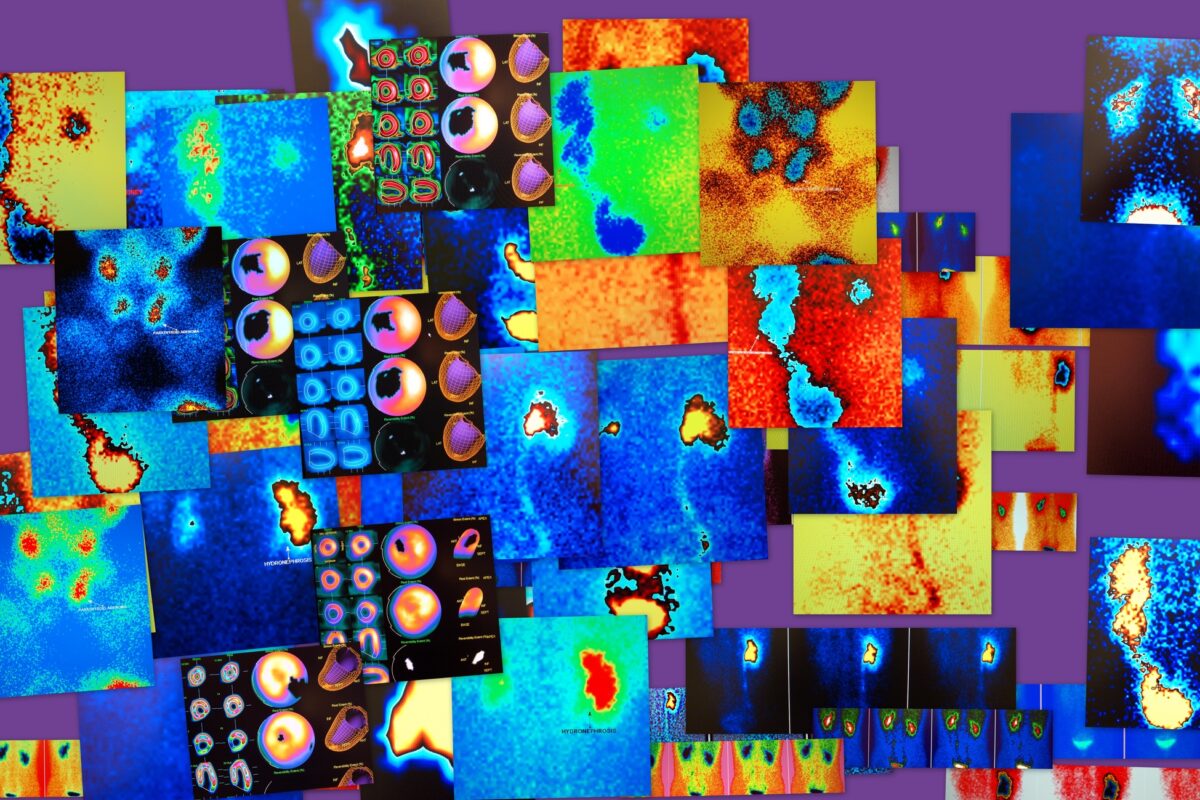
AI revolutionises nuclear medicine by enhancing diagnostics, personalizing treatment, and optimizing workflows for better patient care and efficiency.
 By
By
Ongoing Alzheimer’s research is crucial for developing early detection methods, effective treatments, and comprehensive caregiver support.
 By
By
Radiology nurses prepare and monitor patients during imaging procedures, ensuring safety, comfort, and accurate diagnosis through collaboration. Image for illustration only. People depicted are models.
 By
By
The article looks into overcoming addiction through professional treatment, lifestyle changes, and the power of supportive community networks. Image for illustration only. People depicted are models.
 By
By
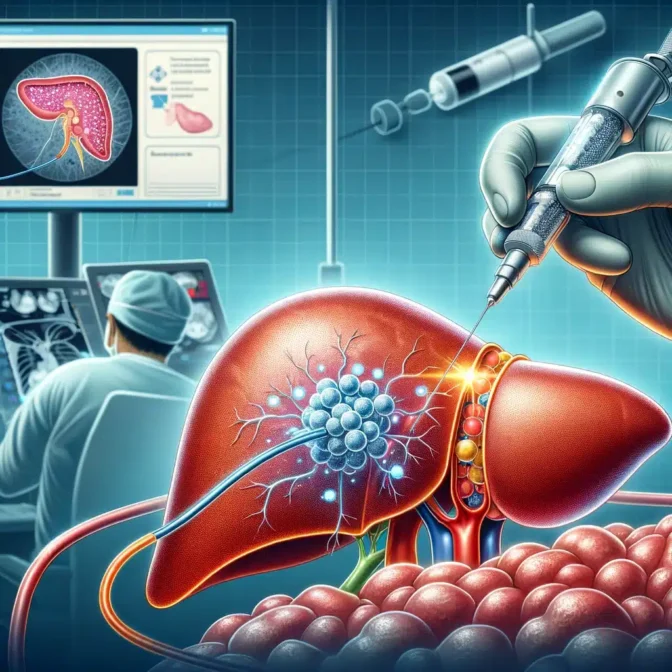
Selective Internal Radiotherapy (SIRT) delivers targeted radiation to liver tumors, providing effective treatment with minimal damage to surrounding healthy tissue.
 By
By
Master’s in Health Informatics merges healthcare and data technology, offering expansive career opportunities and a dynamic learning experience.
 By
By
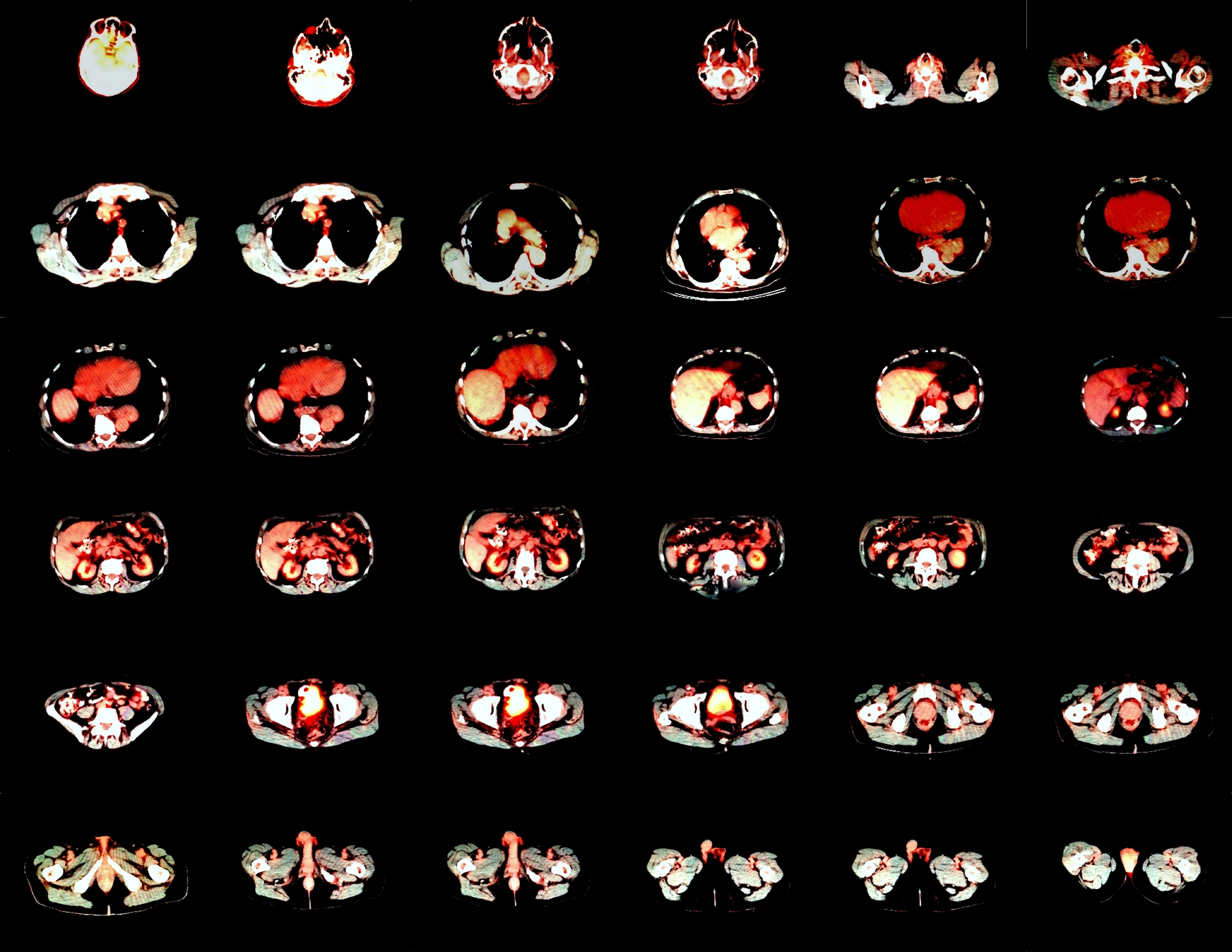
Positron Emission Tomography Imaging has advanced with cutting-edge technologies, enhancing diagnostic accuracy and expanding clinical applications dramatically.
 By
By
AI consulting firms revolutionise healthcare by integrating advanced AI technologies, improving patient care and operational efficiency.
 By
By
Targeted Alpha Radionuclide Therapy precisely delivers potent alpha particles to tumors, maximising efficacy while sparing healthy tissues.
 By
By
AI technology is profoundly transforming the digital revolution in mental health counseling through innovative applications.
 By
By
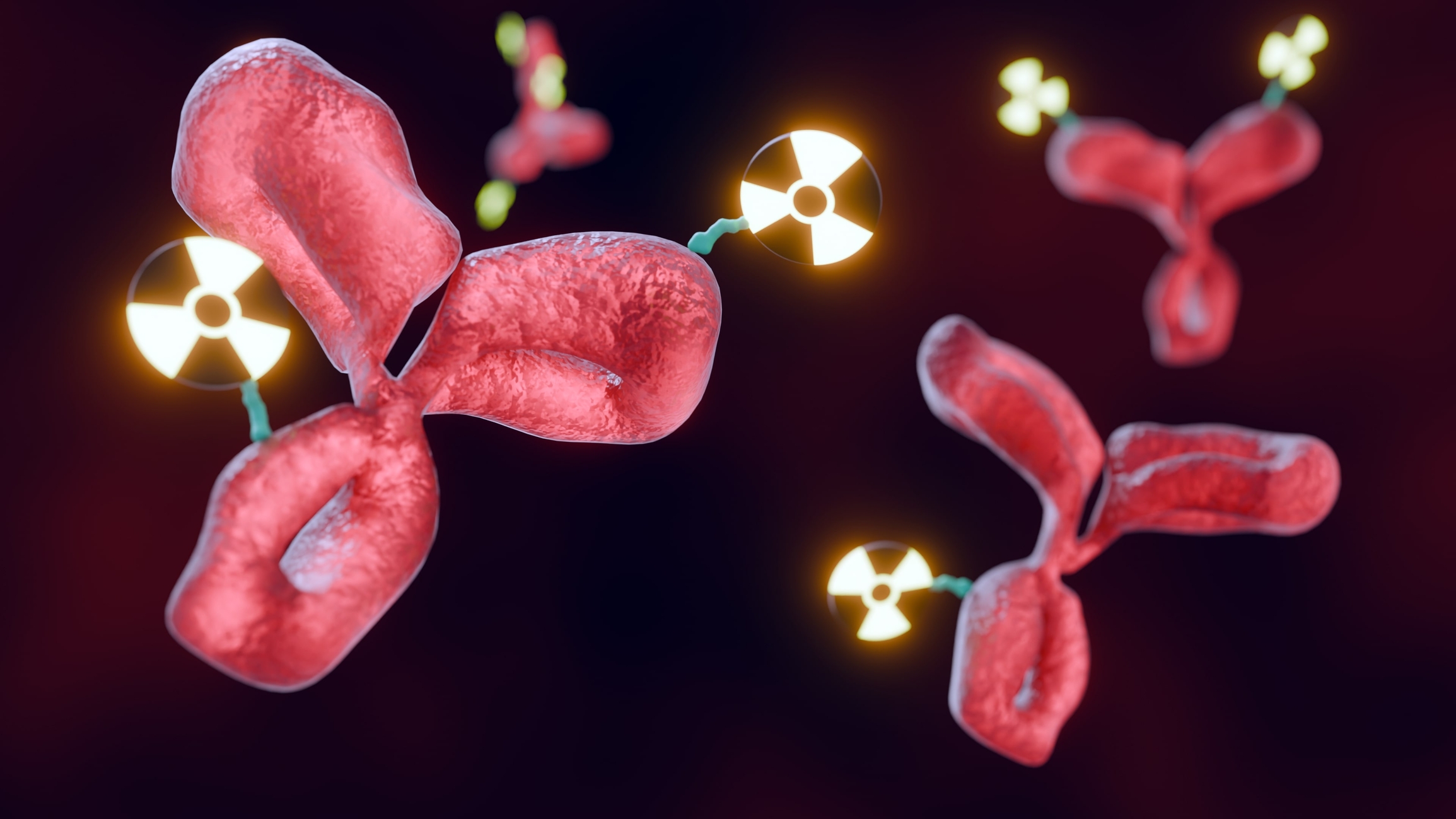
World Theranostics Day honours Dr. Hertz’s groundbreaking radioiodine therapy, transforming disease treatment globally since 1941.
 By
By
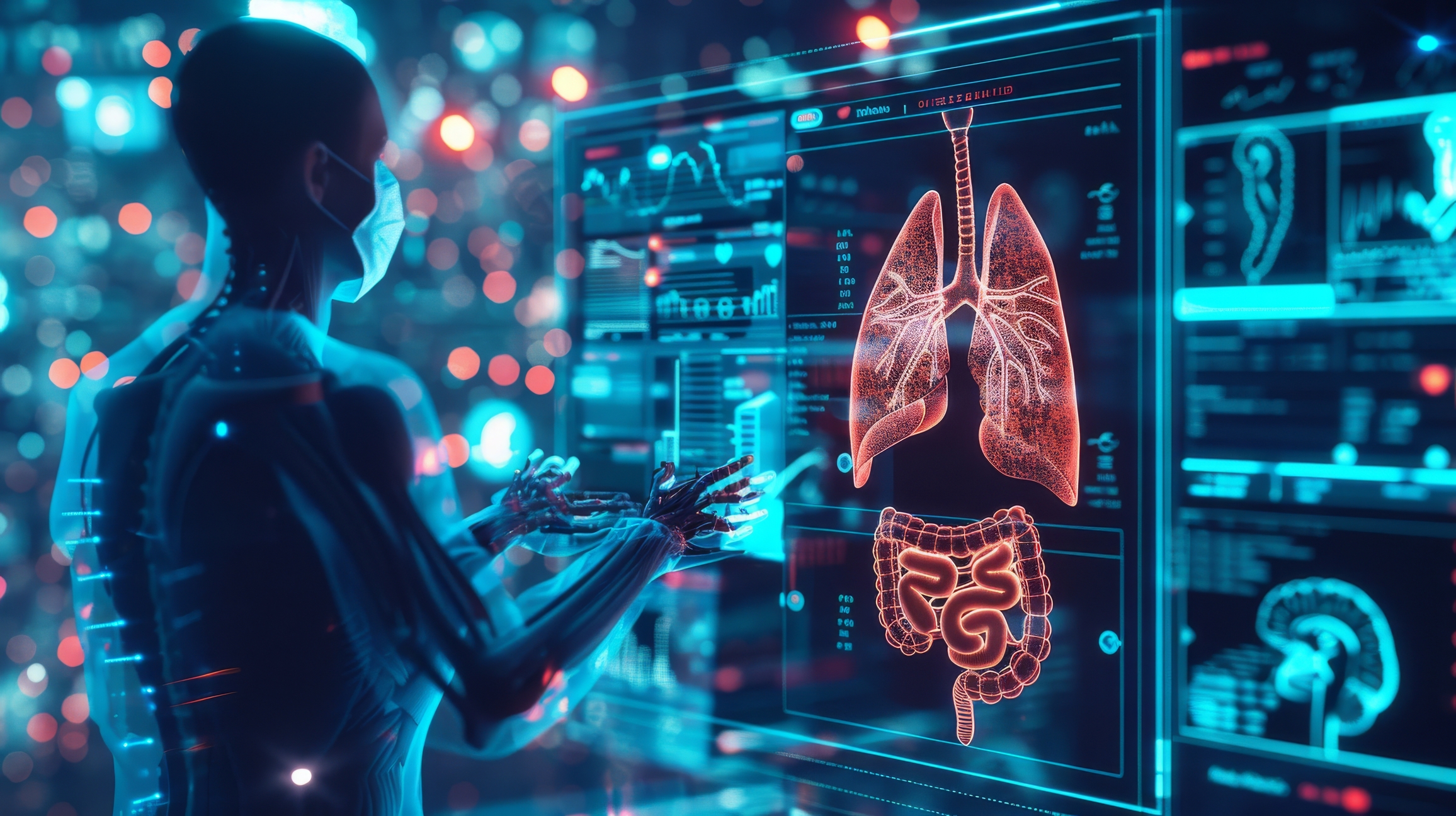
AI in radiology is revolutionising patient care by enhancing diagnostic accuracy and personalising treatment plans.
 By
By
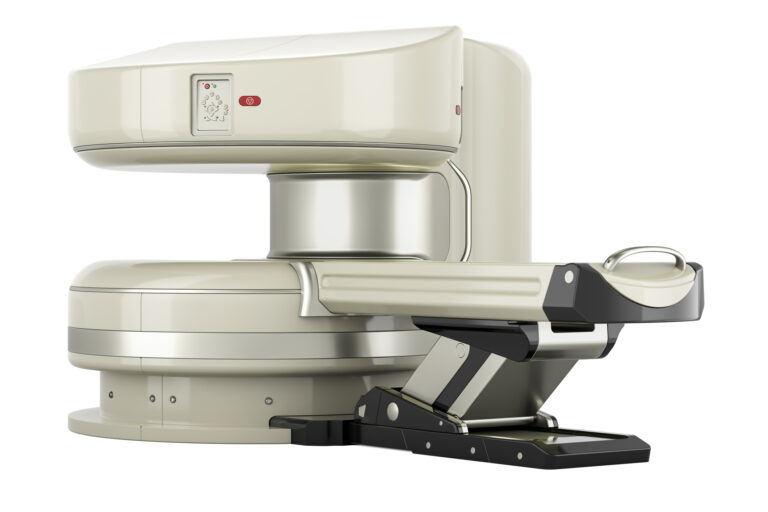
Magnetic Resonance Imaging is advancing with AI, targeted contrast agents, and molecular imaging, enhancing diagnostics.
 By
By
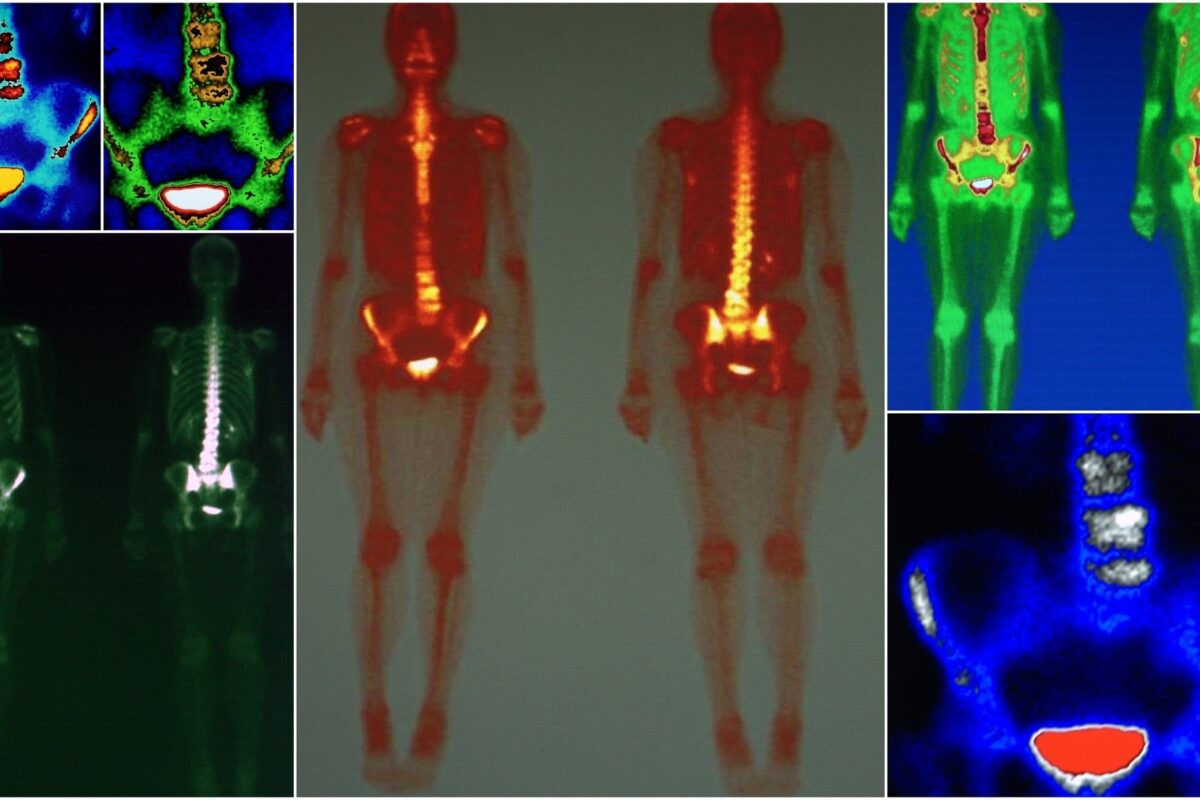
Nuclear medicine and the future of precise, personalised care in diagnosing and treating diseases.
 By
By
Remote patient monitoring transcends traditional medical settings, leveraging technology to secure data and enhance healthcare delivery.
 By
By
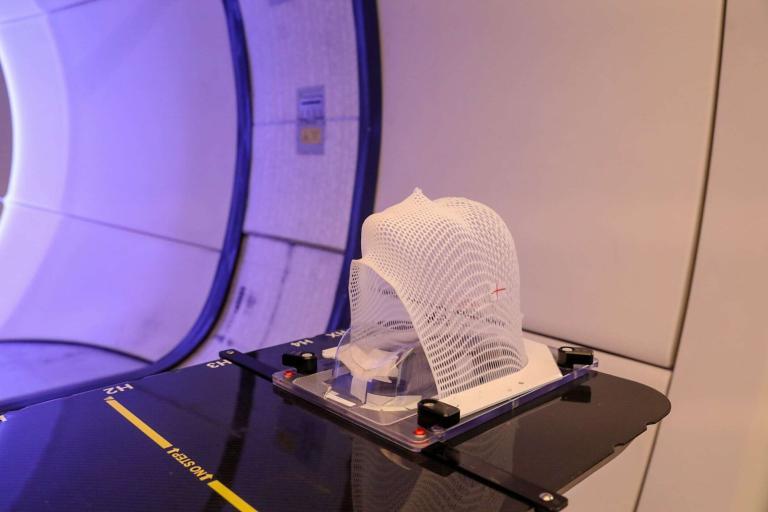
Proton beam therapy targets cancer accurately, minimising side effects but faces challenges in cost and accessibility.
 By
By
Radiation safety requires balancing beneficial uses and risk mitigation, evolving with advances and ongoing stakeholder commitment.
 By
By
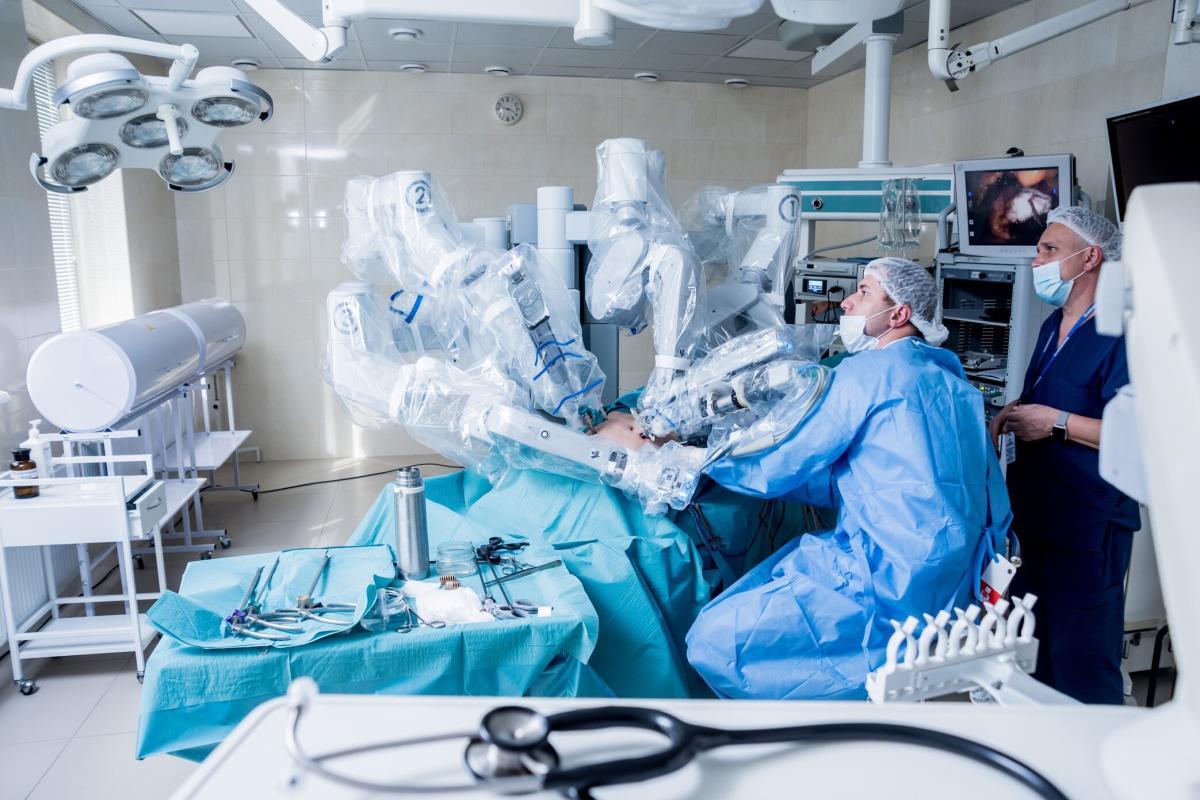
Robotic surgery’s future shines with AI integration, enhancing precision and transforming healthcare through technological advancements. Image for illustration only. People depicted are models.
 By
By
Theragnomics melds theranostics and radiomics, promising targeted cancer therapies with improved outcomes through precision diagnostics and treatment adaptation.
 By
By
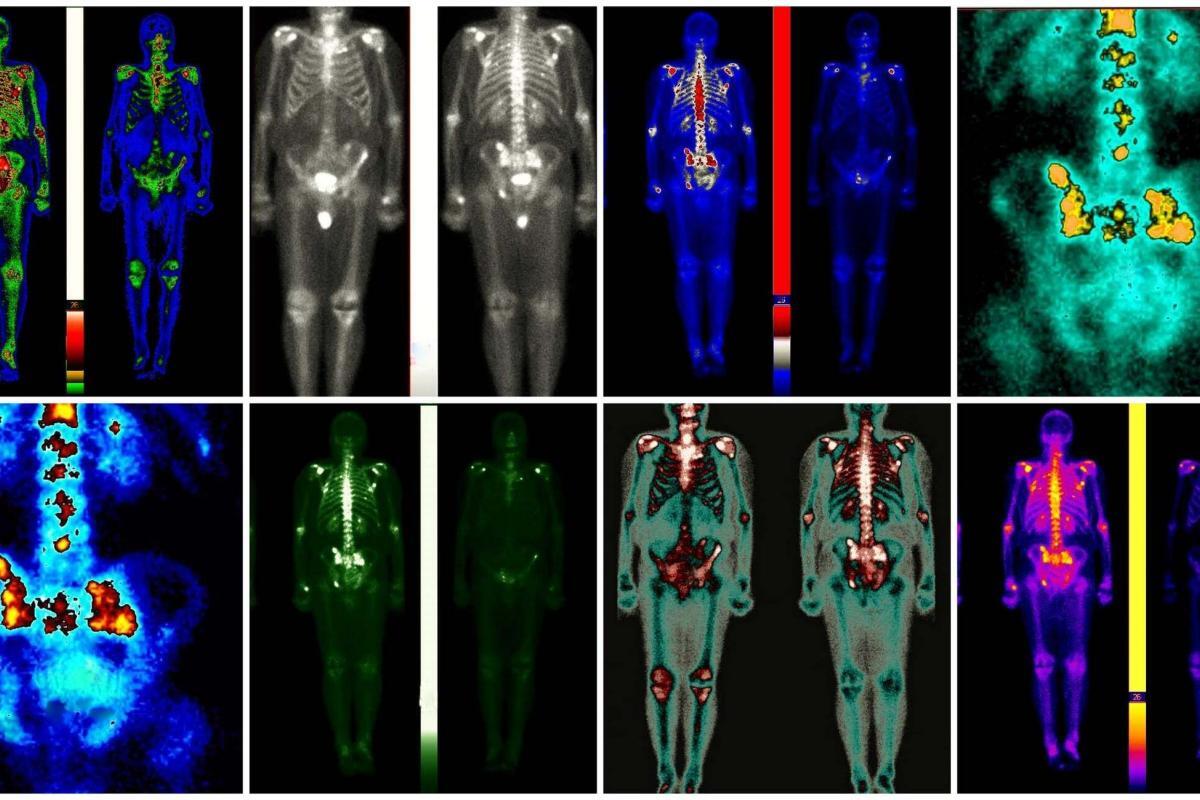
Therapeutic nuclear medicine leverages radionuclides for targeted cancer treatment, facing challenges in delivery, safety, and regulatory compliance.
 By
By
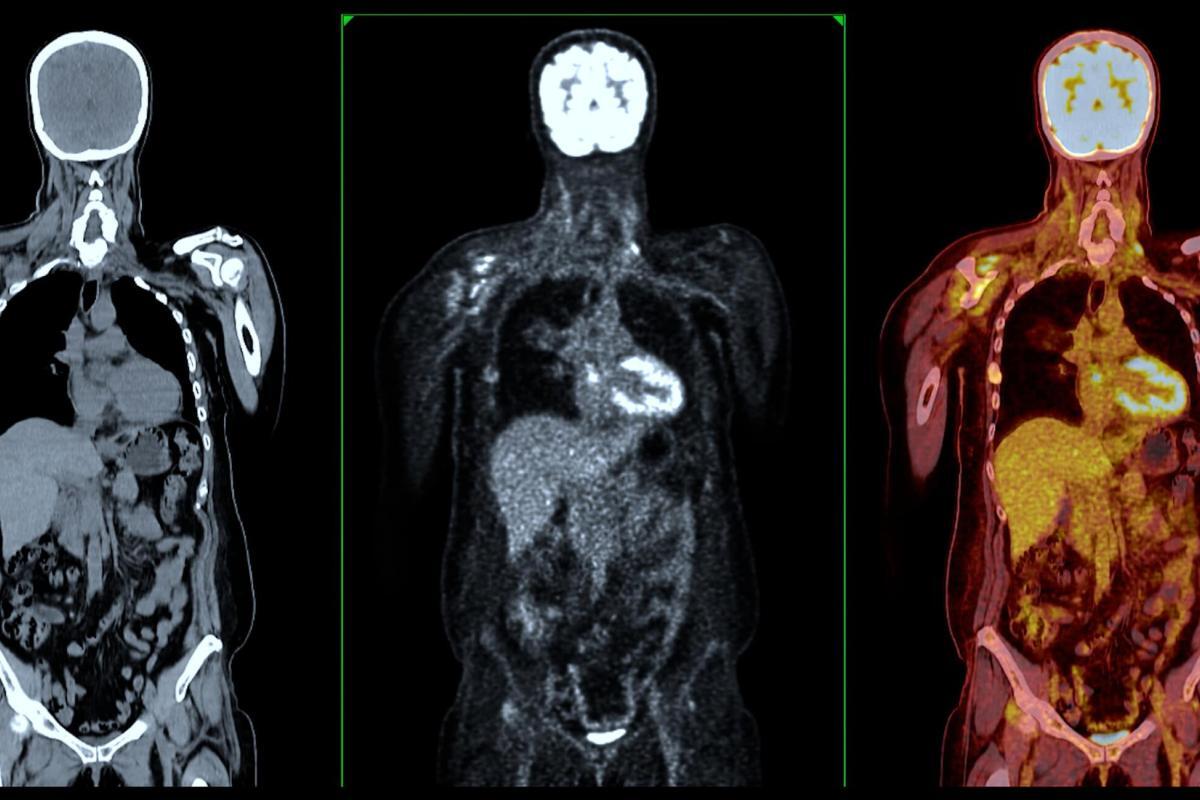
Exploring the evolving role of radiopharmaceutical diagnostics in enhancing disease detection and personalising treatment in modern medicine.
 By
By
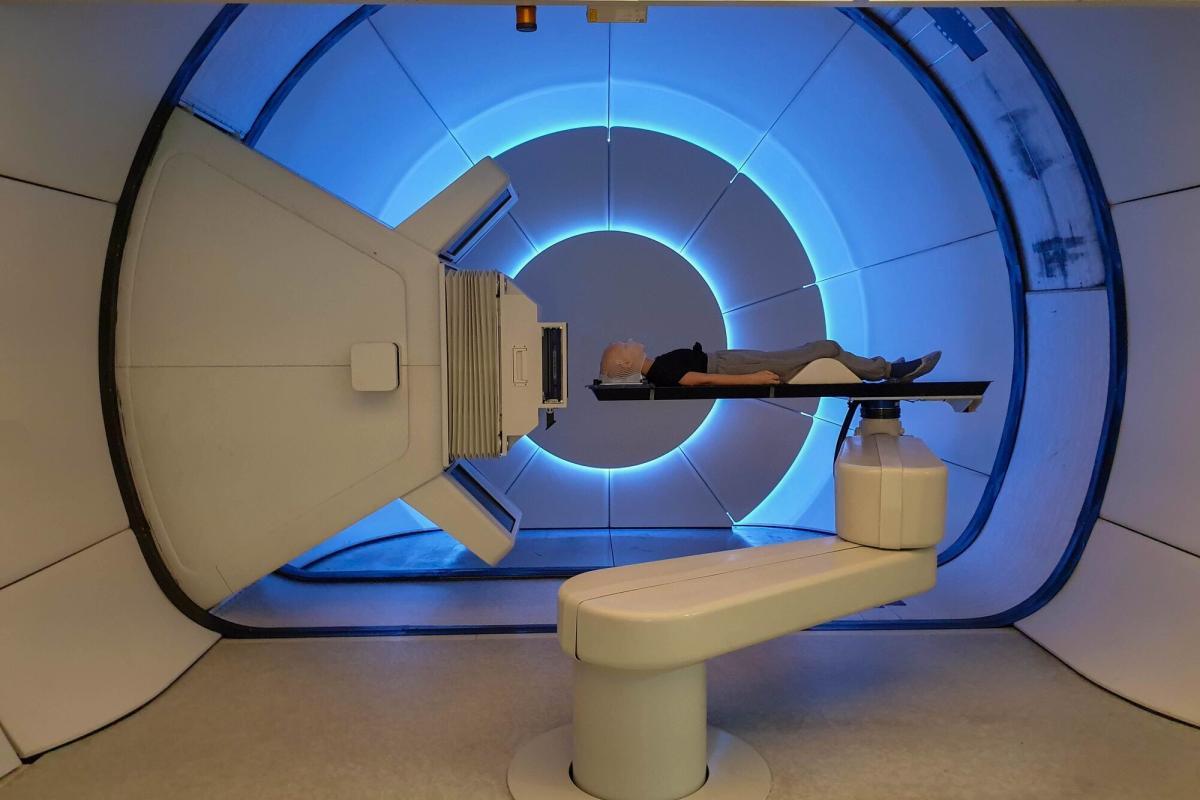
Advancing cancer care, proton therapy offers precise treatment with fewer side effects, revolutionising patient experiences.
 By
By
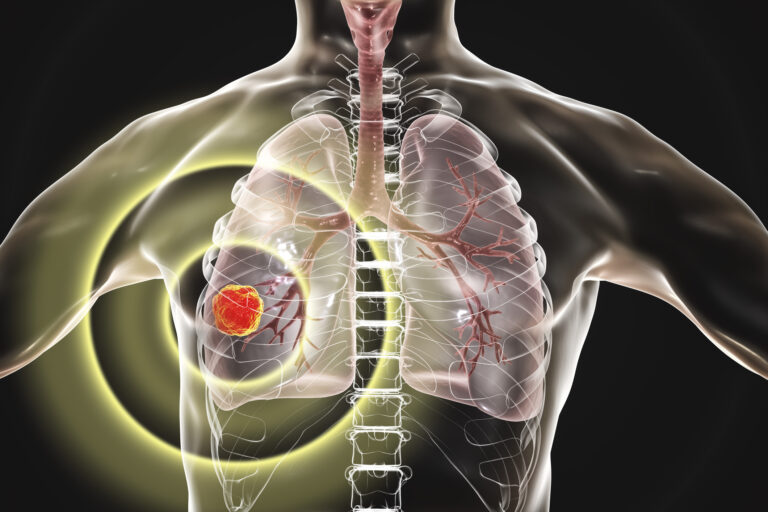
Radiotheranostics merges diagnostics and therapy, offering targeted cancer treatment amidst challenges like high costs and need for specialised facilities.