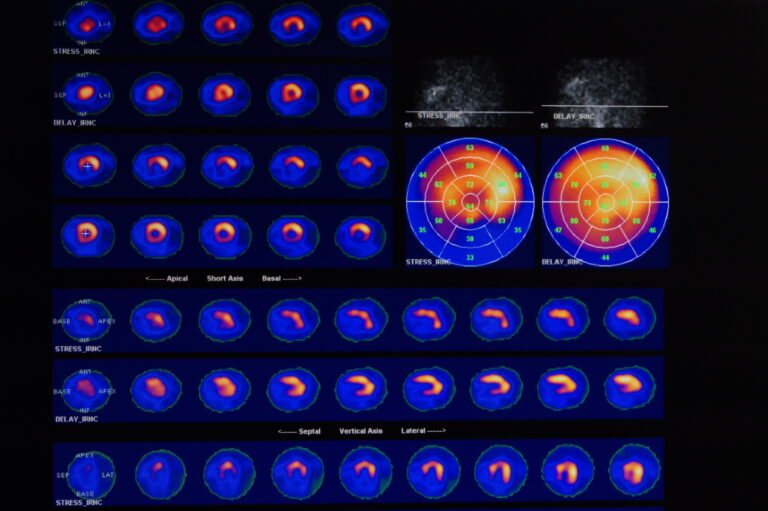
Technetium-99m Radiopharmaceuticals in Advanced Medical Imaging
 By
By
Technetium-99m, discovered in 1937, transformed medical imaging with its versatile and safe diagnostic applications.
By
Technetium-99m, discovered in 1937, transformed medical imaging with its versatile and safe diagnostic applications.
 By
By
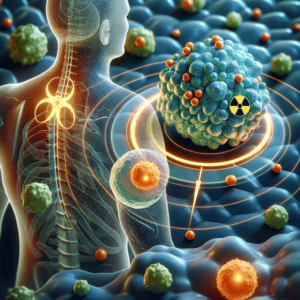
Copper radiopharmaceuticals offer groundbreaking diagnostic and therapeutic applications, revolutionising nuclear medicine, particularly in oncology and cardiology.
 By
By
From Becquerel’s discovery in 1896 to modern medical applications, radionuclides have revolutionised our approach to science, medicine, and industry.
 By
By
Big data in medical imaging enhances diagnostics, personalise treatments, and propels research through data analysis.
 By
By
Alzheimer’s disease stems from genetic mutations and lifestyle factors, leading to brain plaque accumulation and dementia.
 By
By
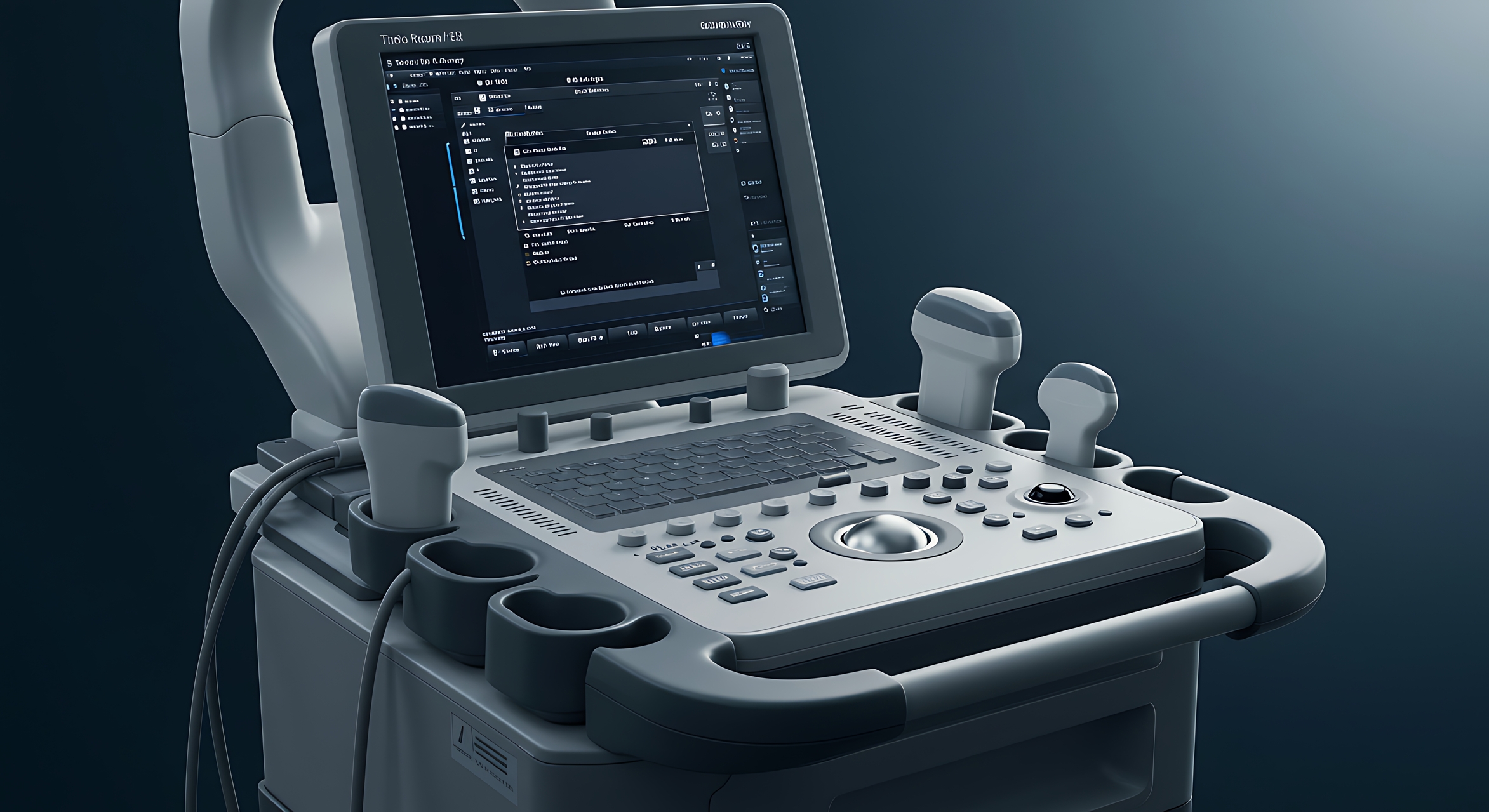
Point of Care imaging’s evolution, marked by miniaturisation, has revolutionised bedside diagnostics and patient care delivery.
 By
By
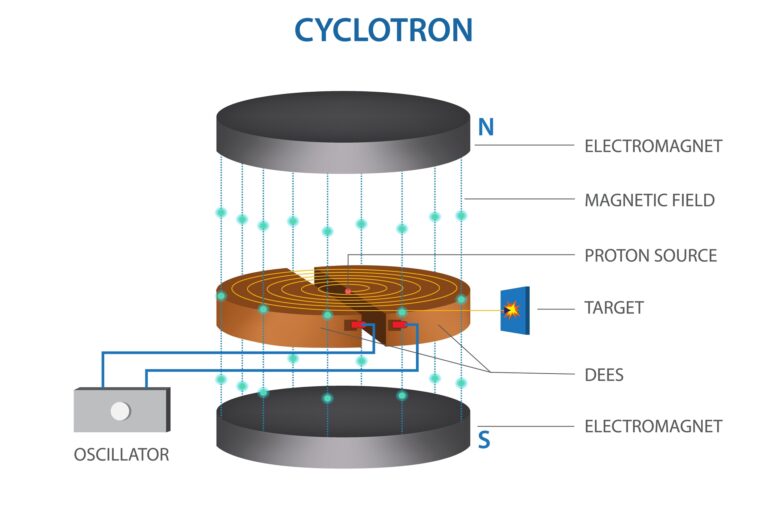
Cyclotrons advance nuclear medicine by efficiently producing key radionuclides for diagnostics and treatment within hospital settings.
 By
By
Quantum computing enhances medical imaging with superior speed, precision, and personalized diagnostic capabilities, heralding a new healthcare epoch.
 By
By
Quantum dots are nanoscale semiconductors, displaying quantum mechanical properties, unique optical, electrical behaviors, enabling advancements in electronics, photovoltaics, imaging.
 By
By
3D medical imaging transforms diagnostics and treatment, enhancing precision, patient education, and enabling AI-driven analysis and immersive experiences.
 By
By
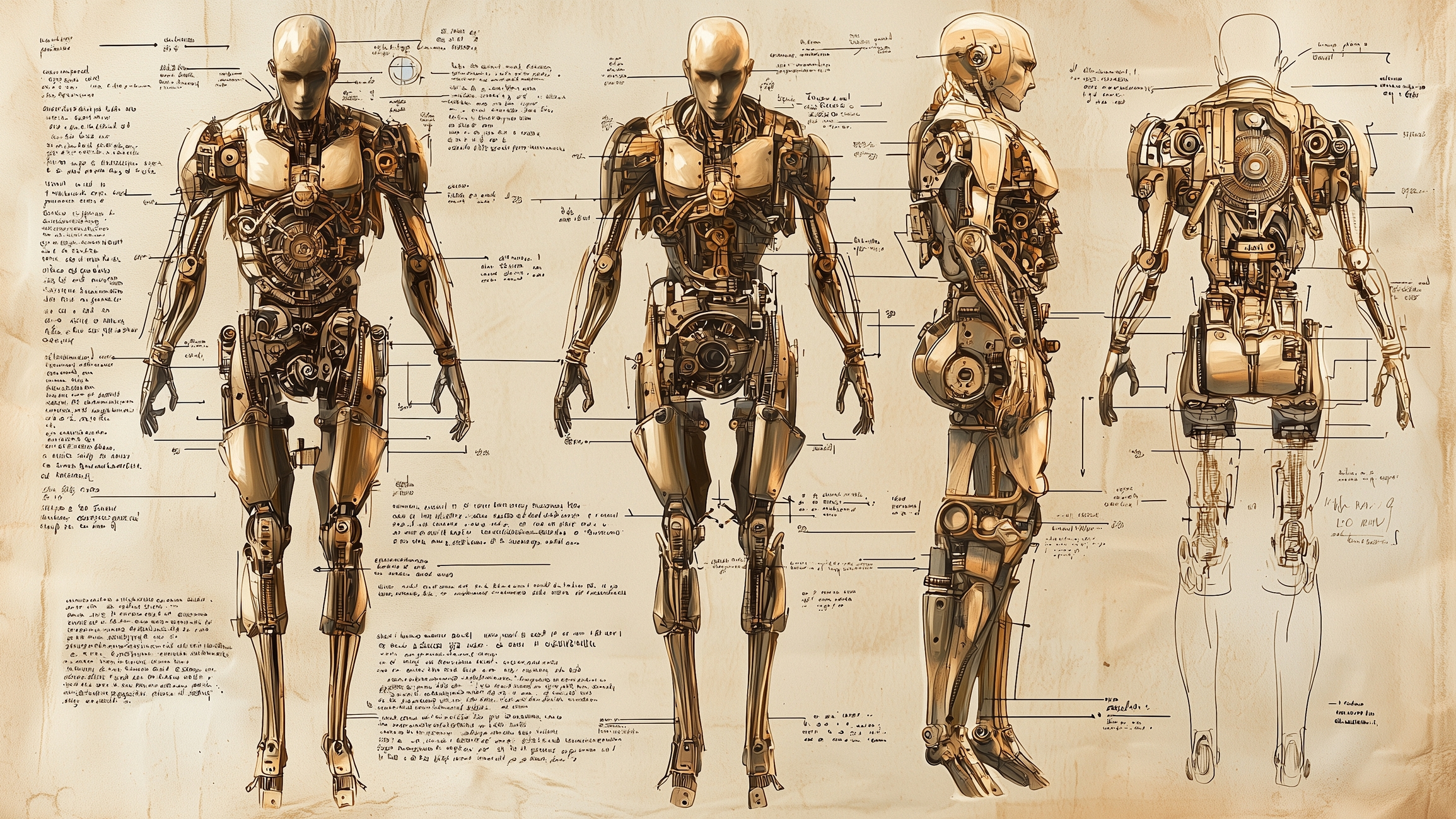
Da Vinci technology transform medical imaging with robotics, AI, and advanced equipment, significantly enhancing diagnosis and treatment across specialties.
 By
By
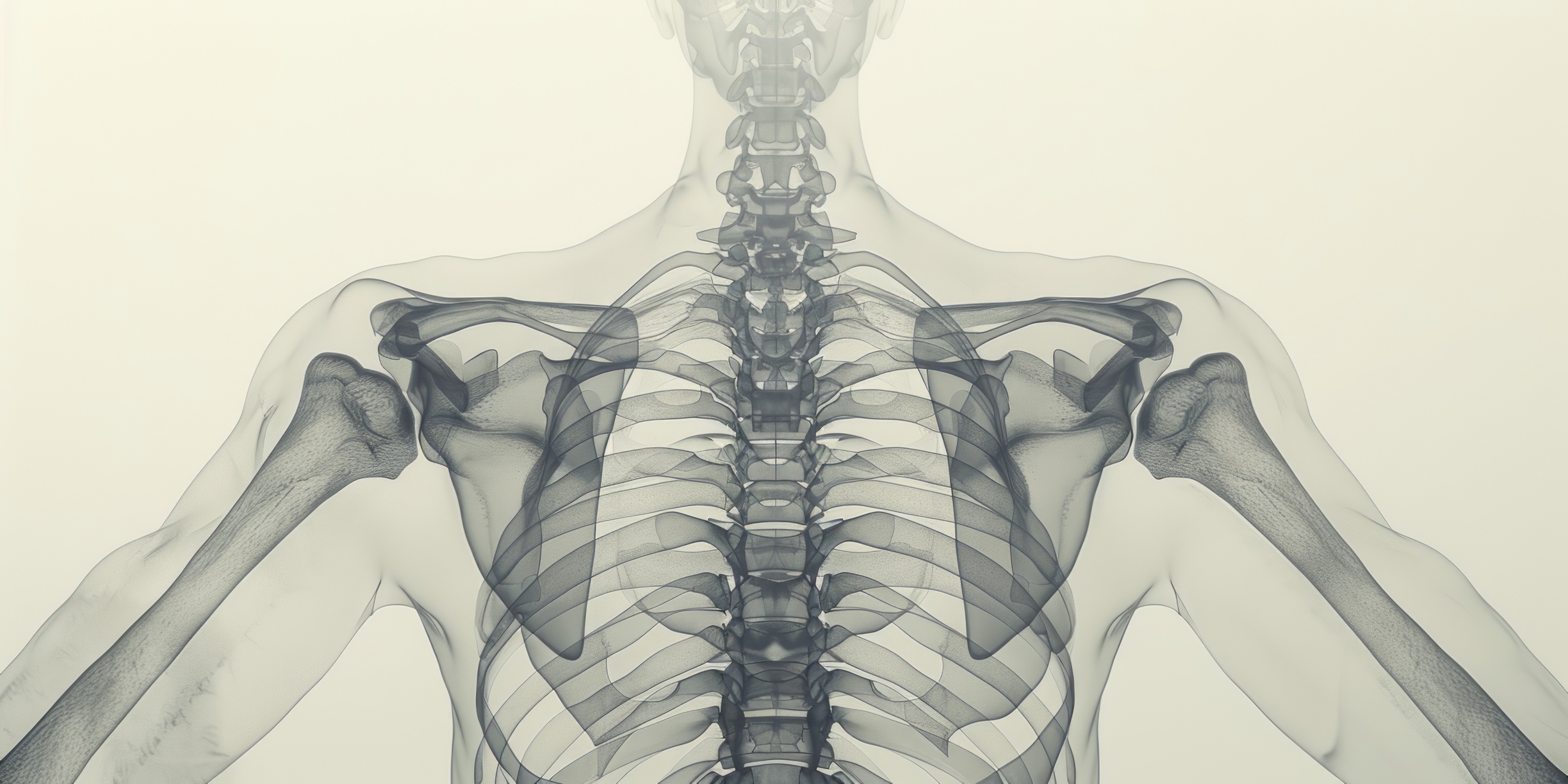
Medical imaging of the human skeleton enables accurate diagnosis, treatment, and monitoring of diverse bone and joint conditions.
 By
By
Advanced medical imaging technologies transformed liver disease detection, diagnosis and management, enhancing diagnostic accuracy and personalized treatments.
 By
By
The increasing connectivity of medical devices highlights the need for robust cyber security measures.
 By
By
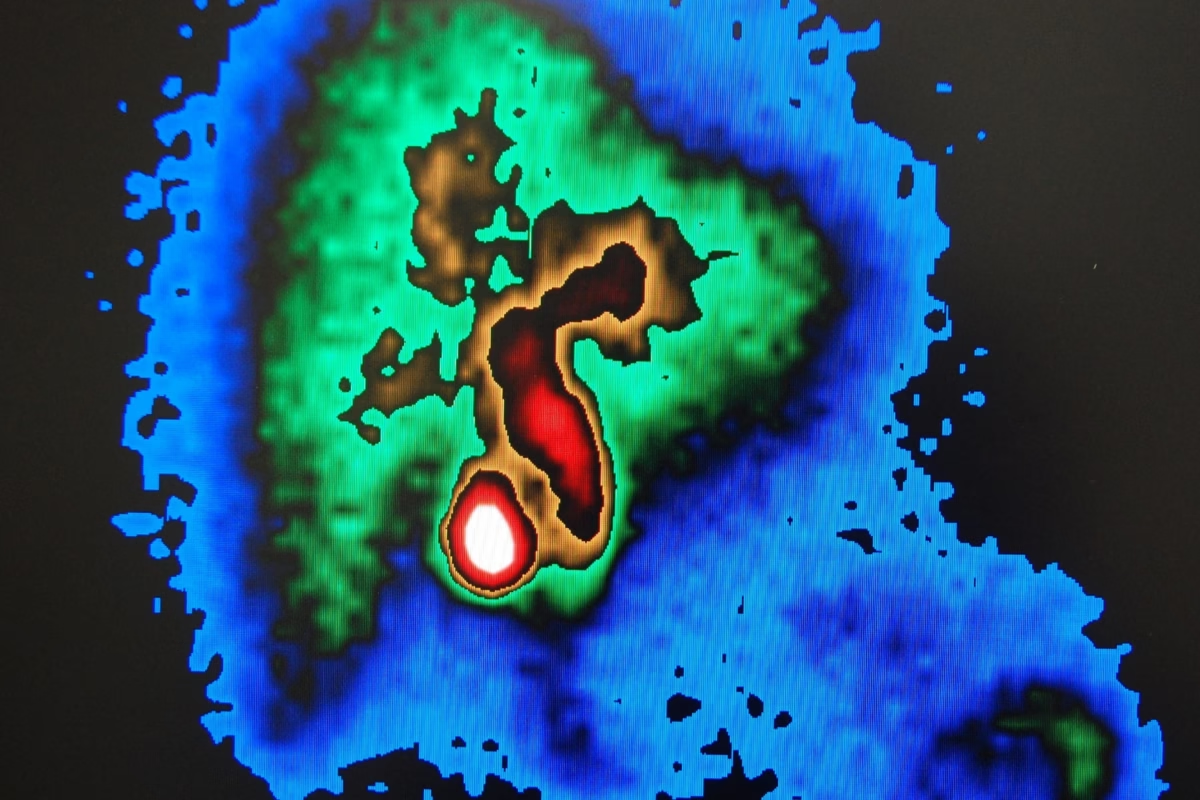
SPECT imaging provides valuable functional information, aiding clinicians in diagnosing, planning treatments, and monitoring progress.
 By
By
As the world becomes increasingly connected, cyber threats have become a critical concern for every industry, including healthcare.
 By
By
Theranostics is a cutting-edge approach that integrates diagnosis and therapy, enabling personalised and precise disease management.
 By
By
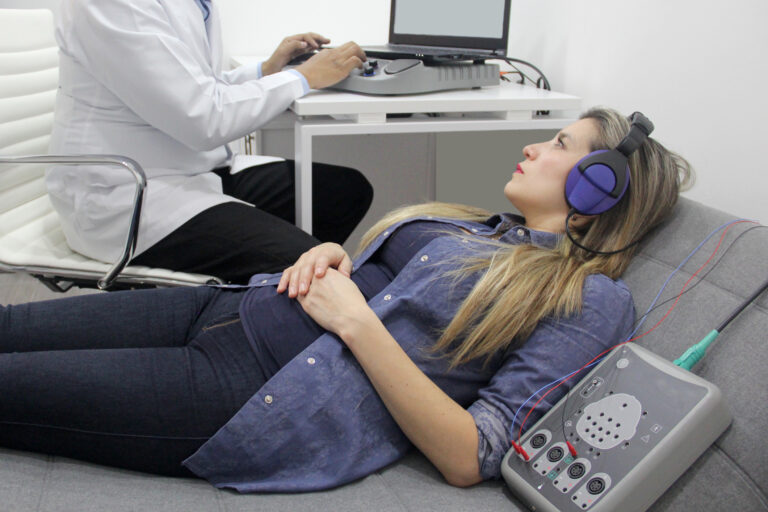
Visual Evoked Potentials are brain responses to visual stimuli, used for diagnosis and research. Image for illustration only. People depicted are models.
 By
By
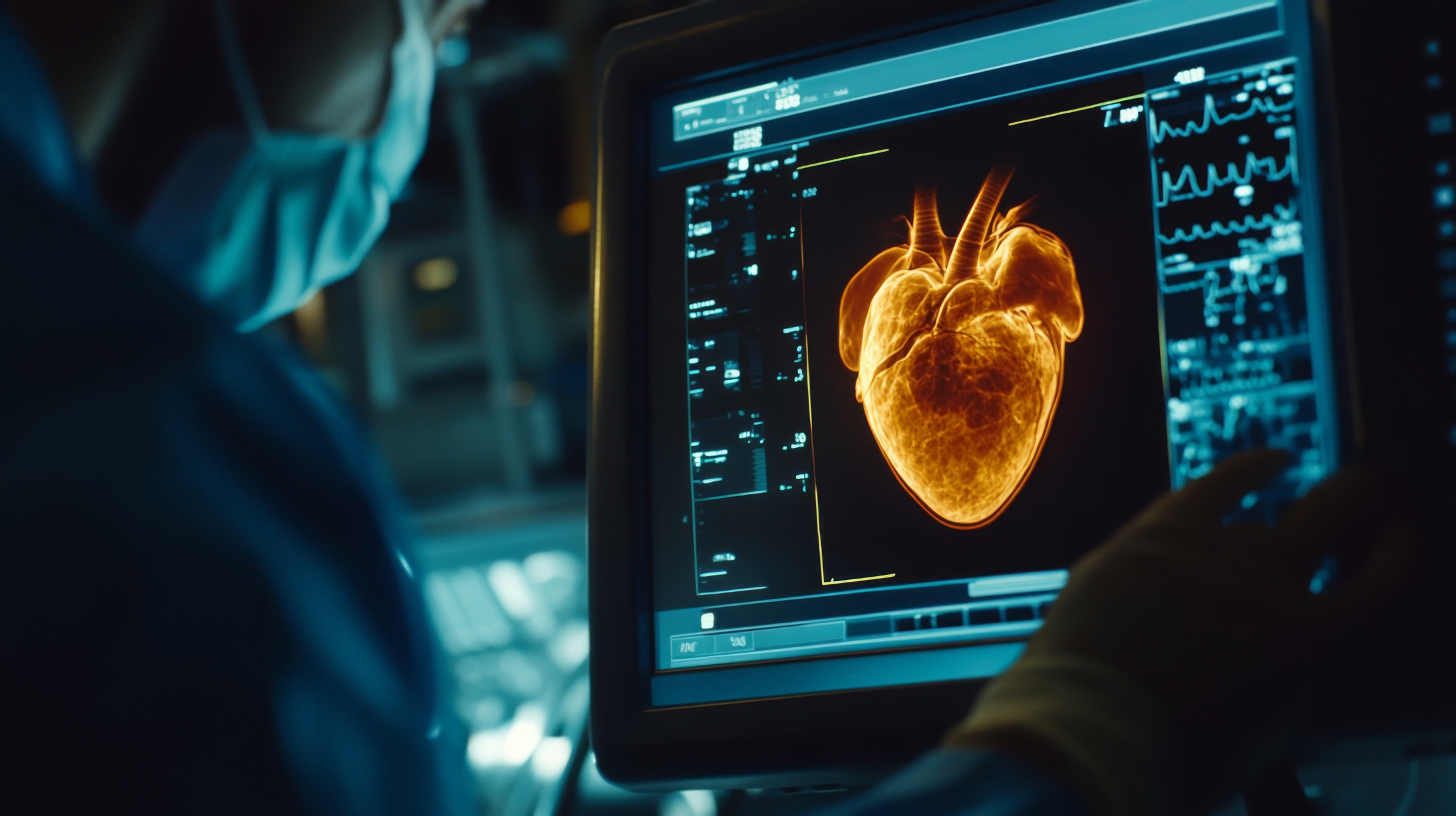
Heart imaging provides non-invasive ways to diagnose, treat, and monitor heart disease for better outcomes. Image for illustration only. People depicted are models.
 By
By
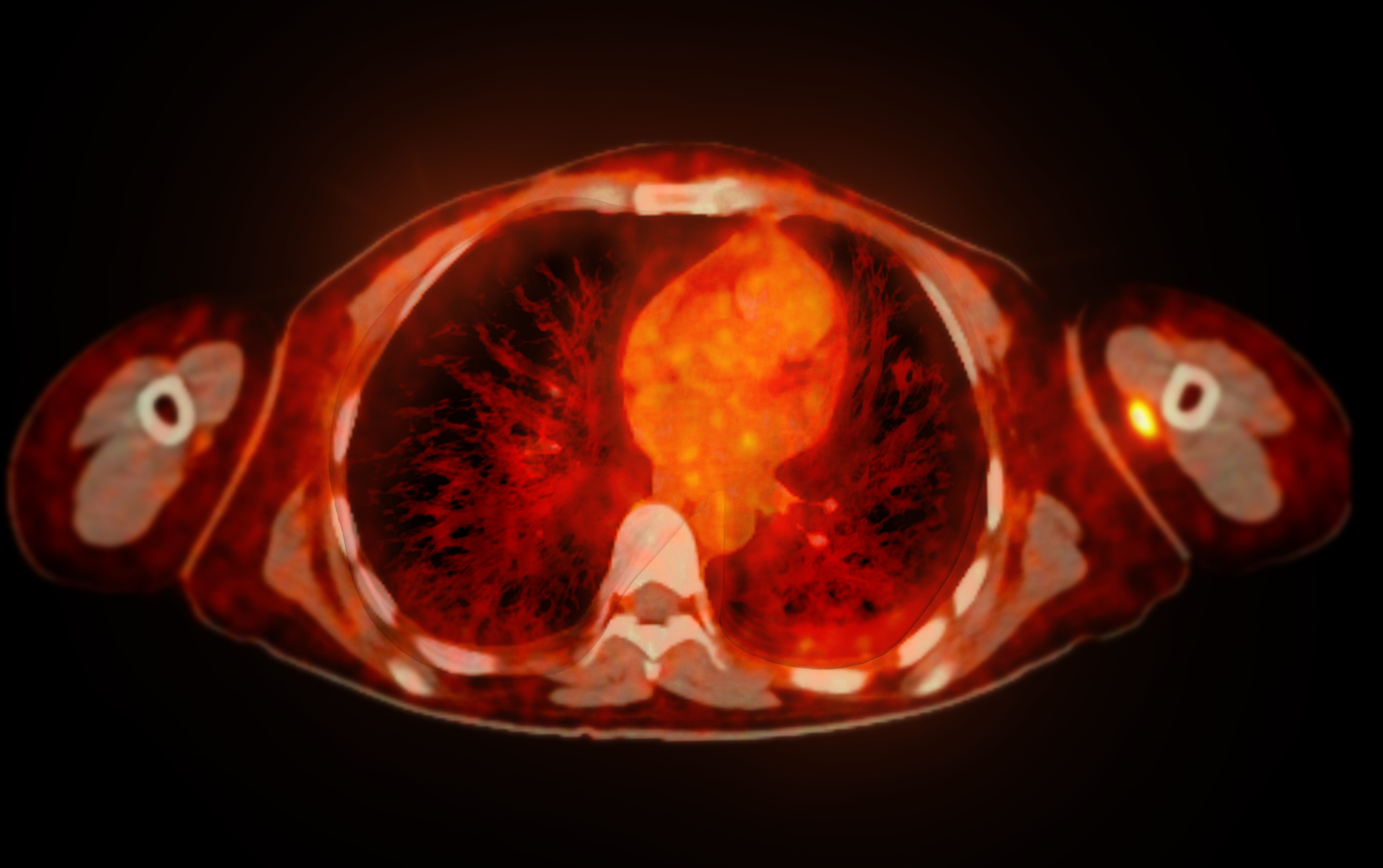
Medical imaging has evolved over centuries, starting with X-rays in 1895, progressing to CT, MRI, and PET scans.
 By
By
AI can revolutionise medical imaging by improving accuracy, speed, and clinical decision-making, leading to better patient outcomes.
 By
By
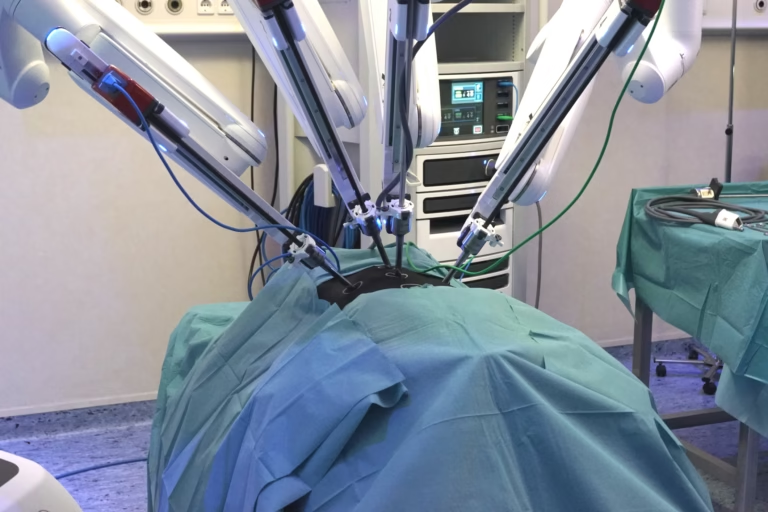
Robots are used in medical imaging and surgery to enhance precision, reduce risk, and improve patient outcomes.
 By
By
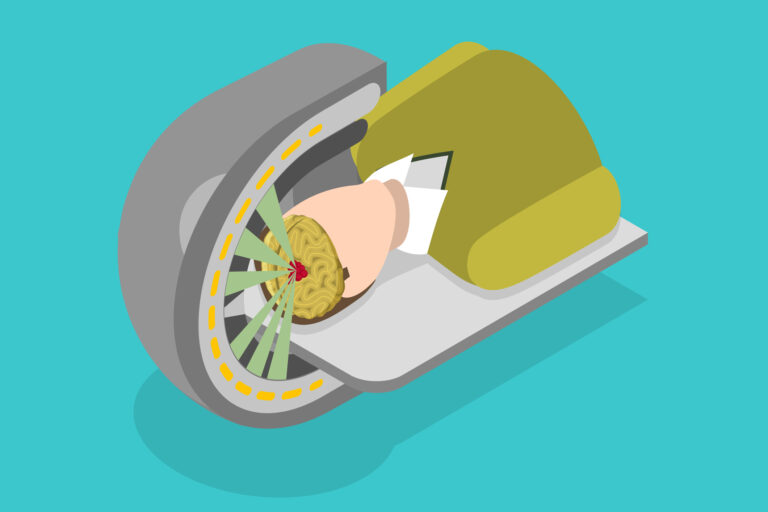
Proton therapy is a type of radiation therapy that uses protons to treat cancer by targeting tumors with high precision.
 By
By
Bone imaging is an essential diagnostic tool for detecting bone diseases, injuries, and disorders.
 By
By
Picture Archiving and Communication Systems (PACS) streamline medical imaging storage, sharing, and access, enhancing patient care.
 By
By
Anaesthesia and antiseptics transformed surgery in the 19th century. Scientific advancements, war, and innovation led to modern techniques. Image for illustration only. Person depicted is a model.
 By
By
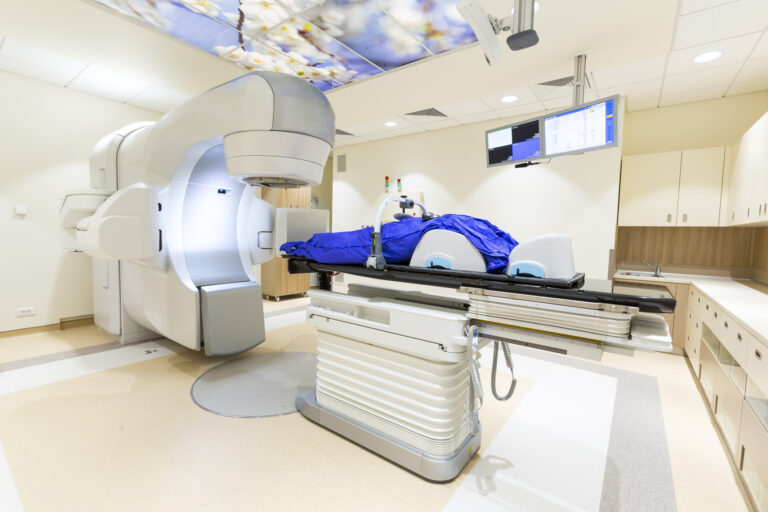
Radiotherapy machines are advanced tools that deliver high-energy radiation to treat cancer. From linear accelerators to cyberKnife and tomotherapy.
 By
By
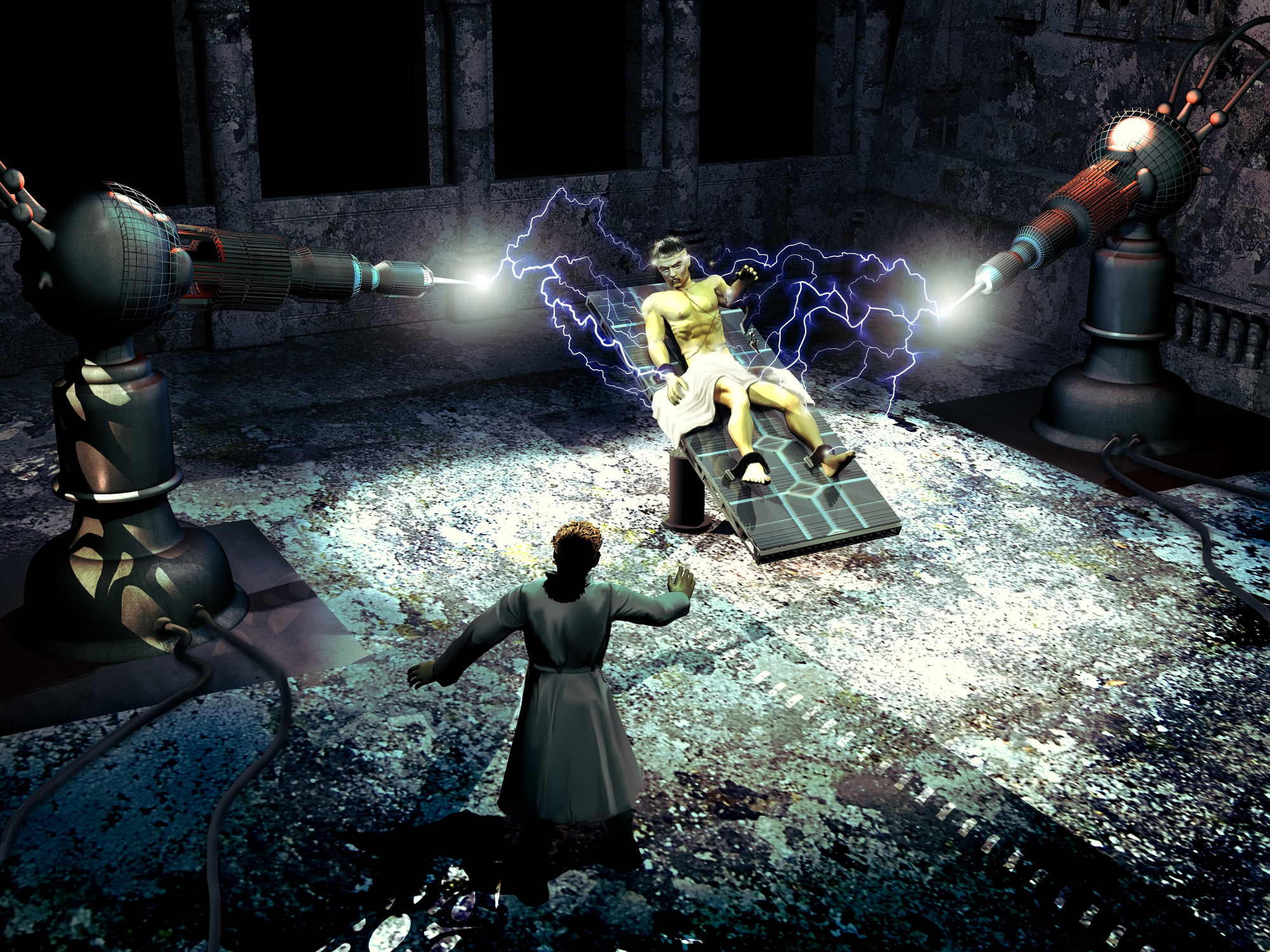
Modern anatomy has evolved rapidly through today’s technology, and human anatomical structures are more understood since the publication of Frankenstein.
 By
By
The healthcare sector is transforming through the convergence of technology, digitalisation, and 3-D modelling.
 By
By
Big Data will be the foundation for personalised healthcare, especially the application of algorithmic tools capable of converting raw data to large datasets.